Cafe Reggio
Cafe Reggio at 119 MacDougal St has been anchoring Greenwich Village's cafe culture since 1927, making it one of the longest-running coffee houses in New York City. The room trades on worn marble tabletops, dark wood panelling, and a crowd that spans NYU regulars to returning visitors who discovered the place decades ago. For the neighbourhood's old-guard cafe tradition, there is no closer analogue.
 Discover on Pearl
Pearl is the En Primeur Club membership app — saves, bookings, and concierge access live there. Same editors, same standards.
- Address
- 119 MacDougal St, New York, NY 10012
- Phone
- +12124759557
- Website
- caffereggio.com
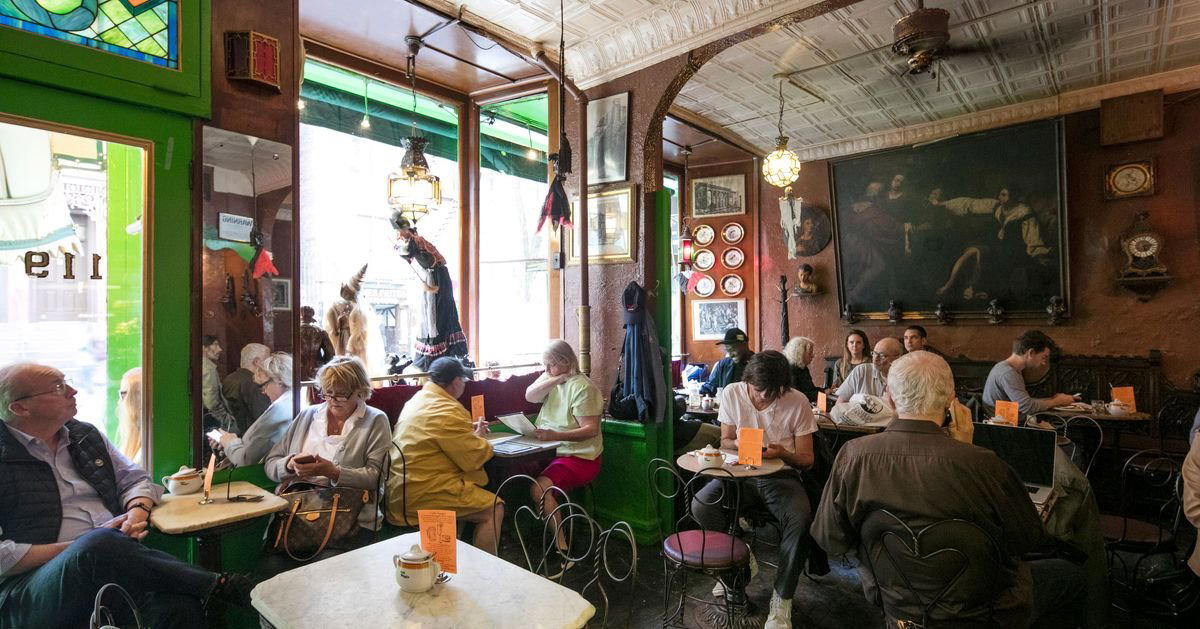
Greenwich Village's Longest-Running Room
The marble tabletops at Cafe Reggio have been worn smooth by nearly a century of elbows. Opened in 1927 at 119 MacDougal St, the cafe occupies a specific and increasingly rare position in New York's hospitality map: a room that has outlasted every trend around it, from the folk revival of the 1950s to the third-wave espresso boom of the 2010s, without materially changing its proposition. In a neighbourhood that has cycled through jazz bars, head shops, and artisanal ramen counters, that kind of continuity carries genuine editorial weight. New York's cafe culture did not begin here, but MacDougal Street's iteration of it owes a considerable debt to this address.
What the Regulars Know
The clientele that returns to Cafe Reggio season after season is not chasing novelty. Greenwich Village has a long tradition of venues that serve as de facto living rooms for writers, students, and neighbourhood residents who treat a corner table as a semi-permanent office. Cafe Reggio sits squarely in that tradition. The unwritten social contract here is that you can nurse a cappuccino through a long afternoon without being asked to leave, a posture that has become increasingly uncommon as Manhattan real estate economics have reshaped hospitality formats toward faster table turns. For regulars, this tolerance for lingering is the actual product being sold, with the coffee functioning as the cover charge.
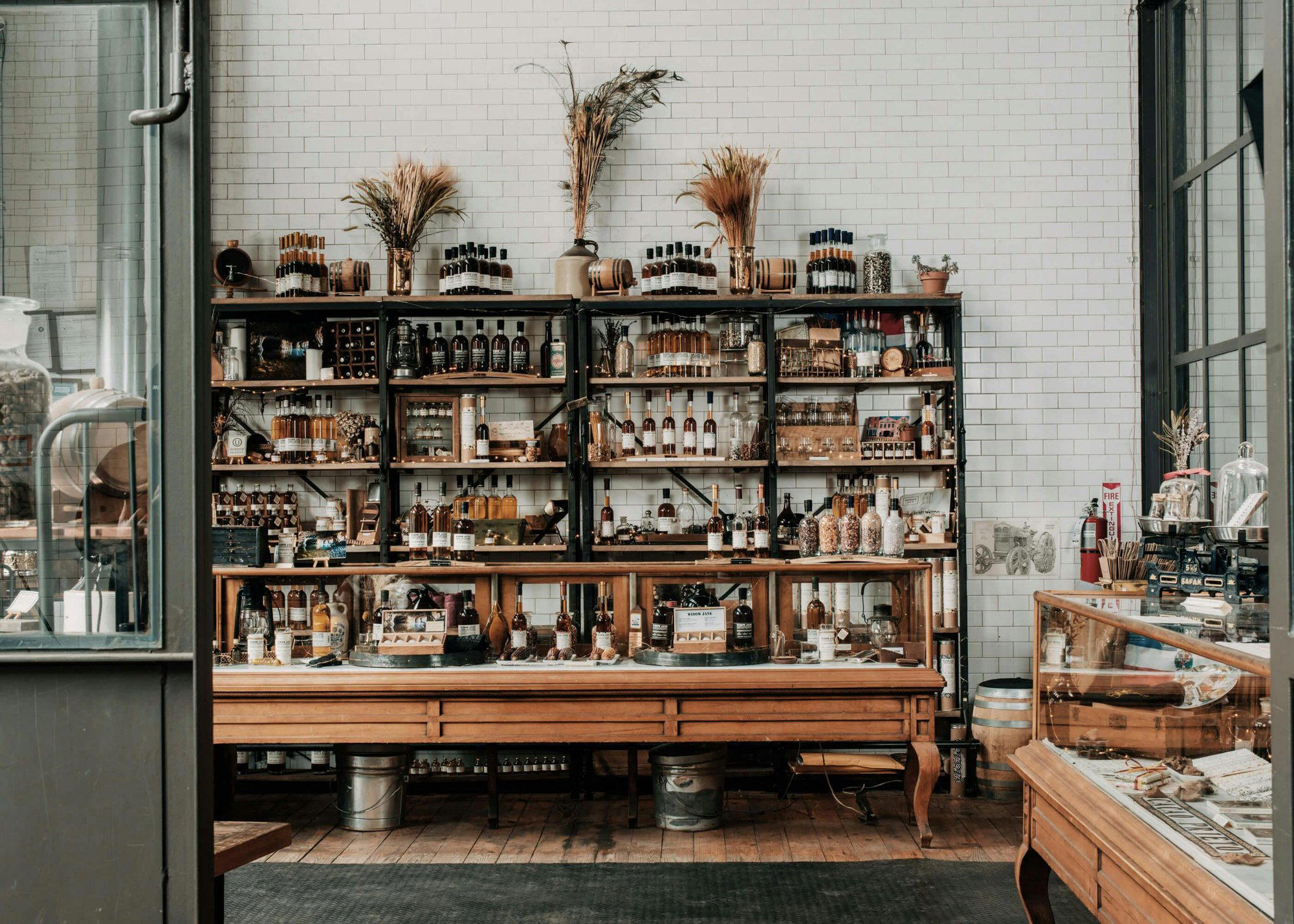
Room itself reinforces the dynamic. Dark wood panelling, antique paintings, and a general air of productive neglect signal that nothing here has been optimised for Instagram. That is not accidental. The physical space functions as a kind of self-selection mechanism: visitors expecting the clean lines of a specialty coffee bar will find the room dissonant, while those who understand the European cafe tradition, in which the room is as important as the cup, will read it immediately. In that sense, Cafe Reggio positions itself within a global lineage that runs through Paris, Vienna, and Rome rather than through the Pacific Northwest roaster model that dominates contemporary New York coffee culture.
MacDougal Street in Context
MacDougal Street between Bleecker and West 3rd has functioned as a pedestrian corridor for the Village's cafe and bar culture since at least the 1950s, when the neighbourhood became a focal point for Beat writers and folk musicians. The street still draws significant foot traffic, and that visibility cuts both ways: it has made Cafe Reggio accessible to generations of new visitors while also exposing it to the tourist pressure that has homogenised significant stretches of the surrounding blocks. The cafe's response has been to change almost nothing, which functions less as a business strategy than as an editorial statement about what kind of room it intends to be.
For context on what the broader New York dining and hospitality scene looks like at the other end of the price and format spectrum, the city's fine-dining tier is represented by venues like Le Bernardin, Atomix, Eleven Madison Park, Masa, and Per Se, all operating in the $$$$ tier with tasting menus, extensive wine programs, and booking windows measured in months. Cafe Reggio occupies the opposite architectural position in the city's hospitality structure, which is precisely what makes it legible to a certain kind of traveller.
The European Cafe Tradition in a New York Context
The cafe-as-room concept that Cafe Reggio embodies has deeper roots in continental Europe than in American hospitality history. Vienna's Kaffeehäuser, which received UNESCO recognition as an intangible cultural heritage in 2011, established the model: a space where the bill of fare is secondary to the social function of the room, where newspapers, conversation, and time are the actual commodities being consumed. Cafe Reggio's 1927 founding places it in the early years of that tradition's transplantation to New York, predating the neighbourhood's more famous cultural moments by two decades. Cafe Reggio is often credited locally with helping popularize the cappuccino in the United States, a claim that captures the way the cafe has positioned itself within the city's coffee mythology.
Comparable experiments in long-form hospitality culture exist elsewhere in the American dining geography. The commitment to a sense of place over format optimization shows up in very different ways at venues like Lazy Bear in San Francisco, Smyth in Chicago, or Blue Hill at Stone Barns in Tarrytown. The specific expressions differ enormously in price, format, and ambition, but each operates from the premise that the room and its culture are as important as what arrives at the table. Internationally, the same instinct appears in places like Dal Pescatore in Runate and Atelier Moessmer Norbert Niederkofler in Brunico, where longevity and a strong sense of identity have produced their own form of authority.
Planning a Visit
Cafe Reggio operates as a walk-in venue at 119 MacDougal St in Greenwich Village, accessible via the A, B, C, D, E, F, and M trains at West 4th Street-Washington Square, roughly a five-minute walk. No reservation is required, which is both the venue's greatest practical advantage and, on weekend evenings and summer afternoons when MacDougal Street reaches peak pedestrian density, its most significant logistical challenge. Weekday mornings and early afternoons represent the most reliable window for the kind of unhurried visit the room is designed for. The cafe has no formal dress code; the room self-selects for a casual, neighbourhood register. The Village location places Cafe Reggio within walking distance of venues covering significantly different price points and formats, from the quick-service counters of Bleecker Street to the sit-down dining of the surrounding blocks. Those planning more ambitious dining programs in the city might also note venues like Emeril's in New Orleans, Providence in Los Angeles, Addison in San Diego, The French Laundry in Napa, Single Thread Farm in Healdsburg, Frasca Food & Wine in Boulder, The Inn at Little Washington, and Providence in Los Angeles as reference points for the other end of the American dining register.
Pricing, Compared
Comparable venues nearby, for context on price, style, and recognition.
| Venue | Cuisine | Price | Awards | Notes |
|---|---|---|---|---|
| Cafe ReggioThis venue — the venue you are viewing | $$ | , | ||
| Numero 28 Pizzeria | West Village, Neapolitan Pizza | $$ | , | |
| Pastai | $$ | , | Chelsea-Hudson Yards, Southern Italian Pasta Bar | |
| Pizza Studio Tamaki | $$ | , | East Village, Tokyo-Style Neapolitan Pizza | |
| Lazzara's Pizza Cafe | Midtown-Times Square, Italian Pizza Cafe | $$ | , | |
| Nick's | $$ | , | Upper East Side-Yorkville, American-Italian Pizza |
Continue exploring
More in New York City
Restaurants in New York City
Browse all →
Bars in New York City
Browse all →

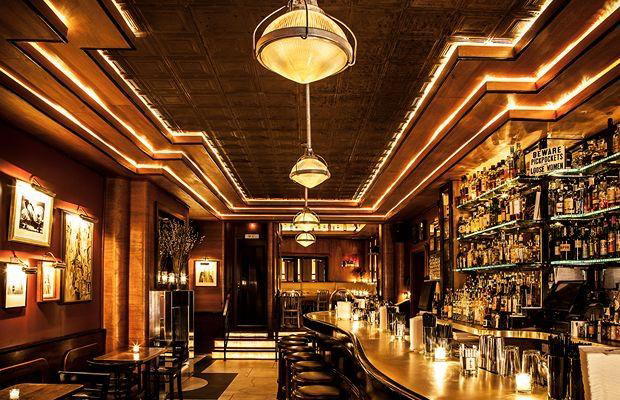
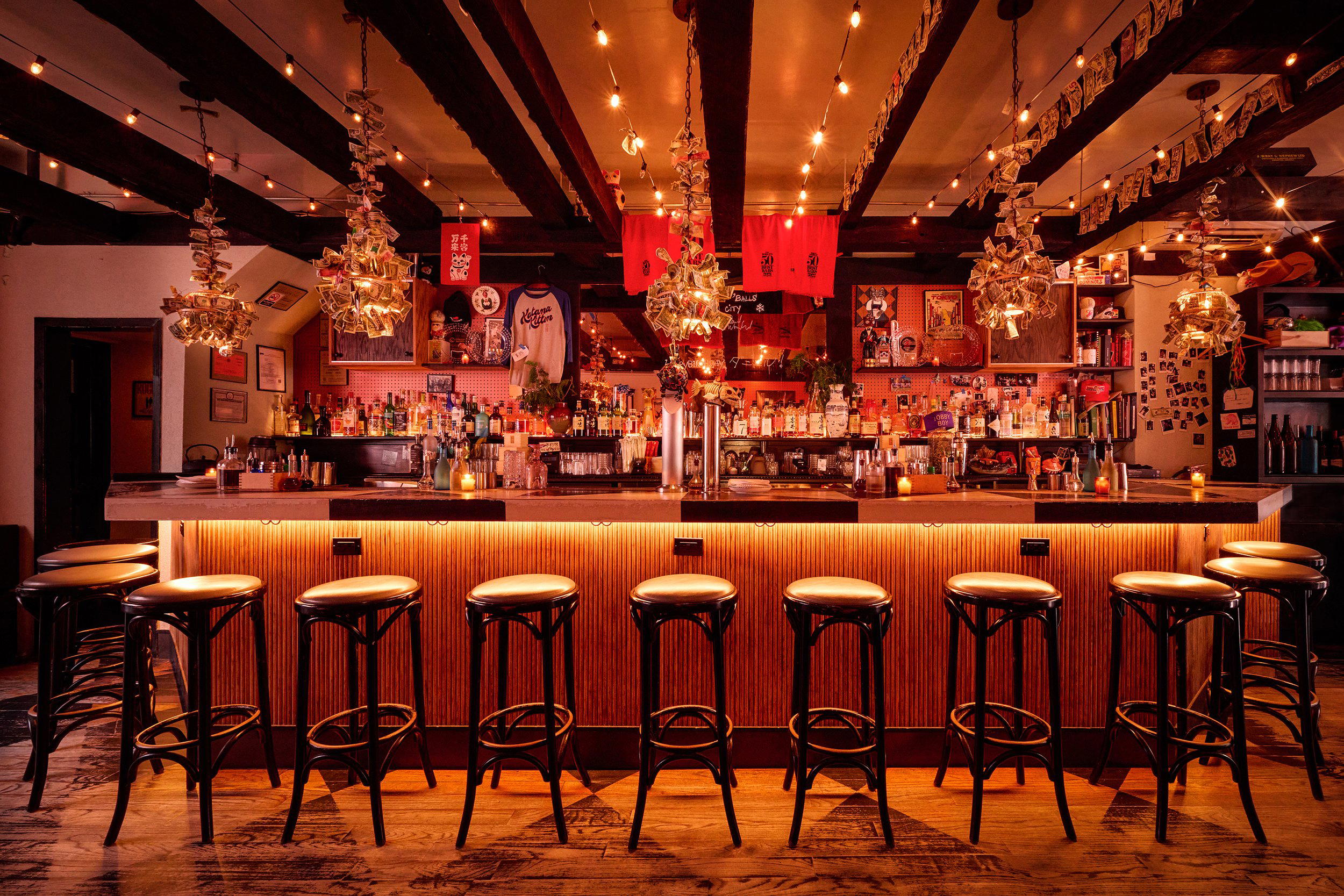
Hotels in New York City
Browse all →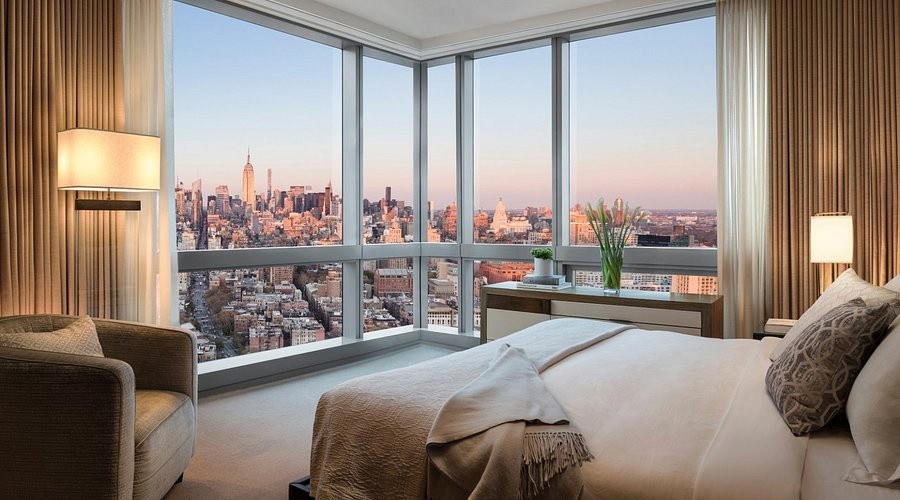
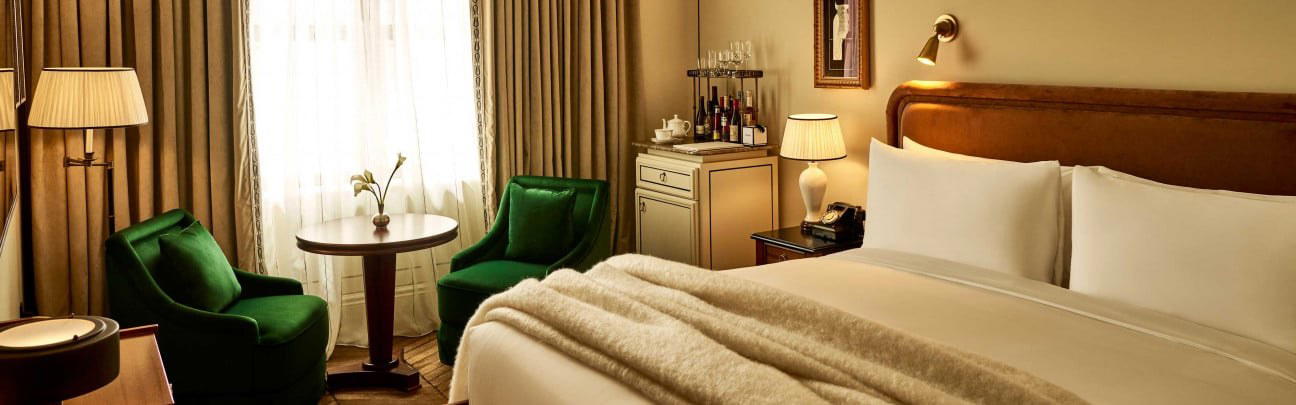



At a Glance
- Classic
- Cozy
- Iconic
- Historic
- Intimate
- Casual Hangout
- Brunch
- Solo
- Historic Building
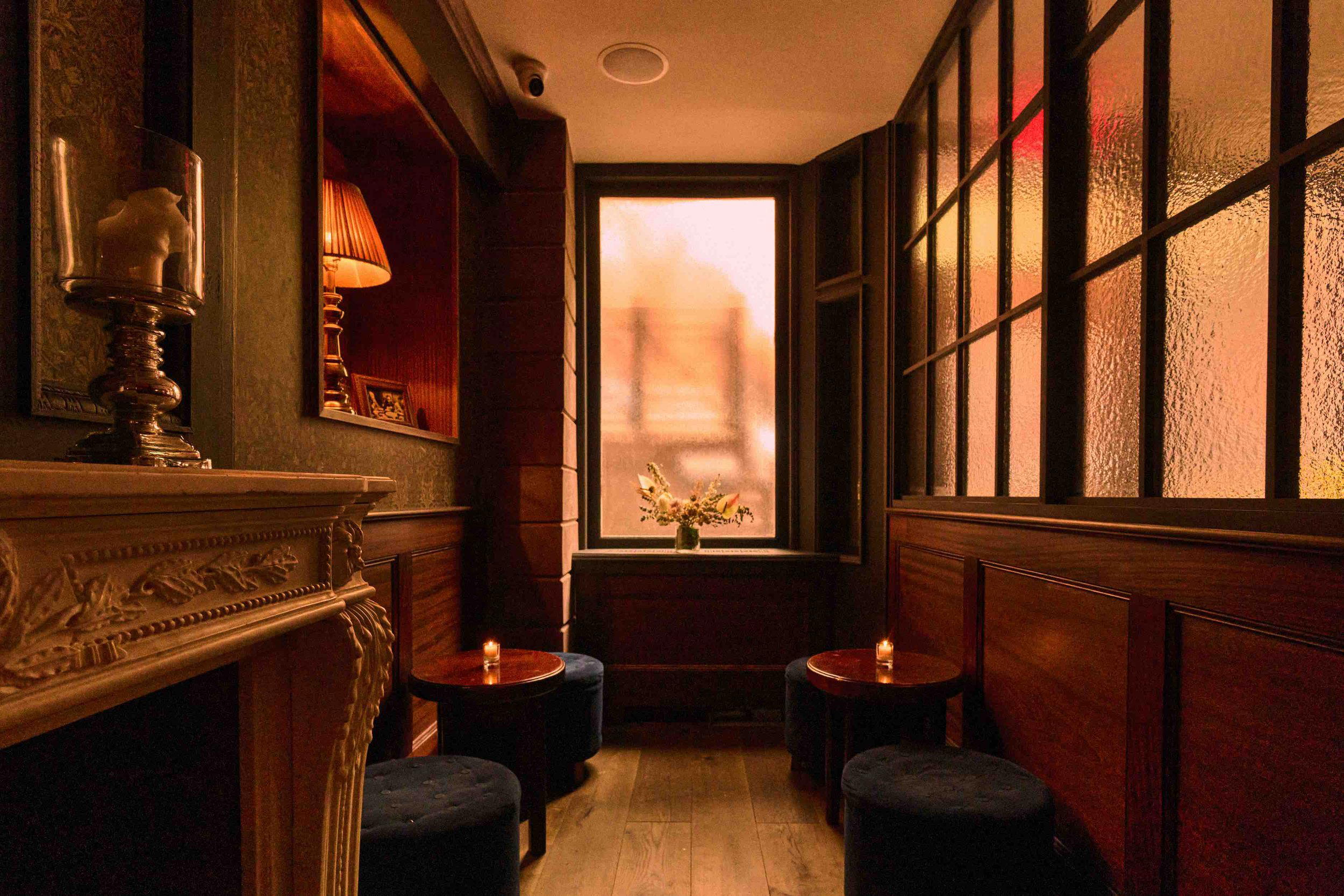
Dimly lit interior with cracked walls adorned by ornate paintings, creating a cozy, historic, and artistic atmosphere.