Our verdict
Café O2 sits in Beijing’s Olympic-area dining orbit, where restaurants serve a mix of park visitors, nearby business traffic, and destination diners moving between the city’s broader restaurant scene. With few public format signals attached to the address, the useful reading is contextual: treat it as a low-information Beijing café entry, then compare it with better-defined Chinese, regional, and hotel-adjacent options across the city.

Pearl is the En Primeur Club membership app — saves, bookings, and concierge access live there. Same editors, same standards.
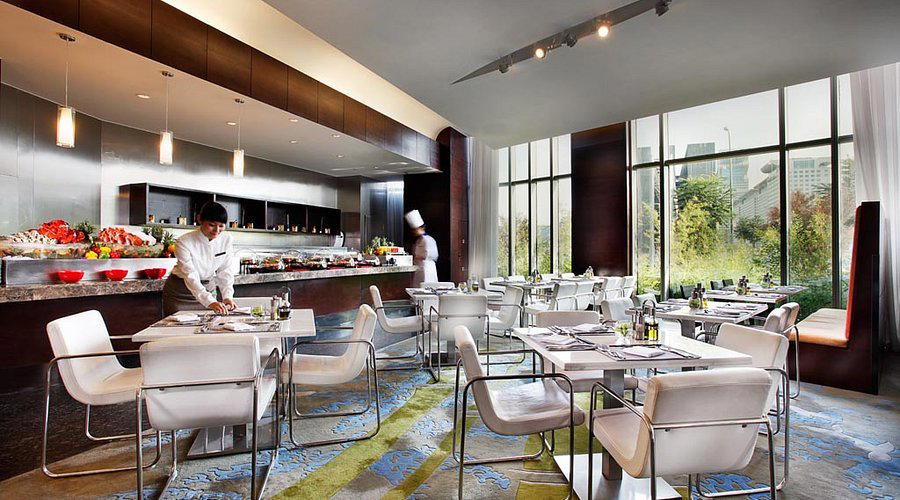
Approaching Beijing through one of its newer, event-shaped dining corridors changes the rhythm of eating out. The city’s older restaurant areas often trade on historic texture, courtyard atmosphere, or hotel dining rooms; this wider, more contemporary pattern is shaped by exhibitions, sports schedules, office traffic, and hotel stays. Café O2 belongs to that practical orbit rather than the capital’s old banquet geography.
That distinction matters in Beijing, a city where sourcing and format often reveal more than décor. Serious dining in the capital often signals itself through a clear culinary identity, a specialist kitchen, or a format built around a particular style of service. A café in Beijing sits in a different category unless its kitchen makes a clear producer-led or category-led argument.
Beijing dining plays by a different set of rules
Beijing’s restaurant map is not one scene. It is a set of overlapping dining systems. Some areas lean toward international kitchens and design-heavy rooms competing for evening traffic. Others carry more historic dining weight, particularly when traditional settings or municipal food history enter the picture. In newer mixed-use parts of the city, convenience, scale, and daily traffic exert more pressure. Café O2 should be read inside that broader Beijing pattern.
For travellers using the area as a base, the question is less whether a café can compete with Beijing’s established specialist dining rooms and more what role it should play in an itinerary. The capital has stronger anchors for set-piece meals, especially where a kitchen’s identity, service format, or regional focus is clearly stated. For a broader Beijing scan, the stronger planning move is to cross-check the full Beijing restaurants landscape before assigning a café too much responsibility.
Ingredient identity is the decisive question
Ingredient sourcing is where Beijing dining becomes legible. Specialist restaurants tend to communicate their priorities through pantry, technique, service rhythm, and menu structure. Yu Hua Tai (Xicheng) sits in a more defined comparison set, while La Roba gives diners another named point of reference within Beijing’s broader restaurant field. Without a stated cuisine or chef attached to Café O2, the safer editorial position is to treat sourcing claims cautiously and judge the venue by category rather than assumption.
This is where peer choice matters. Diners seeking a more clearly framed meal can compare Café O2 with other Beijing dining rooms whose formats are easier to read from the outset. Beijing’s dining tier also includes comparison names such as DI Chinese Restaurant, Sheng Yong Xing, Xiang Bin Xuan (Huayuan Road), Yu Hua Tai (Xicheng), and La Roba, each useful because a clearer public framing gives diners a better read on what the kitchen is likely to prioritize.
That does not make Café O2 irrelevant. It makes it situational. In a city with deep dining choices, a café in Beijing is useful when geography leads the decision: daytime schedules, nearby meetings, hotel proximity, or a meal that needs to sit between larger plans. For a destination dinner, Beijing rewards sharper targeting. For wider comparisons, the same principle holds: venues with a narrow, well-signalled identity often carry their story more clearly than a generic café label.
How to place Café O2 in a Beijing itinerary
The most practical way to read this venue is as a Beijing café option rather than a headline meal. That distinction keeps expectations useful. Beijing is a city where a single day can move from museum corridors to mall dining, from banquet rooms to late drinks, and from hotel breakfasts to specialist dinners. Café O2 fits into that middle layer, especially when location outranks a named cuisine, a chef-led format, or an award trail.
Travellers building a tighter plan should separate meal types. Use cafés and hotel-adjacent rooms for convenience, then reserve stronger appetite and travel time for category-led dining. The wider city research should also include Beijing hotels, bars, wineries, and experiences, because a café choice often depends on where the day or night is actually heading. For readers comparing casual formats, the lesson is simple: a narrow food or drink identity can carry a small-format venue; Café O2’s public identity is quieter, so it should be judged with that restraint.
Frequently asked questions
Is Café O2 suitable for children?
Café O2’s Beijing location makes it a practical choice for mixed-age outings. The café format usually works better for children than a formal tasting-menu room, especially for a relaxed meal rather than a long dining sequence.
What's the vibe at Café O2?
The name points to a café-style setting rather than a high-formality dining room. Expect a more casual, everyday pace than a chef’s counter or fine-dining room.
How do I find Café O2?
Beijing.
How hard is it to get a table at Café O2?
No specific reservation signal is listed for Café O2, so it does not read like a high-friction booking. In Beijing terms, it looks closer to a straightforward café stop than a table that requires long lead time.
What's Café O2 best at?
Café O2 is best used for its café format and Beijing location, not as a destination dining room. It reads as a practical stop when convenience matters more than a tightly defined dining category.
At-a-Glance Comparison
Comparable venues by cuisine and price in the same metro.
| Venue | Cuisine | Price | Awards |
|---|---|---|---|
| Café O2This venue — the venue you are viewing | International buffet and all‑day dining | $30–50 | Not listed |
| DI Chinese Restaurant | Modern Cantonese & Beijing-style Chinese in an upscale hotel | Not listed | Not listed |
| ææ°¸å ´ Sheng Yong Xing | Luxury Beijing Roast Duck | $50–100 | Not listed |
| Yu Hua Tai (Xicheng) | Refined Huaiyang Cuisine | $10–20 | Michelin Bib Gourmand |
| Xiang Bin Xuan (Huayuan Road) | Authentic Hunanese | Not listed | Michelin Bib Gourmand |
| La Roba | Yunnanese | $30–50 | Michelin Plate |
Continue exploring
More in Beijing
Restaurants in Beijing
All restaurants in Beijing →
Bars in Beijing
All bars in Beijing →
Details
- Modern
- Elegant
- Sophisticated
- Business Dinner
- Group Dining
- Family
- Casual Hangout
- Brunch
- Private Event
- Hotel Restaurant
- Buffet
- A La Carte
- Vegetarian Friendly
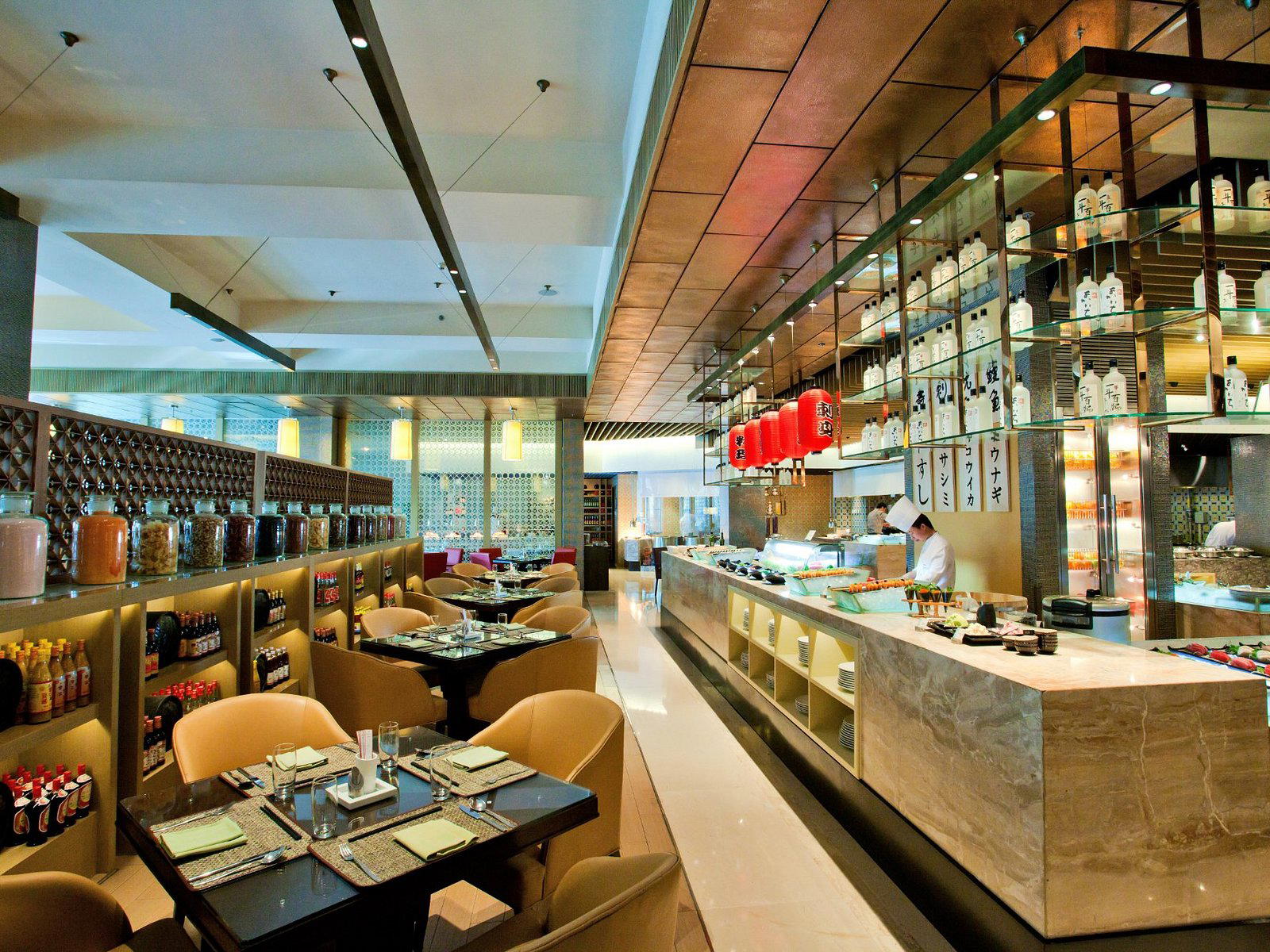
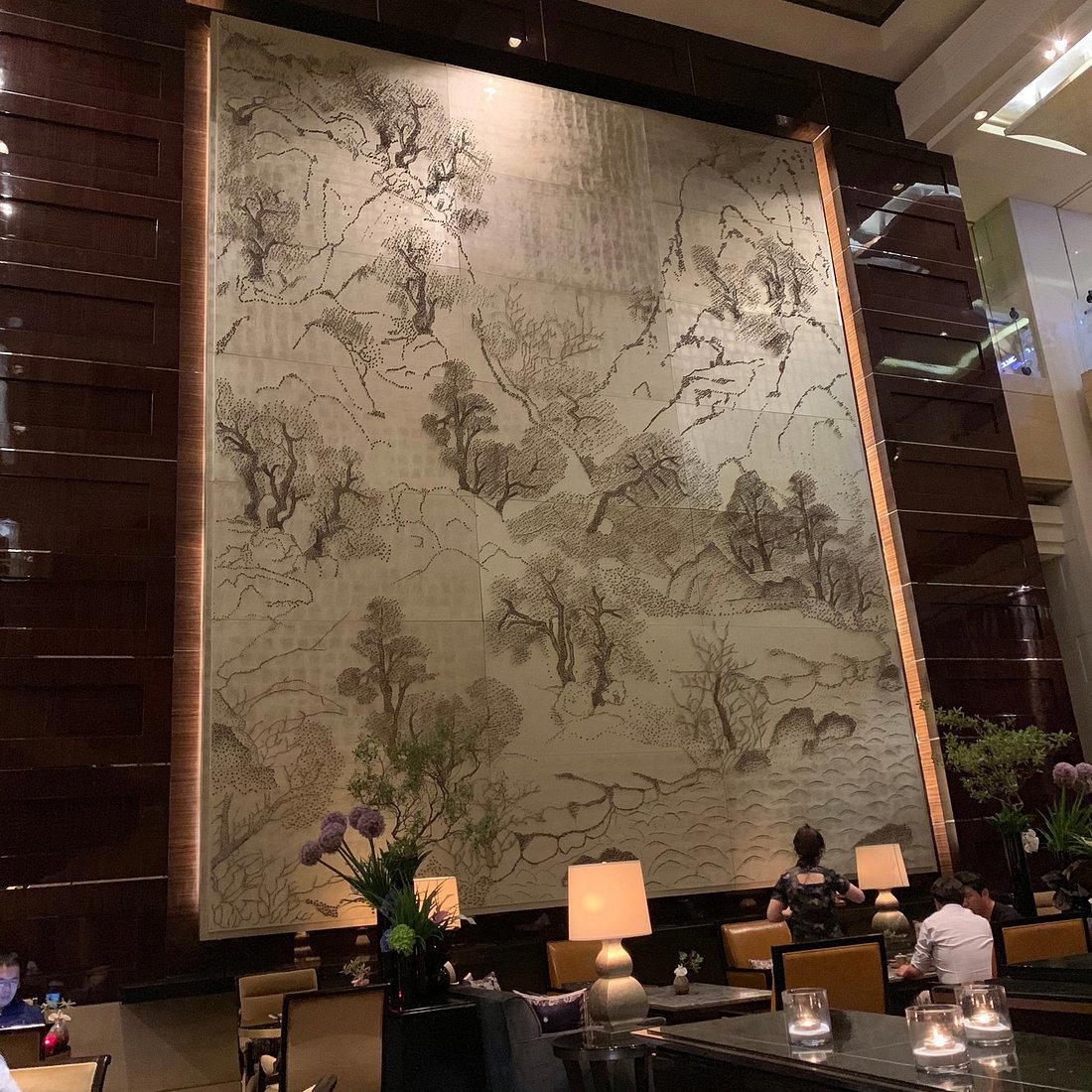
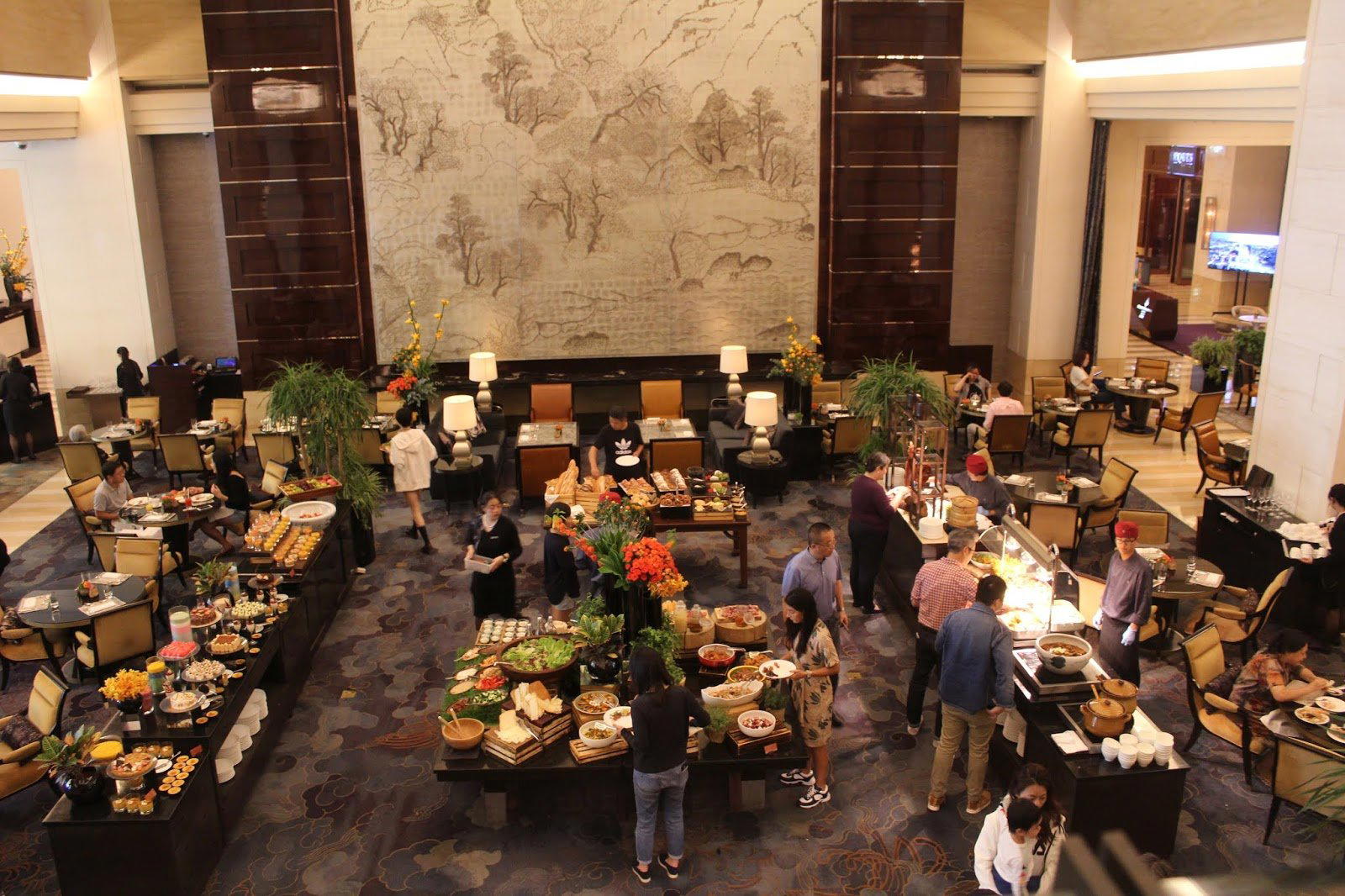
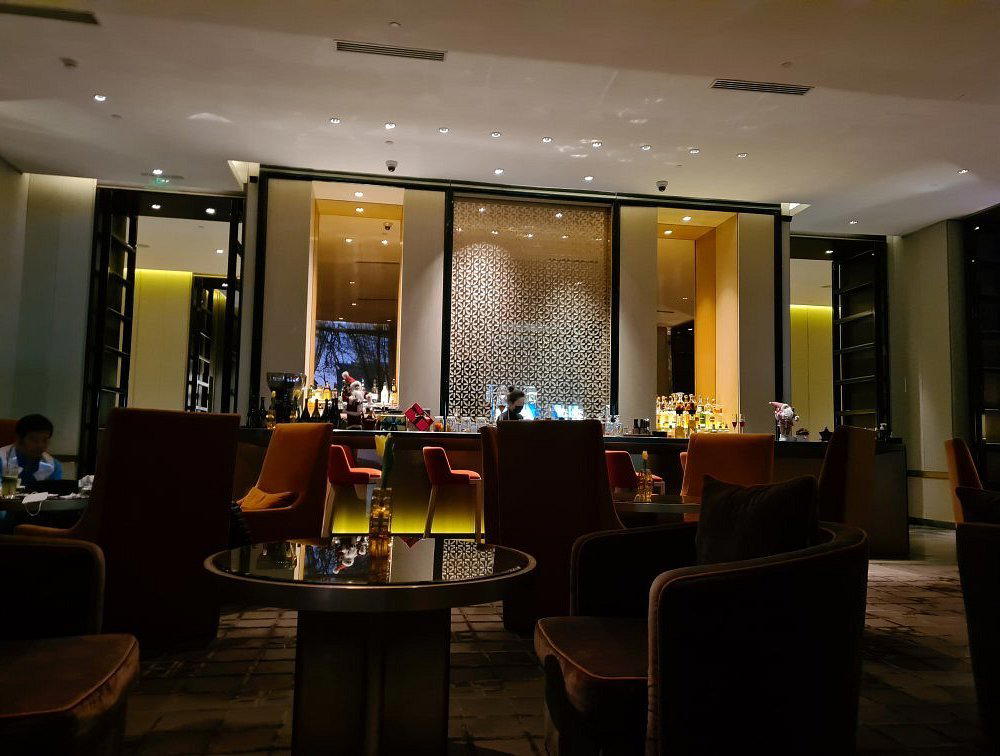
Contemporary hotel restaurant atmosphere with bright, comfortable seating and a busy, lively feel during buffet service, suited to both business and family guests.