Cafe Madrid
Cafe Madrid occupies a corner of Dallas's Knox-Henderson corridor where Spanish dining traditions meet a neighborhood that rewards those willing to look past the obvious. The address on Travis Street places it squarely in a pocket of the city that has quietly accumulated serious restaurant density over the past decade, making it a natural reference point for anyone mapping the Spanish dining conversation in North Texas.
 Discover on Pearl
Pearl is the En Primeur Club membership app — saves, bookings, and concierge access live there. Same editors, same standards.
- Address
- 4501 Travis St, Dallas, TX 75205
- Phone
- +12145281731
- Website
- cafemadrid-dallas.com
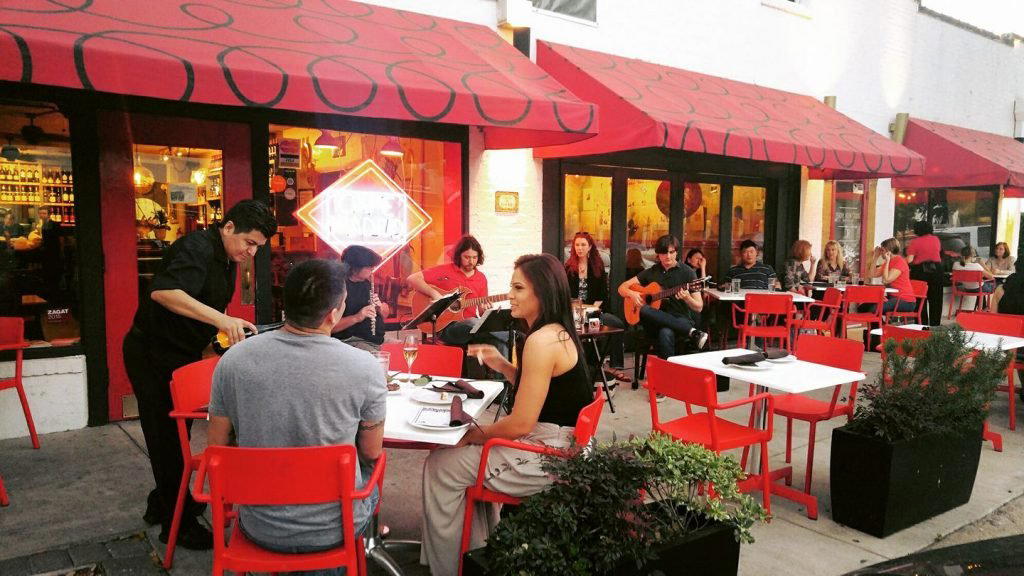
Spanish Dining in Dallas: Where Cafe Madrid Fits the City's Evolving Table
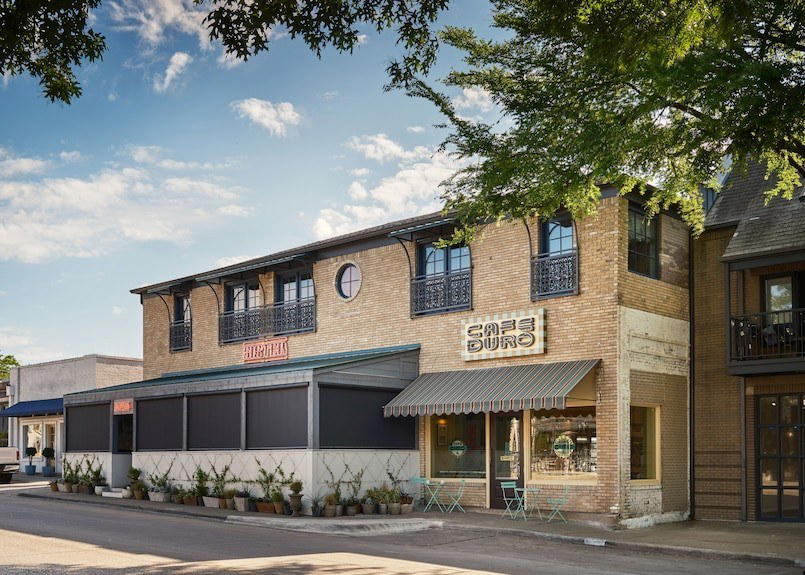
Travis Street in the 75205 zip code runs through one of Dallas's more densely layered dining corridors, a stretch where independent operators and neighborhood institutions compete for loyalty against the city's newer high-profile openings. It is the kind of block where the physical approach matters: the transition from the car-forward sprawl of central Dallas into a more pedestrian-scaled strip of storefronts signals a different kind of dining experience before you reach the door. Spanish cooking, rooted in the long tradition of communal eating, fits that register well. The cuisine's architecture, built around shared plates, cured proteins, and wine-forward pacing, suits a room that functions as a neighborhood anchor rather than a destination showcase.
Spanish food in the American context has spent the better part of two decades sorting itself out. The tapas wave of the early 2000s flattened a deeply regional cuisine into a single exportable format, and many operators outside Spain still default to that shorthand. The more rigorous end of the conversation, the kind that distinguishes between the restraint of Castilian cooking, the seafood-forward Galician table, and the pintxos culture of the Basque country, has been slower to arrive in Texas cities. Dallas's Spanish dining options remain a smaller cohort than its steakhouse or Tex-Mex inventory, which means that any operator working seriously in that space occupies a relatively uncrowded lane. For comparison, the city's Italian options cluster around Bishop Arts and Uptown, with places like Lucia setting a benchmark in that genre, while the Japanese tier has developed its own depth through counters such as Tatsu Dallas. Spanish, by contrast, has fewer flagpoles.
The Cultural Weight Behind the Cooking
To understand what a Spanish restaurant is doing in a city like Dallas, it helps to understand what Spanish cooking actually is, which is not a single thing. The Iberian Peninsula's cuisine is one of the most internally diverse in Europe, shaped by centuries of Moorish influence in Andalusia, Atlantic fishing culture in Galicia and the Basque Country, and the central plateau's tradition of slow-roasted meats and pulses. The communal format, whether in the form of tapas in the south or pintxos in the north, reflects a social structure where the table is an extended event rather than a transaction. That philosophy translates well when a dining room is built to sustain it, and poorly when it is reduced to small-plate efficiency.
American cities have generally received Spanish food through a Mediterranean filter, grouping it with Italian and Greek as part of a broadly European southern tier. That framing misses the specificity. Sherry, for instance, the oxidized wine produced in the Jerez triangle, is one of the most food-versatile fermented beverages in the world, and its near-absence from most American Spanish restaurants is a reliable diagnostic of how seriously an operator has engaged with the source material. Similarly, Iberico pork products, with their acorn-fed depth and particular fat composition, represent a category that has no close American analog. Regions where these reference points appear on a menu tend to signal a more committed curatorial stance.
That cultural specificity matters in Dallas because the city's dining culture rewards confidence. The local market has demonstrated it will support ambitious, expensive formats: Fearing's has maintained its Southwestern fine-dining position for years, and the Brazilian churrasco tradition has its own established tier at places like 12 Cuts Brazilian Steakhouse. A Spanish operator with genuine depth of reference competes not just against other Spanish addresses but against any restaurant asking diners to invest time and money in a cuisine they are still learning.
The Knox-Henderson Corridor and Its Dining Logic
The Travis Street address places Cafe Madrid in a neighborhood that has been accumulating restaurant credibility for some time. Knox-Henderson and its adjacent streets represent one of Dallas's more walkable pockets, and the dining density there now spans enough formats to support a full evening without leaving a few blocks. The neighborhood sits between Highland Park and Uptown, which means its regular clientele skews toward residents with relatively high disposable income and some familiarity with international dining. That demographic profile creates conditions that generally favor operators willing to commit to a specific culinary tradition rather than hedging toward broad accessibility.
For visitors building a Dallas itinerary, the Travis Street corridor pairs logically with a number of nearby options. Mamani and 360 Brunch House represent the neighborhood's range, and the broader Dallas dining inventory, documented in our full Dallas restaurants guide, covers the category spread across the city. For those mapping Spanish dining against fine-dining benchmarks elsewhere in the country, the reference tier includes addresses like Le Bernardin in New York City, Alinea in Chicago, The French Laundry in Napa, and Providence in Los Angeles. These are different categories but useful context for calibrating expectations about what serious regional cooking looks like when executed at full commitment. Other nationally recognized operators worth understanding for comparison include Emeril's in New Orleans, Lazy Bear in San Francisco, Single Thread Farm in Healdsburg, Blue Hill at Stone Barns in Tarrytown, Addison in San Diego, The Inn at Little Washington in Washington, Atomix in New York City, and 8 1/2 Otto e Mezzo Bombana in Hong Kong.
Planning Your Visit
Cafe Madrid sits at 4501 Travis Street, Dallas, TX 75205, in a part of the city where street parking and nearby lots are the practical approach. The Knox-Henderson strip is accessible from central Dallas by car. For those coordinating an evening that moves through multiple addresses, the neighborhood's compact footprint makes it workable on foot between stops. Cocktail-forward options nearby include 3Eleven Kitchen and Cocktails, which fits a pre- or post-dinner bracket without requiring significant travel. Cafe Madrid is typically open Monday through Thursday from 5 to 10 PM, Friday from 5 to 11 PM, Saturday from 12 to 11 PM, and closed Sunday. Reservations are recommended, and the restaurant is priced at about $30 per person.
Similar Picks
Comparable venues nearby, for context on price, style, and recognition.
| Venue | Cuisine | Price | Notes |
|---|---|---|---|
| Cafe MadridThis venue — the venue you are viewing | Authentic Spanish Tapas | $$ | |
| Streets Fine Chicken | Southern Comfort Fried Chicken | $$ | Turtle Creek |
| Campisi's | Classic Italian Pizza & Pasta | $$ | Greenville Ave |
| Prego Pasta House | Southern Italian | $$ | Lovers Lane East |
| Mi Cocina | Tex-Mex | $$ | Arts District |
| Joanna Czech | :null | , | Victory Park |
Continue exploring
More in Dallas
Restaurants in Dallas
Browse all →
Bars in Dallas
Browse all →
Hotels in Dallas
Browse all →


At a Glance
- Cozy
- Intimate
- Classic
- Date Night
- Casual Hangout
- Special Occasion
- Live Music
- Private Dining
- Extensive Wine List
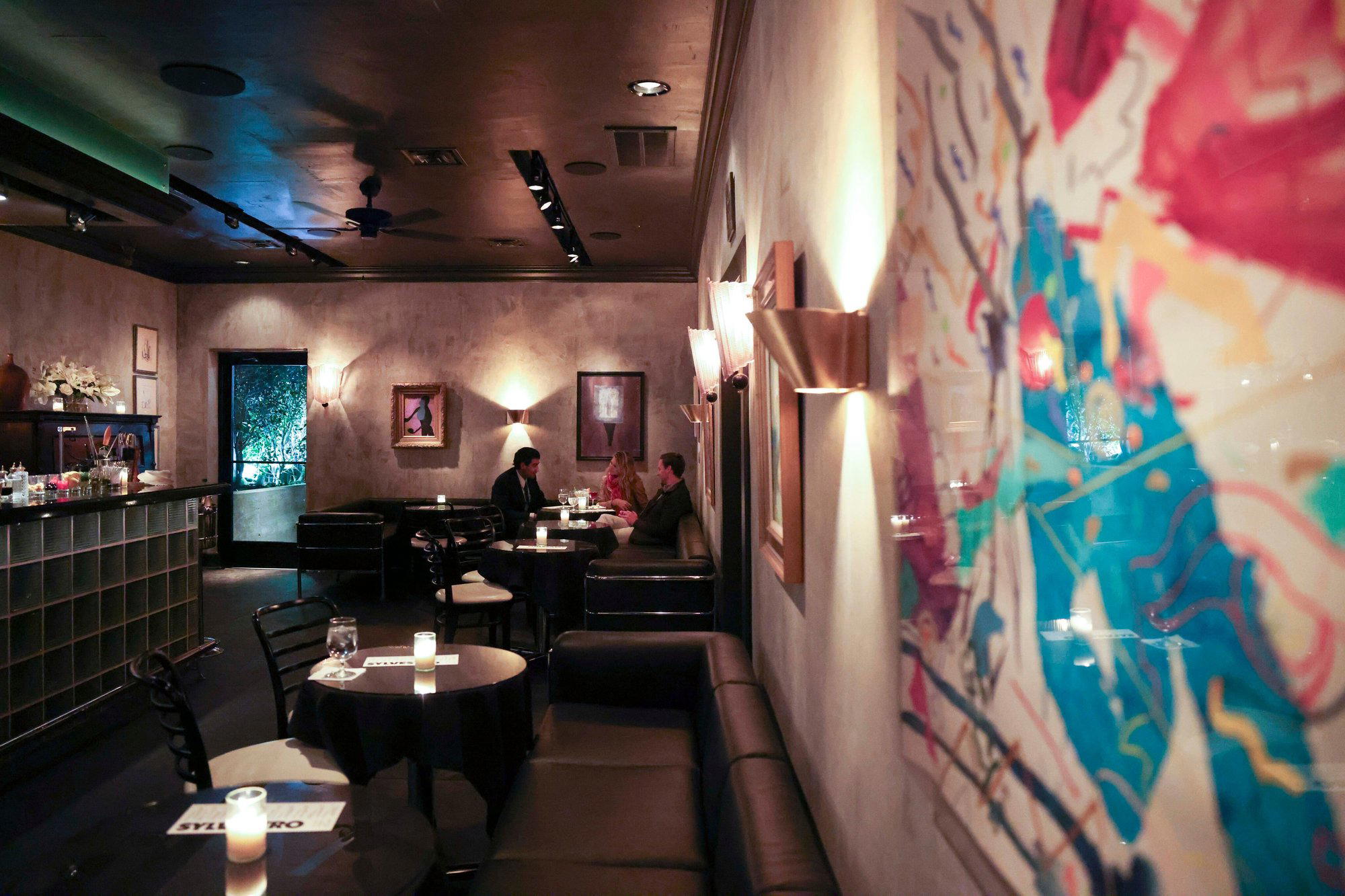
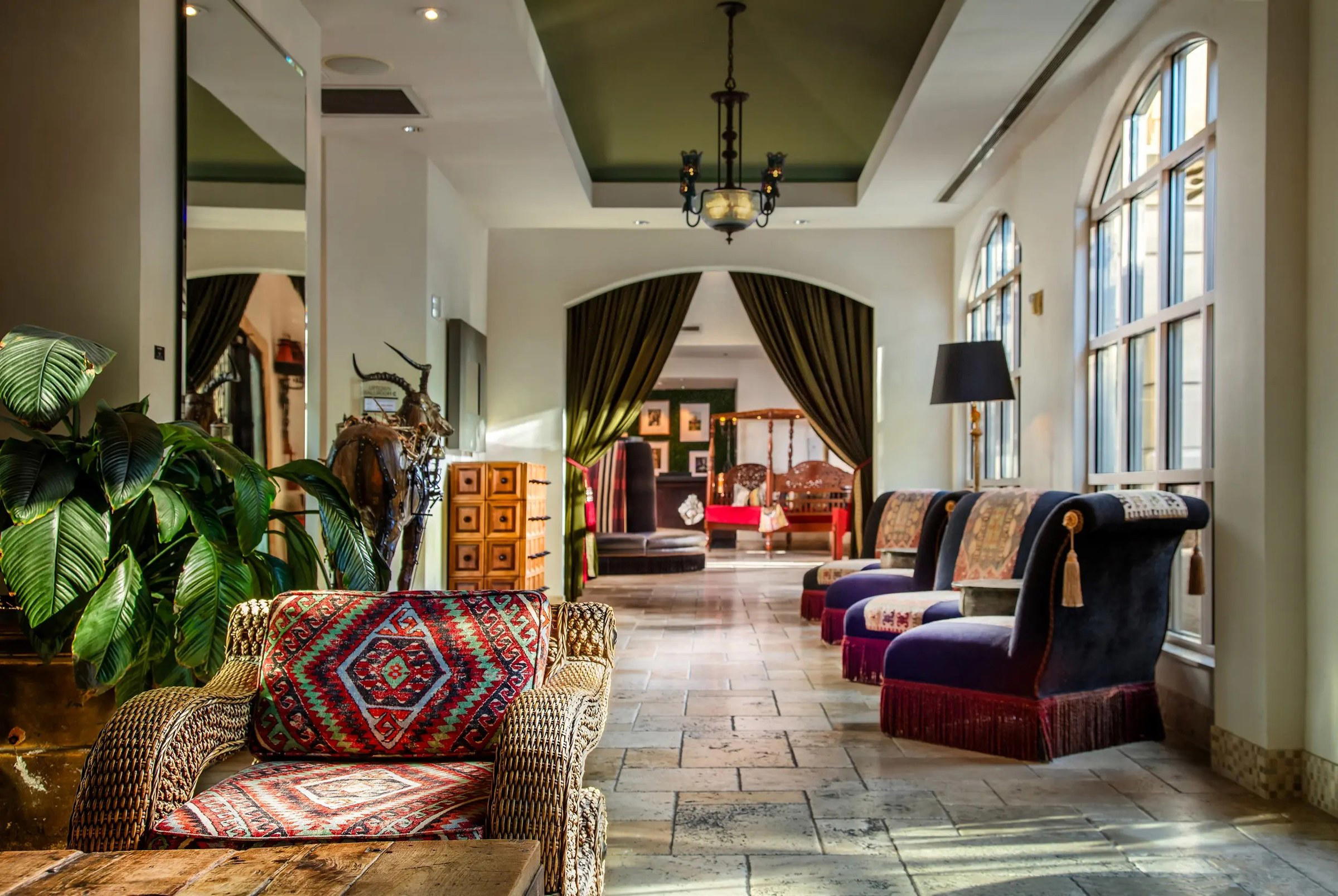
Cozy and intimate dining atmosphere with character, enhanced by occasional live flamenco music.