"Alain Llorca, among the stronger-known chefs on the Côte d’Azur, runs a hotel, a boutique, and a series of seasonal cooking classes. While Hôtel Restaurant Alain Llorcain Colle sur Loup has dramatic views and strong cuisine, its more modest, modern-chic cousin in Vallauris offers strong value for a delicious meal that is kinder to the wallet. Mixing Provençal cuisine with recipes from his native Catalonia, the chef woos guests with dishes like cold melon soup, sea bass with artichokes and mashed potatoes, and a tempting variety of pastries from the display case for dessert."
- Address
- L'Homme au Mouton, Rue Clément Bel, 06220 Vallauris, France
- Phone
- +33 4 93 33 11 33
- Directions
- Get directions
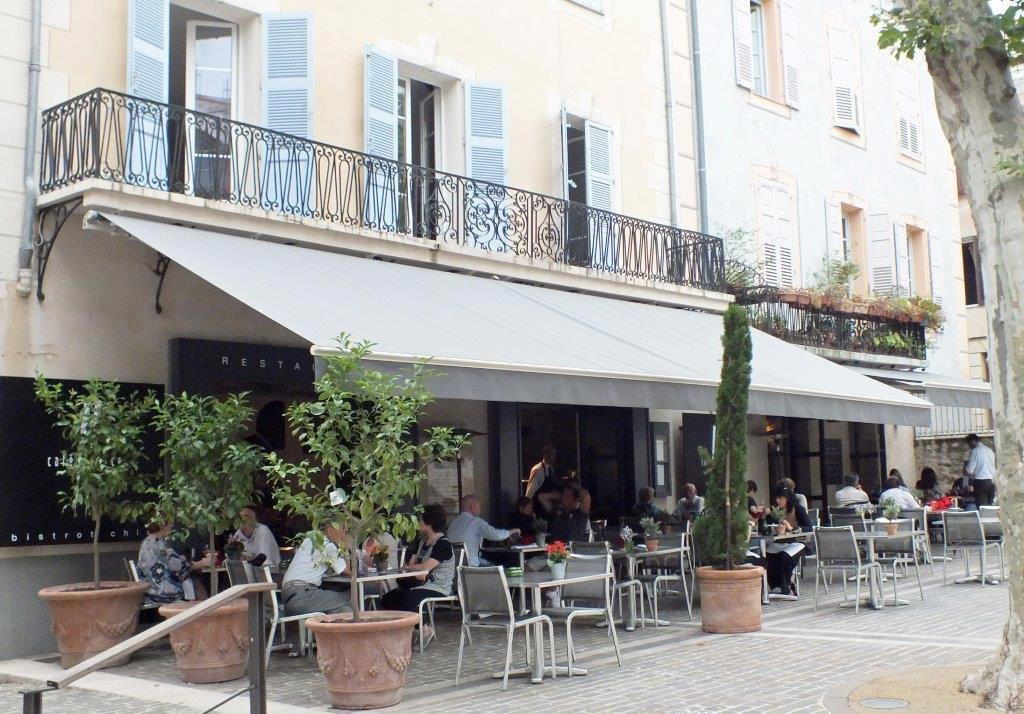
Where Vallauris Puts Food on the Table
The town of Vallauris sits in the Alpes-Maritimes at an elevation that separates it, in feel if not in distance, from the coastal energy of Cannes and Antibes. The approach through its streets passes pottery workshops and the residual civic pride of a commune that Picasso once made his working home. Café Llorca is a restaurant in Vallauris, France, serving Provençal-Catalan Bistro cooking at a price tier around $30 per person. It occupies an address on Rue Clément Bel, within the L'Homme au Mouton quarter, a part of town where the architecture is workaday and the context is thoroughly, unapologetically local. That setting matters. Provençal dining at its most grounded does not ask you to cross a marble lobby or consult a valet. It asks you to pay attention to what arrives on the plate and where it came from.
The Ingredient Logic of the Côte d'Azur Hinterland
The Alpes-Maritimes holds one of France's more concentrated clusters of serious kitchens, with Mirazur in Menton operating at the far end of the prestige register and a wider set of addresses spread across the inland hills. What the hinterland provides, that the coast sometimes obscures, is direct access to a supply chain built over generations: markets at Mougins and Valbonne, small producers operating in the valleys behind Nice, and a growing network of growers whose output feeds kitchens across the département. This proximity to primary production shapes how cooking in this zone reads on the plate. Dishes here are not typically built around technique as spectacle; they are built around ingredient timing, seasonal fidelity, and an understanding that courgette flowers picked at dawn cook differently from those that have spent two days in a cold chain.
That sourcing logic connects Vallauris to a broader southern French tradition. Restaurants at different price points across Provence, from the ambitious kitchens at L'Oustau de Baumanière in Les Baux and La Table du Castellet in Le Castellet to more informal neighbourhood addresses, return consistently to the same foundational argument: that Mediterranean cooking is an act of editing, not of addition. The cook's job is to decide what the tomato, the anchovy, or the lamb already is, and then to avoid obscuring it. Café Llorca sits within that tradition.
Vallauris in the Regional Dining Picture
Vallauris does not rank among the Côte d'Azur's most discussed dining destinations, which is partly a function of its size and partly a function of how attention distributes across a region with significant competition for column inches. The grandes tables of French gastronomy, houses like Auberge de l'Ill in Illhaeusern, Maison Lameloise in Chagny, or Georges Blanc in Vonnas, operate with accumulated institutional weight that smaller commune restaurants cannot replicate. But the comparison is not the right one to draw. Vallauris kitchens operate in a different register, and the more useful context is the network of locally anchored addresses that anchor day-to-day dining life in the Alpes-Maritimes. Within that frame, the town's offer is coherent and worth attention for travellers who want their meals to reflect place rather than prestige category.
A venue like Les Dilettants, operating in a modern cuisine register nearby, illustrates how Vallauris is beginning to generate a more varied dining conversation, though the town's character remains shaped by craft and locality rather than by the kind of destination-restaurant economy that organises visits to Menton or to the ski-resort addresses further north such as Le 1947 à Cheval Blanc in Courchevel and Flocons de Sel in Megève.
What to Eat and What to Expect
What the address and the regional tradition suggest is a menu anchored in seasonal Provençal produce, likely drawing on the same supply networks that feed the better kitchens of the Alpes-Maritimes. In southern French cooking at the informal end of the register, that typically means fish from the Mediterranean coast, vegetables from inland market gardens, and a structural reliance on olive oil, herbs, and slow-cooked preparations that have more in common with domestic tradition than with restaurant performance. The cooking at kitchens like Bras in Laguiole or the cuisine-defining work once done at Les Prés d'Eugénie in Eugénie-les-Bains traces a lineage from exactly this kind of regionally rooted, ingredient-first thinking, even if those addresses operate at entirely different price and prestige levels.
For a frame of reference on what French cooking can achieve when it follows ingredient logic rather than technique as primary driver, the contrast with destination kitchens at the summit of the prestige register, including Alléno Paris au Pavillon Ledoyen or Troisgros - Le Bois sans Feuilles in Ouches, is instructive. Those kitchens treat ingredient provenance as a foundation on which elaborate systems of technique are constructed. At the informal end of the southern French register, ingredient quality is less a foundation than the whole point. Internationally, the same argument is made in different culinary languages: it is the animating principle behind the more produce-focused work at Le Bernardin in New York City and, in a more communal format, at Lazy Bear in San Francisco.
Planning Your Visit
Café Llorca is located at L'Homme au Mouton, Rue Clément Bel, 06220 Vallauris. Opening hours and booking details are not confirmed here; prospective visitors should verify current opening days and reservation requirements directly before travelling. Vallauris is accessible from Cannes in under fifteen minutes by car, and the town's modest scale means most addresses are walkable from the main square. Given the restaurant's neighbourhood character and its Provençal context, lunch is likely the natural meal here: southern French informal kitchens of this type often function at their most coherent in the middle of the day, when markets are fresh and the pace of service reflects the rhythm of the town rather than an evening dining economy. Price point is about $30 per person, and the dress code is smart casual.
Comparable Venues
Comparable venues nearby, for context on price, style, and recognition.
| Venue | Cuisine | Price | Awards | Notes |
|---|---|---|---|---|
| Café LlorcaThis venue — the venue you are viewing | Provençal-Catalan Bistro | $$ | Not listed | Not listed |
| Les Dilettants | Seasonal French Bistro | $$ | Bib Gourmand | Vallauris Golfe-Juan |
| Affable | Classical French-Mediterranean Bistro | $$ | Not listed | ['Gare'] |
| 21 PAYSANS | Organic French Bistro | $$ | Not listed | Hauts de Nice |
| Restaurant Café Timothé | Organic French Bistro | $$ | Not listed | Saint-Paul de Vence |
| Le Signal 2108 | Bistronomic French with Regional Specialties | $$ | Not listed | Signal Mountain |
Continue exploring
More in Vallauris
Restaurants in Vallauris
Browse all →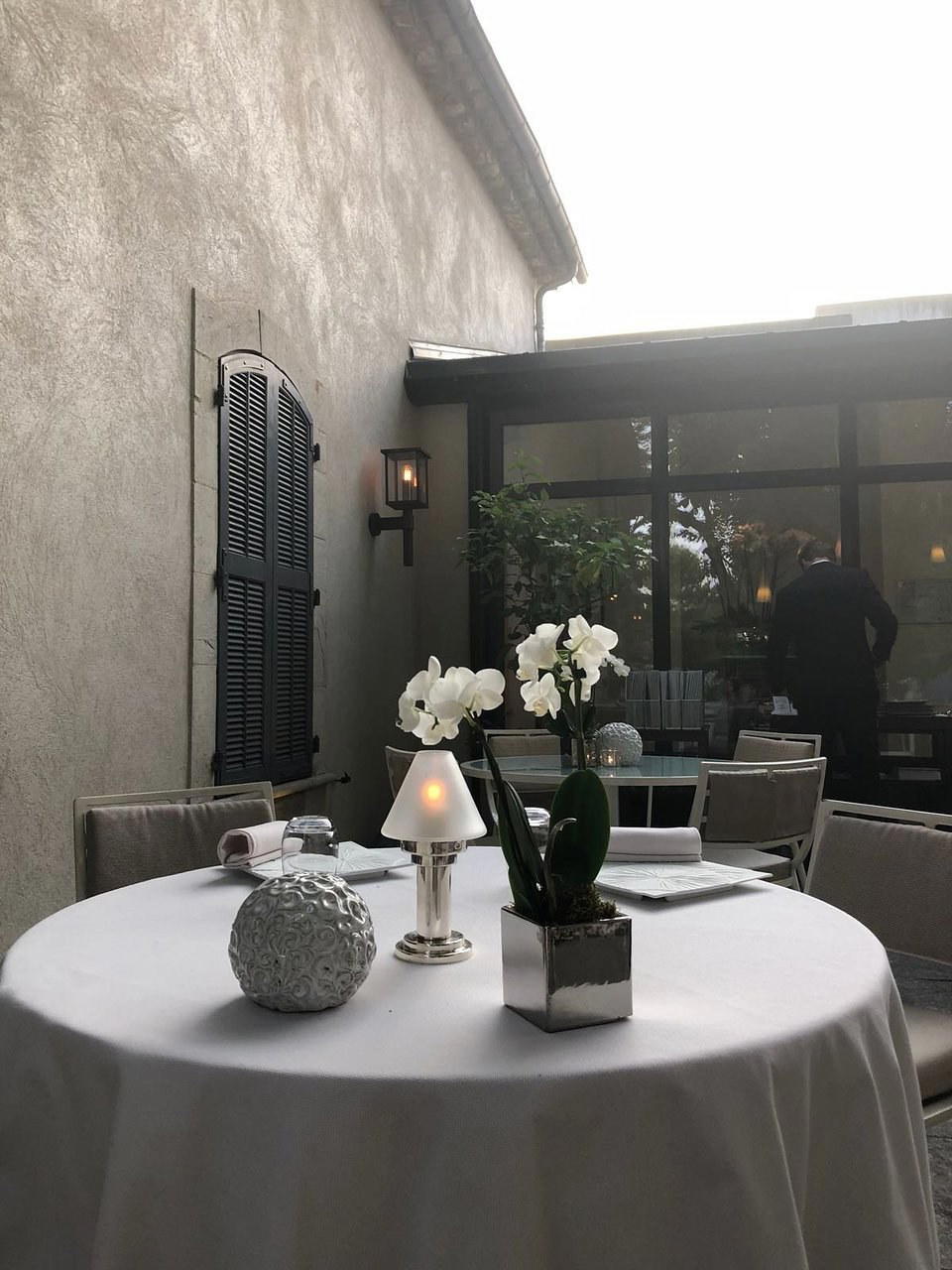
Bars in Vallauris
Browse all →
Hotels in Vallauris
Browse all →
Wineries in Vallauris
Browse all →
At a Glance
- Modern
- Elegant
- Casual Hangout
- Terrace
- Street Scene
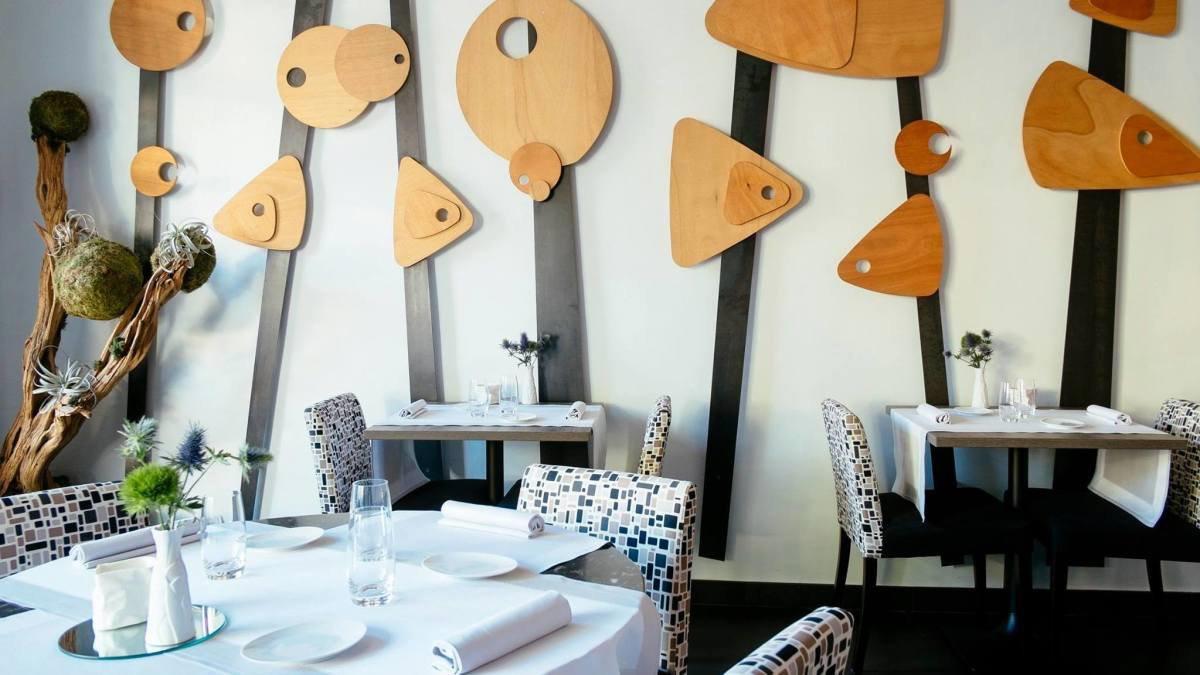
modern-chic atmosphere with terrace seating in the town square next to Picasso statue.