Château Saint-Martin & Spa





A one-Michelin-star dining programme and a La Prairie spa anchor this Oetker Collection château above Vence, where 30 acres of Provençal gardens frame views across the Côte d'Azur to the sea. Earned a Michelin 1 Key in 2024 and 94.5 points in La Liste Top Hotels 2026. Access requires a car or arranged transfer from Nice, roughly 20 minutes away.
Pearl is the En Primeur Club membership app — saves, bookings, and concierge access live there. Same editors, same standards.
- Address
- 2490 Av. des Templiers, 06140 Vence
- Phone
- +33 4 93 58 02 02
- Website
- oetkerhotels.com
- Directions
- Get directions
 Saves & bookings on Pearl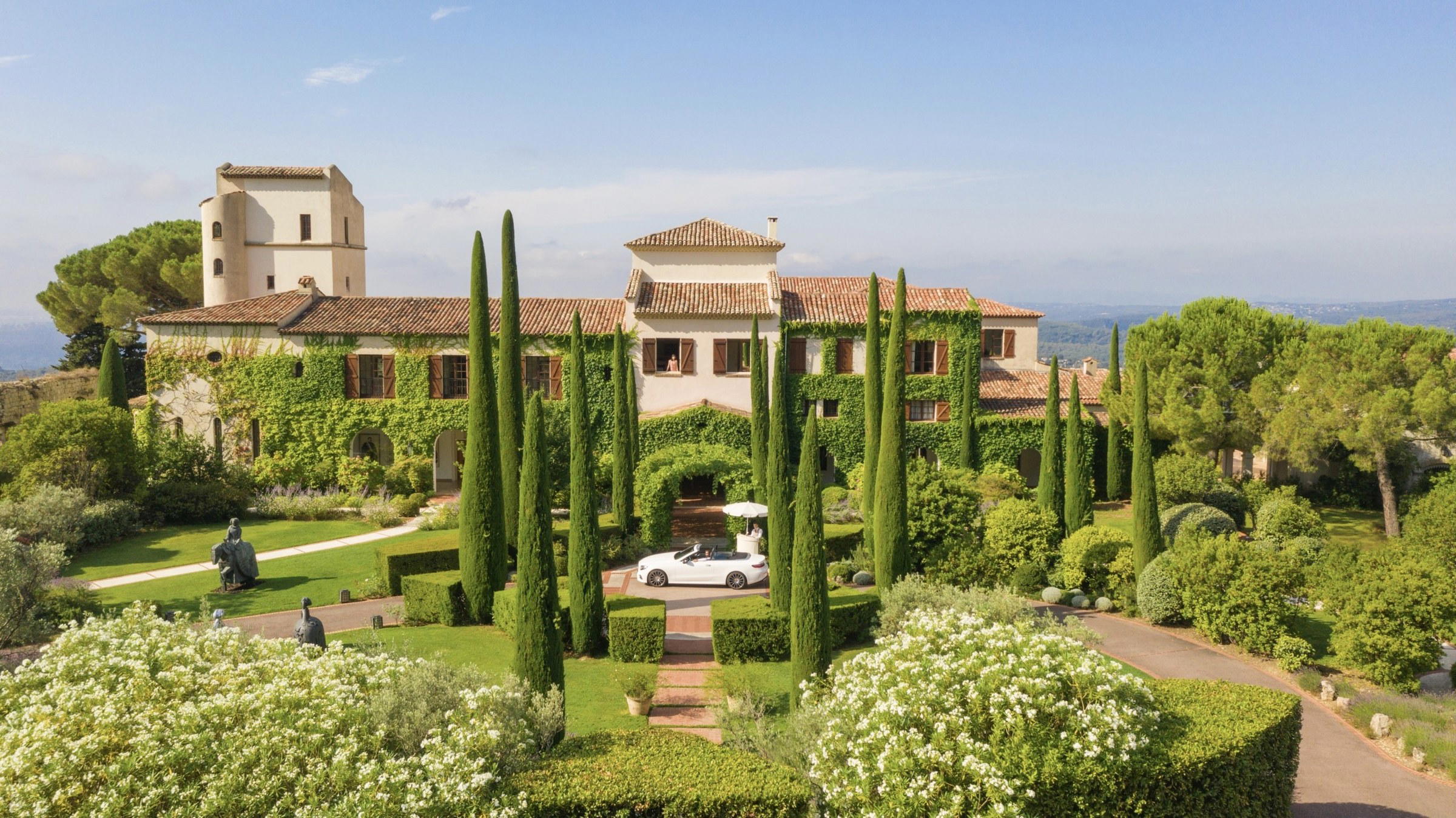
Above the Riviera: Vence's Hilltop Alternative
The French Riviera hotel market splits cleanly between two modes: the grand seafront palaces of Cannes and Nice, where position on the Croisette or the Promenade defines the product, and a quieter tier of inland properties where elevation, seclusion, and estate scale do the work instead. Château Saint-Martin & Spa belongs firmly to the second category. Sitting on more than 30 acres above Vence, a medieval hill town about 20 kilometres from Nice, it occupies a site with a documented history stretching from Roman fortification through a 12th-century Knights Templar commandery. That layered past is not mere backdrop: the château's physical position, its gardens, and its relative distance from the coast define the experience here in ways that the seafront properties cannot replicate. Hotels like Hôtel Barrière Le Majestic in Cannes trade on sea-level access and Croisette proximity; Château Saint-Martin trades on altitude, acreage, and quiet.
The Oetker Collection, which also operates Hotel Du Cap-Eden-Roc in Cap d'Antibes and Le Bristol Paris, positions its properties around what it describes as Masterpiece Hotels: small-scale, historically significant addresses. On the Riviera, that framework results in two different products. Hotel du Cap is a coastal institution with rock-diving and a celebrity association built over more than a century. Château Saint-Martin is the counterpoint: 52 junior suites and six villas, gardens designed by landscape artist Jean Mus with centuries-old olive trees the hotel now harvests for its own olive oil, and views that extend across the Côte d'Azur without the noise of it.
The Dining Programme: Seasonal, Segmented, and Starred
Approach to dining at Château Saint-Martin reflects a format increasingly common among estate hotels in Provence and the Riviera: two distinct restaurants, each calibrated to a different season and register, rather than a single year-round room trying to be everything. The model allows the kitchen to operate closer to seasonal availability and gives guests a natural reason to visit more than once in a year.
Le Saint-Martin, the main restaurant, holds one Michelin star and operates from April through October. Head chef Jean-Luc Lefrançois leads the kitchen with a focus on seasonal produce and local harvests, and the dining room opens toward views of the Mediterranean that few starred rooms on the Riviera can match from an inland position. The wine programme, managed by head sommelier Géraud Tournier, is backed by more than 20,000 bottles across two cellars. Rosé is the obvious regional entry point, but Provence produces distinctive reds and whites that Tournier is positioned to explore with guests in depth. For properties where the sommelier programme is a genuine extension of the kitchen rather than a service add-on, that cellar depth matters.
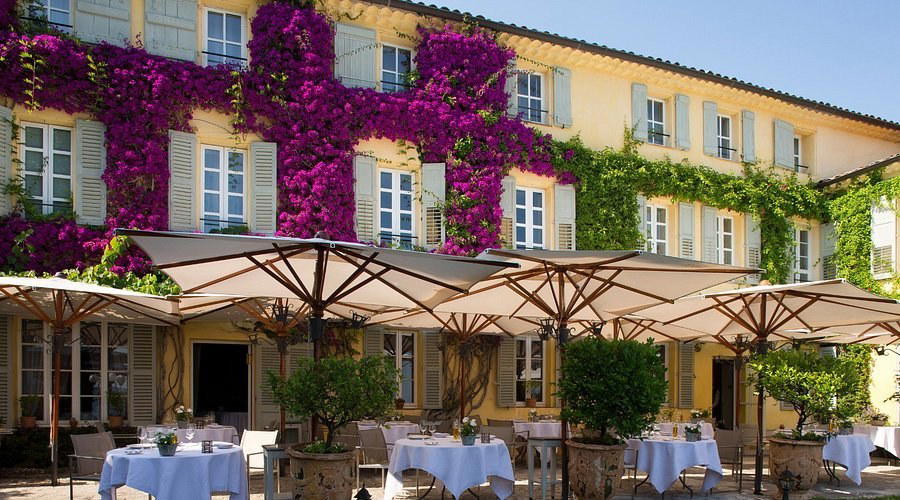
From mid-May through September, L'Oliveraie operates as the summer restaurant, set beneath the shade of the estate's olive trees. The format is more casual than Le Saint-Martin, with a menu built around the area's seasonal ingredients and an atmosphere shaped by the grove itself rather than by interior design. This kind of outdoor dining, anchored to the actual range of the property rather than a constructed terrace, is harder to replicate in the seafront hotel format. Properties such as La Réserve Ramatuelle achieve something similar in a coastal register; Château Saint-Martin's version is distinctly Provençal in character.
The broader Riviera dining context is useful here. For guests wanting to range further, the artistic towns of the arrière-pays, including Saint-Paul-de-Vence and Vence itself, sit within short driving distance. The Matisse Chapel in Vence is approximately ten minutes from the property. The full French Riviera restaurants guide maps the wider dining geography across the coast and inland.
The Spa and the Grounds
Spa Saint-Martin operates in partnership with La Prairie, the Swiss skincare and treatment brand that anchors a number of Europe's more serious hotel spa programmes. The facility runs four treatment rooms with natural daylight and fresh mountain air, a couples' suite with sauna, experience shower and steam room, a beauty room, and the option of treatments in the hotel gardens under a gazebo. For spa-led travel on the Riviera, this is a more technically focused proposition than a typical hotel wellness offering.
The grounds themselves function as a significant part of the product. Jean Mus's garden design draws on Provençal planting traditions, and the olive trees throughout the estate are old enough to carry genuine character. The infinity pool looks across the manicured lawns toward the Mediterranean. A pair of tennis courts rounds out the leisure infrastructure. Guests wanting coast access have a reserved stretch of private beach on Cap d'Antibes, attended by hotel staff, with shuttle service provided, the sea itself is roughly a 30-minute drive from the hilltop site.
Rooms, Villas, and the Logic of the Estate
The 52 junior suites are furnished in Louis XV and XVI style with panoramic sea views from every room, most with terraces. No two suites share an identical layout, though the Provençal palette runs consistently through the interiors: soft colours, light-drawing windows, and the built-in architecture of the original structure appearing in some configurations. For complete privacy, six gated and guarded villas sit above the main hotel grounds, available in one-, two-, and three-bedroom configurations. The larger villa formats include a kitchen, with the option of a private chef. This villa tier puts Château Saint-Martin in a different conversation from standard hotel suites: it is closer in function to a private estate rental than a room booking, which matters for groups or families wanting genuine separation from the main house. Properties like Airelles Gordes, La Bastide and Château de la Chèvre d'Or in Èze operate in the same Provence château register, each with their own position on the scale-versus-seclusion axis.
Access and Logistics
Vence is not served by direct rail or reliable public transport from Nice Côte d'Azur Airport. Guests need either a car or an arranged private transfer, with the drive from the airport running approximately 20 minutes in normal traffic. The property has a private helipad for those coming from Monaco, other Riviera points, or arriving by charter. The Michelin Key designation signals recognition at the property level that goes beyond the dining room. For guests planning a Riviera circuit, Château Saint-Martin pairs logically with a night at Hotel Byblos Saint-Tropez to the west or The Maybourne Riviera in Roquebrune-Cap-Martin to the east, both operating in the same premium register and reachable by road in under 90 minutes.
Within the Oetker Collection, guests cross-referencing the brand's wider portfolio might compare the property to Cheval Blanc Courchevel or Domaine Les Crayères in Reims for the château format in different French regions. For Provence specifically, Baumanière Les Baux-de-Provence and Villa La Coste in Le Puy-Sainte-Réparade represent the alternative design-led and gastronomically weighted options in the region, each with distinct culinary identities and property characters. Further afield in France, Les Sources de Caudalie in Bordeaux and Royal Champagne Hotel & Spa in Champillon occupy analogous positions as estate properties with serious food and wine programmes anchored to their specific terroir. Hôtel & Spa du Castellet in Le Castellet and La Bastide de Gordes round out the Provence-adjacent comparable set for guests weighing the inland option against the coast.
Cost and Credentials
Comparable venues nearby, for context on price, style, and recognition.
| Venue | Price | Awards | Notes |
|---|---|---|---|
| Château Saint-Martin & SpaThis venue — the venue you are viewing | $$$$ | Michelin 1 Key | Not listed |
| Hôtel Barrière Le Majestic | $$$$ | 5-Star | Croisette, Cannes, Well-known Belle Époque palace hotel with contemporary West Wing expansion, blending classical French architecture with modern luxury amenities. |
| JW Marriott Cannes | $$$$ | 5-Star | Croisette, Contemporary luxury beachfront palace with cutting-edge design and Mediterranean elegance positioned as a premier destination on the French Riviera. |
| Hotel Byblos Saint-Tropez | $$$$ | 5-Star | Saint-Tropez City Centre, Well-known Provençal luxury palace hotel blending Mediterranean elegance with contemporary sophistication in a historic Saint-Tropez setting. |
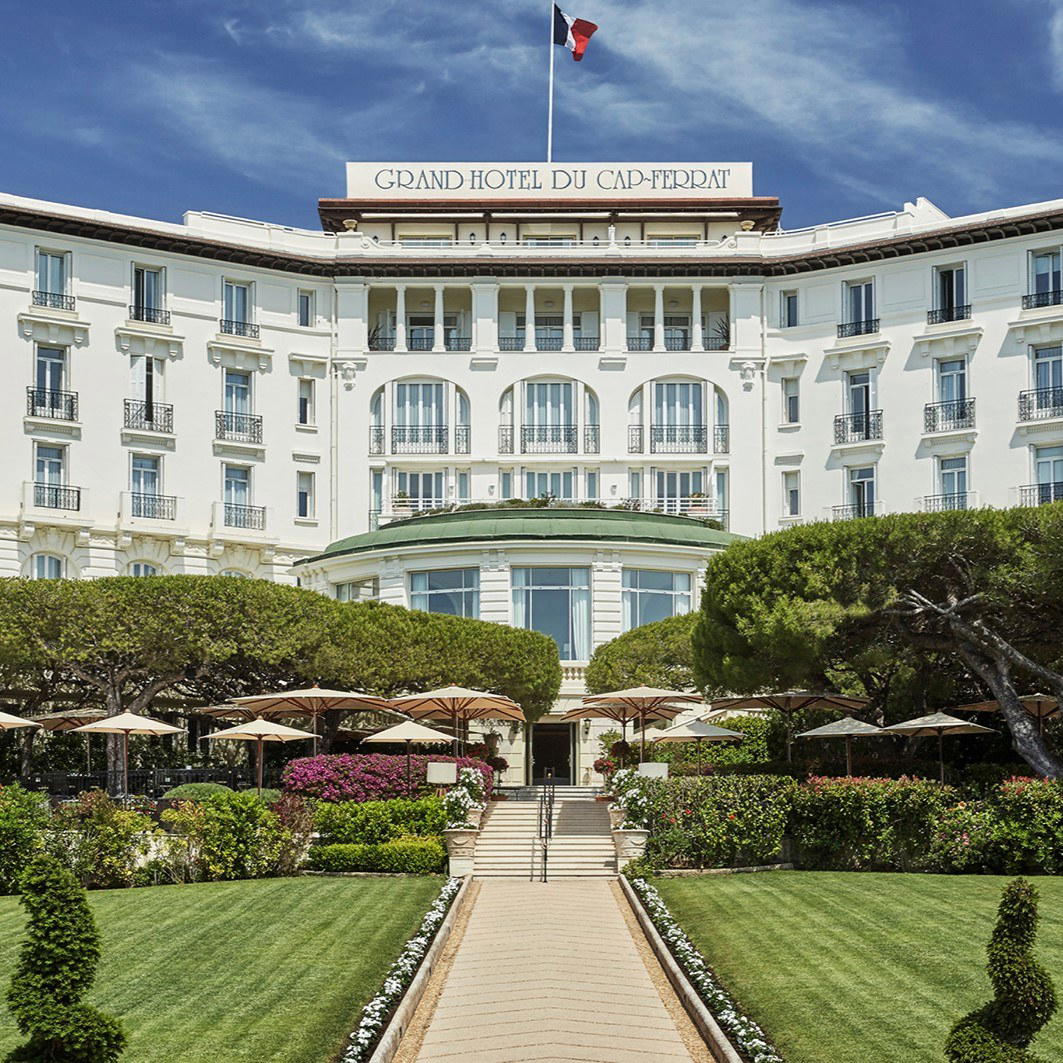
| Grand-Hôtel du Cap-Ferrat, A Four Seasons Hotel | $$$$ | Michelin 3 Key | Saint-Jean-Cap-Ferrat, Historic Art Deco palace reimagined as a contemporary luxury resort, blending Belle Époque architecture with modern amenities and design-forward interiors by Pierre-Yves Rochon. |
| Airelles Gordes, La Bastide | $$$$ | Michelin 3 Key | Gordes, 18th-century Provençal chateau carved into Gordes cliffside with valley panoramas |
Recognition history
Dated appearances from independent guides and award organizations, with the underlying list record or original source where available.
Forbes 4-Star
Forbes
La Liste Top Hotels
La Liste
Virtuoso Luxury Hotel Partner
Virtuoso
Vogue 2026 Vogue Best Hotels in Provence
Vogue
Forbes 4-Star
Forbes
Michelin 1 Key
Michelin
Michelin 1 Key
Michelin
Continue exploring
More in French Riviera
Hotels in French Riviera
Browse all →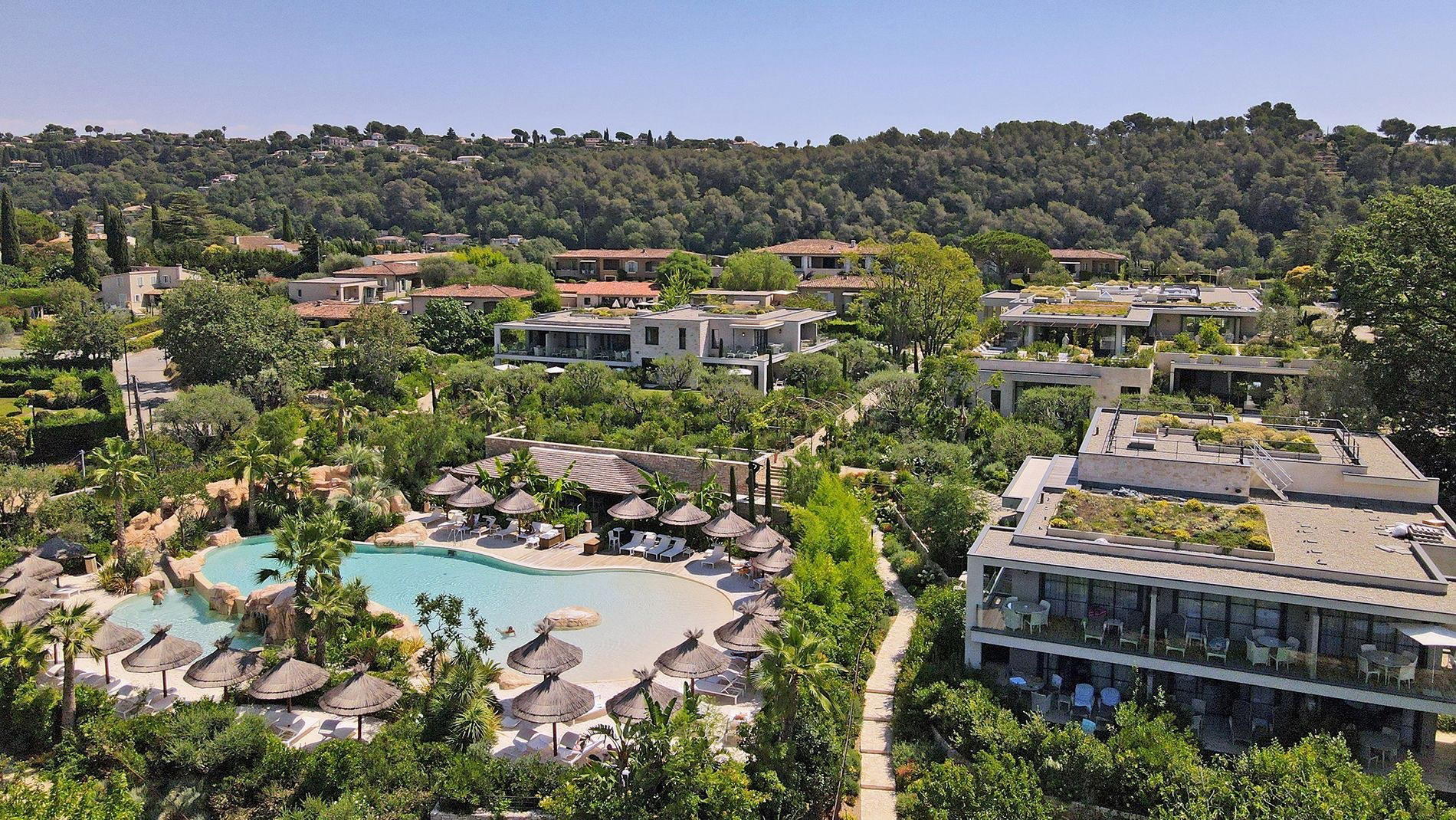
Bars in French Riviera
Browse all →
Restaurants in French Riviera
Browse all →
Wineries in French Riviera
Browse all →

At a Glance
- Romantic
- Elegant
- Quiet
- Scenic
- Sophisticated
- Ornate
- Honeymoon
- Romantic Getaway
- Wellness Retreat
- Anniversary
- Weekend Escape
- Infinity Pool
- Destination Spa
- Panoramic View
- Private Villa
- Terrace
- Garden
- Spa
- Pool
- Fitness Center
- Room Service
- Concierge
- Tennis
- Kids Club
- Wi Fi
- Valet Parking
- Mountain
- Garden
- Spa
- Pool
- Fitness Center
- Room Service
- Concierge
- Tennis
- Kids Club
- Wi Fi
- Valet Parking
Serene and elegant with natural sunlight, historic tapestries, and tranquil gardens fostering timeless Mediterranean relaxation amid olive groves and sea vistas.