Our verdict
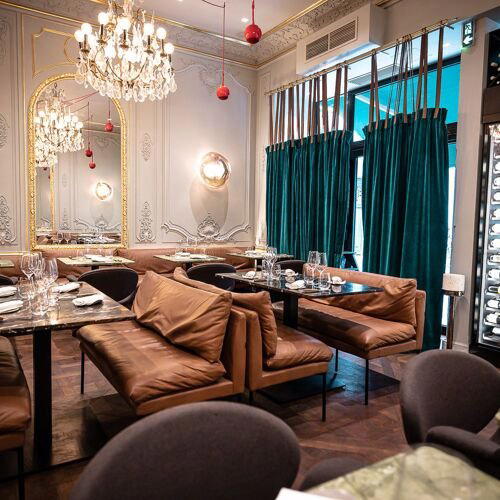
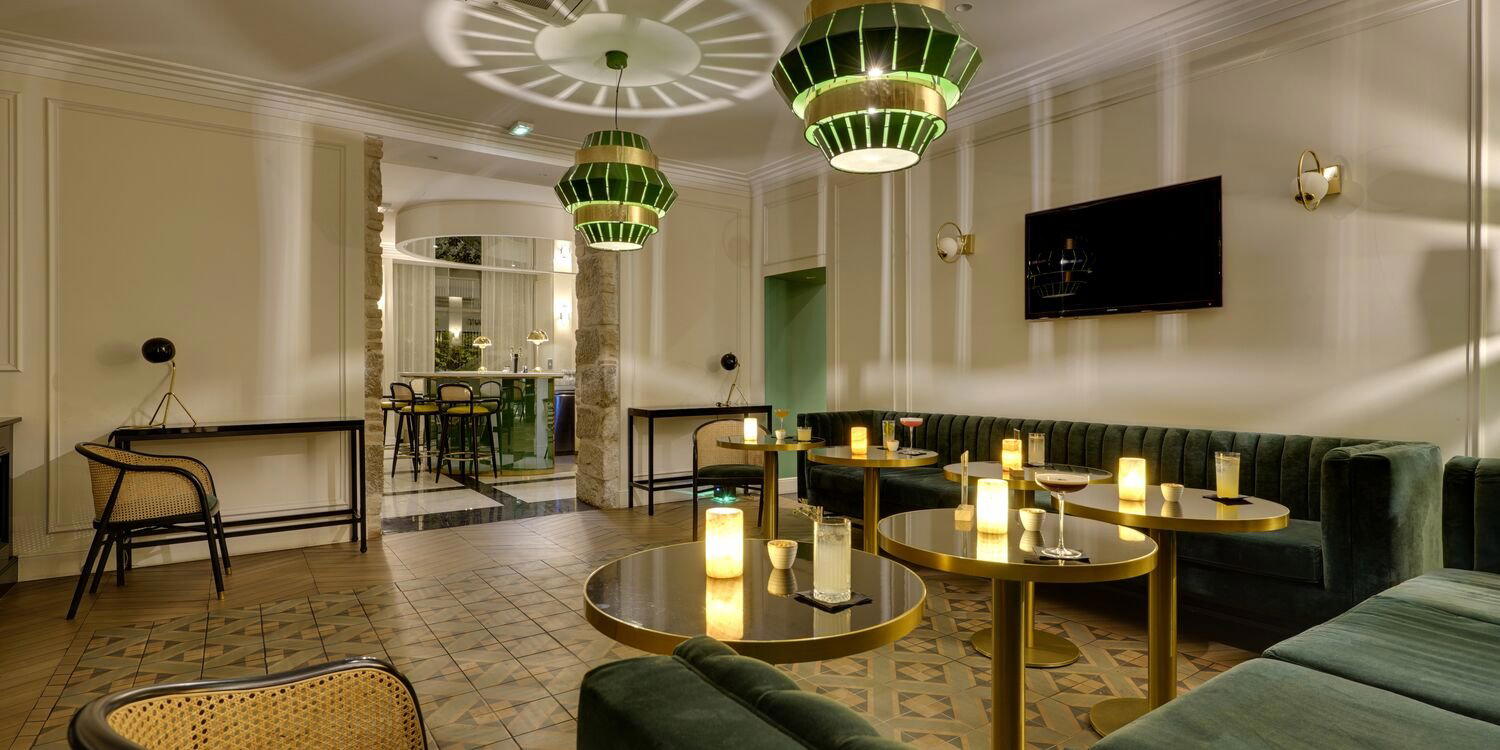
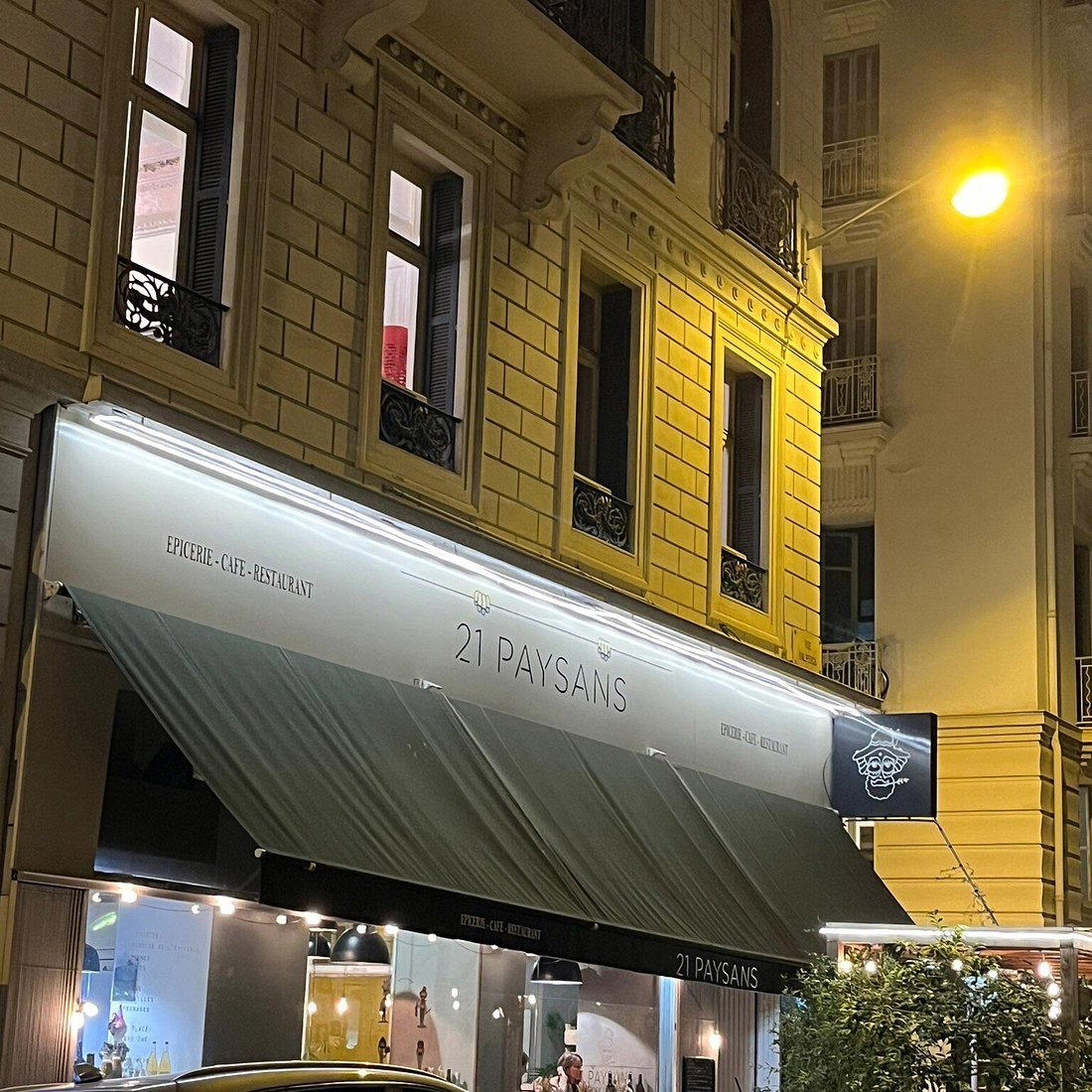
21 PAYSANS serves organic French bistro cooking in Nice, with terrace seating, natural wine and beer, and a conversational pace for lunch or dinner.

Pearl is the En Primeur Club membership app, where members save venues, book tables and use the concierge.
The menu
What to order
- Pâté
- Boulettes veau/porc
- Tartelette crème de courge
A Corner of Old Nice That Keeps Its Own Counsel
On Rue Valperga, a short street that folds into the older residential quarters of Nice rather than the tourist-facing arteries closer to the seafront, 21 Paysans occupies the kind of address that locals treat as a minor shared secret. The approach is direct: a narrow frontage, no billboard signage angling for passing trade, a room that reads as somewhere people return to rather than somewhere they discover once and photograph. In a city where the dining options split sharply between glossy Promenade-adjacent addresses and the kind of neighbourhood tables that exist almost entirely by word of mouth, this address belongs firmly to the second category.
The Nice Neobistro Context
Nice's restaurant scene has evolved considerably over the past decade. The city that once defined its culinary identity almost entirely through its own regional canon, from socca and pissaladière to the slow-braised Niçoise dishes that owe as much to Liguria as to Provence, now supports a range of contemporary formats alongside its traditional ones. Starred addresses like Flaveur and L'Aromate operate at the creative modern French end, while Les Agitateurs and ONICE represent a younger, more experimental wave. The grander institutional dining of Le Chantecler occupies a different register entirely. Sitting alongside all of that is a quieter tier of neighbourhood-rooted places, less visible to the international visitor, that form the actual fabric of how the city eats on a regular basis. 21 Paysans fits that tier.
The name itself, a reference to twenty-one peasants or farmers, signals an orientation toward produce and land rather than culinary theatrics. Across the south of France, there has been a sustained movement of restaurants positioning themselves against the conventions of haute cuisine by foregrounding ingredients, simplicity, and a kind of deliberate informality. This is not the same as being casual or unambitious. It is a specific editorial stance on what dining should be, one that has found a receptive audience among locals who have grown tired of ceremony and prefer a room that feels inhabited rather than staged.
What Keeps Regulars Coming Back
The regulars at a place like 21 Paysans are not chasing novelty. They are looking for reliability of a particular kind: a room that feels the same each time, dishes that reflect the season without requiring an explanation from the waiter, and a sense that the people running the restaurant know what they are doing and are not performing it. This is harder to sustain than it sounds. The Niçoise dining public, which eats out frequently and compares notes with some precision, tends to be unsentimental. A neighbourhood table survives on merit, not reputation alone.
That loyalty also tends to shape the unwritten menu, the dishes that do not need to be listed because regulars already know to ask for them, or because they appear on certain days and are understood to be the reason for coming. Across the broader Provençal and southern French dining tradition, this pattern is common: the posted menu is a skeleton, and the actual experience is assembled from knowledge accumulated over multiple visits. Newcomers arriving without that context can feel slightly outside the room's rhythm at first, which is not an unwelcoming atmosphere so much as an honest one. The restaurant is not organised around the first-time visitor.
France's wider regional restaurant culture has long operated on this model. The houses that attract sustained loyalty, from the generational institutions like Auberge de l'Ill in Alsace or Bras in Laguiole, down to the less-decorated neighbourhood tables that never make a list, tend to have this quality: they were built for the people who come back, not for the people who come once. At the three-star level, places like Troisgros, Paul Bocuse, and Alléno Paris au Pavillon Ledoyen have built their reputations across decades of exactly this kind of sustained local and national allegiance, alongside international recognition. 21 Paysans operates on a different scale, but the underlying logic is the same.
The Côte d'Azur Dining Frame
Nice sits at the eastern end of the Côte d'Azur, closer in culinary sensibility to the Italian border than to Marseille. The cuisine that defines the city's identity draws on olive oil, anchovies, chickpea flour, slow-cooked vegetables, and a pantry that overlaps significantly with Ligurian cooking across the border. That regional character tends to assert itself most clearly in exactly the kind of unpretentious neighbourhood restaurants that sit outside the fine dining circuit. Visitors who have come from the starred restaurants of the region, from Mirazur in Menton or Flocons de Sel in Megève, often find the contrast instructive. The formal and the informal ends of French gastronomy illuminate each other.
The Côte d'Azur's dining scene also carries significant price pressure. The concentration of wealth along the coast pushes prices upward even at addresses that are not targeting a luxury clientele. A restaurant on Rue Valperga is unlikely to be operating in the same price bracket as the seafront establishments, and that positioning is itself part of the value proposition for regulars. It sits in a different competitive set than the €€€€ creative addresses, closer to the local eating-out budget than to the destination dining budget.
For the First-Time Visitor
Approaching 21 Paysans without an existing relationship with the room requires a small adjustment of expectations. This is not a restaurant organised around guiding the uninitiated through a curated experience. It functions more like a good neighbourhood table anywhere in provincial France: the less you explain yourself, the more comfortable the meal tends to be. Coming at lunch on a weekday, when the room functions as a working local's dining room rather than a destination, is likely to give the clearest sense of what the address actually is. Dinner, especially on weekends, may attract a slightly different mix.
Booking directly and in advance is advisable for a room of this character, particularly on evenings. Neighbourhood restaurants with a loyal local clientele tend to fill on their own terms rather than via platforms, and arrival without a reservation at a busy service is a gamble. The address at 2 Rue Valperga is in the older residential part of Nice, walkable from the old town but away from the main tourist circuits, which means arriving by foot from the central areas is direct. For a fuller picture of where this address sits in relation to the city's broader dining options, the EP Club Nice restaurants guide provides comparative context across the full range of formats and price points.
The comparison set for 21 Paysans is not AM par Alexandre Mazzia in Marseille or Assiette Champenoise in Reims, both of which occupy the high-investment, high-ceremony end of the southern French dining spectrum. Nor is it Au Crocodile in Strasbourg or the transatlantic ambition of Le Bernardin in New York or Atomix in the same city. It is a neighbourhood restaurant with a clear local identity, and that specificity is precisely what makes it worth understanding on its own terms.
Frequently asked questions
Where is 21 PAYSANS located?
21 PAYSANS is located at 2 Rue Valperga, 06000 Nice, France, Nice.
Is 21 Paysans a good option for someone wanting to eat like a Nice local rather than a tourist?
The address alone makes the case: 2 Rue Valperga sits in the older residential fabric of Nice, away from the Cours Saleya and the seafront restaurants that absorb most visitor traffic. Nice's culinary identity draws heavily on Ligurian and Provençal traditions, and a neobistro at this address is more likely to be cooking within that tradition than performing it for an outside audience. It is the kind of room that builds a regular clientele precisely because it is not organised around first-time visitors.
What's the signature dish at 21 PAYSANS?
No specific menu items are documented for 21 Paysans. What the restaurant is known for, based on its positioning in Nice's neobistro scene, is a produce-led approach rooted in the regional cooking of the Côte d'Azur rather than any single showpiece plate. The address on Rue Valperga, away from the seafront tourist circuit, signals a kitchen cooking for regulars rather than for effect.
Do I need a reservation for 21 PAYSANS?
No booking contact details are currently listed for 21 Paysans at 2 Rue Valperga. For a small neighbourhood room in Old Nice of this type, arriving without a reservation on a weekend evening carries real risk. Visiting mid-week or arriving early is the practical approach until direct contact details are confirmed.
What's the defining dish or idea at 21 PAYSANS?
The defining idea at 21 Paysans is consistency over spectacle. Located on a residential street in Nice rather than on a high-visibility dining strip, the restaurant operates in the neobistro register: seasonal French produce, a short menu that changes with the market, and a room that rewards return visits.
Cost Snapshot
Comparable venues nearby, for context on price, style, and recognition.
| Venue | Cuisine | Price | Notes |
|---|---|---|---|
| 21 PAYSANSThis venue (the venue you are viewing) | Organic French Bistro | $30–50 | Not listed |
| Café Paulette | French Mediterranean Bistro | $20–30 | Nice Historique, French Mediterranean Bistro |
| Lou Balico | Authentic Niçoise | $20–30 | Cœur de Nice, Authentic Niçoise |
| Le Tire Bouchon | Bistronomic French | $30–50 | Nice Historique, Bistronomic French |
| La Ratapignata | Traditional Niçoise & French Bistro | $20–30 | Hauts de Nice, Traditional Niçoise & French Bistro |
| Le clin d'œil | Niçois Bistronomie | $20–30 | Cœur de Nice, Niçois Bistronomie |