Le Moulin à Café
Le Moulin à Café occupies a quiet corner of the Upper East Side at 1439 York Ave, positioned in a neighbourhood where unhurried café culture still holds ground against the city's faster dining tempo. The name signals French café tradition, placing it in a different register from Manhattan's destination-dining circuit. For those seeking a more measured pace on the Upper East Side, it reads as a deliberate alternative.
Pearl is the En Primeur Club membership app — saves, bookings, and concierge access live there. Same editors, same standards.
- Address
- 1439 York Ave, New York, NY 10075
- Phone
- +1 212 288 5088
- Website
- lemoulinny.com
- Directions
- Get directions
 Saves & bookings on Pearl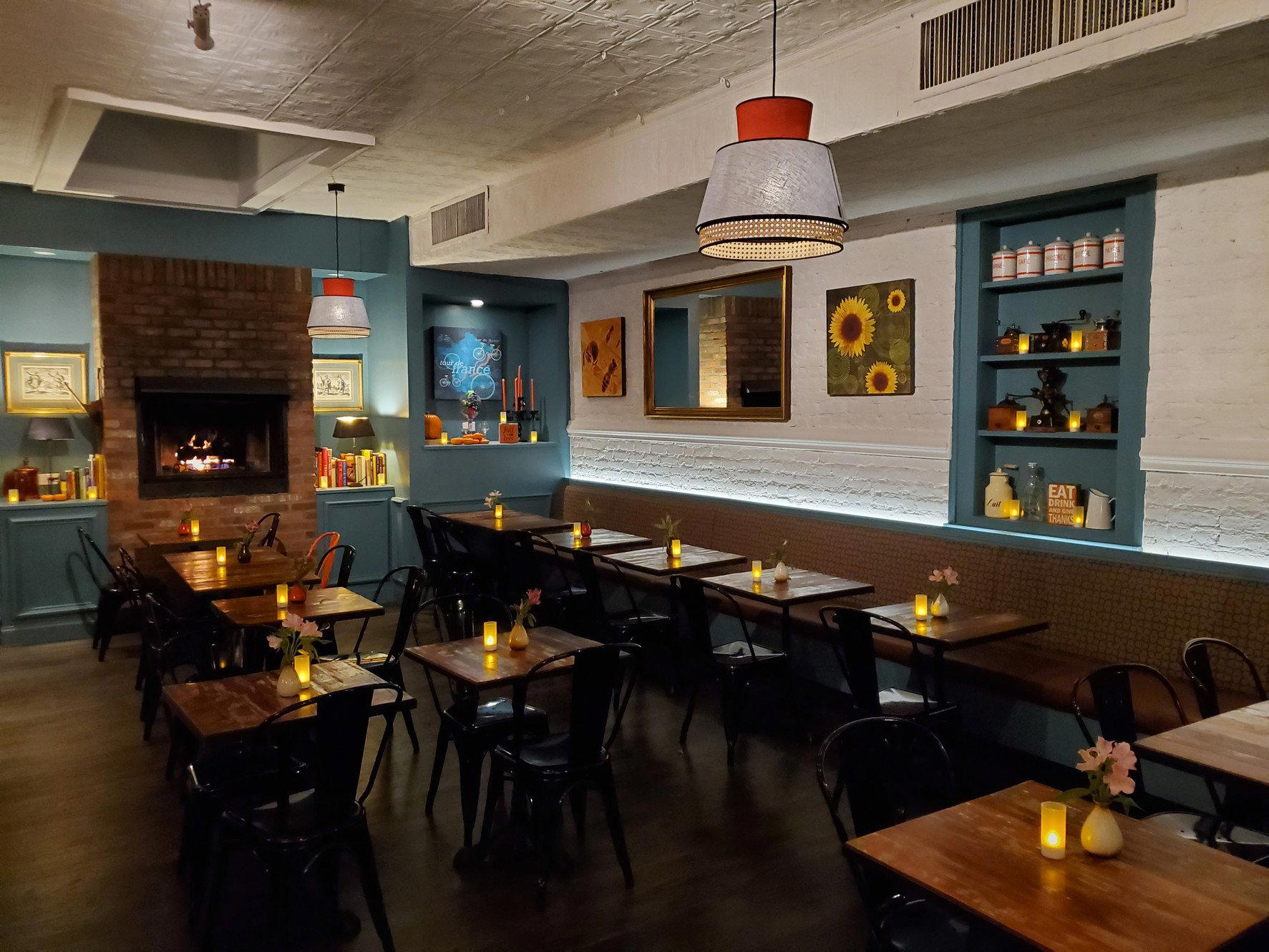
York Avenue and the Café Tradition It Sustains
The Upper East Side has always maintained a quieter relationship with dining than Midtown or the West Village. York Avenue in particular sits at the residential edge of the neighbourhood, where the pace of a meal is determined less by reservation pressure and more by the rhythm of the street outside. Le Moulin à Café, at 1439 York Ave, occupies that zone, a stretch of the avenue where French café conventions, unhurried service, repeated visits, and the expectation that a table is yours for as long as you want it, remain a credible operating model rather than a nostalgic affectation.
French café culture arrived in New York in waves, and each wave left a different sediment. The grand brasseries of Midtown, places built around spectacle and volume, represent one tradition. The smaller neighbourhood café, closer in spirit to a Parisian zinc counter than a destination dining room, represents another. Le Moulin à Café, by name and address, positions itself in the second category, which in New York City terms means a deliberate resistance to the escalating formality that defines the upper tier of the city's French dining scene. The café format rejects that architecture by design.
The Ritual of the Café Meal
What distinguishes a café from a restaurant is less the food than the grammar of the visit. At a café operating in the French tradition, arrival does not require a performance. There is no choreographed welcome sequence, no sommelier introduction, no amuse-bouche to signal that the experience has formally begun. The meal starts when you are ready, proceeds at the speed you set, and ends when you choose to leave. That structure is not a lesser version of fine dining; it is a different contract between kitchen and guest.
This rhythm has particular value in a city where the dominant dining culture at the higher price points, illustrated by venues like Masa or Atomix, involves surrendering pacing control to the kitchen entirely. The omakase and tasting-menu formats are intentional in that regard; they ask the guest to trust the sequence. The café asks the opposite. That difference in dining philosophy is not trivial, and for regular visitors to the Upper East Side, a place that holds to the café model provides something structurally absent from the city's more decorated French addresses.
On York Avenue, the neighbourhood context reinforces this. The residential character of the street, its distance from Midtown foot traffic, and its proximity to the quieter blocks east of Lexington all suggest a clientele that returns regularly rather than visits once as a destination. Repeat custom is the economic engine of a neighbourhood café, and the French café tradition specifically is built around the assumption of regulars: guests who know what they want before they sit down, who do not need the menu explained, and who use the space as an extension of their daily routine rather than as an occasion.
Where It Sits in New York's Café and Casual French Scene
New York supports a range of French-influenced casual dining, from the Balthazar-style grand café to the smaller, less theatrical neighbourhood spots that operate without press coverage or reservation systems. Le Moulin à Café's address on York Avenue places it firmly in the latter category. The Upper East Side has historically been more conservative in its restaurant culture than downtown neighbourhoods, favouring consistency and familiarity over novelty. That tendency supports the café model well.
For those building a broader picture of New York's dining range, The café category is underrepresented in most premium dining guides precisely because it does not generate the kind of award-season coverage that drives editorial attention. Michelin's starred tier in New York covers restaurants that meet specific structural criteria around service formality and tasting progression. A café that operates outside those criteria is not competing in that category.
Across the United States, particularly discussed destination restaurants share a commitment to controlled pacing and multi-course progression. The French Laundry in Napa, Blue Hill at Stone Barns in Tarrytown, and Single Thread Farm in Healdsburg all operate in that register. So do Smyth in Chicago, Providence in Los Angeles, and Addison in San Diego. The café format is, by contrast, structurally opposed to that model, which is partly why it remains durable. Not every meal needs to be a structured event, and in cities where destination dining has become increasingly expensive and logistically demanding, the café serves a genuine function.
Internationally, the French café's closest equivalents in fine-dining-adjacent territory include places like Dal Pescatore in Runate and Frasca Food and Wine in Boulder, both of which sustain a warmth of hospitality that resists the formality of tasting-menu culture while maintaining serious kitchens. The comparison is imperfect, but it illustrates a broader point: particularly memorable meals are not always particularly structured ones. Other points of comparison for experience-driven but less formal formats include Lazy Bear in San Francisco, Emeril's in New Orleans, The Inn at Little Washington, and Atelier Moessmer Norbert Niederkofler in Brunico.
In Context: Similar Options
Comparable venues nearby, for context on price, style, and recognition.
| Venue | Cuisine | Price | Notes |
|---|---|---|---|
| Le Moulin à CaféThis venue — the venue you are viewing | French Bistro & Café | $$ | Not listed |
| Deux Amis | Southern French Bistro | $$ | East Midtown-Turtle Bay |
| Tournesol | Southwestern French Bistro | $$ | Long Island City-Hunters Point |
| Le Petit Cafe | French Cafe Bistro | $$ | Carroll Gardens-Cobble Hill-Gowanus-Red Hook |
| Olivier Bistro | Traditional French Bistro | $$ | Carroll Gardens-Cobble Hill-Gowanus-Red Hook |
| Tartine | French Bistro | $$ | West Village |
Continue exploring
More in New York City
Restaurants in New York City
Browse all →
Bars in New York City
Browse all →
Hotels in New York City
Browse all →





At a Glance
- Cozy
- Classic
- Brunch
- Casual Hangout
- Standalone
- Extensive Wine List
Current opening hours
- Monday
- 7:30 AM–6 PM
- Tuesday
- 7:30 AM–9 PM
- Wednesday
- 7:30 AM–9 PM
- Thursday
- 7:30 AM–10 PM
- Friday
- 7:30 AM–10 PM
- Saturday
- 8 AM–10 PM
- Sunday
- 8 AM–5 PM
Hours can change for holidays and private events. Last verified .
Cozy and comfortable with a Parisian café feel, lively yet welcoming, featuring walls lined with French cookies and chocolates.