Our verdict
CAFE DANCE sits in Nihonbashi Kabutocho, a Tokyo district where the café ritual is shaped by office rhythms, narrow street frontage, and short pauses between appointments. With no public award, chef, price, or menu detail attached, its editorial value is contextual: a small Chuo address that belongs to the city’s quieter daytime dining pattern rather than the spectacle-driven end of Tokyo eating.

Pearl is the En Primeur Club membership app — saves, bookings, and concierge access live there. Same editors, same standards.
- Address
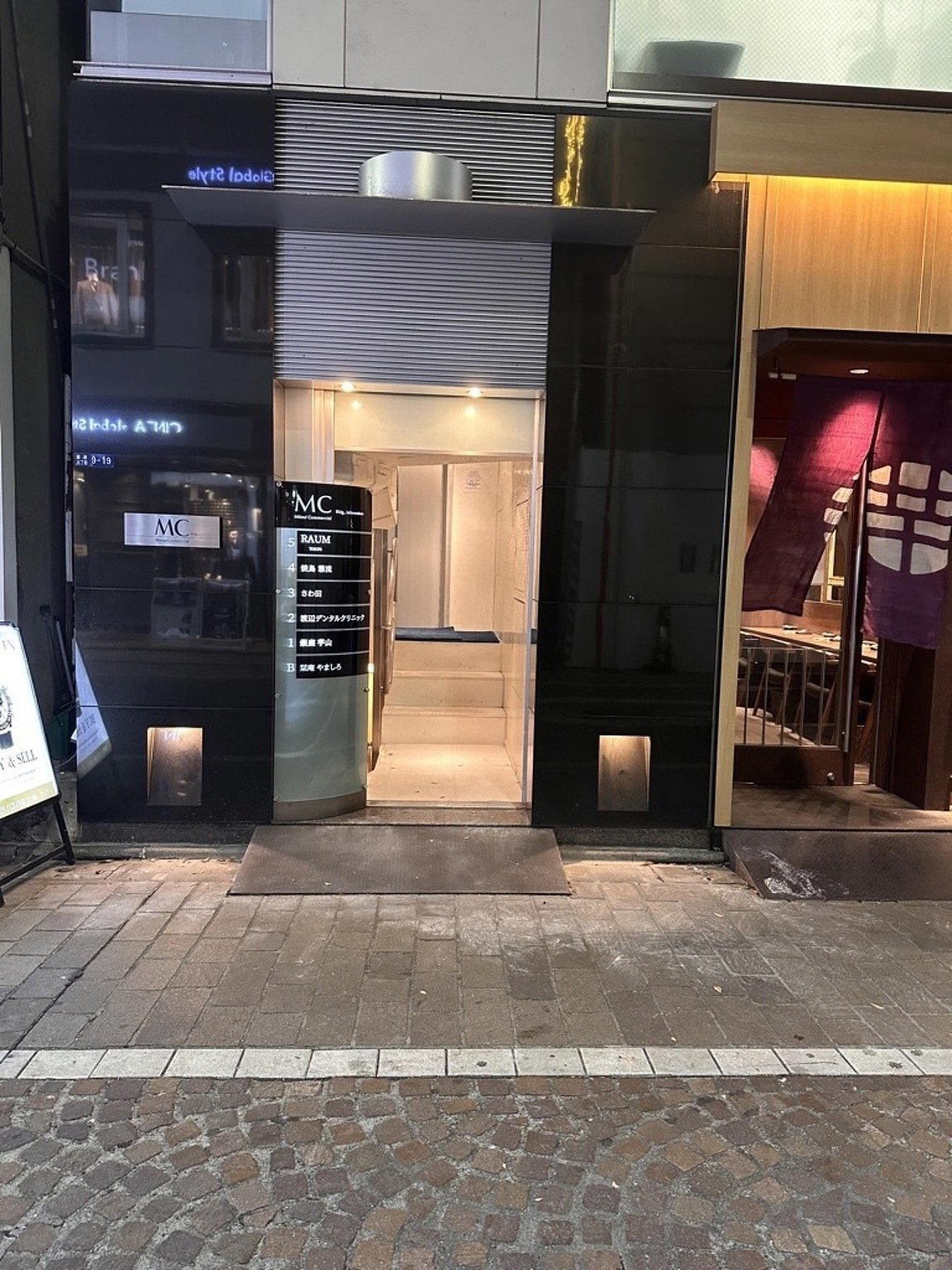
- Japan, 〒103-0026 Tokyo, Chuo City, Nihonbashikabutocho, 3−5 1F
- Phone
- +81 3-5962-3485
- Website
- k5-tokyo.com
- Directions
- Get directions
The menu
What to order
- Homemade waffles
- Classic waffle
- Waffle eggs Benedict
- Tapas
Approaching a café in Tokyo means entering the city through a different tempo. This is not the most theatrical version of Tokyo dining, but an urban pause point where cafés function as punctuation: a break between appointments, a reset after a busy spell, a place where the ritual is measured less by ceremony than by timing, table turnover, and the discipline of a compact room.
CAFE DANCE belongs to that Tokyo pattern. Its role is best understood within the city’s everyday café culture, where smaller restaurants, coffee rooms, and casual dining addresses sit alongside more formal destinations. In Tokyo terms, that matters. The city’s café culture is not one thing; it splits between quiet rooms, counter-led stops, dessert cafés, and hybrid daytime spaces that serve local routines as much as the leisure traveller.
Tokyo's café ritual is about timing, not theatre
The dining ritual here is shaped by the city before the menu enters the conversation. Tokyo’s daytime economy rewards venues that work cleanly: easy entry, modest dwell time, and a room that can absorb solo guests as readily as pairs. That is a different proposition from the city’s more reservation-led dining rooms, where pacing is controlled by the kitchen and the guest submits to the format.
For a useful contrast inside Tokyo, compare the category spread rather than forcing false equivalence. Neki, ASAHINA Gastronome, HOPPERS, Maruyama, and ビストロ トラディシオン occupy different dining lanes around the city. A café address in Tokyo is judged by another set of customs: how it fits into a workday, whether it allows a short stop without friction, and how convincingly the room supports conversation, reading, or a quiet plate between appointments.
This is also why Tokyo cafés can be more revealing than they first appear. The city treats small daily rituals seriously. Queue etiquette, low-volume conversation, the expectation that a table is not a private office for half a day, and the habit of ordering with clarity all shape the experience. Visitors who arrive expecting a long brunch culture imported from elsewhere often misread the rhythm. In Tokyo, the better read is to treat a café as a precise urban tool.
How to place CAFE DANCE inside a Tokyo eating day
CAFE DANCE is better understood as part of a Tokyo itinerary than as a destination meal built around awards or chef biography. The available profile does not need to be inflated with invented status markers, so the editorial frame should stay grounded: this is a café marker in a city where the strongest meals are not always the formal ones. The decision is less about status and more about fit.
That distinction matters for travellers planning Tokyo by category. A morning or afternoon in the city can support a café stop without committing the day to a long meal. A dinner-led itinerary may point elsewhere, whether toward other casual dining rooms, more formal restaurants, or another café format. The useful move is to assign each address a role, rather than asking every stop to carry the weight of a full evening.
Tokyo also rewards broad planning. Different dining formats across the city operate on different clocks, from quick daytime stops to more structured evening rooms. Readers building a wider map can compare nearby restaurant formats through other Tokyo dining rooms, then broaden the planning frame with Our full Tokyo restaurants guide, Our full Tokyo hotels guide, Our full Tokyo bars guide, Our full Tokyo wineries guide, and Our full Tokyo experiences guide.
Reading the wider Japan café-and-casual map
CAFE DANCE also sits within a broader Japanese casual-dining habit: small rooms with narrow concepts, often better understood by rhythm than by long menus. For regional contrast, compare Tokyo’s café pacing with other casual rooms across Japan, where compact formats, focused service, and quick-stop habits can matter as much as a long destination meal. Similar focused formats overseas show how tightly defined casual concepts can travel without needing the language of prestige dining.
The critical verdict is intentionally restrained. Without overstating awards, prices, chef credentials, or published signature items, the case for CAFE DANCE rests on context: a Tokyo café address suited to the pauses in a city day. Treat it as a precision stop in Tokyo, not as a trophy booking, and the category makes sense.
Frequently asked questions
What's CAFE DANCE's location?
CAFE DANCE is located in Tokyo.
How hard is it to get a table at CAFE DANCE?
Expect a neighbourhood café format at CAFE DANCE in Tokyo rather than a large, ceremony-led room. That usually means timing matters more than formality.
What do critics highlight about CAFE DANCE?
The main point of interest is its role as a Tokyo café stop, placing CAFE DANCE inside a city better understood through daily rhythm than through destination dining alone. Its appeal comes from that café role, not from inflated claims about awards or chef credentials.
Do they accommodate allergies at CAFE DANCE?
No allergy policy is listed for CAFE DANCE in Tokyo. For any dietary restriction, the safest approach is to treat it as a café order-by-order and confirm directly before dining.
Is CAFE DANCE okay with children?
CAFE DANCE sits in Tokyo as a café, so it reads as a practical stop for daytime visitors rather than a formal dining room. Children may be a reasonable fit for that format, but the city location alone does not set a house rule.
Category Peers
Side-by-side context: comparable cuisine and price.
| Venue | Cuisine | Price | Awards | Notes |
|---|---|---|---|---|
| CAFE DANCEThis venue — the venue you are viewing | All-day café with waffles, tapas, and natural wine | $20–30 | Not listed | Not listed |
| Maruyama | Creative Japanese–French Izakaya | $30–50 | Tabelog 100 #97 | JPY 3,000 - JPY 3,999 JPY 1,000 - JPY 1,999 View spending breakdown |
| Neki | French-Japanese Fusion Bistro | $50–100 | Michelin Plate | French |
| ASAHINA Gastronome | Modern French Fine Dining | $300–500 | 2 Michelin Stars · La Liste Top Restaurants | French |
| ビストロ トラディシオン | Classical French Bistro | $50–100 | Not listed | Not listed |
| HOPPERS | Modern Sri Lankan | $50–100 | Michelin Bib Gourmand · Tabelog 100 #74 | Sri Lankan |
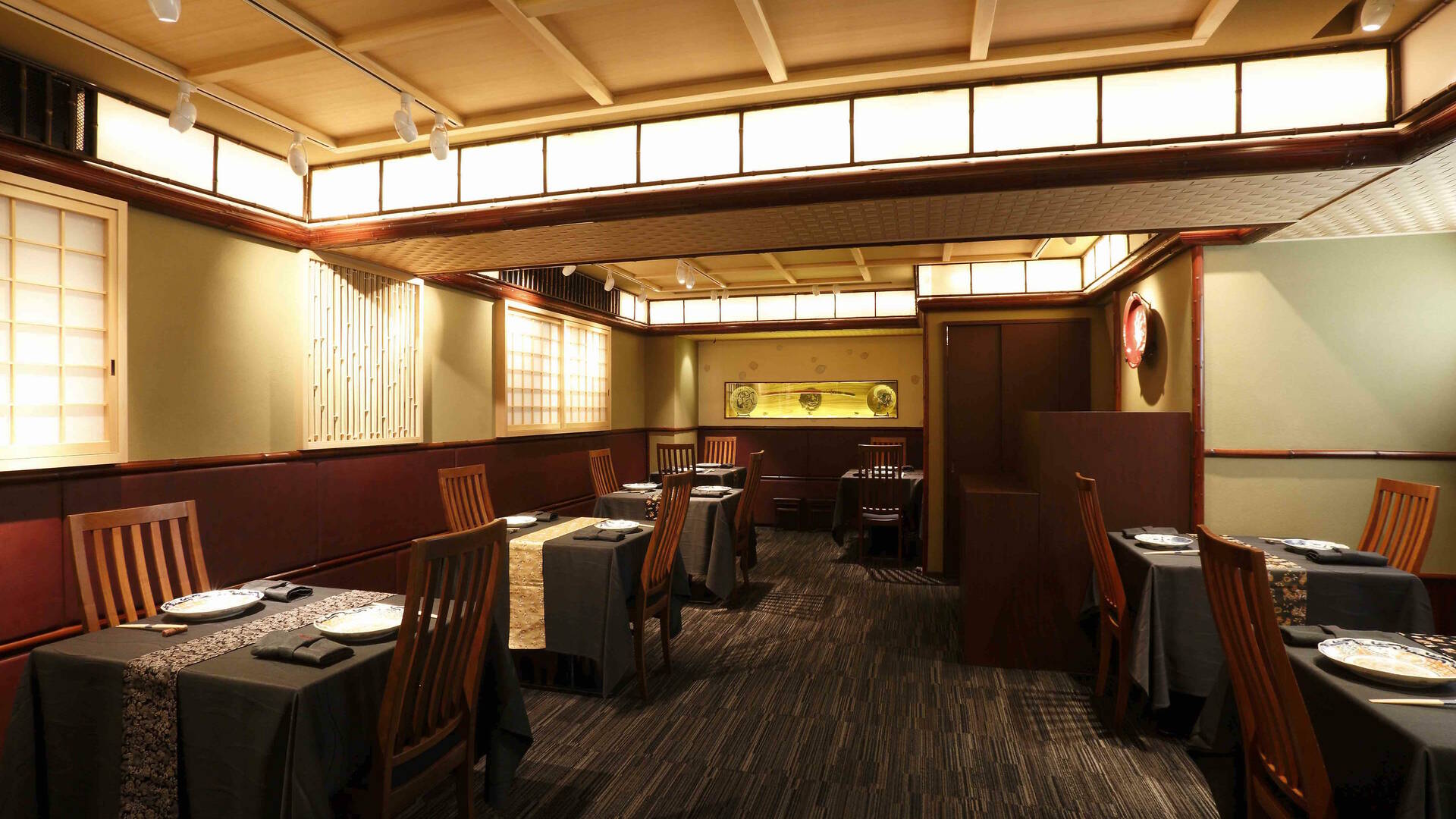
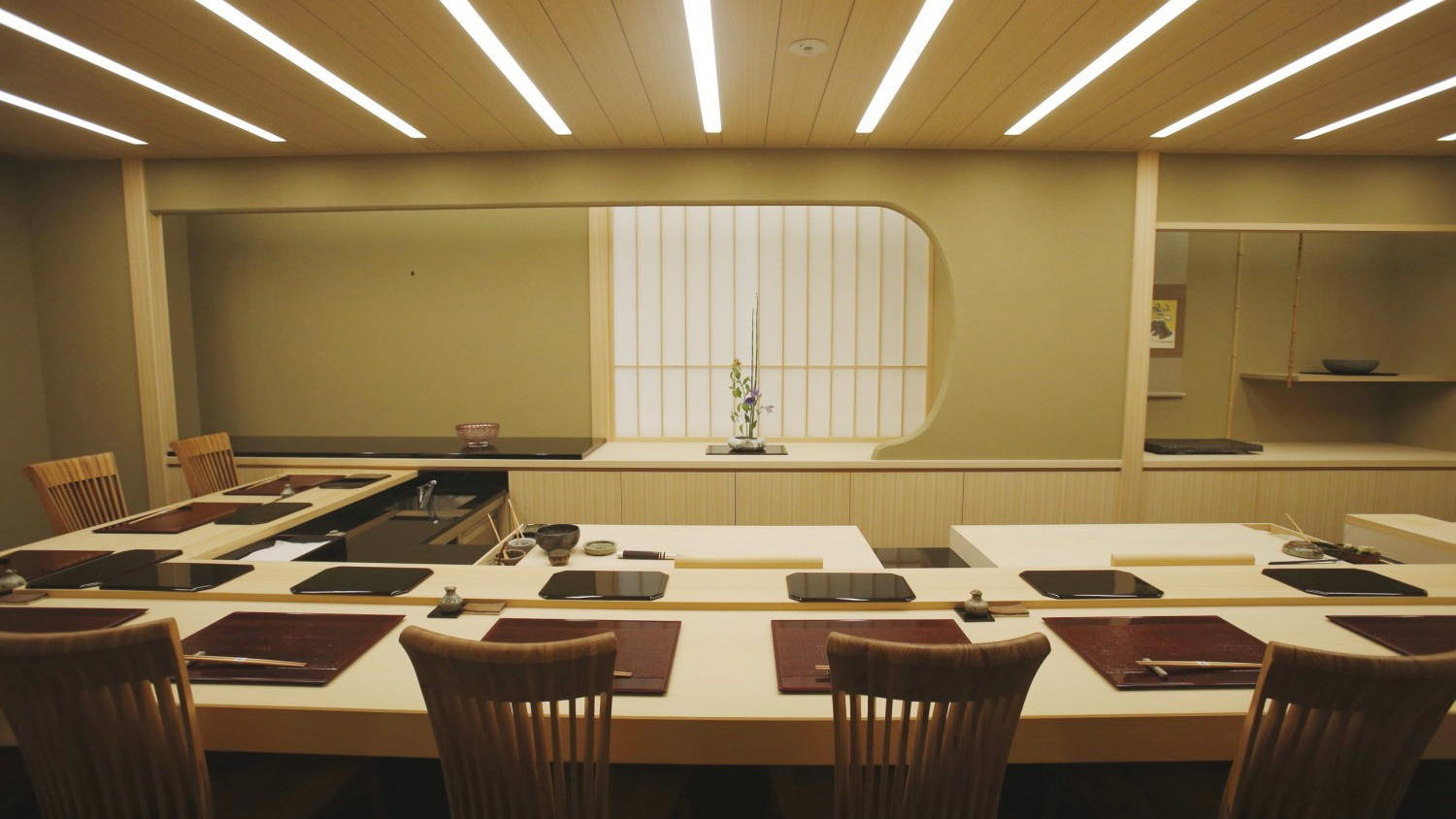
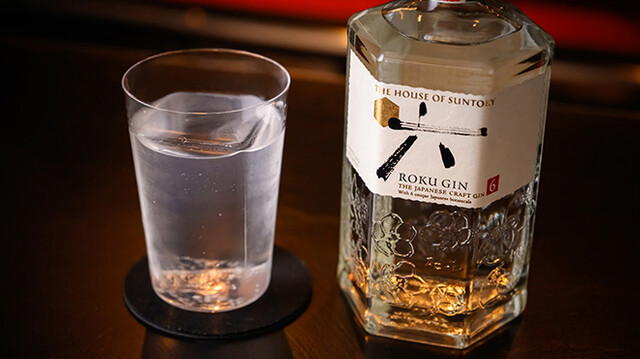
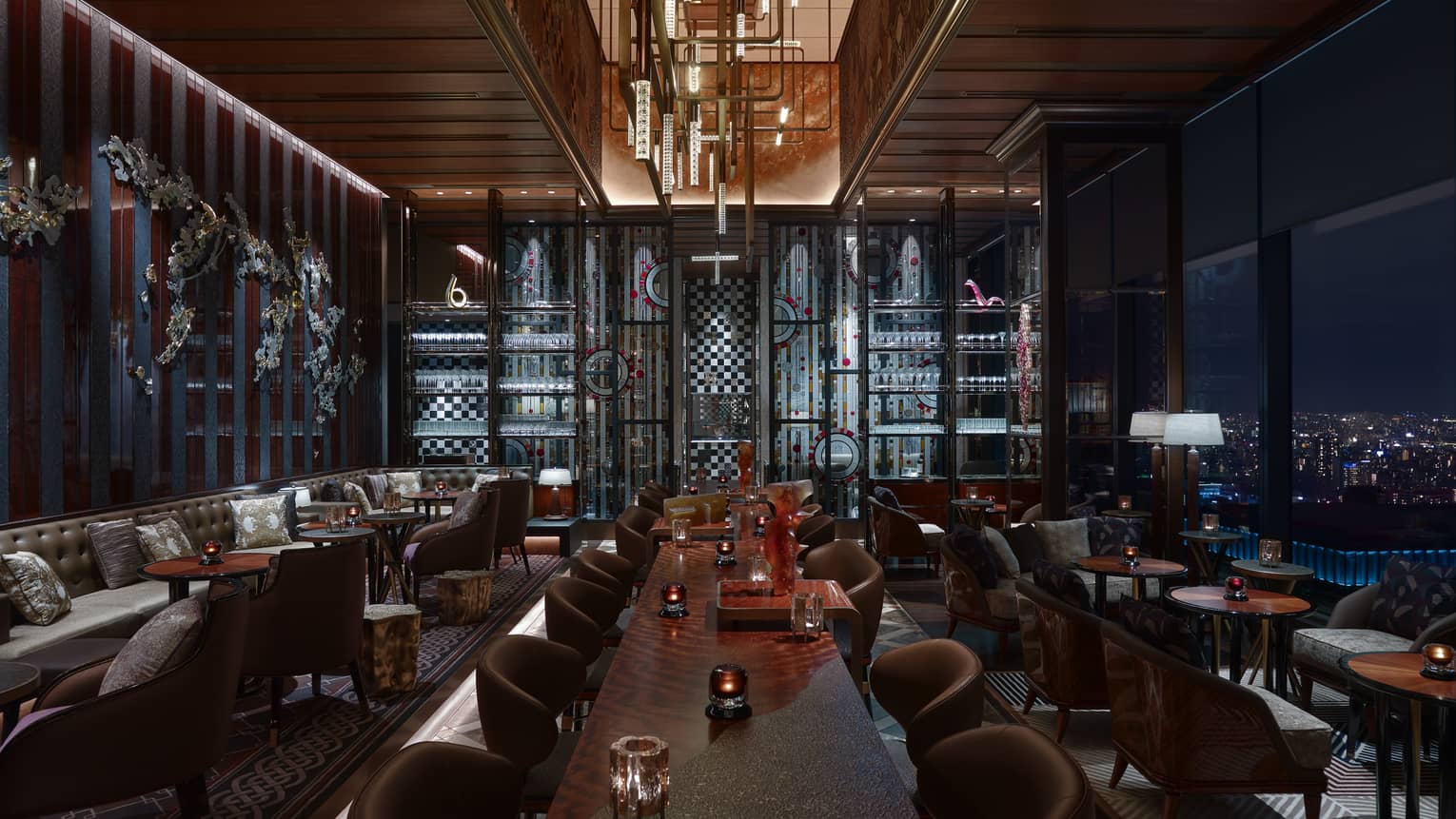
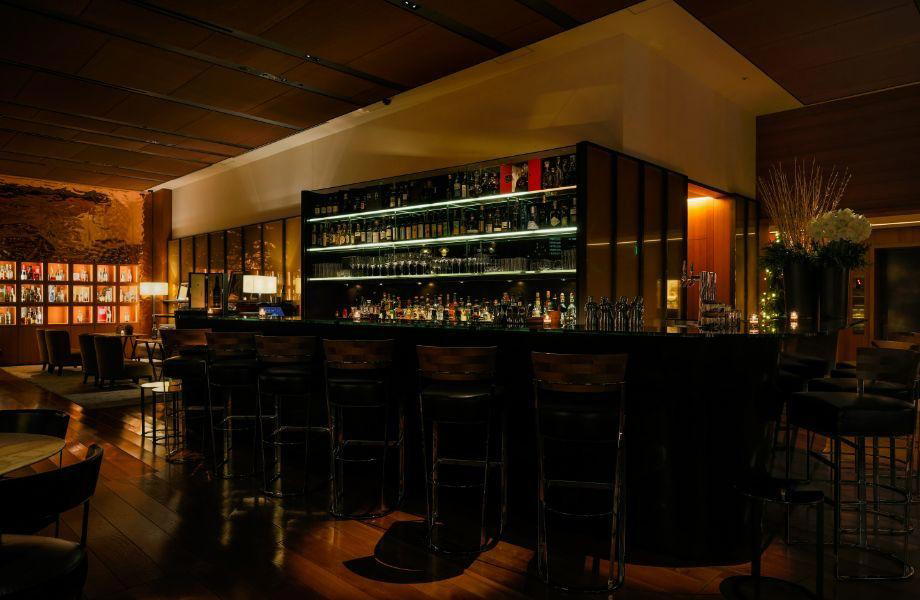
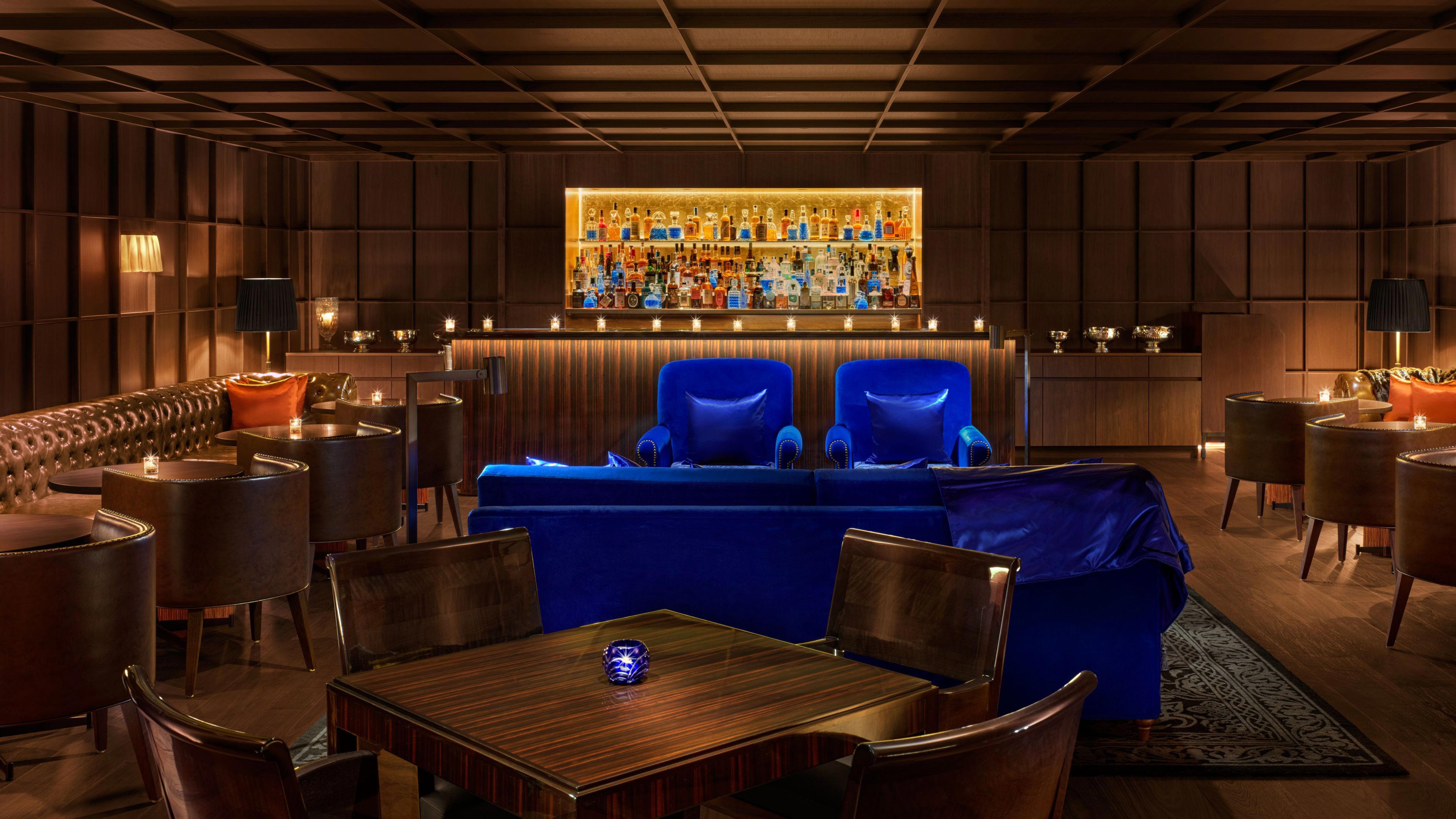
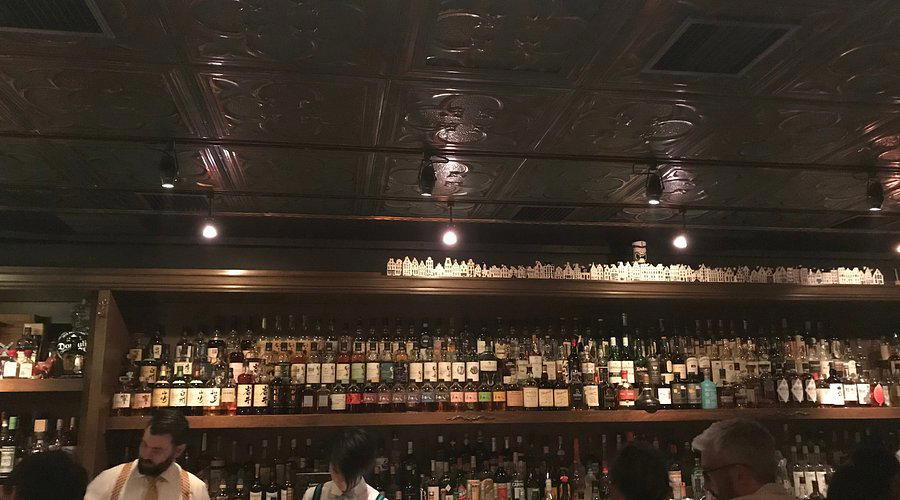
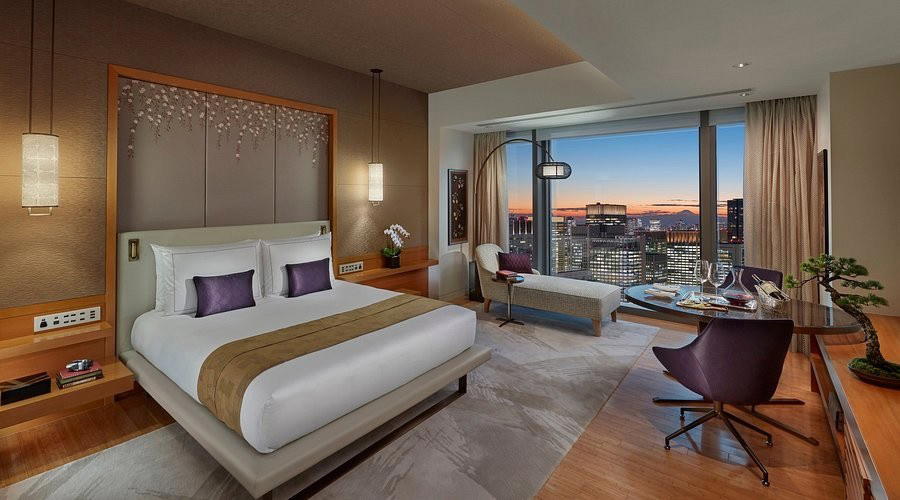
CAFE DANCE
The wine
- Wine program
- Curated wine list
- Natural wine
- Beer program
Details
- Modern
- Cozy
- Trendy
- Intimate
- Brunch
- Casual Hangout
- After Work
- Date Night
- Solo
- Design Destination
- Hotel Restaurant
- Historic Building
- Natural Wine
- Beer Program
- Natural Wine
- A La Carte
- Small Plates
- Coffee
- Natural Wine
- Beer
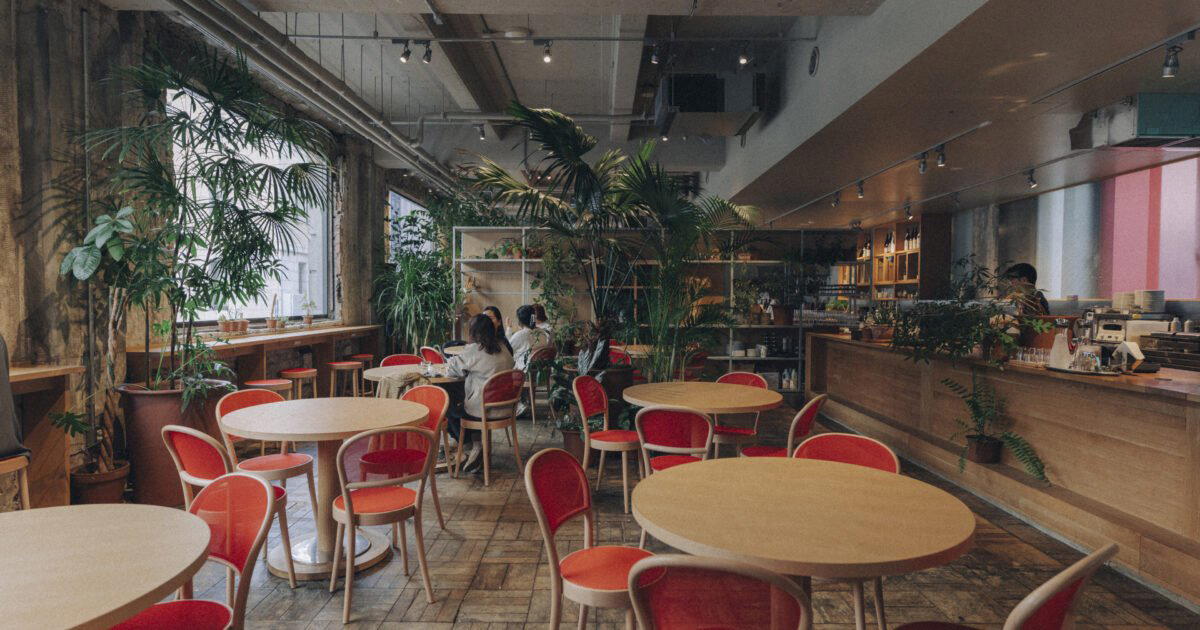
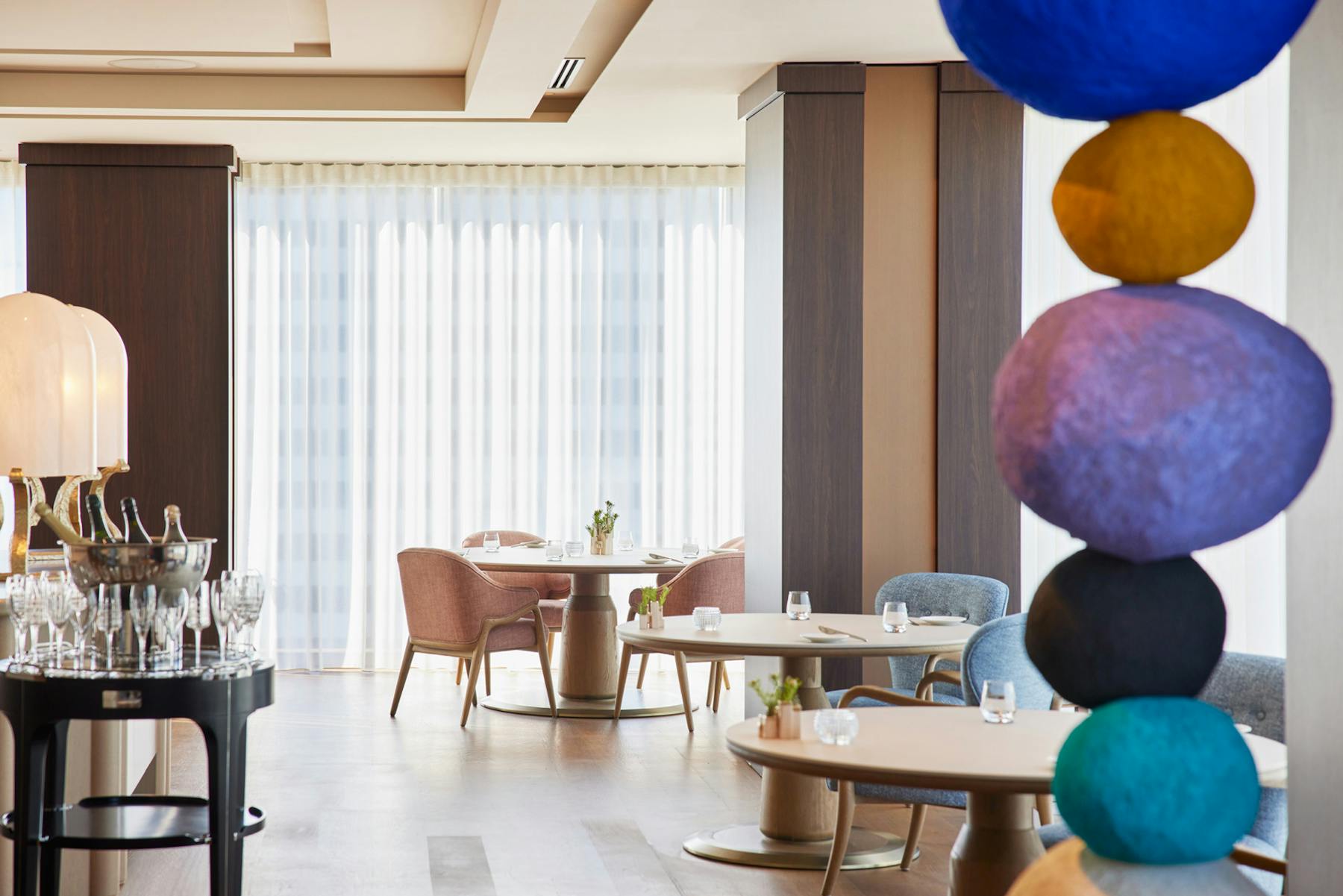
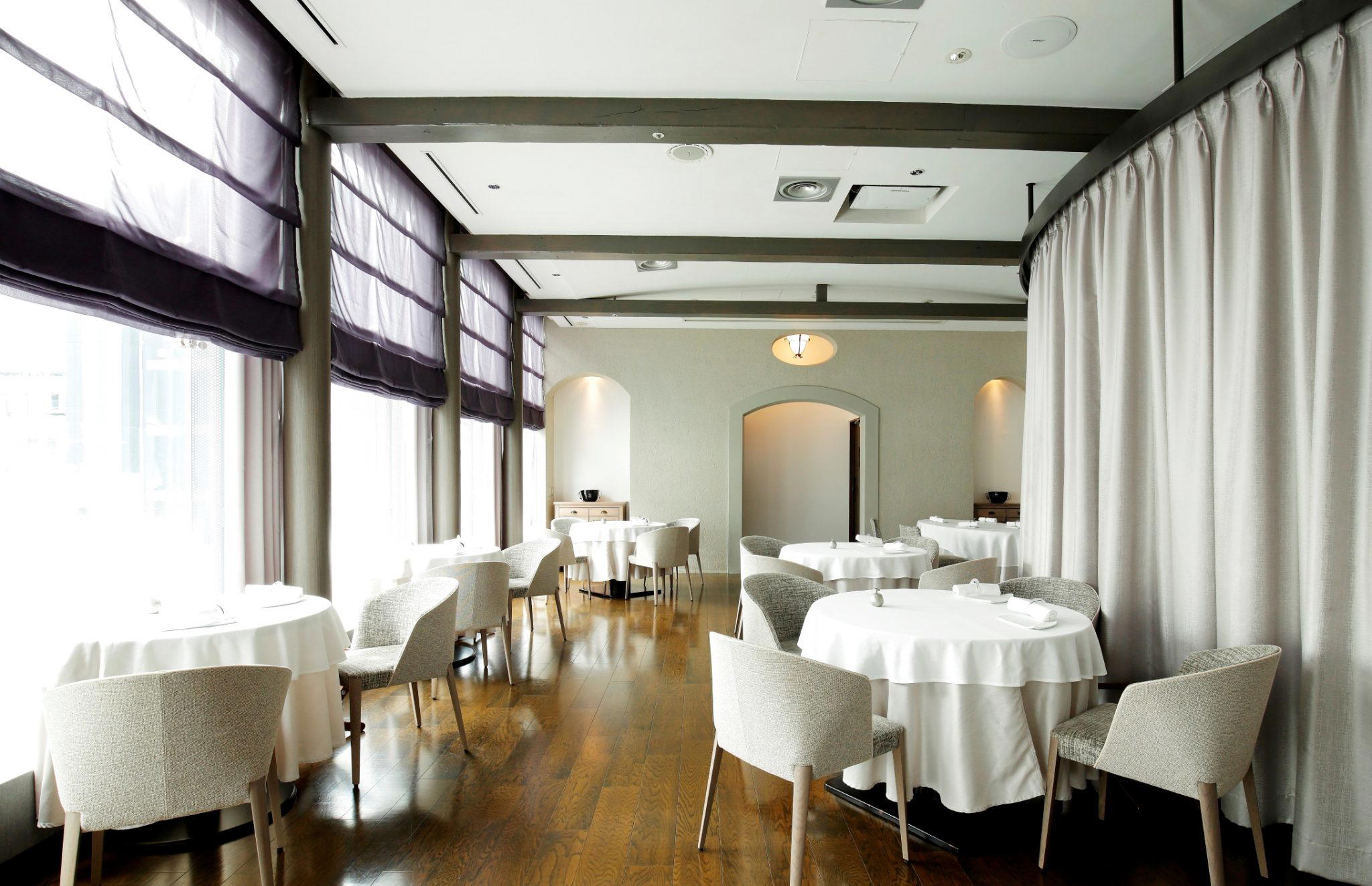
Relaxed all-day café atmosphere with a contemporary, design-led interior set in a historic bank building, shifting from bright and casual at breakfast and brunch to a warmer, wine-bar feel in the evening.