
Gufer 55 holds back-to-back Michelin Bib Gourmand recognition for 2024 and 2025, placing it among the Vorarlberg region's most consistent mid-range tables. The kitchen works in the regional European register, drawing on the agricultural character of the Brandnertal valley..
Pearl is the En Primeur Club membership app — saves, bookings, and concierge access live there. Same editors, same standards.
- Address
- Gufer 55, 6708 Brand bei Bludenz, Austria
- Phone
- +43 5559 22550
- Website
- gufer55.at
- Directions
- Get directions
 Saves & bookings on Pearl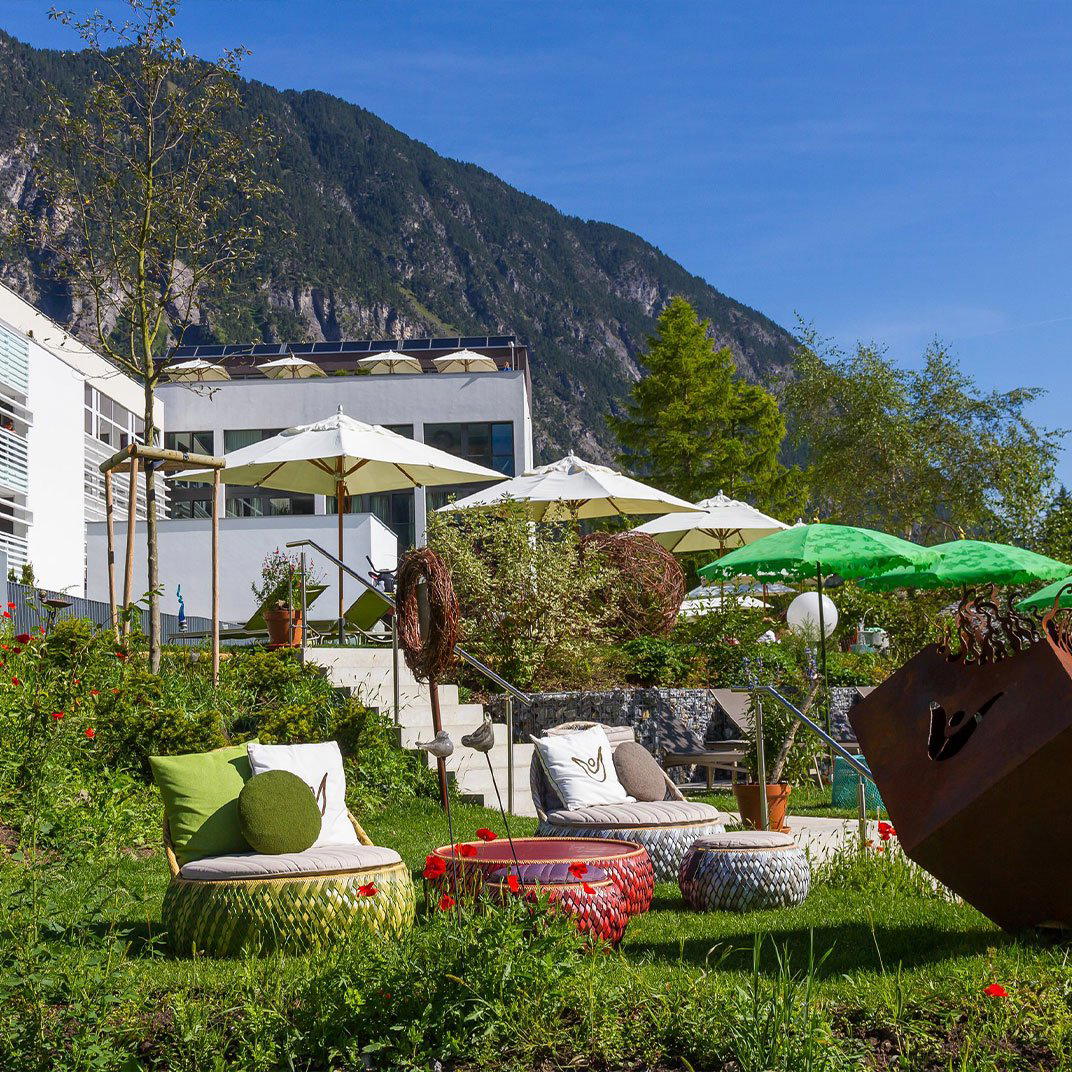
Where the Brandnertal Comes to the Table
The road into Brand rises steadily through the Brandnertal, a compact Alpine valley in Vorarlberg that sits between Bludenz and the peaks above the Lünersee. By the time you arrive at the address on Gufer 55, the surrounding landscape has already done most of the storytelling: mountain pasture, conifer forest, and the unhurried rhythm of a village that has never needed to perform for visitors. The dining room takes its register from that setting. This is not a room that announces itself.
In Austria's western Alpine corridor, that restraint is itself a signal. The region's most self-confident kitchens tend to let sourcing and technique carry the room rather than décor or theatre, and Gufer 55 sits squarely in that tradition. For readers building an itinerary through Vorarlberg, the context matters: this is not a resort dining room positioned around a ski season, nor a gastro-hotel import. It reads, from the outside, as a place that has been feeding people from this valley for some time.
The Bib Gourmand Signal and What It Actually Means
Michelin's Bib Gourmand designation is awarded to kitchens that deliver cooking of genuine quality at a price the guide considers reasonable for the market. Gufer 55 has held that designation in consecutive years, 2024 and 2025, which matters more than a single award. A one-year Bib can reflect a strong season or a reviewer's fortunate visit; a consecutive recognition suggests the kitchen is operating to a consistent standard rather than peaking. At the €€ price point, that consistency places the restaurant in a different competitive conversation from the starred rooms further along Austria's western arc.
For context, the Michelin-starred end of Austrian alpine dining runs to considerable expense. Gourmetrestaurant Tannenhof in Sankt Anton am Arlberg and Griggeler Stuba in Lech occupy a tier where a dinner for two routinely reaches three figures per head. Döllerer in Golling an der Salzach and Ikarus in Salzburg operate at the two-star level with corresponding price structures. The restaurant earns its Michelin recognition at a fraction of those price points, which is precisely the Bib Gourmand's premise: quality accessible to the traveller who is not booking a special-occasion tasting menu.
. Starred restaurants frequently attract ratings that reflect the occasion rather than the food. A consistently high score at a neighbourhood-level price point, accumulated over hundreds of visits rather than curated press nights, tends to reflect repeat custom and genuine satisfaction across different types of guests.
Regional European in the Alpine Context: What the Sourcing Frame Tells You
The Regional European cuisine designation, read in the context of Vorarlberg, points toward a kitchen that engages with what the surrounding mountains and valleys actually produce. Alpine agriculture in this part of Austria runs to summer pasture dairy, alpine herbs, cured meats from small producers, freshwater fish from cold mountain streams, and root vegetables that store well through winter. A kitchen working honestly in this register does not build its menu around imported luxury ingredients; it builds around the season and the altitude.
Vorarlberg has a strong regional food identity that distinguishes it from the Viennese tradition to the east. Dishes like Käsknöpfle (the local answer to Swabian Spätzle, dressed with aged mountain cheese and fried onion), cured Alpine meats, and preparations built around dairy from the Bregenzerwald reflect a culinary character rooted in the landscape rather than courtly or imperial precedent. The leading regional kitchens in this corner of Austria treat these as a starting point for considered technique rather than a nostalgic recreation. Sourcing from within the valley and the broader Vorarlberg region is less a marketing choice in this context and more a practical and cultural default.
For the traveller comparing this approach to what Austria's more celebrated kitchens do, it is worth noting that even Steirereck im Stadtpark in Vienna, the country's most prominent fine dining address, grounds its creative ambition in a deep engagement with Austrian seasonal and regional produce. The difference is one of register and scale, not underlying philosophy. Kräuterreich by Vitus Winkler in Sankt Veit im Pongau takes the herb-and-alpine-garden approach to a more elaborate format. The restaurant appears to stay closer to the ground in both price and ambition, which is its particular editorial position in the region's dining map.
Planning a Visit
Brand sits in the Brandnertal valley, accessible from Bludenz, which connects to the main rail corridor through Vorarlberg. The village is better known as a winter skiing and summer hiking base than as a dining destination, which means the restaurant draws a mix of local custom and visiting guests rather than a purely tourist clientele. At the €€ price range, a meal here sits comfortably within a broader trip budget, and it represents a natural stop for anyone moving through western Vorarlberg between Bludenz and the higher alpine terrain.
Checking directly via local search or the address at the restaurant, 6708 Brand bei Bludenz, is the practical approach. Given the consecutive Bib Gourmand recognition, demand is likely to exceed what the address and setting might suggest to a first-time visitor, so planning ahead rather than walking in on a busy weekend is advisable.
Elsewhere in Austria's regional European register, Landhaus Bacher in Mautern an der Donau and Obauer in Werfen represent the more elaborated end of the tradition. Schwarzer Adler in Hall in Tirol and Restaurant 141 by Joachim Jaud in Mieming offer further reference points in the Tyrol. For those following the Regional European thread outside Austria, Adler Stuben in Hinterzarten in the Black Forest and Cibû in Leça da Palmeira show how the same sourcing instinct plays out in different geographic and cultural registers. Ois in Neufelden rounds out the Austrian picture in the Upper Austrian context.
A Quick Peer Check
Comparable venues nearby, for context on price, style, and recognition.
| Venue | Cuisine | Price | Awards | Notes |
|---|---|---|---|---|
| Gufer 55This venue — the venue you are viewing | Regional Austrian with Vorarlberg Specialties | $$$ | Bib Gourmand | Not listed |
| Brandnerhof | Austrian & German Classics | $$ | Not listed | Brandnertal |
| Cafe | European Pub Cafe | $$ | Not listed | Brand |
| Hirschen | Regional Austrian Alpine Cuisine | $$$ | Michelin Plate | Bregenzerwald |
| Sonnenstüble | Modern Regional German | $$$ | Michelin Plate | Hirschegg |
| Altes Gericht | Classical Austrian Fine Dining | $$$ | Michelin Plate | Sulz, Vorarlberg Oberland |
Recognition history
Dated appearances from independent guides and award organizations, with the underlying list record or original source where available.
Michelin Bib Gourmand
Michelin
Michelin Bib Gourmand
Michelin
Michelin Bib Gourmand
Michelin
Continue exploring
More in Brand
Restaurants in Brand
Browse all →
Bars in Brand
Browse all →
Hotels in Brand
Browse all →

At a Glance
- Cozy
- Modern
- Rustic
- Date Night
- Special Occasion
- Local Sourcing
Current opening hours
- Monday
- 5–10 PM
- Tuesday
- Closed
- Wednesday
- 5–10 PM
- Thursday
- 5–10 PM
- Friday
- 5–10 PM
- Saturday
- 11:30 AM–2 PM, 5–10 PM
- Sunday
- 11:30 AM–2 PM, 5–10 PM
Hours can change for holidays and private events. Last verified .
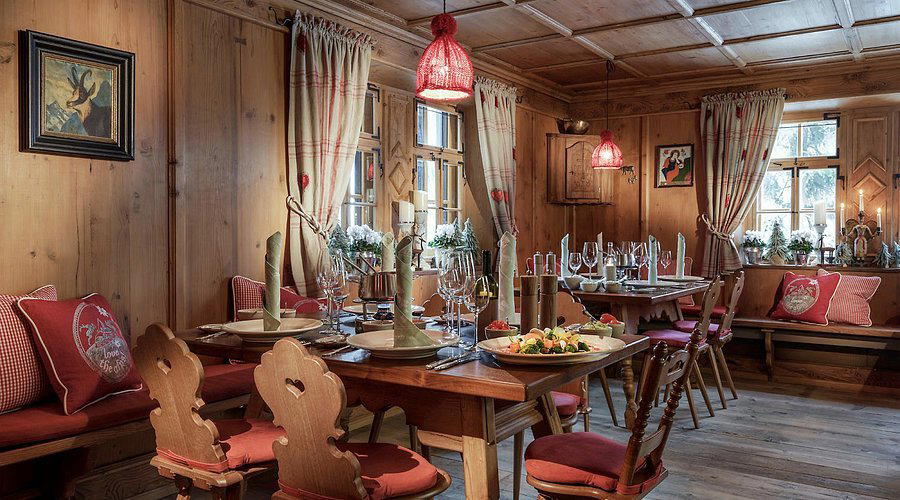
Cozy modern decor with quiet atmosphere inside and guest garden outside.