Our verdict
Cafe Belong sits at 550 Bayview Avenue in Toronto's Leaside district, occupying a position in the city's farm-to-table conversation that rewards unhurried meals over quick transactions. The kitchen draws on local sourcing traditions common to Ontario's most deliberate dining rooms, placing it alongside a cohort of Canadian restaurants where the ritual of eating matters as much as the food itself.

A Particular Kind of Arrival
Bayview Avenue between Davisville and Eglinton occupies a quieter register than Toronto's more conspicuous dining corridors. The stretch around 550 Bayview runs past low-rise storefronts and residential side streets, the kind of address that filters out casual foot traffic and leaves a dining room to build its reputation through return visits rather than walk-in novelty. That self-selection process shapes the experience before a dish arrives: the room tends toward guests who came with purpose.
This pattern, a neighbourhood restaurant that draws a committed rather than a transient audience, has become one of the more reliable signals in Toronto's mid-to-upper dining tier. It mirrors what has happened at farm-to-table rooms across Canadian cities, where the dining ritual slows down in direct proportion to the distance from a tourist-heavy street. Cafe Belong operates in that cadence.
The Ritual Before the Meal
In Toronto's most deliberate dining rooms, the meal is structured as a sequence rather than a transaction. Pacing matters. The gap between courses, the moment when a server explains sourcing, the way a menu is organised by season rather than protein category: these are the design decisions that separate a kitchen with a point of view from one simply filling tables. Cafe Belong sits within this tradition, where the format of the meal communicates something before a fork is lifted.
This approach has parallels across Canada. At Tanière³ in Quebec City, the tasting format is built around Indigenous and regional ingredients presented in a fixed sequence that asks for patience. At Eigensinn Farm in Singhampton, the meal unfolds at the producer's own pace, with no menu handed to guests at all. Cafe Belong doesn't operate at those extremes, but it belongs to the same broader current: dining as a considered ritual rather than a service transaction.
The farm-to-table dining model, when practised with discipline, places significant demands on a kitchen's supply relationships. Ontario's agricultural calendar is shorter than California's, which means spring and fall menus carry more editorial weight, and winter menus require either strong preservation programs or honest simplicity. Restaurants in this tier that manage those constraints without retreating to imported ingredients tend to earn stronger loyalty from repeat guests than from first-timers scanning for novelty.
Where Cafe Belong Sits in the Toronto Conversation
Toronto's restaurant market has split across several tiers. At the leading, a handful of rooms compete on Michelin and international-list recognition: Alo anchors the contemporary fine dining bracket at $$$$, Sushi Masaki Saito and Aburi Hana define the Japanese omakase and kaiseki tier, and DaNico and Don Alfonso 1890 represent the Italian-leaning contemporary bracket. For a broader map of how the city's dining tiers connect, the EP Club Toronto guide tracks the full field.
Cafe Belong occupies a different competitive position. It is not competing for the same guest as a $$$$ omakase counter or a tasting-menu room with international recognition. That category has historically been underdocumented in Toronto relative to the headline venues, which is precisely why it tends to reward guests who do the research.
Within Canada, this kind of restaurant has produced some of the country's most durable dining reputations. Restaurant Pearl Morissette in Lincoln operates on a winery estate with a kitchen that treats the agricultural calendar as a hard constraint. AnnaLena in Vancouver holds a similar position on the West Coast: neighbourhood-grounded, locally focused, and better known among local regulars than visiting tourists. Cafe Brio in Victoria has run on a comparable model for longer than most Vancouver Island competitors. Internationally, the format connects to rooms like Lazy Bear in San Francisco, where communal pacing and local sourcing define the experience more than any single dish.
What the Menu Format Signals
Farm-to-table kitchens that have operated long enough to develop genuine supplier relationships tend to show that depth through menu restraint rather than abundance. A shorter menu with fewer proteins, built around what is actually in season in Ontario at a given moment, signals more disciplined sourcing than a wide-ranging list that requires year-round imports to sustain. The most reliable indicator of a kitchen's commitment to the model is how the menu changes between February and October, not how it reads on a single visit.
This is the kind of detail that matters when choosing between comparable rooms in a neighbourhood context. The dining ritual at this tier is partly about trusting the kitchen's judgment over your own preferences. Guests who arrive with fixed expectations about a specific dish or ingredient tend to find farm-to-table formats less satisfying than those who treat the menu as a reflection of what the region is producing at that moment.
For context on what this model can achieve at greater scale or intensity, the Fogo Island Inn Dining Room in Joe Batt's Arm takes hyperlocal sourcing to its geographic extreme, and Narval in Rimouski applies the same logic to a coastal Quebec context. Both demonstrate how much the format depends on the strength of the local supply chain rather than the ambition of the kitchen alone.
Planning Your Visit
Cafe Belong is located at 550 Bayview Avenue in Toronto's Leaside area, accessible via the Eglinton Crosstown LRT corridor or by car with street parking on adjacent residential streets. Given the neighbourhood's quieter footprint, reservations are advisable, particularly for weekend sittings when the dining room's local regulars tend to fill the room early. For guests building a broader Toronto itinerary, pairing an evening here with a visit to Jérôme Ferrer - Europea in Montreal or Le Bernardin in New York City provides useful contrast between the neighbourhood farm-to-table model and the grand-occasion fine dining format. Closer to Toronto, Busters Barbeque in Kenora and The Pine in Creemore represent different expressions of Ontario's regional dining character worth knowing about if you're travelling beyond the city.
Frequently asked questions
What's Cafe Belong's location?
Cafe Belong is located at 550 Bayview Ave, Toronto, ON M4W 3X8, Canada, Toronto.
Is Cafe Belong a good option for a weekday lunch near Leaside?
The Bayview Avenue address places Cafe Belong within walking distance of the Leaside neighbourhood's daytime foot traffic, and the farm-to-table format translates well to a midday meal where the produce-led approach is on full display. Weekday lunch typically offers easier access than weekend dinner, with less competition for tables from the regular local clientele. For Toronto diners in the Davisville-to-Eglinton corridor, it is one of the few rooms in the area where the sourcing is treated as the meal's primary argument.
What do people recommend at Cafe Belong?
Regulars consistently point to the kitchen's commitment to Ontario seasonal produce as the reason to return rather than any single signature plate. The menu shifts with the agricultural calendar, which in Ontario runs shorter than many Canadian cities to the west, making spring and early autumn visits particularly rewarding for variety. The farm-sourcing approach means the strongest dishes on any given visit depend on what is available from supplier relationships built over time.
Can I walk in to Cafe Belong?
Cafe Belong at 550 Bayview Avenue in Leaside draws a loyal local clientele, which means walk-in availability narrows considerably during weekend dinner service. Weekday lunch and early evening slots tend to offer more flexibility. Calling ahead remains the more reliable approach for those without a reservation, particularly during peak seasonal periods.
What's the defining dish or idea at Cafe Belong?
The defining idea is Ontario farm-to-table sourcing applied seriously, not as a branding exercise. That means the menu is constrained by what the province's shorter growing season actually produces, which creates a kitchen discipline that longer-season operations rarely have to develop. The result is a room where the sourcing model shapes the cooking rather than decorating it.
Cuisine and Credentials
| Venue | Cuisine | Price | Awards | Notes |
|---|---|---|---|---|
| Cafe BelongThis venue (the venue you are viewing) | Seasonal Canadian Cafe | Not listed | Not listed | Not listed |
| Alo | Modern French Fine Dining with Asian Influences | $200–300 | 1 Michelin Star · La Liste Top Restaurants | Contemporary |
| Sushi Masaki Saito | Edomae-Style Omakase | $500+ | 1 Michelin Star · La Liste Top Restaurants | Sushi, Japanese |
| Aburi Hana | Modern Japanese Kyō-Kaiseki | $300–500 | 1 Michelin Star · The Best Chef One Knife | Kaiseki, Japanese |
| Don Alfonso 1890 | Modern Italian Fine Dining | $200–300 | 1 Michelin Star · La Liste Top Restaurants | Contemporary Italian, Italian |
| Edulis | Mediterranean Seafood Tasting Menu | $150–200 | 1 Michelin Star · World's 50 Best #25 | Canadian, Mediterranean Cuisine |
Continue exploring
More in Toronto
Restaurants in Toronto
All restaurants in Toronto →

Bars in Toronto
All bars in Toronto →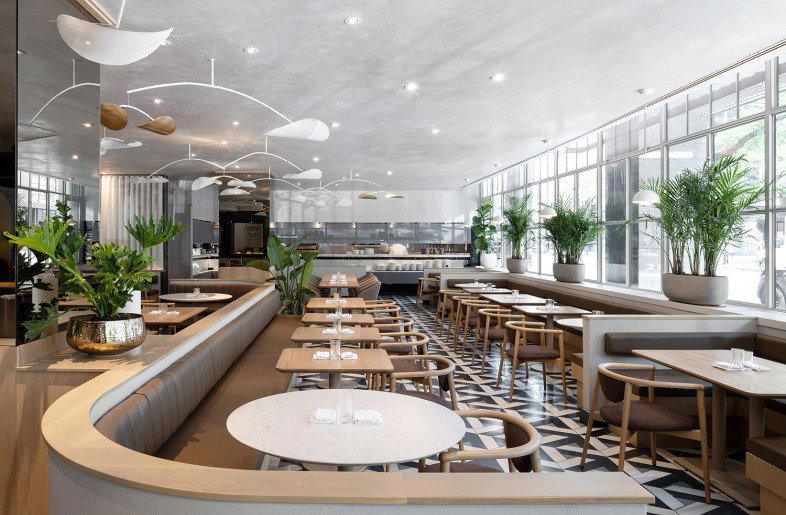

Details
- Cozy
- Modern
- Scenic
- Brunch
- Casual Hangout
- Open Kitchen
- Local Sourcing
- Farm To Table
- A La Carte
- Vegetarian Friendly
- Vegan Options
- Gluten Free Options
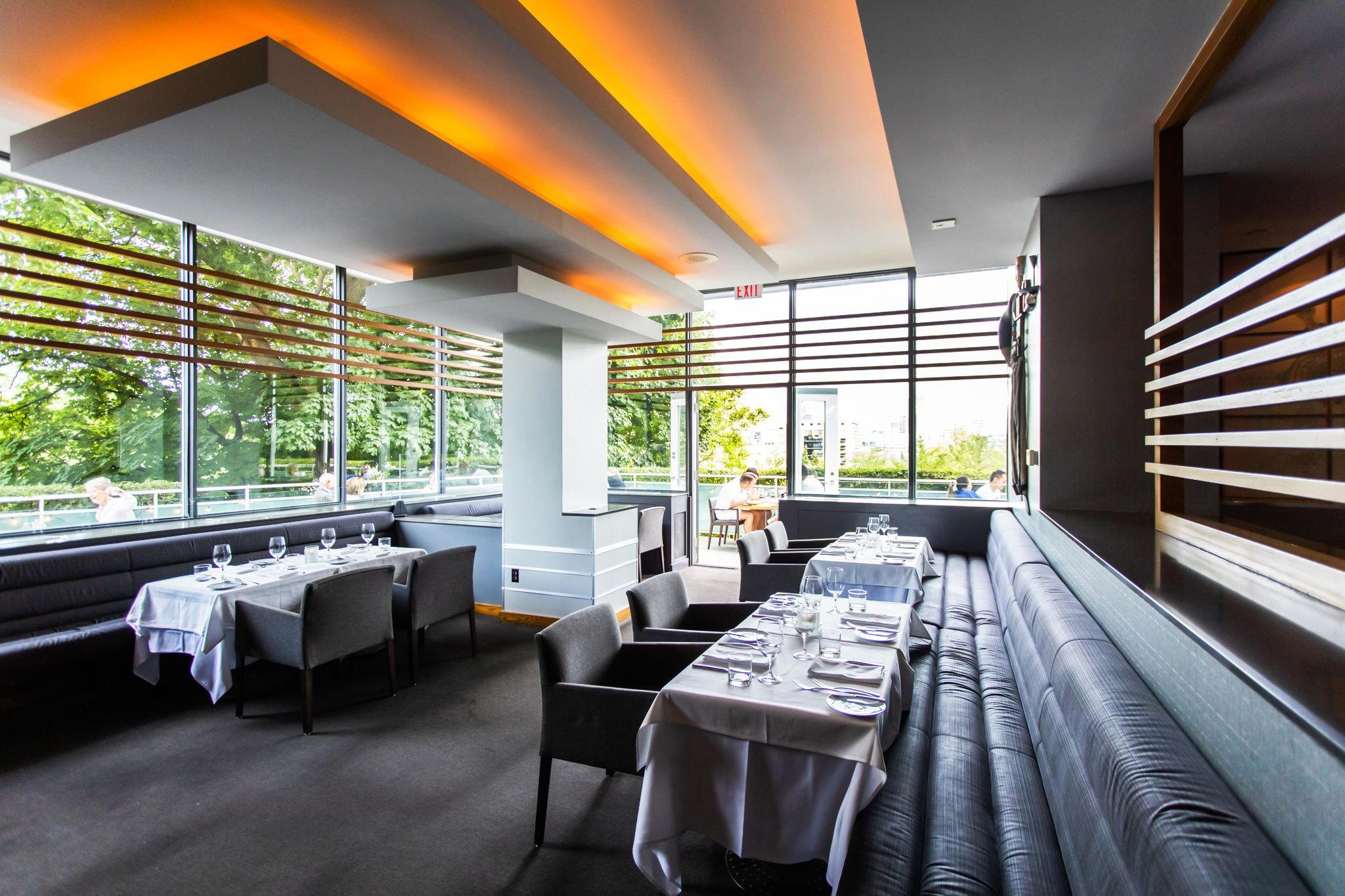
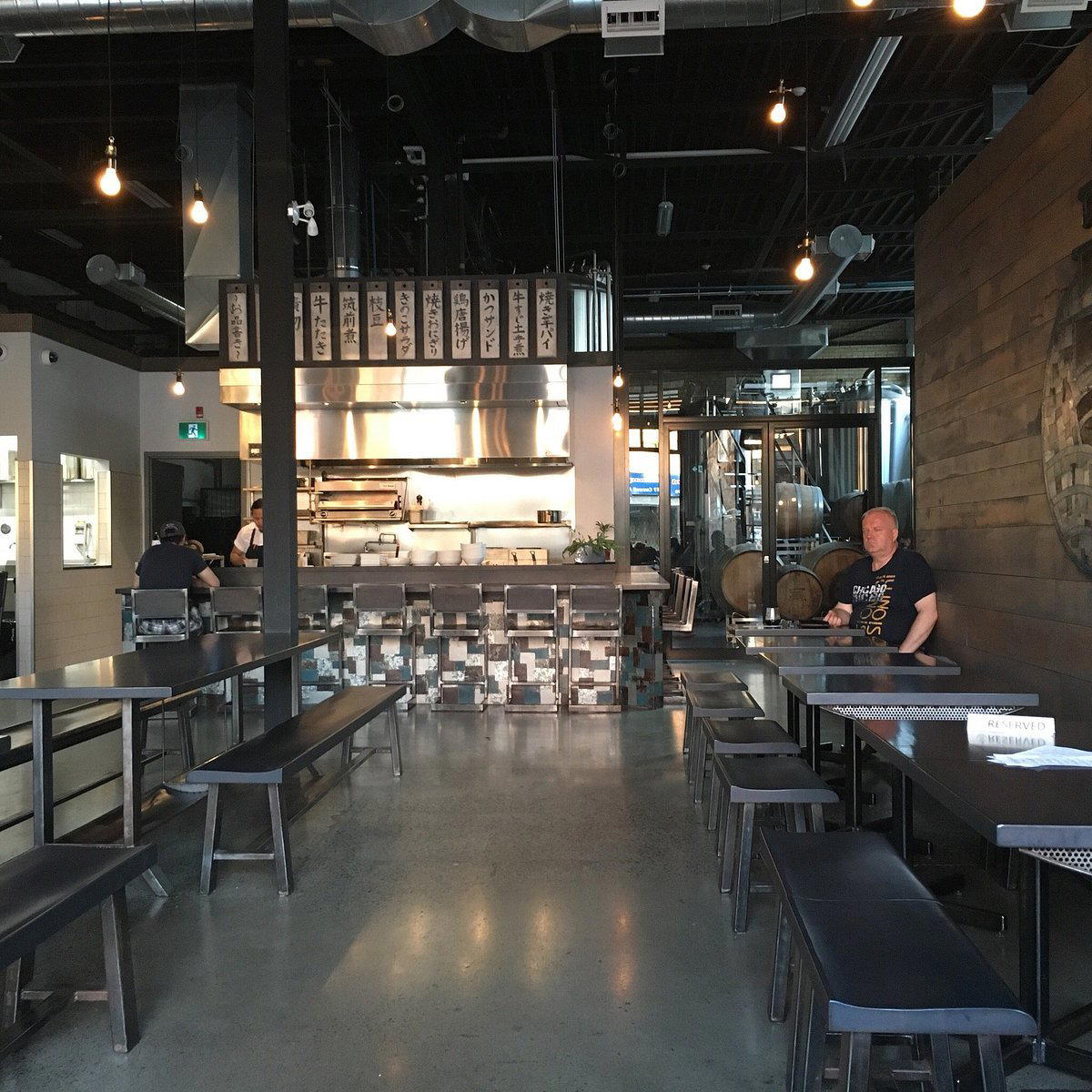
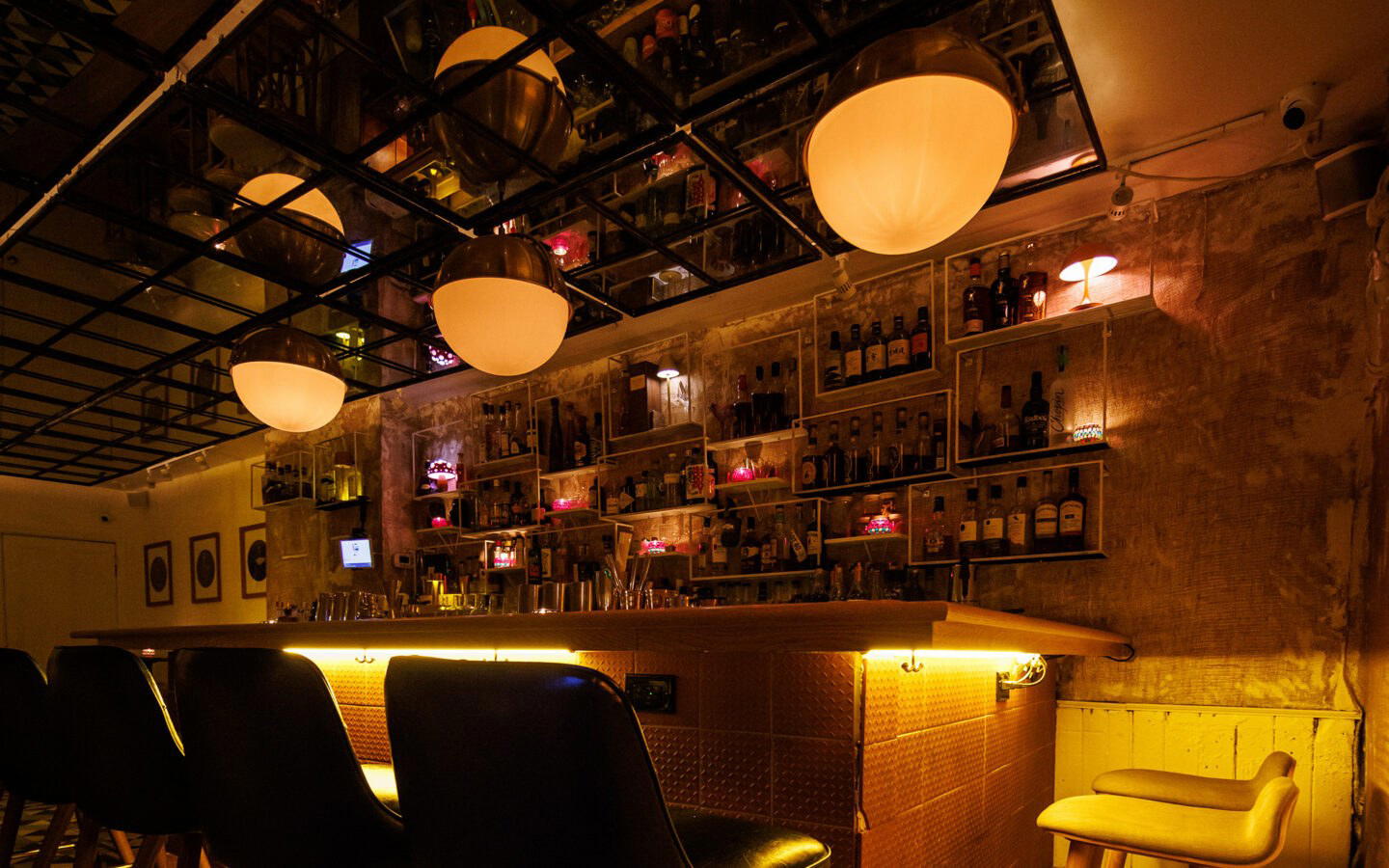
Peaceful ambiance with nice decor reminiscent of a reclaimed farmhouse and views of the Brick Works.