Cactus Taqueria
Our verdict
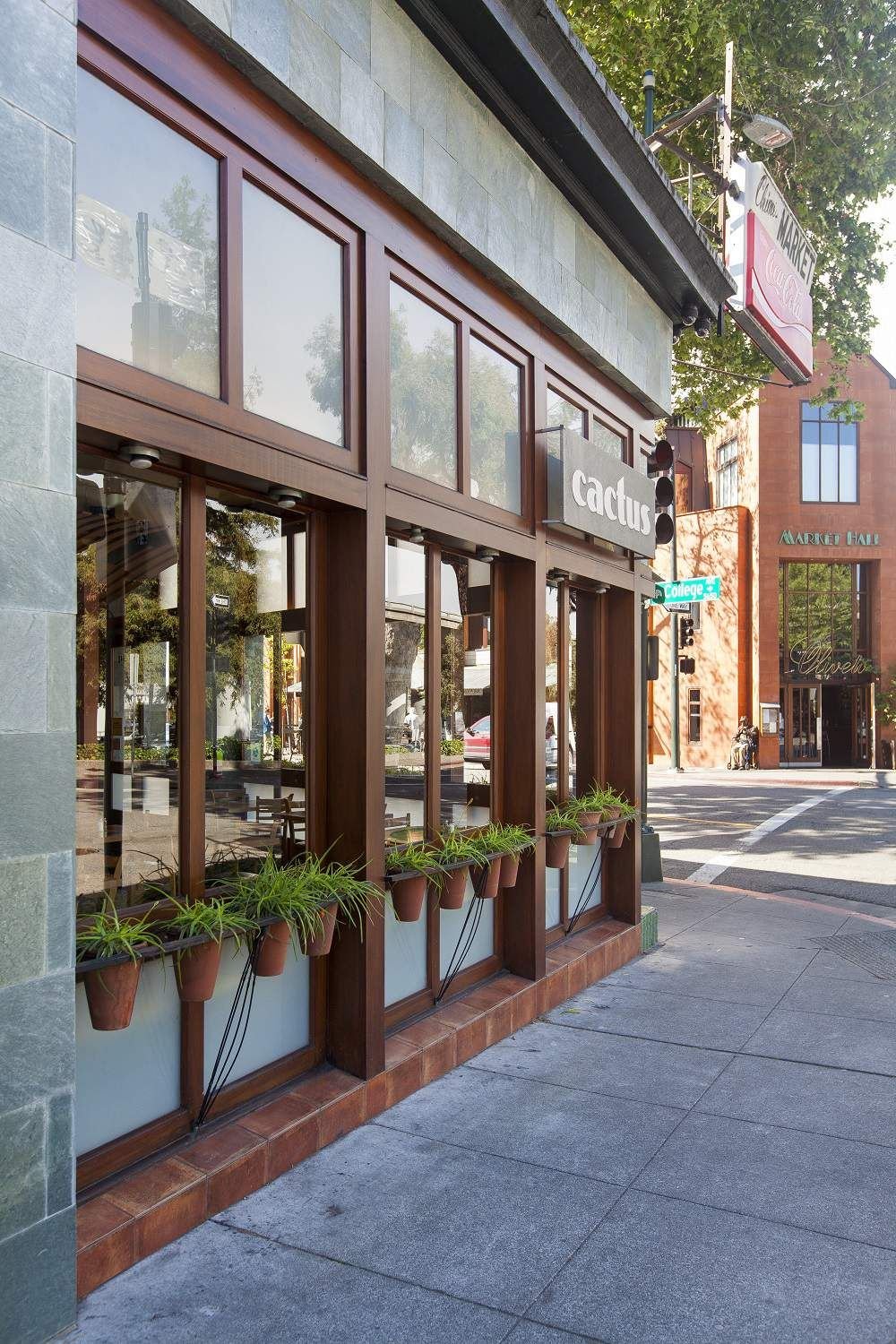
On Solano Avenue, Cactus Taqueria anchors Berkeley's casual Mexican dining scene with a straightforward taqueria format that has built a loyal neighbourhood following. The address places it squarely in the Albany-Berkeley corridor, where a mix of families, students, and longtime residents make up its regular crowd. It operates in a city where serious food culture runs from taqueria counters up through Michelin-decorated dining rooms.

Pearl is the En Primeur Club membership app — saves, bookings, and concierge access live there. Same editors, same standards.
- Address
- 1881 Solano Ave, Berkeley, CA 94707
- Phone
- (510) 528-1881
- Hours
- Daily 11 AM–8 PM
- Website
- cactustaqueria.com
- Directions
- Get directions
The menu
What to order
- Fish Burrito
- Lamb Birria
- Lengua Street Tacos
Solano Avenue and the Taqueria Tradition
Berkeley's food culture is rarely monolithic. The same neighbourhood that debates sourdough fermentation schedules and natural wine allocations also sustains a dense population of taqueria counters, each drawing regulars through consistency, speed, and a clear point of view on what a taco should be. On Solano Avenue, the corridor that runs along the Berkeley-Albany border and pulls foot traffic from both sides, Cactus Taqueria has established itself as a reference point for casual Mexican dining in the area. In a city with serious culinary infrastructure, that position is earned through repetition, not novelty.
The taqueria format across the Bay Area sits in a distinct tier of its own. Unlike the tasting-menu restaurants that dominate editorial attention, places like Lazy Bear in San Francisco or the reservation-only prestige of The French Laundry in Napa, taqueria culture operates on different terms: no booking infrastructure, immediate feedback through return visits, and a clientele that notices when quality slips. The standard is democratic but demanding.
What Solano Ave Signals About the Venue
Location on Solano Avenue is itself a piece of context. The street runs through one of Berkeley's more settled, residential stretches, drawing a mix of families with strollers, retirees on afternoon walks, and university-adjacent renters who treat the corridor as their local high street. The commercial strip leans toward neighbourhood staples rather than destination dining, which means venues here build business through community trust rather than destination traffic. Cactus Taqueria fits that template: a taqueria in a neighbourhood taqueria's natural habitat.
For comparison within Berkeley's Mexican and casual dining tier, the masa-forward work at venues like Cafe Bolita, which focuses on nixtamalization-driven preparations including tetelas and tamales, represents one direction the city's Mexican food scene has developed. Cactus Taqueria occupies different territory, with a more conventional taqueria register rather than a heritage-technique specialisation. Neither approach is inherently superior; they answer different questions a diner might bring to the table.
The Drink Question at a Taqueria Counter
The editorial angle here requires a candid observation: taqueria-format restaurants across California operate with beverage programs that range from house-made aguas frescas and sodas to beer-forward lists and, at some locations, a basic margarita menu. The wine-list consideration that applies to a destination dining room at the level of Providence in Los Angeles or Le Bernardin in New York City does not translate directly to a counter-service taqueria context. What replaces cellar depth at this level is the intelligence of the pairing tradition itself: what drinks the kitchen makes available, and how well those choices serve the food. Aguas frescas cut through heat and fat as effectively as a well-chosen white wine might at a formal table. The craft is simply expressed differently.
For diners coming from higher tiers of the dining spectrum, including the farm-driven tasting formats of Blue Hill at Stone Barns in Tarrytown or the precision-led menus at Smyth in Chicago, the shift to a taqueria counter requires a recalibration of what to evaluate. The metrics change. Drink choice here is about refreshment and acid balance against warm, seasoned protein, not sommelier curation or vintage depth.
Berkeley's Broader Dining Ecology
To read Cactus Taqueria accurately, it helps to understand what Berkeley's dining culture actually produces. The city has a documented history of influence on American food, anchored by the Chez Panisse tradition and extended through decades of independent restaurant culture. That legacy has made the city more attentive to sourcing and ingredient quality at all price points than most American cities of comparable size. Even casual counters here operate in an environment where the clientele has expectations shaped by that broader culture.
Within Berkeley specifically, the restaurant population spans a wide range. 900 Grayson represents one version of casual-but-serious American cooking. Agrodolce addresses Italian-American. Ajanta brings regional Indian specificity to the mix, while AKEMI and Angeline's Louisiana Kitchen extend the range into Japanese and Southern respectively. Mexican food, through venues like Cactus Taqueria, completes a picture of a city that eats across cuisines without treating any single tradition as aspirational over the others. For the full map of what Berkeley's restaurant scene looks like across categories and price tiers, the EP Club Berkeley restaurants guide covers the range.
Planning a Visit
Solano Avenue is accessible by AC Transit and sits within a comfortable walk of the Albany border, which means the venue draws from both sides of the city line. Taqueria-format dining at this address generally follows a walk-in model rather than a reservations structure, which suits the format: the food is designed to move quickly and eat immediately. Timing a visit outside peak lunch and early dinner windows typically means shorter waits. For visitors coming from further afield, the Solano Avenue corridor has enough surrounding options, from coffee to grocery, to support an afternoon on foot rather than a dedicated dining trip.
Frequently asked questions
What part of town is Cactus Taqueria in?
Cactus Taqueria is located at 1881 Solano Ave, Berkeley, CA 94707, Berkeley.
Is Cactus Taqueria on Solano Avenue good for a quick weekday lunch near the Berkeley-Albany border?
The address at 1881 Solano Ave puts Cactus Taqueria within walking distance of the Berkeley-Albany boundary, making it a practical midday stop for people moving between both neighbourhoods. Taqueria-format service in California is designed for speed, with most orders completed at the counter rather than table-side. No hours are published so confirming lunch service before visiting is worth the extra step.
What do regulars order at Cactus Taqueria?
Solano Avenue regulars at Cactus Taqueria tend to gravitate toward the core taqueria staples — tacos, burritos, and quesadillas — that define the California taqueria format. The venue sits at 1881 Solano Ave, a stretch with a mixed residential and family crowd, which shapes demand toward familiar, consistent orders rather than experimental specials.
Should I book Cactus Taqueria in advance?
Taqueria-format restaurants in California, including those on busy residential corridors like Solano Avenue in Berkeley, typically operate on a walk-in basis rather than a reservation system. Cactus Taqueria does not publish booking information, which aligns with the counter-service model common to the format. Arriving during off-peak hours — mid-afternoon on weekdays — generally reduces wait times at venues of this type.
What do critics highlight about Cactus Taqueria?
No formal critical reviews or editorial citations for Cactus Taqueria are on record with EP Club. The venue holds no documented Michelin, James Beard, or 50 Best recognition. Its position on Solano Avenue places it within Berkeley's well-documented culture of neighbourhood-first dining, where longevity and local loyalty carry more weight than award cycles.
Can Cactus Taqueria handle vegetarian requests?
California taquerias operating in Berkeley's dining ecosystem almost universally offer bean, cheese, and vegetable-based options, given the city's documented appetite for plant-forward eating. The safest approach is to call ahead or check at the counter, as menu specifics have not been published.
Is Cactus Taqueria overpriced or worth every penny?
California taqueria counters in residential Berkeley neighbourhoods generally price below the city's sit-down restaurant tier, with tacos typically falling in the $4–$7 range at comparable venues. Solano Avenue's mixed demographic — families, UC Berkeley affiliates, Albany commuters — tends to self-select venues that hold to accessible price points.
At-a-Glance Comparison
Comparable venues nearby, for context on price, style, and recognition.
| Venue | Cuisine | Price | Notes |
|---|---|---|---|
| Cactus TaqueriaThis venue — the venue you are viewing | Traditional Mexican Taqueria | $10–20 | Not listed |
| Gordo Taqueria | Classic Mexican Taqueria | $10–20 | College Avenue |
| Picoso Taqueria | Mexican Taqueria | Not listed | Berkeley |
| Filippo's | Casual Italian Trattoria | Not listed | College Avenue, Oakland |
| Doner Kebab | Authentic Turkish Doner Kebab | Not listed | West Berkeley |
| La Mission | Mexican Grill | $10–20 | Central Berkeley |
Continue exploring
More in Berkeley
Restaurants in Berkeley
Browse all →
Bars in Berkeley
Browse all →
Hotels in Berkeley
Browse all →

Details
- Lively
- Cozy
- Family
- Casual Hangout
- Open Kitchen
- Local Sourcing
- A La Carte
- Vegetarian Friendly
Current opening hours
- Monday
- 11 AM–8 PM
- Tuesday
- 11 AM–8 PM
- Wednesday
- 11 AM–8 PM
- Thursday
- 11 AM–8 PM
- Friday
- 11 AM–8 PM
- Saturday
- 11 AM–8 PM
- Sunday
- 11 AM–8 PM
Hours can change for holidays and private events. Last verified .
Casual and welcoming with a fast-paced, family-friendly atmosphere focused on fresh, lively Mexican flavors.