.png)
Ca L'Amagat sits inside its namesake hotel on a quiet street in Bagà, a medieval market town at the foot of the Pyrenees. Holding a Michelin Plate in both 2024 and 2025, the kitchen works in the traditional Catalan register, drawing on the mountain larder that defines this corner of the Berguedà comarca. At the €€ price tier, it occupies a different tier from the region's destination restaurants without sacrificing the sourcing rigour those kitchens made famous.
 Discover on Pearl
Pearl is the En Primeur Club membership app — saves, bookings, and concierge access live there. Same editors, same standards.
- Address
- Hotel Ca l'Amagat, Carrer de la Clota, 4, 08695 Bagà, Spain
- Phone
- +34 938 24 40 32
- Website
- hotelcalamagat.com
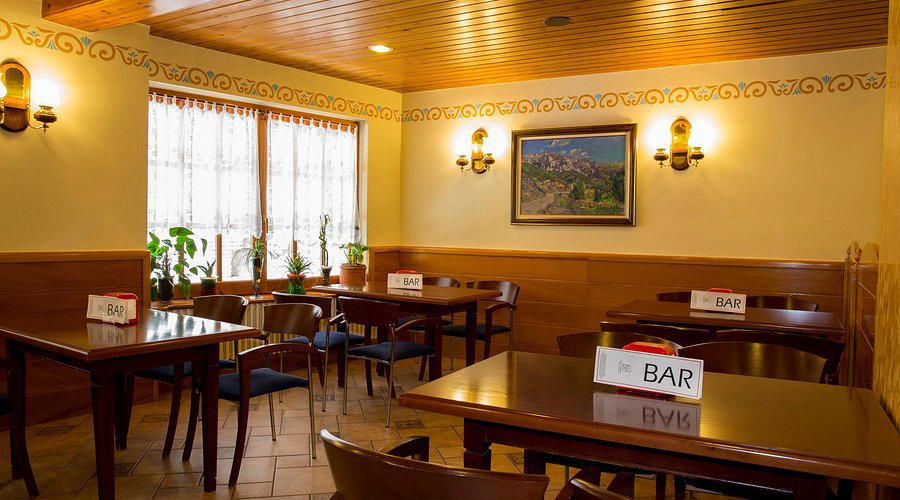
Mountain Town, Mountain Table
Bagà is not a dining destination in the way that Girona or San Sebastián are. It is a small, walled medieval town tucked into the upper Llobregat valley, where the road begins its climb toward the Túnel del Cadí and the Pyrenean passes beyond. The town's population sits in the low hundreds. The streets narrow to the point where stone buildings seem to lean together overhead. In this context, the presence of a Michelin-recognised kitchen is less a surprise than a symptom: the Berguedà and the broader Pre-Pyrenean arc have a long tradition of cooking that takes its authority not from technique theatre but from what the surrounding land produces.
Ca L'Amagat operates within that tradition. The restaurant is located inside the hotel of the same name on Carrer de la Clota, and the setting matters for understanding what the kitchen does. You are in mountain Catalonia, at altitude, surrounded by forests that produce game, mushrooms, and herbs, and by pastures and smallholdings that supply the protein and dairy that have defined local cooking for centuries. The dishes that come out of this kitchen are read against that backdrop, not against the tasting-menu architecture of El Celler de Can Roca in Girona or the creative experimentation of Cocina Hermanos Torres in Barcelona.
What the Berguedà Puts on the Plate
The ingredient story in this part of Catalonia is specific. The Berguedà comarca sits between the pre-Pyrenean ridgeline and the higher massifs to the north, and the combination of altitude, forest cover, and pastoral farming produces a larder that regional chefs have relied on for generations. Wild mushrooms, particularly ceps and rovellons, come out of the oak and beech forests in autumn and into winter. Game, including wild boar and venison, moves through the same terrain. River trout from cold Pyrenean streams appear on menus throughout the area. Lamb and beef from small mountain farms carry a depth of flavour that reflects the quality of high-altitude grazing.
This is the sourcing context within which Ca L'Amagat's traditional cuisine category makes most sense. The Michelin Plate designation, awarded in both 2024 and 2025, does not signal avant-garde technique or chef-driven narrative: it signals consistency, culinary coherence, and a kitchen that handles its ingredients with care. In the Michelin framework, the Plate sits below star level but above simple listing, functioning as a recognition that the food is worth the detour, particularly in a region where the detour is itself part of the point. Spain's broader constellation of recognised kitchens, from the three-star ambition of Azurmendi in Larrabetzu or Arzak in San Sebastián down through regional and neighbourhood tables, includes a significant tier of precisely this type: honest, place-rooted cooking that doesn't try to reframe its own tradition.
Comparable kitchens operating in the traditional register elsewhere in Spain, such as Auga in Gijón or Auberge Grand'Maison in Mûr-de-Bretagne in France, illustrate the same dynamic: in smaller towns with strong regional food identities, traditional kitchens with Michelin recognition anchor the local dining offer in a way that a single high-concept restaurant never could.
Price Position and What It Implies
The €€ pricing places Ca L'Amagat at a moderate level, appropriate for a restaurant in a small Catalan mountain town. This is not the spend bracket of DiverXO in Madrid or Aponiente in El Puerto de Santa María, where the experience is priced as destination dining. Ca L'Amagat functions as a serious local table at accessible prices, and that positioning is part of what the Michelin Plate recognises in regional contexts: quality relative to category, not quality measured against the national elite.
For visitors arriving to walk the Camí dels Bons Homes pilgrimage route, to ski at La Molina or Masella, or to explore the Romanesque churches and medieval villages of the Berguedà, the restaurant provides a grounding in local produce that few other dining options in the immediate area can match. The 743 Google reviews averaging 4.3 out of 5 suggest a consistent local following and a reasonable flow of visiting guests, a reasonable signal for a town of Bagà's scale.
Planning a Visit
Bagà sits roughly 120 kilometres north of Barcelona, accessible via the C-16 motorway through the Llobregat valley. The drive takes approximately 90 minutes in normal traffic conditions, making it a viable base for a weekend in the Pyrenean foothills. Those arriving by public transport can take a train from Barcelona Sants to Guardiola de Berguedà and proceed from there, though a car makes the surrounding area far more accessible.
The restaurant operates within the hotel on Carrer de la Clota, and staying at Ca L'Amagat removes any logistical pressure from dinner, which matters when the options for evening transport in this part of Catalonia are limited. Booking ahead is advisable, particularly during autumn mushroom season and during winter ski weekends when demand for accommodation and dining in the upper Llobregat valley rises sharply. No booking method is listed in the public record, so contacting the hotel directly remains the most reliable approach.
For those building a broader Catalan or Spanish itinerary around serious regional cooking, Ca L'Amagat offers a counterpoint to the destination-dining circuit. Where Martin Berasategui in Lasarte-Oria, Mugaritz in Errenteria, Quique Dacosta in Dénia, Ricard Camarena in València, and Atrio in Cáceres each require you to build a trip around them, Ca L'Amagat rewards a different kind of traveller: one who has already decided to spend time in the Pyrenean foothills and wants a kitchen that reflects where they are.
Comparable Venues
Comparable venues nearby, for context on price, style, and recognition.
| Venue | Cuisine | Price | Awards | Notes |
|---|---|---|---|---|
| Ca L'AmagatThis venue — the venue you are viewing | Authentic Catalan Mountain Cuisine | $$ | Michelin Plate | |
| Ca L'Estrany | Traditional Catalan Seafood and Rice | $$ | Michelin Plate | Cabrils |
| El Portal Vell | Traditional Catalan | $$ | Michelin Plate | Lliçà d'Amunt |
| L'Àpat | Seasonal Catalan Mediterranean | $$$ | Michelin Plate | Molins de Rei |
| Trumfes | Modern Catalan Fine Dining | $$$ | Michelin Plate | Llívia old town |
| El Niu | Traditional Catalan Mountain Cuisine | $$ | Michelin Plate | Escunhau |
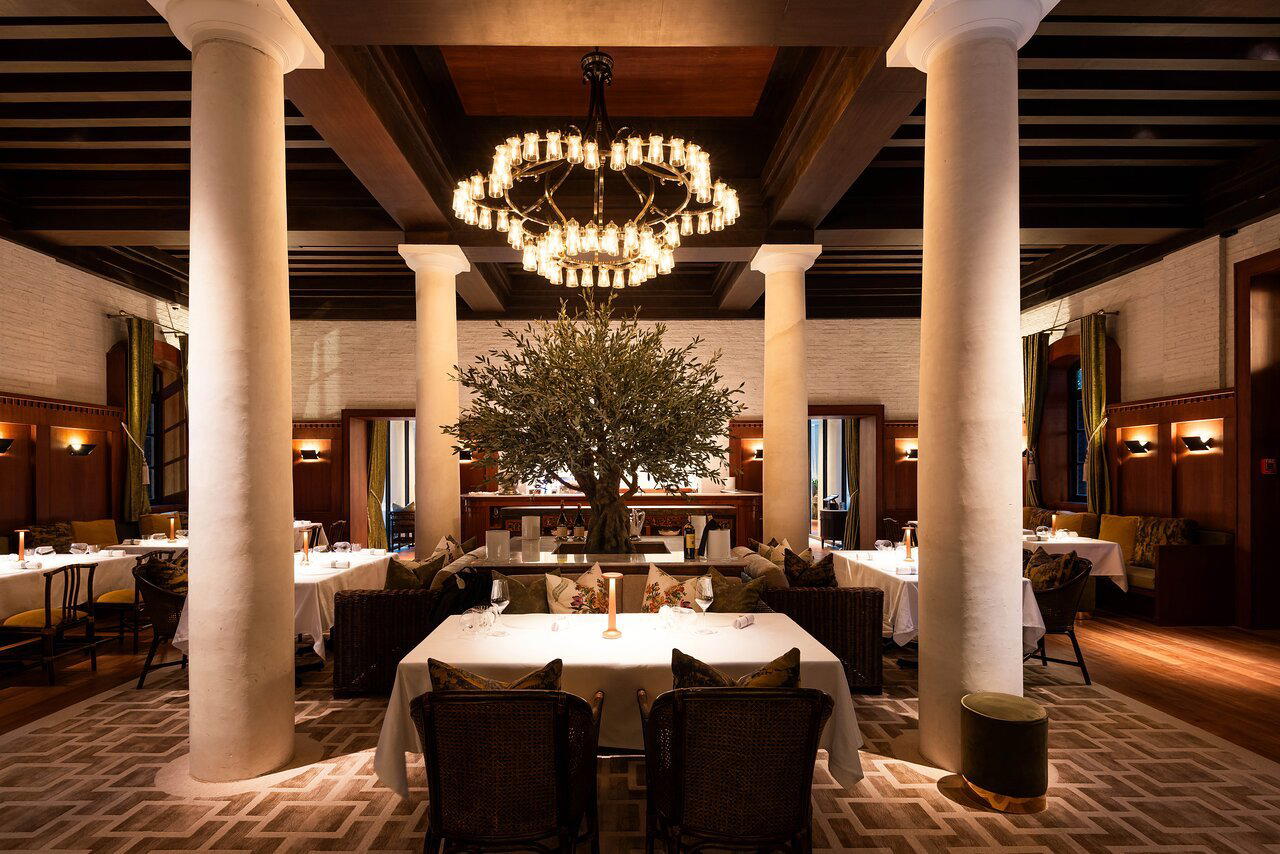
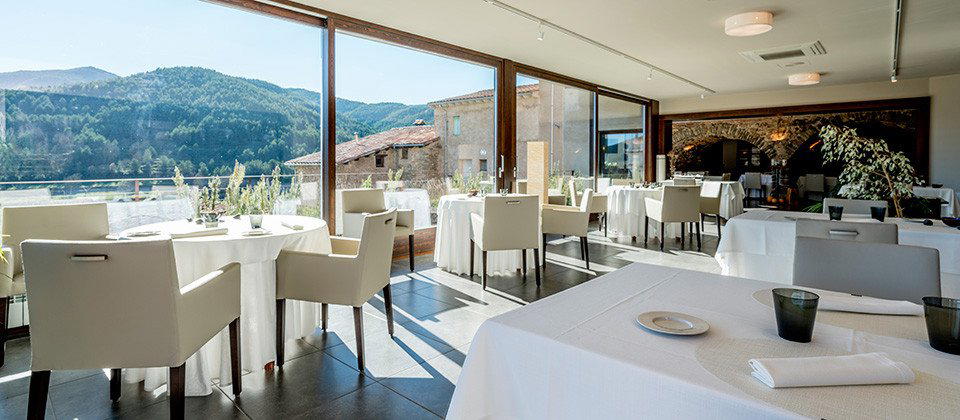
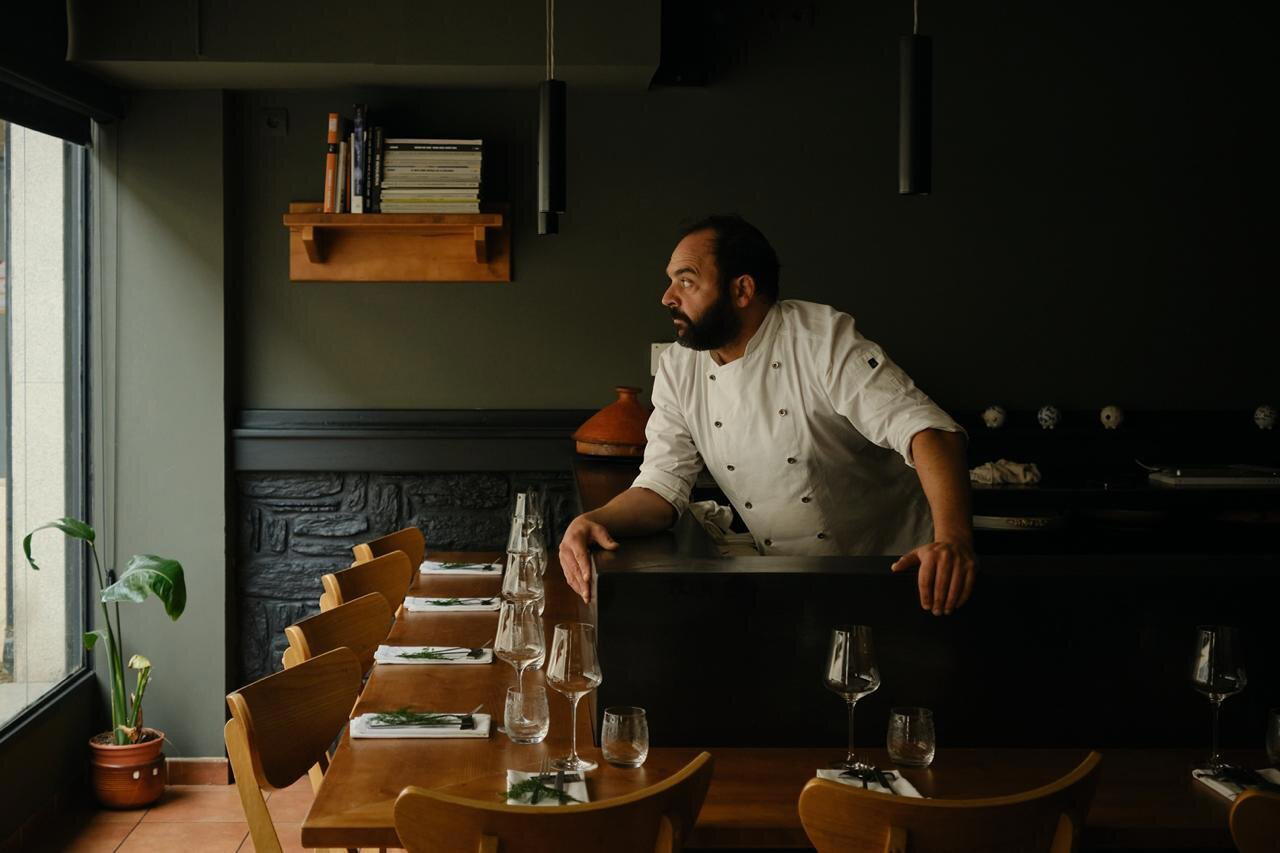
At a Glance
- Rustic
- Cozy
- Family
- Casual Hangout
- Historic Building
- Local Sourcing
- Mountain
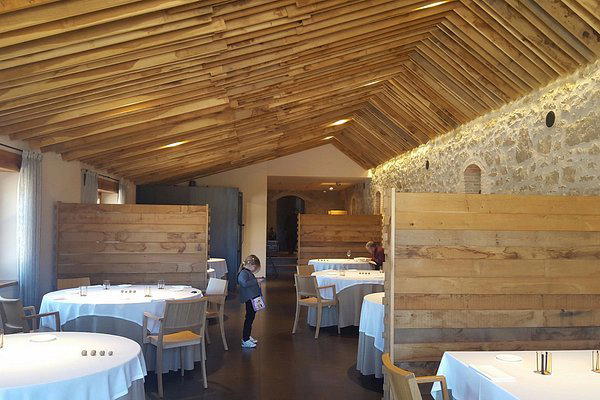
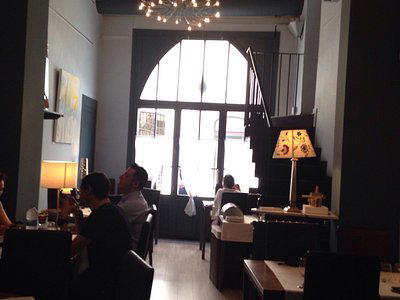
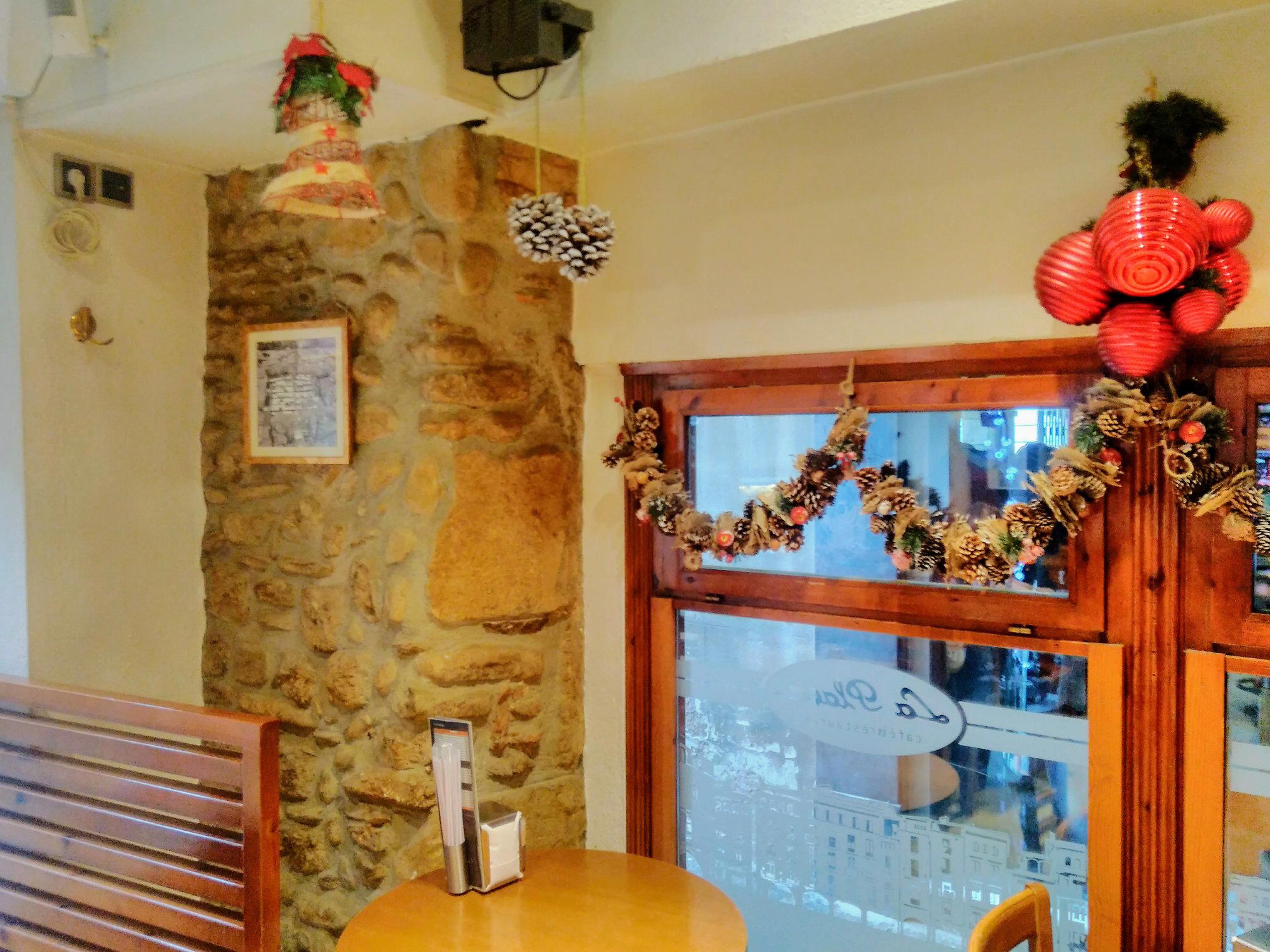
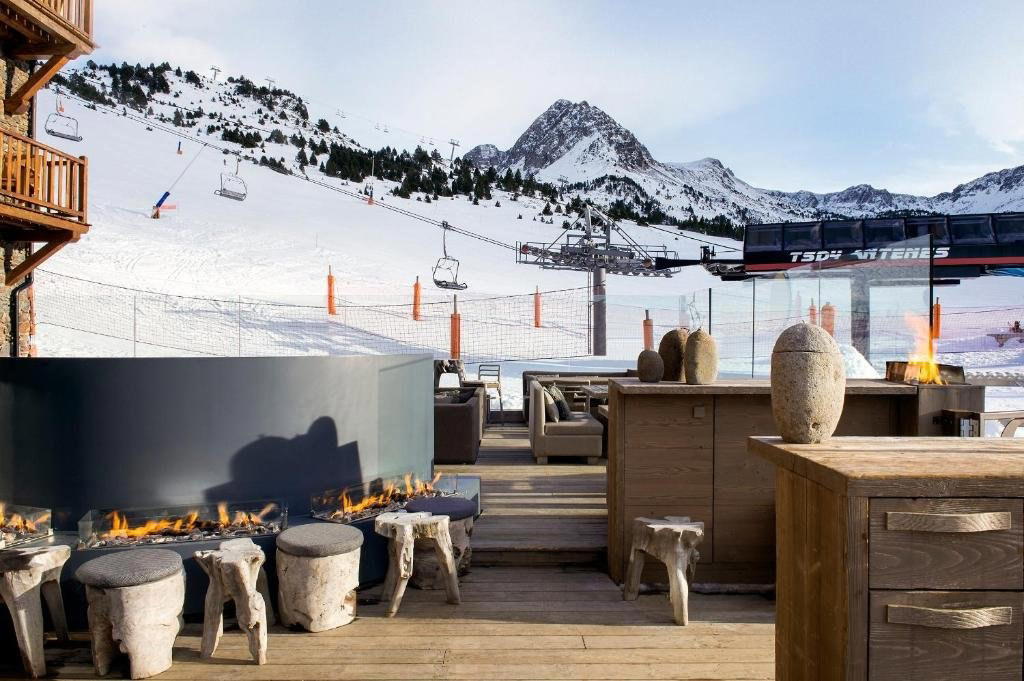
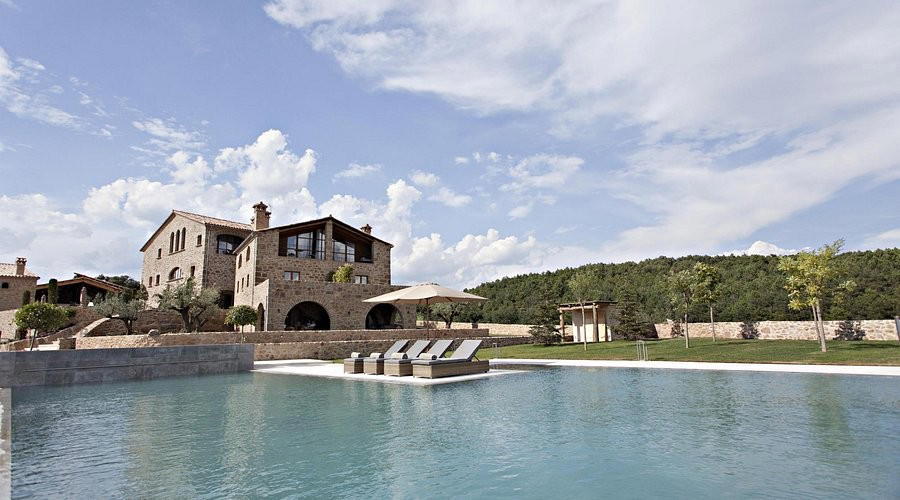
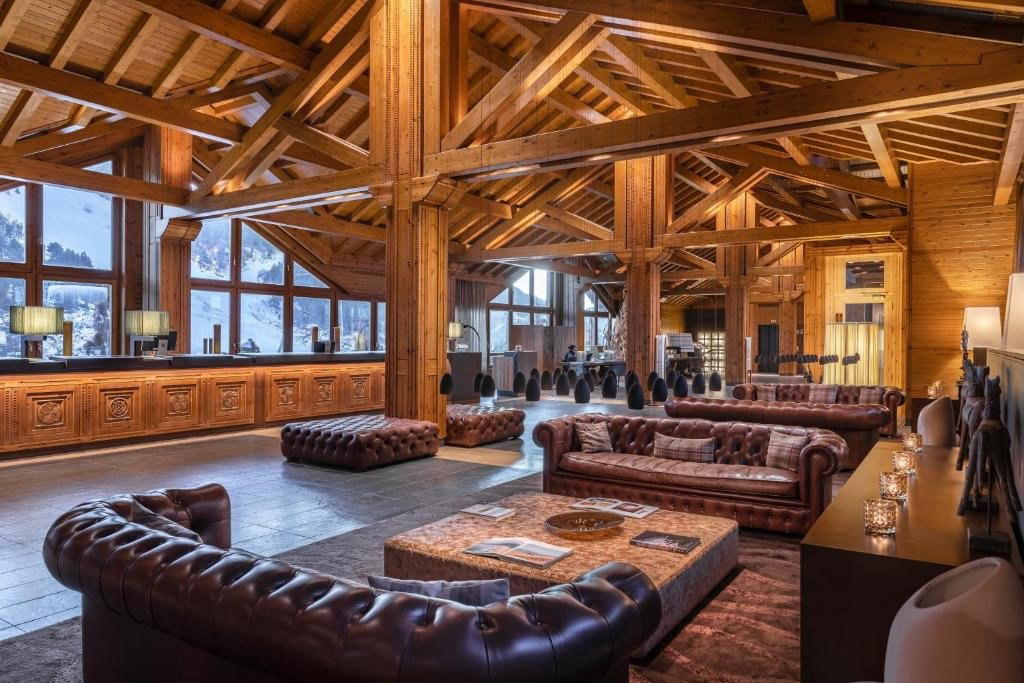
Warm, rustic decor with inviting, comfortable atmosphere and stunning mountain views.