Butcher & Sons Artz
Our verdict
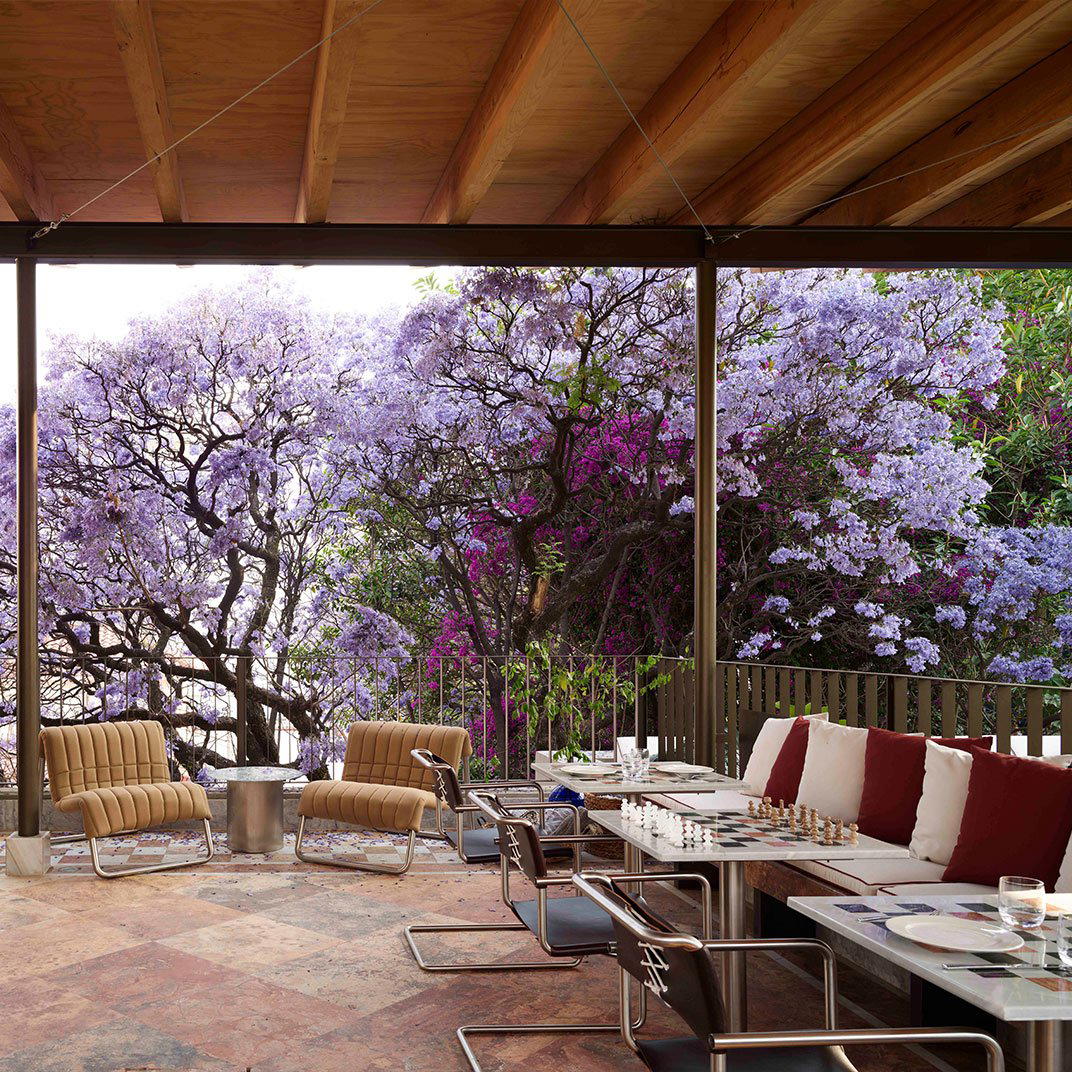
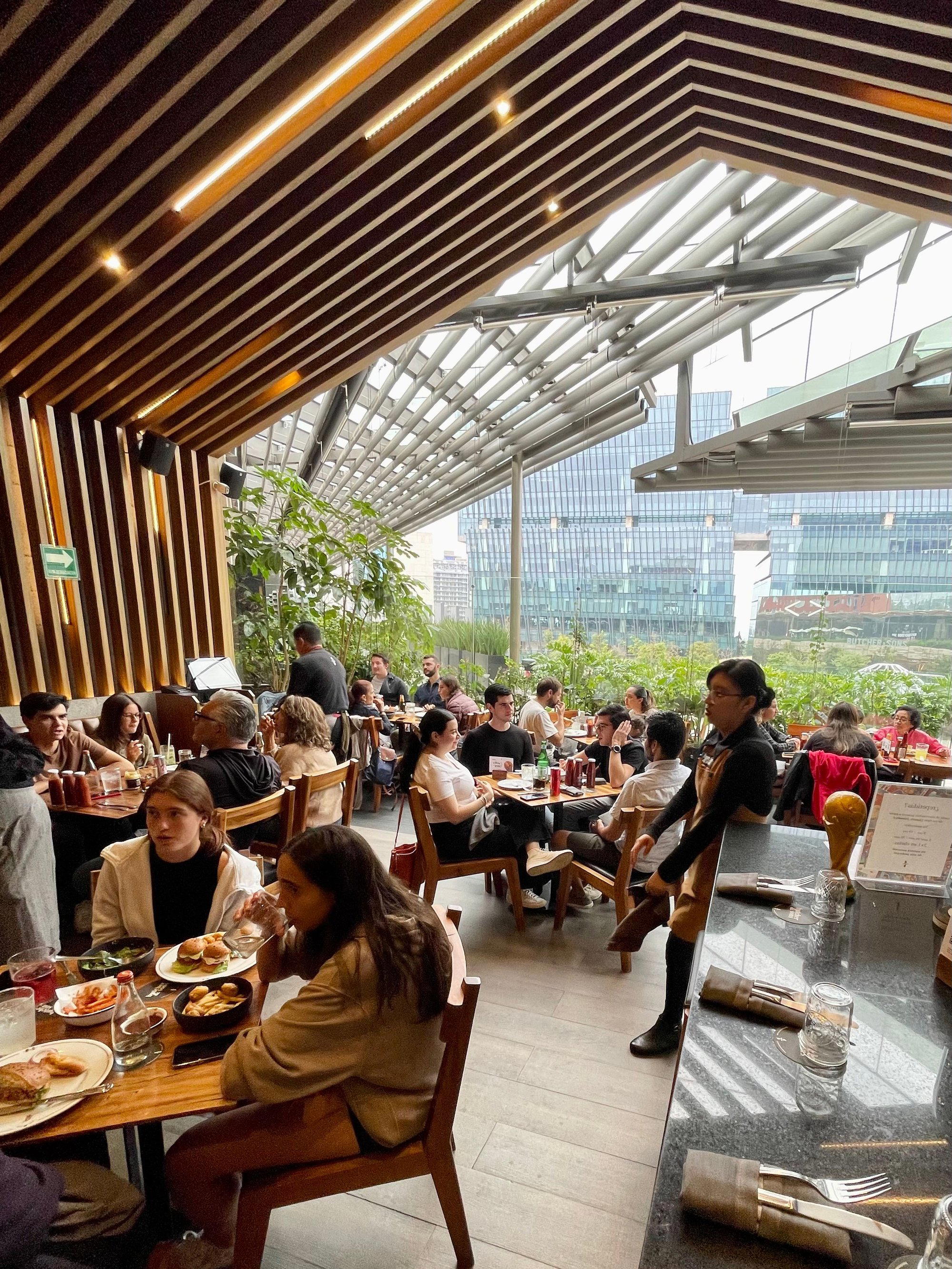
Butcher & Sons Artz serves Gourmet American Burgers at Periferico Sur 3720, with craft cocktails and terrace seating for lunch, dinner, or late night.

Pearl is the En Primeur Club membership app — saves, bookings, and concierge access live there. Same editors, same standards.
The menu
What to order
- Wagyu beef smash burger
- Yorke Beyond Meat burger
Jardines del Pedregal and the Ethics of the Cut
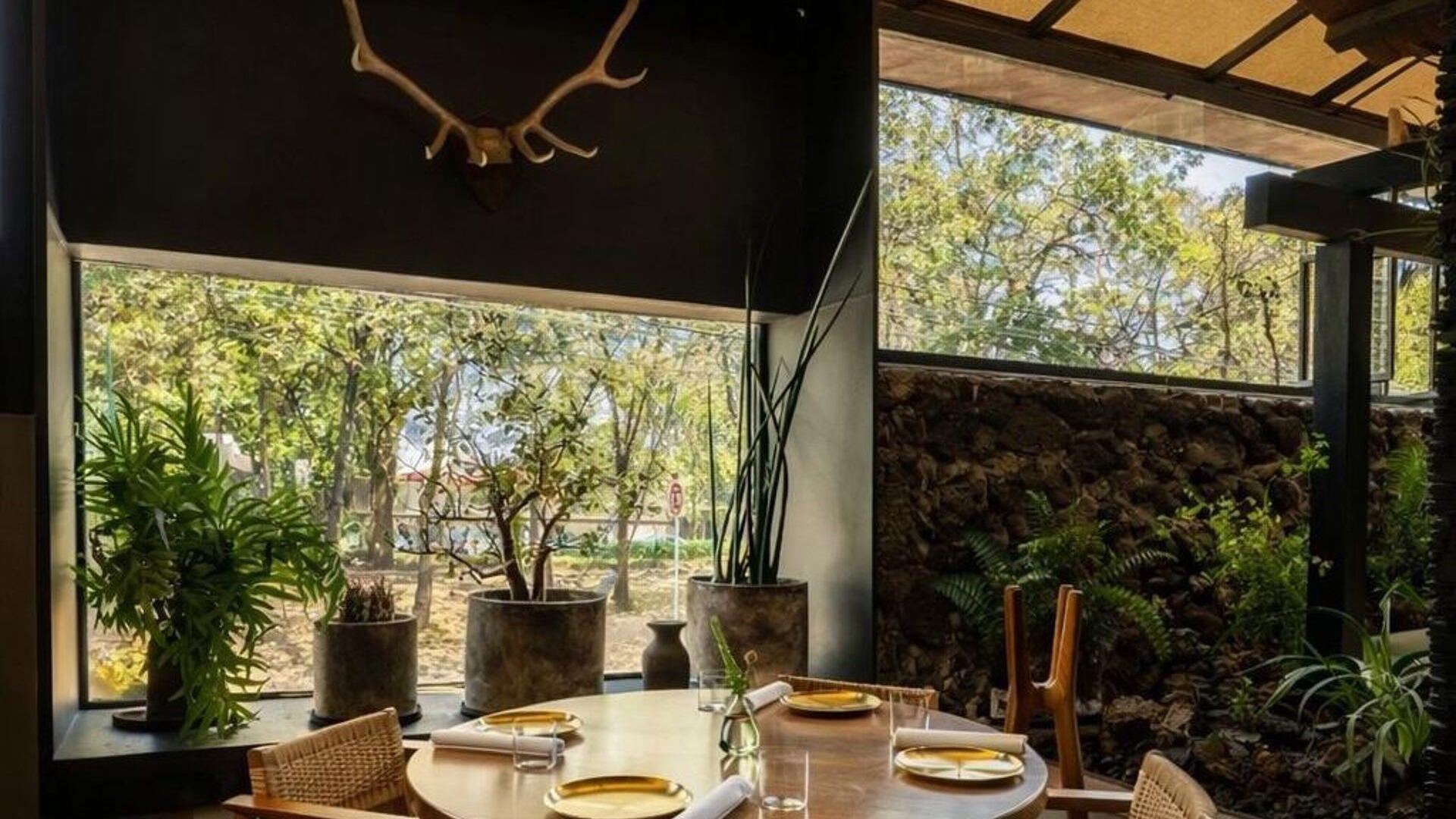
The southern stretch of Periférico Sur runs through one of Mexico City's more considered residential zones, where mid-century architecture sits alongside volcanic rock gardens and a quieter pace than the centro or Roma Norte can offer. It is in this part of the city, in the Jardines del Pedregal neighborhood, that Butcher & Sons Artz operates, drawing from a district that has historically been less saturated with high-profile dining than Polanco or Condesa, and where a restaurant's reputation travels more by word of mouth than by proximity to other marquee addresses.
Across Mexico City's dining scene, the conversation around meat-focused restaurants has shifted considerably over the past decade. Where the city once imported its cues from Texan or Argentinian traditions, a newer generation of kitchen-forward concepts has begun interrogating sourcing, processing, and waste in ways that place the butchery operation itself at the center of the narrative. Butcher & Sons Artz sits within that evolution, occupying a position that is less steakhouse and more craft-butchery concept, where the reasoning behind each cut matters as much as the cooking of it.
Ethical Sourcing as Structural Premise
In Mexico's broader restaurant culture, the farm-to-table framing that took hold in American dining roughly fifteen years ago has arrived with its own local inflection. Concepts like Animalón in Valle de Guadalupe and Olivea Farm to Table in Ensenada have made sourcing transparency a central editorial feature of how they present themselves. The same current runs through how meat-focused restaurants in Mexico City are beginning to position their ingredient chains, with provenance increasingly treated not as a footnote on a menu but as a structural premise for the entire operation.
What distinguishes a butchery-led concept from a conventional steakhouse is the commitment to whole-animal thinking: minimizing waste by finding culinary uses for cuts that a simpler operation would discard or sell cheap. This approach has a direct sustainability dimension that goes beyond rhetoric. When a kitchen processes an animal with enough discipline to use its less fashionable parts with equal intention, the environmental argument follows from the practice rather than the marketing. Restaurants along the Baja coast, like Lunario in El Porvenir, have demonstrated how deeply a place-based ingredient philosophy can define a restaurant's identity. The question for a city-based concept is whether that discipline survives the logistical reality of urban supply chains.
Where Butcher & Sons Artz Sits in the City's Dining Architecture
Mexico City's upper-mid tier of dining has expanded significantly, creating a range of options between the high-end omakase-style Mexican tasting menus at places like Pujol and Quintonil and the more casual neighborhood formats. Butcher & Sons Artz occupies territory that is neither, operating in a space where the craft of the butchery itself is the primary signal of quality rather than a tasting menu format or a celebrity kitchen lineage.
That positioning has parallels in how other cities have seen butchery-restaurant hybrids emerge. In San Francisco, the farm-driven communal format at Lazy Bear demonstrated that ingredient-led conviction can anchor a serious dining experience without defaulting to classical French structure. In New York, Le Bernardin has for decades shown how a single-protein focus, applied with enough technical rigor, creates its own category. For Mexico City's emerging butchery-led concepts, the model is being built locally, informed by regional beef cultures and the country's own traditions of meat preparation.
The broader creative dining scene in Mexico City includes restaurants like Rosetta, where Italian technique intersects with local ingredient sourcing, and Em, which places Mexican ingredients into contemporary frameworks. Sud 777 has long operated in the southern part of the city with a garden-driven sourcing model. Butcher & Sons Artz joins a southern-quadrant dining cohort that has been building slowly but with consistency. For a fuller picture of the city's restaurant range, the EP Club Mexico City guide maps the scene by neighborhood and format.
Mexico's National Context for Ethical Meat
Across Mexico, the conversation around responsible meat production has found its most articulate expression in regions where proximity to ranching land makes sourcing relationships practical rather than aspirational. KOLI Cocina de Origen in Monterrey and Pangea in San Pedro Garza Garcia both operate in the northern beef belt, where access to high-quality, traceable cattle is part of the regional infrastructure. Mexico City, as a capital, aggregates from multiple regions, which creates both opportunity and obligation: a restaurant with a serious sourcing claim needs to demonstrate that the supply chain holds at urban scale.
The Yucatan peninsula has produced its own strand of ingredient-driven coastal cooking, visible at HA' in Playa del Carmen and the technically ambitious menu at Le Chique in Puerto Morelos. In Oaxaca, Levadura de Olla has made fermentation and traditional process the backbone of its identity. In Guadalajara, Alcalde works the fire-forward register. And in Tulum, Arca has built a jungle-setting ethic around open-flame cooking with local produce. What this national picture suggests is that ingredient integrity, expressed through diverse regional lenses, has become the defining ambition of Mexico's most considered restaurants. Butcher & Sons Artz in Mexico City is making that argument through the specific lens of the butcher's counter.
Timing and Approach
Jardines del Pedregal is a southern district and benefits from slightly lower traffic density than the central neighborhoods, though the Periférico itself can slow considerably during peak commute hours. The area is more navigable midweek and during off-peak evening hours. Seasonal shifts in Mexico City's dining culture tend to track around the national holiday calendar, with quieter periods in January and August offering easier access to restaurants across the city.
Know Before You Go
- Address: Periferico Sur 3720, Jardines del Pedregal, Álvaro Obregón, 01900 Ciudad de México, CDMX, Mexico
- Neighborhood: Jardines del Pedregal, southern Mexico City
- Phone: Not publicly listed
- Website: Not publicly listed
- Hours: Confirm directly before visiting
- Dress code: Not specified
- Price range: Not confirmed publicly
Frequently asked questions
Where is Butcher & Sons Artz located?
Butcher & Sons Artz is located at Periferico Sur 3720, Jardines del Pedregal, Álvaro Obregón, 01900 Ciudad de México, CDMX, Mexico, Mexico City.
Is Butcher & Sons Artz a good option for ethical meat dining in southern Mexico City?
Butcher & Sons Artz occupies a specific niche in Mexico City's dining scene: a provenance-focused butcher concept operating in Jardines del Pedregal, one of the city's more architecturally deliberate southern residential districts. The Álvaro Obregón address on Periférico Sur puts it outside the central cluster of CDMX's high-profile restaurants, which means it draws a neighbourhood-rooted crowd rather than destination tourists. For diners specifically seeking traceable meat sourcing in the capital, it sits in a relatively small peer group.
What do people recommend at Butcher & Sons Artz?
Given the venue's positioning around ethical sourcing and butchery craft at Periferico Sur 3720 in Jardines del Pedregal, the cuts themselves are the main draw — the premise is that the sourcing chain determines what arrives on the plate. Regulars in Mexico City's southern dining circuit tend to treat the meat selection as the anchor of any visit rather than supplementary dishes. Specific menu items are best confirmed directly with the venue before visiting.
Do they take walk-ins at Butcher & Sons Artz?
Walk-in policy is not formally documented for Butcher & Sons Artz. In Mexico City's mid-to-upper dining tier, where the Jardines del Pedregal location places this venue, weekend evenings typically require advance planning. Contacting the restaurant directly before arriving is advisable, particularly for groups of more than two.
Peers in This Market
Comparable venues nearby, for context on price, style, and recognition.
| Venue | Cuisine | Price | Notes |
|---|---|---|---|
| Butcher & Sons ArtzThis venue — the venue you are viewing | Gourmet American Burgers | $20–30 | Not listed |
| Issi | Elevated Comfort American | $50–100 | Lomas Virreyes |
| Belmondo | New York-Style American Deli | Not listed | Roma Norte |
| Japanika - Bosques | Japanese-Latin American Fusion | $30–50 | La Puntada |
| Ferdaous | Lebanese | $20–30 | Bosque de Chapultepec |
| Rincón Argentino | Authentic Argentine Steakhouse | $30–50 | Chapultepec Morales |