Burro

Burro sits in London’s crowded Italian category, where the useful question is regional intent rather than generic pasta comfort. With no public chef-led mythology or awards narrative to lean on, the draw is simpler: an Italian restaurant whose value depends on how clearly it signals a place on the peninsula, from Roman directness to Tuscan restraint or Neapolitan generosity.
Pearl is the En Primeur Club membership app — saves, bookings, and concierge access live there. Same editors, same standards.
- Address
- 2 Floral Court, Floral Street, Covent Garden, London, Greater London, WC2E 9FB, GBR
- Phone
- +44 20 4580 1495
- Website
- trattoriaburro.com
 Saves & bookings on Pearl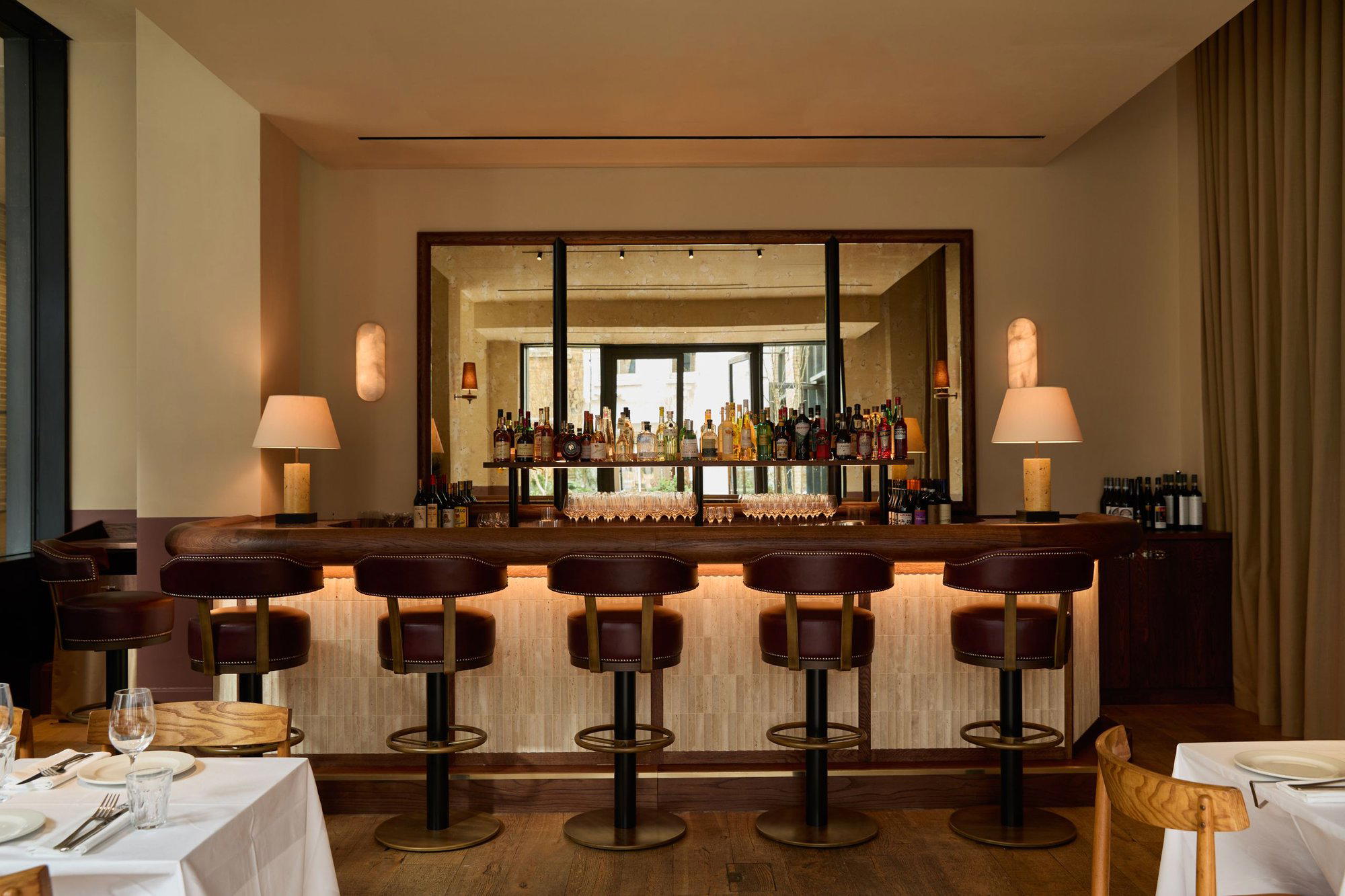
London Italian dining announces itself before the first plate: the clatter of cutlery, the oil sheen on bread plates, the room’s decision to behave like a trattoria, a wine bar, or a polished city restaurant. Burro belongs to the part of that conversation where regional identity matters. Italian cooking in the capital has moved beyond the old umbrella term; a sharper restaurant now has to show whether it is speaking Roman, Tuscan, Neapolitan, Milanese, Sicilian, or some looser London dialect of all of them.
That distinction is not pedantry. Roman cooking prizes directness: guanciale, pecorino, pepper, artichokes, offal, and pasta shapes that carry sauce rather than decorate it. Tuscan food leans on beans, bread, bitter greens, steak, oil, and a drier rusticity. Naples brings dough, tomato, anchovy, frying, and a warmer register. Milan points north, toward rice, butter, veal, saffron, and a sleeker urban sensibility. A London Italian restaurant earns attention when it makes those choices legible rather than hiding behind red sauce nostalgia.
London Italian dining is now judged by regional clarity
Burro is listed as Italian, and that sounds broad until placed against the way London now eats the cuisine. The city’s stronger Italian rooms have trained diners to read provenance: a short pasta list with Roman grammar says something different from a grill-led Tuscan menu or a seafood table shaped by the south. The point is not authenticity theatre. It is discipline. A restaurant that tries to cover the entire peninsula often blurs the cooking; one with a narrower accent usually gives the kitchen firmer rules.
For that reason, Burro is better approached through the question of focus than through the usual personality-led restaurant story. With no named chef or formal awards attached, the useful editorial test is what the room communicates on the plate and in the pacing. London has plenty of Italian restaurants that trade on warmth alone. The more convincing ones understand that Italian food is not a single mood but a set of regional habits, each with its own logic of fat, acidity, starch, and service.
Readers mapping the wider city should treat Burro as one stop within a broader Italian and modern-European circuit rather than as an isolated address. EP Club’s London Italian coverage includes Archway, Artusi, Bancone, Bocca di Lupo, and Brutto, each useful for understanding how the city separates pasta-counter immediacy, regional cooking, and trattoria energy.
The better lens is trattoria grammar, not luxury signals
In London, Italian restaurants often divide into three practical camps. There are pasta specialists built around speed and repetition; regional trattorias where the room, wine, and menu carry equal weight; and high-gloss dining rooms that use Italian vocabulary inside a more international luxury format. Burro reads most naturally through the middle camp: the success of the experience depends less on spectacle than on whether the kitchen keeps the food grounded and the room relaxed enough for repeat use.
That matters because Italian dining has a different rhythm from tasting-menu culture. The meal usually works through accumulation: antipasti that set salt and acidity, pasta as a structural centre, meat or fish if appetite demands it, and a wine list that should not require ceremony to make sense. London diners have become sensitive to restaurants that overcomplicate that rhythm. The stronger version keeps the format legible, with enough regional specificity to feel edited and enough looseness to avoid museum-piece cooking.
Burro’s lack of an awards frame also changes the reader’s expectations. This is not a page to read for star-chasing or chef biography. It belongs to the category of London restaurant where the useful questions are practical and cultural: does the Italian identity have a defined accent, does the room suit a full meal rather than a quick plate, and does the experience justify choosing it over the city’s crowded field of pasta bars, trattorias, and modern Italian dining rooms?
How to place Burro in a London itinerary
For a city stay, Burro fits into the dining portion of a London plan rather than anchoring an entire trip. The more strategic approach is to build around neighbourhood movement, museum time, theatre timing, or hotel location, then decide whether Italian warmth is the right register for that meal. London rewards this kind of planning: lunch and early dinner slots can suit a tighter day, while a later sitting gives Italian food the slower rhythm it often needs.
For broader planning, use Our full London restaurants guide alongside Our full London hotels guide, Our full London bars guide, Our full London wineries guide, and Our full London experiences guide. Travellers extending a UK dining route can also compare the capital’s range with 'Seasgair' by Michel Roux Jr in Fort William, “8” By Andrew Sheridan in Liverpool, 1 York Place in Bristol, 10 Tib Lane in Manchester, 11th and Social in Norwich, and 1215 in Egham. For an international Italian reference point, 112 Eatery, Italian in Minneapolis and 8 1/2 Otto e Mezzo Bombana (Hong Kong), Italian in Hong Kong show how the cuisine shifts when exported into different dining cultures.
The editorial verdict is measured: Burro is for readers who want London Italian judged by regional fluency and restaurant rhythm, not by ceremony. In a city where the category is crowded, that is the correct test.
- Venetian chicken livers on toast
- Strozzapreti all’amatriciana
- Duck and porcini ragù tagliatelle
- Brill with courgette scapece, basil and aioli
- Tiramisu bombolone
- Almond cake with crème fraîche and Marsala
Comparable venues nearby, for context on price, style, and recognition.
| Venue | Cuisine | Price | Notes |
|---|---|---|---|
| BurroThis venue — the venue you are viewing | Produce-led Italian trattoria with fresh pasta | $$$ | Not listed |
| Ziani | Venetian Trattoria | $$$ | Chelsea |
| Villa di Geggiano | Authentic Tuscan Italian | $$$ | Turnham Green |
| Marcella | Seasonal Italian Trattoria | $$$ | Deptford |
| Ombra | Venetian-style Italian Trattoria | $$$ | Cambridge Heath |
| Osteria Romana | Authentic Roman Italian Trattoria | $$$ | Knightsbridge |
Recognition history
Dated appearances from independent guides and award organizations, with the underlying list record or original source where available.
Michelin Plate
Michelin · 2026 Michelin Plate
Continue exploring
More in London
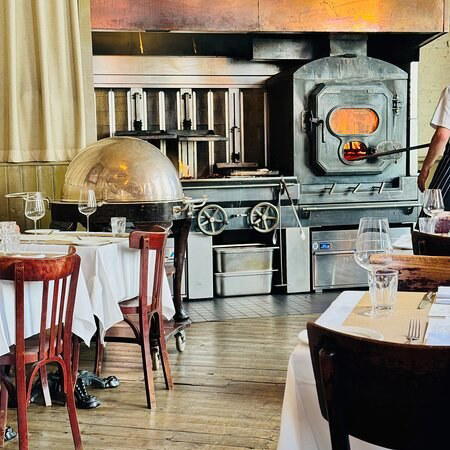
Restaurants in London
Browse all →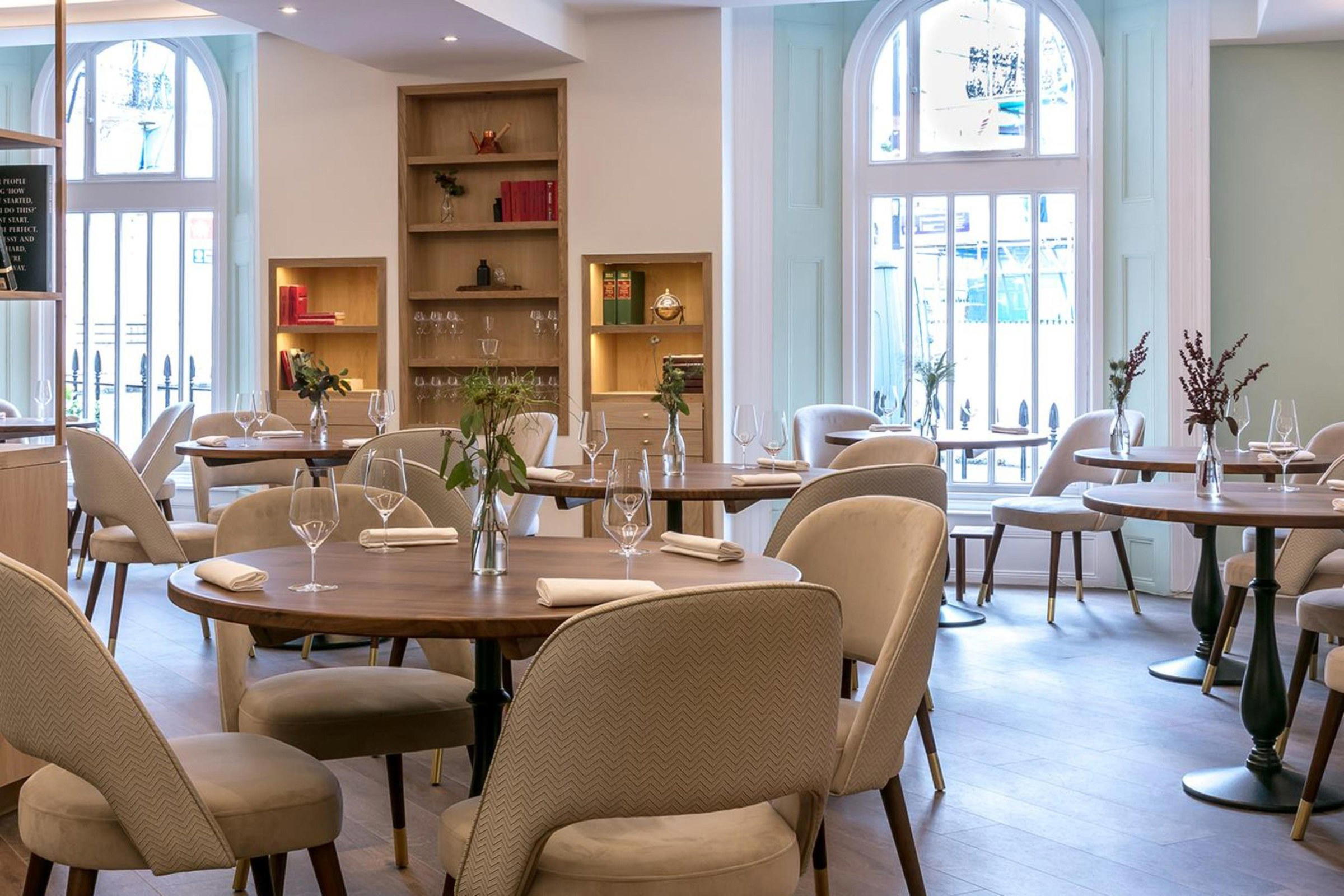
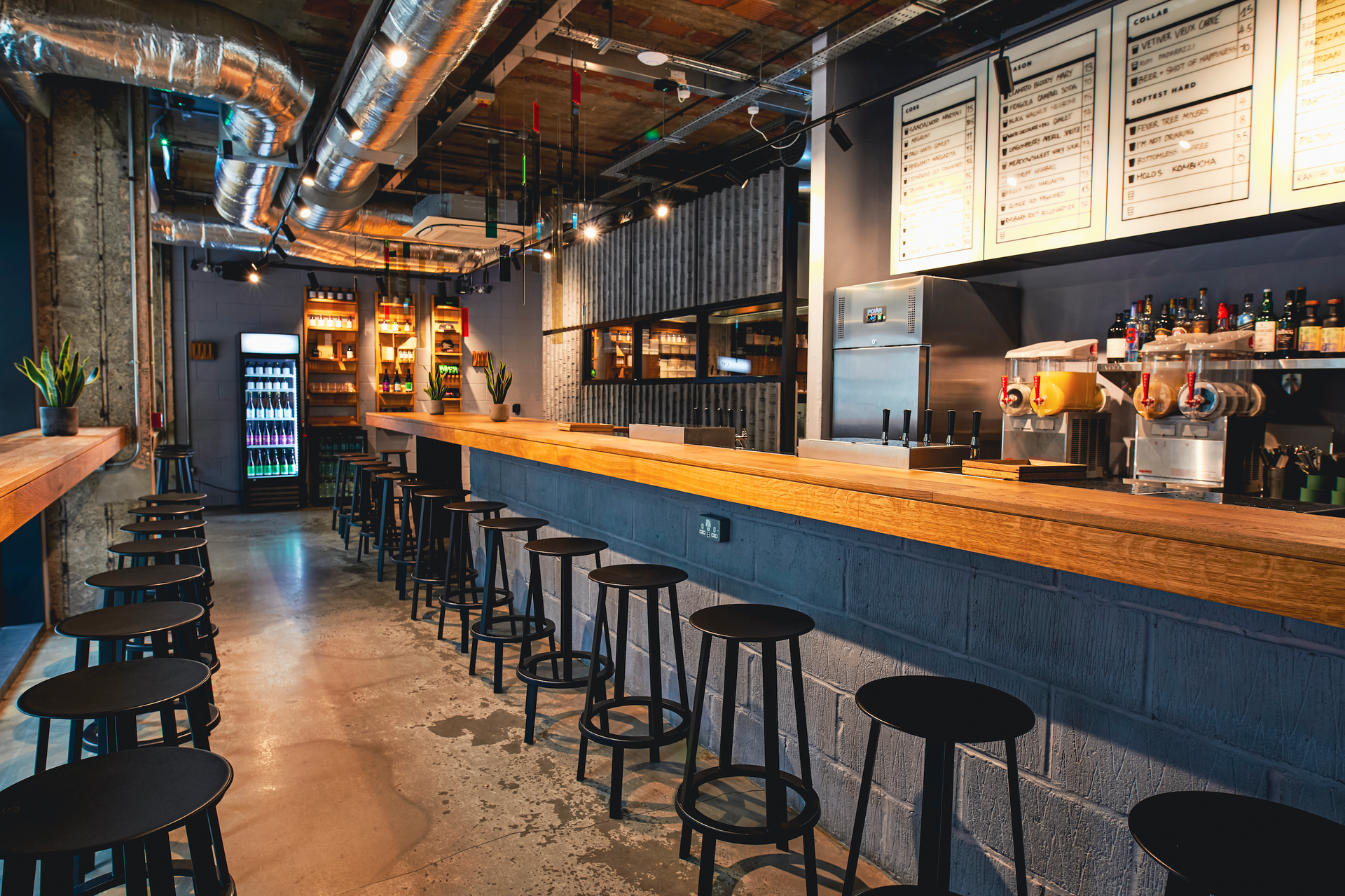
Bars in London
Browse all →
Hotels in London
Browse all →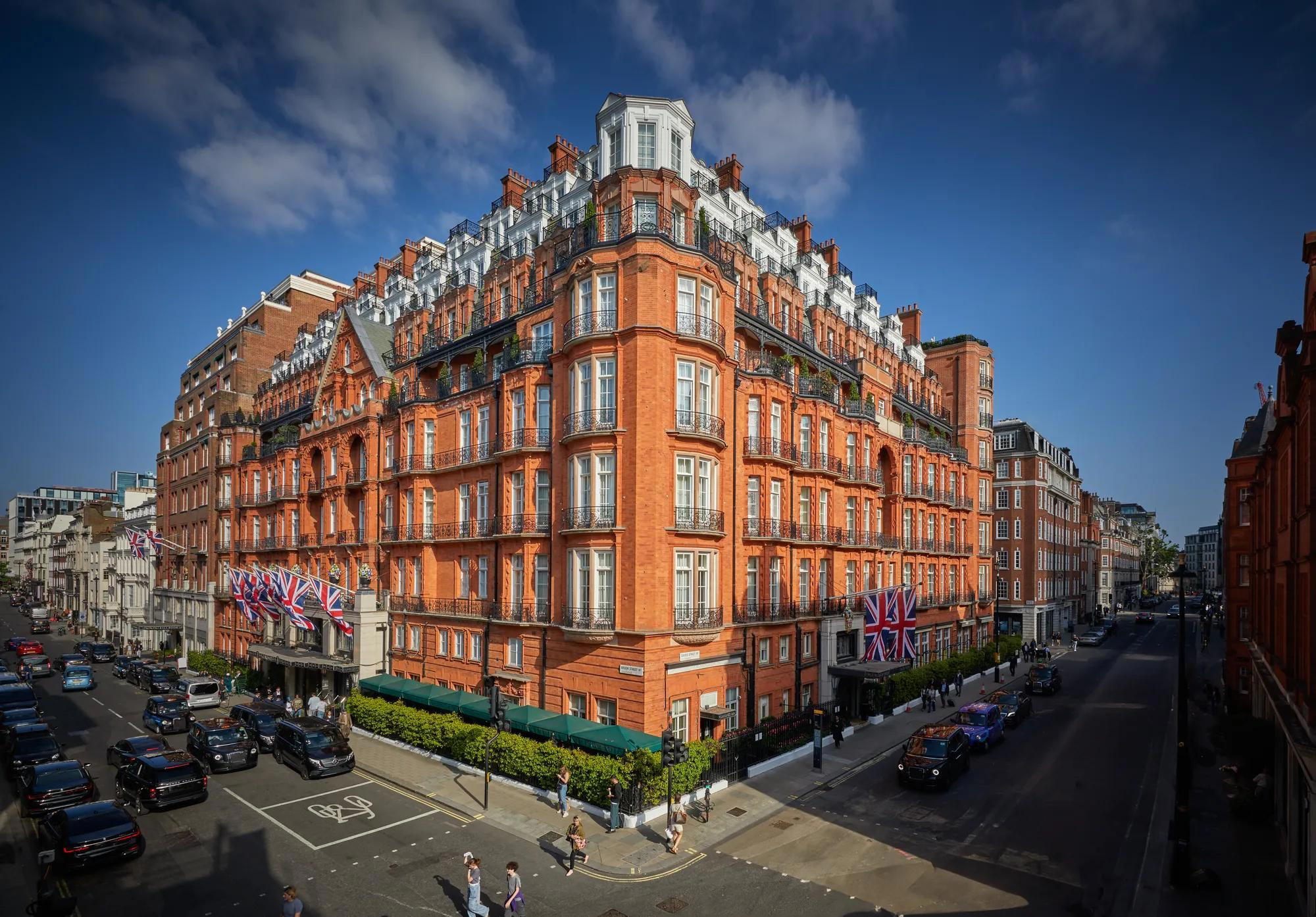


At a Glance
- Elegant
- Lively
- Classic
- Cozy
- Date Night
- Business Dinner
- Group Dining
- Family
- Celebration
- After Work
- Courtyard
- Design Destination
- Standalone
- Extensive Wine List
- Craft Cocktails
- Local Sourcing
- Sustainable Seafood
- Street Scene
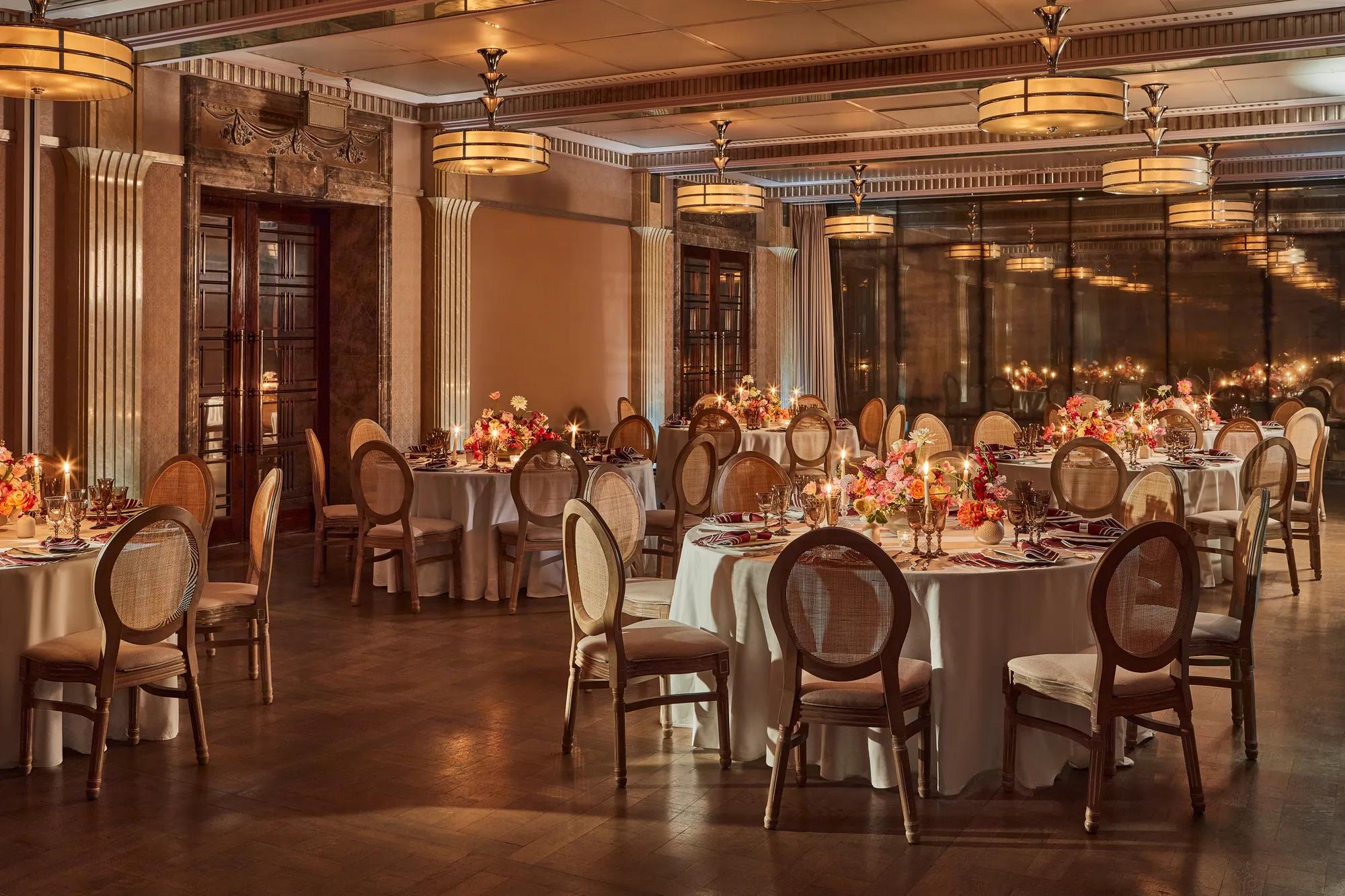
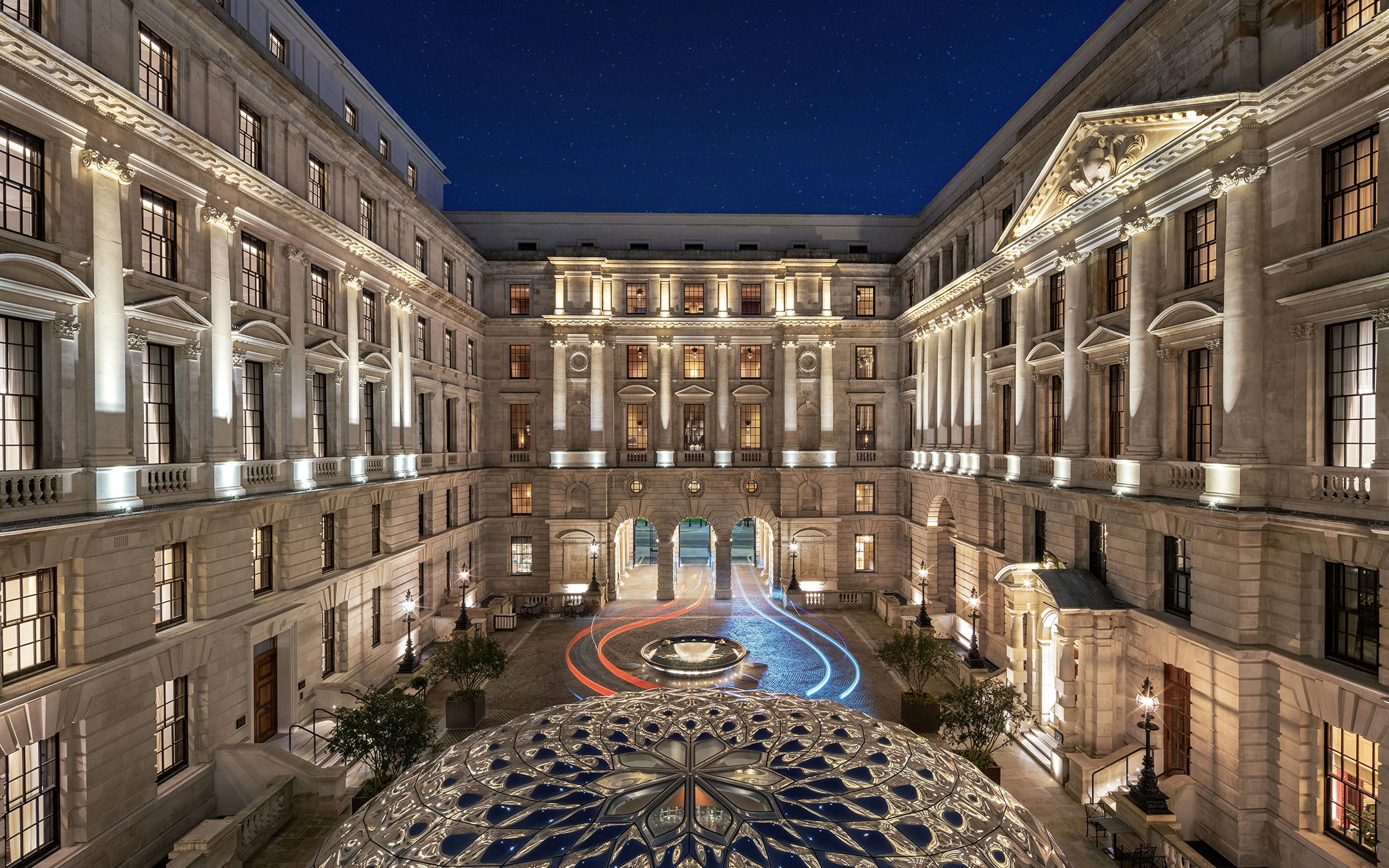
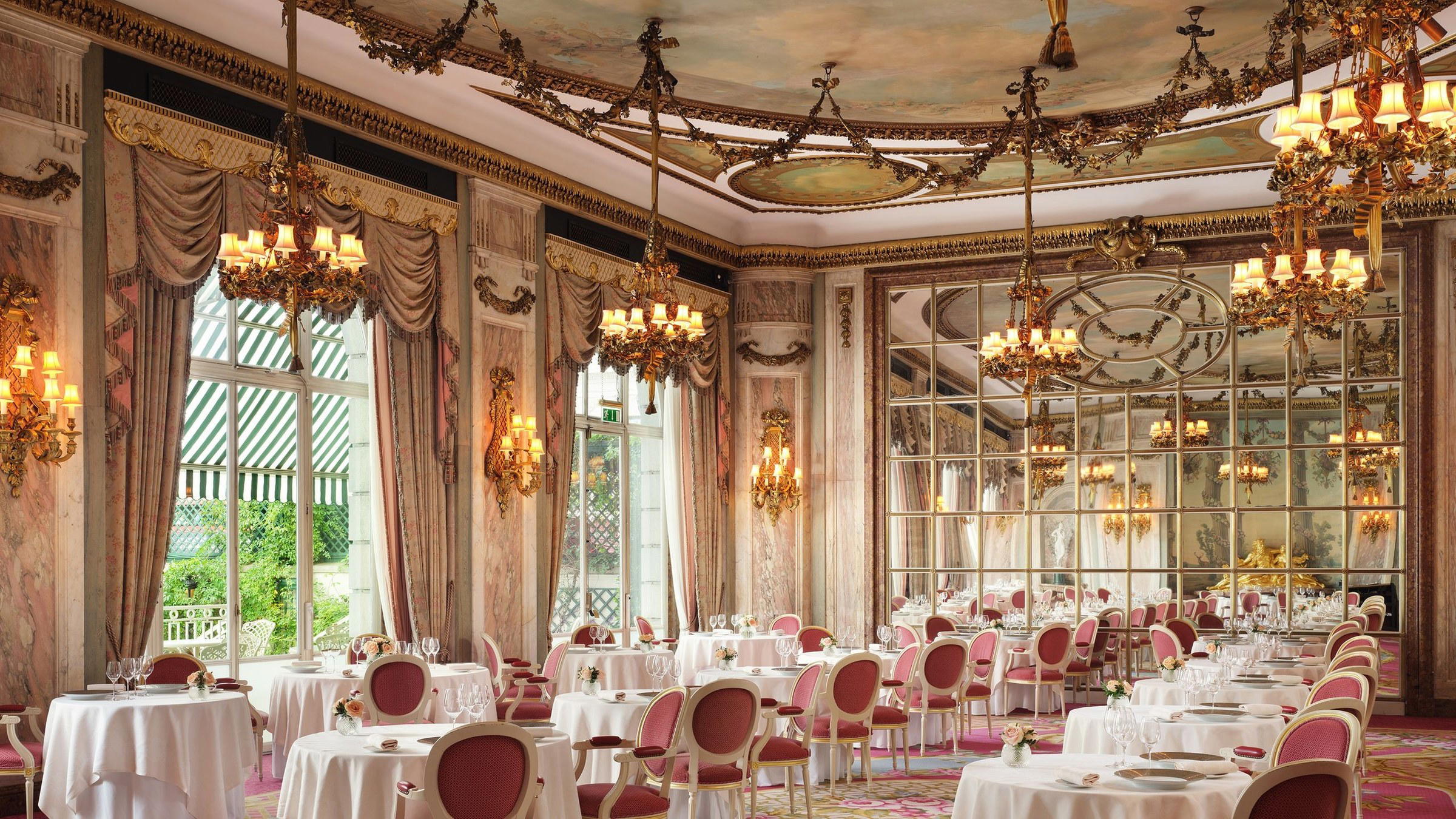
Elegant yet welcoming room with high ceilings, faded red and dusty yellow walls inspired by Roman streets, Rosso marble bar, velvet banquettes and white tablecloths, creating a warm, lively, design-led Italian bistro feel.