Villa di Geggiano
Villa di Geggiano brings Tuscan hospitality to Chiswick High Road, occupying a corner of west London where Italian regional cooking sits outside the tourist-circuit noise of central London. The room draws on the traditions of the Sienese countryside, and the front-of-house dynamic between kitchen, floor, and cellar gives the experience a coherence that distinguishes it from the broader Italian dining tier in the city.
Pearl is the En Primeur Club membership app — saves, bookings, and concierge access live there. Same editors, same standards.
- Address
- 66-68 Chiswick High Rd., Chiswick, London W4 1SY, United Kingdom
- Phone
- +44 20 3384 9442
- Website
- villadigeggiano.co.uk
- Directions
- Get directions
 Saves & bookings on Pearl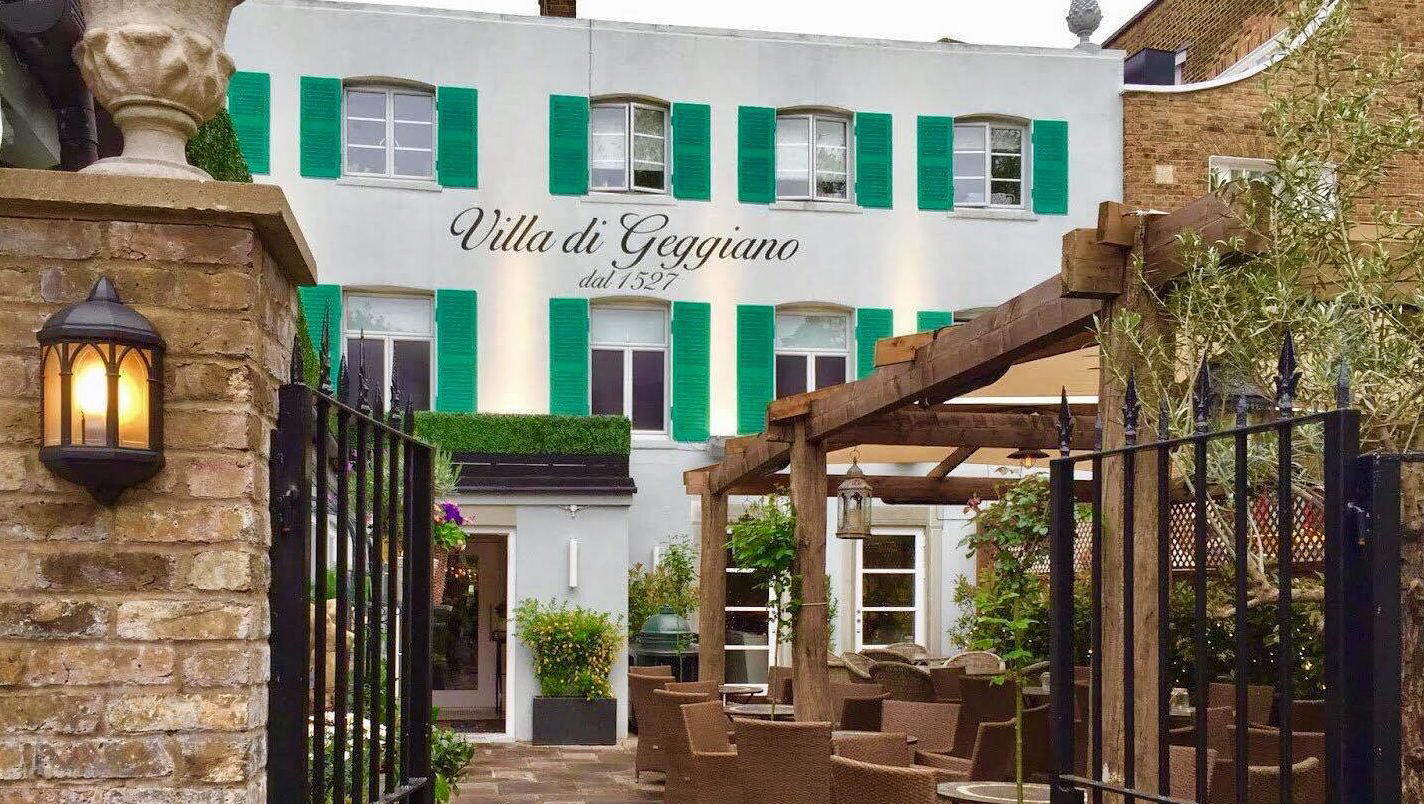
Italian Regional Dining in West London: Where Chiswick Fits In
Villa di Geggiano is an authentic Tuscan Italian restaurant in Chiswick, London,062 reviews and an estimated price of about $60 per person. If you do one thing in west London's dining scene, eat Italian here rather than in the West End. That may sound like a provocation, but it reflects a genuine shift in where considered regional Italian cooking has taken root in the city. Central London's Italian restaurants operate largely on tourist traffic and expense-account familiarity: pasta dishes calibrated for broad appeal, wine lists padded with recognisable Chianti labels, and service that processes covers efficiently rather than hosts them. The further you move toward residential west London, the more the equation changes. In Chiswick, a neighbourhood with a settled, food-literate population and none of the footfall pressure of Mayfair or Covent Garden, a different kind of Italian dining has space to exist.
Villa di Geggiano, at 66-68 Chiswick High Road, sits in that context. The name references a historic wine estate in Siena's Castelnuovo Berardenga, a detail that signals where the kitchen and cellar take their orientation from. Tuscan cooking at this level of seriousness is a narrow category in London. It is not the same market segment as the city's grand-occasion Italian restaurants, and it is not competing with the four-star modern European tasting-menu circuit occupied by places like The Ledbury or CORE by Clare Smyth. It occupies a more specific register: regional Italian, rooted in a particular landscape and wine tradition, delivered with enough technical rigour to warrant serious attention.
The Team Dynamic: Kitchen, Floor, and Cellar in Alignment
What separates a good restaurant from a coherent one is rarely the food alone. The better Italian restaurants in London, and in Italy itself, tend to function as integrated operations where the sommelier's selections reinforce what the kitchen is doing, and where the floor team understands both well enough to guide guests through the relationship between the two. That alignment is harder to achieve than it sounds. In many mid-tier London Italian restaurants, the wine list is assembled independently of the menu, and the floor team defaults to describing dishes rather than connecting them to a broader culinary argument.
At Villa di Geggiano, the Tuscan reference point gives the team a shared vocabulary. A kitchen drawing on Sienese traditions has a natural interlocutor in a cellar that references the Chianti Classico and Brunello di Montalcino zones, and a floor team that understands that connection can do genuine work for a guest who is willing to be guided. This is the model that has long defined the better trattorias and enotecas of Tuscany itself: the sommelier as an active participant in the meal rather than a supplementary service function. When it works in a London context, it produces something that the city's more siloed restaurant operations rarely achieve.
Compare this to the experience at a restaurant like Sketch's Lecture Room and Library or Restaurant Gordon Ramsay, where the service model is highly trained but oriented around formality and occasion rather than the kind of relaxed authority that characterises good Italian hospitality. The register is entirely different, and intentionally so. Chiswick's dining culture sits closer to the neighbourhood bistro model than to the grand occasion restaurant, and Villa di Geggiano's approach to the floor reflects that.
Tuscan Cooking as a London Category
Tuscan cuisine occupies a specific position in the hierarchy of Italian regional cooking. It is not especially technically complex of Italy's culinary traditions, that argument usually goes to Emilia-Romagna or to the seafood-driven kitchens of the Amalfi coast. What Tuscany produces instead is a cuisine of material confidence: good olive oil used without apology, legumes treated as a first-class ingredient, meat handled with respect for the animal's character rather than masked by sauce. Bistecca, ribollita, pici with wild boar ragu, white beans dressed with sage and garlic, these are dishes that succeed or fail based on the quality of the ingredients and the cook's restraint rather than on complexity of technique.
In London's broader Italian dining market, that restraint is genuinely rare. The city's Italian restaurants tend to compete on elaborateness or on the glamour of their Amalfi or Roman references. A kitchen committed to Tuscan simplicity is working against the dominant commercial instinct of the category, which makes it a more interesting proposition for a guest who has eaten widely across London's Italian offer.
For comparison with other high-commitment cooking in the UK countryside tradition, consider how Le Manoir aux Quat' Saisons in Great Milton has built a decades-long identity around French regional produce. The logic is similar: a specific regional tradition, executed with consistency, produces a clearer identity than a kitchen chasing multiple references. The same principle applies across UK fine dining, from L'Enclume in Cartmel to Moor Hall in Aughton and Gidleigh Park in Chagford.
Chiswick's Place in London Dining
Chiswick High Road is not a dining destination in the way that Mayfair, Soho, or even Marylebone function for London restaurant-goers. It is a neighbourhood high street with a residential catchment that can support quality without requiring the spectacle that central London demands. That distinction matters. Restaurants on Chiswick High Road are not competing for the same attention as Dinner by Heston Blumenthal or The Fat Duck in Bray. They are serving a community that wants to eat well on a Tuesday evening without a three-month booking lead time or a dress code negotiation.
That context suits a restaurant like Villa di Geggiano. The Tuscan hospitality model has always been more comfortable in a residential register than a high-theatre one. The better agriturismos outside Siena operate on exactly this logic: quality ingredients, a wine list tied to the local producers, and service that feels like being hosted rather than processed. Transplanting that dynamic to a London neighbourhood requires adaptation, but the underlying logic holds.
For those whose interest extends to wine, the London wineries guide provides additional orientation. Further afield, comparable commitment to regional specificity can be found at The Hand and Flowers in Marlow. For international reference points on kitchen-floor-cellar integration, Le Bernardin in New York and Atomix represent the same principle in different national traditions.
Planning Your Visit
The restaurant is located at 66-68 Chiswick High Road, London W4 1SY, in the Chiswick stretch of west London. Chiswick High Road is served by Gunnersbury and Chiswick Park stations on the District Line, as well as by bus connections from central London. The area is also accessible by Overground. The restaurant is open Tuesday to Saturday from 12 to 3 PM and 5:30 to 10:30 PM, and Sunday from 12 to 3 PM and 5:30 to 9:30 PM; it is closed on Monday. Reservations are recommended.
What It’s Closest To
Comparable venues nearby, for context on price, style, and recognition.
| Venue | Cuisine | Price | Notes |
|---|---|---|---|
| Villa di GeggianoThis venue — the venue you are viewing | Authentic Tuscan Italian | $$$ | Not listed |
| Caffè Concerto Knightsbridge | Italian Patisserie & Cafe | $$$ | Knightsbridge |
| Antica Pizzeria | Authentic Neapolitan Pizza | $$$ | Hampstead |
| Mercante | Contemporary Italian Market Cuisine | $$$ | Mayfair |
| Agrodolce London | Roman Italian Trattoria | $$$ | Fitzrovia |
| Quadrato | Modern Italian | $$$ | Limehouse |
Continue exploring
More in London
Restaurants in London
Browse all →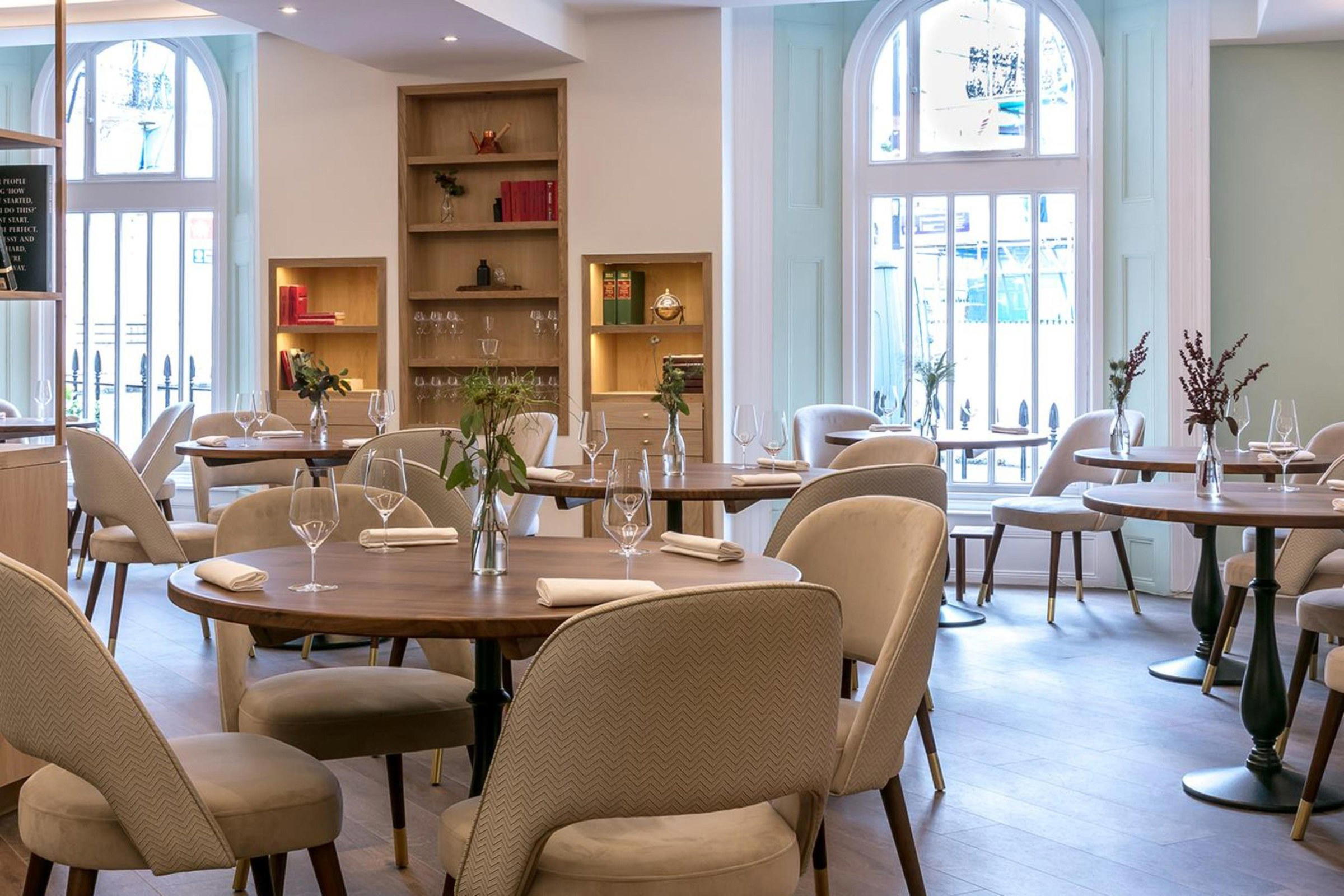
Bars in London
Browse all →
Hotels in London
Browse all →

At a Glance
- Romantic
- Elegant
- Rustic
- Classic
- Cozy
- Date Night
- Special Occasion
- Group Dining
- Courtyard
- Private Dining
- Extensive Wine List
- Local Sourcing
- Garden
Current opening hours
- Monday
- Closed
- Tuesday
- 12–3 PM, 5:30–10:30 PM
- Wednesday
- 12–3 PM, 5:30–10:30 PM
- Thursday
- 12–3 PM, 5:30–10:30 PM
- Friday
- 12–3 PM, 5:30–10:30 PM
- Saturday
- 12–3 PM, 5:30–10:30 PM
- Sunday
- 12–3 PM, 5:30–9:30 PM
Hours can change for holidays and private events. Last verified .
Elegant yet comfortable Tuscan-inspired atmosphere with art, green shutters, and a dramatic al fresco courtyard.