

Tabelog 100 #4
Our verdict
Burger POLICE sits in Tokyo’s serious hamburger bracket, where the format borrows as much from bistro culture as from American casual dining. Recognition from Tabelog’s Hamburger 100 selection and Opinionated About Dining’s 2026 Japan Casual list places it among a small group of burger rooms treated as destination dining rather than quick-service comfort food.

Pearl is the En Primeur Club membership app, where members save venues, book tables and use the concierge.
The menu
What to order
- Sio (Salt) Burger
- Black Wagyu Roast Beef & Uni Burger
- Mushroom Burger
- Burger Police Course Menu
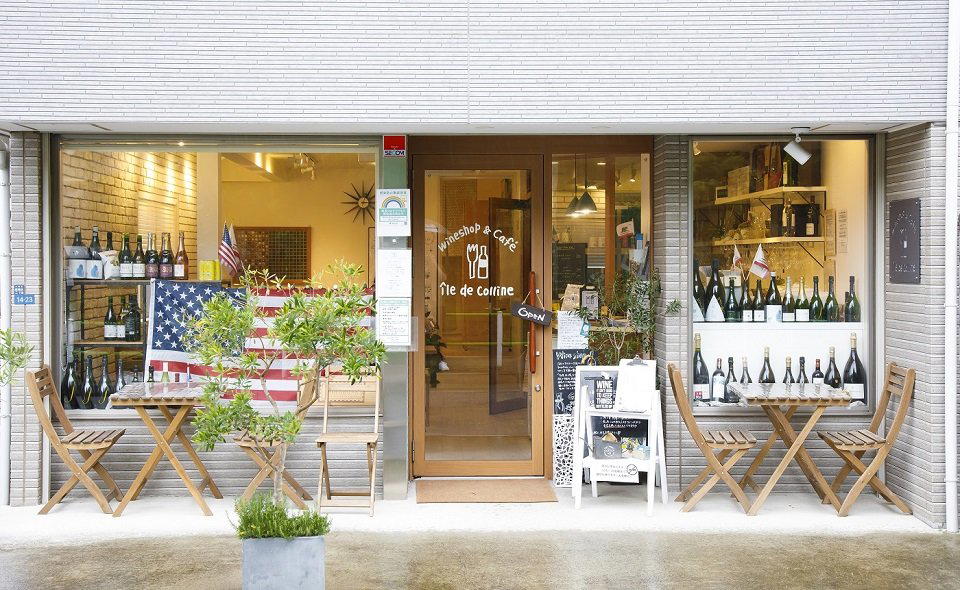
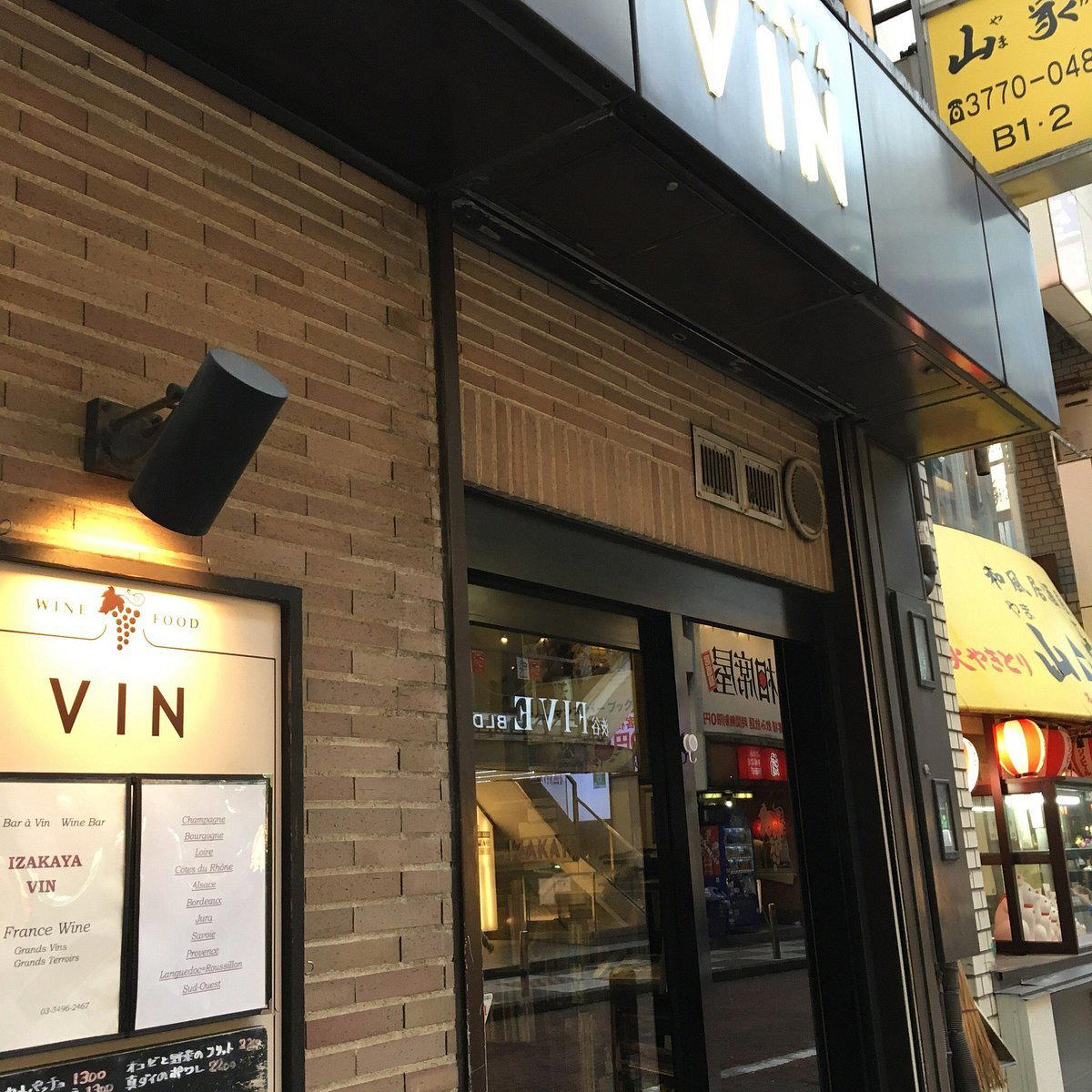
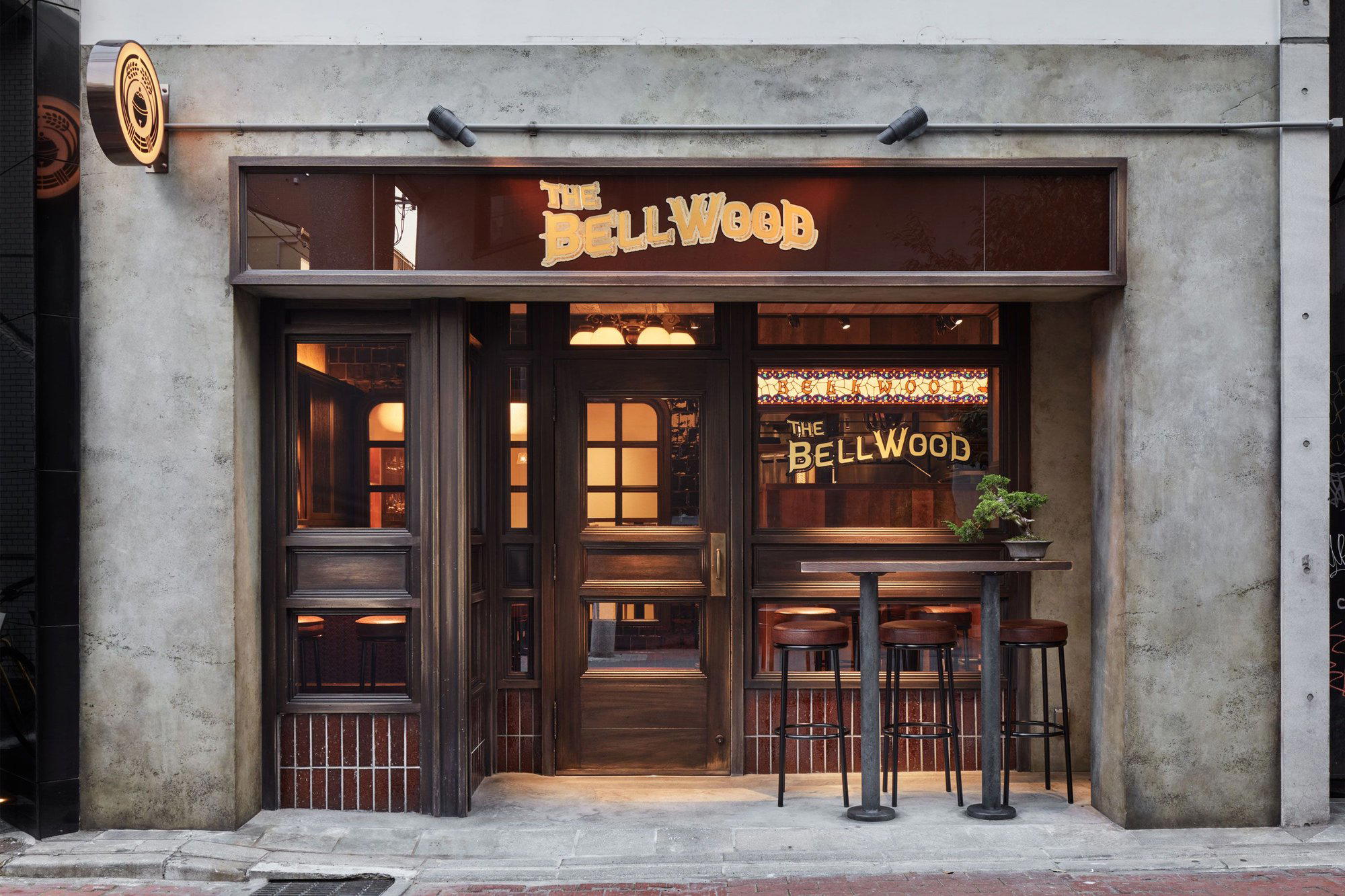
Himonya is not the Tokyo of hotel lobbies and tower dining rooms. It is lower-slung, residential, and better suited to restaurants that earn attention through repeat local use rather than spectacle. In that setting, Burger POLICE reads as part burger counter, part bistro, part wine bar: a compact, non-smoking room with counter seating, menu photos, and a format that makes the hamburger feel less like a snack than a composed plate with a bun.
Tokyo has become unusually serious about the hamburger. The city’s better burger specialists no longer compete only on portion size or Americana styling; they compete on beef sourcing, doneness control, bread structure, and how well the room can carry dinner service. Burger POLICE sits squarely in that shift. Its categories span hamburger, bistro, and Spanish-style bar, which tells the story more clearly than any slogan could: the point is not fast food dressed up, but a casual format borrowing grammar from restaurants with wine lists and evening pacing.
Tokyo's burger scene has moved from casual craving to restaurant discipline
The useful way to read this address is through Tokyo’s broader taste for specialization. The city has long rewarded narrow formats, from ramen counters to yakitori rooms, when they show discipline and repetition. The hamburger now occupies a similar lane. A serious Tokyo burger does not need to imitate a diner; it can operate with the focus of a small restaurant, and the better examples are judged on balance rather than excess.
That is why third-party recognition matters here. Burger POLICE was selected for Tabelog’s Hamburger 100 in 2021, 2022, 2024, and 2026, and it appears in Opinionated About Dining’s 2026 Japan Casual list as Highly Recommended. Those signals place it in a narrower tier than the average neighbourhood burger shop. A Tabelog score of 3.74 is also meaningful in Japan, where scores tend to be conservative and a mid-three rating can already indicate sustained diner confidence.
The bistro-bar framing changes expectations. Wine is part of the proposition, and the venue is marked as particular about wine. That matters because it shifts the meal away from the standard burger-and-soft-drink rhythm. Tokyo’s casual dining scene has been moving in this direction for years: small rooms, limited seating, focused menus, and drinks programs that make even familiar food feel deliberate without becoming formal.
A compact room, a wine-bar signal, and a burger treated with restraint
The sensory appeal here is less about theatrical plating than compression: a small room, visible counter energy, and the kind of service format where the diner is close to the work. Counter seating gives a burger restaurant a different charge. It shortens the distance between cooking and eating, and in Tokyo that proximity often carries more weight than décor. The soundscape is likely to be service-led rather than lounge-like: order calls, plates, glasses, and the cadence of a room built around turnover without feeling disposable.
Menu’s category spread also explains why this is not a simple lunch-only address. Hamburger is the anchor, but bistro and bar elements pull the experience toward a more adult register. The price band supports that reading: lunch sits in the JPY 2,000 to JPY 2,999 range, while dinner is listed at JPY 5,000 to JPY 5,999. In Tokyo terms, that puts the daytime meal in premium-casual territory and dinner closer to a small-plates-and-wine decision than a quick bite.
Room is also designed for mixed use rather than a single dining tribe. Children are welcome, including babies, preschoolers, and school-age children, which gives the place a different social texture from counter-only specialist rooms that quietly discourage families. At the same time, private use is available for up to 20 people, an unusually useful detail for a compact casual restaurant. The result is a room that can function as a neighbourhood meal, a burger-focused dinner, or a small gathering without changing its identity.
For travellers, the comparison is not with Tokyo’s grand dining rooms. It is with the city’s specialist casual addresses, places where a single format is taken seriously enough to justify crossing town. That same logic runs through other focused listings across the city, from 124. KAGURAZAKA (Yakitori) to 3 Chome no Curry Ya San, where the appeal is a defined genre executed with conviction rather than a broad menu trying to please everyone.
How to place it in a Tokyo itinerary
The smarter use of Burger POLICE is as a counterpoint to Tokyo’s reservation-heavy sushi, kaiseki, and steak circuits. It gives the city’s dining seriousness a looser form: accessible in dress and mood, but still shaped by awards recognition, a defined beverage angle, and a room small enough that details matter. It belongs in the same planning conversation as other casual specialists rather than as a fallback between marquee meals.
For a broader read on the city’s dining range, use Our full Tokyo restaurants guide, then build around contrast: seafood at . 鮪と炭火焼き うお炭 秋葉原店, nightlife-adjacent dining at 12/10 Shinjuku ten, and visual café culture at 2D Cafe. City planning does not stop at restaurants either: Our full Tokyo hotels guide, Our full Tokyo bars guide, Our full Tokyo wineries guide, and Our full Tokyo experiences guide help frame the wider trip.
Outside Tokyo, the same specialist logic appears across Japan and beyond: -Grilled beef Sukiyaki- KAMAKURA TANUKIAN 鎌倉 たぬき庵 in Kamakura.cafe in Osaka.know in Kumamoto, (Shoku) Vietnam in Kawasaki, [Curry Senmon Ten] Maruyama Kyoju. in Sapporo, and [ki:] in Kyoto. For a trans-Pacific lens on Japanese casual forms, compare Jōdo Saké Bar in Los Angeles and Onigiri Time in Pasadena.
Cuisine and Awards Snapshot
Nearby venues at a similar price tier for orientation.
| Venue | Cuisine | Price | Awards | Notes |
|---|---|---|---|---|
| Burger POLICEThis venue (the venue you are viewing) | Wagyu Burger Bistro | $30–50 | Tabelog 100 #4 | Not listed |
| SHOGUN BURGER Shinjuku ten | Wagyu smash burgers & fries | $20–30 | Tabelog 100 #53 | Shinjuku |
| Majo no Chiisana Mori no Hamburger | Organic Hamburger & Cafe | $20–30 | Tabelog 100 #73 | Meguro |
| Burger Mania Ebisu ten | Gourmet Burgers & Beer Bar | $20–30 | Tabelog 100 #31 | Shibuya |
| Brothers Nihonbashi takashimaya ten | Gourmet Hamburger Restaurant | $20–30 | Tabelog 100 #66 | Chūō |
| CANNONBALL DINER | Gourmet American Burger Diner | $20–30 | Tabelog 100 #42 | Taitō |
Recognition history
Dated appearances from independent guides and award organizations, with the underlying list record or original source where available.
Opinionated About Dining Casual in Japan Highly Recommended
Opinionated About Dining
Tabelog 100 #4 · No. 4
Tabelog · Tabelog 100 - Hamburger - 2026
Continue exploring
More in Tokyo
Restaurants in Tokyo
All restaurants in Tokyo →

Bars in Tokyo
All bars in Tokyo →




Details
- Cozy
- Lively
- Trendy
- Modern
- Casual Hangout
- After Work
- Group Dining
- Date Night
- Solo
- Standalone
- Design Destination
- Extensive Wine List
- Local Sourcing
- Street Scene
- A La Carte
- Small Plates
- Wine
- Beer
Current opening hours
- Monday
- 11:30 AM–3 PM, 5–10 PM
- Tuesday
- 11:30 AM–3 PM, 5–10 PM
- Wednesday
- Closed
- Thursday
- 11:30 AM–3 PM, 5–10 PM
- Friday
- 11:30 AM–3 PM, 5–10 PM
- Saturday
- 11:30 AM–9 PM
- Sunday
- 11:30 AM–9 PM
Hours can change for holidays and private events. Hours as of .
Small, cozy neighborhood bistro with limited seating, lines at peak times, and a relaxed but energetic atmosphere where diners linger over gourmet wagyu burgers and wine rather than fast food.