Bureau

On the fifth floor of B. Amsterdam, a converted office block in Nieuw West, Bureau is a rooftop restaurant and bar where the menu treats vegetables as the main event rather than an afterthought. Dishes like pumpkin rotolo with Jerusalem artichoke and vacherin du mont d'or signal a kitchen with clear technical intent. The setting, above a working start-up campus, gives it a character that the city centre rarely matches.
Pearl is the En Primeur Club membership app — saves, bookings, and concierge access live there. Same editors, same standards.
- Address
- Johan Huizingalaan 763A, 1066 VH Amsterdam, Netherlands
- Website
- caferestaurantbureau.nl
- Directions
- Get directions
 Saves & bookings on Pearl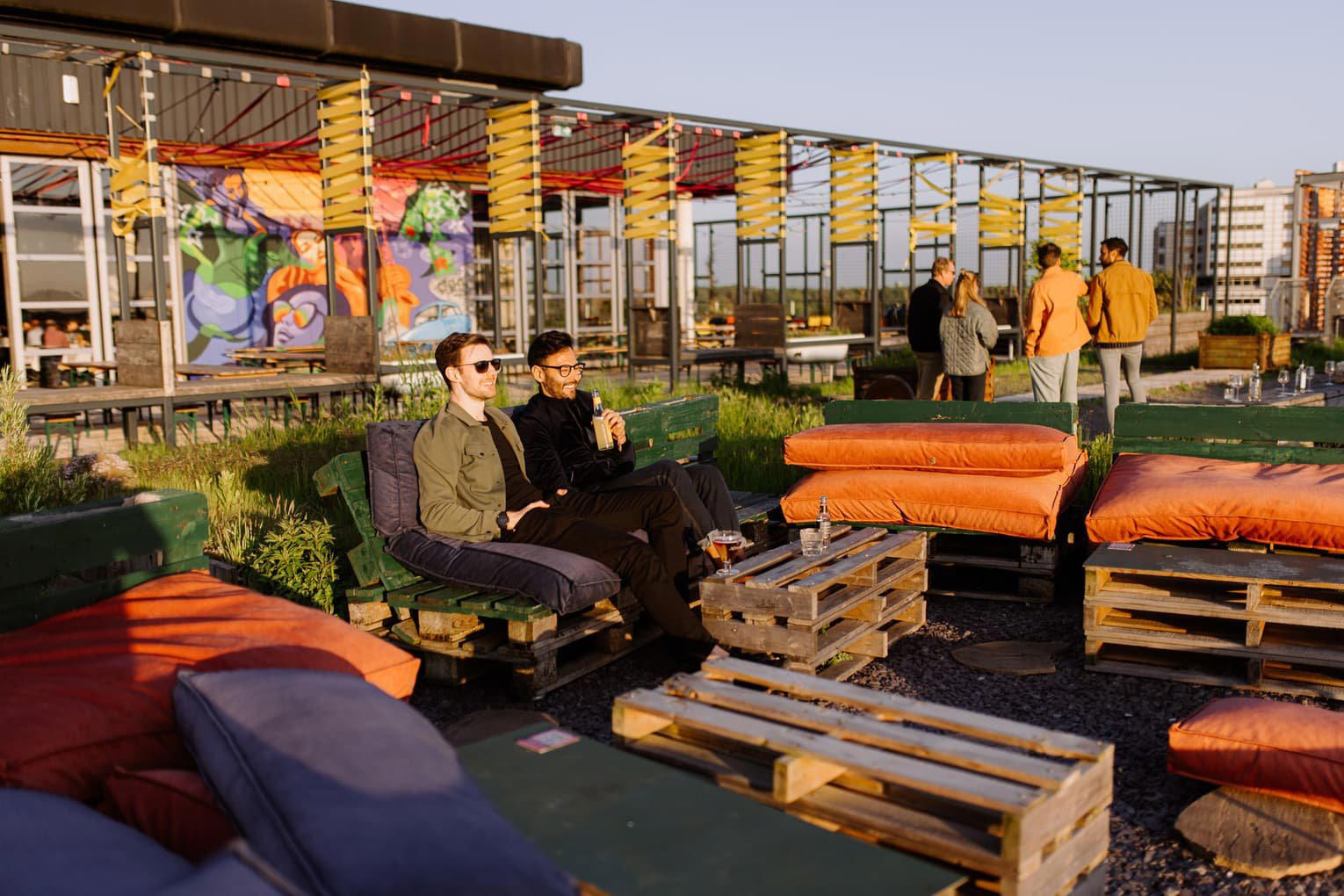
A Business Park With a View Worth Taking Seriously
Amsterdam's restaurant geography has long defaulted to the canal belt and the Jordaan, where heritage interiors and tourist proximity make location a selling point in itself. The city's west, and specifically Nieuw West, plays by different rules. Out here, along Johan Huizingalaan, the buildings are post-war functional, the street grid wide and unhurried, and the dining audience is drawn from the technology and creative businesses that have colonised former corporate campuses rather than from hotel concierge lists. Bureau sits on the fifth floor of B. Amsterdam, a former ABN AMRO office block that was converted into one of the Netherlands' most-referenced start-up ecosystems. The rooftop position gives it a panorama over the western city that is simply not available from the canal-side tables of Ciel Bleu or Spectrum. Whether that context elevates or complicates the dining experience is the right question to be asking.
The Vegetable-Forward Kitchen in Dutch Fine Dining Context
Dutch restaurant culture has spent a decade recalibrating around produce-driven cooking. The country's greenhouse infrastructure, particularly sophisticated in Europe, has given chefs access to a vegetable supply chain that rivals anything available in France or northern Italy. The result is a generation of Amsterdam kitchens where vegetables appear not as accompaniment but as structural ingredient, carrying acidity, texture, and depth that proteins used to provide. Bolenius in the South Axis has built its reputation on exactly this model. Bureau, on the other side of the city, operates in the same register without the same institutional recognition, which makes it an interesting comparison point for anyone mapping where this cooking style is heading.
The menu indicates a kitchen that is working with fermentation, slow-cooked alliums, and aged dairy alongside vegetables in ways that signal technical engagement. A combination of medallion roast with sauerkraut, onion compote, and parsley root uses fermentation and sweetness as foils for each other rather than defaulting to a direct vegetable plate. The rotolo with pumpkin, spinach, Jerusalem artichoke, Jew's ear mushroom, and vacherin du mont d'or reads as a dish built around textural contrast and the specific funk of washed-rind cheese against root vegetables. These are not garnish decisions. They are structural choices that reflect an understanding of how vegetables behave at different temperatures and preparation stages. For context on how this compares to the creative end of the Dutch market, De Librije in Zwolle and Aan de Poel in Amstelveen represent the Michelin-starred tier where produce-led cooking intersects with formal tasting menu formats.
Rooftop Dining and What the Format Actually Means
Rooftop dining in Amsterdam is a relatively thin category. The city's preservation rules, combined with a flat skyline that does not reward elevation the way a hillside city would, mean that refined restaurant formats are rare. Bureau's fifth-floor position in a building that runs to several more floors above it is not a penthouse situation, but the westward views over Nieuw West's open street plan are unobstructed in a way that central Amsterdam rarely allows. The combination of a working start-up environment below and a restaurant-bar format above creates a daytime-to-evening arc that differs from the purely dinner-focused format of Vinkeles or the lunch-heavy rhythm of Bistro de la Mer.
The bar component matters here. In cities where rooftop bars and serious food kitchens have traditionally operated separately, Bureau's dual format places it in a growing international cohort where the two coexist without either compromising the other. Internationally, the model has precedent at venues such as Le Bernardin in New York City and Emeril's in New Orleans, where bar programs are taken as seriously as the kitchen. At Bureau, the balance between casual drinks audience and food-focused diners is likely managed by the time of day more than by any formal separation of spaces.
Where Bureau Sits in the Amsterdam Dining Map
Amsterdam's dining tiers have become clearer in recent years. At the leading creative fine dining category, represented by venues like Ciel Bleu and Spectrum, operates in the €€€€ bracket with formal tasting menu formats and significant Michelin attention. Below that sits a mid-tier of produce-driven, technically engaged kitchens, including Bolenius and, at the organic end, De Kas. Bureau appears to operate in this mid-to-accessible tier, with a format that is closer to a destination neighbourhood restaurant than a special occasion tasting venue. That positioning means it competes on cooking quality and atmosphere rather than on ceremony or prestige signals.
For readers building a broader Dutch itinerary, 't Nonnetje in Harderwijk, De Bokkedoorns in Overveen, Brut172 in Reijmerstok, and De Groene Lantaarn in Staphorst represent the wider range of serious Dutch cooking outside the capital. Bureau, by contrast, is specifically an Amsterdam story, and a Nieuw West story at that.
Planning a Visit
Bureau is located at Johan Huizingalaan 763A, 1066 VH Amsterdam, on the B. Amsterdam campus in Nieuw West. The area is accessible by tram and metro from Amsterdam Centraal, and the campus itself is large enough that first-time visitors should allow time to find the building entrance and navigate to the fifth floor. Given its location within a working business campus, the rhythm of the restaurant likely shifts between a lunch crowd drawn from the building's tenants and an evening audience that arrives specifically for the rooftop setting.
Side-by-Side Snapshot
Comparable venues nearby, for context on price, style, and recognition.
| Venue | Cuisine | Price | Notes |
|---|---|---|---|
| BureauThis venue — the venue you are viewing | Modern European Bistro | $$ | Not listed |
| Café Brakke | Dutch Brown Café | $$ | Bloemgrachtbuurt |
| Ree 7 | European Lunchroom | $ | Felix Meritisbuurt |
| Café Parlotte | French Bistro | $$ | Anjeliersbuurt Noord |
| Café Modern | Seasonal Modern European | $$ | Van der Pekbuurt |
| Kanarie Club | European Gastropub with Seasonal Shared Dining | $$ | Bellamybuurt Zuid |
Recognition history
Dated appearances from independent guides and award organizations, with the underlying list record or original source where available.
We're Smart World 1 Radish
We're Smart World
Continue exploring
More in Amsterdam
Restaurants in Amsterdam
Browse all →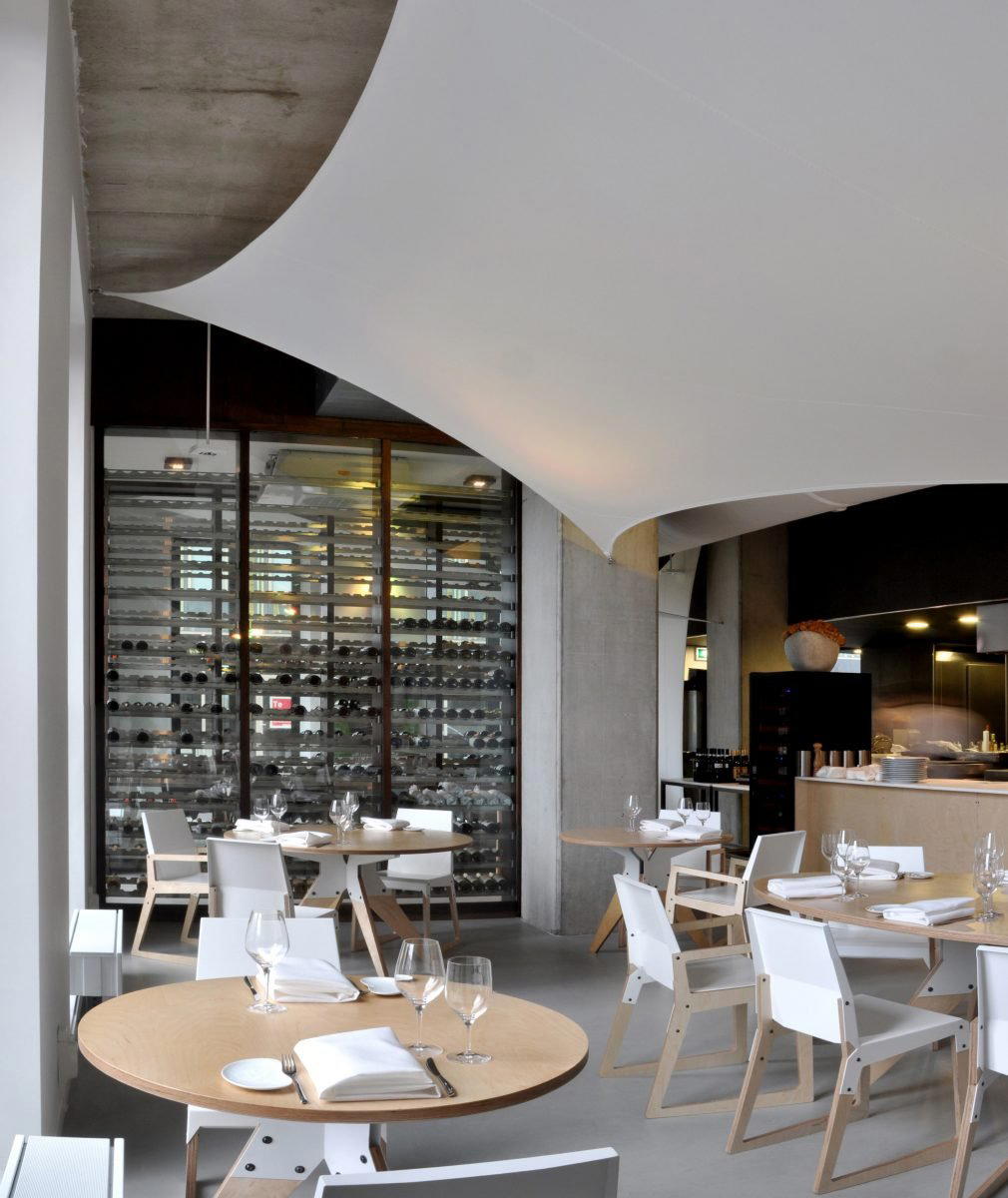
Bars in Amsterdam
Browse all →
Hotels in Amsterdam
Browse all →
Wineries in Amsterdam
Browse all →
At a Glance
- Modern
- Trendy
- Industrial
- Cozy
- Business Dinner
- Group Dining
- Casual Hangout
- Rooftop
- Open Kitchen
- Terrace
- Extensive Wine List
- Skyline
- Street Scene
Spacious modern industrial interior with repurposed elements, warm welcoming living room feel, and natural light-filled rooftop park.