Our verdict
Bun Pho on Fleischmengergasse sits inside Cologne's quietly growing Southeast Asian dining corridor, where Vietnamese soup culture has taken hold among a city more often associated with Rhenish taverns and Rhine-view brasseries. The kitchen anchors itself to the broth-forward tradition that defines northern and southern Vietnamese cooking, offering a counter-point to the fine-dining density of the surrounding Altstadt neighbourhood.

Pearl is the En Primeur Club membership app, where members save venues, book tables and use the concierge.

Where the Broth Matters More Than the Address
Fleischmengergasse is not the street that appears in most Cologne dining itineraries. Tucked within the 50676 postal district of the Altstadt-Süd, it runs close enough to the Rhine and the cathedral quarter to draw foot traffic, but far enough from the tourist corridors that the restaurants here tend to serve a more deliberately local crowd. In that context, Bun Pho occupies a position that has become increasingly common in mid-sized German cities: the serious Vietnamese kitchen that earns its reputation not through formal awards or chef pedigree, but through the daily discipline of broth and balance.
Cologne's restaurant scene is weighted toward Modern European formats. The city's most-discussed tables, among them Ox & Klee, La Cuisine Rademacher, and La Société, operate in the €€€€ bracket and align themselves with pan-European fine dining conventions. Against that backdrop, Vietnamese cooking at the neighbourhood level fills a different function entirely: it is the cuisine that rewards frequency rather than occasion, where returning diners accumulate an understanding of subtle regional variation rather than ticking off a tasting menu progression.
The Cultural Architecture of Vietnamese Soup
To understand what a place called Bun Pho is doing, it helps to understand the distance between its two title words. Pho, the slow-simmered beef bone broth that became Vietnam's most globally recognised dish, originates from the north, most closely associated with Hanoi and the Red River Delta. Bun, which refers to round rice vermicelli noodles, forms the structural base of a separate family of dishes, among them bun bo Hue, the spicier, lemongrass-heavy broth from central Vietnam, and bun rieu, the tomato and crab-paste variant of the south. Placing both terms in a restaurant name signals an awareness of that regional breadth, an intention to work across Vietnam's broth traditions rather than defaulting to the single bowl that Western audiences most readily recognise.
That regional complexity is something Germany's Vietnamese community has long understood. The country has one of Europe's largest Vietnamese diaspora populations, a result of labour migration agreements signed between the German Democratic Republic and the Socialist Republic of Vietnam in the 1980s, with significant subsequent migration continuing into reunified Germany. Vietnamese food culture in German cities consequently carries a depth that preceded the wider European interest in the cuisine by decades. Berlin's Dong Xuan Centre and the Vietnamese-run supermarkets and kitchens of cities across the former East are the structural backbone of that history. In western cities like Cologne, the Vietnamese dining scene arrived slightly differently, shaped more by post-reunification migration and the gradual embedding of Vietnamese kitchens into neighbourhood dining across the Rhineland.
Cologne's Broader Dining Context and Where Vietnamese Fits
Cologne's more celebrated kitchens tend to concentrate on Modern Cuisine formats, with maiBeck and Le Moissonnier Bistro representing the French-inflected registers of the city's established dining culture. Germany's nationally recognised fine dining addresses, including Vendôme in Bergisch Gladbach, which sits close enough to the Cologne orbit to be relevant, and Schwarzwaldstube in Baiersbronn, operate in an entirely different register from a Vietnamese noodle kitchen. The relevant comparison for Bun Pho is not Michelin-level cuisine but rather the informal restaurant tier where daily cooking disciplines, consistency, and ingredient sourcing carry the critical weight.
In that tier across German cities, Vietnamese kitchens have established a strong track record. The cuisine's reliance on fresh herb loads, precise broth construction, and minimal fat in the cooking process aligns well with a health-conscious urban dining culture that has grown steadily over the past decade. The bowl format, customisable with aromatics, proteins, and heat level at the table, also addresses the practical reality of solo dining and fast turnover without sacrificing the depth of a properly made broth, which by any traditional measure requires six to twelve hours of simmering.
What to Consider When Visiting
For a Vietnamese kitchen in the Altstadt-Süd neighbourhood, the reasonable assumption is that peak service runs at lunch and early evening, when office workers and residents in the surrounding streets make up the core audience. Walk-in dining is the standard format for this category of restaurant across Germany, and the address on Fleischmengergasse is accessible from central Cologne on foot from the Heumarkt U-Bahn station.
If you are building a Cologne itinerary that ranges across dining registers, the city's full range is covered in our Cologne restaurants guide. For context on how Germany's broader fine dining scene sits relative to European peers, the tables at Aqua in Wolfsburg, JAN in Munich, and ES:SENZ in Grassau illustrate the upper tier. For format diversity, CODA Dessert Dining in Berlin shows how far specialist concept dining has developed in German cities. The international reference points for broth-centred precision cooking sit at tables like Le Bernardin in New York City and, for disciplined informality done at high level, Lazy Bear in San Francisco. Additional German destinations worth noting for their regional ambition include Schanz in Piesport, Waldhotel Sonnora in Dreis, Restaurant Haerlin in Hamburg, and Victor's Fine Dining by Christian Bau in Perl.
Frequently asked questions
What's the must-try dish at Bun Pho?
Do I need a reservation for Bun Pho?
What has Bun Pho built its reputation on?
Can Bun Pho handle vegetarian requests?
Is a meal at Bun Pho worth the investment?
How does Bun Pho fit into Cologne's Vietnamese dining scene specifically?
Peers Worth Knowing
| Venue | Cuisine | Price | Awards | Notes |
|---|---|---|---|---|
| Bun PhoThis venue (the venue you are viewing) | Authentic Vietnamese Pho & Noodles | $10–20 | Not listed | Not listed |
| maximilian lorenz | Modern German Fine Dining | $200–300 | 1 Michelin Star | French Brasserie, Modern Cuisine |
| NeoBiota | Modern European Fine Dining | Not listed | 1 Michelin Star | Modern German, Modern Cuisine |
| ZEN Japanese Restaurant | Modern Japanese Omakase & Sushi | $30–50 | Michelin Plate | Japanese |
| Ox & Klee | Modern European Fine Dining with Six-Sense Concept | $200–300 | 2 Michelin Stars · La Liste Top Restaurants | Modern Cuisine |
| La Cuisine Rademacher | Modern French Fine Dining | $150–200 | 1 Michelin Star | Modern French |
Continue exploring
More in Cologne
Restaurants in Cologne
All restaurants in Cologne →
Bars in Cologne
All bars in Cologne →


Details
- Cozy
- Casual Hangout
- Standalone
- A La Carte
- Vegetarian Friendly
- Vegan Options
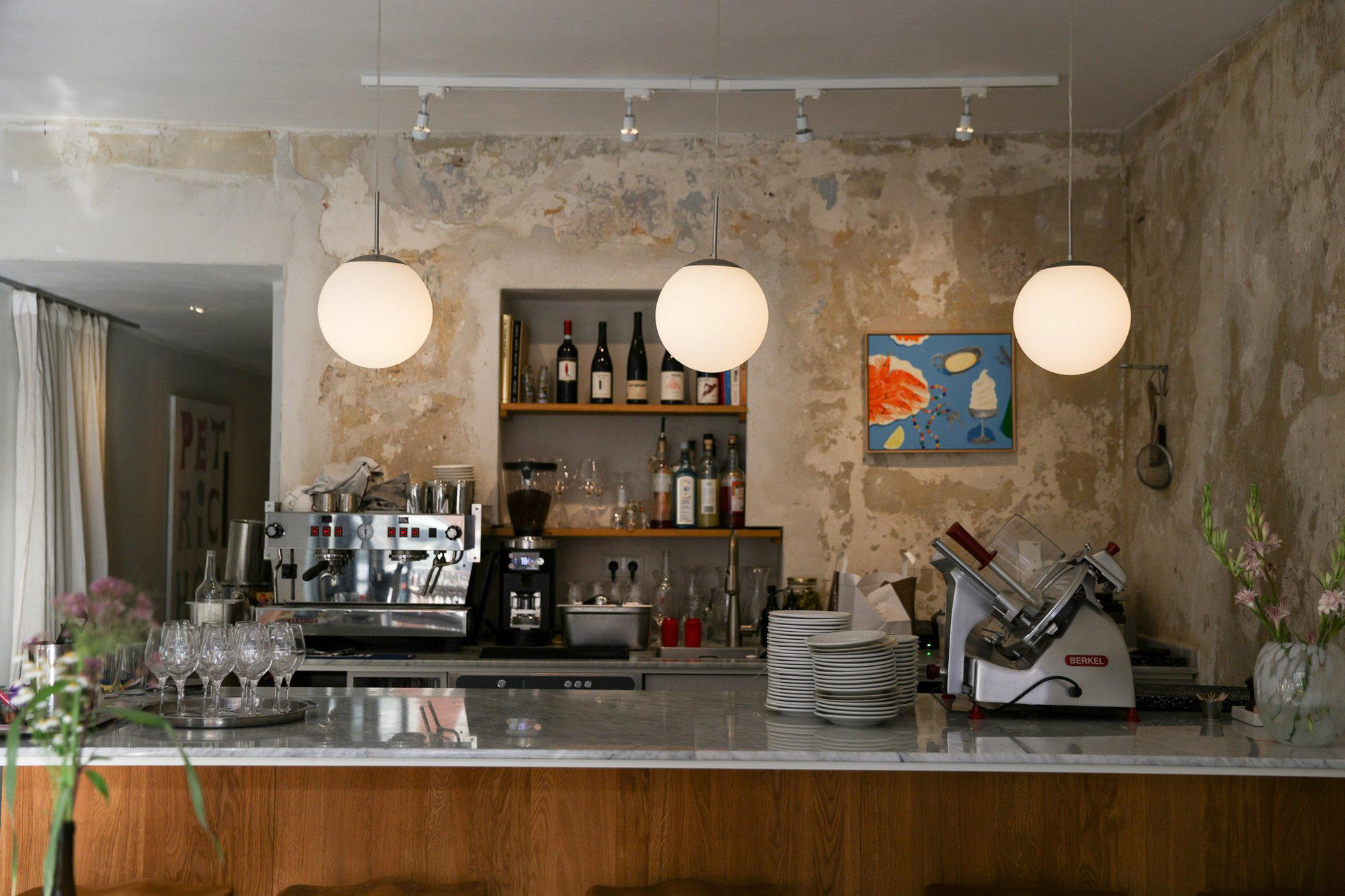
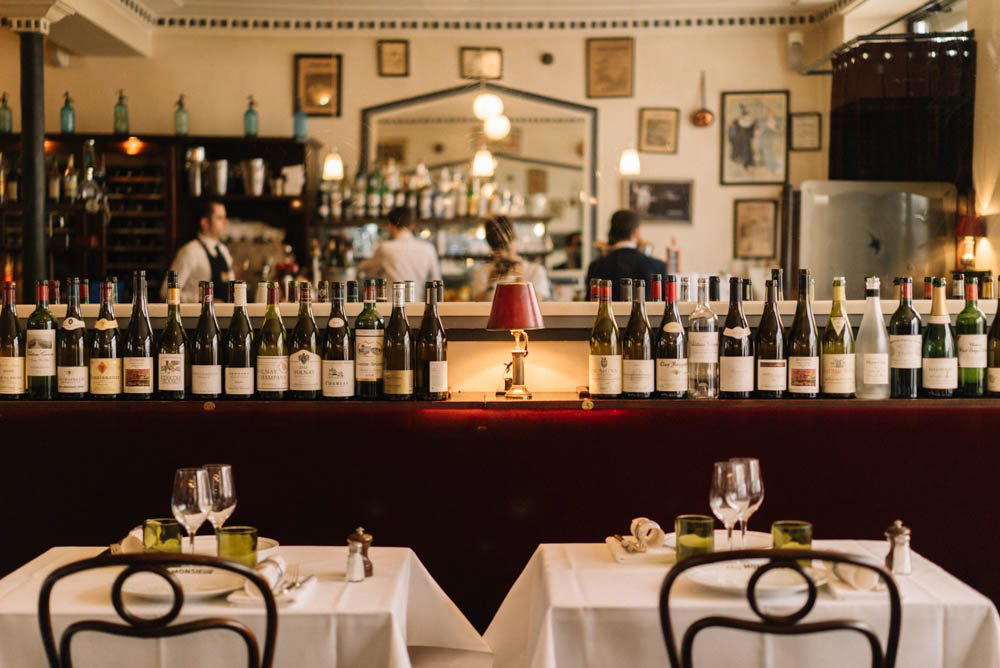
Warm, home-like Vietnamese atmosphere with traditional decor that feels welcoming and relaxed.