Heizhaus runs as a modern steakhouse for dinner, with dry-aged rib eye, local sourcing, and an open kitchen in a conversational, smart casual setting.
Pearl is the En Primeur Club membership app — saves, bookings, and concierge access live there. Same editors, same standards.
- Address
- Heizhausstraße 41, 9500 Villach, Austria
- Phone
- +436766127625
- Website
- heizhaus-villach.at
- Directions
- Get directions
 Saves & bookings on Pearl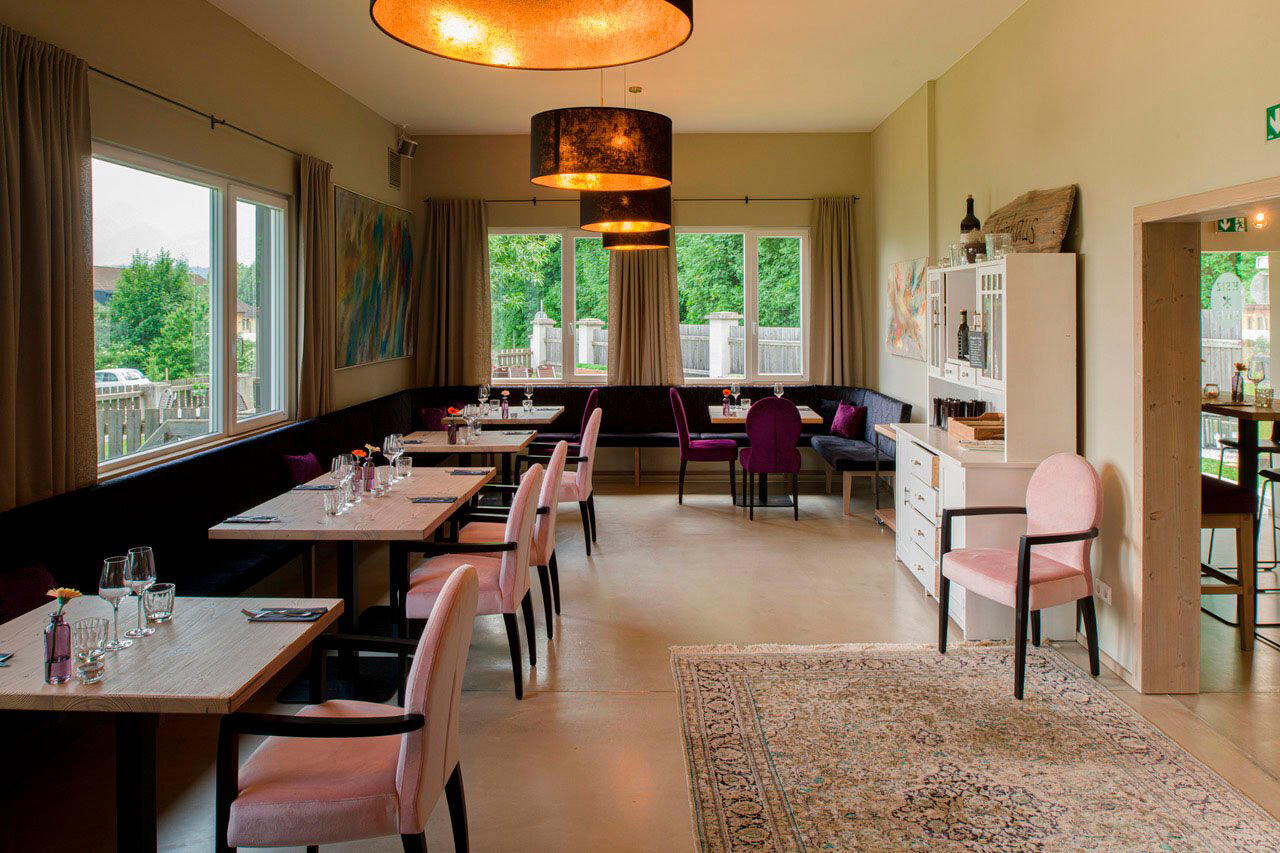
A Former Industrial Shell in the Heart of Villach's Fringe
The address alone signals something deliberate. Heizhausstraße 41 sits at the edge of Villach's more utilitarian quarters, and the name — Heizhaus, German for boiler house or heating plant — suggests a space repurposed rather than purpose-built. Carinthia has a small but consistent tradition of converting industrial-era structures into dining rooms, and that architectural context shapes how a room feels before a single dish arrives: high ceilings, raw materials, the memory of function pressed into the walls. Whether Heizhaus leans into that industrial aesthetic or softens it is part of what draws a particular kind of diner from the city centre.
Villach sits at a geographic crossroads that has always shaped what ends up on Carinthian plates. The city straddles the Drau River with the Julian Alps to the south, the Karawanken range marking the Slovenian border, and the Italian region of Friuli within an hour's drive. That triangulation, Austrian alpine tradition, Slovenian ingredients and technique, Italian produce and wine, defines the sourcing logic that serious Carinthian kitchens have worked with for decades. The question for any restaurant in this city is how deliberately it positions itself along that axis.
Where Carinthian Sourcing Meets Alpine Tradition
Carinthia's ingredient geography is distinct from Salzburg or Tyrol. The proximity to Slovenia means access to foragers, dairy producers, and freshwater fish, notably carp and pike, that don't figure in the menus of highland Austria. The Italian border opens up a different current: olive oil rather than butter as a finishing agent, Friulian wines, stone-fruit grown at lower elevations than the alpine interior. Kitchens in Villach that take sourcing seriously tend to pull from all three directions, and the discipline lies in knowing when each makes a dish more honest rather than more complicated.
In broader Austrian terms, this approach contrasts with the prestige sourcing model at places like Steirereck im Stadtpark in Vienna, where relationships with named producers over decades have become part of the restaurant's public identity, or Döllerer in Golling an der Salzach, where alpine-specific sourcing is the explicit editorial premise of the menu. Villach operates at a smaller scale and with less international visibility, but the ingredient logic is structurally similar: regional specificity as a governing principle, not an afterthought.
Aurea works the modern cuisine register at the €€ tier, while Frierss Feines Haus anchors the upper end of regional cooking at €€€. Antoan and Burg Landskron represent the wider range of the city's dining room formats, from the accessible to the atmospheric. For something faster and more casual, Burger Boutique and Franz Streetfood cover the lower end of the price register. Heizhaus positions itself somewhere in that middle territory, a room with a distinct physical character and, based on its name and address, a clear aesthetic proposition.
The Repurposed Room as Dining Concept
Across Austria, the conversion of non-residential industrial or civic structures into restaurants has produced some of the country's more interesting spaces. The logic is partly economic, buildings with thick walls and high ceilings are often underpriced relative to their volume, and partly atmospheric. A former heating plant carries a different set of associations than a purpose-built dining room: it implies community use, utility, time. Kitchens that occupy these spaces tend to either play against the aesthetic with soft furnishings and warm lighting, or commit to the rawness and let the food provide the contrast.
In the Austrian context, comparable formal experiments appear at the more ambitious end of the market, Ikarus in Salzburg operates inside the Hangar-7 aviation complex, and the dining room at Gourmetrestaurant Tannenhof in Sankt Anton am Arlberg uses alpine architectural materials as both aesthetic and contextual statement. The principle scales down to Villach: the building type frames expectations before the menu is read.
Carinthia in the Wider Austrian Dining Conversation
Carinthia remains underrepresented in the international dining press relative to Vienna, Salzburg, and the Vorarlberg alpine circuit. Properties like Griggeler Stuba in Lech or Kräuterreich by Vitus Winkler in Sankt Veit im Pongau draw international attention partly because they sit in established luxury travel corridors. Villach lacks that infrastructure but benefits from it indirectly: visitors moving between Salzburg, the Dolomites, and Ljubljana pass through or near the city, and a restaurant that can hold a traveller overnight extends its reach beyond the local market.
Elsewhere in Austria, the strongest regional sourcing arguments come from places where a chef's relationship with the land is the explicit editorial premise, Landhaus Bacher in Mautern an der Donau, Obauer in Werfen, and Ois in Neufelden all operate that way. Restaurant 141 by Joachim Jaud in Mieming represents the Tyrolean end of that tradition. Carinthia's contribution to this national narrative is quieter but no less grounded: the ingredient geography is different, and a kitchen that uses it honestly produces something you won't find farther north or west.
For comparison beyond Austria entirely, the sourcing-led argument reaches its most refined expression at places like Le Bernardin in New York City, where the provenance of a fish is treated with the same precision as its preparation, or Atomix in New York City, where ingredient narrative is embedded in the service format itself. These are different scales, different price points, different markets, but the underlying logic is the same: where something comes from shapes what it is.
Planning a Visit
Heizhaus is located at Heizhausstraße 41 in Villach, an address that sits outside the immediate pedestrian core of the city centre, making it more accessible by car or a short taxi ride than on foot from the main square. Given the limited publicly available data on hours, booking method, and current pricing, contacting the venue directly before arrival is advisable. For broader orientation, our full Villach restaurants guide maps the city's dining options across price tiers and formats.
Continue exploring
More in Villach
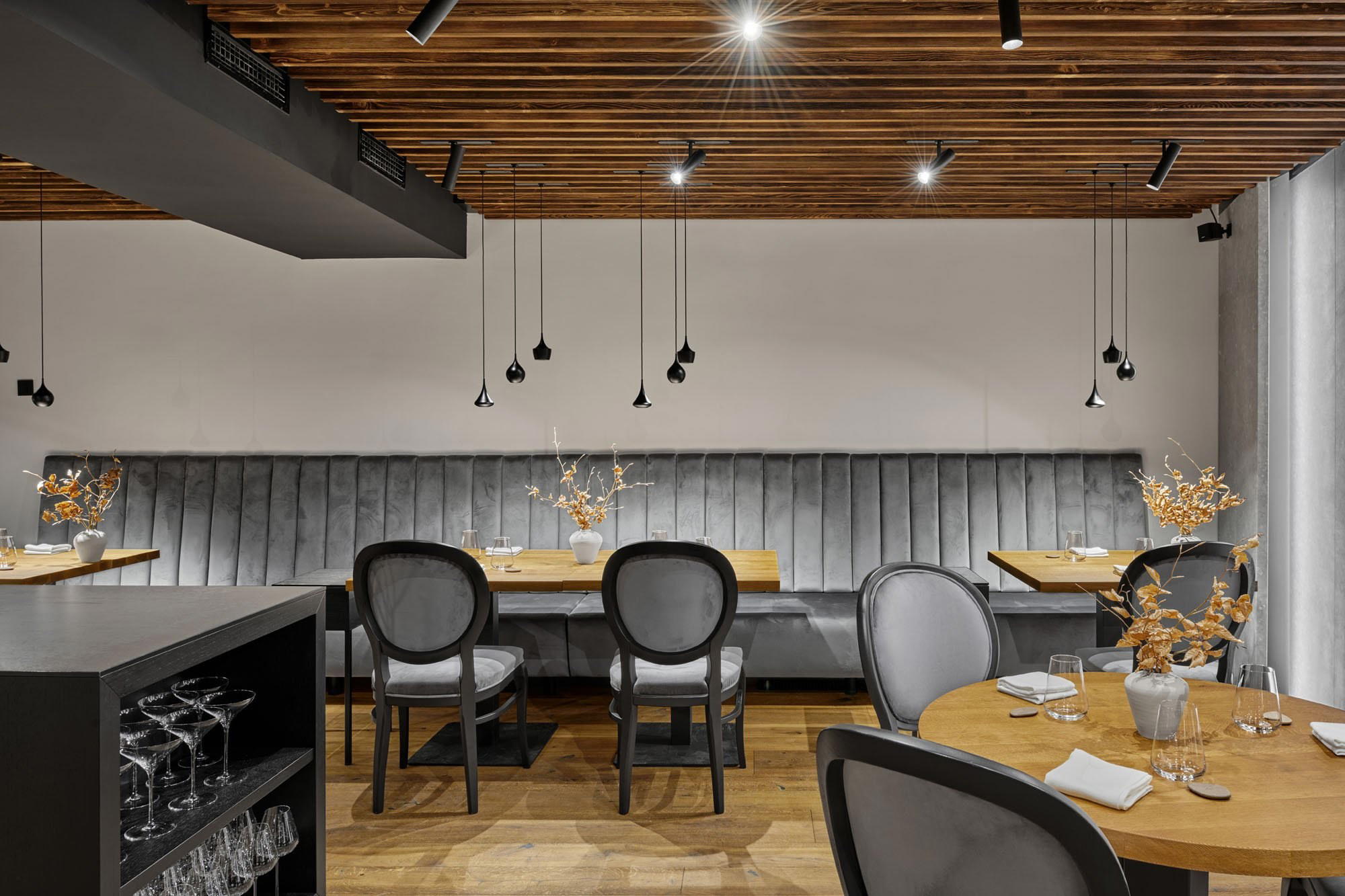
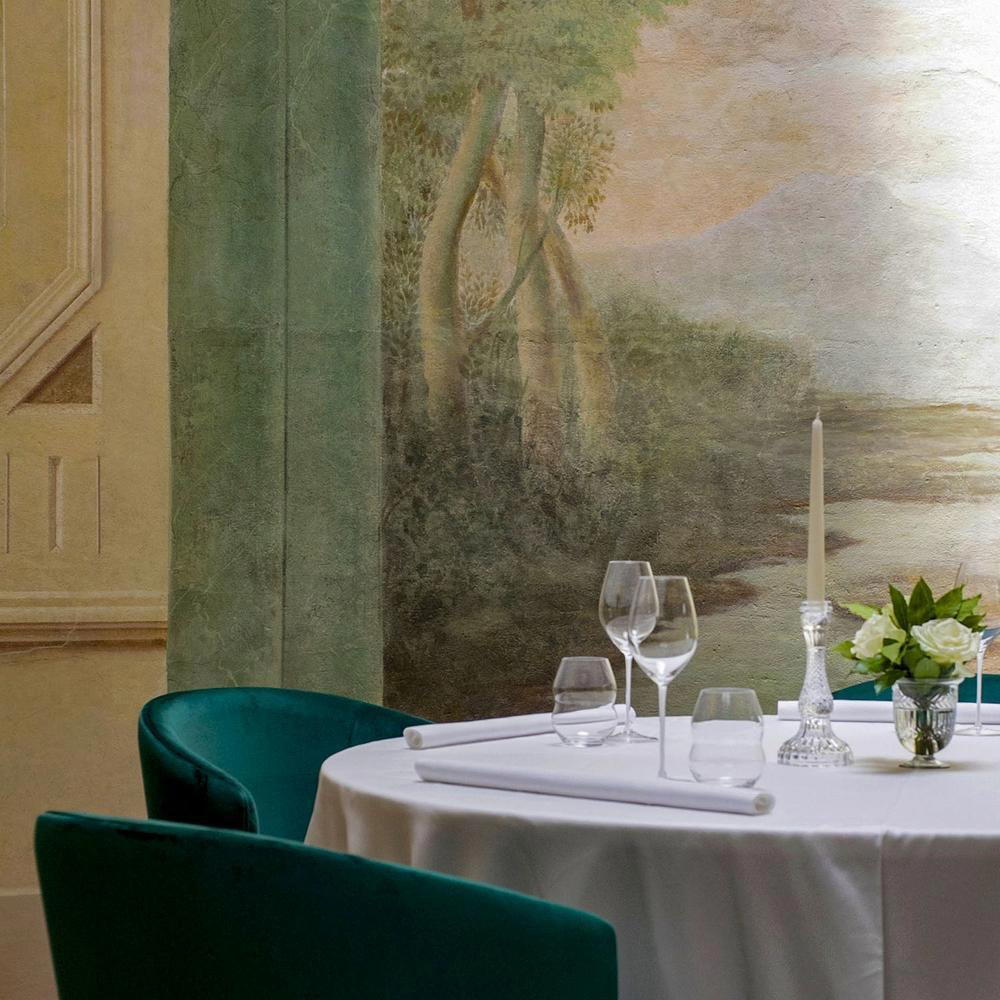
Restaurants in Villach
Browse all →
Bars in Villach
Browse all →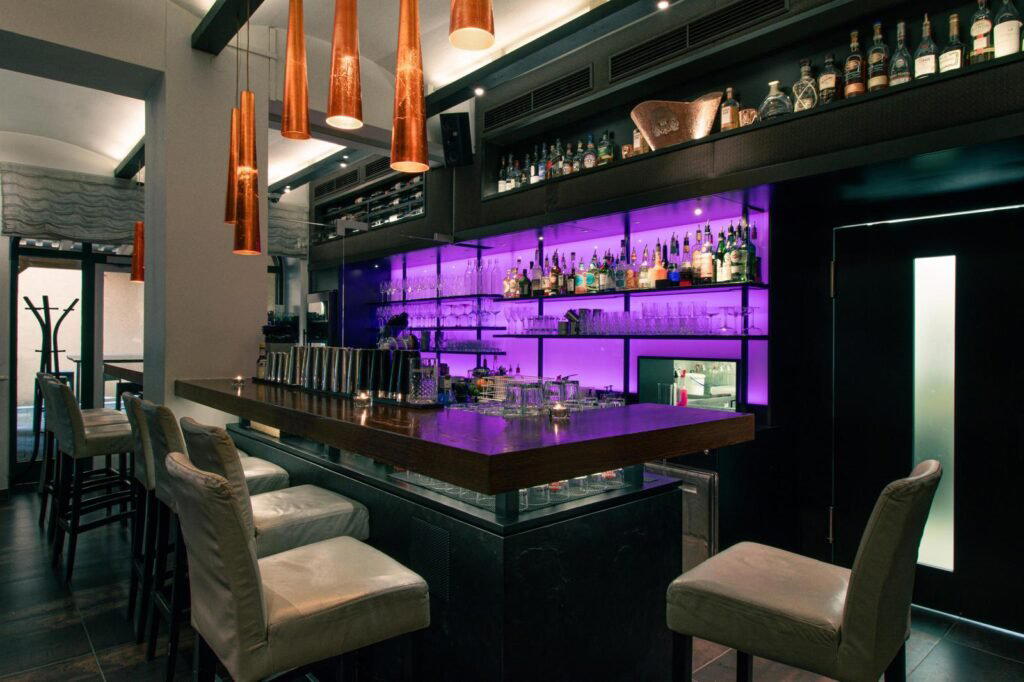
Hotels in Villach
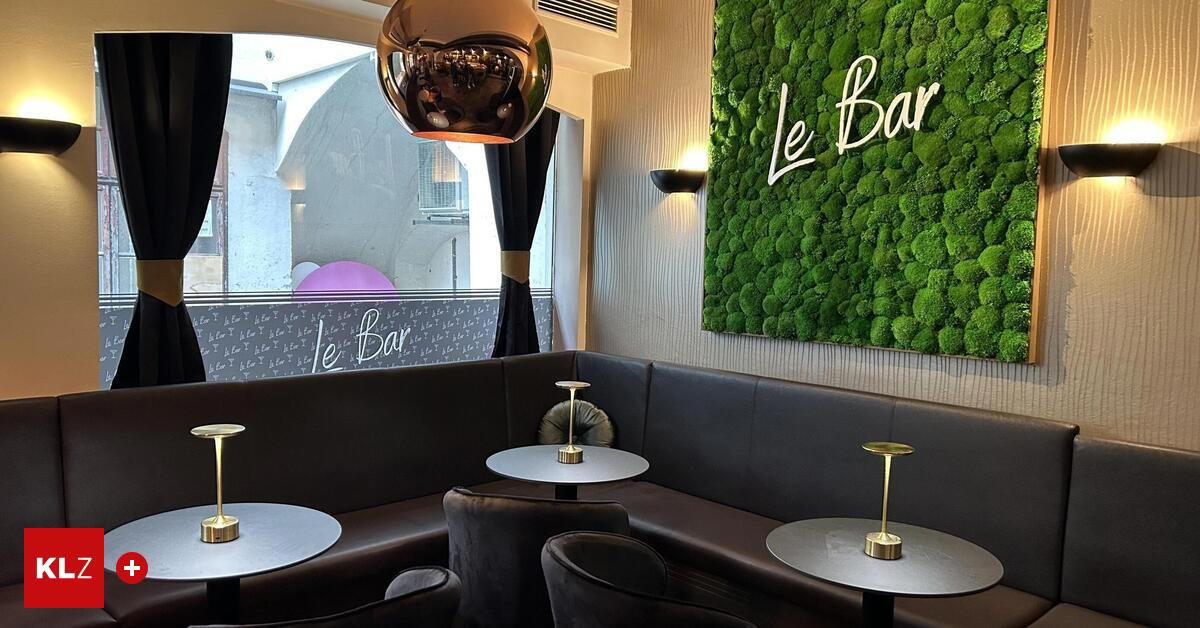
Browse all →

At a Glance
- Modern
- Cozy
- Trendy
- Date Night
- Special Occasion
- Open Kitchen
- Local Sourcing
Current opening hours
- Monday
- Closed
- Tuesday
- Closed
- Wednesday
- 4–11 PM
- Thursday
- 4–11 PM
- Friday
- 4–11 PM
- Saturday
- 4–11 PM
- Sunday
- Closed
Hours can change for holidays and private events. Last verified .
Modern Wohlfühlatmosphäre with cozy, distinctive atmosphere in converted industrial space.