

Star Wine List · White Guide Sweden Restaurants - Very Fine Level
Our verdict
On the Österlen coast of southern Sweden, Bobergs på Hamngården has earned a White Star recognition from Star Wine List, signalling a wine program that punches above what a village of Brantevik's scale would normally sustain. The setting is harbour-adjacent, the ethos coastal, and the sourcing logic follows the surrounding landscape of fields, sea, and small producers that define this corner of Skåne.

Pearl is the En Primeur Club membership app — saves, bookings, and concierge access live there. Same editors, same standards.
- Address
- Östersjögatan 94, 272 38 Brantevik, Sweden
- Phone
- +46 70 992 77 24
- Website
- hamngarden.se
- Directions
- Get directions
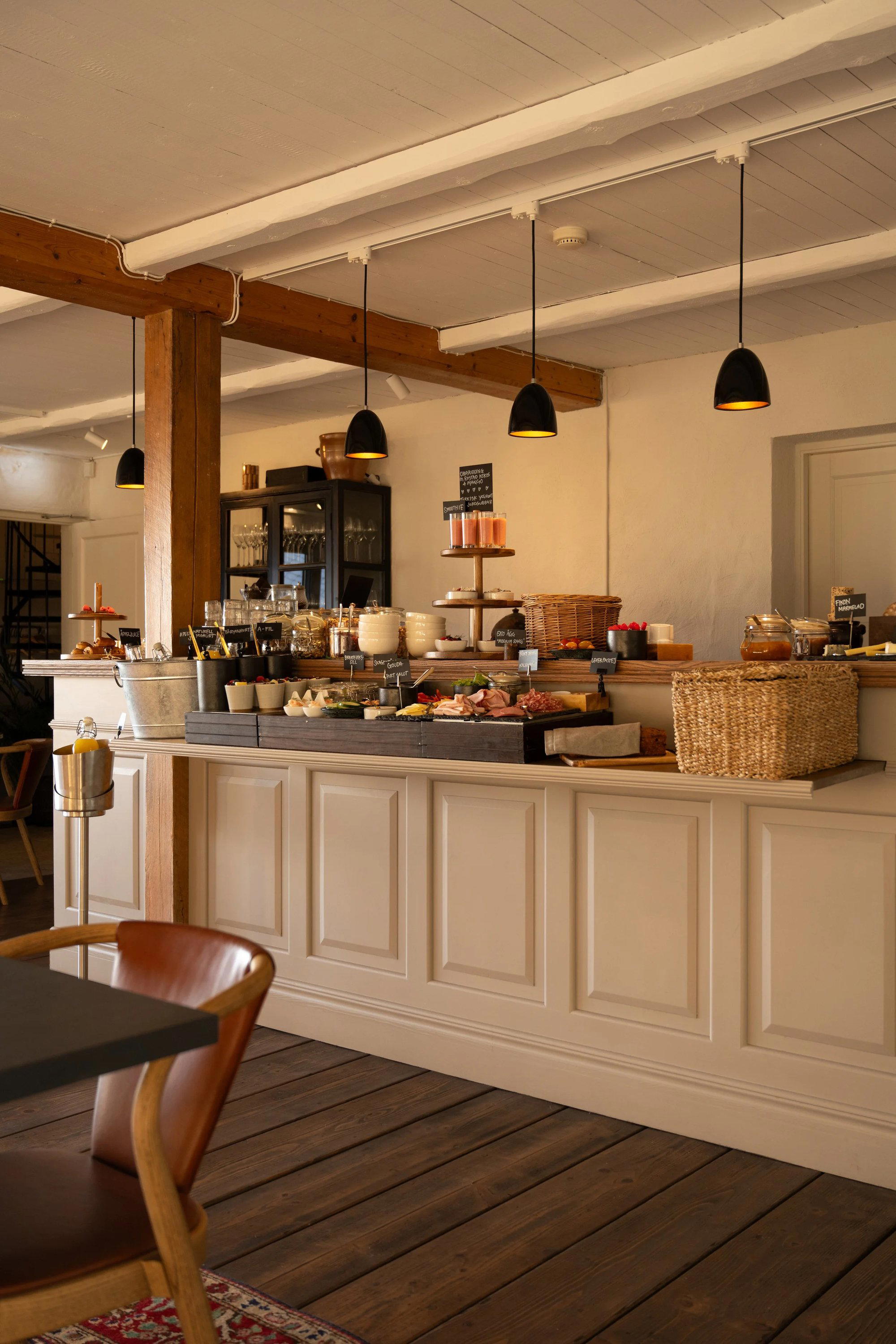
Where the Österlen Coast Sets the Terms
Brantevik is not a dining destination in the way that Malmö or Stockholm are. It is a fishing village on the Österlen peninsula, the southeastern tip of Skåne, where the Baltic arrives in long flat light and the harbour smells of salt and diesel rather than boutique renovation. Restaurants that take root here are answering to a different set of pressures than their urban counterparts: seasonal visitor patterns, a short growing window, proximity to some of Sweden's most productive agricultural land, and an audience that arrives by choice rather than by proximity. That context shapes what Bobergs på Hamngården is before a single plate leaves the kitchen.
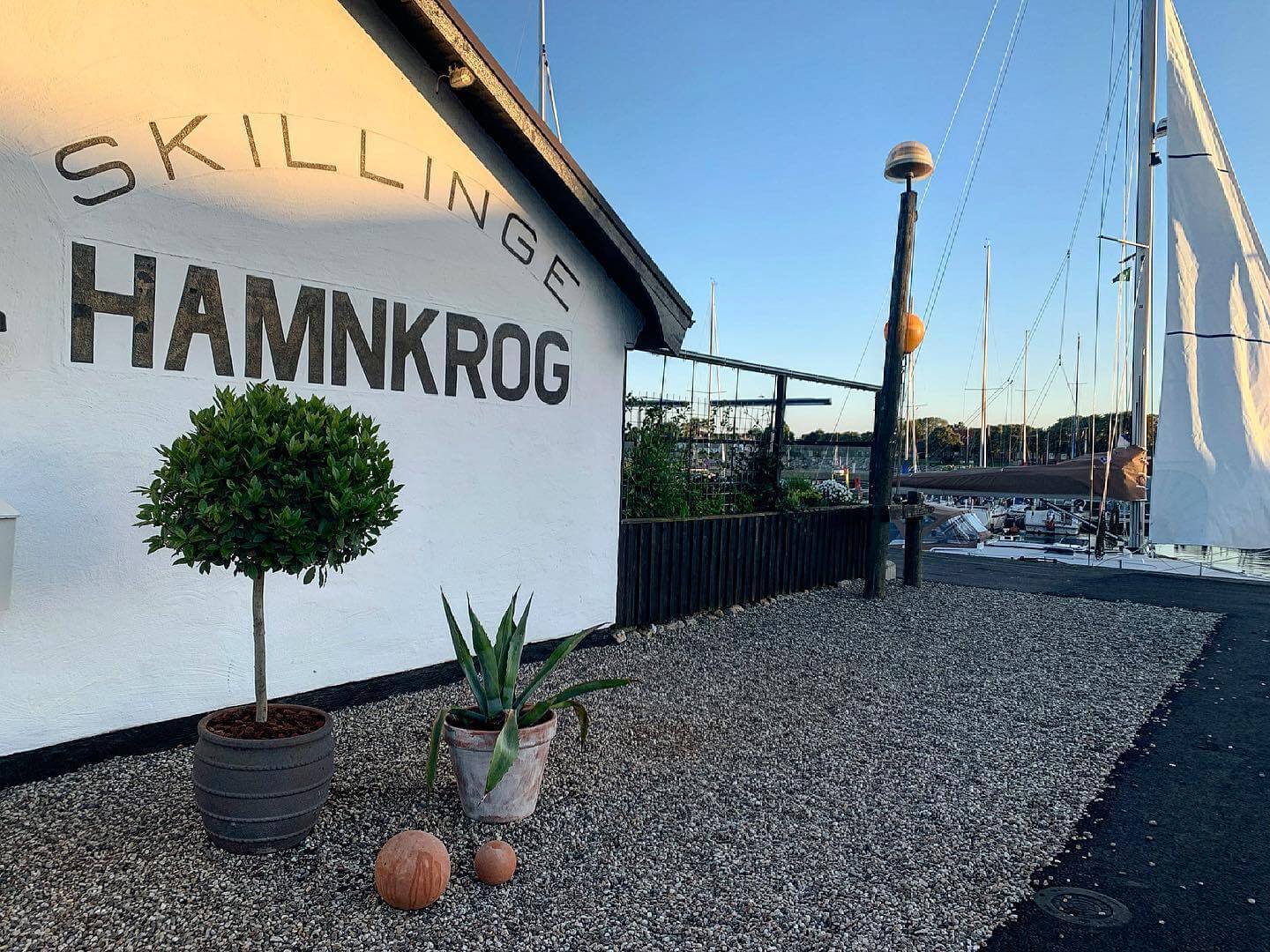
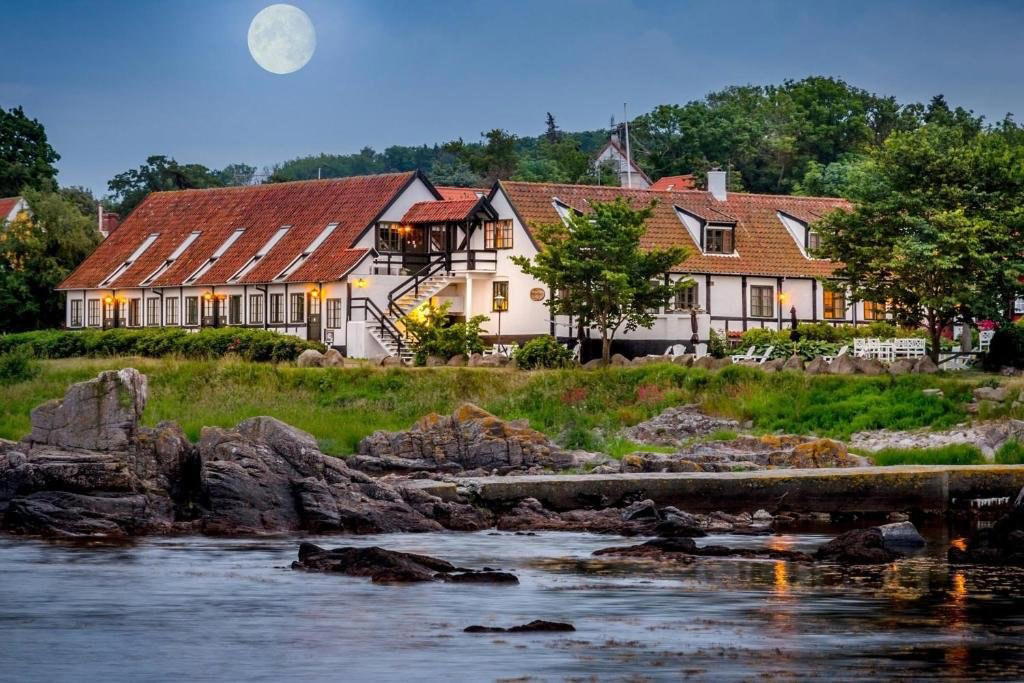
The address, Östersjögatan 94, places the restaurant on the Baltic-facing side of the village, close enough to the harbour that the line between what arrives by boat and what arrives on the table is shorter than almost anywhere else in the Swedish south. In coastal Skåne, that proximity is not incidental — it is the operating logic of a certain kind of restaurant that takes the surrounding geography as its primary ingredient list.
The Wine Program as an Editorial Statement
Star Wine List's White Star designation, awarded to Bobergs på Hamngården in January 2022, is the clearest external signal of what the restaurant is trying to do. The White Star category on Star Wine List is reserved for wine programs that demonstrate genuine curation and selection depth — it is not a volume award. For a restaurant in a village the size of Brantevik, holding that designation places it in a peer group that includes urban Swedish restaurants with far greater resource advantages.
In southern Sweden, the restaurants that have built reputations around serious wine programs tend to cluster around Malmö and the larger Skåne towns. Vollmers in Malmö and VYN in Simrishamn, the latter geographically closest, roughly 30 kilometres along the coast, both operate in the New Nordic register with wine programs that match their ambition. Bobergs arriving in that conversation from a harbour village signals something about the direction of serious dining in provincial Skåne: that the sourcing advantages of rural proximity are increasingly matching the wine and cooking ambitions that used to require city infrastructure.
Ingredient Logic on the Österlen Peninsula
Österlen has a specific agricultural identity within Sweden. The peninsula produces grain, sugar beet, and a concentration of small-scale vegetable and fruit growers that supply some of Sweden's most ingredient-focused kitchens. The apple orchards and soft fruit farms that run inland from the coast have drawn national attention; the fishing boats operating out of harbours like Brantevik and nearby Skillinge continue to land Baltic catch in a region where industrial fishing and artisan fishing coexist at close quarters.
Restaurants that anchor their identity to this kind of sourcing geography, where the ingredient relationships are personal and logistically short, operate differently from urban kitchens that abstract their supply chains through distributors and wholesalers. The editorial argument for cooking in Brantevik, rather than an hour northwest in Malmö, is access: to producers who can deliver quantities too small for city restaurant volume, to catch that would lose condition on a longer journey, to a foraging range that is walkable rather than theoretical. That is the competitive advantage a harbour-adjacent restaurant on the Österlen coast can claim, and it is what makes White Star wine recognition meaningful here rather than merely surprising.
For comparison, the approach shares DNA with restaurants across provincial southern Sweden that have built reputations on place-specific sourcing: ÄNG in Tvååker, Knystaforsen in Rydöbruk, and Hotell Borgholm in Borgholm on Öland all demonstrate that the New Nordic sourcing ethic survives, and in some cases intensifies, outside major cities. The pattern across these restaurants is consistent: distance from urban supply chains forces a specificity that becomes the identity rather than a constraint.
How Bobergs Sits in the Broader Swedish Dining Picture
At the top of the Swedish dining register, the reference points remain urban: Frantzén in Stockholm at the highest price and recognition tier, Signum in Mölnlycke and 28+ in Gothenburg further west. JH Matbar in Ystad, roughly 25 kilometres west along the southern coast, offers the nearest geographic comparison for a restaurant operating at the quality-focused end of a small Skåne town. What separates Brantevik's position is the harbour setting and the agricultural density of the Österlen hinterland, which gives a restaurant anchored here a more specific sense of place than a market town allows.
For broader context across the Swedish south and west, PM & Vänner in Växjö and Fyr in Halmstad demonstrate how regional Swedish restaurants have built recognition outside the Michelin-dense urban centres. The trajectory in each case has been similar: local sourcing credibility first, wine program development as a secondary marker of seriousness, and a visitor base drawn from a combination of summer tourism and destination-dining travel.
Planning a Visit
Brantevik is accessible from Malmö by road in under an hour and a half, making it a viable lunch or dinner destination for travellers already in southern Skåne. The village has no hotel infrastructure of its own at scale, the Brantevik hotels guide covers the nearby accommodation options, and the practical approach for most visitors is to base in Simrishamn or Malmö and drive in. Summer is the primary season for coastal Skåne tourism, and restaurant availability in a village this size will reflect that pattern; visiting outside July and August tends to mean a less compressed booking window, though hours and seasonal operation should be confirmed directly with the restaurant. Given the limited data publicly available on phone and website, checking current booking status through local channels or the restaurant's own social presence is advisable before making the drive.
For those building a wider itinerary around the Österlen area, the Brantevik restaurants guide, bars guide, wineries guide, and experiences guide map the fuller picture of what the village and its immediate surroundings offer.
Frequently asked questions
Does Bobergs på Hamngården work for a family meal?
Brantevik is a small fishing village rather than a high-volume dining town, which typically means a relaxed, unhurried pace suited to groups eating together. That said, Bobergs holds a Star Wine List White Star designation, signalling a serious wine program that positions it closer to a considered lunch or dinner occasion than a casual drop-in. check the venue's official channels at Östersjögatan 94 to confirm suitability for children or larger family groups before planning the trip.
Is Bobergs på Hamngården formal or casual?
The Star Wine List White Star recognition places Bobergs in a category where the wine list is treated as a editorial and curatorial priority, which usually correlates with a thoughtful dining room rather than a pub setting. Brantevik's character as a small Österlen fishing village tilts the overall atmosphere toward the informal end of that spectrum.
What awards or recognition does Bobergs på Hamngården have?
Bobergs på Hamngården has received recognition including: Bobergs på Hamngården is a restaurant in Brantevik, Sweden. It was published on Star Wine List on January 21, 2022 and is a White Star..
What's the best thing to order at Bobergs på Hamngården?
Österlen's agricultural profile — grain, sugar beet, and concentrated small-scale produce growers — tends to supply restaurants in the area with locally sourced ingredients worth exploring. For current menu specifics, contact the restaurant at Östersjögatan 94, Brantevik.
Fast Comparison
Comparable venues nearby, for context on price, style, and recognition.
| Venue | Cuisine | Price | Awards | Notes |
|---|---|---|---|---|
| Bobergs på HamngårdenThis venue — the venue you are viewing | Modern Swedish Seaside | Not listed | Star Wine List · White Guide Sweden Restaurants - Very Fine Level | Not listed |
| Brasseriet Helsingborg | Seafood Brasserie | Not listed | Not listed | Oceanhamnen |
| På Skissernas | Modern Scandinavian Fine Dining | $50–100 | Star Wine List · White Guide Sweden Restaurants - Very Fine Level | Lund |
| Karl-Mikael | Modern Nordic Fine Dining | $50–100 | Star Wine List | city center |
| Restaurang Sand | Swedish European | Not listed | Star Wine List | Båstad |
| Skivarps Gästgivaregård | Traditional Swedish | Not listed | Star Wine List | Skivarp |
Recognition history
Dated appearances from independent guides and award organizations, with the underlying list record or original source where available.
Star Wine List
Star Wine List
White Guide Sweden Restaurants - Very Fine Level
White Guide
Continue exploring
More in Brantevik
Restaurants in Brantevik
Browse all →
Hotels in Brantevik
Browse all →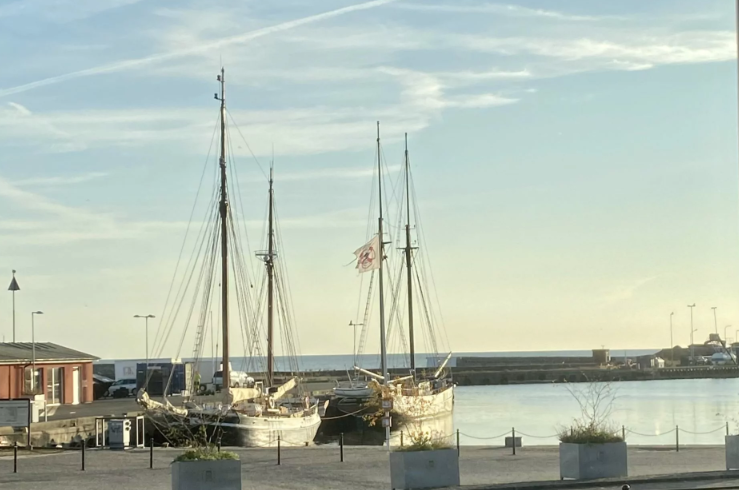
Wineries in Brantevik
Browse all →
Details
- Cozy
- Scenic
- Quiet
- Rustic
- Intimate
- Date Night
- Special Occasion
- Waterfront
- Terrace
- Historic Building
- Extensive Wine List
- Local Sourcing
- Waterfront
- A La Carte
- Tasting Menu
- Vegetarian Friendly
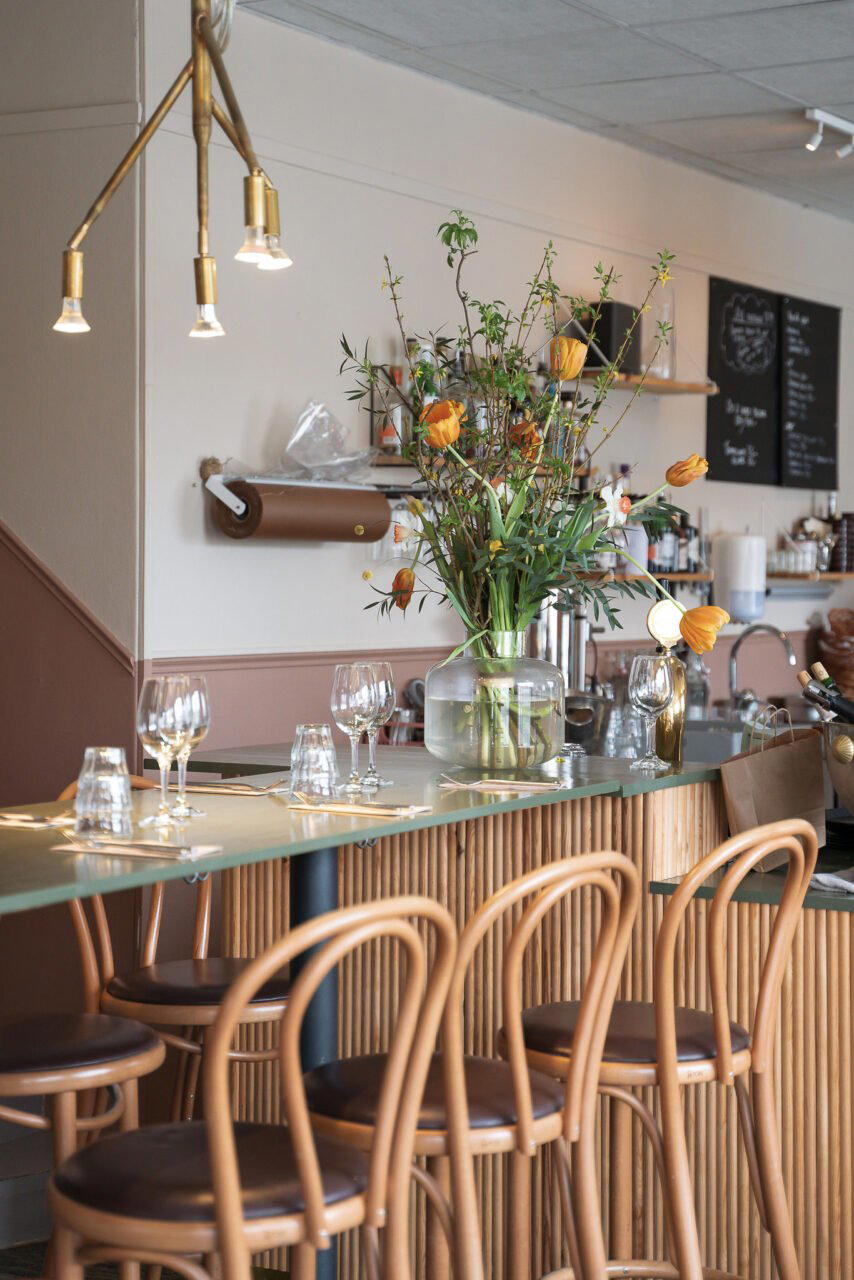
Cozy and quiet atmosphere with airy restaurant, beautiful glass windows overlooking the Baltic Sea, and terrace seating.