The Gothenburg archipelago, anchored off the Swedish west coast, represents one of Scandinavia's most compelling cases for ingredient-led dining at the source. Styrsö and its surrounding islands sit at the centre of a cold-water foraging and fishing tradition that has shaped the regional kitchen for generations. For visitors willing to take the ferry, the reward is a dining scene defined by proximity rather than prestige.
Pearl is the En Primeur Club membership app — saves, bookings, and concierge access live there. Same editors, same standards.
- Address
- Gothenburg, Sweden
- Directions
- Get directions
 Saves & bookings on Pearl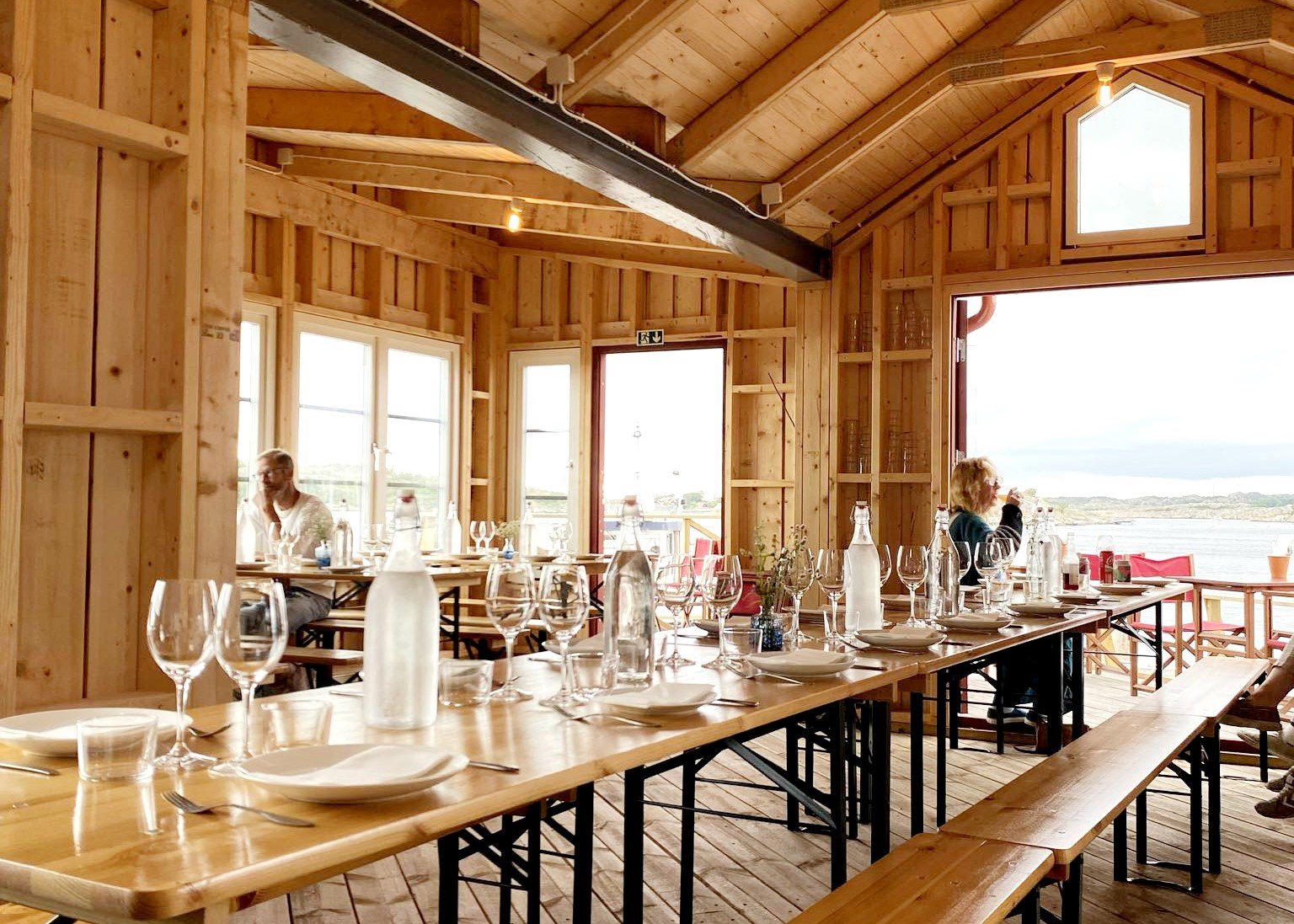
Where the Kitchen Begins at the Waterline
Arrive by ferry from Saltholmen and the shift is immediate. The Gothenburg archipelago's roughly 20 inhabited islands sit close enough to the city to feel accessible, yet the crossing establishes a clear separation from the mainland restaurant circuit. The light is different out here, flatter and more diffuse off the water, and the pace of the working harbour at Styrsö is a reliable indicator of what ends up on the plate. This is the kind of place where proximity to ingredients is not a marketing angle but a structural fact of life.
Sweden's west coast has long supplied the country's most prized seafood. The cold, nutrient-rich waters of the Kattegat and the Skagerrak produce prawns, crab, oysters, and fish that routinely travel to the kitchens of Gothenburg and Stockholm before appearing on tasting menus at a significant remove from their origin. Dining in the archipelago itself inverts that logic entirely. The supply chain compresses to a matter of hours, sometimes less.
The Sourcing Argument the West Coast Makes
Among Sweden's fine-dining tier, the conversation around provenance has intensified over the past decade. Restaurants like Frantzén in Stockholm and VYN in Simrishamn have built internationally recognised programs around sourcing discipline, with suppliers named, seasons followed, and menus adjusted accordingly. Vollmers in Malmö takes a similarly rigorous approach to Swedish produce within the New Nordic framework. What the Gothenburg archipelago offers is something those city addresses cannot replicate: the ingredients are not shipped to the restaurant; the restaurant is, in effect, already at the source.
This matters specifically for shellfish. West coast prawns, known in Sweden as räkor, are a category reference point. When eaten within the archipelago itself, the difference in texture and salinity compared to the same species consumed in a landlocked setting is not subtle. The same applies to crab landed locally in season, and to the various flatfish that form the backbone of the traditional west coast kitchen. Sourcing integrity here is less about certification and more about geography.
The broader Swedish dining tradition the archipelago belongs to has parallels in places like ÄNG in Tvååker and Knystaforsen in Rydöbruk, both of which anchor their identity to specific rural Swedish landscapes and the produce those landscapes generate. The archipelago kitchen operates by the same principle, with the added compression of an island setting that makes sourcing diversity limited by design rather than oversight.
Archipelago Dining in Context
The Gothenburg dining scene on the mainland has developed considerably over the past decade, with venues like Hoze in Gothenburg contributing to a more international-facing restaurant culture in the city proper. The archipelago operates at a different register. The islands are not a destination for experimental technique or international reference points. The tradition here is older and more defined by what the sea produces in a given week than by any particular kitchen philosophy.
Across the wider Swedish west and south coast, comparison points include Signum in Mölnlycke, PM & Vänner in Växjö, and Bistro Jarlen in Halmstad, all of which occupy the quality-focused regional Swedish tier without the international profile of the Stockholm or Malmö fine-dining addresses. The archipelago sits in a related but distinct category: less defined by any single venue than by the aggregate character of eating close to the water on islands that function primarily as fishing and residential communities, not tourist infrastructure.
For a counterpoint from further afield, the sourcing-at-origin model has international precedents. Le Bernardin in New York City built its reputation on fish sourcing rigour within an urban context; the archipelago achieves something structurally similar by eliminating the supply chain rather than perfecting it. Lazy Bear in San Francisco represents a different angle, where the dining experience is shaped by communal format and local producer relationships. Both comparisons are instructive: what the Gothenburg islands offer is one literal version of the sourcing argument, without the fine-dining apparatus those venues deploy around it.
On Styrsö Specifically
Styrsö is especially populated among the southern archipelago islands and the one with particularly developed services for visitors. Brännö Varv is among the established dining references in the immediate area and sits within the same ingredient context. Car-free and accessible by the Styrsöbolaget ferry line from Saltholmen, the island takes roughly 40 minutes to reach from central Gothenburg, making it a practical half-day or full-day excursion rather than a remote expedition.
Seasonality governs the experience more directly than in a city restaurant. The prawn season on the Swedish west coast runs from late spring through autumn, with the peak quality window generally in summer when daylight hours are longest and visitor numbers are highest. Planning around that window gives the visit its clearest purpose.
The experience also sits in the context of Swedish archipelago culture more broadly. These islands have functioned as summer retreats for Gothenburg families for generations, which means the infrastructure reflects long-term residents and regulars rather than tourist-facing services calibrated for first-time visitors. That has practical implications for booking and availability, particularly in July when the islands are at their most active.
How the Archipelago Compares to Other Regional Swedish Formats
The rise of hyper-local dining formats across Scandinavia produced some of its most discussed examples in remote or rural settings. Fäviken in Kall represented the extreme end of that movement before its closure, building an international reputation on extreme remoteness and near-total self-sufficiency. The Gothenburg archipelago occupies a different point on that spectrum: accessible rather than remote, community-embedded rather than destination-only, and defined by a fishing tradition with commercial depth rather than a single kitchen's vision.
Other Swedish regional formats worth placing alongside it include Sydkustens at Pillehill in Skivarp, Claesgatan 8 in Malmo, and Ribersborgs open-air bath in Slottsstaden, each of which reflects a distinct aspect of southern Swedish food culture. The archipelago's west coast identity is a separate tradition from the Skåne agricultural focus of the south, with the sea rather than the farmland as the primary productive system. Kitchenette Ågatan 3 in Örebro offers further comparison for those tracing Sweden's quality-focused regional dining tier inland.
Planning the Visit
At-a-Glance Comparison
Comparable venues nearby, for context on price, style, and recognition.
| Venue | Cuisine | Price | Notes |
|---|---|---|---|
| Archipelago of GothenburgThis venue — the venue you are viewing | Swedish Archipelago Seafood | $$$ | Not listed |
| Brännö Varv | Scandinavian Seafood | $$ | Brännö Island, Styrso |
| Feskekörka | Nordic Seafood Market Hall | $$ | Pustervik |
| Fridas Restaurang | Scandinavian Seaside | $$ | Varberg |
| Sillen & Makrillen | Scandinavian Seafood | $$$ | Gröningen Norra |
| Norda | American-Scandinavian Fusion | $$$ | central Gothenburg |
At a Glance
- Scenic
- Cozy
- Casual Hangout
- Waterfront
- Local Sourcing
- Waterfront
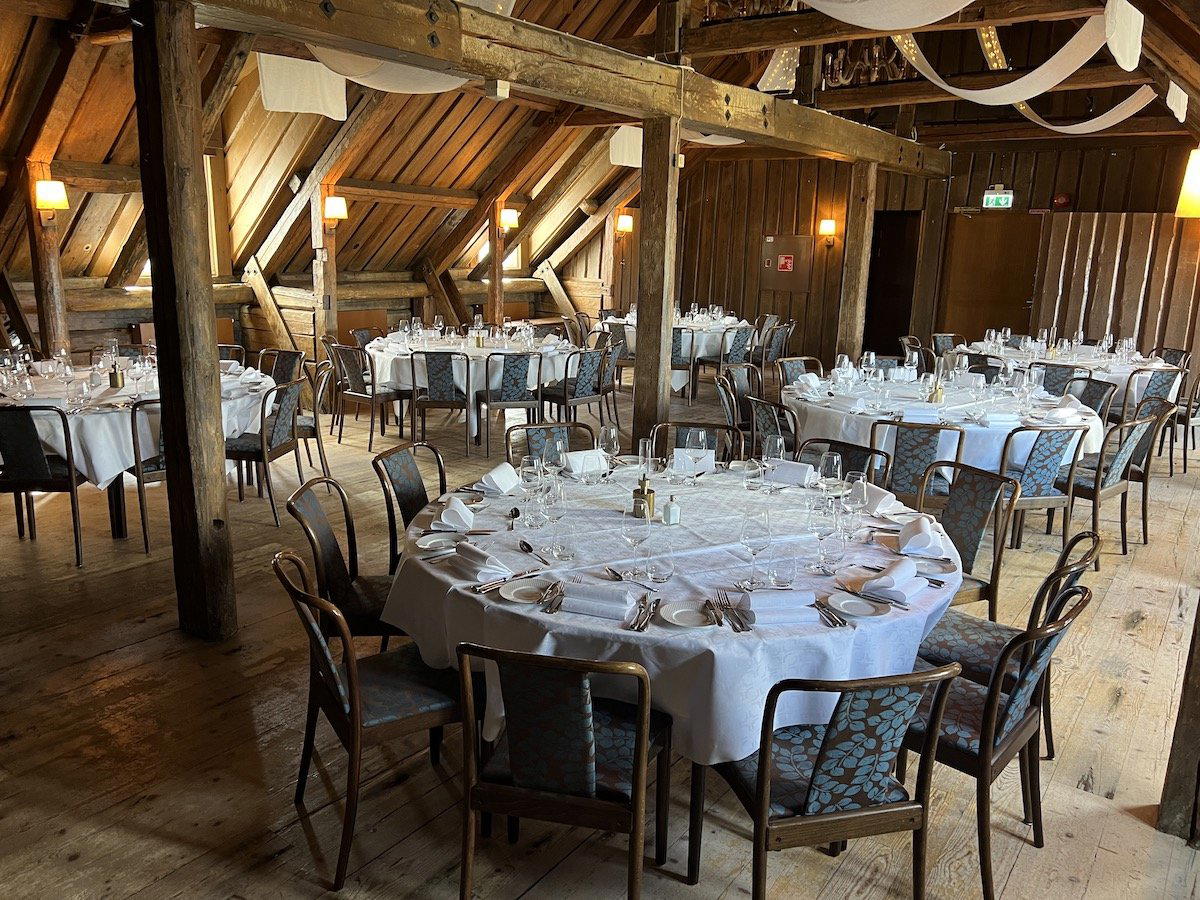
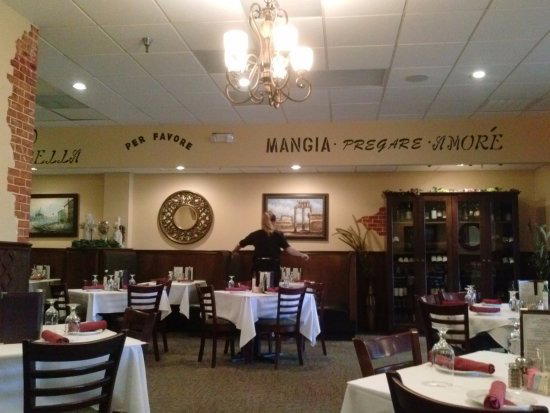
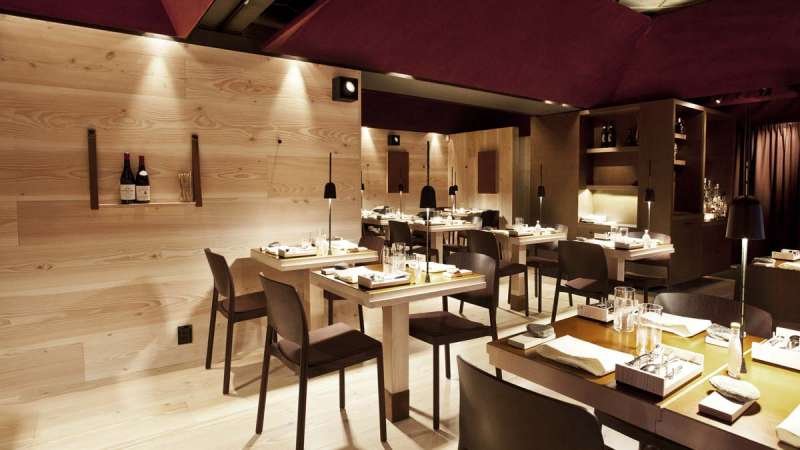
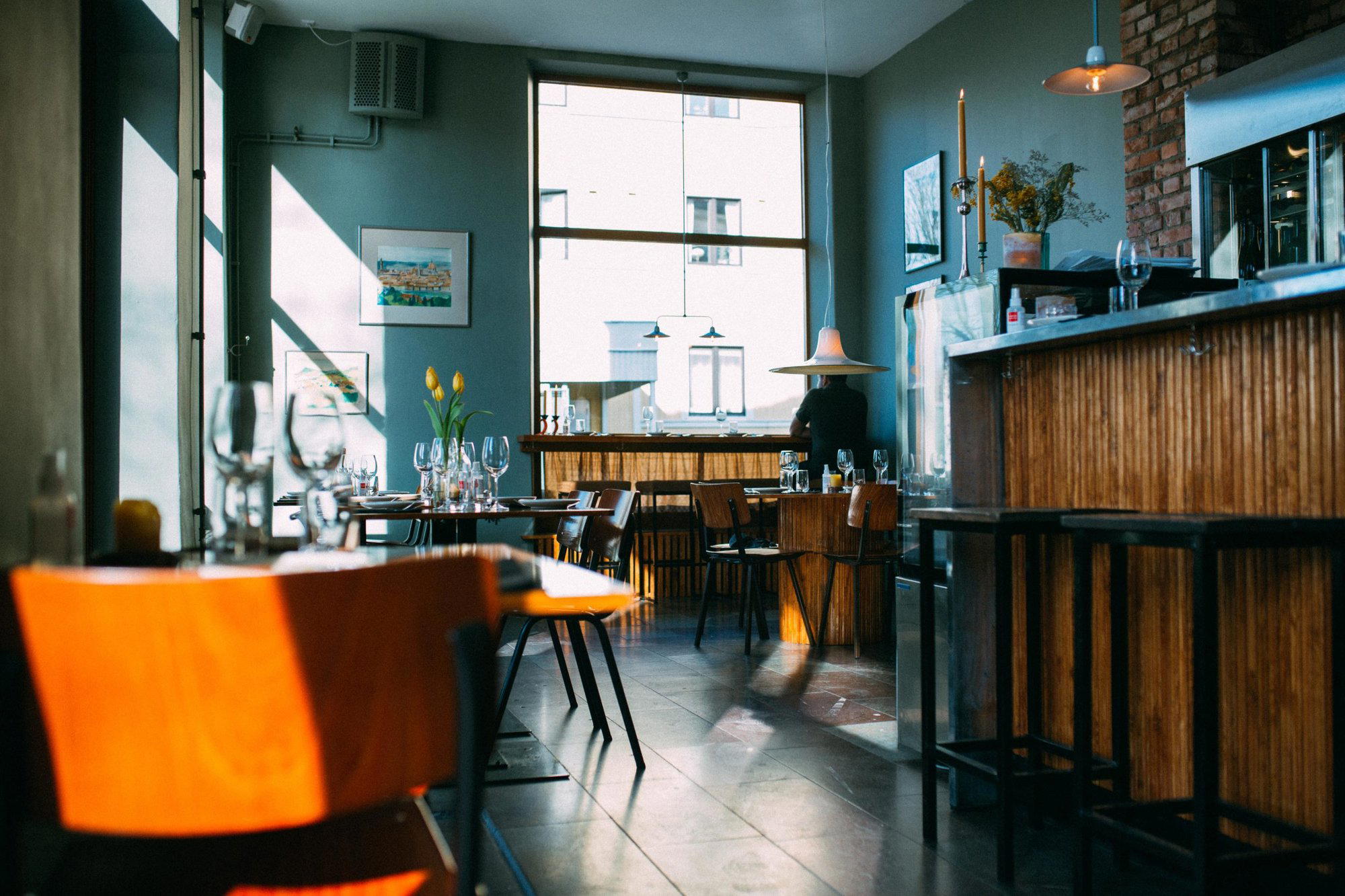
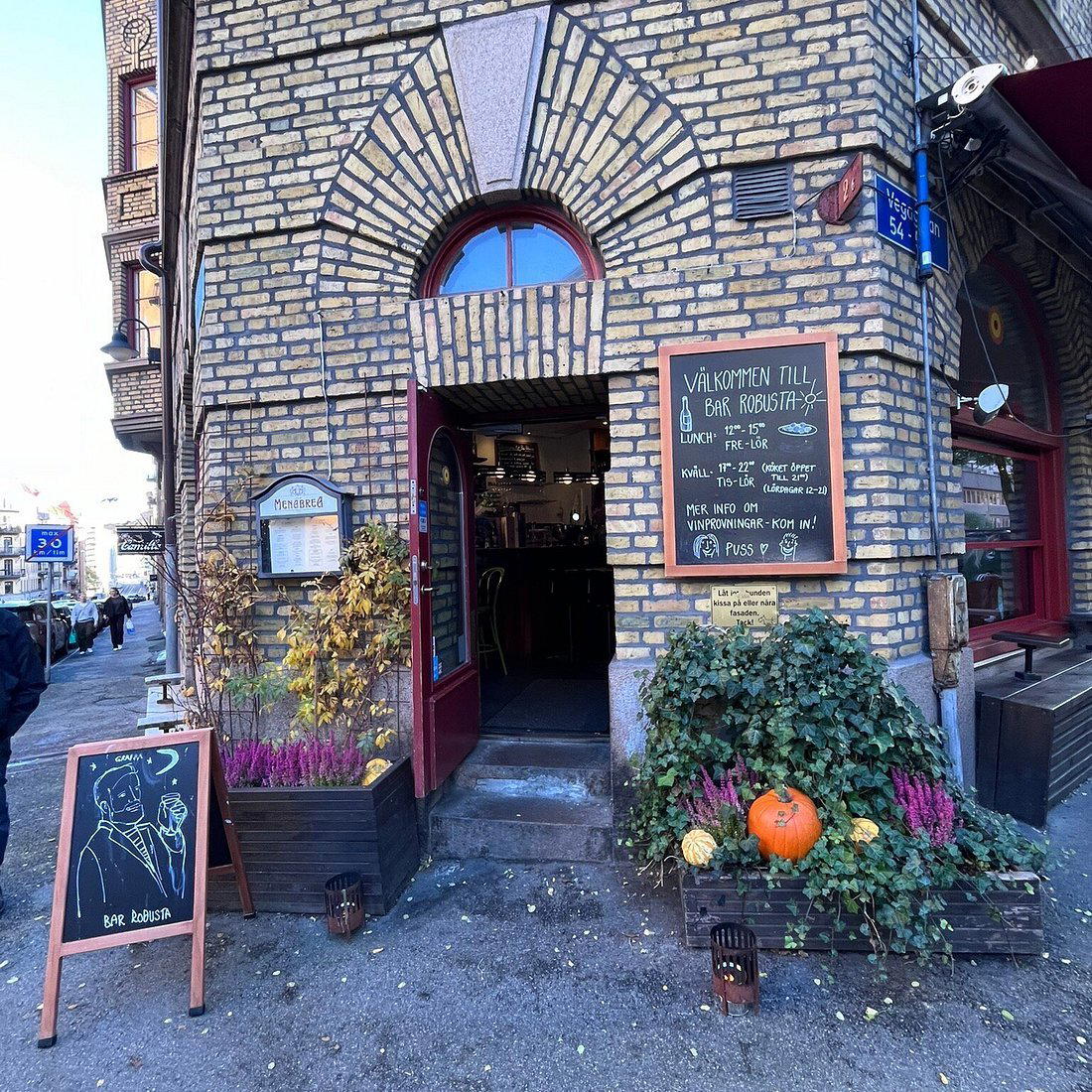
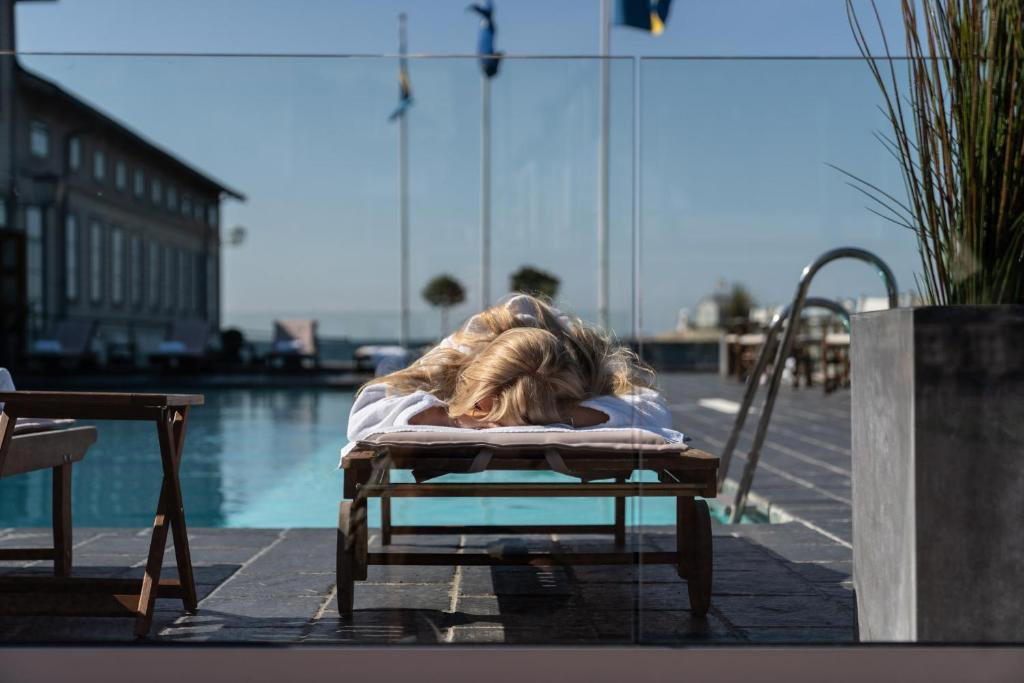
Picturesque seaside atmosphere with views of the archipelago, relaxed and scenic.