Ribersborgs open-air bath
Ribersborgs open-air bath sits on a wooden pier extending into the Øresund strait, a fixture of Malmö civic life since the late nineteenth century. The cold-water plunge culture that defines Scandinavian coastal living is on full display here, where sauna cabins and open sea bathing coexist year-round. It is the kind of place that tells you more about how a city actually lives than any restaurant or hotel could.
Pearl is the En Primeur Club membership app — saves, bookings, and concierge access live there. Same editors, same standards.
- Address
- Limhamnsvägen, Brygga 1, 217 59 Malmö, Sweden
- Phone
- +46 40 26 03 66
- Website
- ribersborgskallbadhus.se
- Directions
- Get directions
 Saves & bookings on Pearl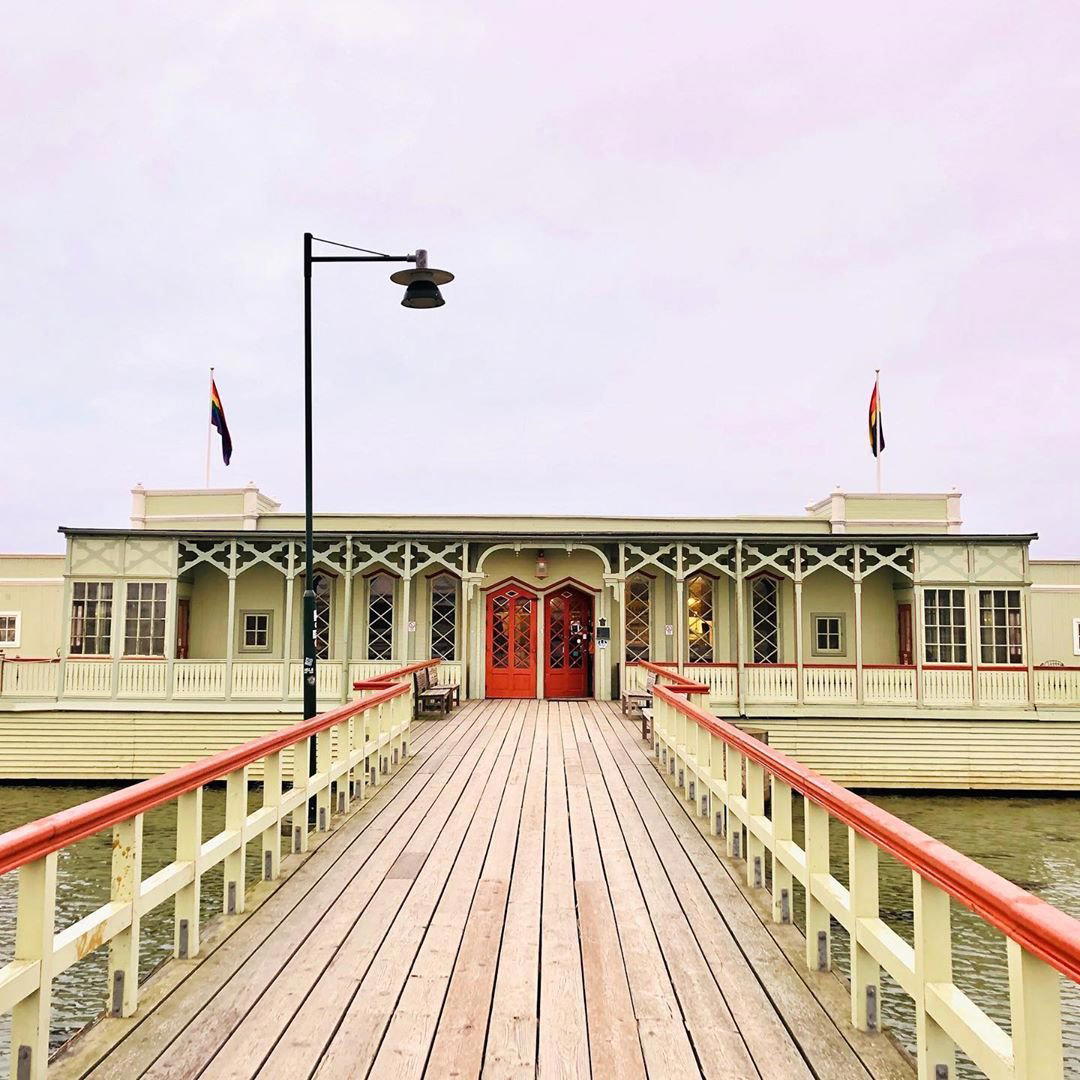
Where Malmö Meets the Water
Walk west along Ribersborgsstranden and the pier announces itself before you reach it: a long timber structure extending into the Øresund, with the flat Danish coastline visible across the water on clear days. This is the approach to Ribersborgs open-air bath, a public bathing facility that has been part of Malmö's relationship with the sea since the 1890s. It is not a spa, not a wellness resort, and not a curated experience in any commercial sense. It is a municipal institution that Swedes use the way others use a park, and that distinction matters enormously when you try to understand what it actually is.
The structure itself is a series of wooden pavilions and changing cabins arranged along the pier, with separate sections that have historically served different purposes. The sauna cabins face the water directly, so stepping from dry heat into the Øresund is a movement of seconds rather than minutes. In the coldest months, that temperature differential is extreme enough that the practice demands a particular kind of commitment. Locals who do it regularly treat it as unremarkable. For visitors, it reframes what cold water can feel like when it is part of a daily rhythm rather than an occasional challenge.
The Nordic Cold-Water Tradition in Practice
Cold-water bathing culture in Scandinavia predates wellness branding by several centuries. The sauna-and-plunge sequence that visitors encounter at Ribersborgs has its roots in a functional relationship with cold northern climates, where heat-and-cold contrast was as practical as it was restorative. What makes coastal facilities like this one different from the inland sauna tradition is the specific element of open seawater: the Øresund is tidal, variable in temperature by season, and entirely unmediated. There is no heated pool standing in as a compromise.
Sweden's broader bathing culture sits somewhere between the Finnish sauna tradition, which is more private and ritual-heavy, and the Danish habit of year-round harbour swimming that has transformed Copenhagen's waterfront over the past two decades. Ribersborgs occupies its own point on that spectrum: a long-established public facility that never needed rebranding because it never stopped being used. Contrast this with the wave of newly opened urban bathing venues across Stockholm and Gothenburg, which have had to construct social permission from scratch. Ribersborgs simply continued.
For context on what premium Nordic experiences look like when they move indoors, venues like VYN in Simrishamn and Vollmers in Malmö represent the fine-dining end of the regional conversation, where Scanian ingredients and coastal provenance are treated with the precision of a tasting menu kitchen. The relationship those restaurants have with local waters and produce runs parallel, in a different register, to what Ribersborgs represents physically: a direct, unprocessed encounter with the same geography.
The Water as the Ingredient
Framing an open-air bath through the lens of ingredient sourcing might seem counterintuitive, but the logic holds. The Øresund strait is the ingredient here: brackish, cold, and seasonally variable in ways that shape the entire experience. In summer, surface temperatures in the strait reach the mid-teens Celsius, making the water swimmable in the conventional sense. By January, temperatures drop toward four or five degrees, at which point the cold-plunge element becomes the defining feature rather than the swim itself.
This seasonal variability is the kind of specificity that matters when choosing when to visit. A July afternoon at Ribersborgs is a Malmö summer ritual, social and sun-oriented. A February morning is something closer to a test of physiological resolve. Neither version is more authentic than the other, but they are genuinely different experiences, and the pier's character shifts accordingly. The wooden structure itself, weathered and functional, looks different under the low grey light of a Scanian winter than under the long Nordic summer evening.
The broader Scanian food and drink culture that surrounds Malmö draws heavily on the same coastal and agricultural geography. Venues like Sydkustens at Pillehill in Skivarp and Claesgatan 8 in Malmo work with producers and fisheries whose outputs come from the same southern Swedish coastal zone that Ribersborgs physically sits within. The region has a coherent culinary and environmental identity, and the bathing pier is one of its most unmediated expressions.
Malmö's Western Coastline and Where Ribersborgs Fits
Ribersborgs is located in the Slottsstaden district, west of the old town, along a stretch of coastline that includes Malmö's main urban beach. The area is accessible by bicycle from the city centre in under fifteen minutes, and it draws a cross-section of the city that few other venues can claim: families, competitive swimmers, sauna regulars, and visitors who have read about Swedish bathing culture and want to see it without any commercial intermediary.
That accessibility is part of what makes it worth including in any serious account of the city. Malmö's fine-dining scene, represented at the high end by venues covered in our full Slottsstaden restaurants guide, operates on reservation systems and price points that filter the audience. The pier does not. It functions as a kind of democratic counterpoint to the curated dining and hotel experiences that tend to dominate premium travel coverage of the city.
For visitors building a broader picture of the Swedish south, the surrounding region's dining offer extends from Malmö outward to places like Bistro Jarlen in Halmstad and ÄNG in Tvååker, while the national conversation around Nordic cooking includes reference points as far north as Fäviken in Kall and as technically precise as Frantzén in Stockholm. Ribersborgs sits at the other end of that axis: no brigade, no tasting menu, no reservation. Just a pier, the Øresund, and a sauna that has been running since the nineteenth century.
Planning Your Visit
Ribersborgs open-air bath is located at Limhamnsvägen, Brygga 1, in the Slottsstaden area of Malmö. The site is publicly accessible and functions as a municipal facility, meaning it operates on a different model than commercial wellness venues. Visitors arriving from central Malmö will find the pier reachable on foot or by bicycle along the coastal path. Seasonal hours and any applicable entry fees should be confirmed directly with the facility before visiting, as these details vary and are not fixed in any source available at time of writing. The sauna sections and gender-separated areas follow traditional Swedish bathing facility conventions, so first-time visitors should check current configurations on arrival.
Continue exploring
More in Slottsstaden
Restaurants in Slottsstaden
Browse all →
Bars in Slottsstaden
Browse all →
Hotels in Slottsstaden
Browse all →

At a Glance
- Scenic
- Historic
- Relaxed
- Casual Hangout
- Waterfront
- Terrace
- Waterfront
Current opening hours
- Monday
- 9 AM–9 PM
- Tuesday
- 9 AM–9 PM
- Wednesday
- 9 AM–9 PM
- Thursday
- 9 AM–9 PM
- Friday
- 9 AM–9 PM
- Saturday
- 9 AM–6 PM
- Sunday
- 9 AM–6 PM
Hours can change for holidays and private events. Last verified .
Relaxed wellness atmosphere with sea views, cozy café spaces, and outdoor patios.
Know Before You Go
- Getting there
- Limhamnsvägen, Brygga 1, 217 59 Malmö, Sweden