Buddha Bodai Vegetarian Restaurant
On Mott Street in the heart of Manhattan's Chinatown, Buddha Bodai has been serving kosher Chinese vegetarian food to a neighborhood that doesn't make a fuss about it. The menu draws on a long tradition of Buddhist temple cooking, using mock-meat preparations and tofu-based dishes that have little in common with the plant-based tasting menus commanding attention elsewhere in the city.
Pearl is the En Primeur Club membership app — saves, bookings, and concierge access live there. Same editors, same standards.
- Address
- 5 Mott St, New York, NY 10013
- Phone
- +12125668388
- Website
- buddha-bodai.com
- Directions
- Get directions
 Saves & bookings on Pearl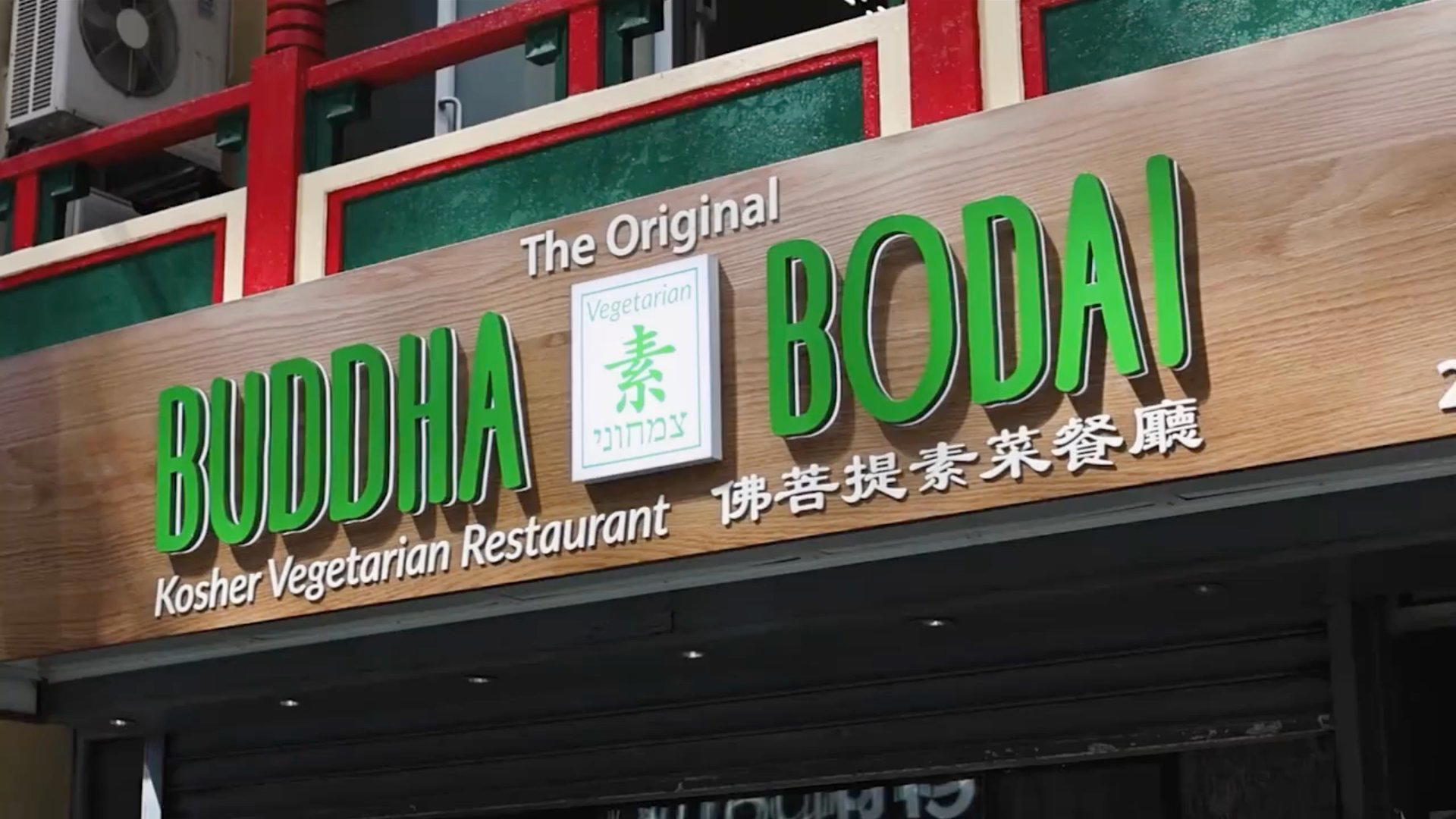
Mott Street and the Logic of Chinatown Vegetarian Cooking
Manhattan's Chinatown doesn't observe the same hierarchies as the rest of the city's restaurant scene. On a block like Mott Street, longevity and neighborhood utility carry more weight than press cycles or reservation scarcity. Buddha Bodai sits at 5 Mott St inside that logic: a Chinese vegetarian restaurant with kosher certification, occupying a position in the neighborhood that has little to do with the plant-based dining conversation happening uptown or in the West Village.
That contrast matters for understanding what the restaurant actually is. When Eleven Madison Park pivoted to a fully vegan menu in 2021, it generated enormous coverage because the format was applied to a $$$$ tasting room with French technique and white-tablecloth infrastructure. Buddha Bodai has been doing vegetarian Chinese food in Chinatown for decades without any of that fanfare — not because the cooking is less serious, but because it operates in a different register entirely, one rooted in Buddhist dietary tradition rather than fine-dining reinvention.
The Tradition Behind the Menu
Chinese Buddhist vegetarian cooking has a documented history stretching back centuries, developed inside monastery kitchens where meat abstention was a religious requirement, not a lifestyle choice. The culinary ingenuity that tradition produced — mock duck fashioned from layered gluten, tofu preparations that replicate the texture of braised pork, predates the modern plant-based movement by generations. Buddha Bodai's menu sits within that lineage, where the technical goal is familiarity through substitution rather than the ingredient-forward minimalism that defines, say, Blue Hill at Stone Barns or SingleThread Farm in Healdsburg.
The result is a menu where dishes arrive labeled by what they approximate, scallops, shrimp, roast pork, assembled from wheat gluten, tofu skin, and mushroom in combinations that prioritize flavor and texture over transparency about the base ingredient. For diners accustomed to the ingredient-list clarity of contemporary plant-based restaurants, this can require a minor recalibration. For anyone familiar with Chinatown's Buddhist vegetarian tradition, it reads immediately.
The kosher certification adds a layer of institutional specificity: the restaurant maintains certification that observant Jewish diners, alongside Buddhist practitioners and vegetarians, have historically used as a navigation point in a neighborhood not always easy to read on dietary grounds.
Chinatown as Context
Mott Street address places Buddha Bodai inside one of New York's densest and oldest immigrant commercial corridors. Chinatown doesn't function like the neighborhoods where most of New York's media-covered restaurant openings cluster. There's no ambient hype infrastructure, no PR-managed reservation drops, no residency tie-ins. Restaurants here earn their tenure by serving the neighborhood at accessible price points with consistent output.
It's also a different frame than the one useful for Per Se or Masa, where the experience is as much about ceremony and setting as the food itself. Buddha Bodai belongs to a category where the measure is reliability and cultural fidelity at a neighborhood scale.
The surrounding blocks reinforce what kind of meal to expect: this is a working Chinatown address, not a destination dining corridor. Foot traffic is local as much as tourist. The restaurant's continued presence on Mott Street is itself an indicator of neighborhood standing that no award cycle validates but that longtime visitors to the area recognize.
What to Know Before You Go
Visitors to Chinatown generally find street access easier than parking, and the Canal Street subway station puts the Mott Street block within a few minutes' walk. Because no booking data is available through EP Club's database, checking current hours and reservation options directly with the restaurant before visiting is advisable, particularly around Chinese public holidays when Chinatown as a whole sees significant foot traffic increases and some restaurants adjust their schedules accordingly.
The menu's structure follows a traditional Chinese restaurant format: shareable plates, soups, and rice or noodle bases, rather than the tasting progression used by places like Smyth in Chicago or Lazy Bear in San Francisco. Groups eating family-style will get the most range out of the menu, ordering across the mock-meat preparations and vegetable dishes simultaneously. Solo diners or pairs will likely want to pick a focal preparation and add one or two supporting dishes rather than attempting full coverage.
Pricing sits well below the tasting-menu tier that defines much of EP Club's New York coverage. Buddha Bodai operates at a neighborhood Chinese restaurant price point, which means the financial commitment is low relative to almost any other option in the city's premium or mid-market dining categories. For context, a full table order here costs a fraction of a single course at The French Laundry or Addison.
For a fuller picture of where this fits into New York's broader restaurant geography, see our full New York City restaurants guide, which covers the range from Chinatown institutions to the tasting-menu tier represented by venues like Providence in Los Angeles's equivalent bracket, and international reference points including Atelier Moessmer Norbert Niederkofler in Brunico and Dal Pescatore in Runate.
How Buddha Bodai Vegetarian Restaurant compares with similar nearby venues.
| Venue | Cuisine | Price |
|---|---|---|
| Mei Lai Wah | Chinese Bakery | Not listed |
| Cha Kee | Asian | $$ |
Continue exploring
More in New York City
Restaurants in New York City
Browse all →
Bars in New York City
Browse all →
Hotels in New York City
Browse all →






At a Glance
- Cozy
- Classic
- Family
- Casual Hangout
- Standalone
Current opening hours
- Monday
- 11 AM–9:30 PM
- Tuesday
- 11 AM–9:30 PM
- Wednesday
- 11 AM–9:30 PM
- Thursday
- 11 AM–9:30 PM
- Friday
- 11 AM–9:30 PM
- Saturday
- 10 AM–9:30 PM
- Sunday
- 10 AM–9:30 PM
Hours can change for holidays and private events. Last verified .
Clean and nice dining room with a welcoming, casual Chinatown atmosphere suitable for families and varied groups.
Know Before You Go
- Getting there
- 5 Mott St, New York, NY 10013