Szechuan Opera
Szechuan Opera operates out of a ground-floor unit on Prince Street in Flushing, Queens, positioning itself within one of North America's most concentrated Chinese dining corridors. Where Manhattan's high-end Chinese restaurants trend toward fusion formats, Flushing's scene rewards specificity, and Szechuan Opera draws on the theatrical, chile-forward tradition of Sichuan cooking to carve its own lane.
Pearl is the En Primeur Club membership app — saves, bookings, and concierge access live there. Same editors, same standards.
- Address
- 39-16 Prince St g01, Flushing, NY 11354
- Phone
- +13475886999
- Website
- opentable.com
- Directions
- Get directions
 Saves & bookings on Pearl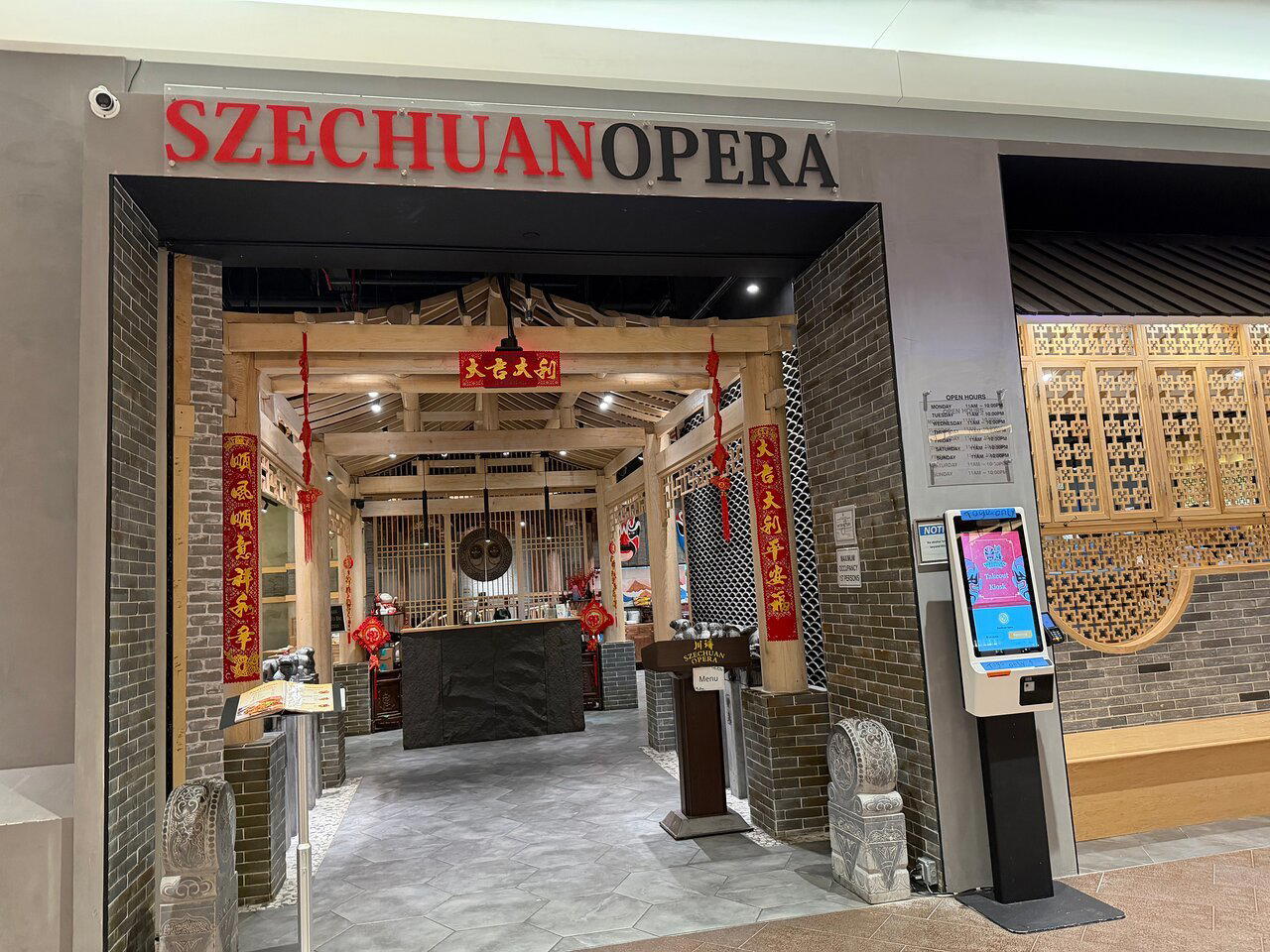
Flushing's Szechuan Tradition and Where Szechuan Opera Fits
Flushing, Queens, functions as a different gravitational center from Manhattan's Chinese restaurant circuit. The dining corridor running through Prince Street and its surrounding blocks has developed one of the densest concentrations of regional Chinese cooking in the United States, and within that context, Sichuan cuisine occupies a position of particular depth. The cuisine's defining logic, the interplay of málà (numbing heat from Sichuan peppercorn alongside dried chile heat) with fermented, preserved, and braised elements, demands both ingredient access and technical commitment. Flushing's supply infrastructure supports that in ways that midtown Manhattan does not.
Szechuan Opera sits at 39-16 Prince Street, ground floor, within this broader Flushing dining cluster. The venue's name signals something deliberate: Sichuan opera (川剧, chuānjù) is a performance tradition from Chengdu and the surrounding Sichuan Basin, historically associated with teahouses where food and entertainment were inseparable. Invoking that tradition frames the dining experience within a cultural register that extends well beyond the plate.
What the Booking Situation Actually Looks Like
Planning a visit to Szechuan Opera requires approaching it the way you would approach any serious Flushing destination: with flexibility, patience, and an understanding of how this neighborhood's dining ecosystem operates. Unlike the tasting-menu tiers at, say, Masa or Per Se, where a reservation system and price point function as the primary filters for access, Flushing's mid-tier Sichuan houses typically operate on a walk-in or same-day basis, with phone reservations accepted for larger groups.
The venue is open daily from 11:30 AM to 12 AM, and reservations are recommended. Flushing's dining rush on Friday and Saturday nights is genuine, the neighborhood pulls from across Queens, Brooklyn, and the outer boroughs, and the-known spots in any given building can see waits that stretch past an hour. Arriving before 6 p.m. on a weekday is consistently the lower-friction path.
This is a meaningful contrast to the uptown or downtown Manhattan venues that dominate most fine-dining conversations: Le Bernardin, Atomix, and Jungsik New York all operate in a different booking and access register from what Flushing's ground-floor corridor offers.
The Sichuan Format and What It Demands of the Diner
Sichuan cuisine is among the more technically and ingredient-dependent of China's eight major culinary traditions. The málà profile, achieved through Sichuan peppercorns (花椒, huājiāo), broad-bean chili paste (doubanjiang), and dried chiles, varies considerably by sourcing and preparation. A kitchen using well-sourced Hanyuan peppercorns will produce a noticeably different numbing sensation from one working with commodity-grade product. The difference is not subtle, and it is part of what separates the serious Sichuan kitchens in Flushing from the broader Americanized versions found elsewhere in the city.
The canonical dishes of this tradition, mapo tofu, dan dan noodles, twice-cooked pork, fish-fragrant eggplant, each require a specific balance of fermented, spiced, and fatty elements. Ordering strategy matters. In a full Sichuan meal, the table should read across texture and heat levels rather than ordering redundantly in the braised-spicy register, which can flatten the experience. A mix of cold appetizers (liangcai), a ma la centerpiece, and at least one non-spiced preparation allows the kitchen's range to show.
Flushing's Sichuan circuit includes several venues with longer track records and higher name recognition nationally. The restaurant name, with its Chengdu cultural reference, positions the venue in a tradition where the full performance, service context, physical setting, the theatrical dimension of the food itself, is part of the proposition. Whether that framing is fully realized in the dining room is a question that requires a visit rather than a database entry to answer properly.
Where Szechuan Opera Sits in the Broader New York Scene
New York's Chinese restaurant conversation has historically been dominated by Cantonese cooking in Manhattan Chinatown, with Flushing functioning as the city's more comprehensive regional Chinese hub. Sichuan specifically arrived in New York in a more visible way during the 2000s and 2010s, with restaurants across Manhattan and outer boroughs introducing the málà profile to a broader audience. By the mid-2010s, Flushing had consolidated the more serious end of that tradition, with kitchens working closer to Chengdu and Chongqing reference points.
In that context, a Prince Street venue positioning itself through the Sichuan opera cultural frame is making a claim about register: this is not a broad regional-Chinese menu with Sichuan dishes as one section, but a kitchen with a specific cultural and geographic focus. That kind of specificity is increasingly how the leading Flushing destinations distinguish themselves, in the same way that the tasting-menu specialists in Manhattan, whether at Atomix with its Korean fine-dining format or at institutions like Blue Hill at Stone Barns an hour north, differentiate through a narrow, committed lens rather than broad coverage.
What that means in practice is that the venue operates without the reservation-pressure mechanisms that govern access at, say, Per Se or Le Bernardin, but also without the validation signals that help a first-time visitor calibrate expectations before booking.
For context on how other serious regional American restaurants handle their specific culinary commitments, the approaches at Alinea in Chicago, Providence in Los Angeles, and The French Laundry in Napa illustrate how format clarity and cultural positioning can build long-term recognition. The Sichuan opera framing at this Flushing address suggests similar ambition, even at a different price point and scale.
Planning Your Visit
Reservations are recommended. The address is 39-16 Prince St g01, Flushing, NY 11354. Dress is casual.
The Minimal Set
Comparable venues nearby, for context on price, style, and recognition.
| Venue | Cuisine | Price | Notes |
|---|---|---|---|
| Szechuan OperaThis venue — the venue you are viewing | Not listed | $$ | Not listed |
| Cha Dimsum & Chinese Cuisine | Not listed | $$ | Upper East Side-Lenox Hill-Roosevelt Island, Dim Sum & Chinese Cuisine |
| Zen Vegetarian | Flatbush, Chinese Vegetarian | $$ | Not listed |
| Lilli and Loo | Not listed | $$ | Chelsea-Hudson Yards, Gluten-Free Chinese |
| Shanghai Zhen Gong Fu | Elmhurst, Shanghainese | $$ | Not listed |
| Pig Heaven | Not listed | $$ | Upper East Side-Carnegie Hill, Taiwanese-Style Chinese with Pork Specialties |
Continue exploring
More in New York City
Restaurants in New York City
Browse all →
Bars in New York City
Browse all →


Hotels in New York City
Browse all →





At a Glance
- Lively
- Trendy
- Group Dining
- Casual Hangout
- Open Kitchen
- Local Sourcing
Current opening hours
- Monday
- 11:30 AM–12 AM
- Tuesday
- 11:30 AM–12 AM
- Wednesday
- 11:30 AM–12 AM
- Thursday
- 11:30 AM–12 AM
- Friday
- 11:30 AM–12 AM
- Saturday
- 11:30 AM–12 AM
- Sunday
- 11:30 AM–12 AM
Hours can change for holidays and private events. Last verified .
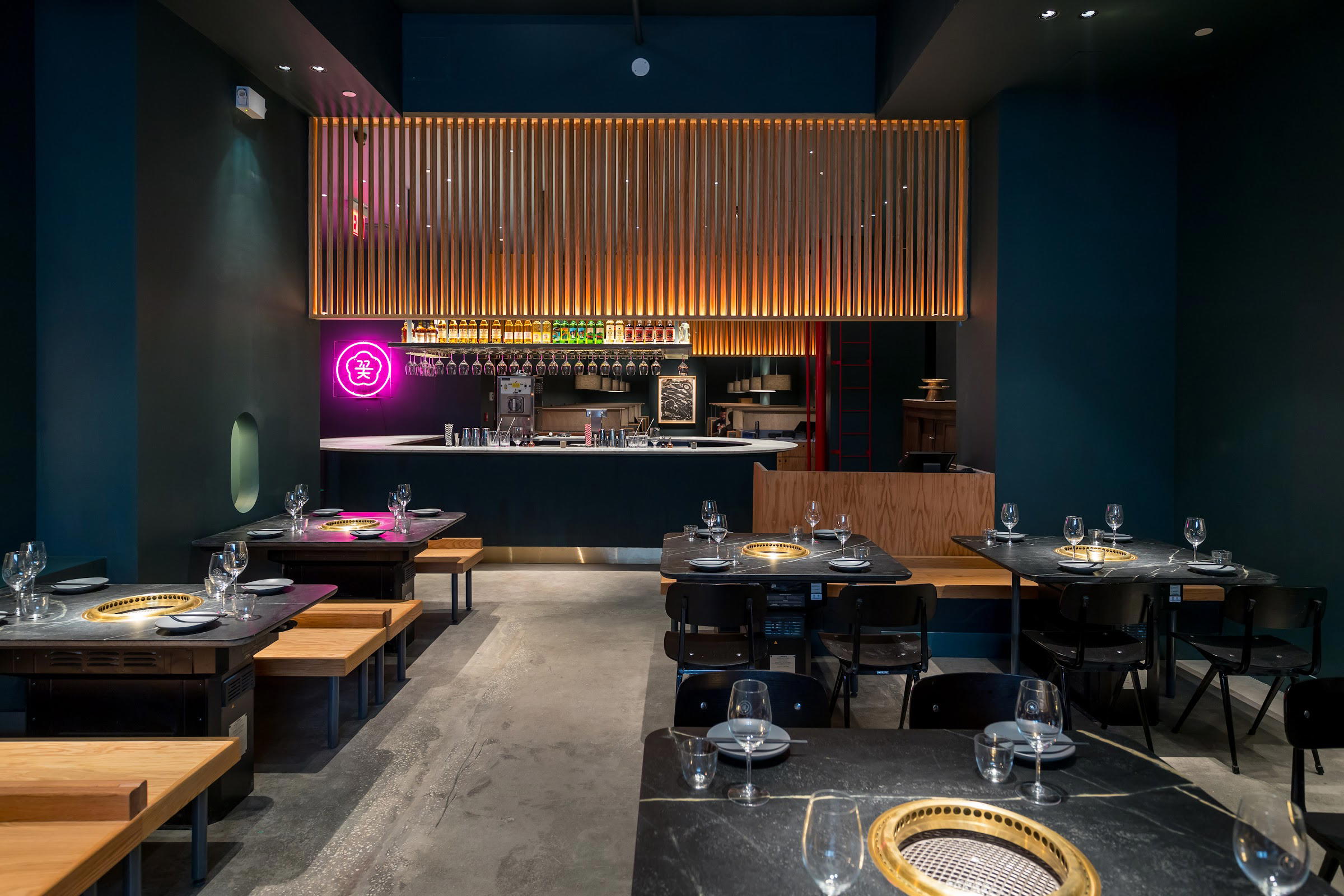
Warm and lively ambiance with exciting, bold flavors complementing the lively atmosphere.