Buckhorn Exchange
Denver's oldest restaurant, the Buckhorn Exchange has held Colorado Liquor License No. 1 since 1893 and occupies a landmark building at 1000 Osage St in the Lincoln Park neighborhood. It sits in a different tier from the city's contemporary tasting-menu circuit, drawing on more than a century of Rocky Mountain protein traditions and a room that reads as much as a museum as a dining room.
Pearl is the En Primeur Club membership app — saves, bookings, and concierge access live there. Same editors, same standards.
- Address
- 1000 Osage St, Denver, CO 80204
- Phone
- +1 303 534 9505
- Website
- buckhornexchange.com
- Directions
- Get directions
 Saves & bookings on Pearl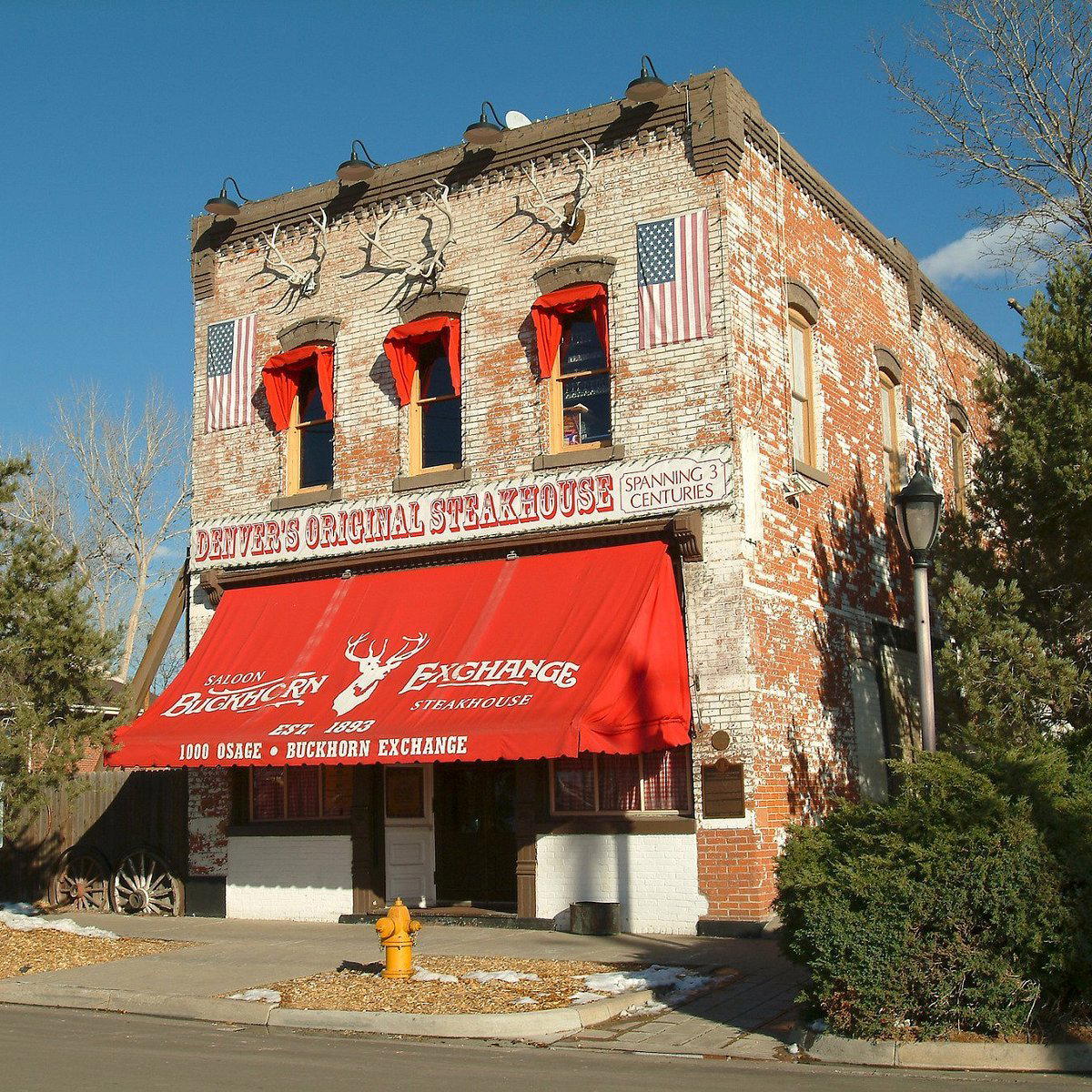
A Room That Argues With the Present
Approaching the Buckhorn Exchange on Osage Street, the building signals something most Denver restaurants are not trying to signal: permanence. The exterior has the settled confidence of a place that has watched several dining eras come and go without adjusting its posture. Inside, the walls are dense with mounted trophies, historic firearms, and photographs from Colorado's frontier period. It is a room that operates as an argument, that certain ways of eating, certain proteins, and certain relationships between a region and its land predate every culinary trend that has passed through this city. That argument is either compelling or it is not, but it is never ambiguous.
Denver's contemporary dining circuit has moved decisively toward tasting-menu restraint and imported technique. Places like Brutø and Beckon operate at the $$$$ tier with careful sourcing programs and disciplined formats. The Wolf's Tailor layers New American thinking over precise execution. Alma Fonda Fina and Annette draw on regional and heritage traditions through a modern editorial lens. The Buckhorn Exchange occupies none of that territory. It has never tried to participate in the conversation those other restaurants are having. That clarity of position is, itself, a form of editorial discipline.
Where Rocky Mountain Protein Meets Institutional Memory
The editorial angle that most honestly frames the Buckhorn Exchange is not farm-to-table in any contemporary sense, but something older and more direct: the relationship between a landlocked high-altitude state and the game animals that defined its economy and diet before refrigerated trucking, before Michelin coverage, before the entire infrastructure of modern fine dining arrived and began to organize the city's culinary ambitions. Elk, bison, and rattlesnake appear on the menu not as exotic flourishes imported to surprise a cosmopolitan diner, but as the natural proteins of this specific geography, prepared through methods that prioritize the integrity of the animal over transformation.
This approach places the Buckhorn in an interesting comparative position against American restaurants that have more recently discovered the rhetorical power of indigenous ingredients. Blue Hill at Stone Barns in Tarrytown and Single Thread Farm in Healdsburg built their reputations on the idea that where an ingredient comes from is as important as what you do to it. Smyth in Chicago applies fine-dining architecture to hyper-local sourcing. The Buckhorn Exchange reached the same philosophical endpoint through a completely different route: not through culinary school training or farm-partnership press releases, but through 130-plus years of institutional continuity in a state where the land made the menu before any chef did.
The Competitive Set and What It Reveals
Placing the restaurant against the national range of destination American restaurants clarifies what it is and what it is not. It does not operate in the register of The French Laundry in Napa, Le Bernardin in New York, or Addison in San Diego, where the framework is European fine-dining tradition adapted to American product. It is closer in spirit to places like Emeril's in New Orleans, a restaurant with historical weight that functions partly as a dining experience and partly as an argument about a city's culinary identity. The Inn at Little Washington similarly carries institutional memory as part of its value proposition.
Internationally, the closest analogue to what the Buckhorn does may be found in restaurants like Atelier Moessmer Norbert Niederkofler in Brunico, where the premise is that a specific mountain geography produces a specific and non-negotiable set of ingredients, and the kitchen's job is to honor that constraint. The Buckhorn reaches a similar position through longevity rather than conceptual design, but the underlying logic, that altitude, climate, and ecology are the real authors of the menu, holds in both cases.
Within Denver itself, no other restaurant has anything approaching the Buckhorn's operational history. The city's dining scene has matured rapidly over the past decade, with the contemporary tier growing in ambition and earning national coverage. But that maturation happened in the context of a restaurant that had already been feeding the city for a century before the first tasting-menu counter opened. For an overview of the full Denver dining scene, the Buckhorn functions as the fixed point against which every subsequent wave of dining ambition can be measured.
Atmosphere as the Primary Ingredient
The room itself is part of the proposition. The trophy collection, much of which dates to the late nineteenth and early twentieth centuries, transforms the walls into a record of the region's wildlife history. Dining inside it is an experience of texture and density that contemporary minimalist restaurants specifically refuse. Where venues like Lazy Bear in San Francisco or Providence in Los Angeles deploy controlled visual environments to keep attention on the plate, the Buckhorn puts everything on the walls and asks the food to hold its own against that competition. Some diners find the room overwhelming; others find it the compelling visual environment they have encountered in an American dining room. Neither response is wrong.
The building's landmark status places the Buckhorn in a short list of American restaurants whose physical structure carries federal recognition. That credential sits in a different category from a Michelin star or a James Beard award, it is not a comment on what comes out of the kitchen, but on the building's irreplaceable role in the historical record. few restaurants in the country can point to both a functioning kitchen and a landmark designation, and that combination creates a diner's obligation that goes slightly beyond reviewing the food.
Planning Your Visit
The restaurant is located at 1000 Osage St in Denver's Lincoln Park neighborhood, accessible from the Osage Street light rail station on the W Line, which makes it reachable from downtown without a car. Given its reputation and the volume of visitors it draws as a historic site as well as a restaurant, reservations are advisable for dinner, particularly on weekends; the dining room's capacity and the rhythm of service suit a longer, unhurried meal rather than a quick stop. The restaurant sits at a $85 price point, with reservations recommended and hours set for dinner service throughout the week.
A Tight Comparison
Comparable venues nearby, for context on price, style, and recognition.
| Venue | Cuisine | Price | Notes |
|---|---|---|---|
| Buckhorn ExchangeThis venue — the venue you are viewing | Not listed | $$$$ | Not listed |
| ChopHouse & Brewery | LoDo, Classic Steakhouse & Brewery | $$$ | Not listed |
| The Grand Atrium at The Brown Palace | Not listed | $$$$ | Central Business District, Classic American Afternoon Tea |
| The Ponti at Denver Art Museum | Not listed | $$$ | Civic Center, Modern Contemporary American |
| Ellyngton's | Not listed | $$$ | Central Business District, Classic American Breakfast & Brunch |
| Sushi Sasa | Not listed | $$$ | Highland, Modern Japanese Omakase & Sushi |
Continue exploring
More in Denver
Restaurants in Denver
Browse all →
Bars in Denver
Browse all →
Hotels in Denver
Browse all →
Wineries in Denver
Browse all →
At a Glance
- Well Known
- Rustic
- Classic
- Elegant
- Special Occasion
- Celebration
- Group Dining
- Business Dinner
- Historic Building
- Private Dining
- Extensive Wine List
- Local Sourcing
Current opening hours
- Monday
- 5–9 PM
- Tuesday
- 5–9 PM
- Wednesday
- 5–9 PM
- Thursday
- 5–9 PM
- Friday
- 4–9:30 PM
- Saturday
- 4–9:30 PM
- Sunday
- 4–9 PM
Hours can change for holidays and private events. Last verified .
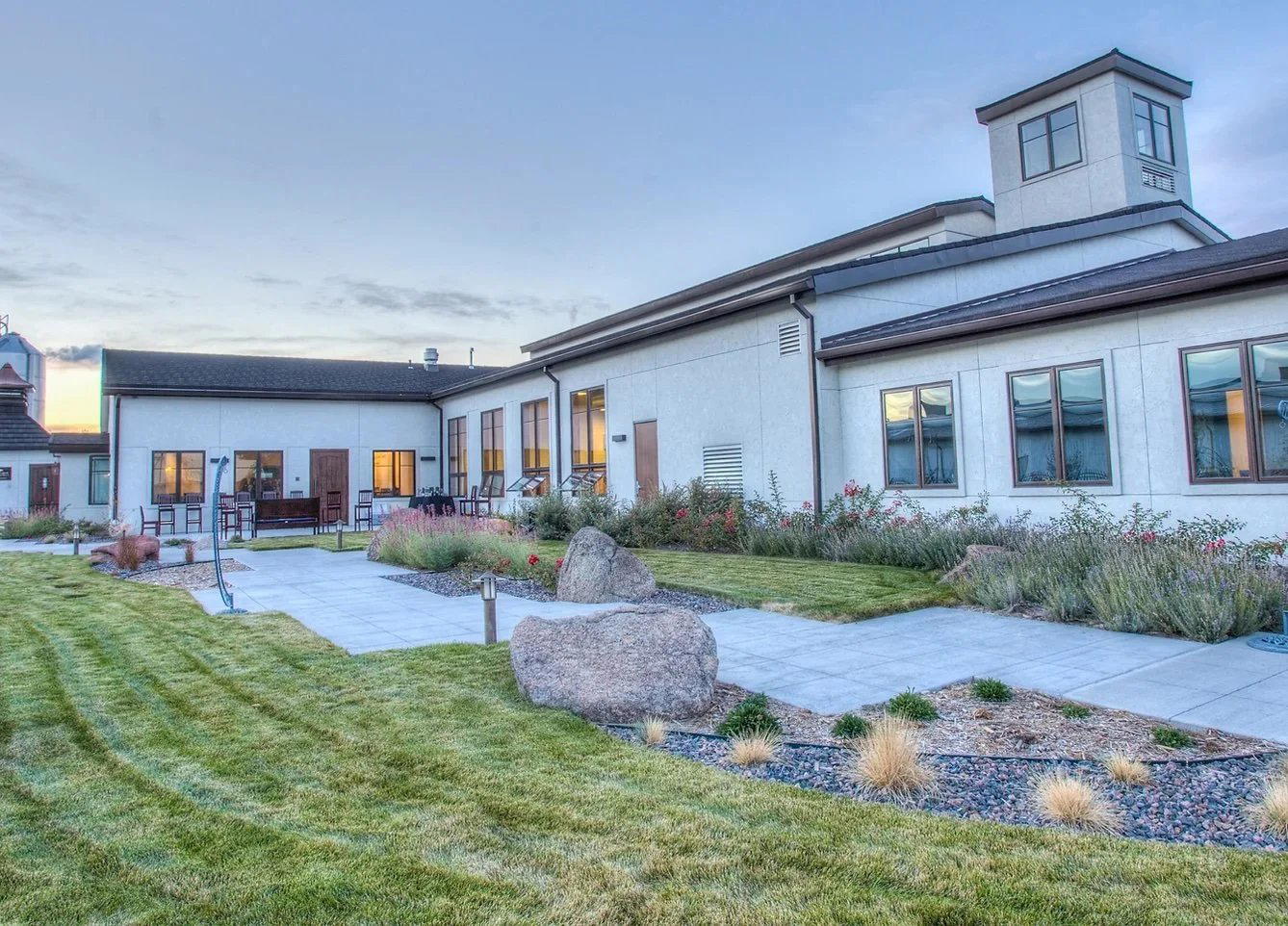
Old West saloon atmosphere with dim lighting, ornate 150-year-old European bar, extensive Native American artifacts and Western memorabilia creating an immersive historical setting.