ChopHouse & Brewery
Our verdict
ChopHouse & Brewery occupies a LoDo address at 1735 19th Street, placing it inside Denver's most historically layered dining corridor. The format pairs a dedicated brewing program with a chop-focused menu, a combination that maps onto a longer American tradition of alehouse cooking where the kitchen and the fermentation vessel are equal partners. For Denver visitors working through the city's brewpub tier, this is a reference point.

Pearl is the En Primeur Club membership app — saves, bookings, and concierge access live there. Same editors, same standards.
- Address
- 1735 19th St Ste 100, Denver, CO 80202
- Phone
- (303) 296-0800
- Hours
- Mon–Sat 11 AM–10 PMSun 11 AM–9 PM
- Website
- denverchophouse.com
- Directions
- Get directions
- Booking
- Book on Resy
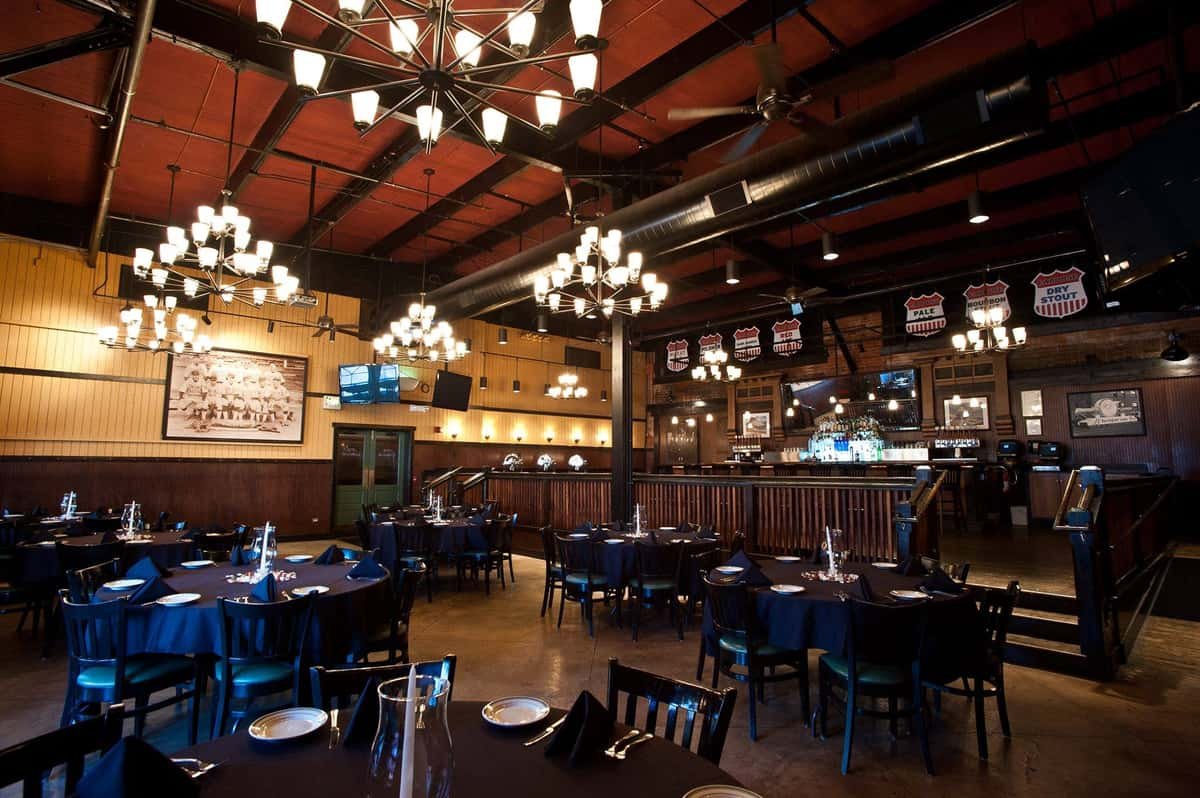
LoDo's Brewpub Tradition and Where ChopHouse Sits Inside It
Lower Downtown Denver has been a brewpub district in a meaningful way since the early 1990s, when the conversion of Victorian-era warehouses and rail-adjacent brick buildings gave the neighborhood both the physical infrastructure and the cultural permission to experiment with on-site brewing. The combination of exposed structural bones, high ceilings, and industrial footprints turned out to be well-suited to fermentation tanks as interior design objects, and a particular aesthetic took hold that the neighborhood has never fully shed. ChopHouse & Brewery, at 1735 19th Street, operates inside this tradition rather than apart from it.
The 19th Street corridor in LoDo sits close to Coors Field, which has historically anchored the area's hospitality economy around pre-game and post-game traffic, but the better brewpubs in the district long ago stopped leaning on that calendar. The format that survives past a single sports season is the one where the beer program has internal logic and the kitchen earns the room on its own terms. The chop house model, imported from American steakhouse tradition and paired with house-brewed beer rather than a cellar wine list, represents a specific editorial decision about what belongs on the plate and what belongs in the glass.
The Chop House Format in American Dining History
The chop house as a concept predates the American steakhouse by several centuries, with roots in 18th-century London taverns that served grilled chops, roasted meats, and little else, paired with whatever was on the cask. The American interpretation absorbed that stripped-back protein focus and rebuilt it around the country's cattle culture, producing the steakhouse as a dominant mid-century format. The brewpub variant, which gained traction in the United States after the 1978 federal deregulation that allowed home brewing and the subsequent 1982 California law permitting on-site sale of brewed beer, merged these two lineages: the meat-forward kitchen and the house-controlled pint.
Denver's position in this history is not incidental. Colorado's Front Range has been producing significant craft beer since the early 1990s, and the state now ranks among the leading five nationally for brewery count per capita. The city's altitude, around 5,280 feet, affects fermentation and carbonation in ways that local brewers have adapted to over decades, making Denver beer culture something geographically specific rather than a replication of Portland or Vermont models. A brewpub in this context is making an implicit argument about place as much as it is about format.
For context on where Denver's dining scene sits at the higher end of the spectrum, venues like Brutø (Contemporary) and The Wolf's Tailor (New American, Contemporary) occupy the fine-dining tier at the $$$$ price point, while Alma Fonda Fina (Mexican) and Annette represent the mid-range with strong editorial conviction. Beckon (Contemporary) operates as a fixed-format tasting counter, a format with its own set of rules entirely. ChopHouse & Brewery operates in a different register from all of these, one where the brewery anchors the identity as much as the kitchen does.
What the Brewpub Format Demands from a Kitchen
A brewpub kitchen operates under a specific constraint that a standalone restaurant does not: the house beer is always the default pairing, which means the menu has to be built with that in mind. strong roasted malts, bitter hop profiles, and carbonation levels that cut through fat all influence what a kitchen reaches for. Grilled meats and smoked preparations work well against dark ales and stouts. Lighter lager-adjacent styles open space for fried formats and lighter proteins. The chop house model, with its emphasis on high-heat cooking, char, and well-salted cuts, aligns naturally with the kind of beer that benefits from something substantial on the plate.
This pairing logic is one reason the brewpub-steakhouse hybrid has shown more staying power than the brewpub-fine-dining experiment, which tends to produce awkward friction between delicate cooking and assertive fermentation. Across the United States, brewpubs that have survived multiple economic cycles have typically committed to formats where the kitchen and the bar program reinforce each other rather than compete. For a comparison point further up the national dining register, venues like Emeril's in New Orleans or Smyth in Chicago operate at price points and with ingredient sourcing that places them in a separate category, but they share the structural idea that the beverage program and the kitchen should speak the same language.
LoDo as a Dining Neighborhood
Lower Downtown Denver has gone through several distinct phases since its warehouse-district origins. The area's designation as a historic district in 1988 protected the brick fabric of the neighborhood while allowing adaptive reuse that drew hospitality tenants. The arrival of Coors Field in 1995 accelerated foot traffic and created a hospitality corridor along Blake Street and its surrounding blocks. By the 2010s, LoDo had developed enough critical mass across price tiers and formats to function as a self-contained dining neighborhood rather than a stadium-adjacent strip.
The 19th Street address places ChopHouse & Brewery at the edge of that corridor, slightly away from the highest-density blocks closer to Union Station, which has attracted a newer wave of restaurant openings since the station's renovation in 2014. That positioning gives the address a slightly different energy from the Union Station cluster, less foot-traffic dependent and more oriented toward the regulars and the intentional visitor. For travelers using Denver as a base for mountain access, LoDo functions as the most convenient high-density dining option, with the 16th Street Mall corridor and the Union Station hotel cluster nearby. See our full Denver restaurants guide for a broader map of the city's neighborhoods and their dining character.
Denver's current dining scene, for context against national peers, occupies a position below the primary markets for tasting-menu culture. Venues like Le Bernardin in New York City, The French Laundry in Napa, Providence in Los Angeles, or Blue Hill at Stone Barns in Tarrytown set national reference points that Denver has not yet reached on volume, though the city's ambition in that direction is visible in its newer openings. The brewpub format sits at a different point on that spectrum, deliberately accessible rather than aspirational, and its continued relevance in LoDo speaks to how the neighborhood balances those registers. Other national reference points for format ambition include Lazy Bear in San Francisco, Single Thread Farm in Healdsburg, Addison in San Diego, The Inn at Little Washington in Washington, Atomix in New York City, and Atelier Moessmer Norbert Niederkofler in Brunico, none of which operate anywhere near the brewpub register but all of which inform the broader conversation about what serious dining looks like in 2024.
Know Before You Go
| Address | 1735 19th St Ste 100, Denver, CO 80202 |
|---|---|
| Neighborhood | LoDo (Lower Downtown Denver) |
| Format | Brewpub with chop house kitchen |
| Booking | |
| Hours | |
| Pricing | Verify current pricing with venue |
Frequently asked questions
How do I find ChopHouse & Brewery?
ChopHouse & Brewery is located at 1735 19th St Ste 100, Denver, CO 80202, Denver.
Does ChopHouse & Brewery brew all its beer on-site, and how does that shape the meal?
On-site brewing is the structural feature that separates a brewpub from a restaurant with a curated beer list, and at ChopHouse & Brewery the house beer functions as the default pairing framework for the kitchen's output. That means the cooking is calibrated to complement malt and hop profiles rather than a sommelier's wine selections. For Denver diners interested in the Front Range craft beer tradition, that integration is the point of the format rather than a secondary detail.
What's the best thing to order at ChopHouse & Brewery?
The menu follows the logic of the brewpub format: grilled and roasted preparations designed to pair with house-brewed beer rather than a wine list. At a chophouse, the primary cuts — whether bone-in chops or roasted proteins — are the structural center of the menu, and at ChopHouse & Brewery in Denver's LoDo district, those preparations are the reason to visit. Order around the meat program and let the house beer do the pairing work.
How hard is it to get a table at ChopHouse & Brewery?
ChopHouse & Brewery sits at 1735 19th St in LoDo, a neighborhood whose proximity to Coors Field creates sharp demand spikes on game days and weekend afternoons. Walk-in availability is most reliable on weekday lunches and non-game evenings. Calling ahead is the practical move if you're visiting during a home series or on a Friday or Saturday night.
What makes ChopHouse & Brewery worth seeking out?
The combination of an on-site brewing program with a meat-focused kitchen is a format with a specific cultural lineage, and Denver's Front Range beer culture gives that format genuine local grounding. Lower Downtown Denver has operated as a serious brewpub district since the early 1990s, and ChopHouse & Brewery sits inside that tradition rather than adjacent to it. The chophouse concept itself predates the American steakhouse by centuries, which gives the menu a different logic than a conventional grill.
Is ChopHouse & Brewery good for vegetarians?
The chophouse format is protein-forward by design, and the kitchen at ChopHouse & Brewery in Denver is built around grilled and roasted meat preparations. Vegetarians will find the menu narrow. If a meat-free meal is the priority, LoDo has other options better suited to that purpose.
Reputation First
Comparable venues nearby, for context on price, style, and recognition.
| Venue | Cuisine | Price | Awards | Notes |
|---|---|---|---|---|
| ChopHouse & BreweryThis venue — the venue you are viewing | Classic Steakhouse & Brewery | $50–100 | Not listed | Not listed |
| 801 Chophouse | Prime Steakhouse | $50–100 | Wine Spectator Best of Award of Excellence | Cherry Creek |
| Ajax Downtown | Contemporary American Live-Fire | $50–100 | Not listed | Central Platte Valley |
| Kobe An LoHi | Traditional Japanese Shabu Shabu and Sushi | $50–100 | Not listed | Highland |
| Luca | Rustic Wood-Fired Italian | $50–100 | Wine Spectator Award of Excellence | Capitol Hill |
| Sap Sua | Modern Vietnamese | $50–100 | James Beard Award Semi Finalist · Esquire Best New Restaurants #17 | Congress Park |
ChopHouse & Brewery
Featured Guides
Continue exploring
More in Denver
Restaurants in Denver
Browse all →
Bars in Denver
Browse all →
Hotels in Denver
Browse all →
Details
- Classic
- Elegant
- Rustic
- Business Dinner
- Group Dining
- Special Occasion
- Open Kitchen
- Beer Program
- Extensive Wine List
- A La Carte
- Beer Program
- Vegetarian Friendly
- Gluten Free Options
Current opening hours
- Monday
- 11 AM–10 PM
- Tuesday
- 11 AM–10 PM
- Wednesday
- 11 AM–10 PM
- Thursday
- 11 AM–10 PM
- Friday
- 11 AM–10 PM
- Saturday
- 11 AM–10 PM
- Sunday
- 11 AM–9 PM
Hours can change for holidays and private events. Last verified .
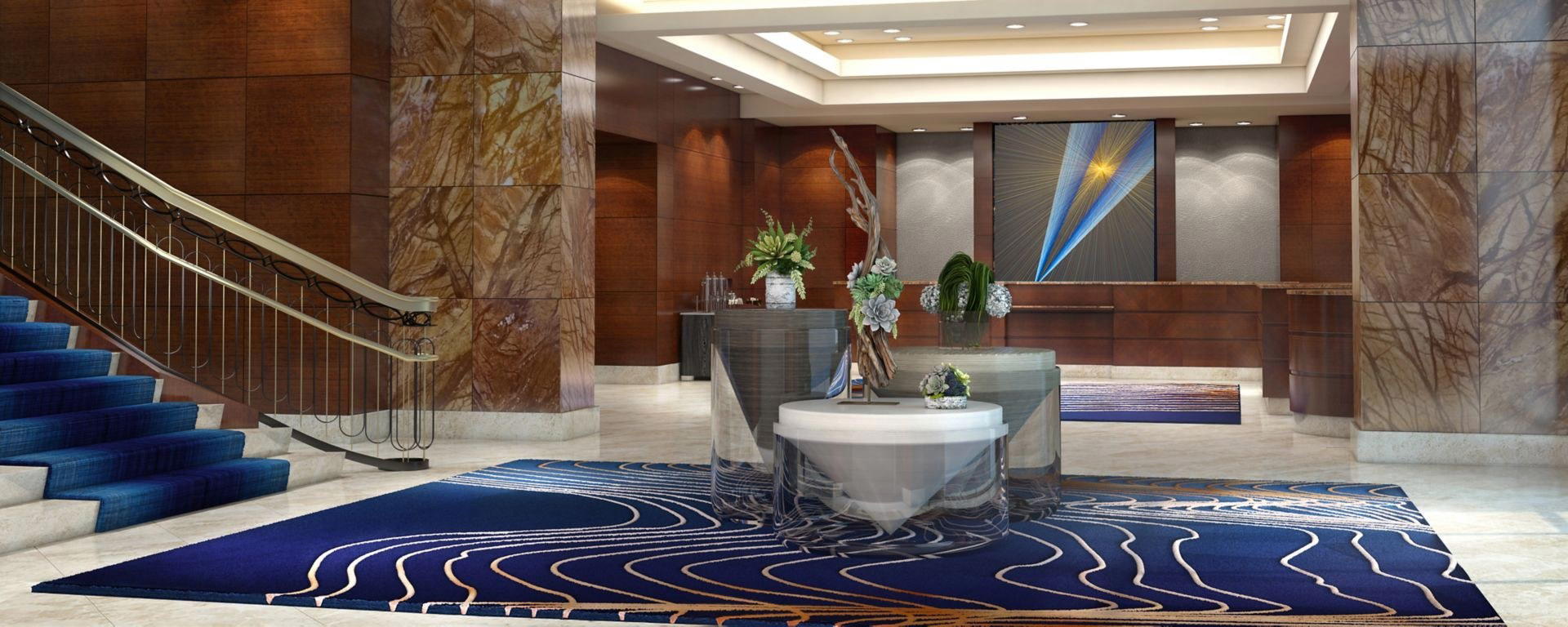
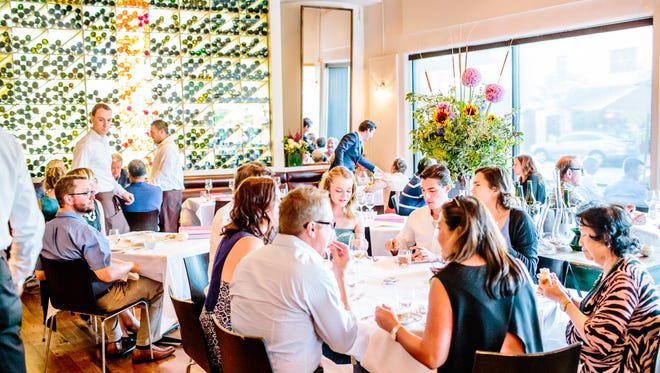
Nostalgic 1940s casual elegance with exposed brick, factory decor, and a stylish bar.