Darling Harbour's Hotel Dining Tier, Reconsidered
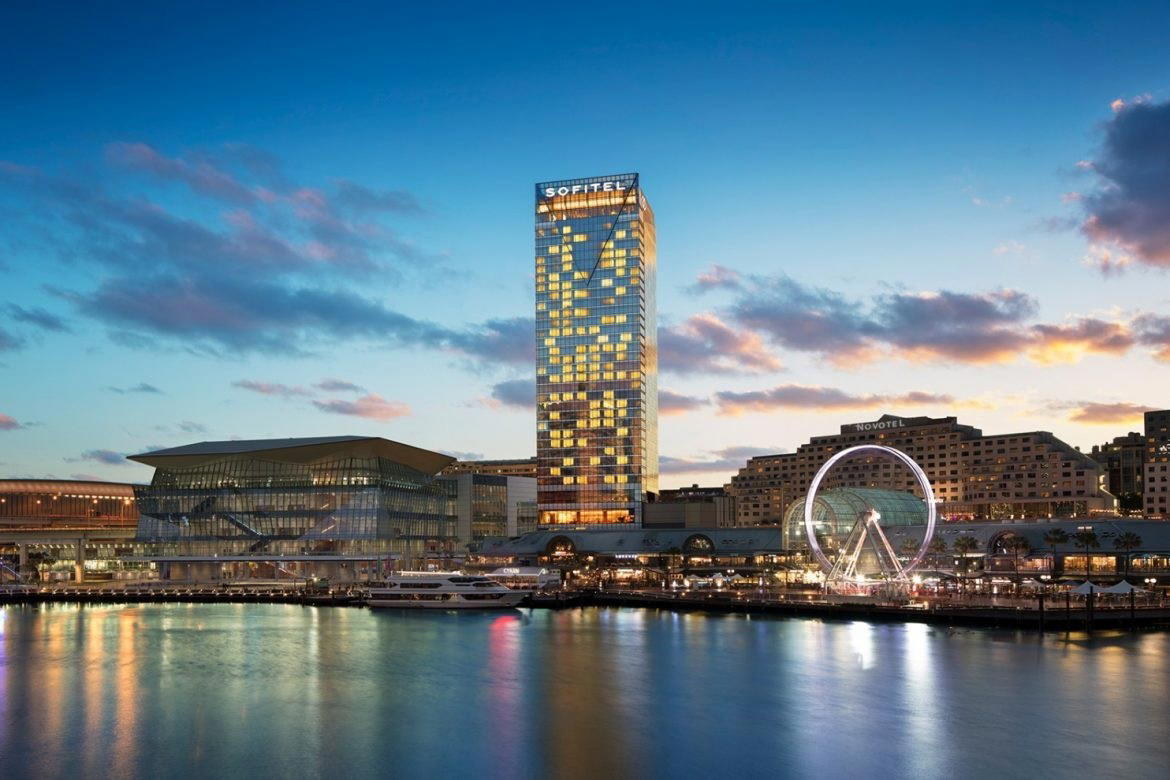
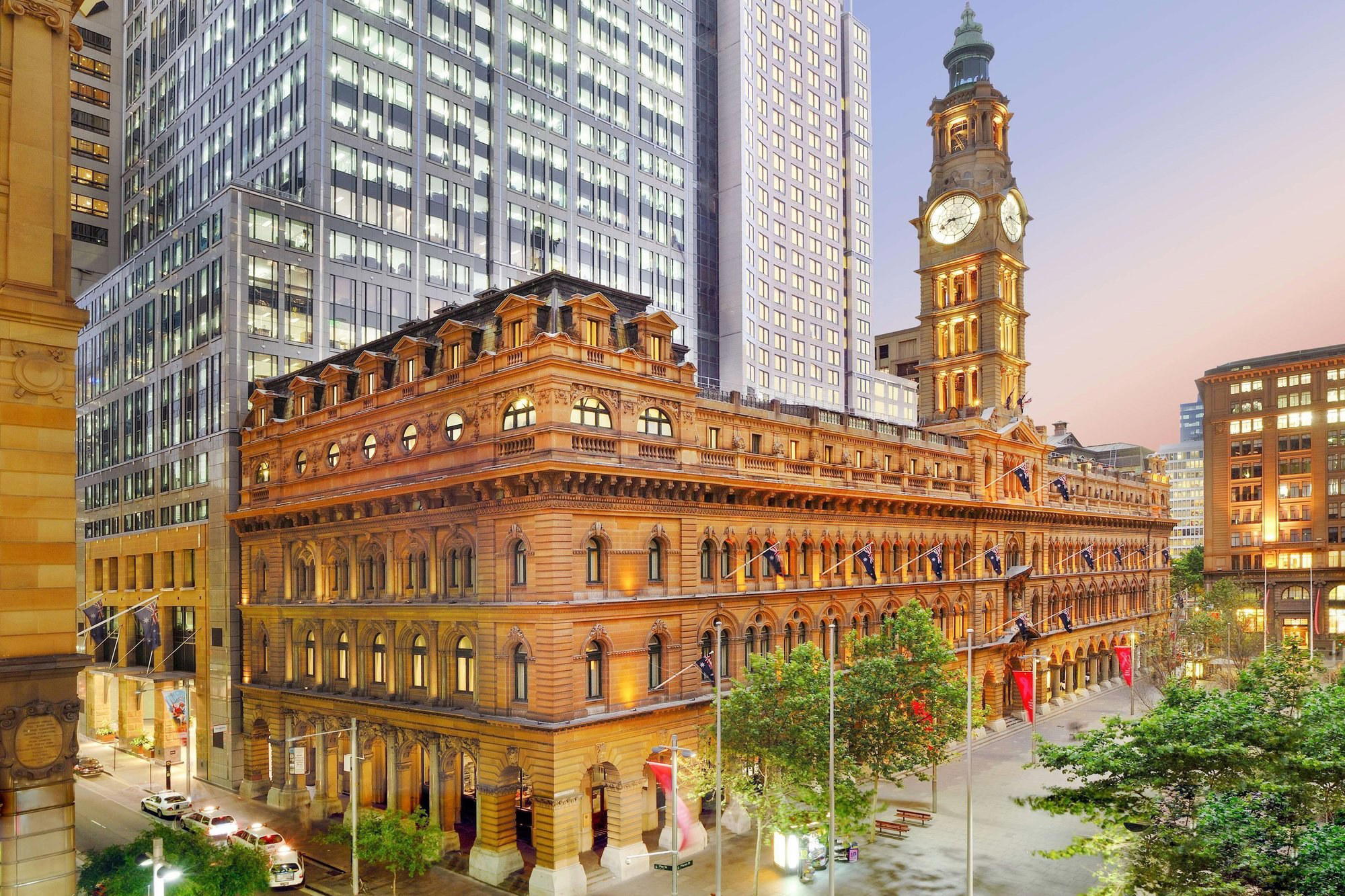
Hotel restaurants in Sydney have spent a decade trying to shed the reputation of being convenient rather than compelling. The shift has been uneven: some properties leaned into celebrity chef partnerships, others into destination bar programs, and a handful quietly built wine lists serious enough to attract guests with no room key in their pocket. BTWN at W Sydney, located at 31 Wheat Rd inside the W Hotel at Darling Harbour, is a restaurant serving Modern Australian with NSW Produce. Its recognition by Star Wine List as a White Star property, published in September 2025, places it inside a smaller cohort of Sydney hotel dining rooms where the beverage program is distinctive.
The Ritual of the Room
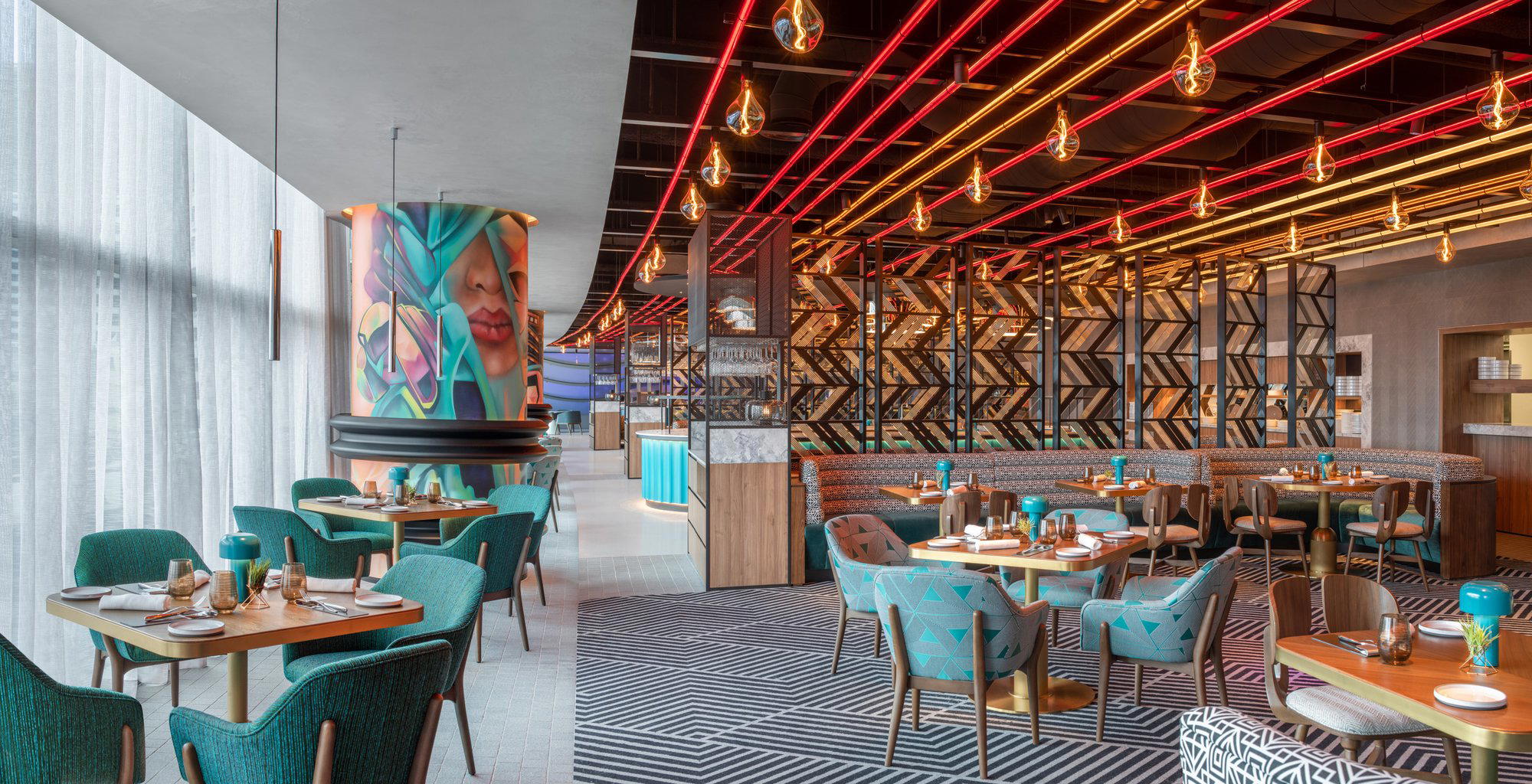
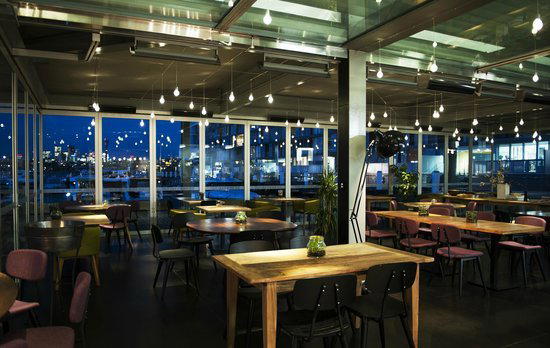
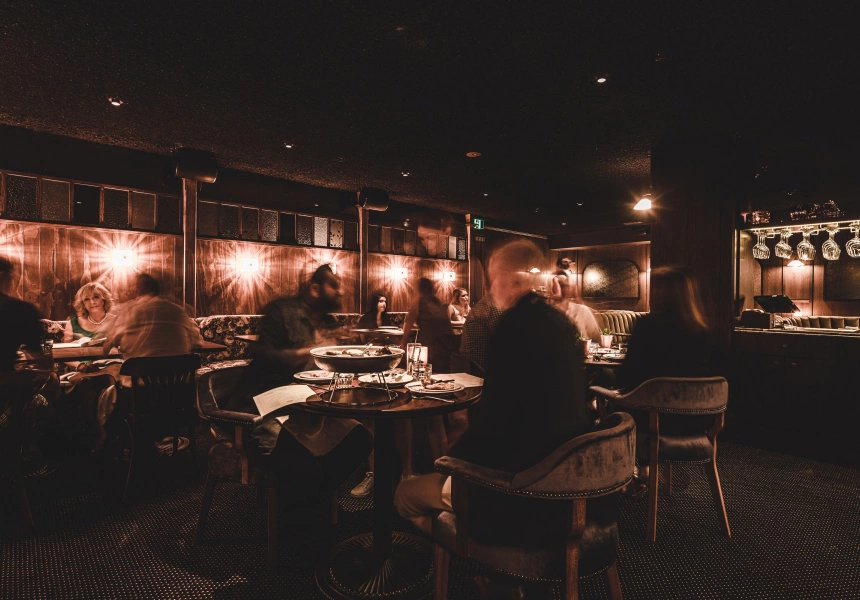
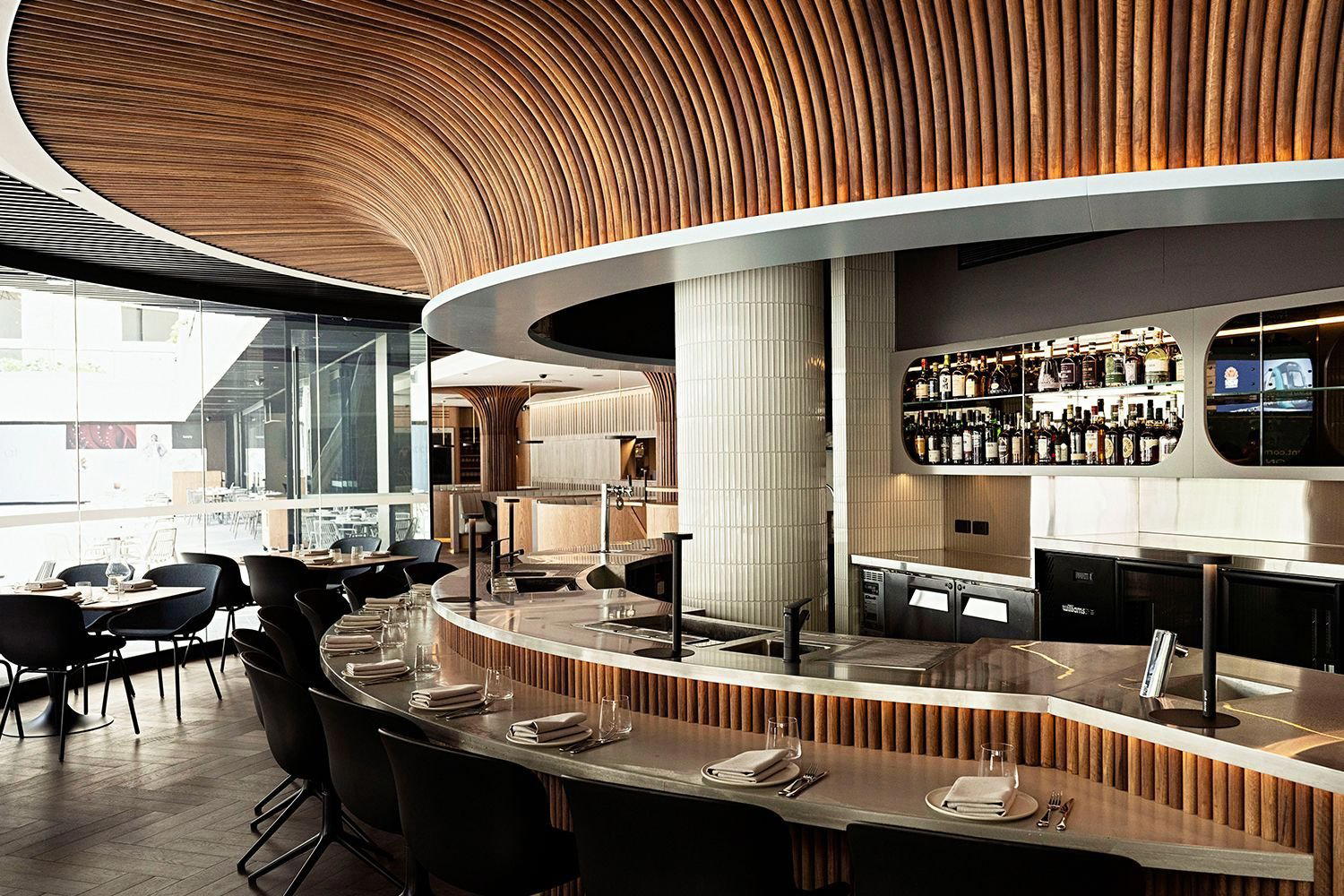
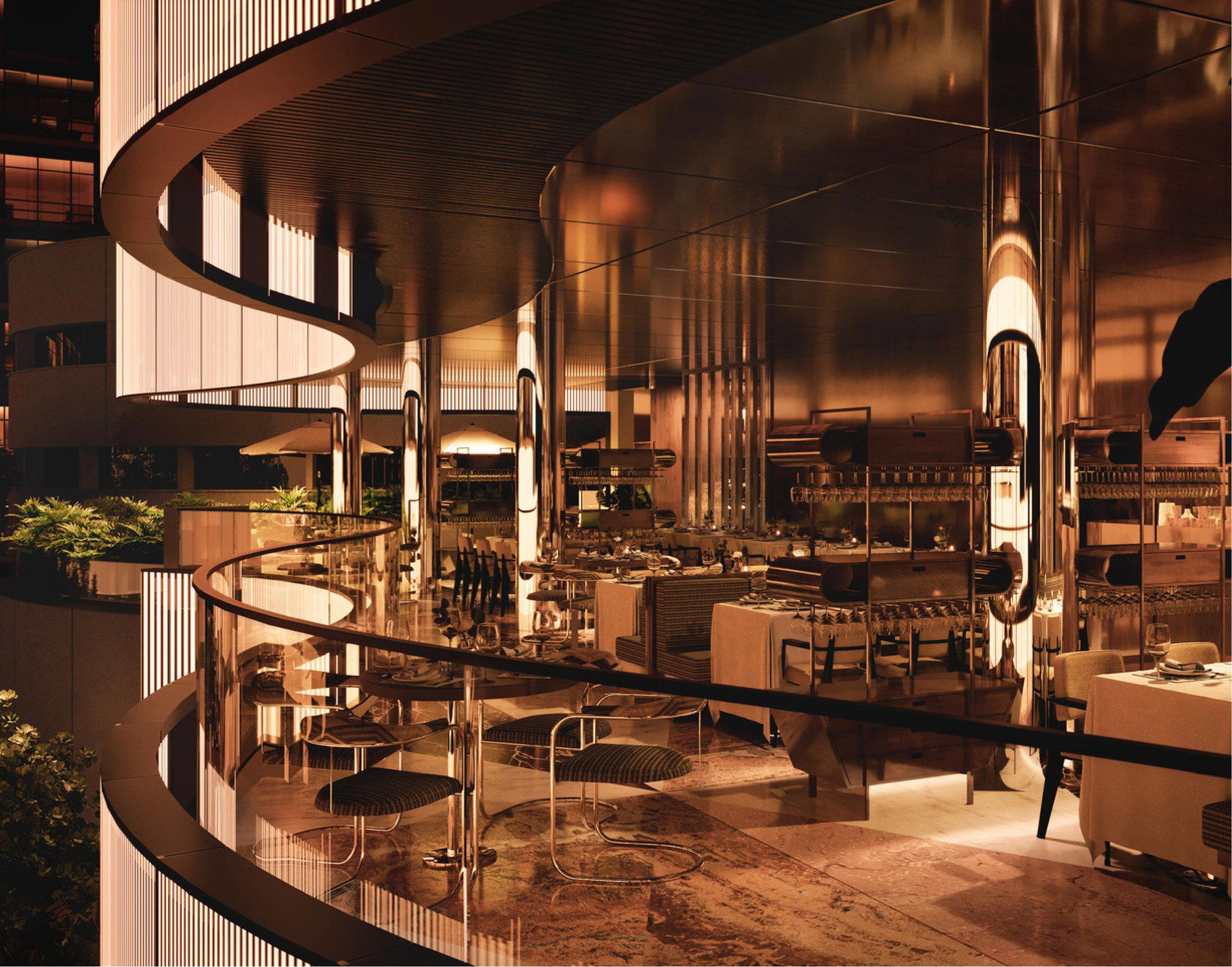
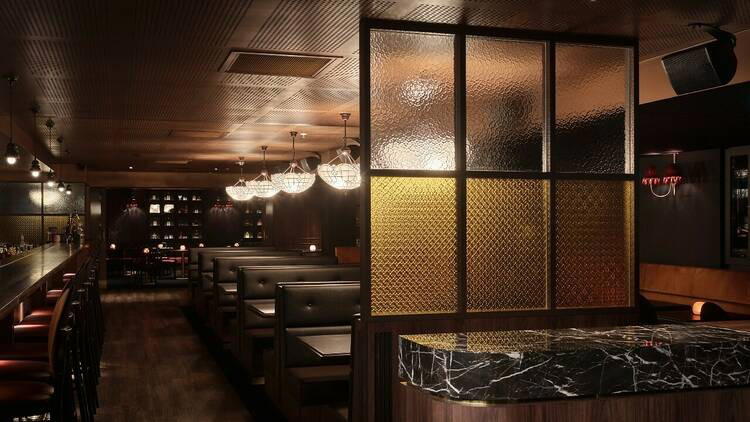
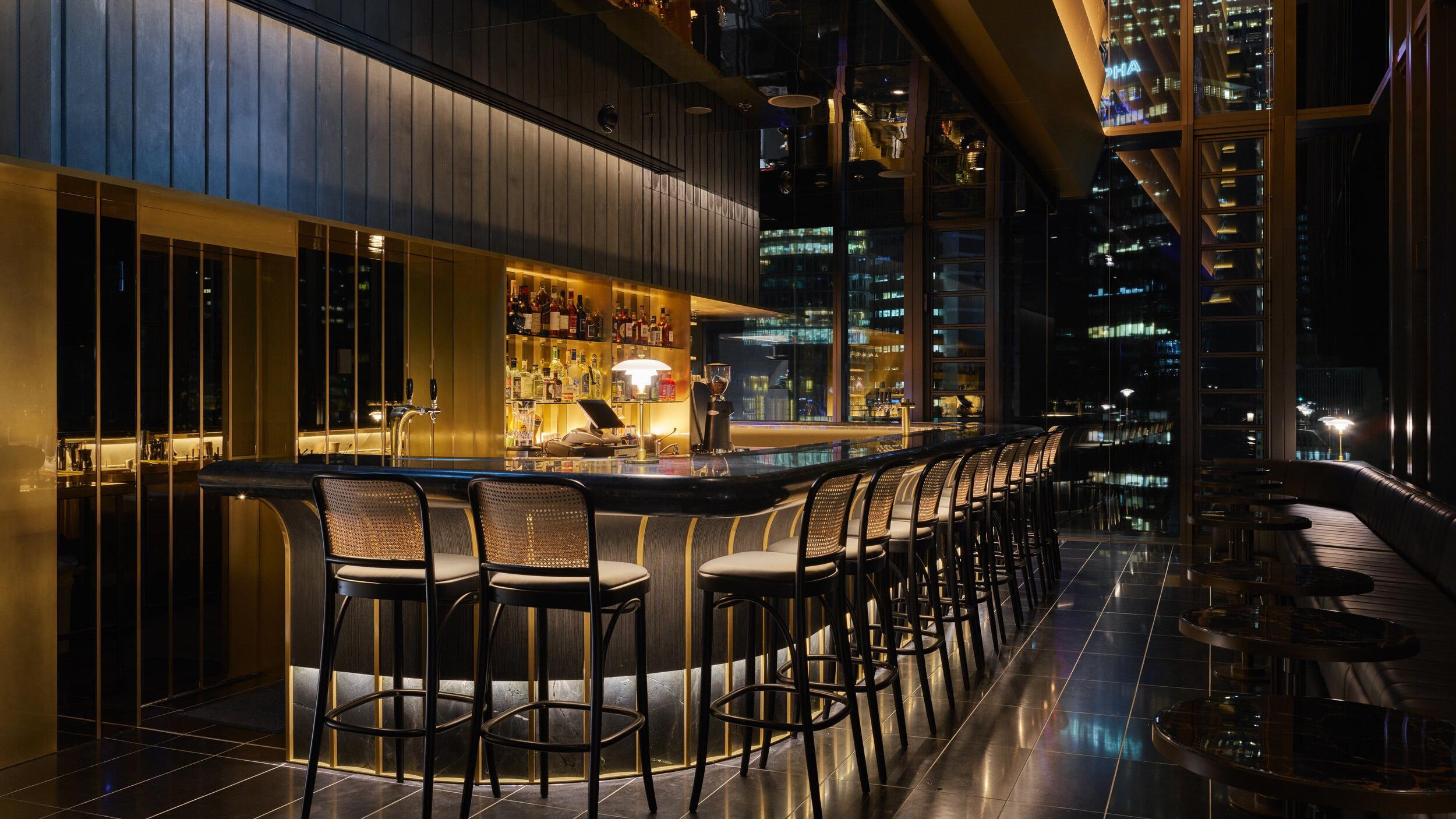
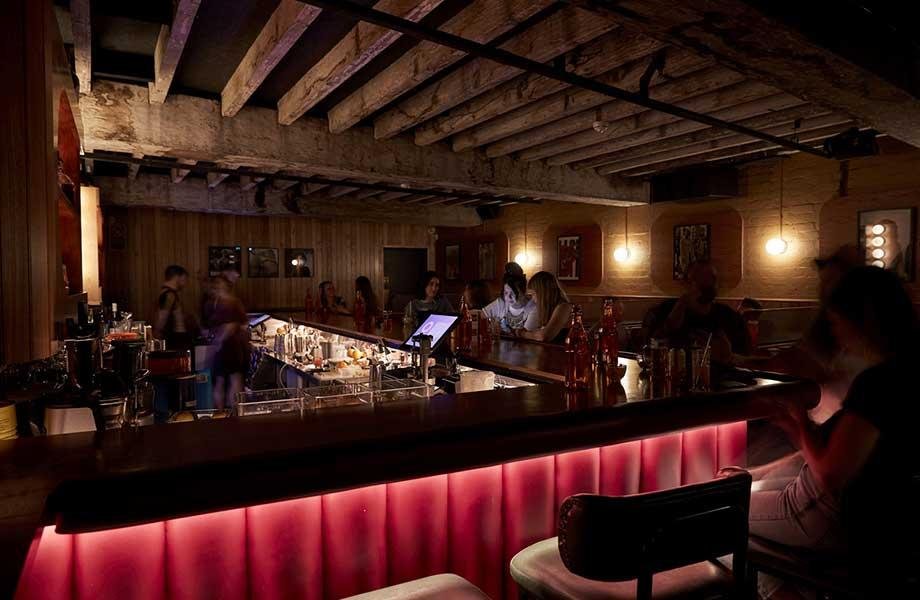
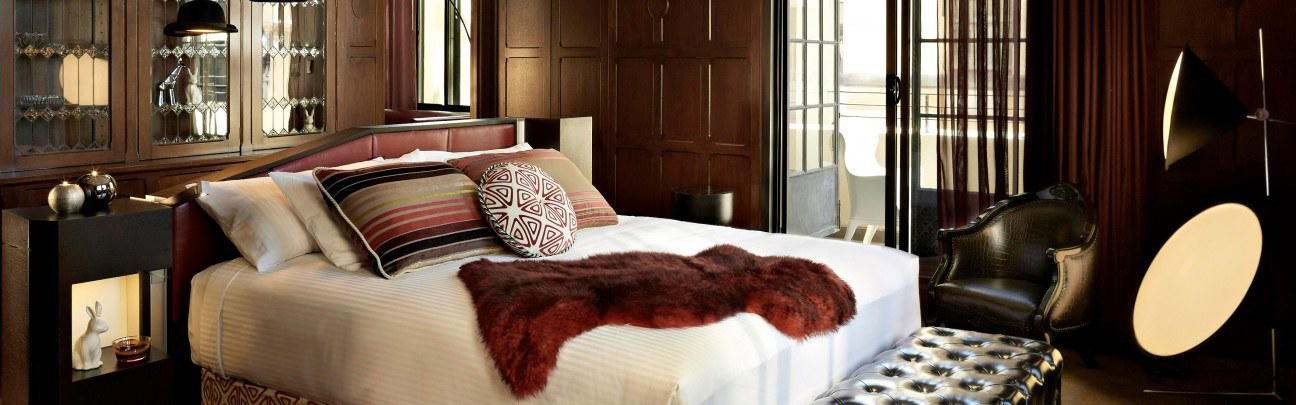
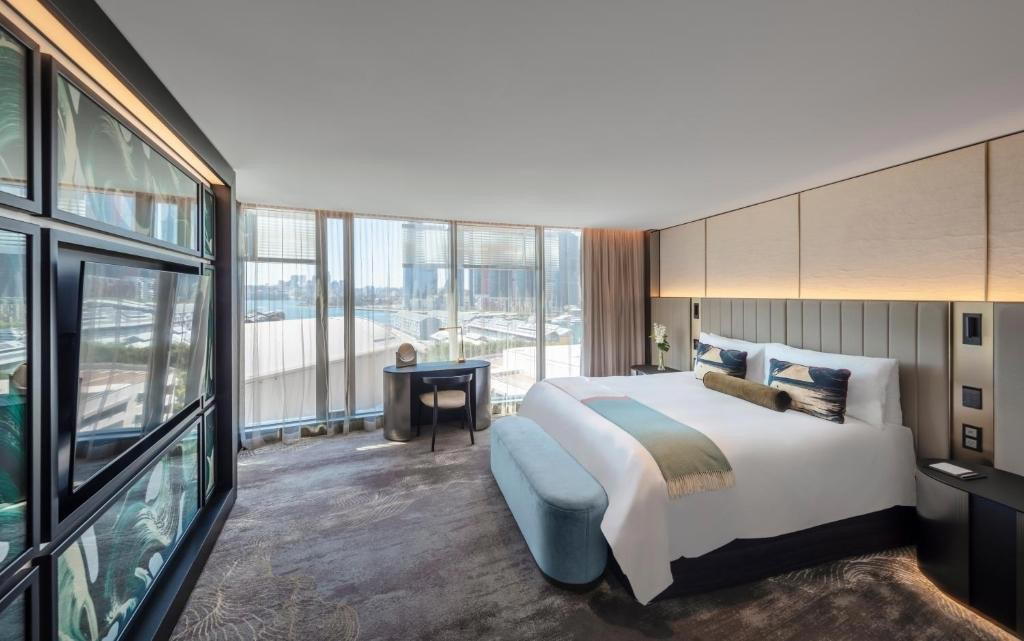
Dining inside a W Hotel property carries its own choreography before the food arrives. The room's design language tends toward low lighting, considered acoustics, and a deliberate blurring of bar and dining room, which means the pacing of a meal at BTWN is shaped partly by architecture. Hotel dining rooms of this type invite a slower approach: drinks extend, courses arrive with space between them, and the transition from dinner to late-evening bar culture happens organically rather than by announcement. That rhythm distinguishes this format from the faster, more transactional meals that characterise many standalone Sydney restaurants at similar price positions.
Sydney's waterfront and Darling Harbour precinct has historically attracted a mix of tourist-facing venues and genuine destination dining. The better operators in the area, including 6HEAD with its harbour-adjacent steak focus, have learned to serve both audiences without collapsing into the lowest common denominator. A wine-recognised hotel restaurant like BTWN operates with different pressures: its guest base is partly captive, partly local, and the wine list is one of the clearest signals of which audience it is actually addressing.
What the White Star Signals
Star Wine List's White Star recognition is awarded to venues where the wine program meets a threshold of curation and depth that goes beyond the standard hotel offering of a house white, a house red, and a handful of recognisable labels. In the Sydney context, White Star properties sit in a tier occupied by restaurants that treat the list as a considered document rather than a procurement exercise. For reference, the distinction matters: most hotel dining rooms in the city would not qualify. That credential places BTWN in a conversation with wine-serious independents like 10 William St, a venue whose identity is almost entirely built around its list, even if the formats and settings differ substantially.
Across Australian dining more broadly, the venues attracting serious wine recognition tend to share a few characteristics: producers selected for specificity rather than brand recognition, a list structure that guides rather than overwhelms, and staff who can talk about what's in the glass with genuine knowledge. Whether BTWN achieves all of those criteria consistently is a question the Star Wine List recognition answers in the affirmative, at least at the time of assessment. Comparable recognition in other Australian cities has attached to properties like Brae in Birregurra and Flower Drum in Melbourne, both of which carry their beverage credentials as seriously as their kitchen reputations.
Sydney's Hotel Dining in Competitive Context
The reference points for hotel dining in Sydney's current market are worth noting. At the upper end, restaurants like Bennelong and Rockpool have established Australian cuisine at a fine-dining register that hotel properties rarely match for culinary ambition. Saint Peter has defined what a seafood-focused independent can do when the kitchen has genuine conviction. BTWN's competitive set is different: the relevant peer group is hotels that have invested in their dining rooms as genuine hospitality rather than functional amenity. 20 Chapel and Amaru in Armadale both suggest the appetite in Australian cities for restaurants where setting and program reinforce each other. Internationally, the template of a hotel restaurant earning credibility through a specialist program rather than a marquee chef has parallels at venues like Le Bernardin in New York City, where the institutional commitment to a single culinary direction has sustained recognition across decades.
How to Approach a Meal Here
BTWN at W Sydney sits at 31 Wheat Rd, which places it within easy reach of the broader Darling Harbour area and the city's western CBD fringe. As a hotel restaurant, it operates with a degree of accessibility that standalone venues don't always offer: walk-ins are more likely to be accommodated than at high-demand independents, though a White Star wine program attracts guests who book with intention rather than impulse. For guests staying at the W, the proximity means the meal can extend without logistics intruding.
The meal structure at a venue with a serious wine program tends to reward engagement with the list before the menu. Asking the floor team to guide wine selection, particularly toward producers or regions less visible on standard Sydney lists, is one efficient way to access what the recognition actually reflects. The food and wine pairing approach that hotel dining rooms of this type often support works well when the pacing is treated as unhurried: this is a setting for a two-hour meal, not a sixty-minute turnaround.
For visitors comparing Australian destinations, properties like Agrarian Kitchen in Hobart and Bacchus in Brisbane demonstrate how the relationship between setting, wine program, and local produce has developed across different Australian cities. 400 Gradi in Brunswick East and Emeril's in New Orleans both illustrate, in different registers, how a restaurant's identity can be defined by specific program decisions rather than by any single dish or figure. BTWN's wine recognition is that kind of signal: it tells you what the room values before you arrive.