Brötlibar
On Gerbergasse in Basel's pedestrianised old town, Brötlibar occupies a position closer to the neighbourhood café tradition than to the city's Michelin-starred dining circuit. Where peers like Cheval Blanc by Peter Knogl and Stucki - Tanja Grandits anchor Basel's formal fine-dining tier, Brötlibar represents a lower-key, more local register — the kind of address Basel residents return to on their own terms, not for occasions.
Pearl is the En Primeur Club membership app — saves, bookings, and concierge access live there. Same editors, same standards.
- Address
- Gerbergasse 84, 4001 Basel, Switzerland
- Phone
- +41612618711
- Website
- bindella.ch
- Directions
- Get directions
 Saves & bookings on Pearl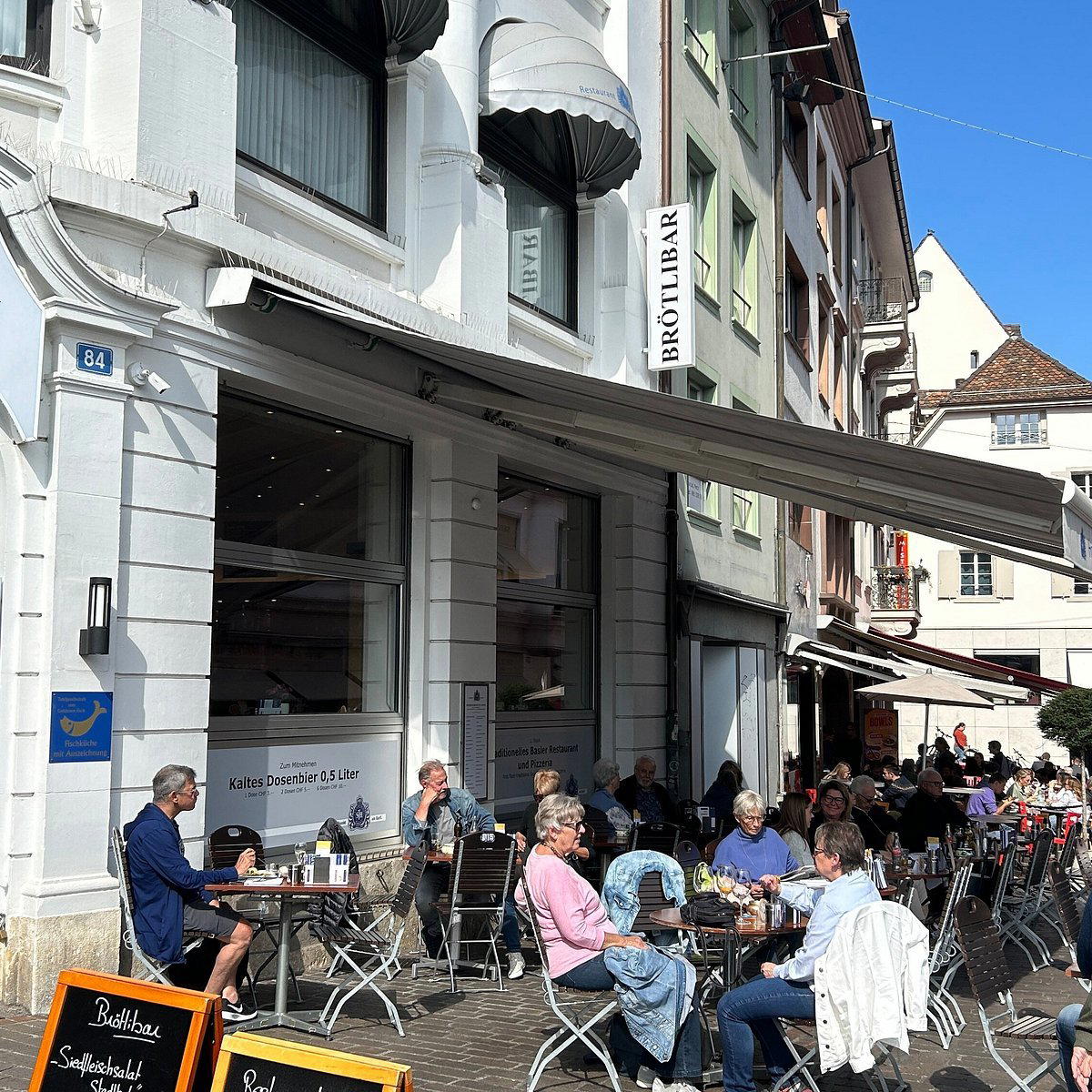
Gerbergasse and the Other Side of Basel's Food Scene
Basel has a justified reputation in Swiss fine-dining circles. The city holds Michelin stars at Cheval Blanc by Peter Knogl and Stucki - Tanja Grandits, and its proximity to France and Germany gives it a culinary crossroads quality that few Swiss cities can match. But the city's food culture does not live exclusively in tasting-menu format. Along Gerbergasse — a pedestrianised street that runs through Basel's retail core — a different register operates: lower key, built on repeat trade, and shaped by the rhythms of the old town rather than the ambitions of the kitchen. Brötlibar, at number 84, belongs to this register.
The name itself signals the format. "Brötli" in Swiss German refers to small bread rolls, the kind sold at bakeries and consumed without ceremony. A bar built around that word positions itself close to the neighbourhood café or Bäckerei tradition that structures daily life in Swiss cities more than restaurant culture does. It is a tradition that prioritises accessibility over occasion, brevity over ceremony.
Where Brötlibar Sits in Basel's Dining Spectrum
Positioning matters in a city like Basel, where the dining spectrum runs from entry-level Classic French through mid-market brasserie fare to high-spend tasting menus. The Michelin-starred addresses, Cheval Blanc, Stucki, and roots with its vegetable-forward approach, occupy the upper bracket and price accordingly. Below that, a set of addresses including Ackermannshof and 1777 serve a mid-tier that blends neighbourhood reliability with some culinary ambition. Brötlibar, by name and by location, operates further toward the casual end of that range: the kind of place that serves the city's workforce and old-town residents rather than visitors making destination dining decisions.
That positioning carries its own logic. In Basel, as in Zurich and Bern, the neighbourhood café-bar format absorbs a large share of daily food expenditure. These are not destination addresses in the way that a restaurant chasing awards might be, but they form the backbone of how a city eats day-to-day. Sustainability in this format tends to be structural rather than declared: shorter menus reduce waste, bread-centred concepts require less supply chain complexity than protein-heavy kitchens, and proximity to suppliers in the Rhine region makes local sourcing a practical default rather than a marketing position.
The Sustainability Case for Bread-Centred Hospitality
Across Europe, the conversation around food sustainability has shifted from high-end restaurant pledges to the structural choices embedded in everyday formats. Bread-centred concepts have a particular efficiency argument: flour is a low-waste input, the fermentation and baking process can absorb surplus, and a concept organised around bread and bar drinks carries a materially smaller environmental footprint than a kitchen processing daily protein deliveries. In Switzerland, where food import dependency is a recurring policy debate, concepts that foreground local grain and regional dairy also carry a quiet political coherence that farm-to-table tasting menus sometimes overclaim.
This is not to suggest Brötlibar makes explicit sustainability claims, the available record does not support that. But the format itself, positioned on a pedestrianised street in a dense old-town neighbourhood, accessed on foot or by public transit rather than by car, and built around a low-complexity food anchor, sits structurally closer to low-impact hospitality than most of the formal dining addresses it shares a city with. That structural alignment matters more, in the long run, than any printed manifesto.
For a broader view of how Swiss restaurants are approaching sourcing and environmental positioning, addresses like Mammertsberg in Freidorf and Schloss Schauenstein in Fürstenau offer more documented examples of farm-integration and estate-sourcing at the high end. Outside Switzerland, Lazy Bear in San Francisco has made communal-format, sourcing-transparent dining a central part of its identity. The contrast is useful: sustainability in hospitality looks different depending on the price tier you occupy.
The Neighbourhood Context
Gerbergasse sits in the heart of Basel's Altstadt Klein, on the east bank of the Rhine. The street is fully pedestrianised and connects the shopping district around Marktplatz to the quieter residential lanes further south. It is a high-footfall daytime corridor that transitions into an evening destination as shops close and bars open. An address at number 84 places Brötlibar within easy reach of the central tram network, Basel's tram lines converge near Marktplatz and Barfüsserplatz, making the street accessible from most city neighbourhoods without a car.
That urban footprint, walkable and transit-served, is relevant to how addresses in this part of the city operate. They depend on volume and return visits rather than destination trade. The trade-off is that they rarely attract the kind of critical attention that drives national or international reputation, but they also don't need to. In Basel, the city's dining scene is deep enough that its informal tier does significant, unreported work.
Swiss Fine Dining Beyond Basel
Visitors using Basel as a base for broader Swiss travel will find that the country's high-end dining circuit spans considerable geography. Hotel de Ville Crissier in Crissier and Memories in Bad Ragaz represent different poles of Swiss gastronomy, classical French-Swiss tradition at the former, more contemporary format at the latter. In the east, Einstein Gourmet in Sankt Gallen and Da Vittorio - St. Moritz serve different versions of resort and city-centre fine dining. In the Jura, Maison Wenger in Le Noirmont sits in a more isolated, pastoral setting with its own sourcing logic. focus ATELIER in Vitznau and La Table du Valrose in Rougemont add further regional range. The Japanese Restaurant in Andermatt shows how international formats have integrated into the Swiss mountain resort circuit. For transatlantic reference, Le Bernardin in New York City remains a useful benchmark for how sustained critical recognition operates over decades in a high-competition market.
Planning a Visit
Brötlibar is located at Gerbergasse 84, 4001 Basel, a short walk from Marktplatz and accessible from the main tram stops at Barfüsserplatz and Marktplatz. Basel's old town is compact enough that Gerbergasse can be incorporated into a walking itinerary without a dedicated trip.
Compact Comparison
A quick peer reference to anchor this venue in its category.
| Venue | Cuisine | Price |
|---|---|---|
| BrötlibarThis venue — the venue you are viewing | Not listed | Not listed |
| roots | Flemish, Vegetarian, Modern Cuisine | €€€€ |
| Stucki - Tanja Grandits | Contemporary French, Creative | €€€€ |
| Brasserie Les Trois Rois | French, Classic French | €€€ |
| Cheval Blanc by Peter Knogl | Classic French | €€€€ |
| au violon | Classic French | €€ |
Continue exploring
More in Basel
Restaurants in Basel
Browse all →
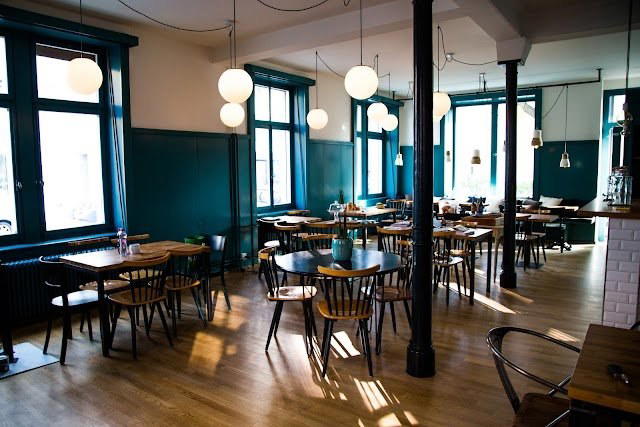
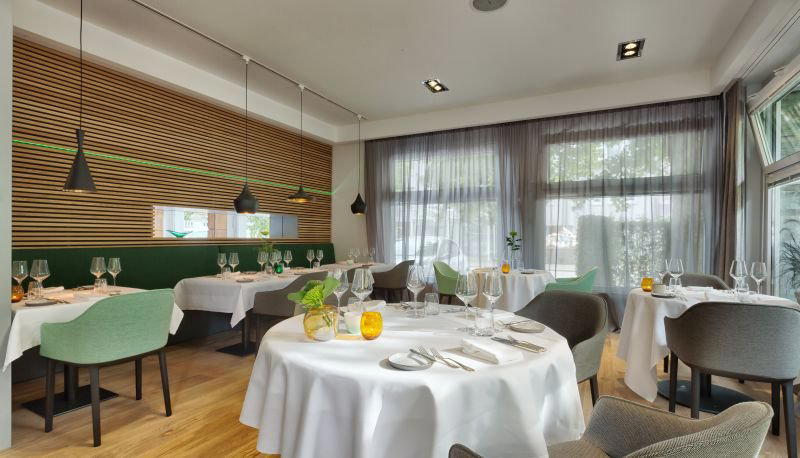
Bars in Basel
Browse all →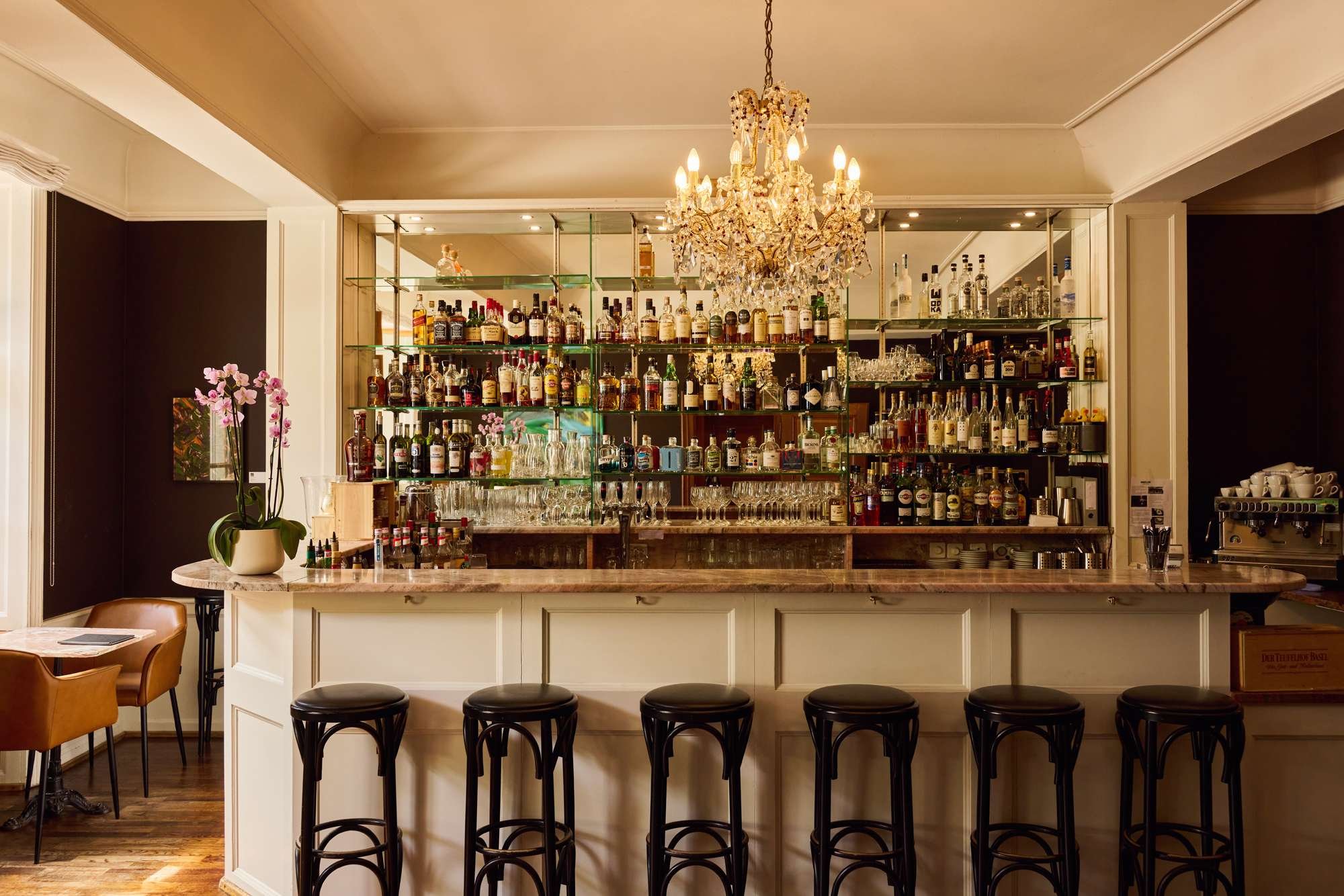

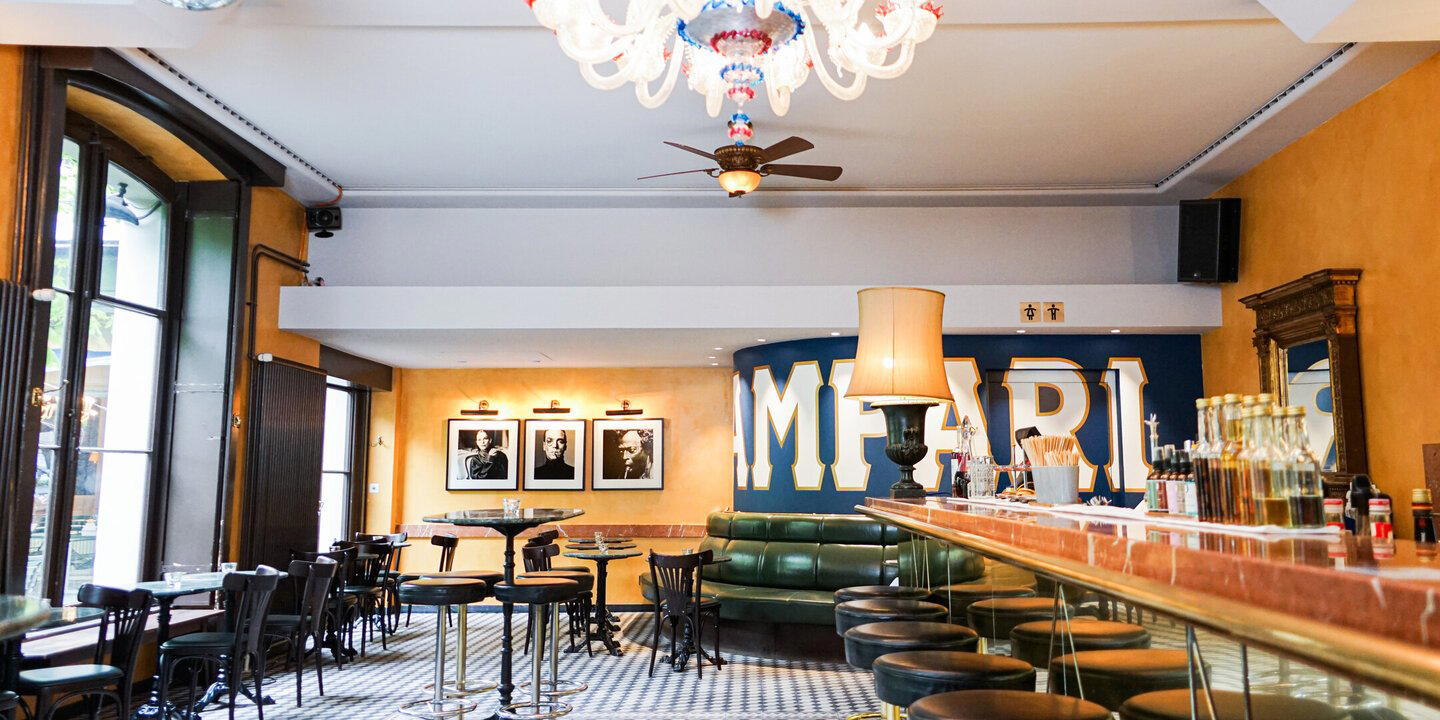

Hotels in Basel
Browse all →

At a Glance
- Classic
- Cozy
- Casual Hangout
- Standalone
Current opening hours
- Monday
- 10 AM–10:30 PM
- Tuesday
- 10 AM–10:30 PM
- Wednesday
- 10 AM–10:30 PM
- Thursday
- 10 AM–10:30 PM
- Friday
- 10 AM–11 PM
- Saturday
- 10 AM–11 PM
- Sunday
- 11:30 AM–10 PM
Hours can change for holidays and private events. Last verified .
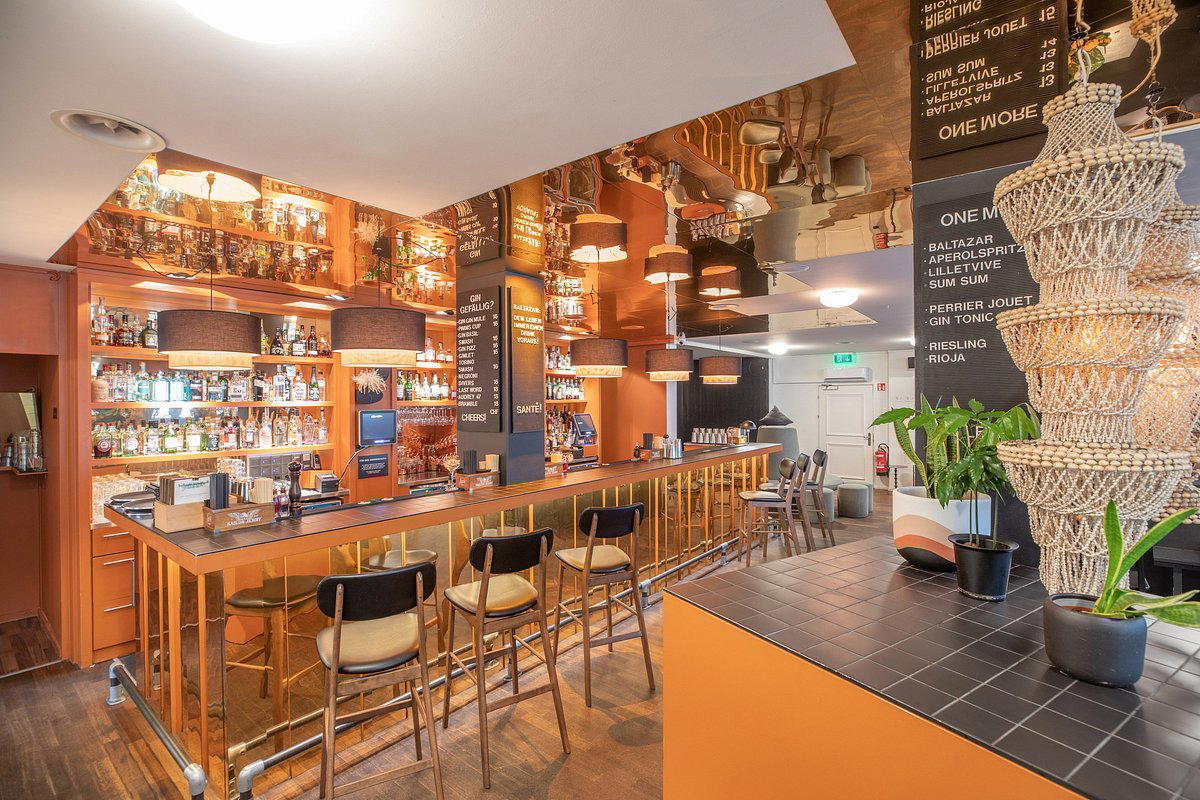
Casual and unpretentious atmosphere centered around fresh, simple Swiss snack fare in a historic setting.
Know Before You Go
- Getting there
- Gerbergasse 84, 4001 Basel, Switzerland