Waku Waku
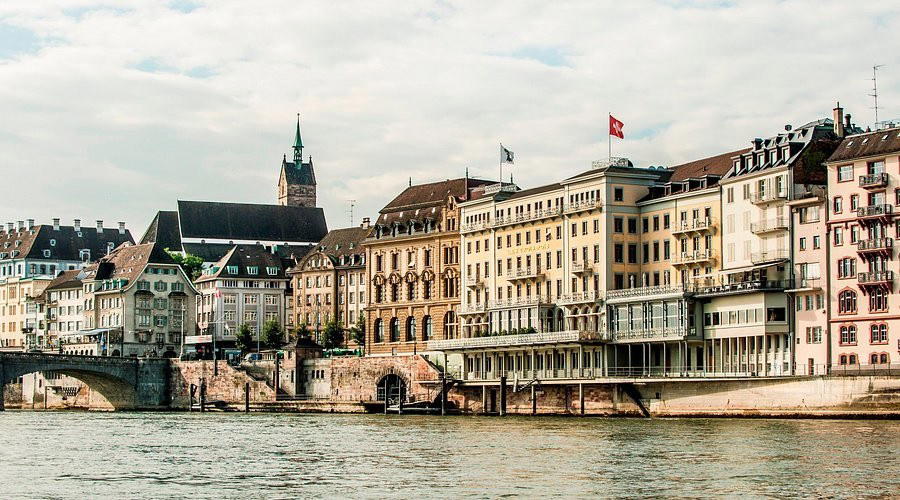
On Binningerstrasse in Basel's inner city, Waku Waku occupies a corner of the Swiss dining scene where the city's appetite for serious, considered restaurants meets a less formalised register. The address places it within reach of Basel's broader fine-dining corridor, a city that supports Michelin-starred tables alongside a growing tier of ambitious independents. For visitors calibrating a Basel itinerary, it warrants attention alongside the city's more decorated options.
Pearl is the En Primeur Club membership app — saves, bookings, and concierge access live there. Same editors, same standards.
- Address
- Binningerstrasse 15, 4051 Basel, Switzerland
- Phone
- +41615564254
- Website
- foodherogroup.ch
- Directions
- Get directions
 Saves & bookings on Pearl
Basel's Middle Tier and Where Waku Waku Sits Within It
Basel operates an unusually compressed fine-dining ecosystem for a city of its size. The Rhine-straddling Swiss-German-French border position means culinary influences arrive from three directions, and the city's museum wealth and Art Basel calendar sustain a clientele with international appetites year-round. At the upper end, restaurants like Cheval Blanc by Peter Knogl and Stucki - Tanja Grandits hold Michelin stars and price accordingly. Below that tier, a cluster of ambitious independents has built loyal followings without the overhead of formal tasting menus and full brigade kitchens. Waku Waku, at Binningerstrasse 15 in the 4051 postcode, operates in this mid-to-upper independent register — close enough to the Altstadt to draw the gallery crowd, far enough from the grand hotel dining rooms to maintain a different register.
The Binningerstrasse address is itself instructive. The street runs southwest from the city centre toward Binningen, passing through a residential and light-commercial stretch that Basel's dining scene has gradually colonised over the past decade. It is the kind of address that rewards walkers who have moved past the obvious tourist circuits, and the kind of location that independent operators favour precisely because it carries lower symbolic weight than a listed building on the Marktplatz.
The Scene Around Binningerstrasse 15
Approaching from the Barfüsserplatz tram hub, Binningerstrasse transitions quickly from the department-store and café strip into quieter urban fabric. Restaurants here tend to signal their register through restraint rather than spectacle: compact signage, considered window dressing, the kind of lighting that reads warm from the street on a grey Basel evening. That physical grammar matters in a city where the most serious cooking often happens behind the least demonstrative facades, a pattern consistent with roots and Ackermannshof, both of which built reputations in spaces that understate their ambition from the outside.
Waku Waku fits within this pattern. The name itself, borrowed from Japanese onomatopoeia for excitement or anticipation, signals a sensibility that leans cosmopolitan rather than regionally rooted — a common posture among Basel's independent operators who draw from global technique while remaining physically anchored to the city. The broader Swiss independent scene has moved in this direction: ambitious kitchens in secondary urban centres positioning themselves not as local-cuisine custodians but as precision-focused operations that happen to be in Switzerland. For comparable examples at different price points and formality levels across the country, the contrast with destination tables like Schloss Schauenstein in Fürstenau or Memories in Bad Ragaz is instructive: those operate as pilgrimage destinations with extensive wine programs built over decades. An urban independent like Waku Waku operates under different constraints and builds its cellar accordingly.
Wine at This Level: What Basel's Independent Scene Demands
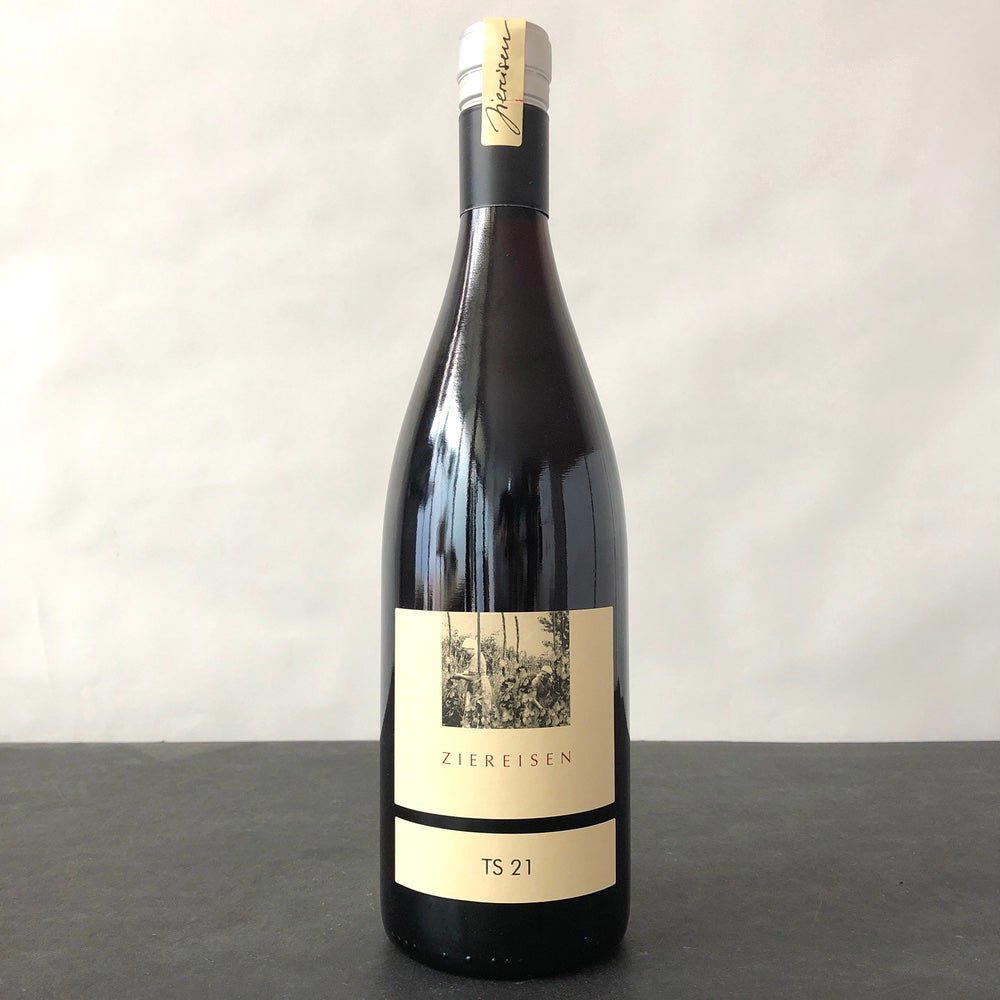
In Basel's independent dining tier, the wine program is often where operators signal how seriously they take the full experience. The city's position at the intersection of three wine-producing nations, French Alsace to the west, German Baden to the north, Swiss German-speaking wine regions to the east, gives sommeliers here an unusually broad sourcing palette. Restaurants that take advantage of this geography can build lists that feel genuinely local in logic while remaining international in ambition: bottles from Alsatian producers in Colmar, natural wines from Baden, and Swiss Pinot Noir from the Aargau or Schaffhausen appearing alongside Burgundy and Rhône references.
The question for any restaurant at Waku Waku's address tier is how deliberately that geography is exploited. At the upper end of Basel dining, 1777 and Cheval Blanc operate with cellar depth that reflects decades of acquisition. For the city's ambitious independents, the calculation is different: curation discipline matters more than volume, and the ability to match a relatively compact list to a focused menu is often more impressive than raw bottle count. A restaurant at Binningerstrasse 15 that has thought carefully about its regional sourcing, prioritising Alsatian Riesling and Pinot Gris alongside Swiss German producers, would be building a list consistent with Basel's actual geographic advantage rather than defaulting to a generic European selection.
This regional specificity is what separates considered independent wine programs from those that simply fill categories. For context on how Swiss fine dining handles cellar curation at the highest level, 7132 Silver in Vals and focus ATELIER in Vitznau represent the destination-dining end of that spectrum, while Colonnade in Lucerne shows how urban Swiss independents can build credible programs in competitive city environments.
Placing Waku Waku in the Swiss Dining Conversation
Switzerland's fine-dining map has expanded in interesting directions over the past five years. The Geneva and Zurich anchors remain dominant, L'Atelier Robuchon in Geneva and IGNIV Zürich by Andreas Caminada draw international visitors specifically, but the secondary cities have developed their own critical mass. Basel's case is particularly strong given the Art Basel calendar, which concentrates a globally mobile, restaurant-literate audience in the city twice a year and creates sustained demand for serious independent options beyond the hotel dining rooms.
For international visitors calibrating a Basel restaurant shortlist, Waku Waku at Binningerstrasse 15 represents the independent-operator tier worth investigating before the obvious starred options. That tier is where the city's most interesting risk-taking tends to happen: menus that shift more freely, wine lists assembled around relationships rather than prestige labels, and service that trades formality for engagement. The same dynamic plays out in cities with stronger international profiles, the contrast between Le Bernardin in New York City and the city's independent contemporary operators, or between Atomix and the broader Korean-influenced dining scene, illustrates how the independent tier often carries the most editorial interest even when the starred tables carry more prestige. In Basel's case, the comparison with European contemporaries like Da Vittorio in St. Moritz or Einstein Gourmet in Sankt Gallen frames Basel's independent scene as part of a broader Swiss conversation about where serious cooking happens outside the obvious postcode.
Booking and planning for Waku Waku follows the pattern of Basel's independent operators generally: approaching the venue directly via the Binningerstrasse address or monitoring any available online presence is the practical path, given that smaller operations rarely maintain extensive third-party booking infrastructure. For first-time visitors building a Basel itinerary, cross-referencing with our full Basel restaurants guide provides the clearest framework for slotting Waku Waku alongside the city's other serious options, from the starred addresses at the top of the market to the Hotel de Ville Crissier in Crissier for those extending into the broader Swiss dining circuit.
Continue exploring
More in Basel
Restaurants in Basel
Browse all →
Bars in Basel
Browse all →


Hotels in Basel
Browse all →

At a Glance
- Trendy
- Lively
- Modern
- Casual Hangout
- Open Kitchen
Current opening hours
- Monday
- 11:30 AM–10 PM
- Tuesday
- 11:30 AM–10 PM
- Wednesday
- 11:30 AM–10 PM
- Thursday
- 11:30 AM–10 PM
- Friday
- 11:30 AM–10:30 PM
- Saturday
- 4:30–10:30 PM
- Sunday
- 5:30–10 PM
Hours can change for holidays and private events. Last verified .
Casual and energetic atmosphere centered around fresh, lively street food presentations.
Know Before You Go
- Getting there
- Binningerstrasse 15, 4051 Basel, Switzerland