Rostiger Anker
On Hafenstrasse in Basel's working harbour district, Rostiger Anker occupies a corner of the city that most fine-dining itineraries overlook. Where the Rhine-side neighbourhood meets the port, the restaurant operates in a different register from Basel's Michelin-weighted French tradition — making it a useful counterpoint to the city's more decorated tables for travellers who want to read the full range of what Basel eats.
Pearl is the En Primeur Club membership app — saves, bookings, and concierge access live there. Same editors, same standards.
- Address
- Hafenstrasse 25a, 4057 Basel, Switzerland
- Phone
- +41616310803
- Website
- rostigeranker.ch
- Directions
- Get directions
 Saves & bookings on Pearl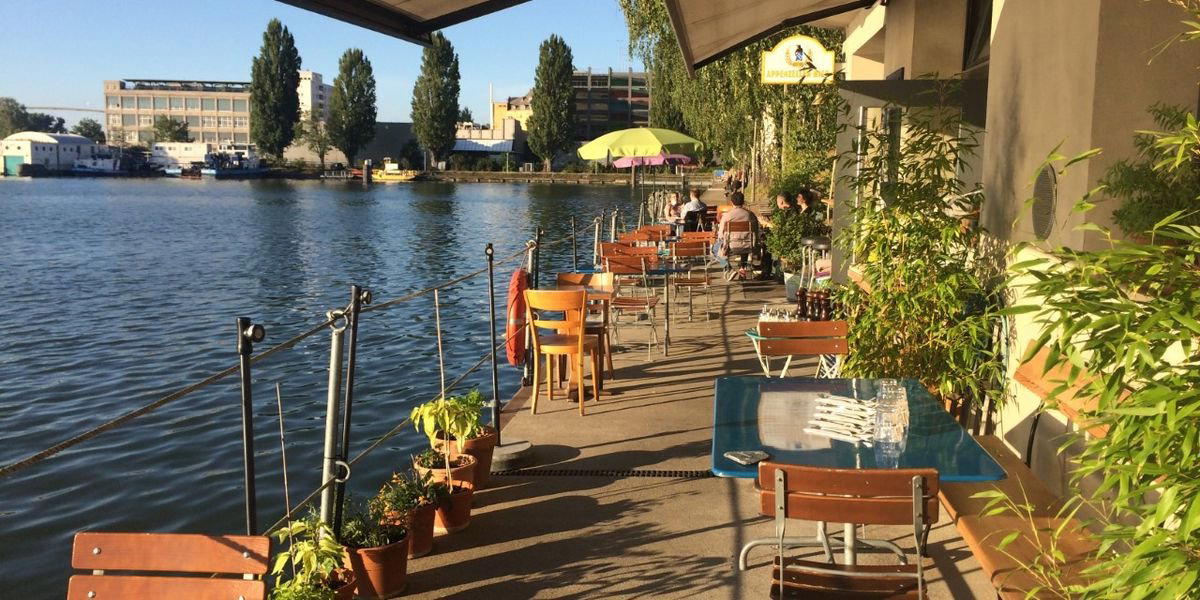
Where Basel's Port District Sets Its Own Table
The harbour end of Hafenstrasse does not announce itself. Basel's Rhine port — a working freight corridor that handles more than five million tonnes annually — gives this stretch of the 4057 postcode a texture that differs sharply from the polished gallery district or the medieval Altstadt. Warehouses, water, and functional infrastructure define the approach. Rostiger Anker, at number 25a, sits inside that atmosphere rather than against it. The name translates as 'Rusty Anchor,' which signals something about the register the place has chosen: not aspirational rusticity performed for a dinner audience, but a genuine alignment with the neighbourhood's industrial-maritime character.
That character matters as editorial context because it positions Rostiger Anker outside the dominant arc of Basel dining. The city's most celebrated tables, Cheval Blanc by Peter Knogl and Stucki - Tanja Grandits, operate in the €€€€ tier with formal French or creative Contemporary French frameworks and the Michelin recognition that comes with them. roots, another €€€€ address, brings a Flemish-influenced vegetarian program into that high-spend bracket. Rostiger Anker reads the city from a different vantage point: the port rather than the Kunstmuseum quarter, a name that leans toward the vernacular rather than the grand.
Ingredient Sourcing as a Statement of Place
Across Swiss dining at this postcode level, working-neighbourhood addresses without formal award recognition, the sourcing question is where kitchens most clearly declare their identity. Switzerland's agricultural geography is specific: the country imports around 40% of its food energy but maintains strong regional supply chains for dairy, meat, grain, and freshwater fish that are deeply embedded in local restaurant culture. A kitchen in Basel's port district that takes sourcing seriously has access to Rhine perch from the river corridor, Basel-region market produce from the Marktplatz tradition, and Alsatian supply lines that cross the French border less than four kilometres away.
The Alsatian proximity is not incidental. Basel sits at the meeting point of Switzerland, Germany, and France, the Dreiländereck, which means its food culture has historically drawn on German, French, and Swiss-German traditions simultaneously. Kitchens that lean into that geography rather than importing a unified international fine-dining language tend to produce menus that are harder to replicate elsewhere. The ingredients themselves carry specificity: Alsatian charcuterie traditions, Rhine Valley wines, market produce moving across the border without the friction that applies to other import routes.
For the reader mapping Basel's dining scene, this geographic specificity is more useful than award counts. 1777 and Ackermannshof represent other angles on the city's mid-range and neighbourhood restaurant culture. Rostiger Anker's harbour-district position adds a different axis to that reading: a place shaped by what arrives from the water and across the nearby borders rather than by what the Michelin circuit rewards.
Reading the Room Against Basel's Dining Tiers
Switzerland's restaurant scene at the upper end is well-documented. Hotel de Ville Crissier in Crissier and Schloss Schauenstein in Fürstenau represent the country's highest tier of destination dining. Memories in Bad Ragaz, 7132 Silver in Vals, and Einstein Gourmet in Sankt Gallen each anchor their respective cities in the formal recognition hierarchy. In Zurich, IGNIV Zürich by Andreas Caminada has built a sharing-format program that sits in its own structural category. focus ATELIER in Vitznau and Colonnade in Lucerne extend that network across the country's lake and mountain zones.
Rostiger Anker is not competing in that tier. That is a factual observation rather than a criticism. The more instructive comparison is with what neighbourhood restaurants in Swiss port or industrial districts have historically done well: strong seasonal menus, an orientation toward local supply, and a price point that allows the kitchen to serve the actual neighbourhood rather than only destination visitors. Internationally, the parallel format, neighbourhood-rooted, ingredient-led, non-formal, has produced serious cooking at addresses ranging from Le Bernardin in New York City on the seafood-focused end to Atomix in New York City at the tasting-menu precision end. The point is not that Rostiger Anker operates at those levels, but that the ingredient-sourcing logic that drives the format has a traceable tradition across serious cooking cultures.
For the Traveller Calibrating Basel's Range
Basel rewards travellers who read the city across its full range rather than concentrating spend entirely in its Michelin tier. The full Basel restaurants guide maps that range in detail. The neighbourhood around Hafenstrasse 25a functions as a working port district throughout the week, which affects both the atmosphere and the timing logic for visiting. The address is in the 4057 postcode, on the left bank of the Rhine in Kleinbasel, the historically working-class side of the city that has developed a more mixed character over the past two decades without losing its functional infrastructure identity.
For context on how ingredient-led formats operate at the highest level in comparable maritime or river-city settings, Da Vittorio in St. Moritz and L'Atelier Robuchon in Geneva offer reference points at the formal end of the Swiss dining spectrum. The distance between those addresses and Rostiger Anker's harbour-district register is precisely what makes both useful on the same itinerary.
Know Before You Go
Address: Hafenstrasse 25a, 4057 Basel, Switzerland
District: Kleinbasel (left bank Rhine), Basel harbour zone
Phone: Not publicly listed at time of publication
Website: Not available at time of publication
Booking: Booking method not confirmed, arrival without prior reservation is advisable only at off-peak hours given the neighbourhood's variable foot-traffic patterns
Nearest reference transport: Kleinbasel tram network; the 4057 postcode is served by multiple tram lines connecting to Basel SBB main station
Dress code: Not formally specified; the harbour-district setting reads as casual to smart casual
How Rostiger Anker Basel compares with similar nearby venues.
| Venue | Cuisine | Price |
|---|---|---|
| Autour de la Table | Classic Cuisine | €€€ |


At a Glance
- Scenic
- Cozy
- Rustic
- Brunch
- Casual Hangout
- Group Dining
- Waterfront
- Terrace
- Standalone
- Beer Program
- Local Sourcing
- Farm To Table
- Waterfront
Current opening hours
- Monday
- Closed
- Tuesday
- 11 AM–3 PM
- Wednesday
- 11 AM–11 PM
- Thursday
- 11 AM–11 PM
- Friday
- 11 AM–11 PM
- Saturday
- 3–11 PM
- Sunday
- 10 AM–5 PM
Hours can change for holidays and private events. Last verified .
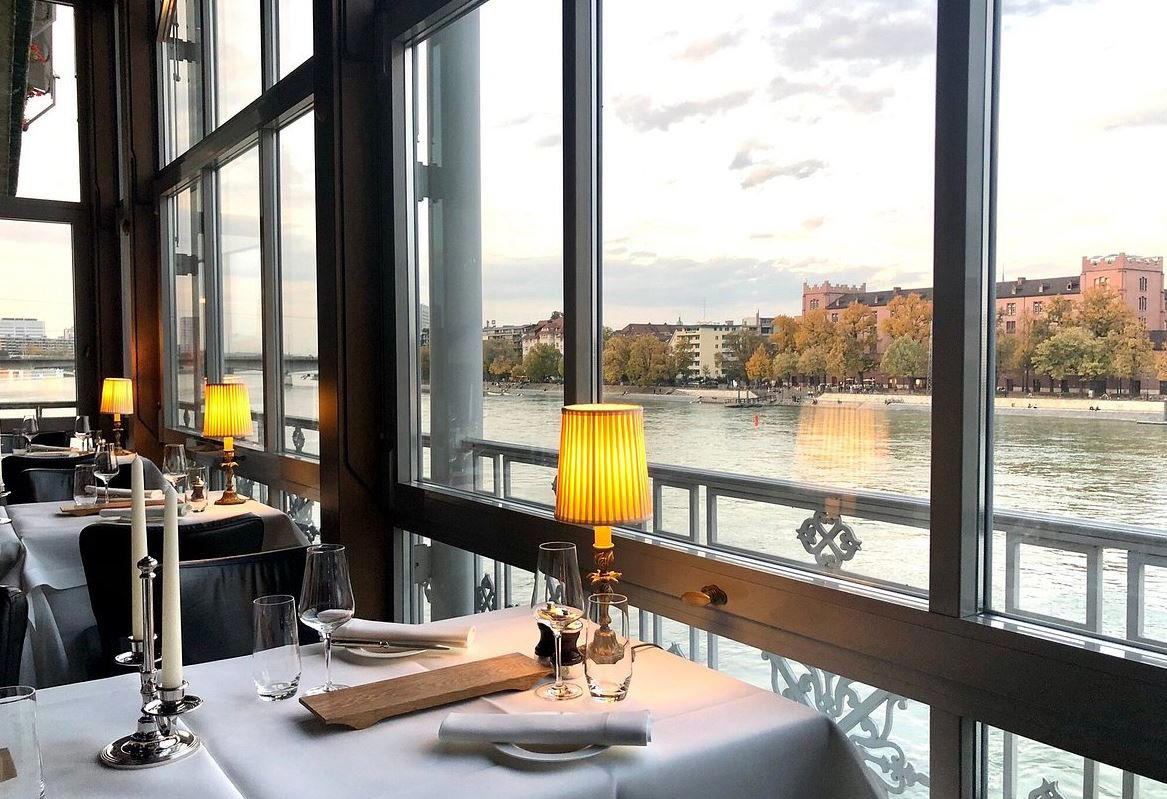
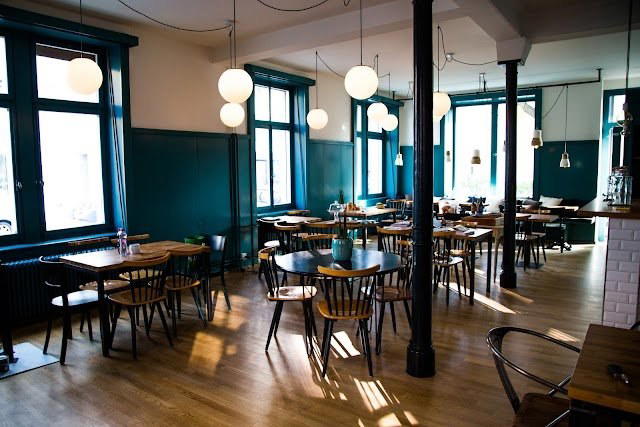
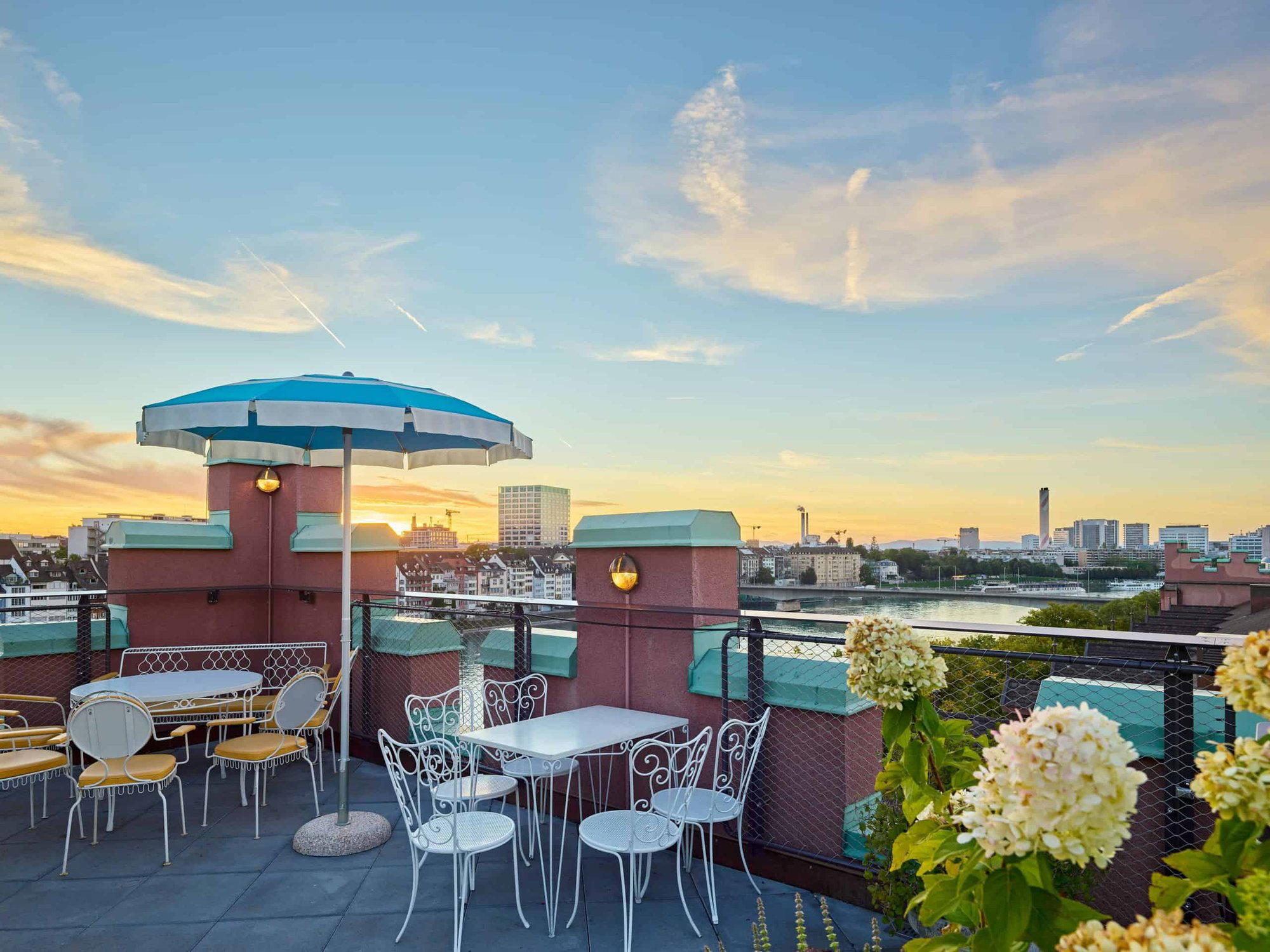
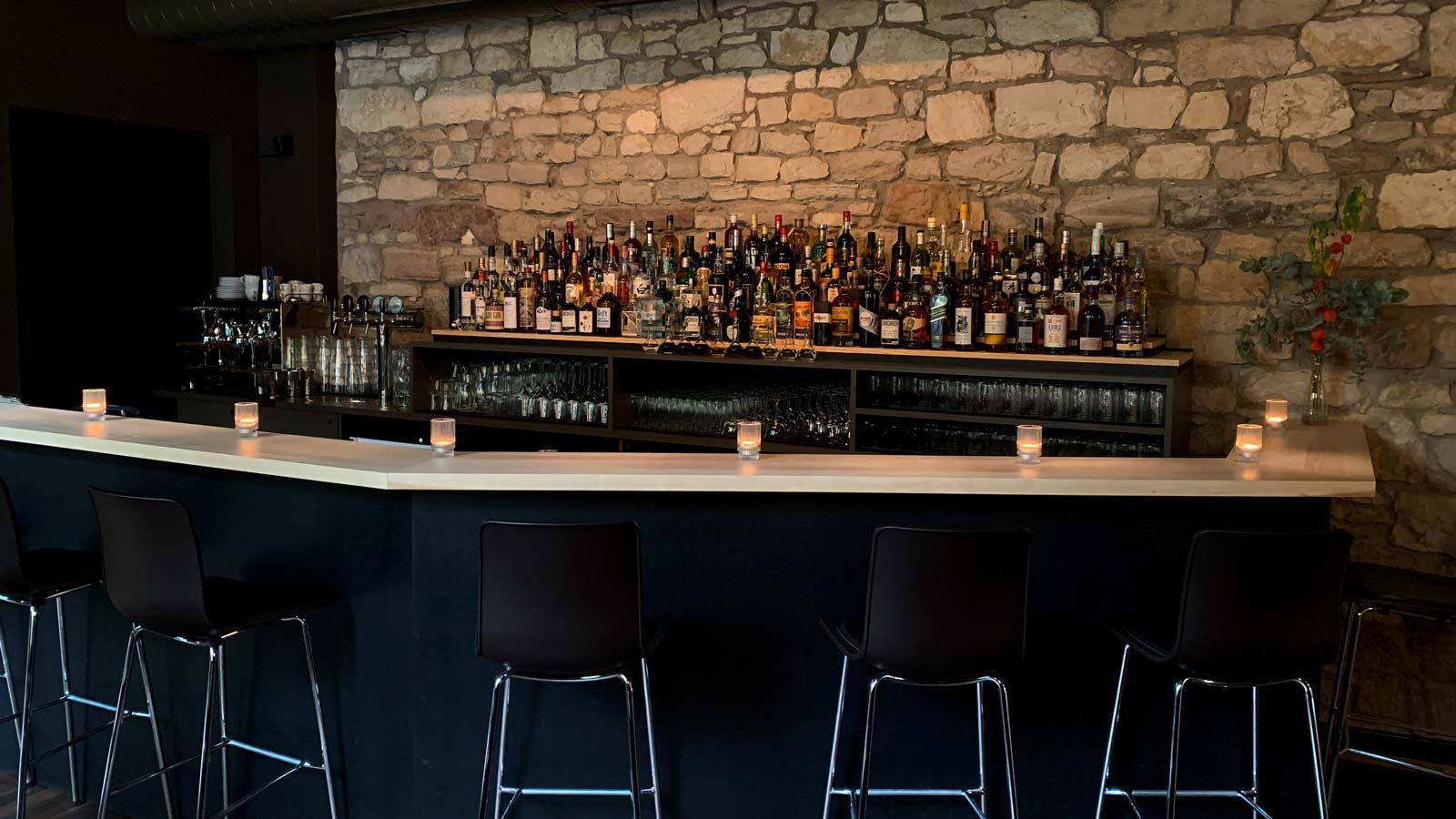
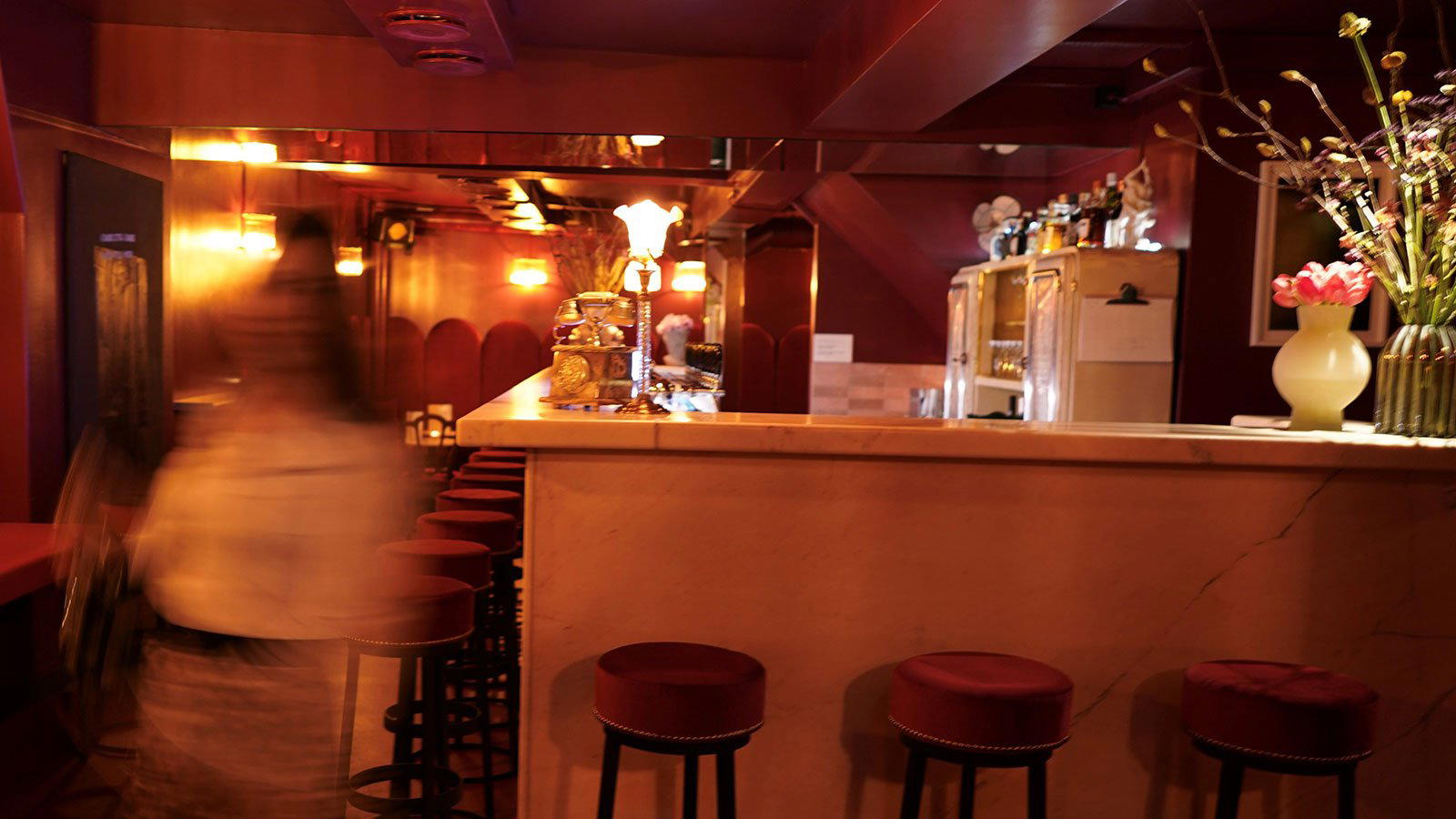
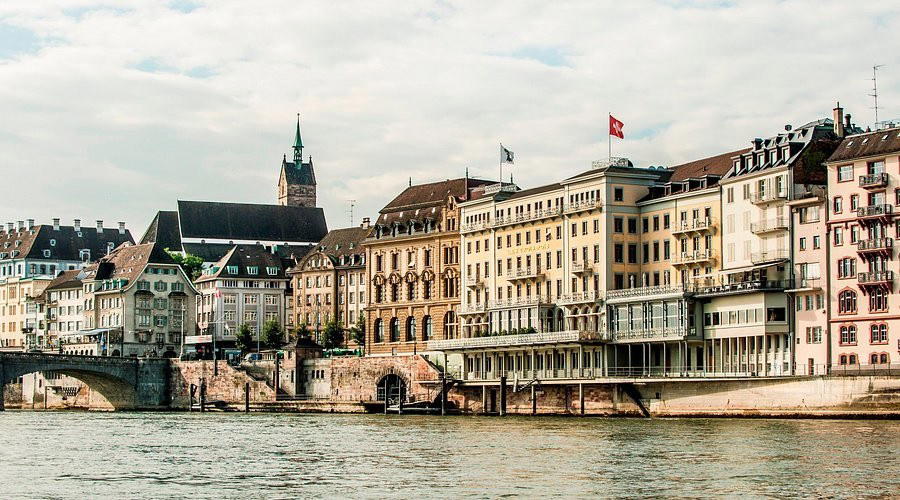
Relaxed and unagitated atmosphere with natural lighting from Rhine views; intimate harbor-side setting with distinctive shipping traffic views.
Know Before You Go
- Getting there
- Hafenstrasse 25a, 4057 Basel, Switzerland