Zum goldenen Fass
Zum goldenen Fass occupies a address on Hammerstrasse in Basel's left-bank residential quarter, a neighbourhood where working-class tavern culture and contemporary dining have long shared the same streets.
Pearl is the En Primeur Club membership app — saves, bookings, and concierge access live there. Same editors, same standards.
- Address
- Hammerstrasse 108, 4057 Basel, Switzerland
- Phone
- +41616933400
- Website
- goldenes-fass.ch
- Directions
- Get directions
 Saves & bookings on Pearl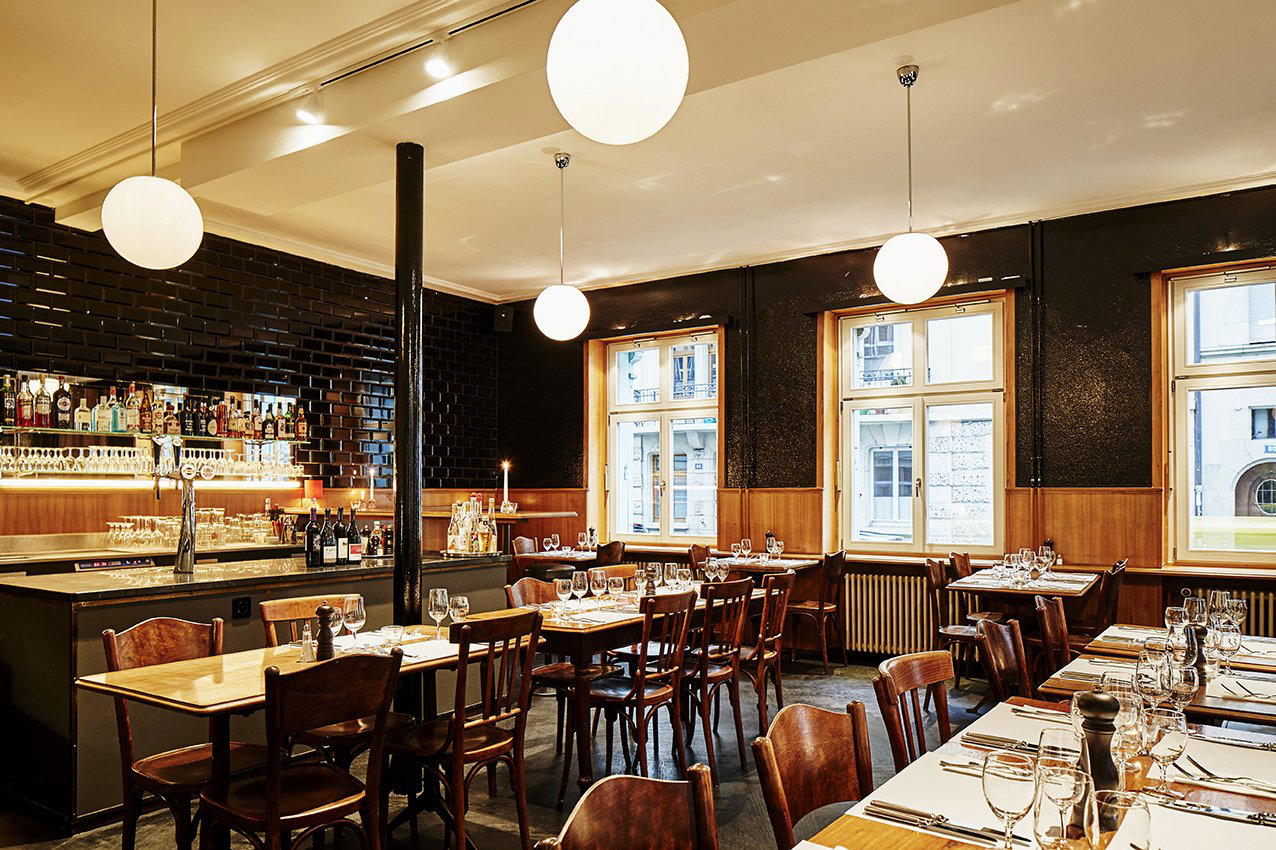
Basel's Quieter Register: Neighbourhood Dining Beyond the Michelin Corridor
Basel's restaurant conversation tends to cluster around a handful of addresses: the grand hotel dining rooms near the Rhine, the tasting-menu destinations that draw Art Basel visitors each June, and the certified organic or vegetarian counters that have earned critical attention in recent years. What that conversation underrepresents is the city's denser, more workaday dining fabric — the establishments that sustain neighbourhoods rather than attract pilgrimage. Zum goldenen Fass, addressed at Hammerstrasse 108 in the 4057 postal district, sits in that quieter register, in a part of Basel that is residential and historically industrial rather than tourist-facing.
The Hammerstrasse corridor in Basel's Kleinbasel district has historically housed craft trades, artisan workshops, and the kinds of establishments that feed the people who live nearby rather than those passing through. That context matters when assessing any venue here: proximity to the Rhine and the French and German borders means local suppliers — market gardens across the border in Alsace, Swiss dairy operations a short drive south, small-scale wine producers from nearby Alsace and Baden, are realistic sourcing partners even for modest operations. Whether Zum goldenen Fass has formalised those relationships is not documented in available records, but the address places it inside a neighbourhood where such sourcing patterns are structurally plausible and economically logical.
Sustainability and the Local Sourcing Question in Swiss Neighbourhood Dining
Switzerland's relationship with food provenance operates differently from most European markets. Swissness certification, the federal designation scheme, requires documented local ingredient percentages before any establishment can make origin claims, which means that in Switzerland, vague farm-to-table language carries legal risk in a way it does not in neighbouring France or Germany. That regulatory environment tends to sort venues into two groups: those that invest in traceable, documented sourcing and are explicit about it, and those that simply avoid the claim entirely.
For neighbourhood restaurants in Basel specifically, the proximity to Alsace creates a genuine ethical question: does sourcing across the border undercut local Swiss producers, or does it extend the regional food system in a geographically sensible way? The most thoughtful operators in this price tier tend to treat the trinational region, France, Germany, Switzerland meeting at Basel, as a coherent agricultural zone rather than drawing an arbitrary national line. Seasonal vegetables from the Alsatian plain, fish from the Rhine catchment, cheeses from the Jura foothills: these are short-chain, low-transport options that align with reduced-footprint sourcing regardless of which side of the border they originate from.
Basel's dining scene at the higher end demonstrates how this can be formalised. roots, operating in the €€€€ tier with a Flemish and modern cuisine orientation, has built a documented sustainable sourcing program that Basel critics have noted as a reference point for the city. Stucki - Tanja Grandits, equally in the leading price tier, has a long-established reputation for creative seasonal work. What these addresses establish is that Basel has built demand for provenance-conscious cooking across multiple price points, a demand that filters down to neighbourhood restaurants even without Michelin validation.
Where Zum goldenen Fass Sits in Basel's Competitive Map
The 4057 postal code is not a fine-dining district. It is an area where a restaurant needs to sustain regular trade from local residents, meaning value proposition and consistency matter more than occasion dining or destination appeal.
Basel's mid-range and neighbourhood tier includes a wide spread of European cooking traditions, reflecting the city's position at the confluence of French, German, and Swiss culinary influence. The city's most established fine-dining addresses, Cheval Blanc by Peter Knogl with its Classic French four-star positioning, and the broader Michelin-recognised cluster near the city centre, operate in a different economic register from Hammerstrasse.
That positioning is not a weakness. The neighbourhood restaurant tier in any Swiss city carries its own quality floor: labour costs, ingredient standards, and the expectations of a well-travelled local population mean that simply existing in Basel sets a baseline that does not apply in lower-cost markets. A functional neighbourhood restaurant here is operating in a market where the average diner has eaten well in Zurich, Geneva, and across the border in Alsace, and has calibrated expectations accordingly.
Basel in the Swiss Fine Dining Context
For visitors using Basel as a base to reach Switzerland's broader dining circuit, the city functions as a logical hub. Switzerland's highest-recognised restaurant addresses distribute across the country: Hotel de Ville Crissier near Lausanne, Schloss Schauenstein in Fürstenau, Memories in Bad Ragaz, 7132 Silver in Vals, and in Zurich, IGNIV Zürich by Andreas Caminada. Further afield, focus ATELIER in Vitznau, Colonnade in Lucerne, Da Vittorio - St. Moritz, and Einstein Gourmet in Sankt Gallen represent Switzerland's geographic spread of serious dining. Geneva adds L'Atelier Robuchon to the map. For international reference, the kind of technical and sourcing rigour Switzerland's leading addresses demonstrate finds parallels in Le Bernardin and Atomix in New York.
Within Basel itself, our full Basel restaurants guide maps the city's dining options across cuisine types and price points, from the Michelin corridor to neighbourhood addresses like this one.
Know Before You Go
- Address: Hammerstrasse 108, 4057 Basel, Switzerland
- Neighbourhood: Kleinbasel, left bank of the Rhine
- Phone: Not publicly listed, visit in person or check local directories
- Website: Not available in current records
- Booking: Reservation policy not confirmed; walk-in may apply for neighbourhood format
- Hours: Not listed, confirm locally before visiting
- Access: Basel's tram network serves the Hammerstrasse area from the city centre

At a Glance
- Cozy
- Classic
- Intimate
- Date Night
- Casual Hangout
- Historic Building
- Local Sourcing
Current opening hours
- Monday
- Closed
- Tuesday
- 6:30–11:30 PM
- Wednesday
- 6:30–11:30 PM
- Thursday
- 6:30–11:30 PM
- Friday
- 6:30 PM–12:30 AM
- Saturday
- 6:30 PM–12:30 AM
- Sunday
- Closed
Hours can change for holidays and private events. Last verified .
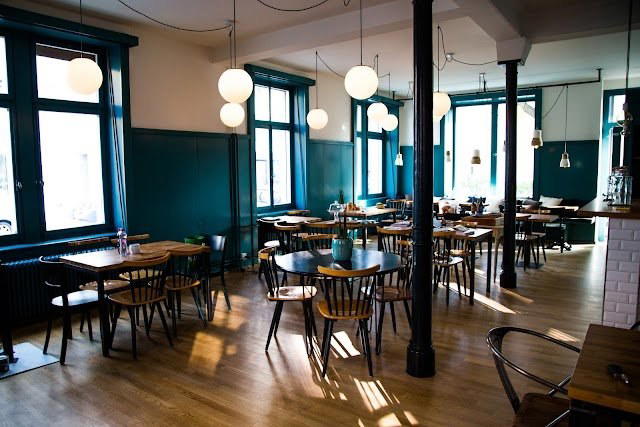
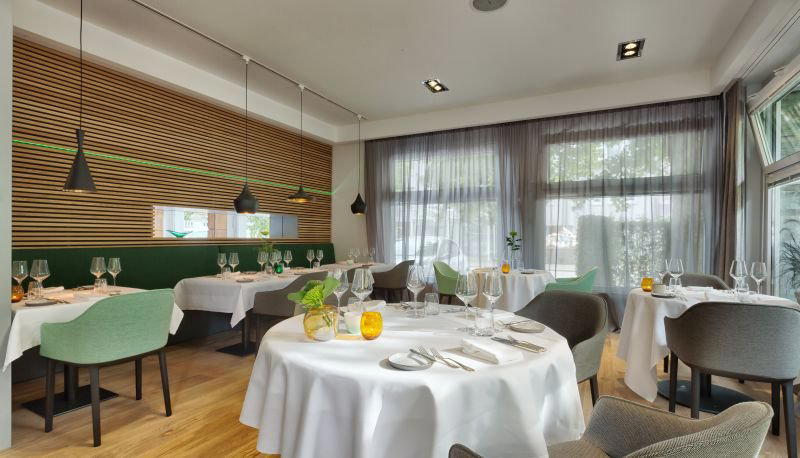
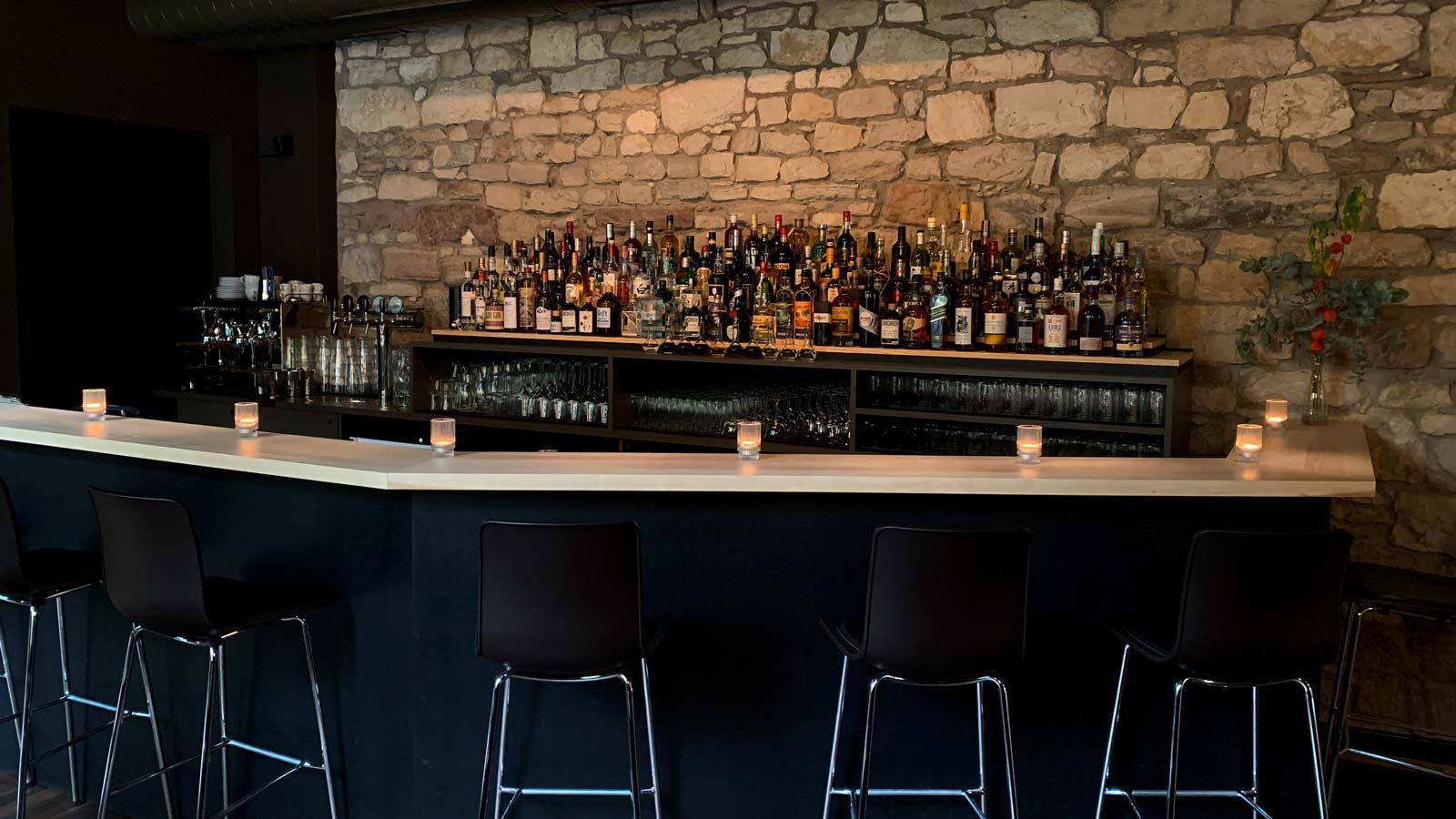
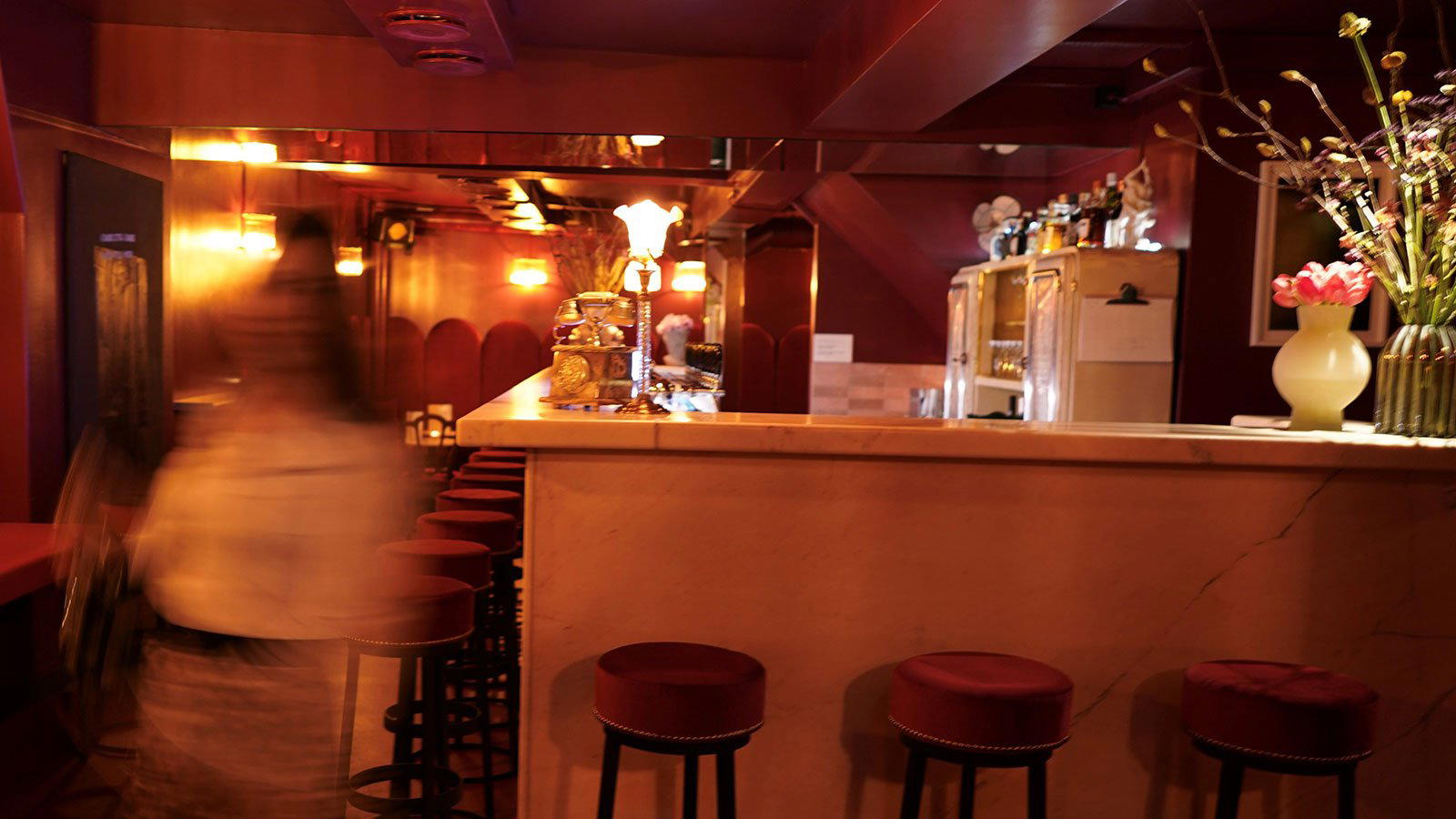
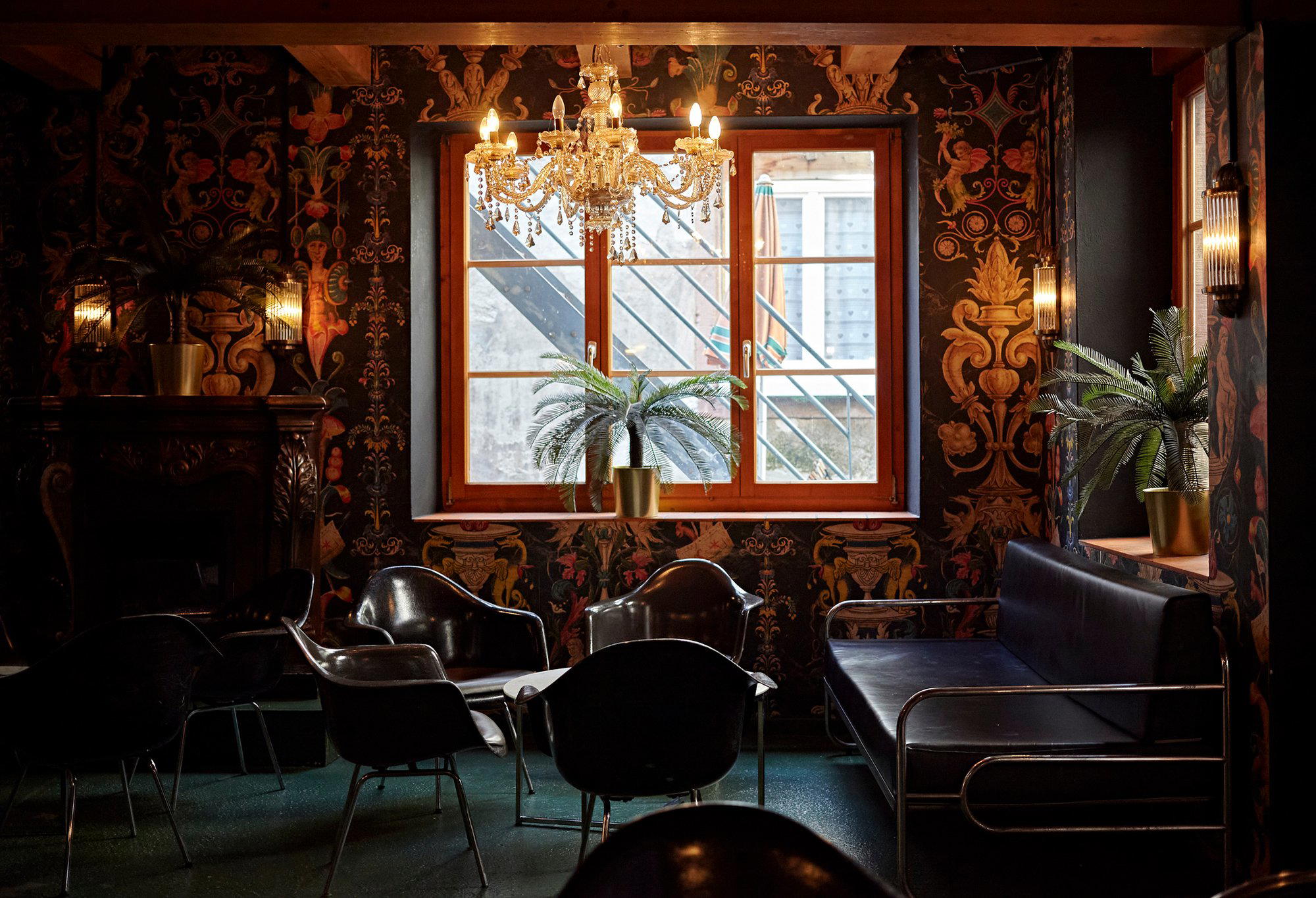
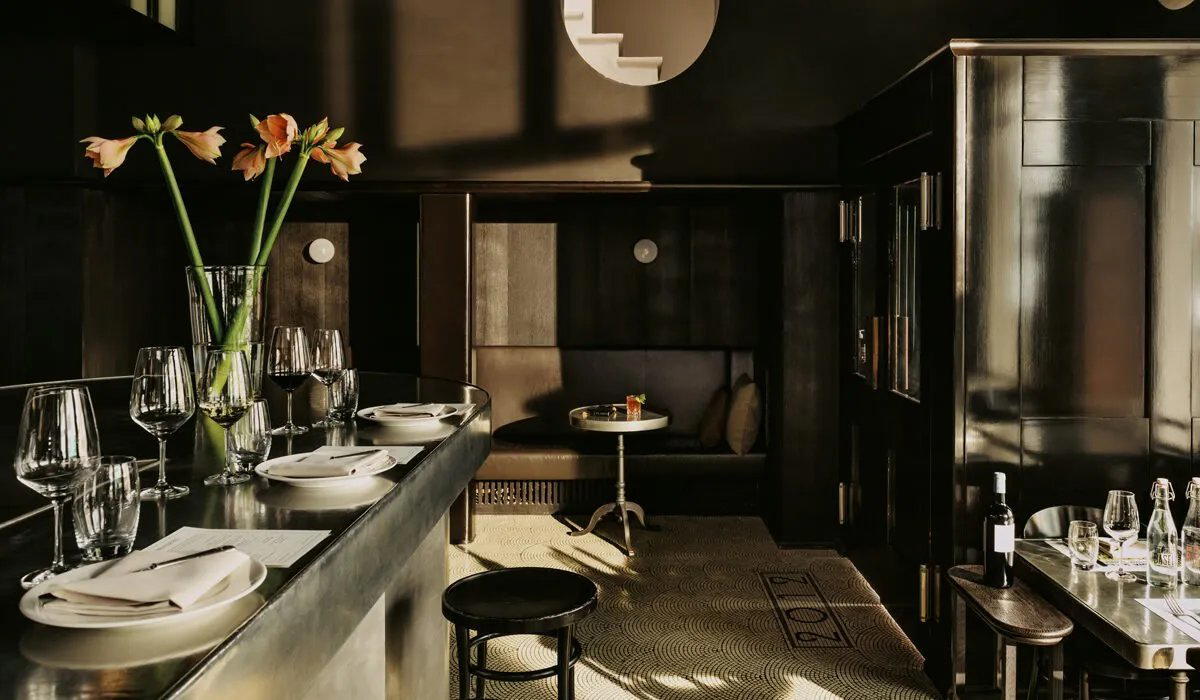
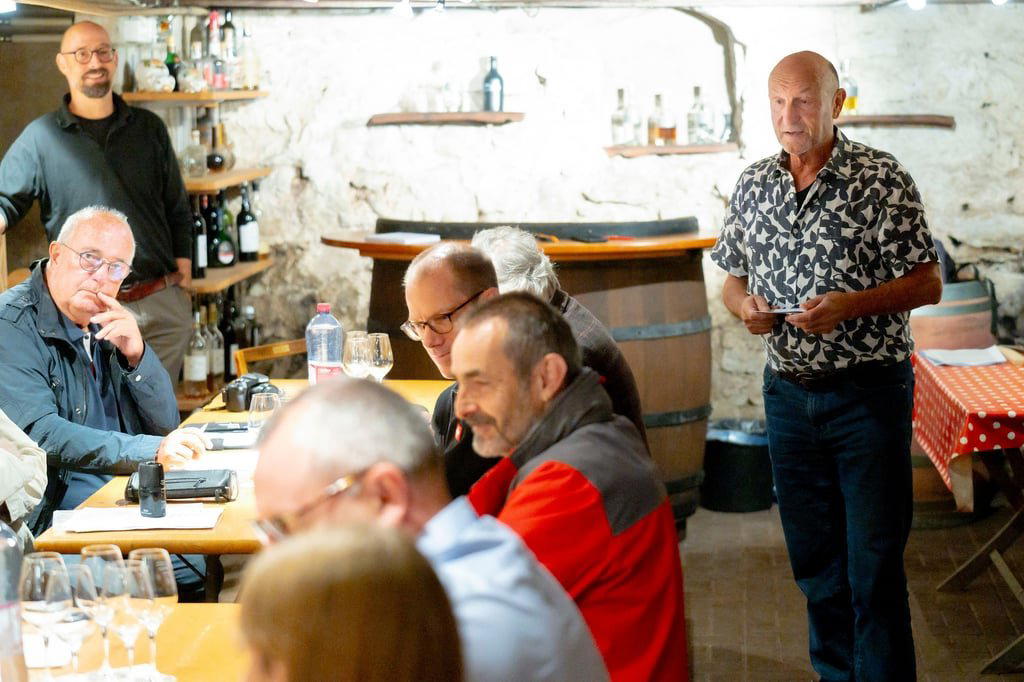
Nostalgic tavern featuring beautiful wooden tables, antique parquet flooring, black metro-tiling behind the bar, cozy and convivial atmosphere.
Know Before You Go
- Getting there
- Hammerstrasse 108, 4057 Basel, Switzerland