Mr. John's Steakhouse
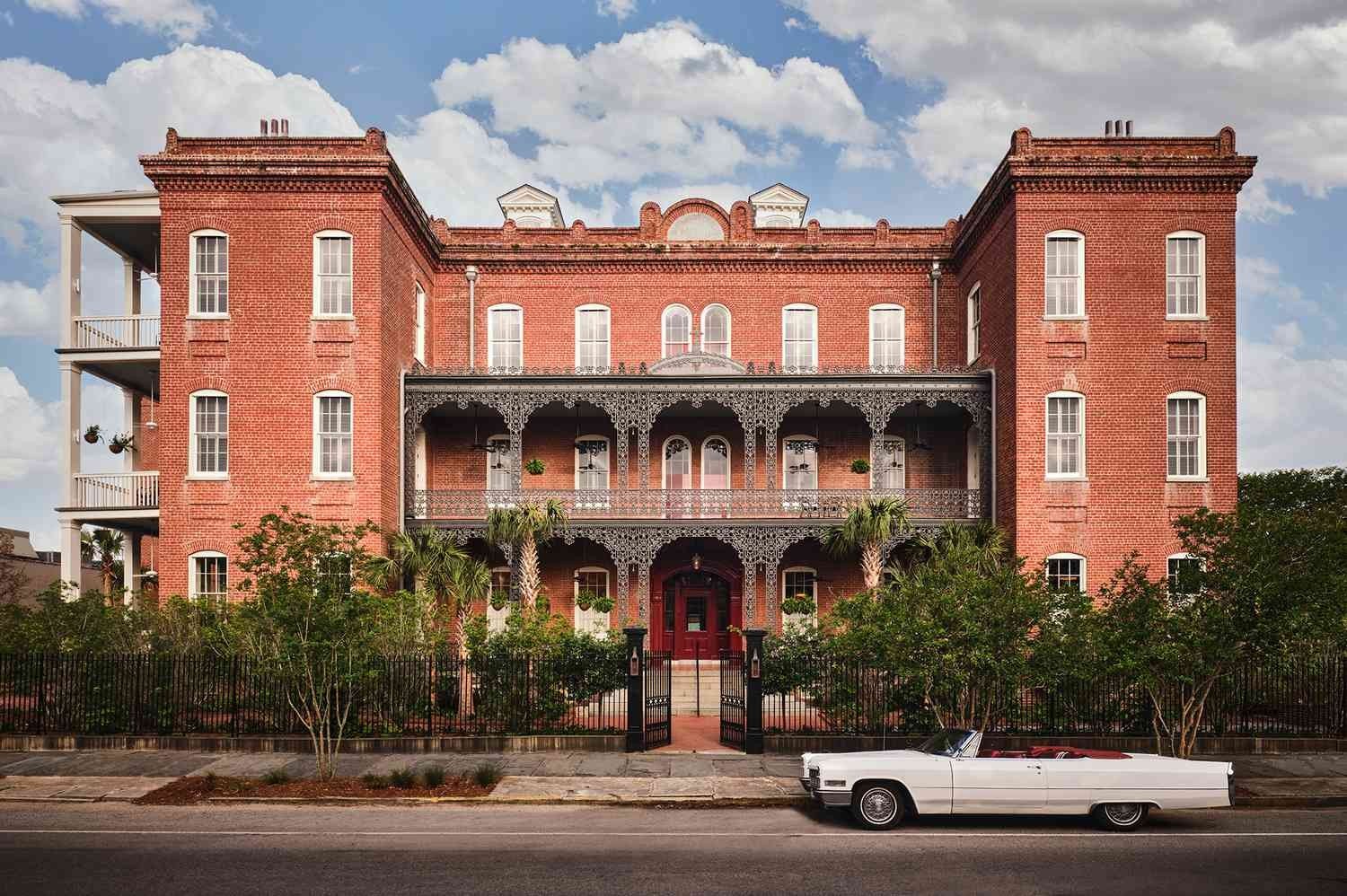
A St. Charles Avenue institution that has fed New Orleans since the mid-twentieth century, Mr. John's Steakhouse sits in the city's quieter uptown corridor, removed from the French Quarter noise. The kitchen works in the American chophouse tradition, aged beef, classic sides, room-temperature dining rooms that feel lived-in rather than designed. It belongs to a tier of old-guard steakhouses that New Orleans has always supported alongside its Creole flagship tables.
Pearl is the En Primeur Club membership app — saves, bookings, and concierge access live there. Same editors, same standards.
- Address
- 2111 St Charles Ave, New Orleans, LA 70130
- Phone
- +15046797697
- Website
- mrjohnssteakhouse.com
- Directions
- Get directions
 Saves & bookings on Pearl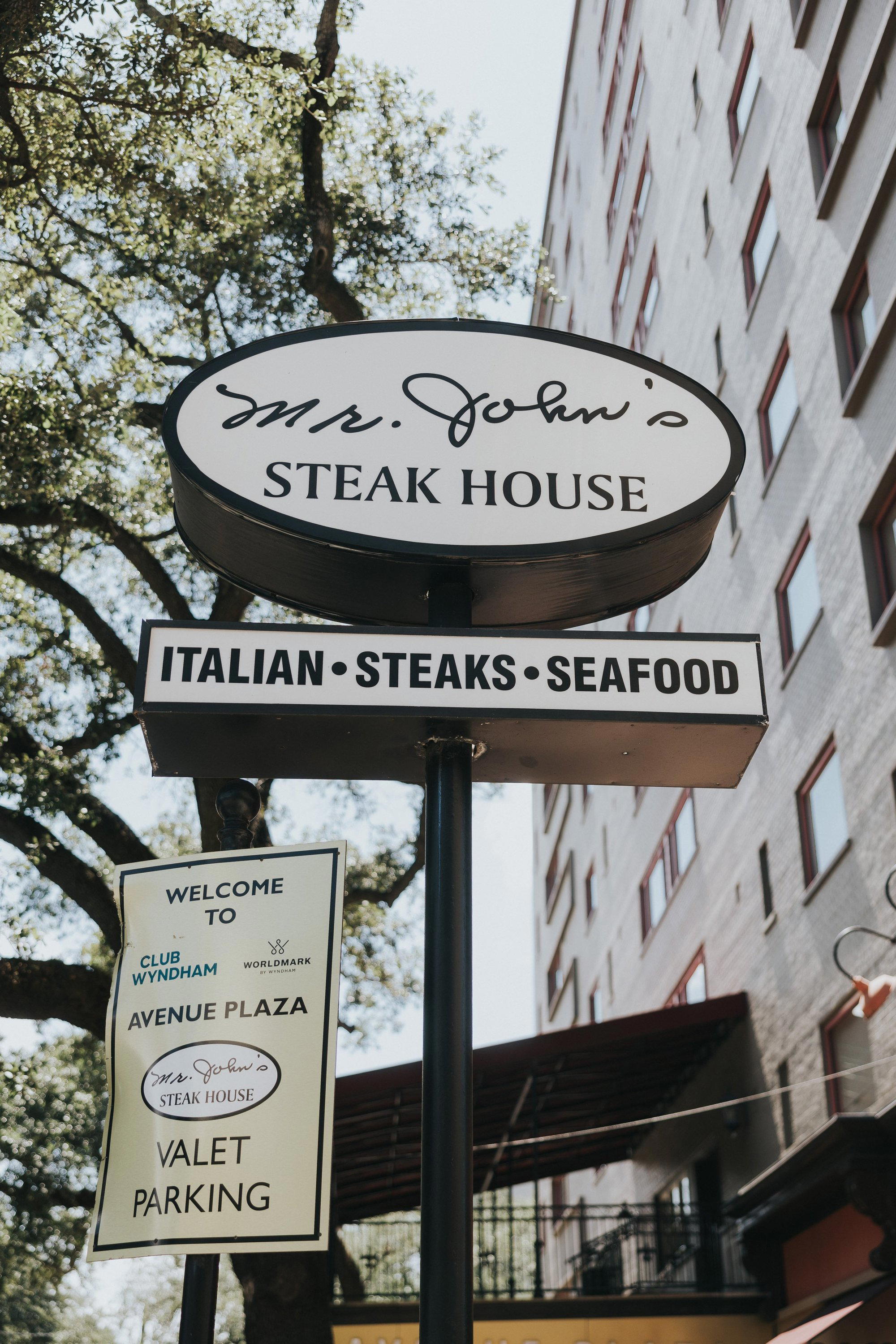
St. Charles Avenue and the Uptown Steakhouse Tradition
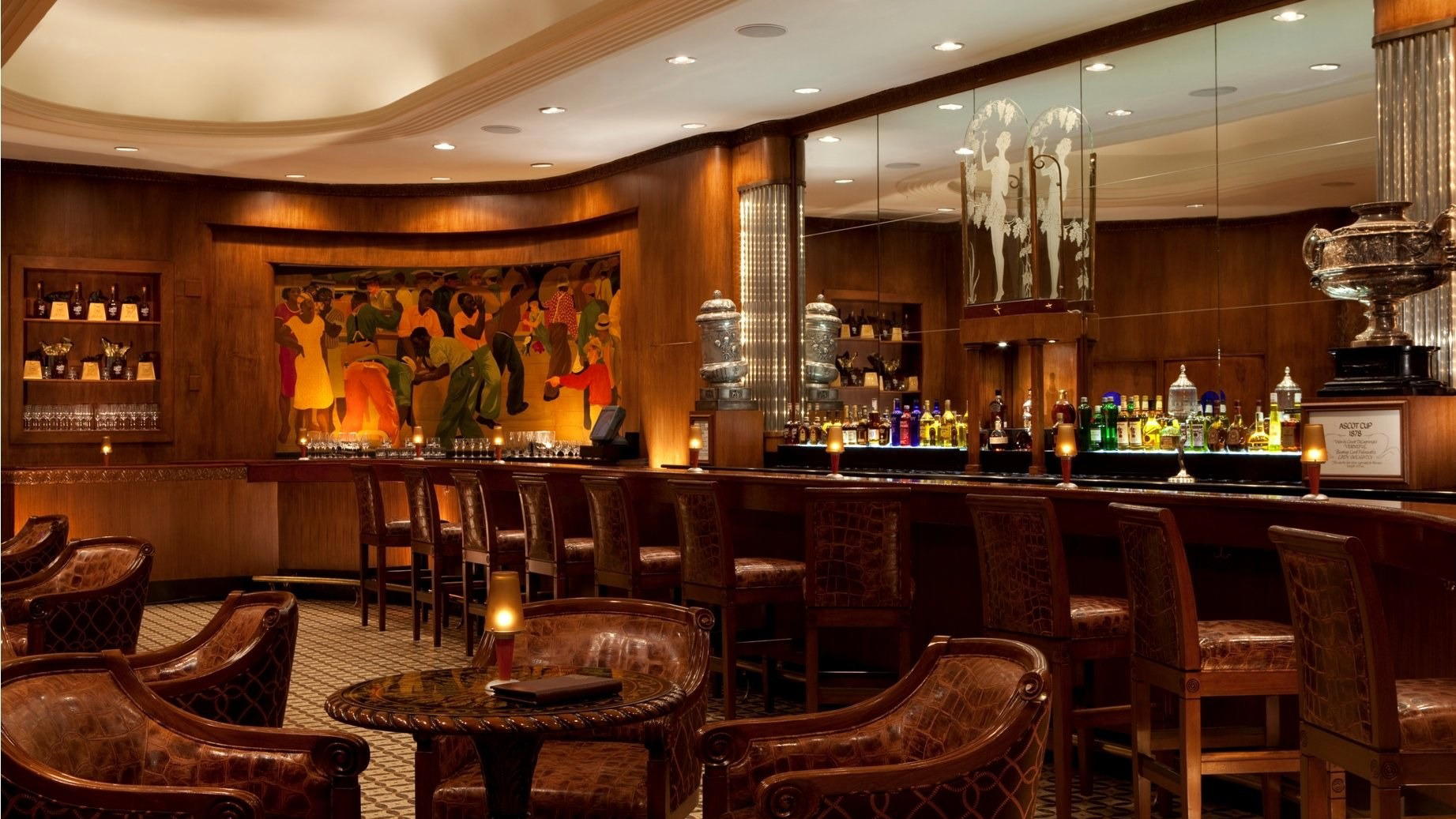
The stretch of St. Charles Avenue above Lee Circle has always operated at a different register than the French Quarter or the Warehouse District. Streetcars pass at intervals, oak canopies close overhead, and the restaurants along this corridor tend toward the established rather than the experimental. Mr. John's Steakhouse, at 2111 St. Charles Ave, sits inside that context: a room that communicates continuity before a plate arrives, where the physical environment, dark wood, measured lighting, the particular quiet of a dining room built for conversation rather than performance, does the work that concept statements do elsewhere.
New Orleans has historically supported two parallel fine-dining tracks: the Creole institutions that define the city's international culinary reputation (Commander's Palace, Emeril's, Bayona) and a quieter tier of American steakhouses that serve the city's uptown professional class. Mr. John's occupies the latter track. It does not compete with the roux-based, Creole-inflected dining rooms of the Garden District on their own terms; it competes with the American chophouse format, where provenance and aging of beef, rather than technique complexity, determine hierarchy.
Where the Beef Comes From, and Why That Ordering Matters
The steakhouse format in American fine dining has undergone a sourcing reckoning over the past two decades. The old model, dominant through the 1990s, treated beef as a commodity category, branded prime, consistent, interchangeable across white-tablecloth rooms from Houston to New York. The current premium tier, exemplified at different scales by Blue Hill at Stone Barns in Tarrytown and supply-chain-transparent chophouses in major markets, has shifted the conversation toward ranch identity, breed specification, and feed regimes.
For a restaurant on St. Charles Avenue, the relevant sourcing question is how far that conversation has penetrated the traditional New Orleans steakhouse format. Gulf Coast beef production and Louisiana's proximity to Texas cattle operations have historically given uptown chophouses access to regional supply chains that coastal cities lack. Whether Mr. John's formalizes that sourcing story on the menu or lets the kitchen's purchasing speak through the plate without editorial annotation is the kind of detail that separates old-guard steakhouses from the newer transparency-first model. Either approach can produce a serious meal; they represent different philosophies about what a dining room owes its guests in information.
This framing matters because it places Mr. John's inside a national conversation about ingredient accountability that reaches from Single Thread Farm in Healdsburg, where sourcing is the entire premise, to The French Laundry in Napa, where kitchen garden produce appears as biographical detail. A traditional American steakhouse does not need to adopt either of those formats to take sourcing seriously; it needs to buy carefully and cook with precision.
The Chophouse Format in a Creole City
New Orleans presents an interesting competitive environment for a steakhouse because the city's dominant culinary identity is so specifically regional. Visitors arrive with Creole and Cajun expectations; the restaurant press reinforces those categories; and venues like Re Santi e Leoni and Saint-Germain represent the contemporary end of that local tradition. A steakhouse operates slightly outside the city's culinary narrative, which means its audience tends to be local rather than destination-driven.
That local orientation shapes everything about how a room like Mr. John's functions. The pacing is different: tables turn more slowly, the regulars know the floor staff, and the dining room carries the weight of accumulated meals rather than the energy of a tourist discovery. For a visitor, this can read as either a feature or a friction point depending on what they came for. For uptown New Orleanians eating on a Tuesday, it is simply the correct register for a steakhouse dinner.
Among the American steakhouses that EP Club tracks across the country, the rooms that last at this address type share a few consistent traits: a wine list weighted toward California Cabernet and Bordeaux-adjacent bottles, a side dish section that resists renovation (creamed spinach, bone marrow, a potato preparation in multiple iterations), and a service culture built on recognition rather than scripted hospitality. Venues like Providence in Los Angeles and Addison in San Diego occupy a different format tier entirely, but they illustrate what sustained institutional commitment looks like at a table-service restaurant, the kind of consistency that a legacy steakhouse either delivers or reveals it has been coasting on over time.
New Orleans in a Broader American Dining Context
For readers arriving from cities with dense steakhouse competition, New Orleans offers a different kind of dining geography. Chicago's Alinea and New York's Le Bernardin and Atomix operate in markets where every price tier has multiple strong competitors. New Orleans concentrates its fine-dining energy in Creole and contemporary formats, which means that a well-run steakhouse in the uptown corridor faces less direct competition than a comparable room would in Manhattan or San Francisco.
That reduced competitive pressure can work in two directions. It can produce a room that maintains standards because its audience expects them and has no credible alternative. Or it can produce a room that drifts, sustained by loyalty and location rather than by kitchen discipline. The honest answer is that the structural conditions for both outcomes exist at 2111 St. Charles Ave. The address, the format, and the city's dining culture all set the table; what arrives on it is a question for the visit.
Readers planning a New Orleans itinerary with serious dining ambitions should use Mr. John's alongside, not instead of, the Creole institutions. Zasu represents the city's American Contemporary current; A steakhouse dinner and a Creole lunch answer different questions about what the city's kitchens can do, and a trip built around only one category leaves the other unexamined.
Planning a Visit
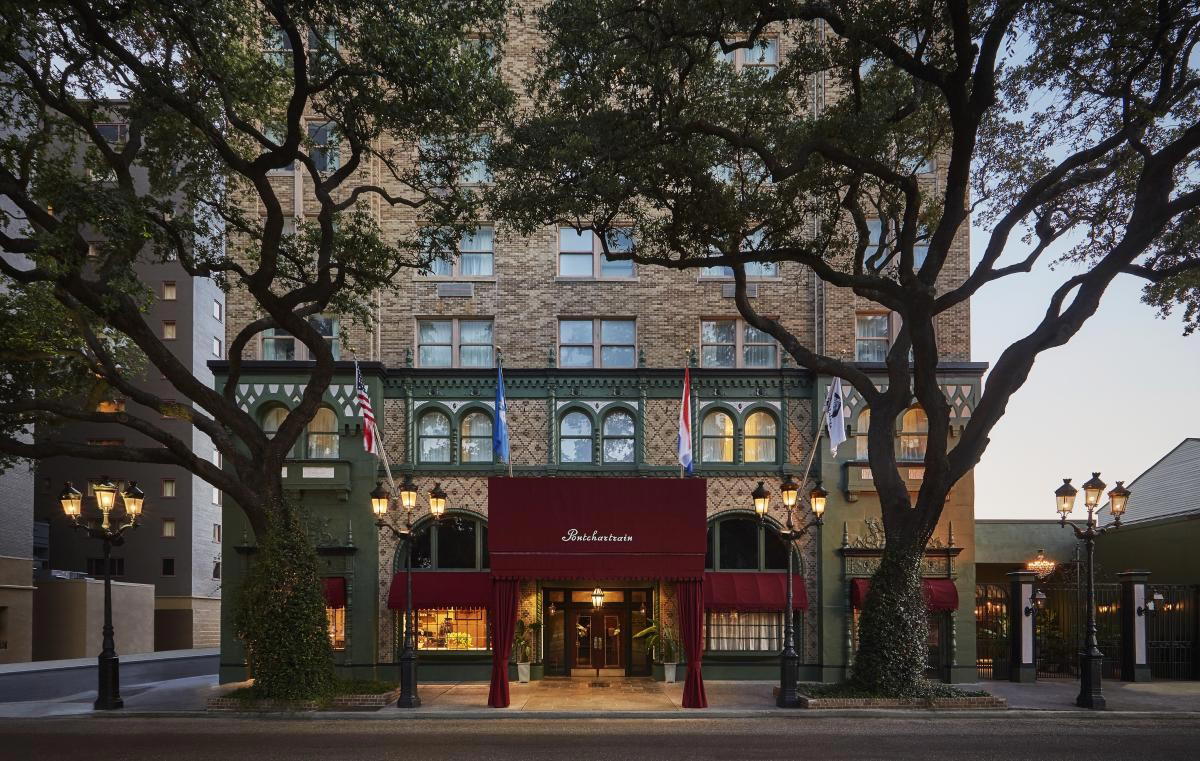
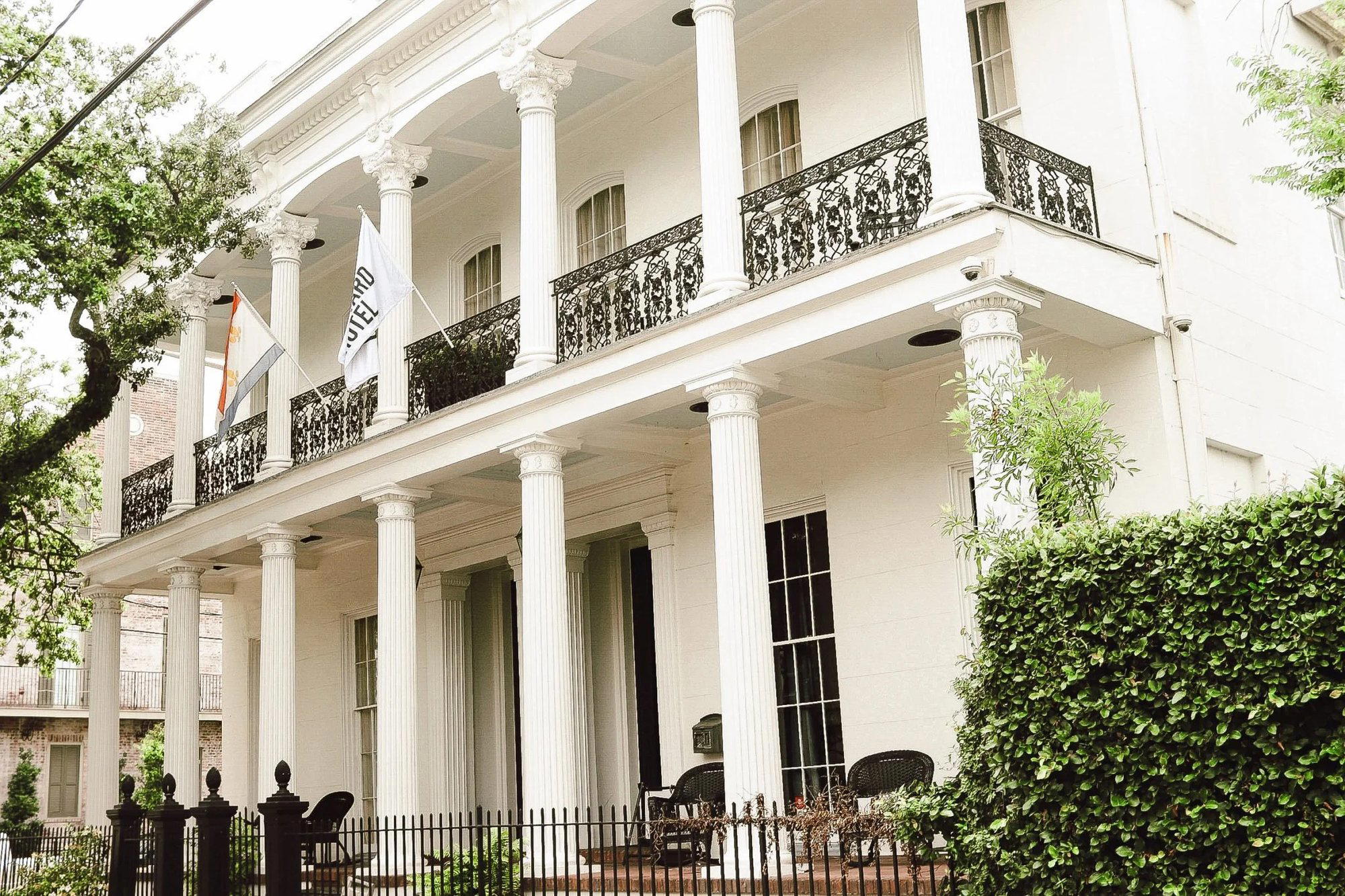
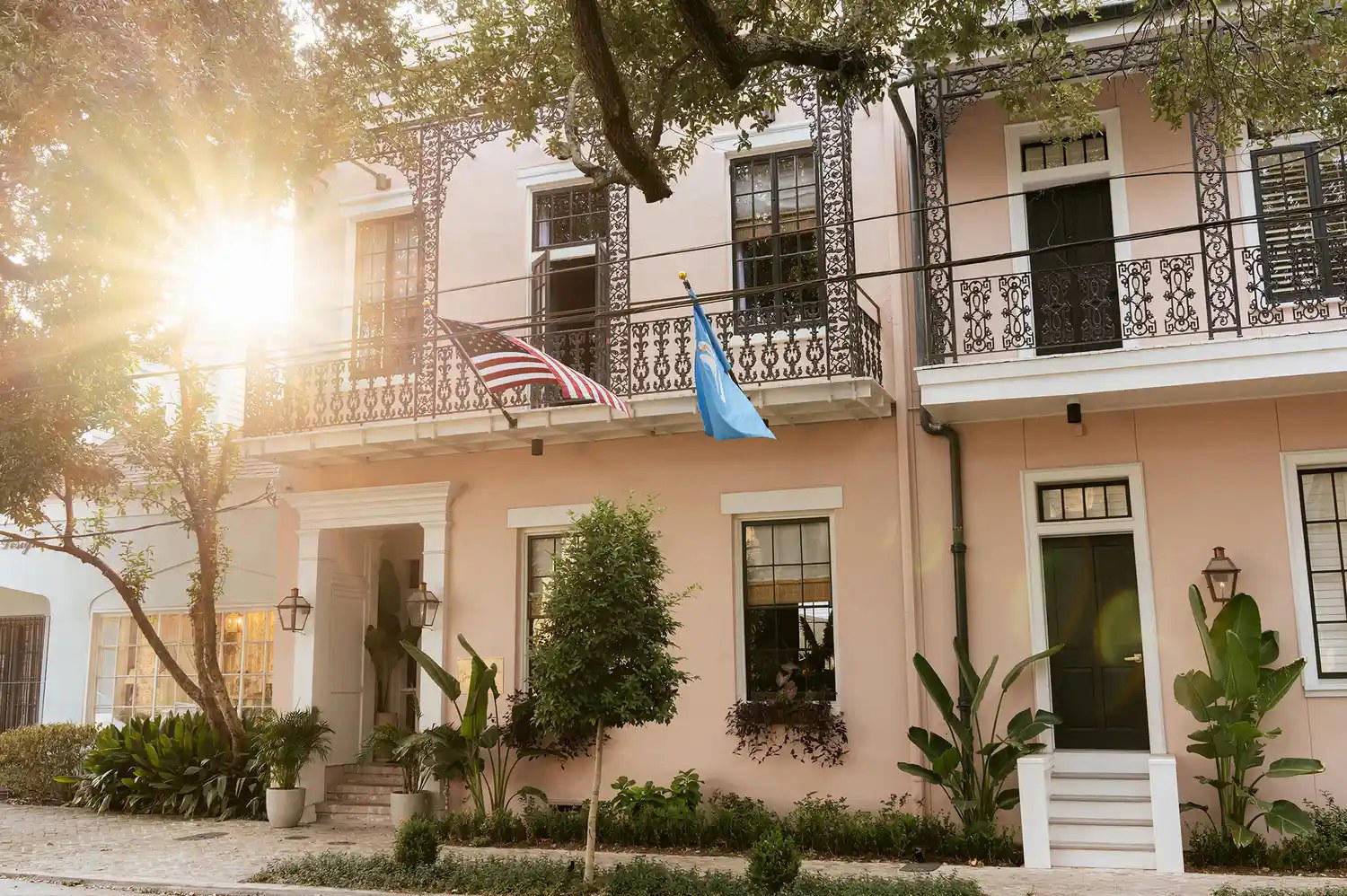
Mr. John's sits on St. Charles Avenue in the lower Garden District, reachable via the St. Charles streetcar line from the Central Business District or the French Quarter. The uptown corridor sees less visitor traffic than the Quarter, which typically means easier street parking in the evening. For reservations, table availability, current hours, and menu pricing, contact the restaurant directly. A stable, unhurried American steakhouse evening is what this address is selling.
Awards and Standing
Comparable venues nearby, for context on price, style, and recognition.
| Venue | Cuisine | Price | Notes |
|---|---|---|---|
| Mr. John's SteakhouseThis venue — the venue you are viewing | Classic New Orleans Steakhouse | $$$$ | Not listed |
| Doris Metropolitan | Modern Middle Eastern Steakhouse | $$$$ | French Quarter |
| Dickie Brennan's Steakhouse | Steakhouse with Cajun & Creole | $$$$ | French Quarter |
| Morrow Steak | Modern Steakhouse with Seafood and Sushi | $$$$ | Arts District |
| Charlie's Steak House | Classic New Orleans Steakhouse | $$$ | Uptown |
| Annunciation | Modern Creole & Southern | $$$ | Arts District |
Continue exploring
More in New Orleans
Restaurants in New Orleans
Browse all →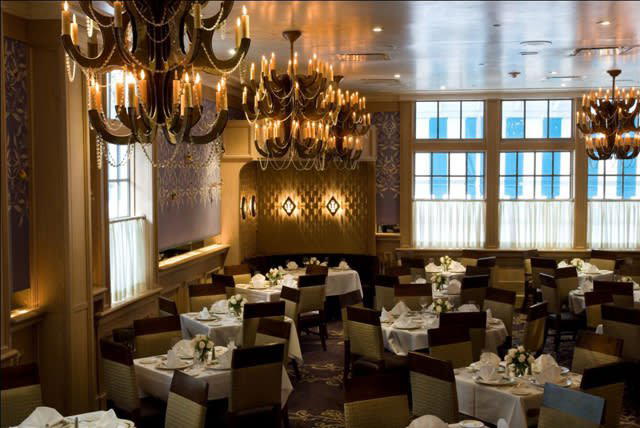
Bars in New Orleans
Browse all →

At a Glance
- Classic
- Elegant
- Sophisticated
- Date Night
- Business Dinner
- Special Occasion
- Historic Building
- Private Dining
- Extensive Wine List
- Street Scene
Current opening hours
- Monday
- Closed
- Tuesday
- 5:30–9:30 PM
- Wednesday
- 5:30–9:30 PM
- Thursday
- 5:30–9:30 PM
- Friday
- 11:30 AM–2 PM, 5:30–9:30 PM
- Saturday
- 5:30–9:30 PM
- Sunday
- Closed
Hours can change for holidays and private events. Last verified .
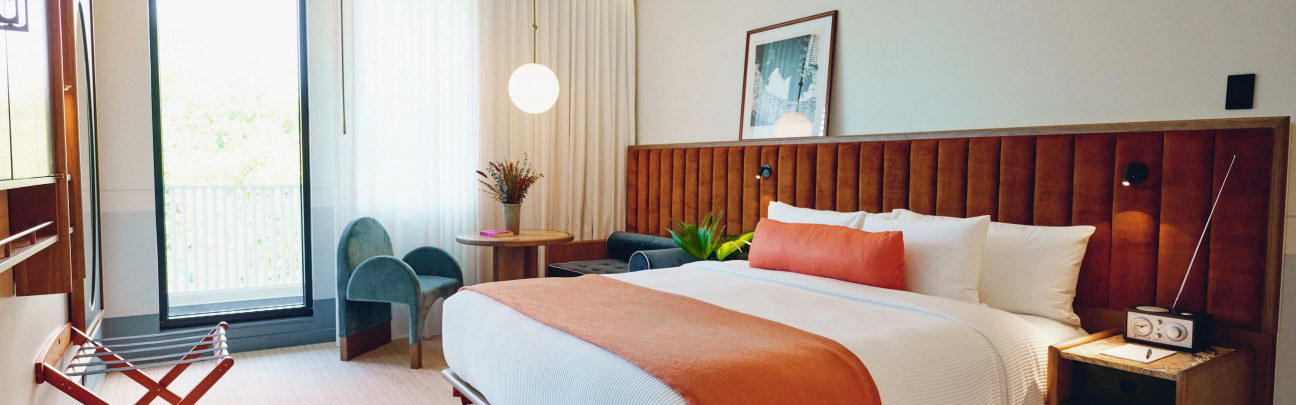
Timeless steakhouse atmosphere with moderate noise levels, featuring traditional decor and a packed, energetic vibe on busy nights.