Pelican Club

On Exchange Place in the French Quarter, Pelican Club occupies a building that has absorbed two centuries of New Orleans dining culture. The room favors the kind of low-key authority that older Quarter restaurants carry without effort, and the kitchen works a Creole-inflected menu that places it firmly inside the city's enduring fine-casual tradition.
Pearl is the En Primeur Club membership app — saves, bookings, and concierge access live there. Same editors, same standards.
- Address
- 312 Exchange Pl, New Orleans, LA 70130
- Phone
- (504) 523-1504
- Website
- pelicanclub.com
- Directions
- Get directions
 Saves & bookings on Pearl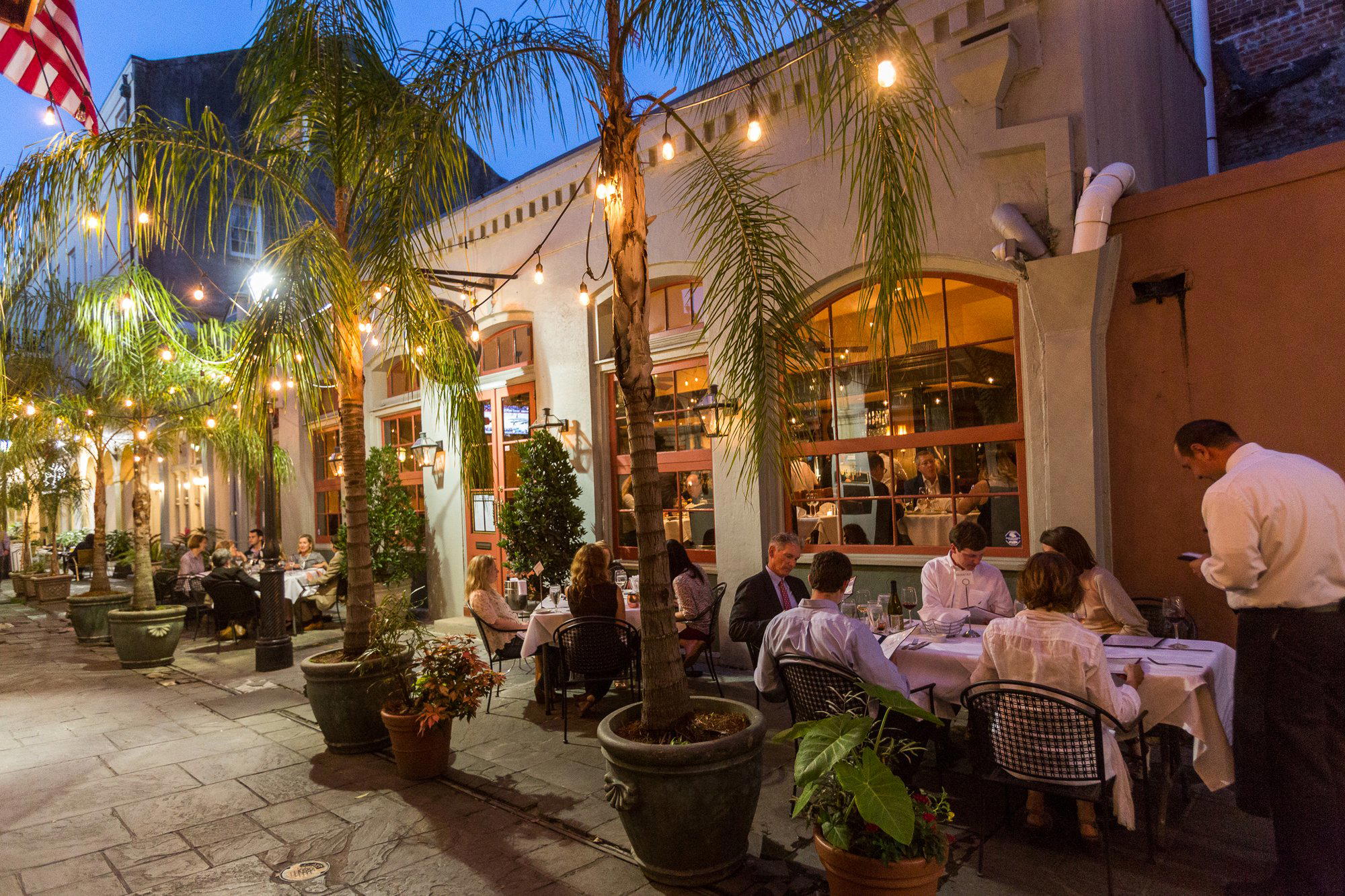
Exchange Place and the French Quarter's Quieter Dining Corridor
Pelican Club is a French Quarter restaurant at 312 Exchange Pl in New Orleans, serving Modern Creole Fine Dining at a price tier of about $65 per person. The French Quarter's dining scene has always split between the highly visible, celebration-oriented rooms on the main corridors and a quieter tier of establishments that locals and returning visitors tend to favor precisely because they do not require a neon sign to fill their tables. Pelican Club belongs to that quieter tier.
This distinction matters for how you read the room. Restaurants along the Quarter's main tourist drag tend to price against visitor expectations and staff for high turnover. Restaurants on the side streets, particularly those that have held their address for decades, tend to price against a more local calculus and staff for repeat guests. The physical environment reflects that difference: older woodwork, rooms that feel used rather than dressed, a noise level that permits conversation.
A Creole Kitchen in Its Proper Context
New Orleans Creole cooking is one of the more formally documented regional cuisines in the United States, with a lineage that draws from French technique, Spanish colonial pantry, West African ingredient knowledge, and the particular produce that the Gulf Coast and Mississippi Delta supply. The city's established Creole houses, from Commander's Palace uptown to the legacy rooms of the Quarter, operate as living references for that tradition. Pelican Club's Exchange Place address places it geographically within walking distance of several of those reference points, which is relevant because the French Quarter functions as something close to a physical archive of New Orleans restaurant history.
For context on how the city's Creole and Cajun registers compare: Emeril's operates at a higher price tier with a celebrity-chef footprint and a Warehouse District address that targets a slightly different guest profile. Bayona, also in the French Quarter, works a New American framework that overlaps with Creole ingredients but tilts toward Mediterranean technique. The restaurant sits in a different part of that map: more classically Creole in reference, more neighborhood-oriented in format.
The city's contemporary dining scene has added a second layer of reference points. Re Santi e Leoni and Saint-Germain operate at the upper end of the contemporary tier, with tasting-menu formats and price points that align them with destination dining rather than neighborhood dining. Zasu works American Contemporary at a mid-range price. The restaurant predates most of these entries and occupies a more traditional register, which is either a point in its favor or a limitation depending on what you are looking for.
The French Quarter as a Dining Destination
The French Quarter sustains a dining ecosystem that few American urban neighborhoods can replicate. The concentration of historic buildings, the absence of large-format chain development, and the density of established restaurant families within a walkable footprint create conditions where a single evening can move from cocktails at a standing bar to a full Creole dinner to a late-night digestif without requiring a car. Exchange Place is positioned inside that walkable core, which means the restaurant functions as a natural anchor for a longer evening in the Quarter rather than a standalone destination requiring a special trip across the city.
That said, the Quarter is not a monolith. Bourbon Street's volume and visitor concentration create a gravitational pull that shapes expectations for everything within a few blocks. Restaurants that sit just off that axis, on Exchange Place and the quieter cross-streets, tend to attract guests who have already made a deliberate choice to step away from the main corridor. That self-selection affects the room: the clientele skews toward people who know what they are ordering and why.
For travelers building a broader New Orleans itinerary, the city's full dining and hospitality picture extends well beyond the Quarter.
Pelican Club in the Broader U.S. Fine-Casual Tier
Across the United States, a specific tier of restaurant operates below the tasting-menu ceiling but well above the casual dining floor, offering full-service Creole or regional American cooking in rooms that carry genuine age and character. This is the tier that Le Bernardin in New York City anchors at the high end, where Alinea in Chicago and The French Laundry in Napa define the destination-dining ceiling, and where properties like Lazy Bear in San Francisco, Single Thread Farm in Healdsburg, Providence in Los Angeles, and Atomix in New York City occupy distinct regional niches. Internationally, rooms like 8 1/2 Otto e Mezzo Bombana in Hong Kong demonstrate how a single cuisine tradition, executed with consistency and address authority, can hold a position across decades. The restaurant operates on a more local scale, but the principle is the same: an established address in a neighborhood with genuine culinary heritage creates a floor of credibility that newer openings have to earn from scratch.
Know Before You Go
Address: 312 Exchange Pl, New Orleans, LA 70130
Neighbourhood: French Quarter
Cuisine: Creole, with New American influence
Price tier: $65 per person
Reservations: essential
Hours: Wed 5-9 PM; Thu 5-9 PM; Fri 5-9:30 PM; Sat 5-9:30 PM; Sun 5-9 PM; Mon-Tue closed
Dress code: formal
- Panéed Gulf Fish with Crabmeat
- Baked Oysters
- BBQ Shrimp
- Roast Duck
- Cioppino
- Grand Marnier Crème Brûlée
Side-by-Side Snapshot
Comparable venues nearby, for context on price, style, and recognition.
| Venue | Cuisine | Price | Notes |
|---|---|---|---|
| Pelican ClubThis venue — the venue you are viewing | Modern Creole Fine Dining | $$$ | Not listed |
| N7 | French with Japanese influences | $$$ | St. Claude |
| The Court of Two Sisters | Traditional Creole & Cajun | $$$ | French Quarter |
| Bijoux | French with Louisiana Influences | $$$ | Central Business District |
| Broussard's | Classic French-Creole | $$$$ | French Quarter |
| Mr. B's Bistro | Creole Bistro | $$$ | French Quarter |
Recognition history
Dated appearances from independent guides and award organizations, with the underlying list record or original source where available.
Wine Spectator Award of Excellence
Wine Spectator
Continue exploring
More in New Orleans
Restaurants in New Orleans
Browse all →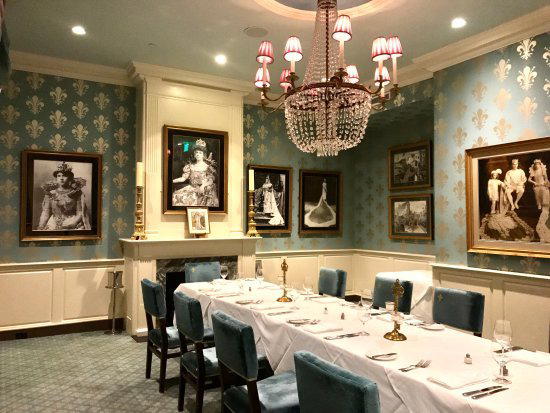
Bars in New Orleans
Browse all →
At a Glance
- Romantic
- Elegant
- Sophisticated
- Classic
- Date Night
- Special Occasion
- Business Dinner
- Celebration
- Live Music
- Historic Building
- Private Dining
- Extensive Wine List
- Craft Cocktails
- Sommelier Led
- Local Sourcing
- Sustainable Seafood
Current opening hours
- Monday
- Closed
- Tuesday
- Closed
- Wednesday
- 5–9 PM
- Thursday
- 5–9 PM
- Friday
- 5–9:30 PM
- Saturday
- 5–9:30 PM
- Sunday
- 5–9 PM
Hours can change for holidays and private events. Last verified .
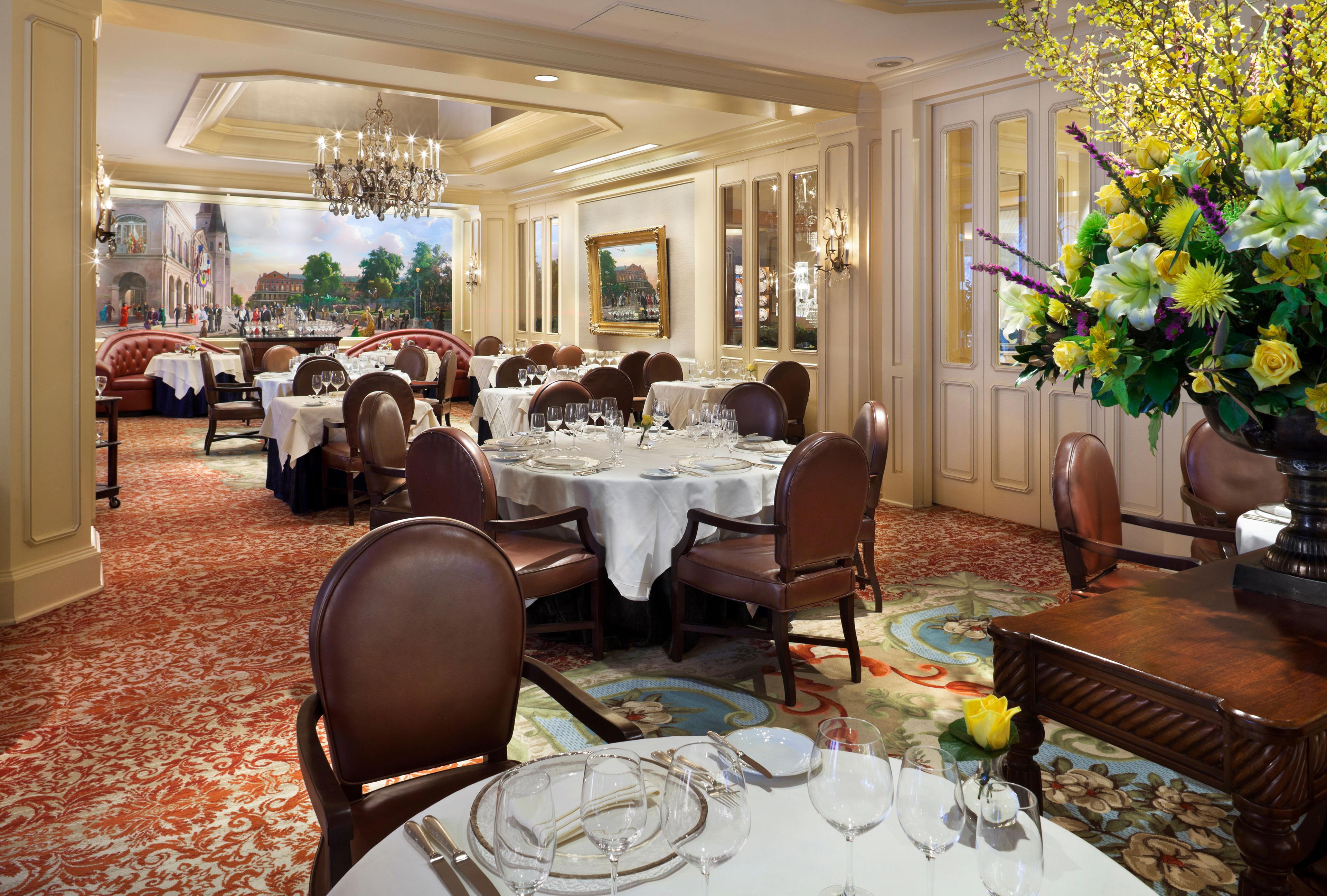
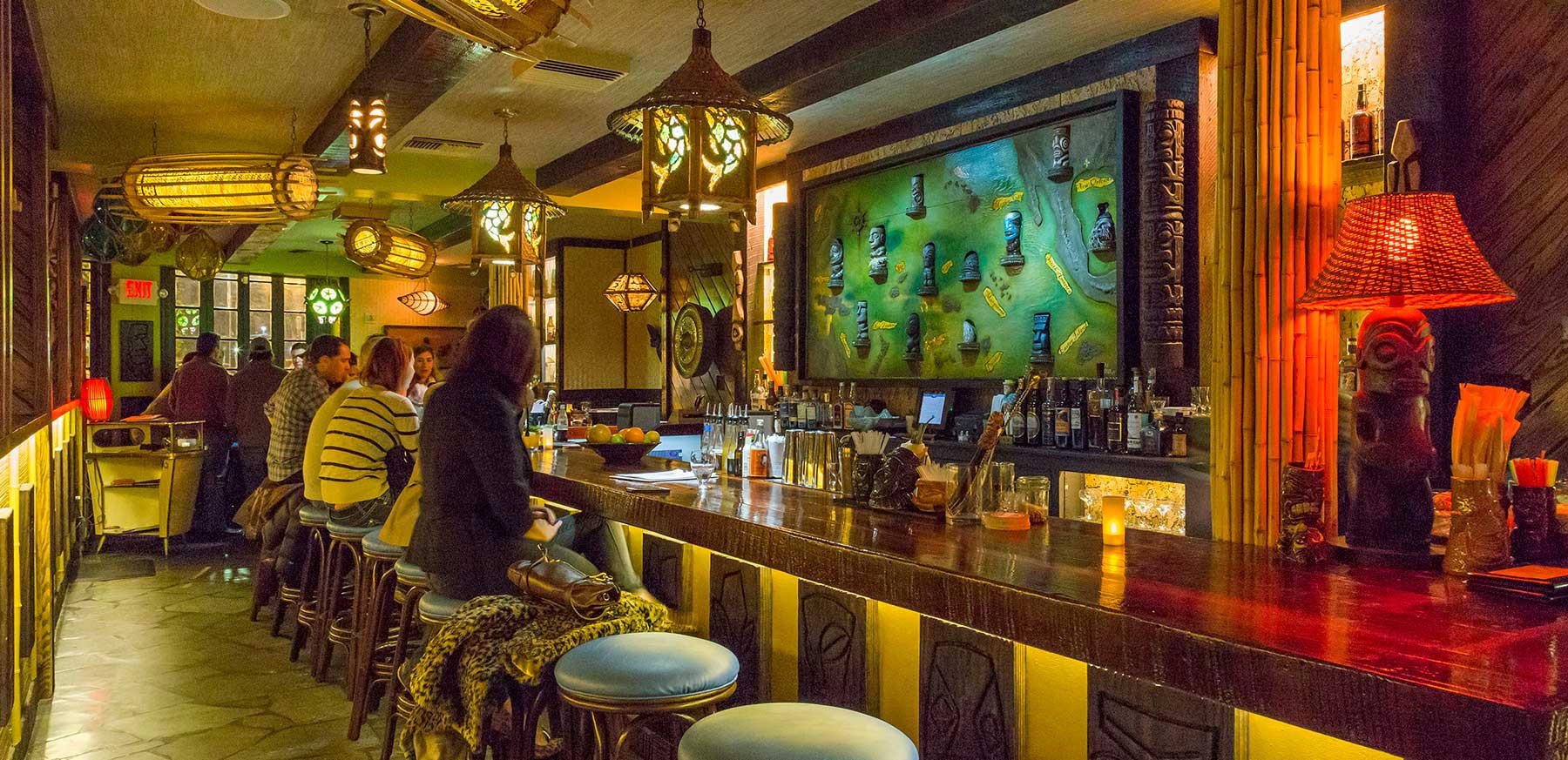
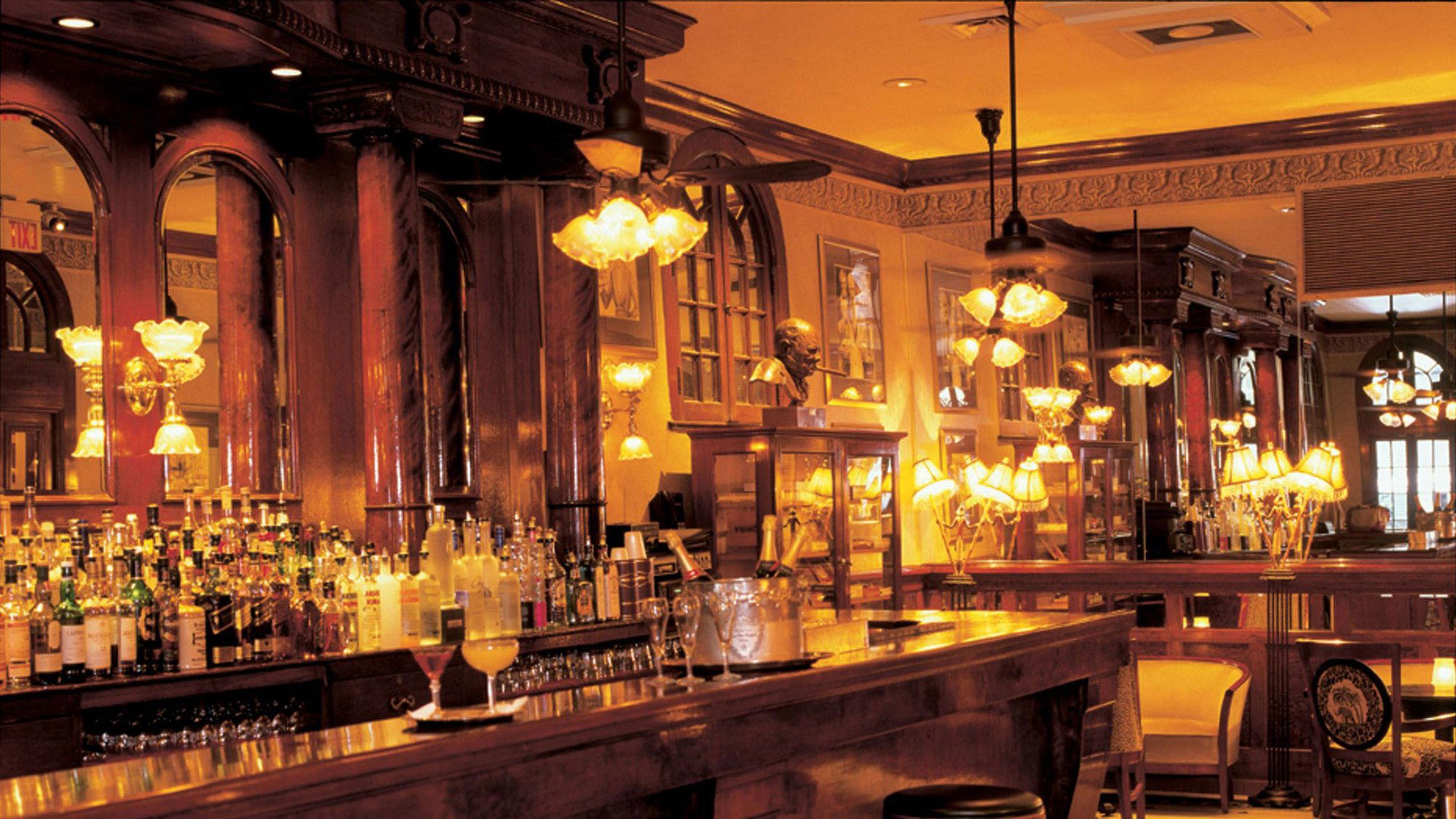
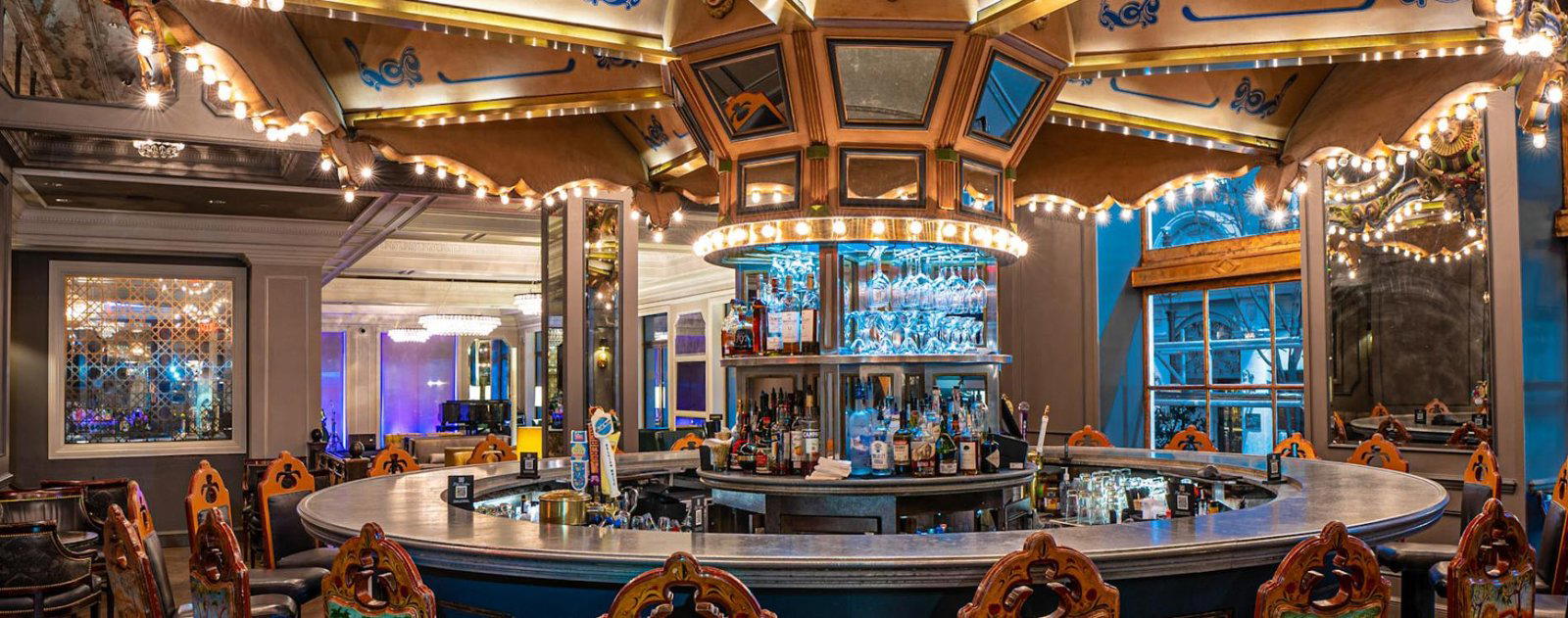
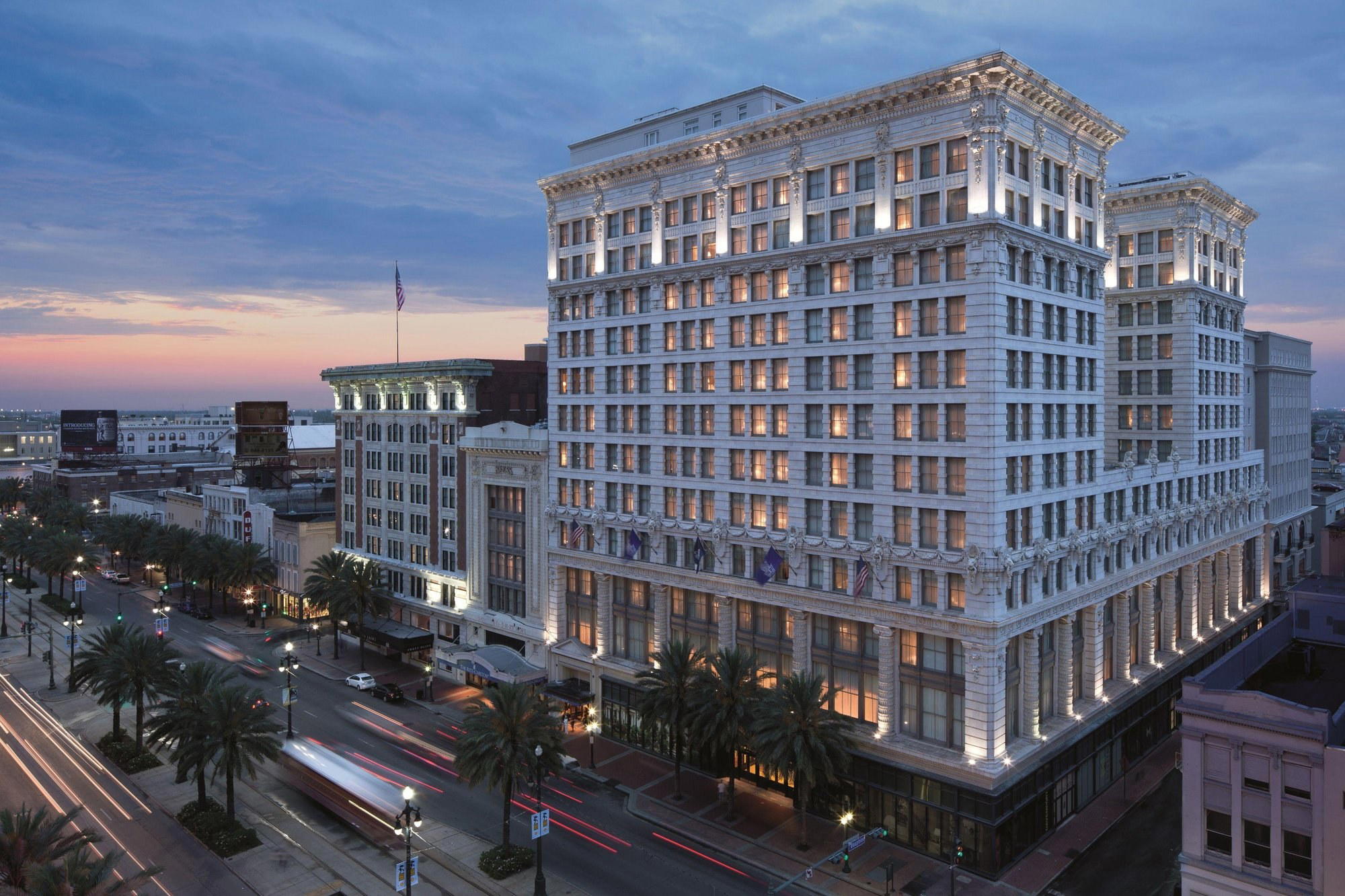
Sophisticated dining rooms with gold-painted walls, soft lighting, and local artwork; features a welcoming bar area with piano music; some rooms have high ceilings and tiled floors that can amplify noise.