Brooks Run Mining Co
Our verdict
Brooks Run Mining Co sits on WV-16 in Cucumber, West Virginia, a small McDowell County community whose identity was shaped by the coal industry that once defined southern Appalachia. The venue takes its name from that extractive history, placing it squarely in a regional tradition where the land itself is the defining context.

Pearl is the En Primeur Club membership app — saves, bookings, and concierge access live there. Same editors, same standards.
- Address
- WV-16, Cucumber, WV 24826
- Phone
- (304) 875-2661
- Directions
- Get directions
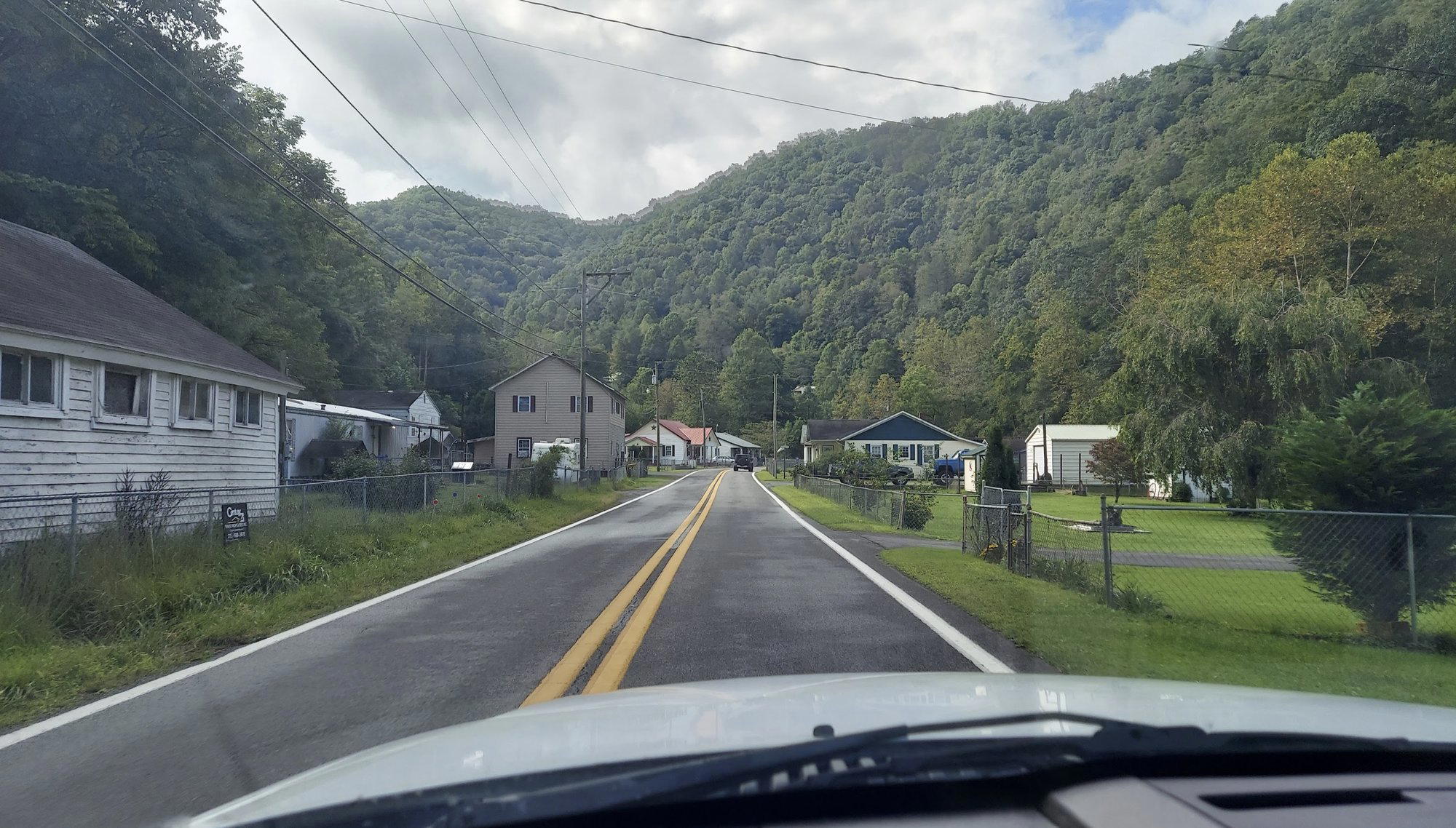
Coal Country as Culinary Context: Dining in McDowell County
Southern West Virginia does not announce itself the way a coastal food city does. The mountains along WV-16 through McDowell County arrive in tight succession, the road threading through hollows where communities like Cucumber built entire economies around what lay beneath the surface. That extractive relationship with the land, so defining for generations here, now shapes how a newer generation of Appalachian venues frames its identity. Brooks Run Mining Co takes its name directly from that history, and in doing so places itself inside a broader conversation happening across the rural American interior: what does a sense of place actually mean when the place in question has been mined, logged, and economically hollowed over a century?
Across Appalachia, the most persuasive dining ventures answer that question through sourcing. The region's ingredient story is a strong one when told honestly: black walnuts from the creek bottoms, ramps pulled from damp hillsides each April, pawpaws in late summer, trout from cold-running tributaries, and pork raised on properties where families have kept hogs for five or six generations. These are not exotic ingredients in the way that a coastal tasting menu might frame a foraged element. They are the ordinary materials of a specific geography, and the kitchens that use them without affectation tend to communicate something that a more decorated room cannot manufacture. For context on how farm-to-table sourcing functions at a high-credential level elsewhere in the country, Blue Hill at Stone Barns in Tarrytown and Single Thread Farm in Healdsburg represent the upper bracket of that model, where agricultural integration is itself the editorial argument. In McDowell County, the version is less polished and more direct, which has its own credibility.
What the Address Tells You
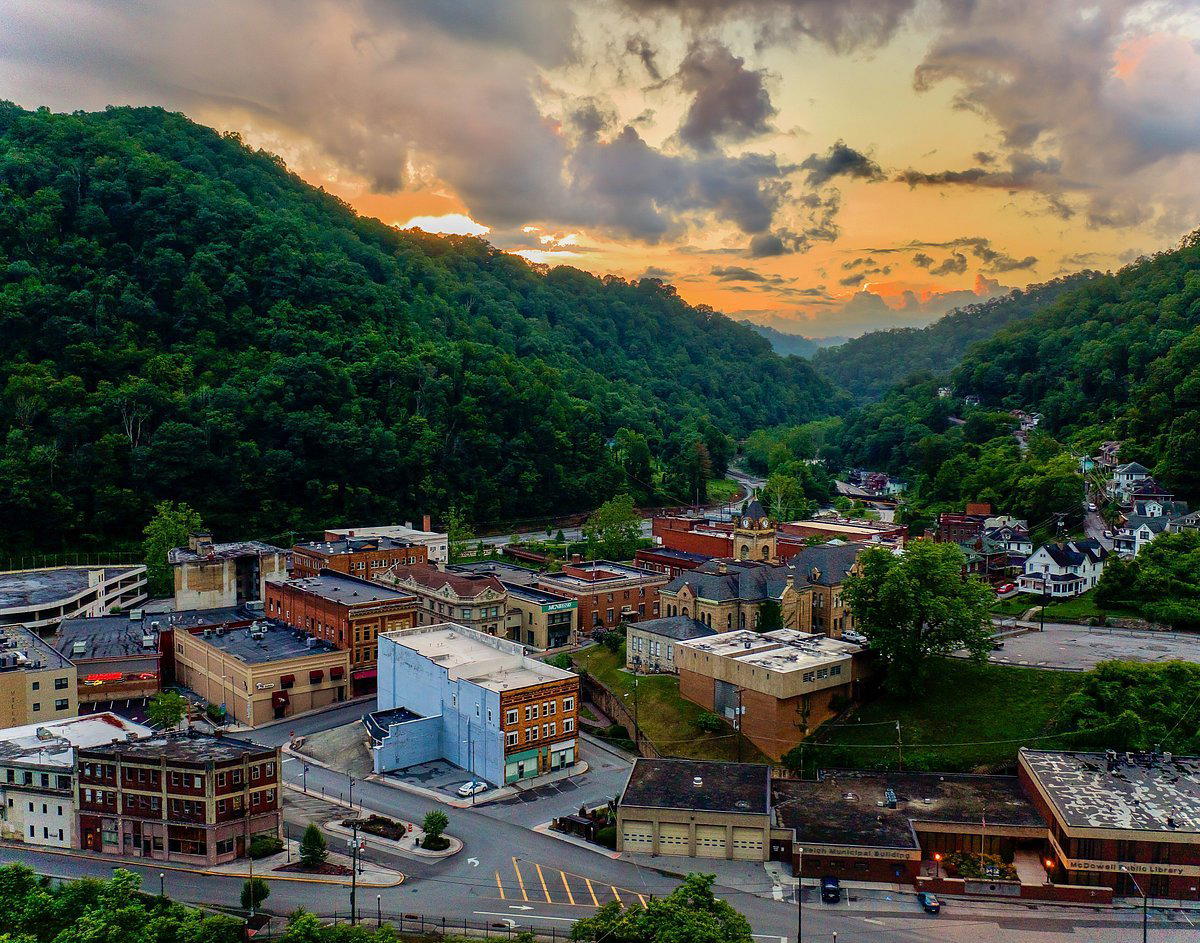
Cucumber is a small unincorporated community in McDowell County, one of the most economically challenged counties in the United States. The population of the broader county has declined sharply since peak coal employment in the mid-twentieth century, and the built environment reflects that contraction. A venue operating here is not competing with a metropolitan dining scene. It is, by definition, serving a local population with specific practical needs alongside whatever visitors make the drive through the mountains on WV-16. That dual audience, resident and traveler, shapes what a successful rural Appalachian venue actually does: it functions as a community anchor first and a destination second.
That positioning differs substantially from the destination-restaurant model you find at places like The Inn at Little Washington in Washington or Frasca Food and Wine in Boulder, where the draw is almost entirely from outside the immediate community. In rural McDowell County, a venue without local loyalty does not survive. The mining-company name signals an awareness of that local identity, an acknowledgment that the people who built this county are the primary audience, not a passing tourist trade.
The Appalachian Sourcing Argument
The ingredient geography of southern West Virginia is more varied than outsiders tend to assume. The Tug Fork watershed and its tributaries support wild food systems that have sustained communities here for centuries. Ramps, the wild leek that defines Appalachian spring, grow in the forested hollows at elevations that produce particularly pungent bulbs. Morel mushrooms follow the ramp season. Summer produces wild berries across abandoned surface land. Domestic agriculture, while diminished from its earlier scale, still includes cattle, hogs, and poultry operations scattered through the county.
For a venue with mining heritage in its name, the sourcing angle carries a specific tension worth acknowledging: the same mountains that yielded coal also yield a food system that is now increasingly valued precisely because it survived the industrial era. Venues in similar rural-industrial contexts, from former mill towns in the Carolinas to post-steel communities in Pennsylvania, have found that ingredient provenance is one of the few narratives that converts a difficult economic history into something a diner can engage with at the table.
Where It Sits Relative to the Regional Scene
McDowell County has no dining scene in the metropolitan sense. Comparisons to the recognition tiers occupied by, say, Lazy Bear in San Francisco or Atomix in New York City or Providence in Los Angeles are structurally inapplicable. In that context, longevity and community integration are the primary credibility signals, and the absence of national recognition does not imply absence of quality.
Regionally, the Appalachian food revival has produced venues worth tracking in larger nearby cities, but the rural county-seat and community restaurant tradition is a different category entirely. Oyster Oyster in Washington, D.C. and Smyth in Chicago both operate with sourcing philosophies that have some conceptual overlap with what rural Appalachian cooking at its finest represents, but the execution context is entirely different. The interest in a venue like Brooks Run Mining Co is precisely that it operates outside the incentive structures that produce that kind of national recognition, which means its relationship to its ingredients and its community is accountable to different pressures.
Planning Your Visit
Cucumber sits along WV-16 in McDowell County, roughly equidistant between Welch to the north and the Virginia state line to the south. The drive through the county is scenic in the mountain-hollow sense, narrow roads following creek lines between steep ridges, and requires a commitment that most short-trip travelers from the nearest large cities, which include Bluefield to the southeast and Charleston to the north, will need to plan around. Our full Cucumber restaurants guide covers the broader local context. For comparison points on what sourcing-led American dining looks like at different scales and settings, Bacchanalia in Atlanta, Addison in San Diego, Emeril's in New Orleans, The Wolf's Tailor in Denver, The French Laundry in Napa, ITAMAE in Miami, Le Bernardin in New York City, and Atelier Moessmer Norbert Niederkofler in Brunico each illustrate how different the same underlying commitment to provenance can look depending on context and ambition.
Frequently asked questions
Does Brooks Run Mining Co work for a family meal?
Brooks Run Mining Co is located along WV-16 in Cucumber, McDowell County, a rural community where dining options are limited rather than abundant.
What is the history behind the Brooks Run Mining Co name in Cucumber, WV?
The name directly references the coal mining heritage of McDowell County, where extraction operations shaped nearly every community along WV-16, including Cucumber. Brooks Run itself is a tributary within the regional watershed, and mining company names were historically tied to the runs and hollows where operations were established.
What's the best thing to order at Brooks Run Mining Co?
McDowell County's Tug Fork watershed region does support a distinct Appalachian ingredient geography, but any dish recommendations tied to this venue would require confirmation directly from the kitchen.
At-a-Glance Comparison
| Venue | Cuisine | Price | Awards | Notes |
|---|---|---|---|---|
| Brooks Run Mining CoThis venue — the venue you are viewing | American Mining Canteen | Not listed | Not listed | Not listed |
| Le Bernardin | French Seafood Fine Dining | $300–500 | 3 Michelin Stars · World's 50 Best #13 | French, Seafood |
| Lazy Bear | Modern American Tasting Menu | Not listed | 2 Michelin Stars · World's 50 Best #25 | Progressive American, Contemporary |
| Atomix | Modern Korean Tasting Menu | $300–500 | 2 Michelin Stars · World's 50 Best #7 | Modern Korean, Korean |
| Per Se | French Fine Dining Tasting Menu | $300–500 | 3 Michelin Stars · World's 50 Best #40 | French, Contemporary |
| Masa | Traditional Japanese Omakase | $500+ | 2 Michelin Stars · World's 50 Best #27 | Sushi, Japanese |
Details
- Casual Hangout
- Historic Building
- Local Sourcing
- A La Carte
Rustic and industrial with a no-frills mining community atmosphere.