Best of Crete Deli
Best of Crete Deli on Beech Ave brings the larder traditions of the eastern Mediterranean to a Charleston, West Virginia address, framing Greek deli staples within a region better known for Appalachian pantry culture.
Pearl is the En Primeur Club membership app — saves, bookings, and concierge access live there. Same editors, same standards.
- Address
- 816 Beech Ave, Charleston, WV 25302
- Phone
- +13043433286
- Website
- bestofcrete.net
- Directions
- Get directions
 Saves & bookings on Pearl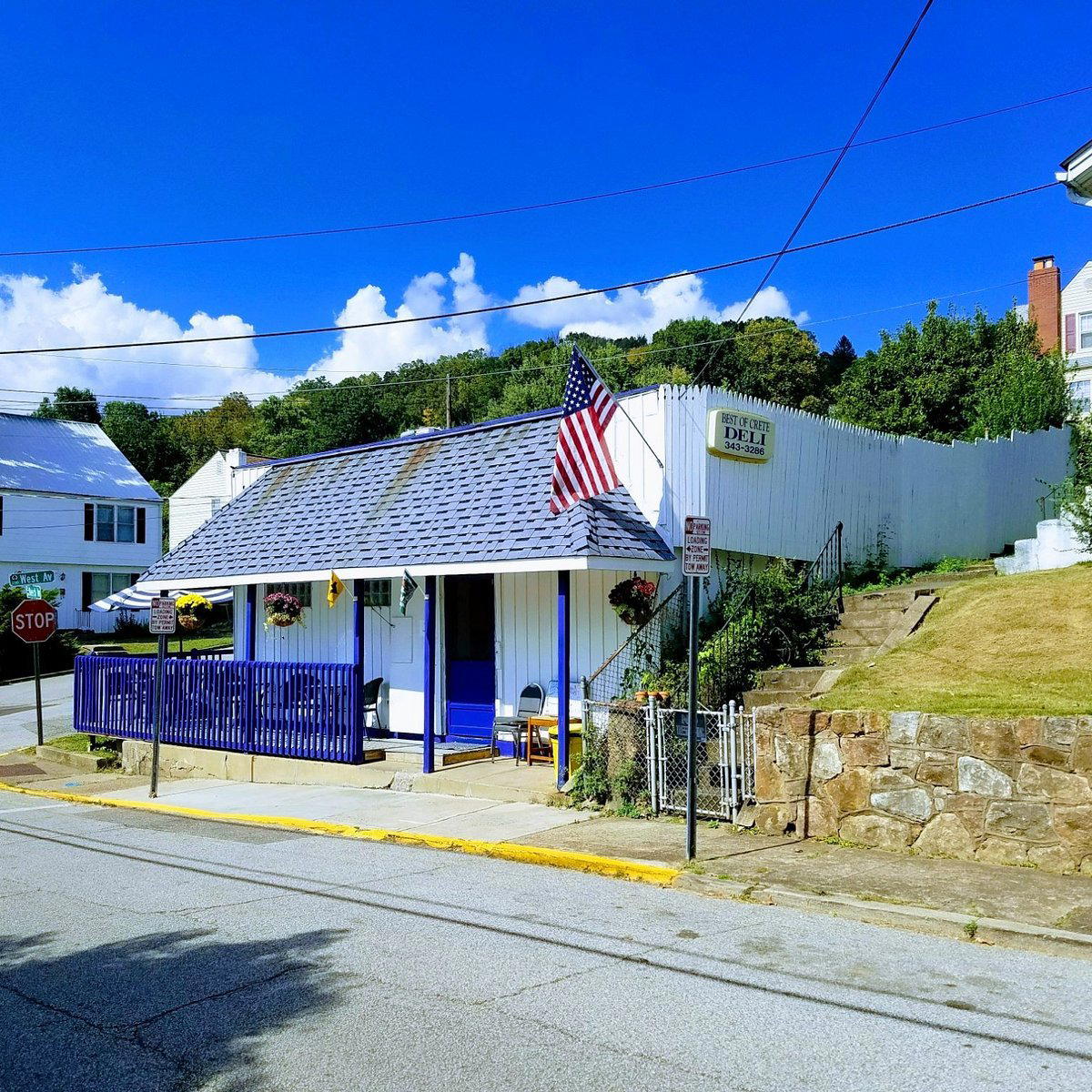
A Different Kind of Pantry on Beech Avenue
Beech Avenue in Charleston, West Virginia sits in a residential stretch of the city that rarely draws out-of-town attention. The dining conversation in Charleston, WV tends to orbit the downtown corridor, and Greek or Cretan specialty retail has almost no precedent in this part of Appalachia. In most American cities, Greek deli culture occupies a specific and well-worn tier: imported olives and oils alongside prepared mezze, cured meats, and cheeses drawn from producers tied to particular island or regional traditions. In the mountain South, that tier barely exists. Best of Crete Deli addresses that gap from a neighborhood address on Beech Ave.
The broader context matters here. Greek specialty retail in the United States has historically concentrated in cities with large Greek-American communities: Astoria in New York, Greektown in Chicago, and pockets of Baltimore and Boston. Outside those corridors, access to Cretan PDO olive oil, aged graviera, or cured meats tied to a specific appellated region has depended almost entirely on online import retailers or specialty food halls in major metros. A deli format at the neighbourhood level, even a small one, represents a different model: proximity over curation volume, local familiarity over metropolitan sophistication.
How the Meal Reads, Course by Course
Cretan food follows a logic that rewards patience. The island's culinary tradition is built around the idea of the table as a slow accumulation rather than a formal sequence, which means a useful approach to a deli that draws from that tradition is similarly cumulative. You don't arrive and order a single item. You build. That progression, from simpler, sharper flavours toward richer, longer ones, mirrors how Cretan hospitality actually works.
A considered opening pass at a Cretan-influenced deli typically starts with something acidic and clean: oil-cured olives, or a sharp feta packed in brine. These aren't decorative starters in the Mediterranean framework; they function as palate setters, cutting through salt and preparing the appetite for the denser flavours that follow. The middle register of Cretan eating leans on legumes, dried pulses, and cured items, the larder ingredients that kept island kitchens fed through winter. At a deli format, that register translates to pantry goods: jars, tins, vacuum-packed cured meats, dried herbs from the White Mountains. The final register, in Cretan terms, is almost always oil-forward: a drizzle of late-harvest extra virgin over cheese, or a dense, slow-cooked preparation where olive oil is as much the substance as the medium.
Whether Best of Crete Deli maps exactly onto that progression depends on the specific product range and the depth of the import selection. What the name signals is a deliberate alignment with Cretan rather than broadly Greek identity, which in specialty food terms is a meaningful distinction. Crete operates its own PDO designations, its own olive oil appellations, and a culinary reputation that is increasingly separated from the generalised Greek export market.
Charleston, WV and the Specialty Food Question
Charleston, West Virginia is not a city that appears frequently in national dining conversations. Its food scene skews toward Appalachian comfort cooking and the barbecue traditions that define much of the mid-Atlantic South, a lane occupied with some distinction elsewhere in the broader region. For context on how Charleston's dining options map to wider American dining trends, our full Charleston restaurants guide covers the range from neighbourhood spots to destination-level cooking.
Within the city, venues like Rodney Scott's BBQ represent the established end of local culinary identity, while more recent openings such as Malagón Mercado y Taperia signal an appetite for imported culinary frameworks, Spanish in that case, Cretan in Leading of Crete's. At the contemporary American end, Vern's, Lowland, and 1010 Bridge demonstrate that the city has room for more than one culinary register at a time.
Specialty deli and import retail occupies a different category from table-service dining, but it feeds the same underlying appetite: access to ingredients and flavours that the dominant local food culture doesn't supply. In cities where that gap is pronounced, a well-stocked specialty deli often becomes a quiet anchor for a small but committed customer base, cooks, expatriates, and curious eaters who know what they're looking for.
For comparison, the tasting-menu and chef-driven end of American dining, represented by venues like Le Bernardin in New York City, The French Laundry in Napa, Smyth in Chicago, Lazy Bear in San Francisco, Providence in Los Angeles, Blue Hill at Stone Barns in Tarrytown, Addison in San Diego, The Inn at Little Washington, Atomix in New York City, Single Thread Farm in Healdsburg, Emeril's in New Orleans, and Atelier Moessmer Norbert Niederkofler in Brunico, sits at the opposite end of the access spectrum from a neighbourhood deli. The deli format's logic is democratic where tasting menus are selective, and cumulative where tasting menus are directed. Both models can express serious culinary intent; they simply do it at different scales and for different audiences.
Planning Your Visit
Leading of Crete Deli is located at 816 Beech Ave, Charleston, WV 25302. For a neighborhood deli with a specific import focus, stock levels and product range can shift considerably, and calling ahead or arriving with flexible expectations is the sensible approach. The Beech Ave address places it in a residential part of Charleston rather than the central business district.
Recognition Snapshot
Comparable venues nearby, for context on price, style, and recognition.
| Venue | Cuisine | Price | Notes |
|---|---|---|---|
| Best of Crete DeliThis venue — the venue you are viewing | Greek Deli | $$ | Not listed |
| Laury's Restaurant | Contemporary American Steakhouse with French Infusion and Seafood | $$$ | Downtown |
| 1010 Bridge | Appalachian New Americana | $$$ | South Hills |
| Lost Creek Farm | Heritage-Inspired Appalachian Mountain Cuisine | $$$ | Lost Creek |
| Appalachia Kitchen | Farm-to-Table Modern American | $$$ | Snowshoe Mountain Resort |
| Lot 12 Public House | Seasonal Upscale Comfort American | $$$ | Downtown Berkeley Springs |
Continue exploring
More in Charleston
Restaurants in Charleston
Browse all →
At a Glance
- Cozy
- Rustic
- Casual Hangout
Current opening hours
- Monday
- Closed
- Tuesday
- 11 AM–6 PM
- Wednesday
- 11 AM–6 PM
- Thursday
- 11 AM–6 PM
- Friday
- 11 AM–6 PM
- Saturday
- Closed
- Sunday
- Closed
Hours can change for holidays and private events. Last verified .
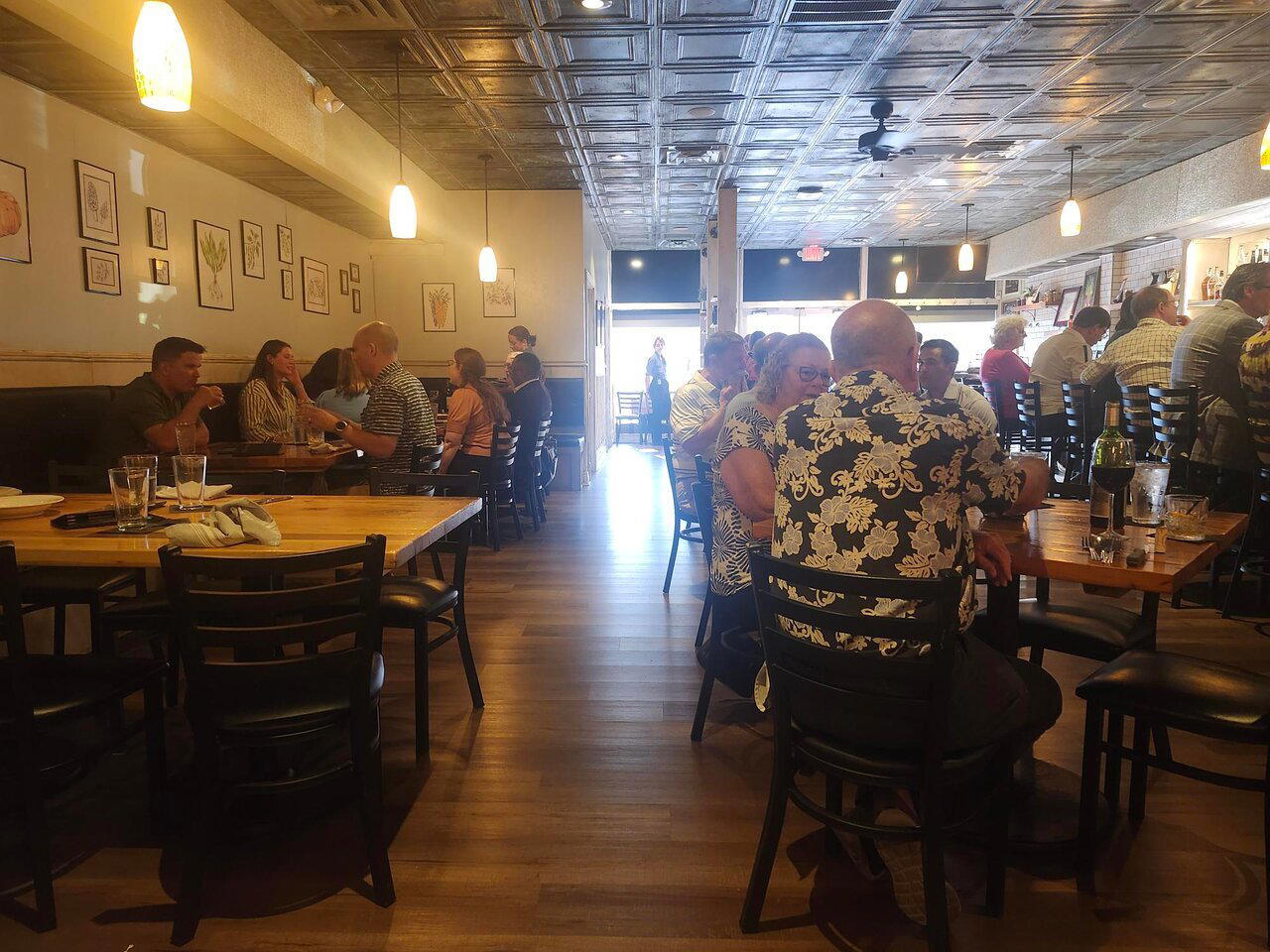
Casual and welcoming deli atmosphere with a homey feel.