Beliveau Farm Winery
Beliveau Farm Winery sits on working agricultural land outside Blacksburg, Virginia, placing it within the state's growing tradition of estate-rooted winemaking. For visitors approaching from the New River Valley, it represents one of the more grounded expressions of terroir-focused winemaking in the region.
Pearl is the En Primeur Club membership app — saves, bookings, and concierge access live there. Same editors, same standards.
- Address
- 3899 Eakin Farm Rd, Blacksburg, VA 24060
- Phone
- +1 540-961-2102
- Website
- beliveauwinery.com
- Directions
- Get directions
 Saves & bookings on Pearl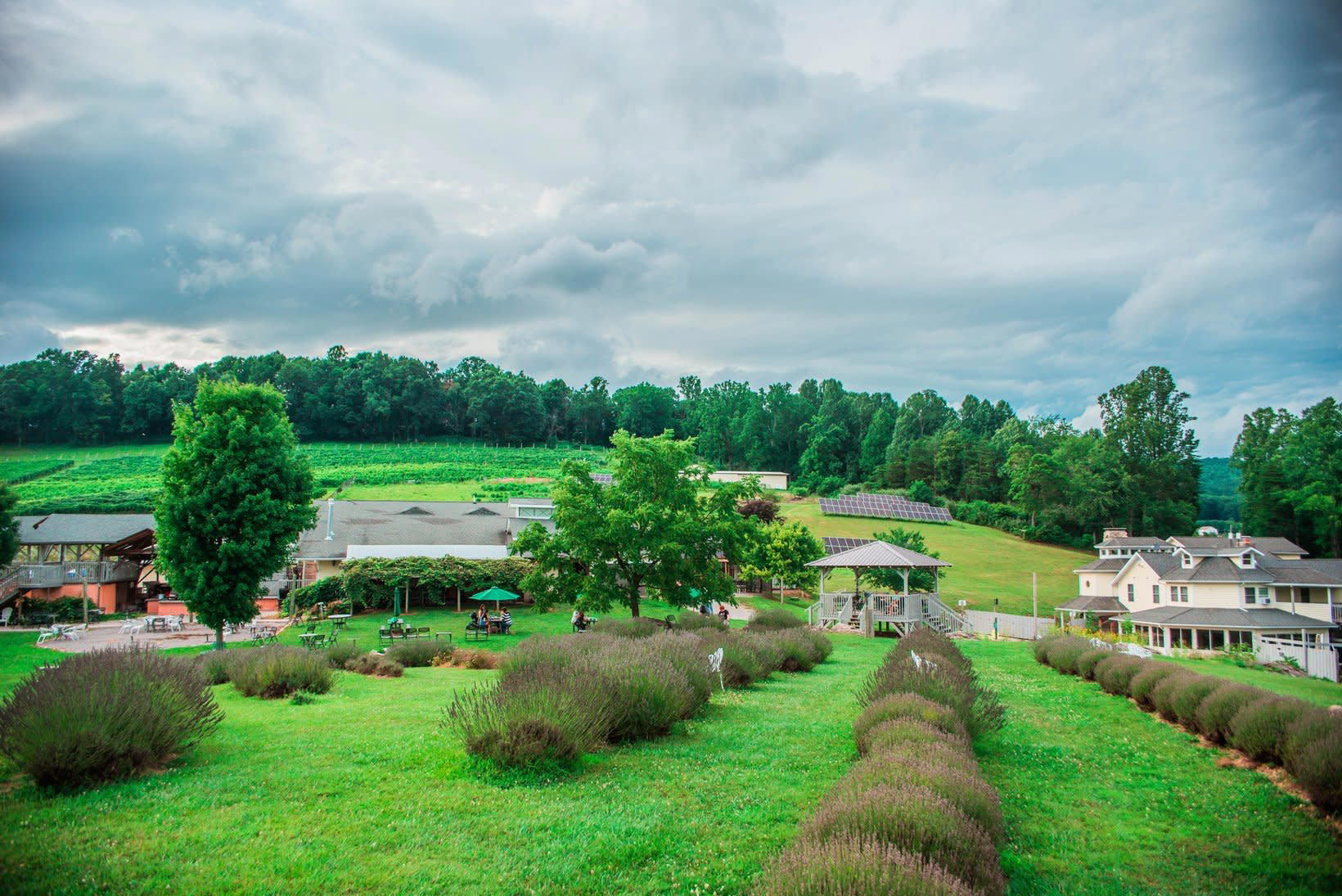
Where the Blue Ridge Plateau Meets the Barrel
The drive out to Eakin Farm Road tells you something before you arrive. The terrain around Blacksburg sits at elevation, pushed up by the geology that forms the western edge of Virginia's wine country, and the farms here carry a different character than the Piedmont properties closer to Charlottesville. The land is cooler, the growing season shorter, and the decisions a producer makes about which varieties to plant and when to harvest carry real consequence.
Virginia's wine identity has taken decades to solidify. The state now counts over 300 wineries, but the tier of producers earning formal recognition remains selective. For visitors making the drive from Blacksburg or from the broader New River Valley, that credential is a useful calibration point. Beliveau Farm is one of the more credentialed stops on the local circuit.
What Virginia's Western Elevation Does to a Grape
The broader context for understanding Beliveau Farm's position is the distinction between Virginia's wine sub-regions. The Monticello AVA around Charlottesville gets the press, built on Viognier and Bordeaux-variety reds grown in the rolling Piedmont. The Shenandoah Valley AVA runs north to south along the mountains. Blacksburg and the New River Valley sit further southwest, at elevations that can shift the character of fruit in ways that favor certain varieties over others.
Cooler growing conditions tend to preserve acidity in white varieties and can produce more structured tannins in reds, provided the site is managed carefully. These are the variables that define estate winemaking in marginal climates, and they explain why Virginia's western producers often pursue a different stylistic register than the warmer, more predictable Piedmont. The comparison is not unlike the difference between Willamette Valley producers such as Adelsheim Vineyard in Newberg and their counterparts in warmer California appellations: site temperature shapes everything, and winemakers either work with that constraint or fight it.
Among California producers who've built reputations around site-specific expression in cooler coastal conditions, the approach of Au Bon Climat in Santa Barbara offers a useful frame. The principle, whether applied to Central Coast Pinot or Virginia estate varieties, is that cool-climate discipline produces wines that reward patience rather than immediate accessibility. Beliveau Farm's position in the New River Valley places it inside that broader conversation about elevation, restraint, and what a specific patch of ground can produce when given time.
The Farm Setting as Part of the Experience
Beliveau Farm operates on working agricultural land, which puts it in a distinct tier of Virginia winery. The farm-integrated model differs from the purpose-built tasting facilities that have proliferated along I-81 and the Monticello corridor. When a winery sits inside a functioning farm, the seasonal rhythms of the property shape the visit in ways that a dedicated hospitality facility does not. The landscape changes with the growing calendar, the grounds carry the evidence of agricultural work, and the sense of place is rooted in production rather than performance.
This approach has parallels at other estate-oriented producers across the American wine map. Properties like Adelaida Vineyards in Paso Robles have built their identity around the integration of farming practice and wine production, where the estate's biodynamic or sustainable credentials are inseparable from the product in the glass. The farm setting at Beliveau works in the same register: the physical environment is not decorative, it is the argument.
For visitors arriving from Blacksburg, the address at 3899 Eakin Farm Rd positions the winery away from the town center, accessible by road but clearly outside the university-town infrastructure that defines Blacksburg's immediate footprint. Planning around driving time and day-trip logistics is practical; it is walk-in friendly.
The rating is a trust signal rather than a sensory endorsement, reflecting assessed quality and consistency at the producer level. Among Virginia wineries at this tier, the competitive reference points shift toward producers who have made deliberate choices about variety selection, yield management, and cellar practice rather than those competing on visitor volume or event programming.
The broader American wine map has a number of producers operating in analogous positions: recognized within their regional tier, built on estate fruit and deliberate viticulture, but not yet at the allocation-driven stratosphere occupied by properties like Accendo Cellars in St. Helena or Aubert Wines in Calistoga. That mid-tier of serious regional producers is exactly where Virginia's wine identity is being built right now, and Beliveau Farm's 2025 recognition places it inside that building project.
For comparison across California's more established regions, producers like Alban Vineyards in Arroyo Grande and Andrew Murray Vineyards in Los Olivos have built sustained reputations through variety-specific commitment in their respective climates. The mechanism is the same: choose your varieties based on what the site can do, work toward consistency across vintages, and let the record accumulate. Virginia producers earning recognition in 2025 are, in that sense, at an earlier stage of the same long game.
Other recognized American producers worth benchmarking against, for visitors calibrating what regional recognition means at this level, include Alexander Valley Vineyards in Geyserville, Alpha Omega Winery in Rutherford, Artesa Vineyards and Winery in Napa, Babcock Winery and Vineyards in Lompoc, and B.R. Cohn Winery in Glen Ellen. Each represents a regional tier of consistent, estate-rooted production that offers a useful frame for understanding what recognition at this level typically means in practice. For international perspective, Aberlour and Achaia Clauss in Patras demonstrate how place-rooted production translates across entirely different categories and regions.
Planning Your Visit
Beliveau Farm Winery is located at 3899 Eakin Farm Rd, Blacksburg, VA 24060. The property sits outside the Blacksburg town center, but it is walk-in friendly.
A Quick Peer Check
Comparable venues nearby, for context on price, style, and recognition.
| Venue | Cuisine | Price | Notes |
|---|---|---|---|
| Beliveau Farm WineryThis venue — the venue you are viewing | Petit Verdot, Tempranillo | $$ | Not listed |
| Barren Ridge Vineyards | Cabernet Franc, Merlot | $$ | Shenandoah Valley |
| AmRhein Wine Cellars | Winery | Not listed | Bent Mountain |
| Peaks of Otter Winery | Winery | Not listed | Blue Ridge Parkway |
| Chiswell Farm & Winery | Cabernet Franc, Cabernet Sauvignon | $$ | Greenwood |
| Castle Hill Cider | Albemarle Pippin | $$ | Keswick |
Continue exploring
More in Blacksburg
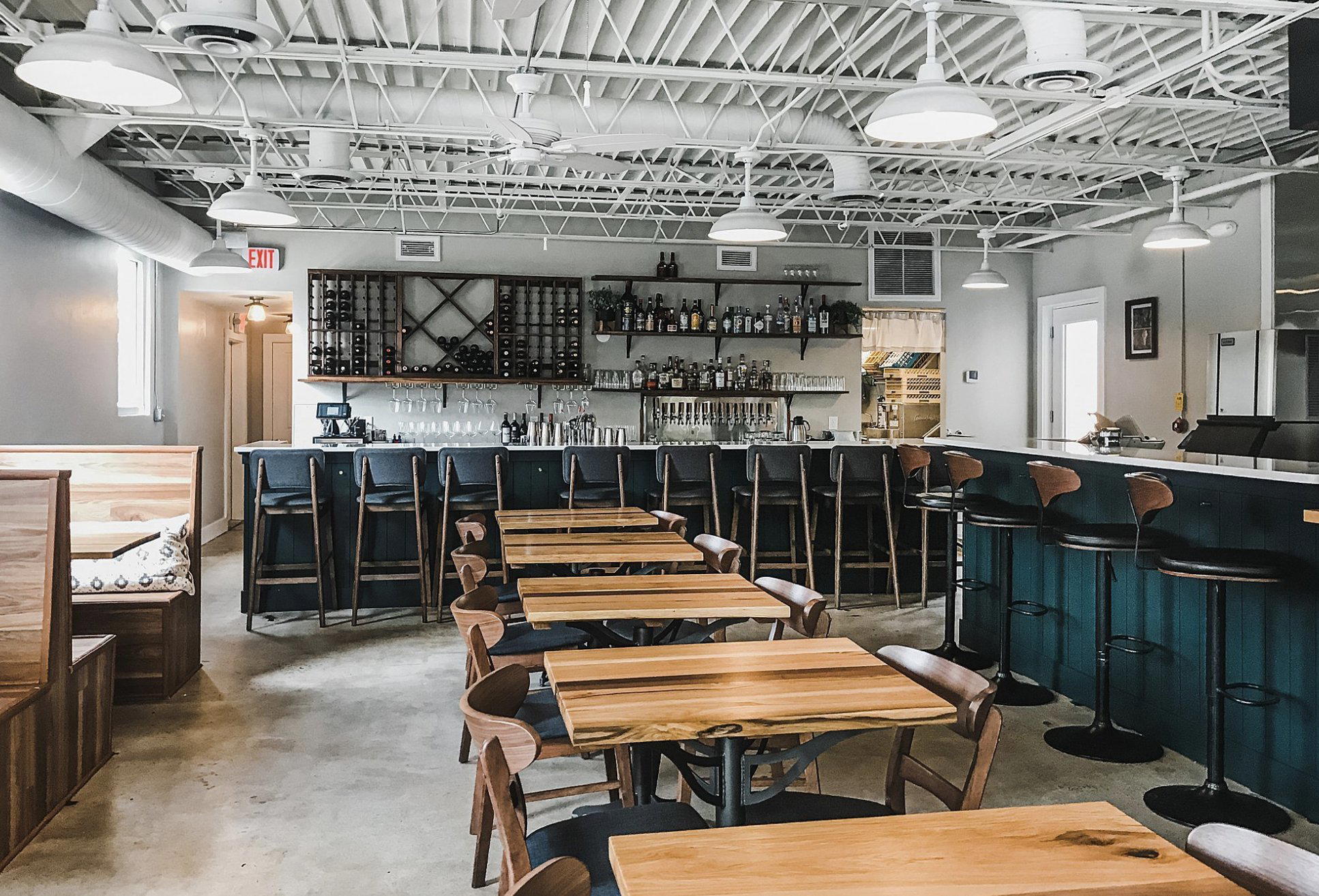
Bars in Blacksburg
Browse all →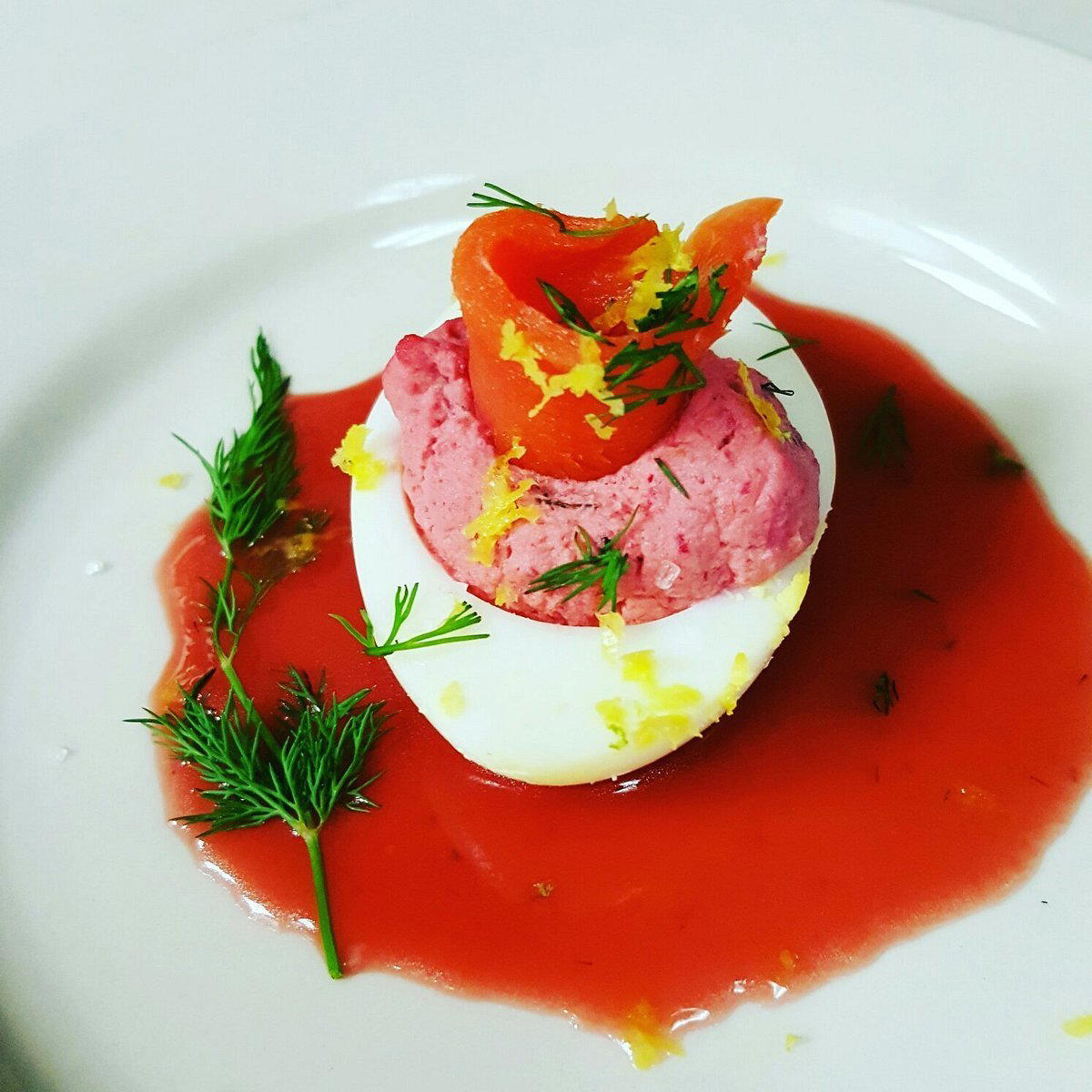
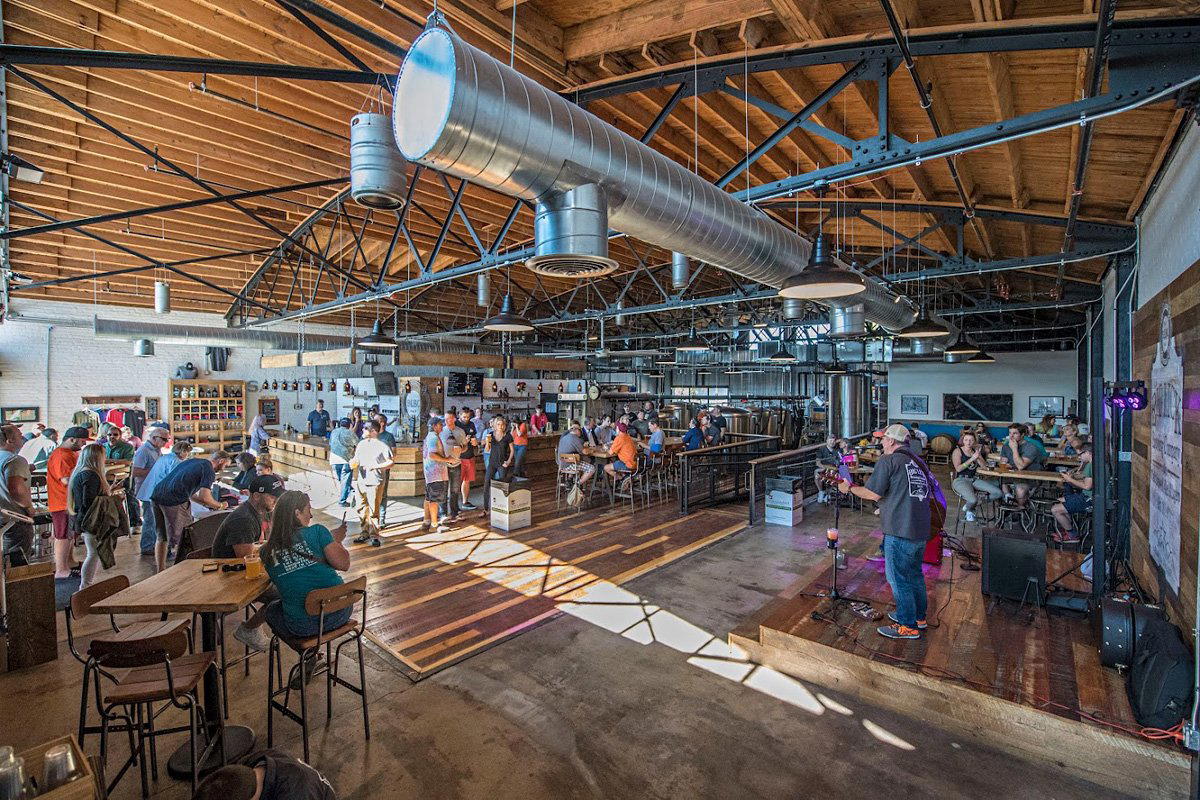
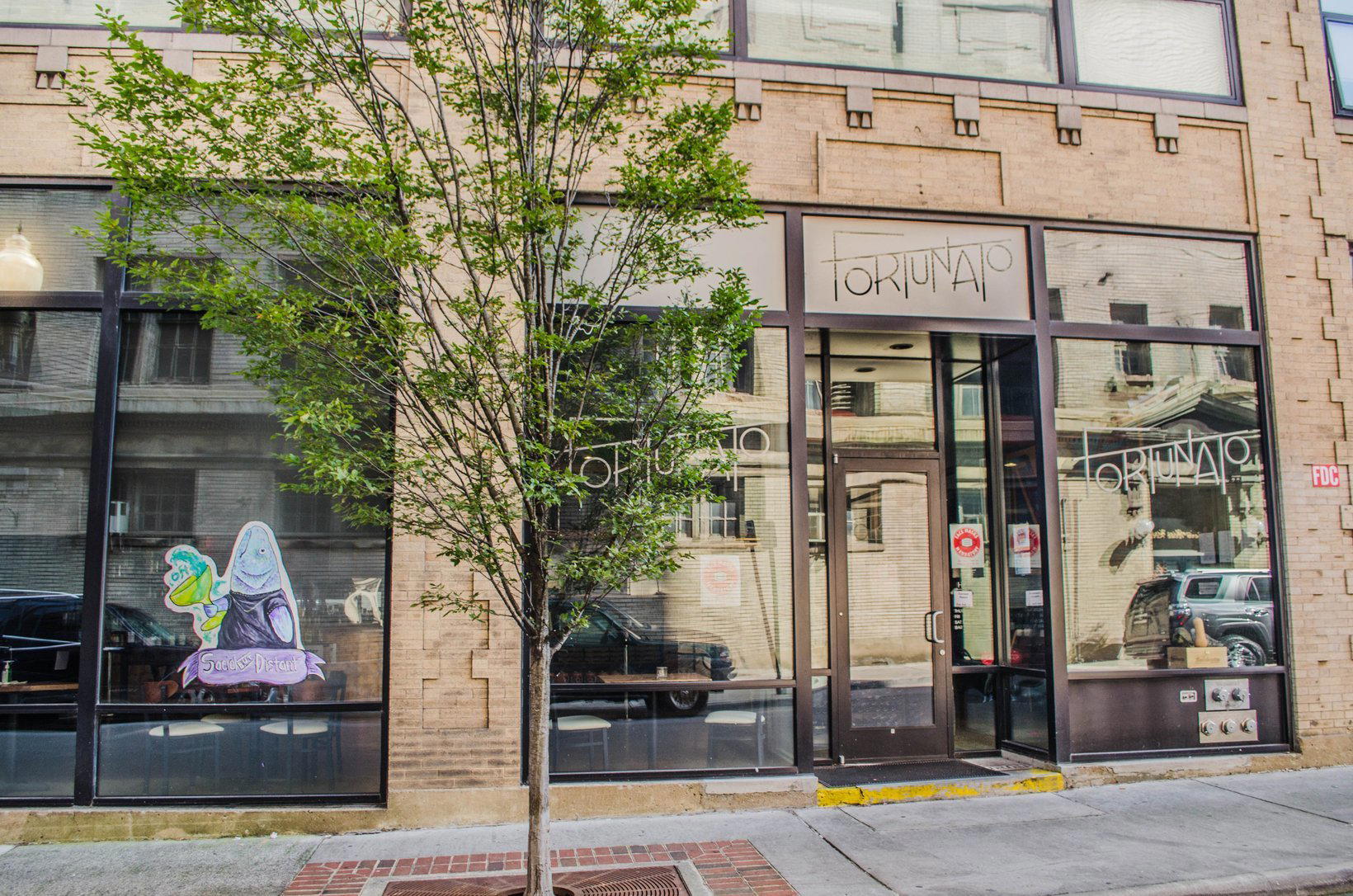
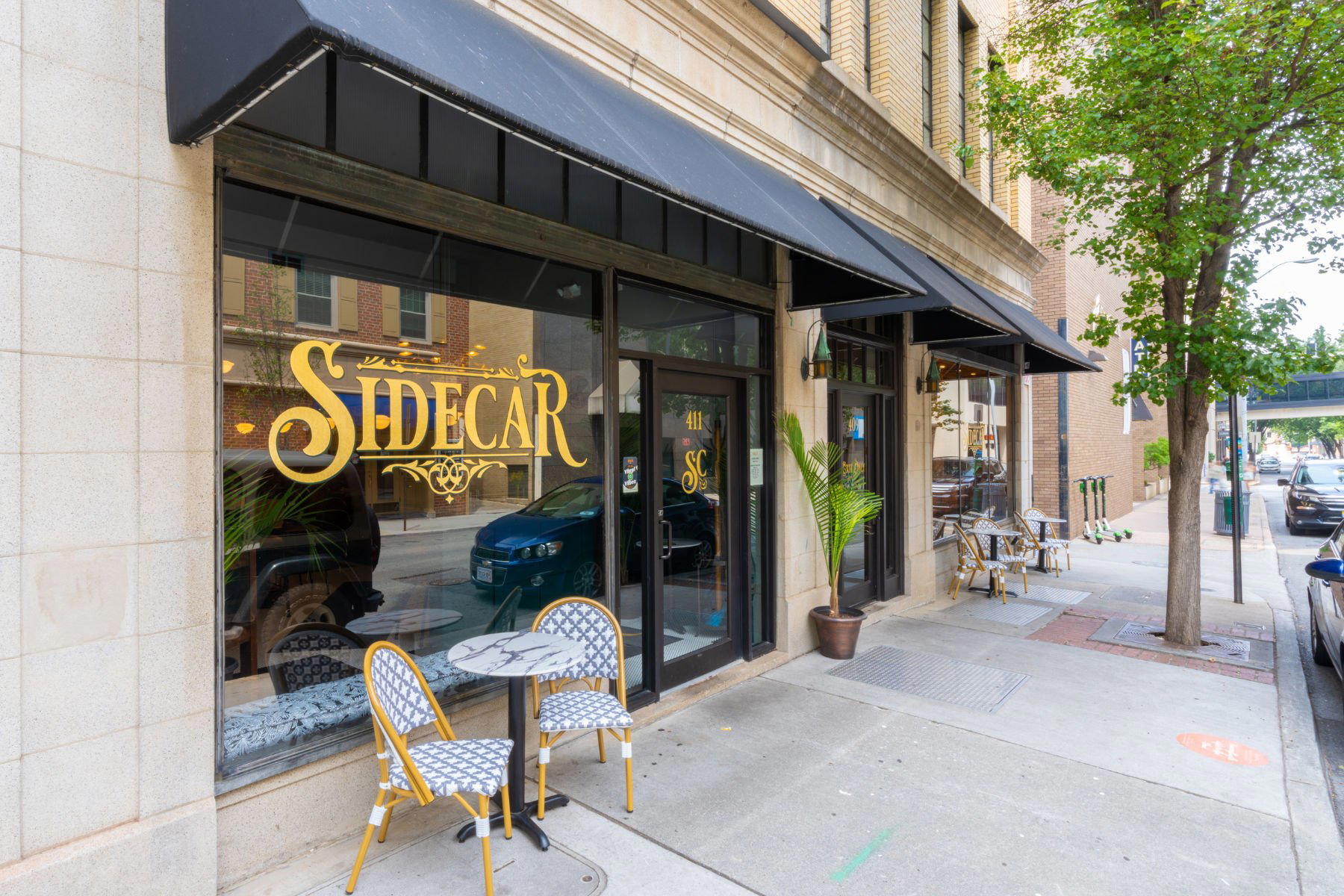
Restaurants in Blacksburg
Browse all →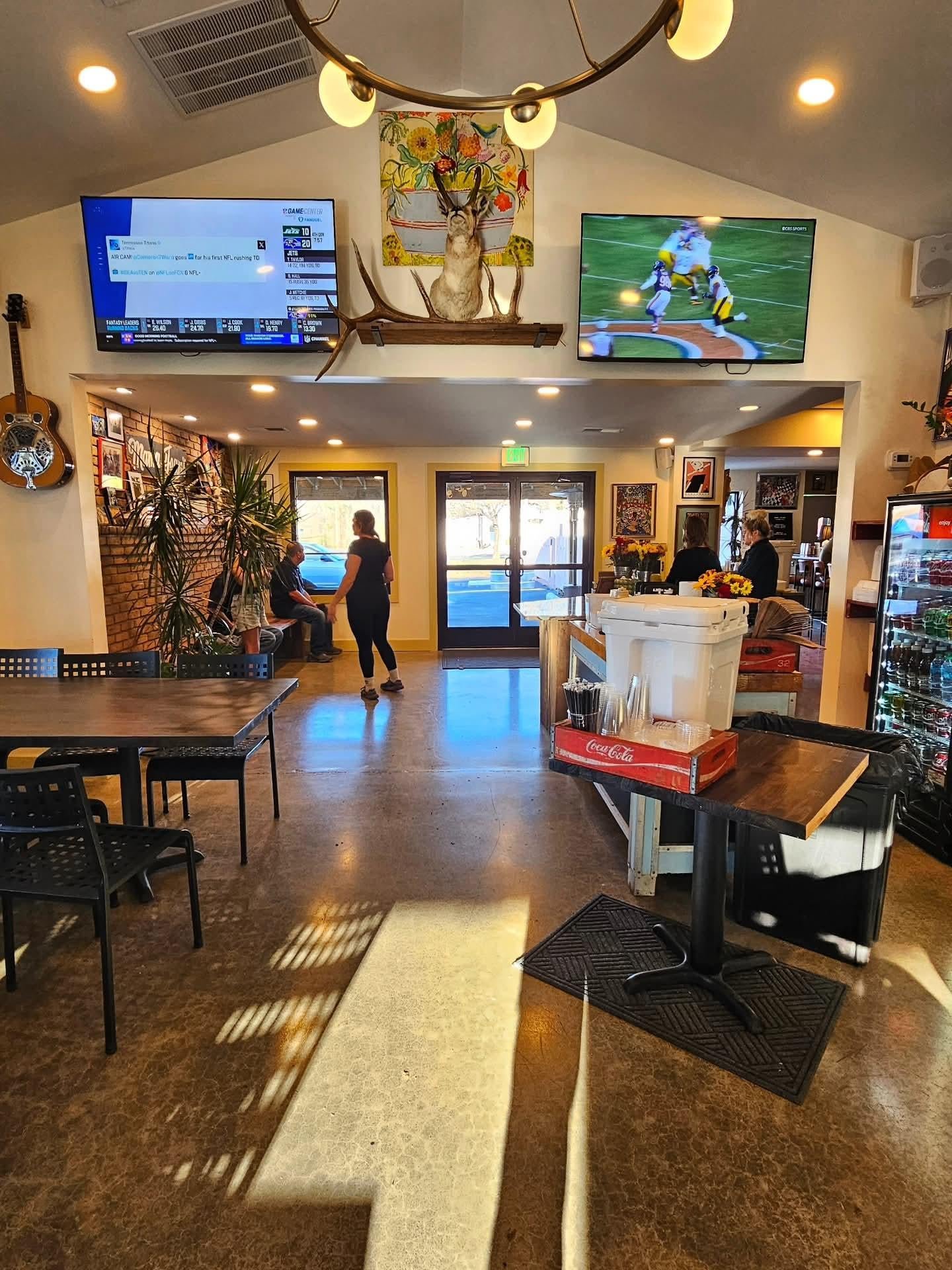
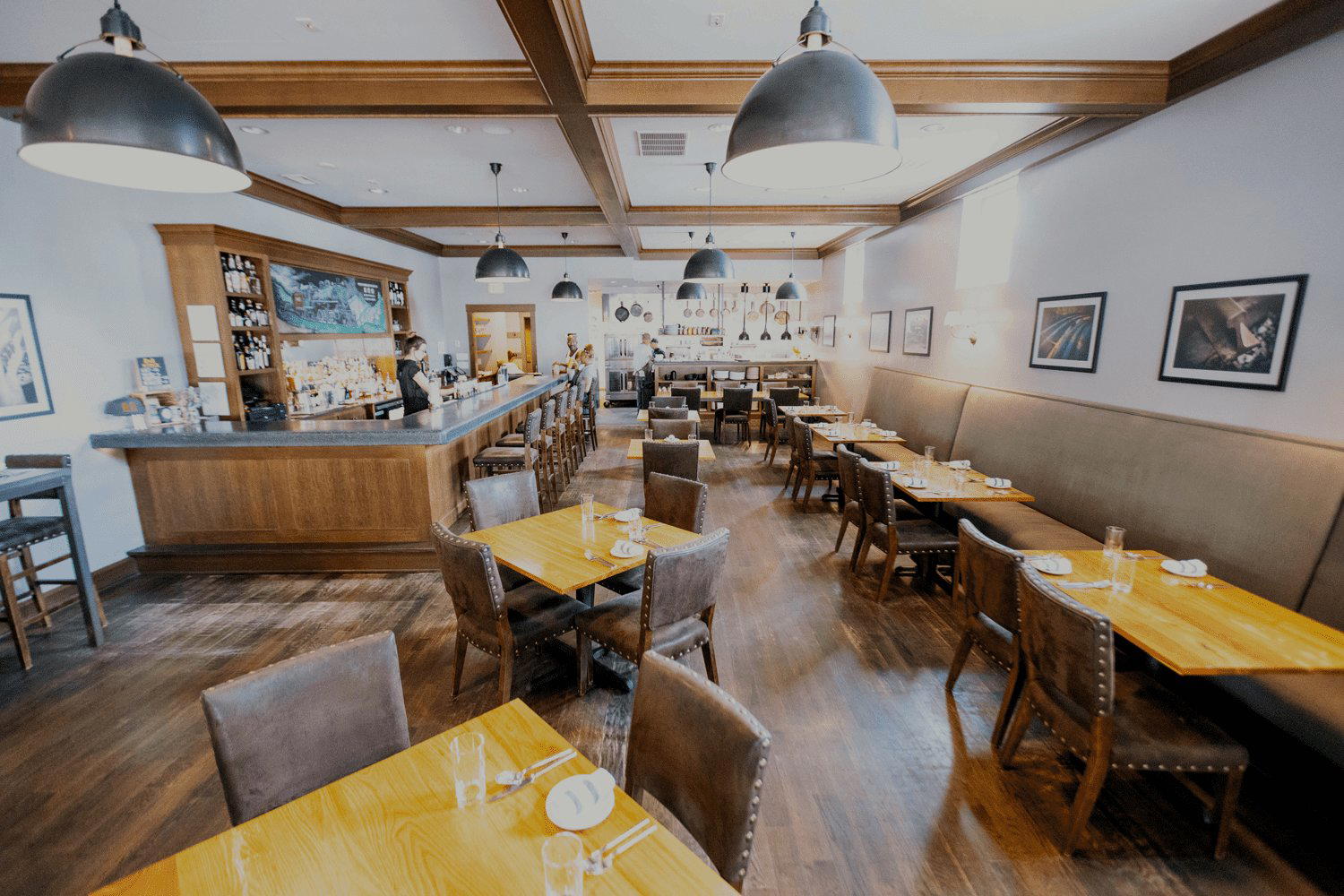

At a Glance
- Scenic
- Rustic
- Romantic
- Cozy
- Intimate
- Romantic Getaway
- Group Outing
- Celebration
- Special Occasion
- Wine Education
- Vineyard Tour
- Estate Grounds
- Picnic Area
- Panoramic View
- Vineyard
- Mountain
- Garden
- Petit Verdot
- Tempranillo
- Traminette
- Vidal
- Chardonnel
- Merlot
- Cabernet Franc
- Chambourcin
- Still Red
- Still White
- Still Rosé
- Outdoor Tasting
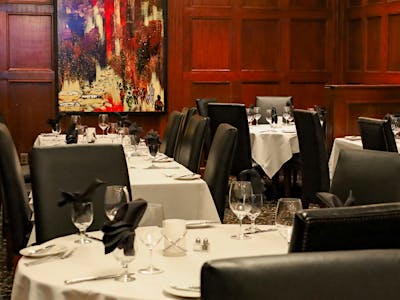
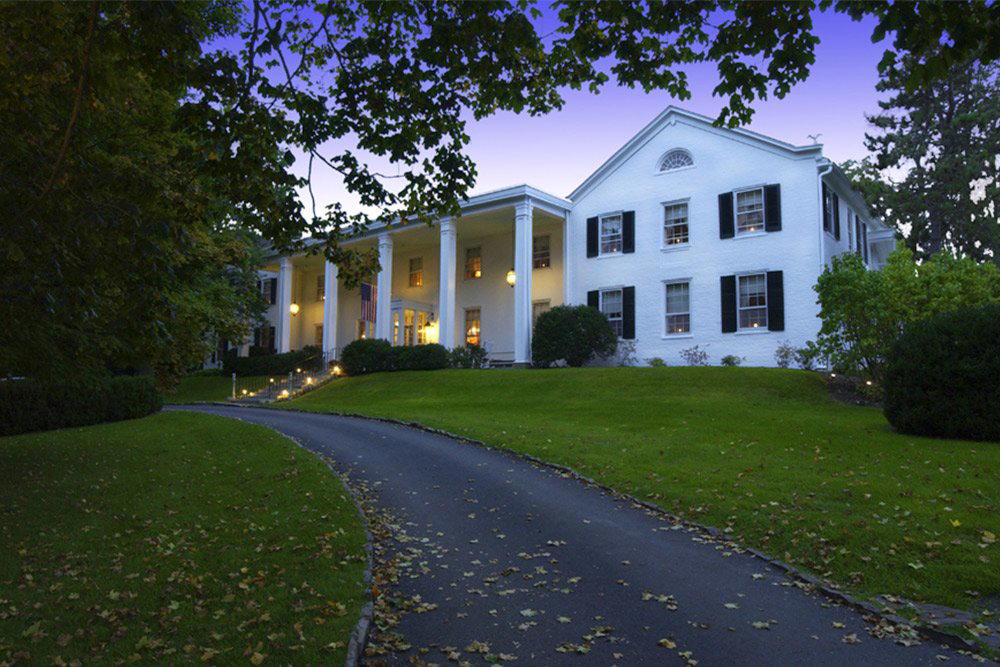
Peaceful and relaxing atmosphere with warm fireplace in the tasting room, scenic outdoor seating amid vineyards and lavender, enhanced by live music on select nights.