The Chop House
Our verdict
A steakhouse on North Eastman Road in Kingsport, Tennessee, The Chop House operates in a dining corridor that serves the region's working and professional class alike. The format follows the American chop house tradition — red meat, straightforward sides, and a room designed around the occasion of a proper dinner rather than a quick meal.

Pearl is the En Primeur Club membership app — saves, bookings, and concierge access live there. Same editors, same standards.
- Address
- 1704 N Eastman Rd, Kingsport, TN 37664
- Phone
- (423) 247-1704
- Hours
- Mon–Sat 11 AM–10 PMSun 10:30 AM–9 PM
- Website
- thechophouse.com
- Directions
- Get directions
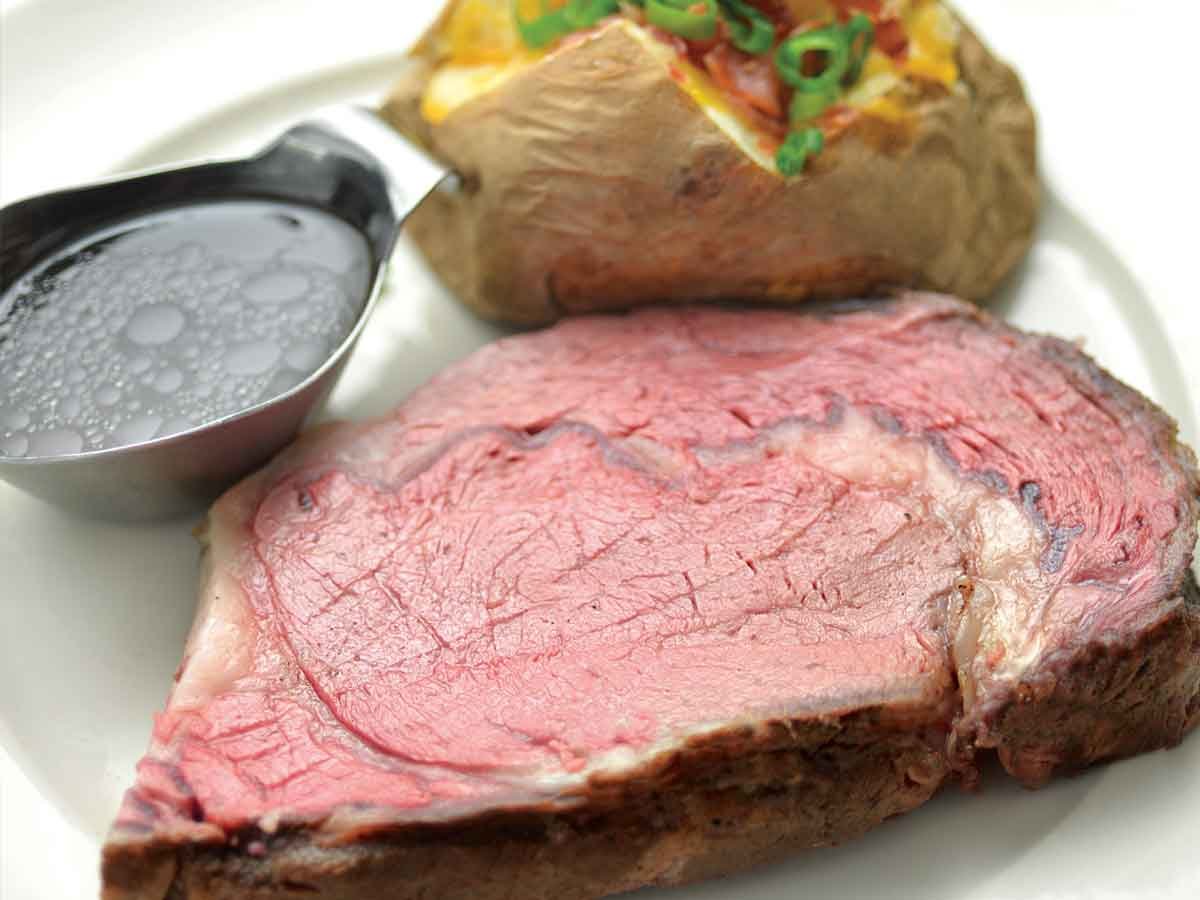
Where Kingsport Sits Down for a Serious Meal
North Eastman Road runs through one of Kingsport's more commercially active corridors, a stretch that carries the city's appetite for chain restaurants alongside a handful of independents and regional concepts. Somewhere in that mix, the American chop house format survives as a dining category that refuses to go quietly. It is a format built around a particular idea: that a well-sourced cut of beef, cooked correctly, requires no architectural flourish or twelve-course justification. The room should be comfortable, the lighting low enough to suggest occasion, and the service direct without being brusque. That template has worked in American cities for over a century, and it continues to work in mid-size Southern cities like Kingsport, where dining out still carries the weight of a deliberate choice rather than a reflex.
The Chop House and the American Steakhouse Tradition
The chop house as a dining format predates the modern steakhouse by a considerable margin. It arrived from British tradition in the eighteenth century, landed in American cities, and gradually evolved into what most diners now recognize as the classic American steakhouse: a menu anchored by beef, organised around cuts rather than techniques, with sides treated as a separate negotiation. What distinguishes the format from the broader casual dining category is the implied contract with sourcing. A steakhouse that names its format after the chop is making a statement about the primacy of the raw material. The cut, the grade, and the aging define the plate before the kitchen does anything at all.
That sourcing logic matters more now than it did a generation ago. American beef production has fragmented into tiers that are increasingly legible to diners: commodity USDA Choice, certified Angus programs, USDA Prime, and above that, a smaller tier of dry-aged, breed-specific, or ranch-specific product. At the high end of that spectrum, operations like Single Thread Farm in Healdsburg and Blue Hill at Stone Barns in Tarrytown treat protein sourcing as editorial content, naming suppliers and building dishes around agricultural relationships. Most chop houses operate several tiers below that, but the underlying logic is the same: the integrity of the plate begins before the grill is lit.
Why Sourcing Defines the Category
For diners in the American South and Appalachian region, beef sourcing carries an additional layer of local significance. Tennessee and the surrounding states have a deep cattle-farming history, and regional producers have increasingly positioned their product toward the premium end of the domestic market. That creates an opportunity for restaurants in cities like Kingsport to draw on a regional supply chain that didn't exist in the same form two decades ago. Whether a given chop house takes that opportunity or relies on broader national distributors is a distinction that matters to the diner ordering a ribeye — though it is rarely communicated on the menu itself.
The broader pattern across American steakhouses is a slow drift toward transparency. Restaurants at the top of the national tier, places like The French Laundry in Napa or Le Bernardin in New York City, have made supplier provenance a visible part of their editorial identity. That influence filters down. Diners who have eaten at those tables come home to Kingsport and ask different questions about the beef on their plate. It is one of the more useful consequences of premium dining culture spreading through the American food conversation.
Kingsport's Dining Context
Kingsport is not a dining destination in the conventional sense. It is a working city in the Tri-Cities region of northeast Tennessee, with an economy historically anchored in manufacturing and chemicals. Its dining culture reflects that: unpretentious, value-conscious, and skeptical of the kind of theatrical plating that characterises restaurants built for Instagram rather than appetite. That is not a limitation — it is a context. The restaurants that perform well here do so because they deliver on a clear promise rather than because they operate within a creative culinary vogue.
The steakhouse format suits that context precisely. It makes no claim to innovation. Its credibility rests entirely on execution: the quality of the beef, the accuracy of the cook, the temperature of the plate, and the reliability of the experience across visits. In cities with more active dining scenes, those baseline competencies are table stakes. In Kingsport, they are the whole argument. For a broader sense of what the city's restaurant options look like across categories, our full Kingsport restaurants guide maps the territory.
For comparison, the kind of sourcing-first ambition that defines the upper bracket of American dining is visible at venues like Bacchanalia in Atlanta, Lazy Bear in San Francisco, and Addison in San Diego. Those operations invest heavily in agricultural relationships and communicate those relationships to the diner as part of the dining proposition. Brutø in Denver and Frasca Food and Wine in Boulder represent the kind of regionally rooted, ingredient-led approach that has taken hold in mid-size Western cities. Causa in Washington, D.C., ITAMAE in Miami, and Atomix in New York City each demonstrate how sourcing specificity can define a restaurant's entire identity when applied to non-beef proteins. Providence in Los Angeles, Alinea in Chicago, The Inn at Little Washington, Emeril's in New Orleans, and 8½ Otto e Mezzo Bombana in Hong Kong each operate at price points and ambition levels that sit in a different universe from a mid-market chop house in Tennessee. But the sourcing question that animates those kitchens is the same one any serious beef restaurant must answer, regardless of its postcode or price tier.
Planning a Visit
The Chop House sits at 1704 N Eastman Rd in Kingsport, positioned along a commercial stretch that is direct to reach by car. Given the absence of confirmed booking details in the public record, calling ahead is the safer approach for larger groups or weekend visits. The format, a fixed address in a busy dining corridor, suggests walk-ins are likely accommodated at lower-traffic times, but evenings on Thursday through Saturday tend to draw the heaviest footfall at mid-market steakhouses in cities of Kingsport's size. Arriving before 6:30 pm on those nights typically means less waiting.
Frequently asked questions
Is The Chop House child-friendly?
The chop house format in mid-size American cities like Kingsport generally runs family-accessible rather than formally exclusive. This is not a hushed tasting-menu room with a no-under-12 policy. Expect a setting where a family dinner sits comfortably alongside a business meal, though parents should anticipate a restaurant built around adult appetites and a beef-forward menu.
Is The Chop House formal or casual?
Kingsport's dining culture runs toward the unpretentious, and the chop house format has never demanded a dress code in American practice. At 1704 N Eastman Rd, the North Eastman corridor context points toward a come-as-you-are room rather than a jacket-required one. Business casual fits without effort; so does a clean pair of jeans.
How does The Chop House fit into the broader Tri-Cities dining scene?
Kingsport is a working city anchored by industry rather than tourism, and the Tri-Cities region of northeast Tennessee does not carry the restaurant density of Nashville or Knoxville. Within that context, a dedicated chop house on N Eastman Rd occupies a specific niche: the kind of sit-down beef-focused meal that the city's economy-driven dining culture supports without the premium-market framing found in larger Tennessee metros.
What do people recommend at The Chop House?
Any restaurant that names its format after the cut is telling you exactly what to order: the beef. The chop house tradition, which predates the modern American steakhouse, built its reputation on simply prepared cuts served with directness rather than ceremony. At a Kingsport address on a commercially active corridor, that core proposition holds — start with the steak and build the meal outward from there.
A Quick Peer Check
Comparable venues nearby, for context on price, style, and recognition.
| Venue | Cuisine | Price | Notes |
|---|---|---|---|
| The Chop HouseThis venue — the venue you are viewing | Steakhouse & Seafood | $30–50 | Not listed |
| Cherokee Grill and Steakhouse | Classic American Steakhouse | $30–50 | Calhoun’s Village |
| Azul Cantina | Modern Mexican Tex-Mex | $30–50 | Mountain Mile |
| Talk Shop | Asian Flair | Not listed | Southside |
| Hand Cut Nashville | Premium American Steakhouse | $50–100 | Downtown |
| Jimmy Kelly's Steakhouse | Classic American Steakhouse | $50–100 | Elliston Place |
Continue exploring
More in Kingsport
Restaurants in Kingsport
Browse all →
Hotels in Kingsport
Browse all →
Details
- Elegant
- Sophisticated
- Classic
- Date Night
- Business Dinner
- Celebration
- Family
- Private Dining
- Extensive Wine List
- Craft Cocktails
- A La Carte
- Vegetarian Friendly
- Gluten Free Options
- Vegan Options
Current opening hours
- Monday
- 11 AM–10 PM
- Tuesday
- 11 AM–10 PM
- Wednesday
- 11 AM–10 PM
- Thursday
- 11 AM–10 PM
- Friday
- 11 AM–10 PM
- Saturday
- 11 AM–10 PM
- Sunday
- 10:30 AM–9 PM
Hours can change for holidays and private events. Last verified .
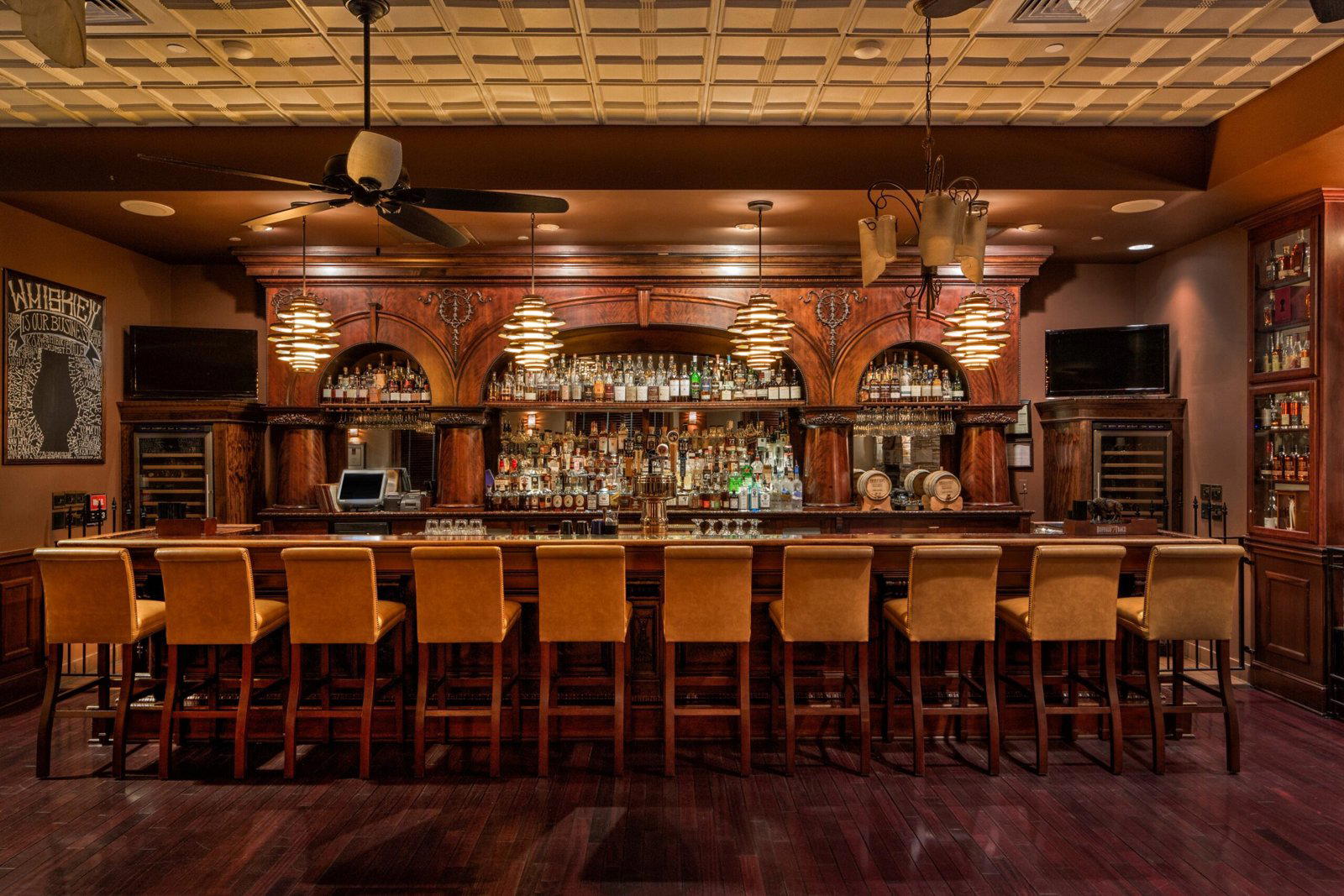
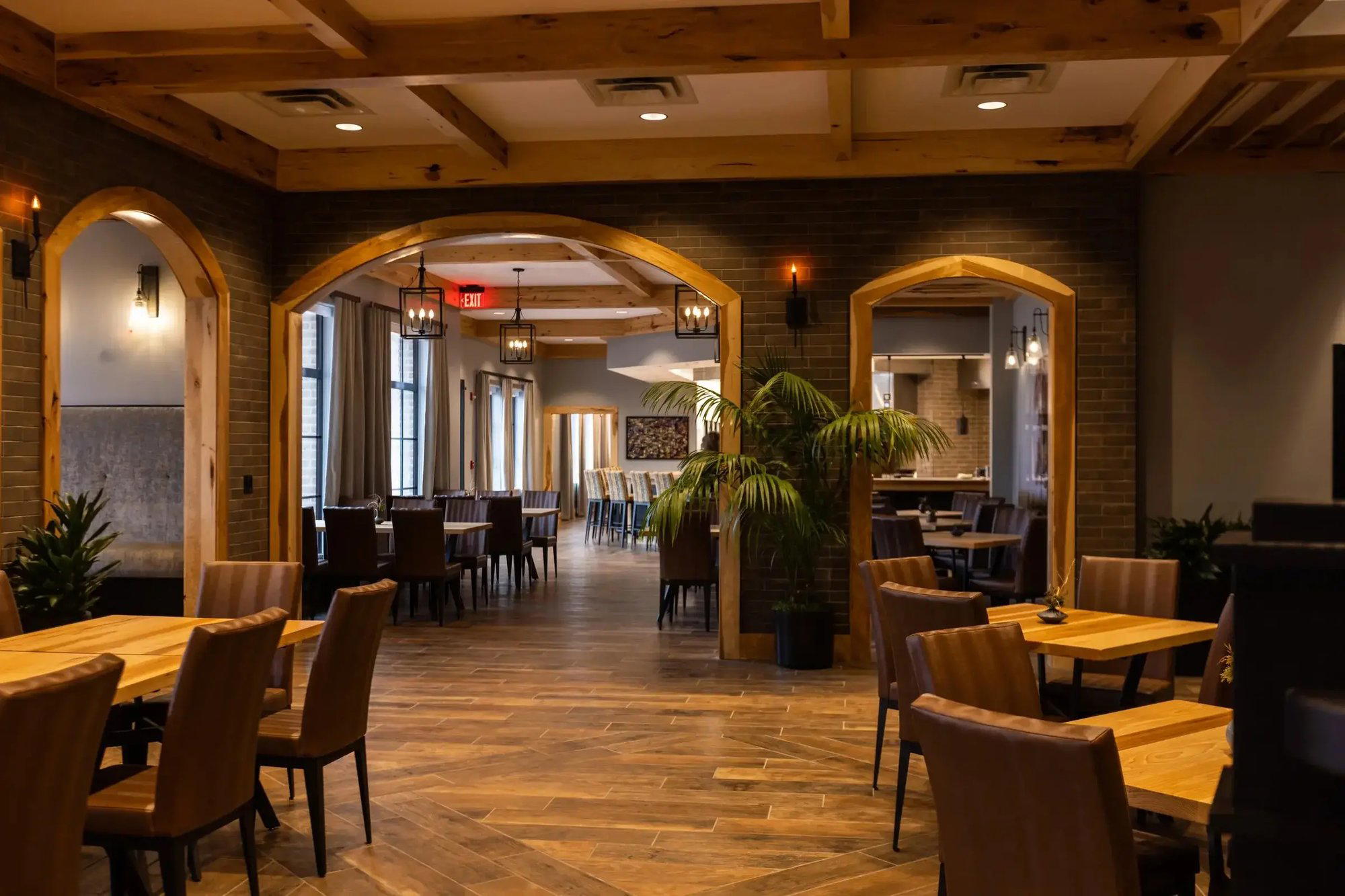
Warm, inviting atmosphere with a business steakhouse feel, featuring booths and attentive table service.