Rhode's Motor Lodge

Rhode's Motor Lodge on Blowing Rock Road sits at the intersection of Appalachian roadside heritage and the contemporary movement toward character-driven, independent accommodation. Selected by Michelin in 2025, it represents a strand of American lodging that trades scale for atmosphere, placing it in a growing cohort of smaller properties earning serious editorial attention in mountain travel circles.
Pearl is the En Primeur Club membership app — saves, bookings, and concierge access live there. Same editors, same standards.
- Address
- 1377 Blowing Rock Rd, Boone, NC 28607
- Phone
- (828) 865-1110
- Website
- rhodesmotorlodge.com
- Directions
- Get directions
 Saves & bookings on Pearl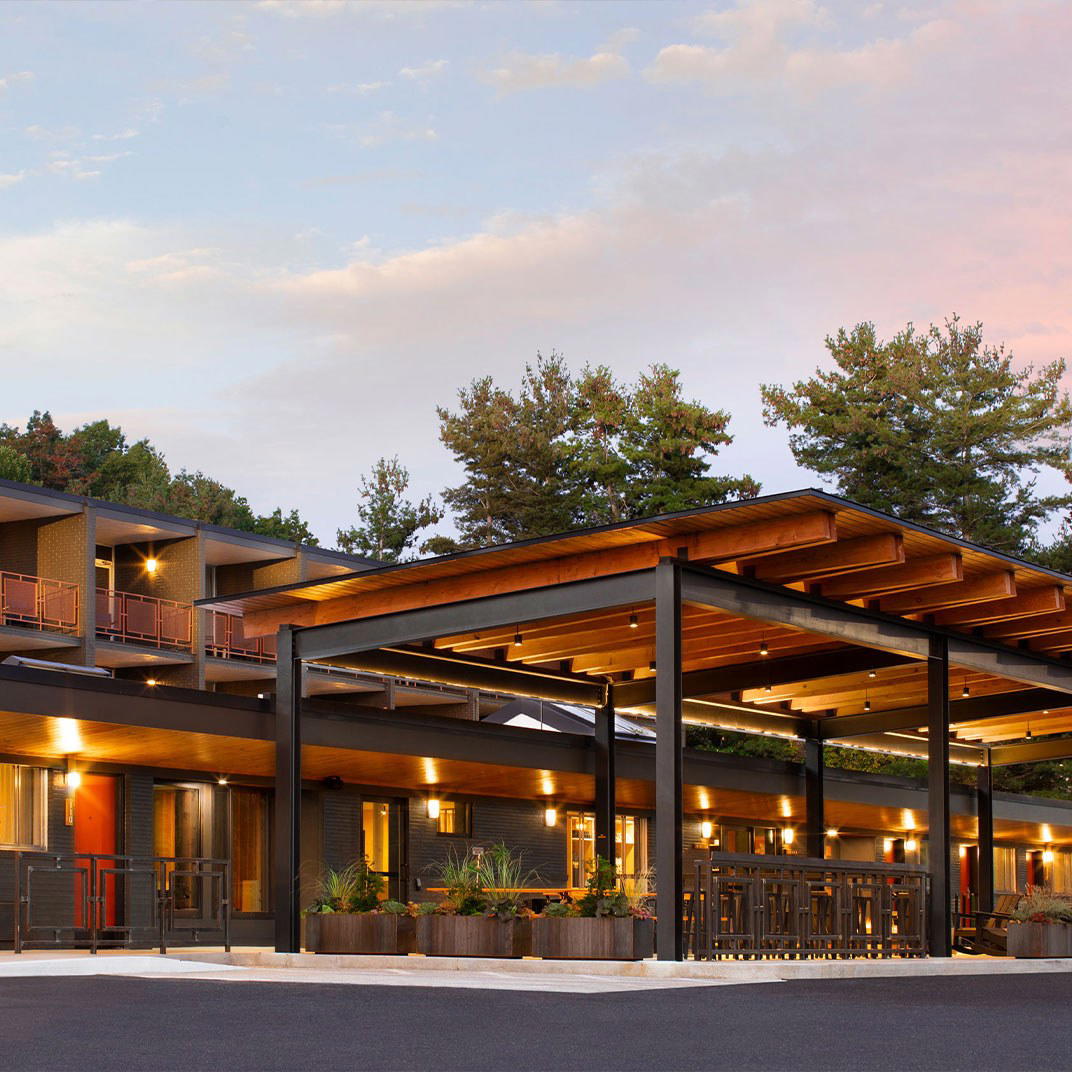
Roadside Architecture as Intention
Boone sits at roughly 3,300 feet in the North Carolina High Country, a position that shapes every practical and aesthetic decision a property makes. At this elevation, the light changes fast, mornings carry a chill well into summer, and the surrounding ridgelines of the Blue Ridge exert a visual gravity that competes with whatever a hotel puts in front of them. Rhode's Motor Lodge, at 1377 Blowing Rock Road, works with that geometry rather than against it. The motor lodge format, a distinctly American typology that flourished between the 1940s and 1970s before being largely absorbed by chain hospitality, has been revisited here in a way that treats the original roadside architecture as a starting point rather than a liability.
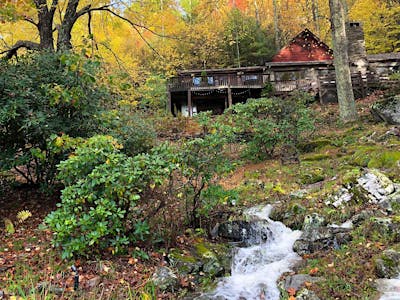
The motor lodge as a building type carries specific spatial logic: rooms that open directly to the exterior, a horizontal silhouette that reads as approachable from the road, and a relationship between parking, arrival, and room access that is fundamentally different from lobby-centric hotel design. When that format is applied thoughtfully in a mountain environment, the result can feel genuinely calibrated to place in ways that purpose-built resort towers rarely achieve. Properties like Dunton Hot Springs in Dunton and Sage Lodge in Pray occupy a similar position in the American mountain accommodation spectrum, where the physical structure itself communicates a particular relationship to landscape. Rhode's operates in that same register, using the inherited form of the motor lodge as an architectural statement about what kind of stay this is meant to be.
Where Boone's Accommodation Scene Sits
Boone is not a resort town in the conventional sense. It lacks the ski infrastructure of a Park City, where Washington School House Hotel occupies its own niche of historic-building conversions, and it operates without the spa-resort apparatus of destinations like Lenox or Tucson, where Canyon Ranch Lenox and Canyon Ranch Tucson define a particular category of wellness-driven retreat. Instead, Boone draws visitors for Appalachian Trail access, Blue Ridge Parkway driving, the cultural programming at Appalachian State University, and a constellation of independent restaurants and breweries that have made the town something of a regional food destination.
Within this context, a Michelin Selected designation in 2025 carries specific weight. Michelin's hotel selection program, which has expanded its American coverage in recent years, applies the same editorial framework to lodging that it applies to restaurants: the question is not size or brand affiliation but whether the property merits a deliberate detour. For Rhode's Motor Lodge, that recognition places it among independently operated properties that draw deliberate attention from travel editors. That distinction matters in a market where Boone's accommodation options span chain motels, vacation rental saturation, and a small number of properties with genuine editorial credibility.
The Case for the Motor Lodge Format
American hospitality has moved through several cycles of nostalgia and reinvention, and the motor lodge occupies a specific moment in that history. The format democratized automobile travel in the mid-twentieth century, offering affordable, accessible lodging along federal highway routes in a way that the grand hotel tradition never attempted. The design consequences of that democratization, direct room access, exterior-facing doors, low footprints, and minimal shared public space, are now legible to a generation of travelers as a specific aesthetic vocabulary rather than a default budget choice.
Properties that have successfully reframed the motor lodge typology tend to invest in two areas: material quality within the room envelope, and landscaping or exterior treatment that gives the horizontal building form a considered relationship to its site. In mountain environments, that second investment matters especially, since the site itself competes aggressively with whatever architecture is placed on it. The comparison set for Rhode's in this architectural register is not urban luxury hotels like The Fifth Avenue Hotel in New York City or Raffles Boston, but rather properties that have made a virtue of small scale and material honesty, such as The Stavrand in Guerneville and Troutbeck in Amenia, both of which have built reputations by treating their historic structures as editorial assets.
Planning a Stay
Rhode's Motor Lodge sits on Blowing Rock Road, which functions as Boone's primary commercial corridor connecting the town center to the village of Blowing Rock to the south. The location is practical for accessing both the town's restaurant and brewery scene and the natural recreation infrastructure of the surrounding High Country. The Blue Ridge Parkway, which offers particularly consistently rewarding driving in the eastern United States, is accessible within a short drive, and the trail network surrounding Grandfather Mountain and the Linville Gorge extends the outdoor programming options well beyond the immediate Boone area.
For travelers building a broader American mountain itinerary, the High Country pairs naturally with other independently operated properties that occupy similar architectural and editorial territory. Post Ranch Inn in Big Sur and Amangiri in Canyon Point represent the higher-investment end of that spectrum, while properties like The Hornibrook Mansion Empress of Little Rock and Bowie House in Fort Worth show how character-driven lodging is distributing itself across secondary American cities and towns. Rhode's fits that pattern: a property whose value proposition is legibility of place, architectural coherence, and editorial credibility in a market that has not historically been associated with that kind of lodging identity.
Quick Comparison
Comparable venues nearby, for context on price, style, and recognition.
| Venue | Cuisine | Price | Awards | Notes |
|---|---|---|---|---|
| Rhode's Motor LodgeThis venue — the venue you are viewing | Reimagined mid-century motor lodge with refined utility and contemporary mountain hospitality; honors vintage road-trip aesthetics while delivering modern boutique comfort. | $$ | 4-Star | Not listed |
| Cataloochee Ski Area | Mountain resort with rustic ranch heritage and modern amenities | $$ | 4-Star | Maggie Valley |
| Kimpton Hotel Arras | Eclectic boutique hotel blending Art Deco heritage with contemporary mountain luxury and local artistic influences. | $$$ | 4-Star | Downtown Asheville |
| The Flat Iron Hotel | Restored historic office building with Appalachian Deco aesthetic | $$$ | 4-Star | downtown Asheville |
| Grand Bohemian Lodge Asheville, Autograph Collection | rustic 19th century hunting lodge with modern luxury | $$$$ | 4-Star | Biltmore Village |
| Foundry Hotel Asheville | Historic industrial restoration with modern luxury sensibility; a repurposed steel foundry celebrating Appalachian heritage and local culture. | $$$ | 4-Star | The Block |
Recognition history
Dated appearances from independent guides and award organizations, with the underlying list record or original source where available.
Michelin Selected
Michelin
Continue exploring
More in Boone
Bars in Boone
Browse all →
Restaurants in Boone
Browse all →

Wineries in Boone
Browse all →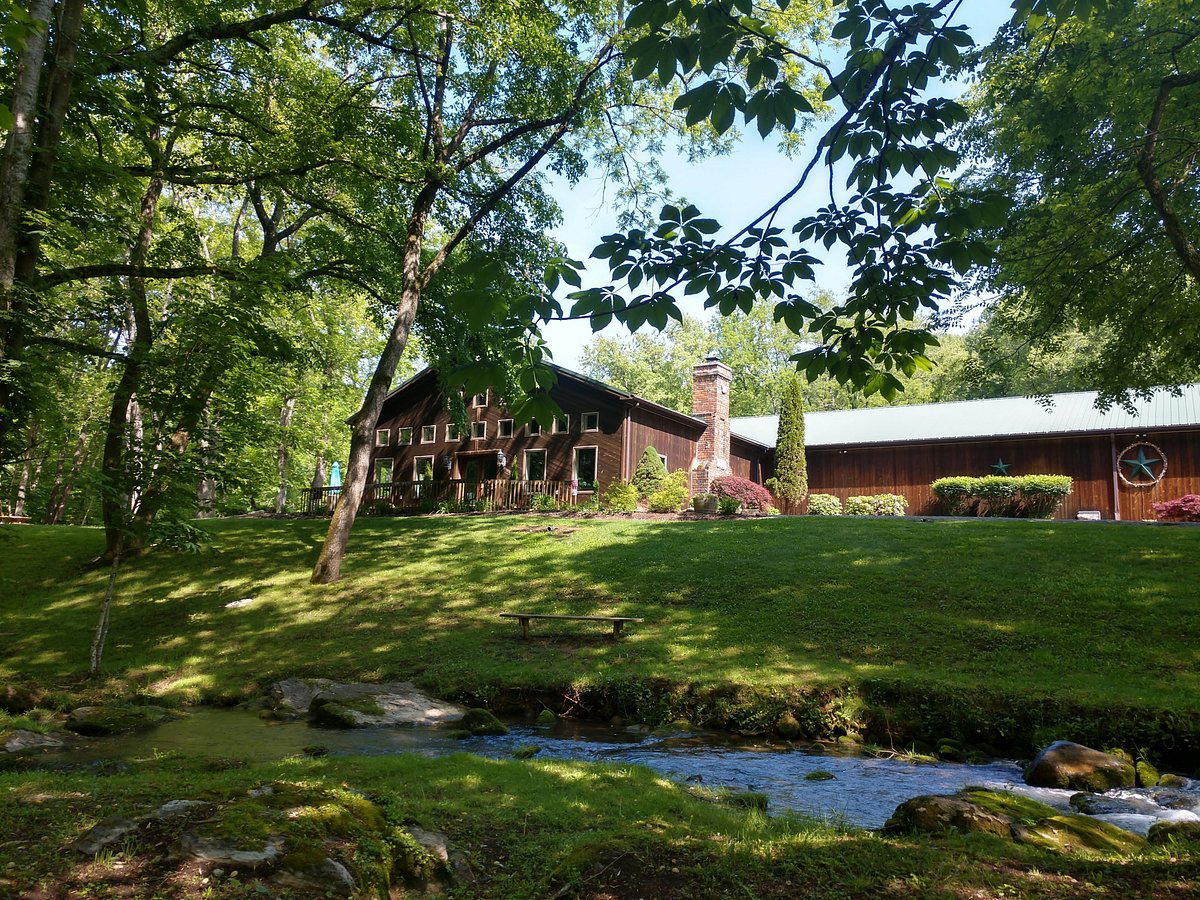
At a Glance
- Rustic
- Cozy
- Romantic
- Romantic Getaway
- Weekend Escape
- Family Vacation
- Historic Building
- Design Destination
- Terrace
- Wi Fi
- Restaurant
- Mountain
- Wi Fi
- Restaurant
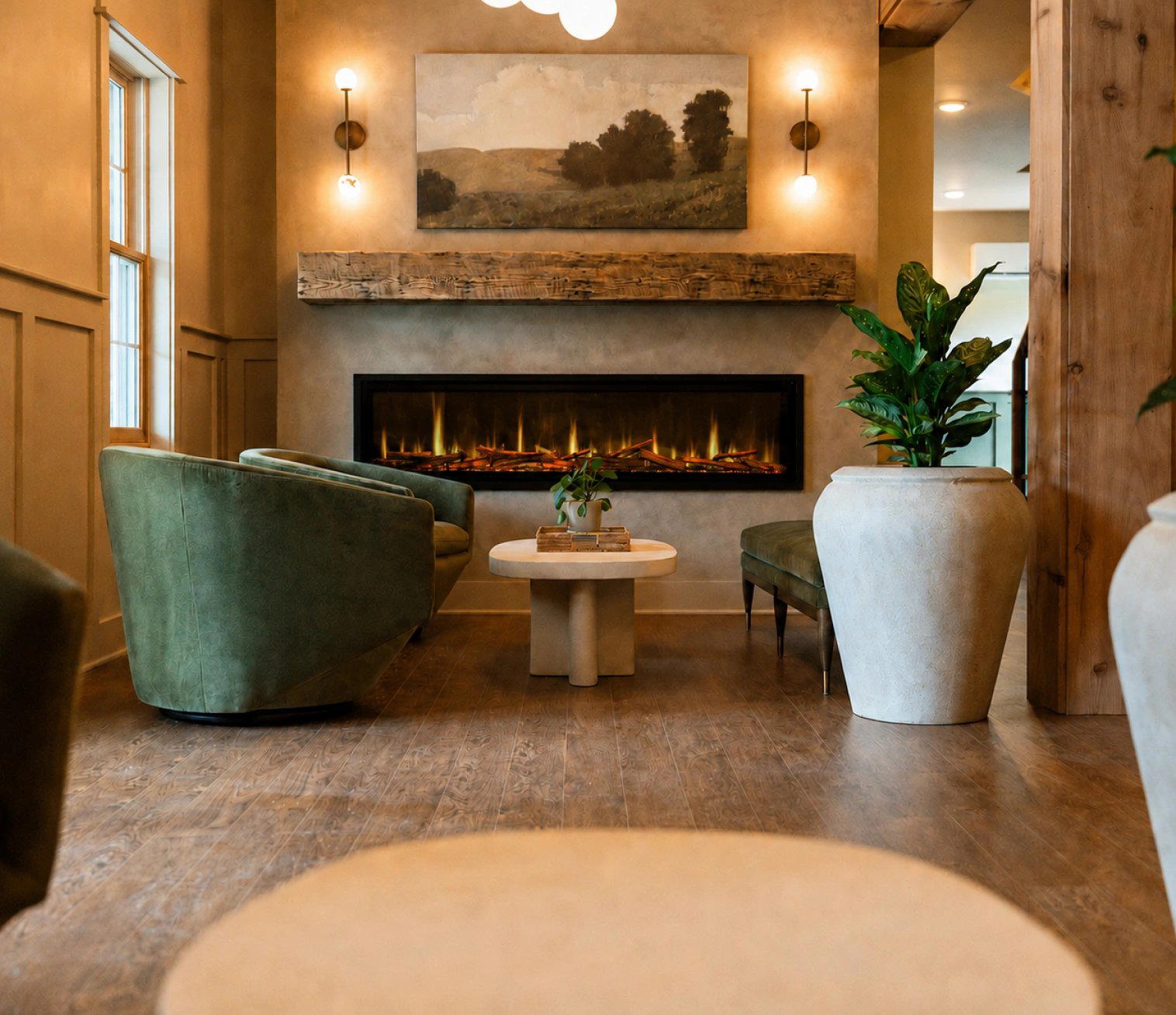
Warm and inviting with a lobby fireplace, communal gathering spaces including a fire pit with rocking chairs, and refined utility throughout; evokes vintage road-trip nostalgia with contemporary comfort.
Know Before You Go
- Getting there
- 1377 Blowing Rock Rd, Boone, NC 28607