Google: 4.6 · 1,309 reviews

A fifth-generation pizzaiolo family operates this Piazza Mercato address, where the Tutino brothers apply contemporary thinking to Neapolitan dough craft. Their light, carefully fermented bases and the signature Ruota di Carro make this a reference point for Naples pizza that sits between deep tradition and considered innovation. The address is on the eastern edge of the historic centre, away from the tourist circuits of the Spaccanapoli corridor.
 Discover on Pearl
Pearl is the En Primeur Club membership app — saves, bookings, and concierge access live there. Same editors, same standards.
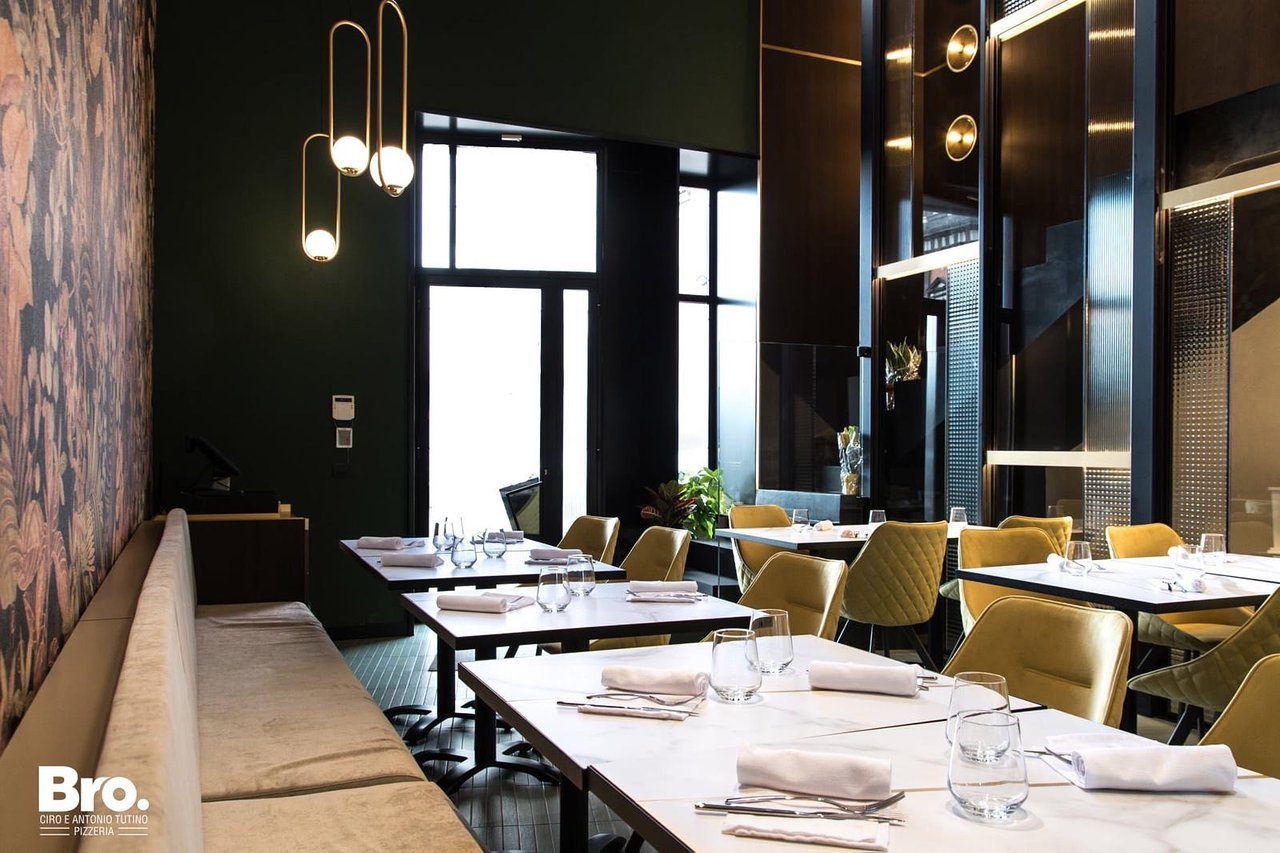
Piazza Mercato and the Weight of Five Generations
Piazza Mercato sits on the eastern fringe of Naples' historic centre, a square with a long and complicated past that most visitors pass through quickly on the way to more photographed addresses. The neighbourhood has none of the tourist infrastructure of the Spaccanapoli corridor or the polished renovation of the waterfront. What it does have is the kind of working-city density that has always been the backdrop to serious Neapolitan food, where the relationship between producer and neighbourhood is practical rather than performative.
Into that context, the Tutino brothers operate a pizzeria that draws on five generations of family craft. That lineage is not a marketing posture; in a city where the art of the pizzaiolo has been inscribed on UNESCO's Intangible Cultural Heritage list since 2017, five generations of practice represents something verifiable and measurable. The breadth of family knowledge accumulated across that span shapes how the Tutinos approach fermentation, dough hydration, and the temperature management that separates a light, digestible crust from a heavy one.
The Neapolitan Pizza Tradition and Where This Address Sits
Naples has more serious pizza addresses per square kilometre than any other city, and the competitive field has sharpened considerably over the past decade. The city's leading counters now split broadly into three groups: those preserving strict Associazione Verace Pizza Napoletana orthodoxy, those working in a contemporary register with extended fermentation and non-traditional toppings, and the smaller cohort that attempts to hold both at once without losing either. The Tutino brothers belong to that third group. Their dough is described as notably light, which in technical terms means a longer, colder fermentation and careful hydration management rather than the faster, hotter proof that produces a denser result.
That approach places them alongside addresses such as 50 Kalò di Ciro Salvo, which has long been associated with high-hydration, easy-digest dough, and Diego Vitagliano Pizzeria, where technical refinement is the editorial story. The difference at the Tutino address is the five-generation anchor: the modernity here is not imported from culinary school or competition circuits but built incrementally on an existing family system. That distinction matters in a city where provenance is taken seriously.
For a broader view of where this address sits among Naples' pizza and restaurant scene, the EP Club Napoli restaurants guide maps the full competitive field. The La Notizia and Palazzo Petrucci Pizzeria addresses represent further reference points in the city's contemporary-leaning tier, each with a distinct approach to the same underlying craft question.
The Ruota di Carro and What It Signals
The Ruota di Carro, literally the wagon wheel, is the signature format at the Tutino address. In Neapolitan pizza taxonomy, the term refers to a large-format pizza with a wide, flat profile rather than the pronounced cornicione of a standard Napoletana. Its presence as the house signature says something about the Tutinos' orientation: they are not competing on the theatrics of a puffed, charred crust border but on the evenness and quality of the full surface. That is a technically demanding format, because there is less structural drama to hide behind. The topping selection, described as high-quality and carefully sourced, carries more of the evaluative load.
Contemporary Neapolitan pizza at this tier relies heavily on ingredient provenance. The city's culinary culture draws from a larder that includes San Marzano DOP tomatoes from the Agro Sarnese-Nocerino plain, fior di latte from Agerola, and buffalo mozzarella from the Caserta and Salerno provinces. Where exactly the Tutinos source from within that network is not documented in available records, but the emphasis on careful selection is consistent with the approach taken by the city's most credible contemporary addresses.
Naples in Winter: Why the Season Shapes the Visit
Naples' peak search activity for pizzerias and restaurants concentrates in the winter months, November through March, and this is not simply a function of European short-break tourism. The city in winter is a different proposition from August. The streets around Piazza Mercato operate at a pace that allows the neighbourhood to read clearly rather than disappear under tourist volume. The light is harder, the market stalls more purposeful, and the clientele at serious food addresses more locally weighted.
Pizza is also, in nutritional and social terms, winter food in Naples. The extended fermentation that produces a lighter dough is easier to manage in cooler ambient temperatures, and the combination of a wood-fired oven and a cold evening creates a context that the summer months cannot replicate. Visiting a pizzeria of this type in January or February means eating it in the conditions it was designed for.
For visitors planning around the city's other dimensions during the same trip, the Napoli hotels guide, bars guide, and experiences guide provide the fuller picture. The wineries guide covers the Campanian wine scene, which pairs naturally with the pizza tier at addresses like this one.
How It Compares Beyond Naples
Placing a Neapolitan pizzeria in the same editorial frame as three-Michelin-star fine dining is not a natural move, but it is worth noting that the craft standard required to operate credibly in this market has more in common with high-end restaurant discipline than it might appear. The fermentation science, ingredient sourcing, and wood-fire temperature management at addresses like this one require the same systematic attention to process that distinguishes, for example, Osteria Francescana in Modena or Le Calandre in Rubano from lesser work in their respective categories. The medium is different; the underlying discipline is comparable. The same argument applies when looking at the rigour behind addresses like Enoteca Pinchiorri in Florence or Enrico Bartolini in Milan: serious food culture operates at different price points and formats, and the Tutino address represents a serious version of its format.
Other Italian references worth holding in mind for context: Dal Pescatore in Runate, Atelier Moessmer Norbert Niederkofler in Brunico, and internationally, Le Bernardin in New York City and Atomix in New York City, all represent the tier of craft commitment that makes a case for why provenance and generational knowledge matter in food culture. The Tutinos are making the same argument, in a different register.
Also worth cross-referencing within Naples' own contemporary scene: Ciro Cascella 3.0 represents another address where traditional Neapolitan food culture is being reread with contemporary intent.
Planning the Visit
The address is at Piazza Mercato, 222b, in the Mercato neighbourhood on the eastern side of the historic centre. Phone and online booking details are not available in public records at the time of writing, so arriving directly is the practical approach. The square is accessible on foot from the main train station at Piazza Garibaldi in around ten minutes, and the surrounding streets are well served by the city's bus network. For a neighbourhood where walk-in culture has always been the norm, a direct visit fits the local rhythm.
Cost and Credentials
A quick peer reference to anchor this venue in its category.
| Venue | Price | Awards | Notes |
|---|---|---|---|
| Bro. Ciro e Antonio Tutino Pizzeria | Bro. Ciro e Antonio Tutino is a pizzeria in Naples that combines tradition and m… | This venue | |
| 50 Kalò di Ciro Salvo | |||
| Ciro Cascella 3.0 | |||
| Diego Vitagliano Pizzeria | |||
| La Notizia | |||
| Palazzo Petrucci Pizzeria |
Continue exploring
More in Naples
Restaurants in Naples
Browse all →

Bars in Naples
Browse all →
Hotels in Naples
Browse all →
At a Glance
- Modern
- Rustic
- Cozy
- Casual Hangout
- Family
- Open Kitchen
- Historic Building
- Extensive Wine List
- Street Scene
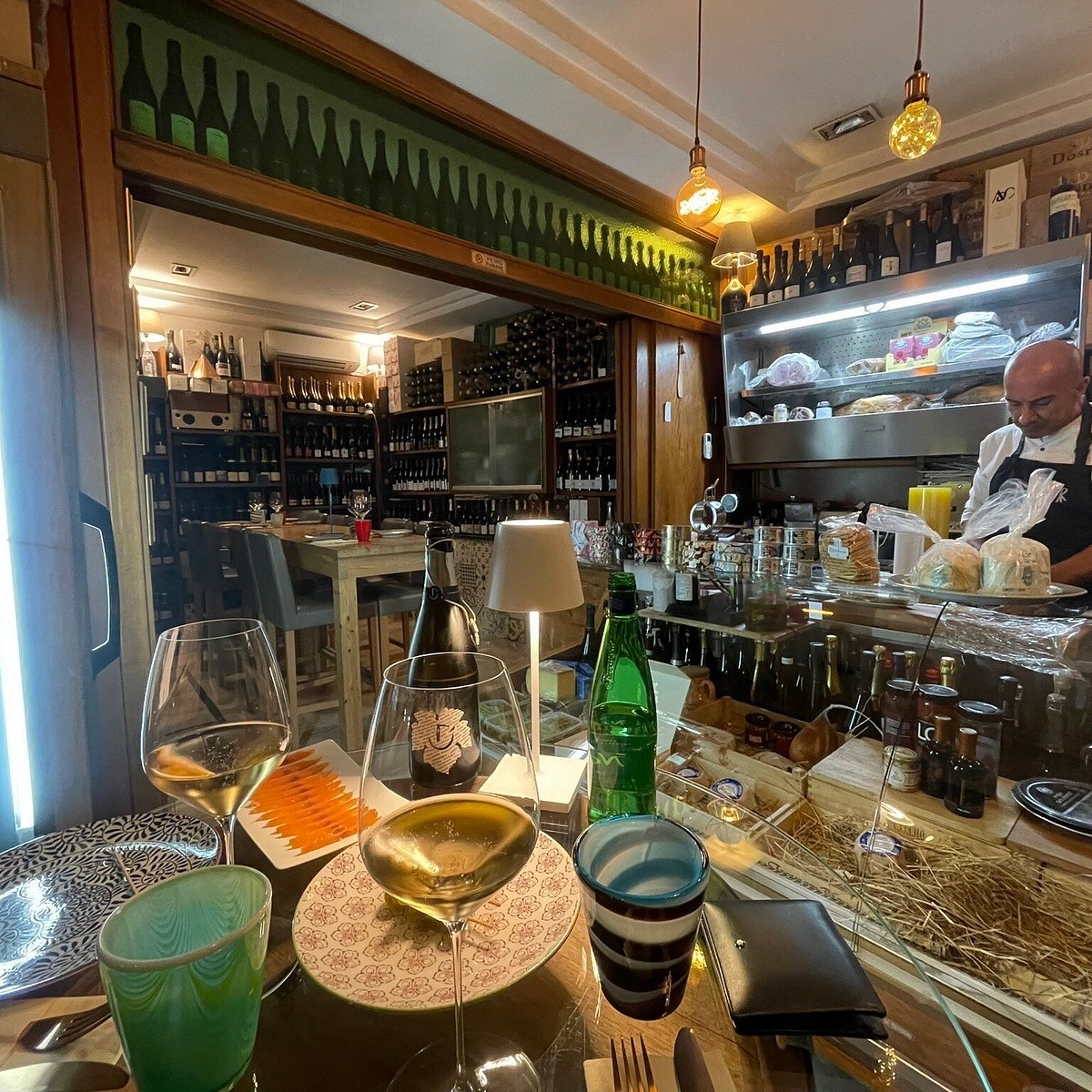
Modern decor with bright colors, stylish furnishings, open kitchen, and a quiet, welcoming atmosphere contrasting the bustling market square.