On Ostend's Albert I-promenade, Savarin occupies a stretch of Belgium's North Sea coastline where the dining conversation has grown more serious in recent years. The address places it within reach of the city's evolving restaurant circuit, where seafood tradition and contemporary technique increasingly share the same table. A reference point for those tracing the West Flanders coastal dining scene.
Pearl is the En Primeur Club membership app — saves, bookings, and concierge access live there. Same editors, same standards.
- Address
- Albert I-promenade 75, 8400 Oostende, Belgium
- Phone
- +3259513171
- Website
- savarin.be
- Directions
- Get directions
 Saves & bookings on Pearl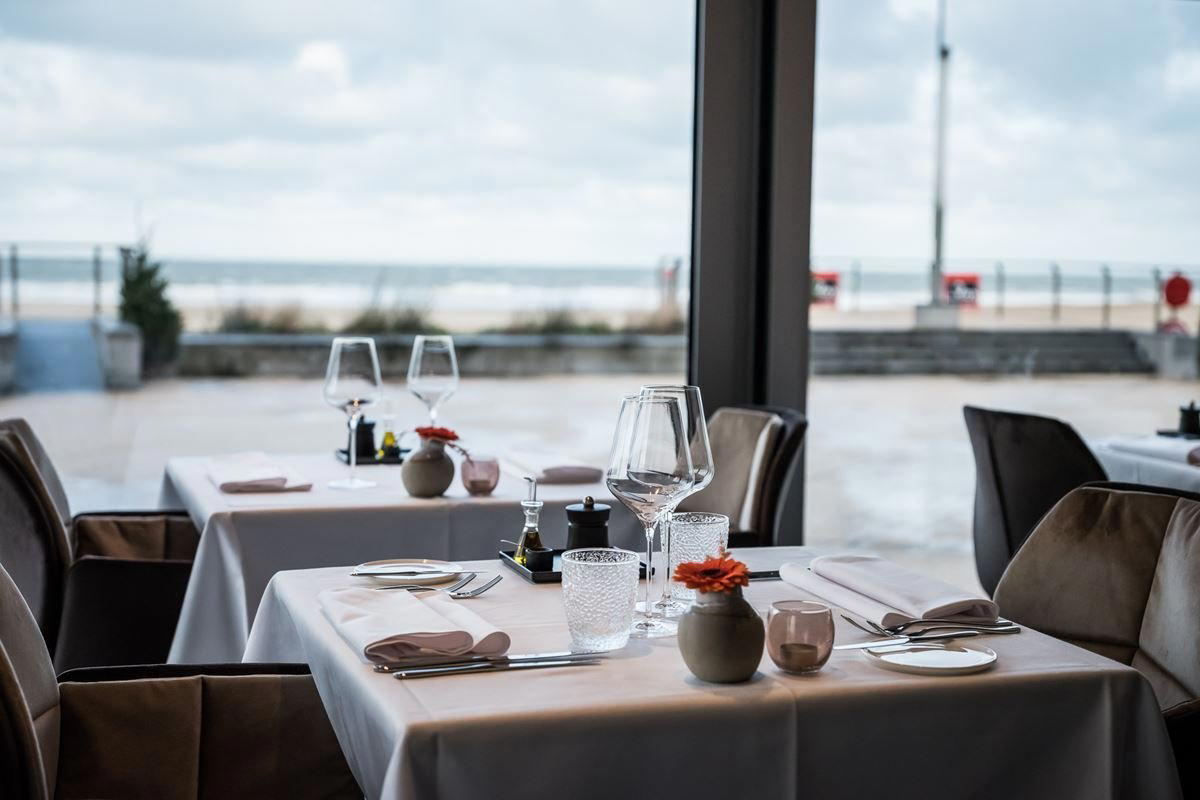
Where the Promenade Meets the Table
The Albert I-promenade in Ostend is one of Belgium's more loaded dining addresses. Facing the North Sea, it carries the accumulated weight of a city that has been a resort destination since the nineteenth century — a place where Belgian royalty wintered, where the grand hotel tradition took root, and where the expectation of a serious meal by the water became baked into the local culture. Savarin sits at number 75 along that stretch, in a position that puts it inside one of the more historically resonant dining corridors on the Flemish coast.
Ostend's restaurant scene has shifted considerably in the past decade. What was once defined almost entirely by the tourist-facing seafood brasserie format has developed a more layered character, with a tier of serious, locally focused addresses emerging alongside the traditional offer. That shift mirrors a broader pattern across West Flanders, where proximity to exceptional primary ingredients — particularly from the North Sea, has attracted kitchen ambition that might once have migrated inland toward Ghent or Brussels. For context on how that scene maps across the city, our full Ostend restaurants guide tracks the full range.
The Rhythm of a Meal on the Coast
Coastal Belgian dining at its most considered tends to follow a particular arc. The early courses lean into the cold-water larder: bivalves, cured fish, the kinds of preparations where restraint and product quality do the work. The middle of the meal is where technique becomes more visible, often through preparations that engage with classical French structure while anchoring to Flemish ingredient logic. The final courses tend to resolve toward richness, the dairy tradition of the Belgian interior arriving late at the table, in cheese or in the kind of butter-forward desserts that the region has long favored.
That progression is not incidental. It reflects a genuine culinary geography: a coastline that produces some of Europe's most prized shellfish feeding into a hinterland of exceptional dairy and root vegetables. The leading meals along this stretch of Belgium work because they take that geography seriously, using the sea as the opening argument and the land as the closing one. Savarin's Albert I-promenade address places it at the edge of that equation, looking out at the source of the first chapter.
For a sense of how other serious coastal addresses in the region structure this dialogue between sea and land, Bartholomeus in Heist and Willem Hiele in Oudenburg both operate within that same coastal tradition, each with their own emphasis on the sequencing of a meal built around North Sea primary material.
Savarin in the Ostend Context
Within Ostend itself, the restaurant circuit clusters into a few recognizable tiers. At the more casual, drop-in end, addresses like Bistro Mathilda and Belle de jour handle the bistro register, solid, local, unpretentious. The Brassi Casino and Brassi Grand Café formats occupy a different position: the grand café tradition, where scale and setting do as much work as the kitchen. Then there is the address-level tier, where location carries a set of implied commitments about format and seriousness. Savarin's promenade position puts it in that last category.
The 8400 Ostend address, which takes its name from the city's postal code, represents another point of reference in the local circuit, a signal of how Ostend's dining identity has become a subject of local pride and explicit positioning.
The Wider Belgian Fine Dining Frame
Understanding any serious Belgian coastal address requires some purchase on the country's broader fine dining geography. Belgium punches considerably above its size in terms of Michelin density, with West Flanders and East Flanders accounting for a disproportionate share of the country's starred addresses. The tradition is rooted in classical French technique, but the most interesting work happening now tends to sit at the intersection of that classical base and a more explicit engagement with Belgian terroir, the coastline, the polders, the river estuaries.
Referencing that broader map is useful for placing Savarin. The starred addresses most associated with this coastal-meets-classical tradition in the region include operations like Boury in Roeselare and Hof van Cleve in Kruishoutem, both of which represent the upper tier of that Flemish fine dining conversation. At the city scale, Zilte in Antwerp and Bozar Restaurant in Brussels show how the same culinary logic translates into an urban register. Further afield, for those triangulating Belgium's coastal cooking against international reference points for seafood-focused tasting menus, Le Bernardin in New York City remains the standard-bearer for what classical technique applied to marine product looks like at its most disciplined, while Atomix in New York City demonstrates how the multi-course format can carry strong cultural specificity without sacrificing precision.
Within Belgium, addresses like De Jonkman in Sint-Kruis, L'air du temps in Liernu, Castor in Beveren, and d'Eugénie à Emilie in Baudour each map a different facet of what considered Belgian cooking looks like away from the coast, providing useful points of comparison for the visitor building a broader picture of the national dining conversation.
Planning a Visit
Savarin is located at Albert I-promenade 75 in Ostend (8400), placing it directly on the seafront promenade, a five-minute walk from Ostend's central train station, which has direct rail connections to Brussels, Ghent, and Bruges. The promenade address means the approach itself is part of the experience: arriving on foot from the station, with the sea coming into view as you clear the last block, is the standard route. Given the venue's position within Ostend's more serious dining tier, booking ahead is advisable, particularly during the summer coastal season when the city's visitor numbers concentrate significantly. Specific hours, reservation methods, and current pricing are best confirmed directly with the venue, as these details fall outside what EP Club can reliably verify at the time of writing.
How Savarin Ostend compares with similar nearby venues.
| Venue | Cuisine | Price |
|---|---|---|
| Frenchette | French - Brasserie, Farm to table | €€€ |
Continue exploring
More in Ostend
Restaurants in Ostend
Browse all →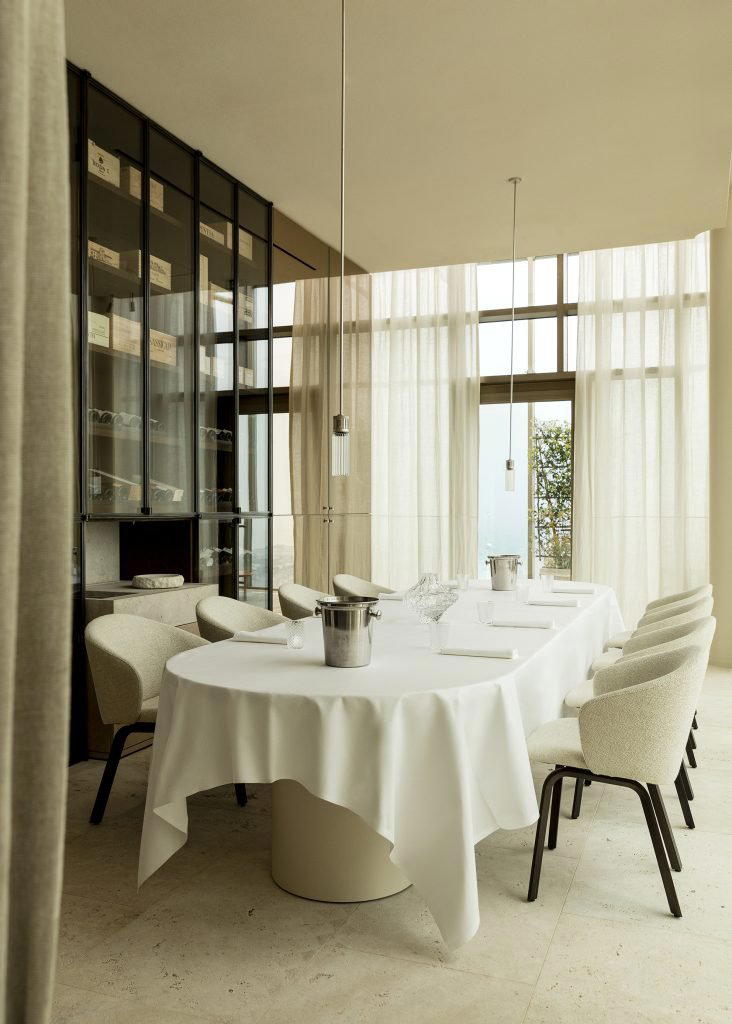
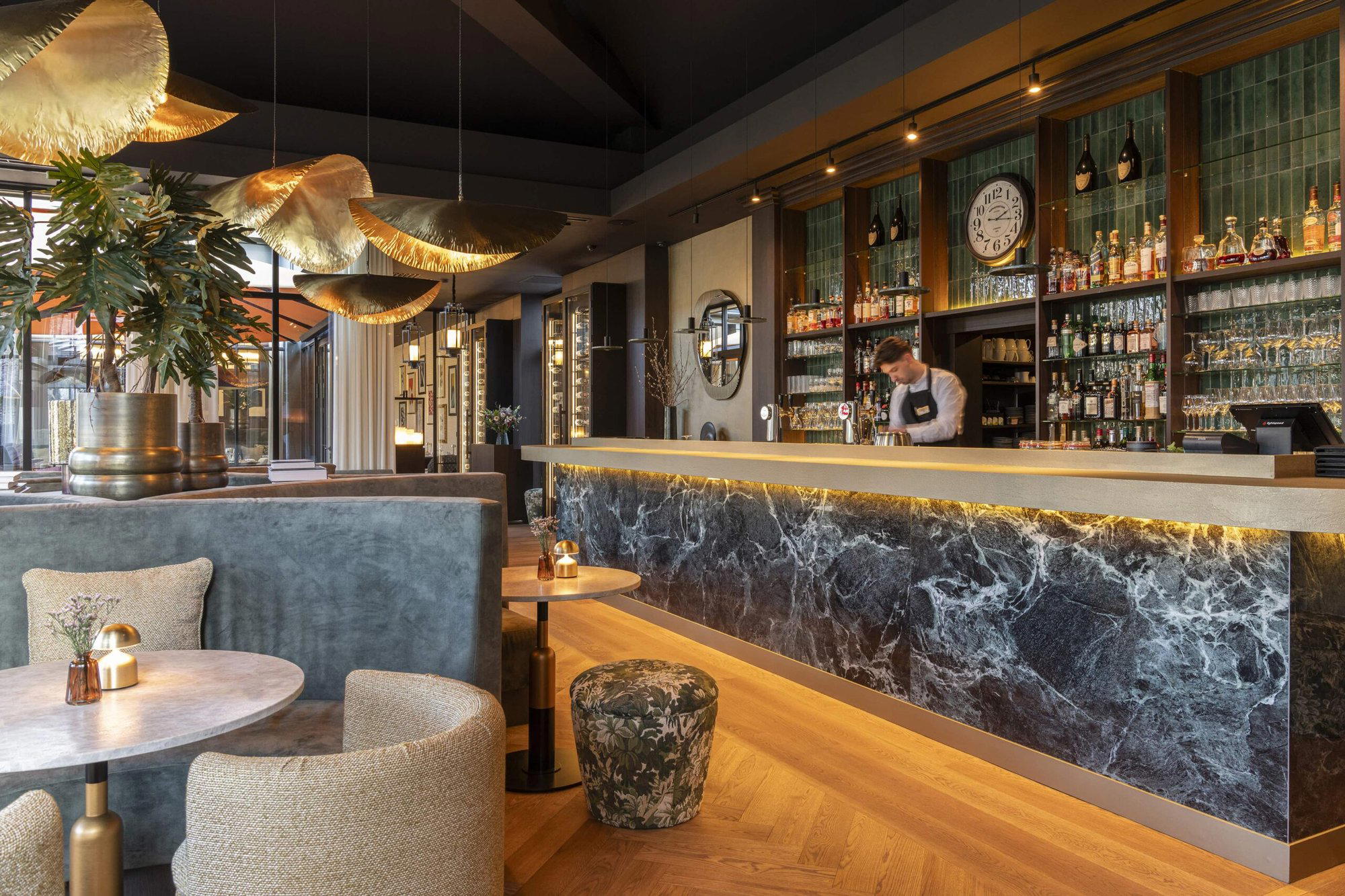
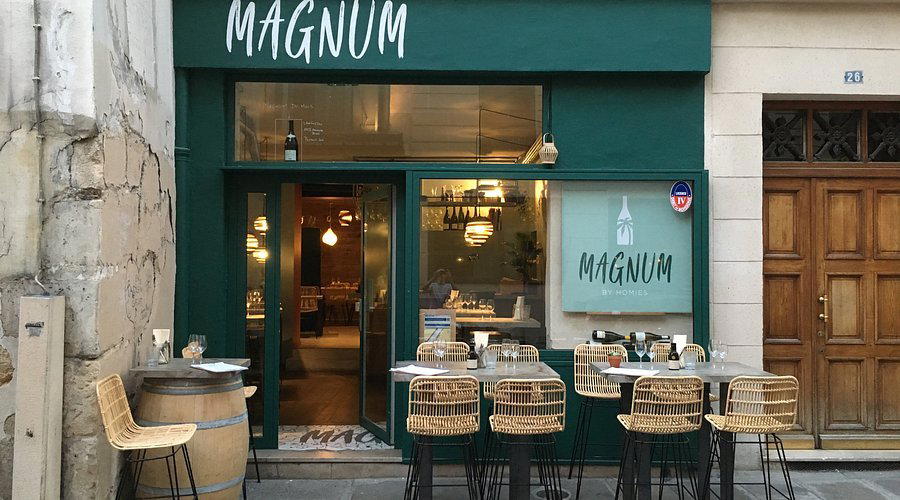
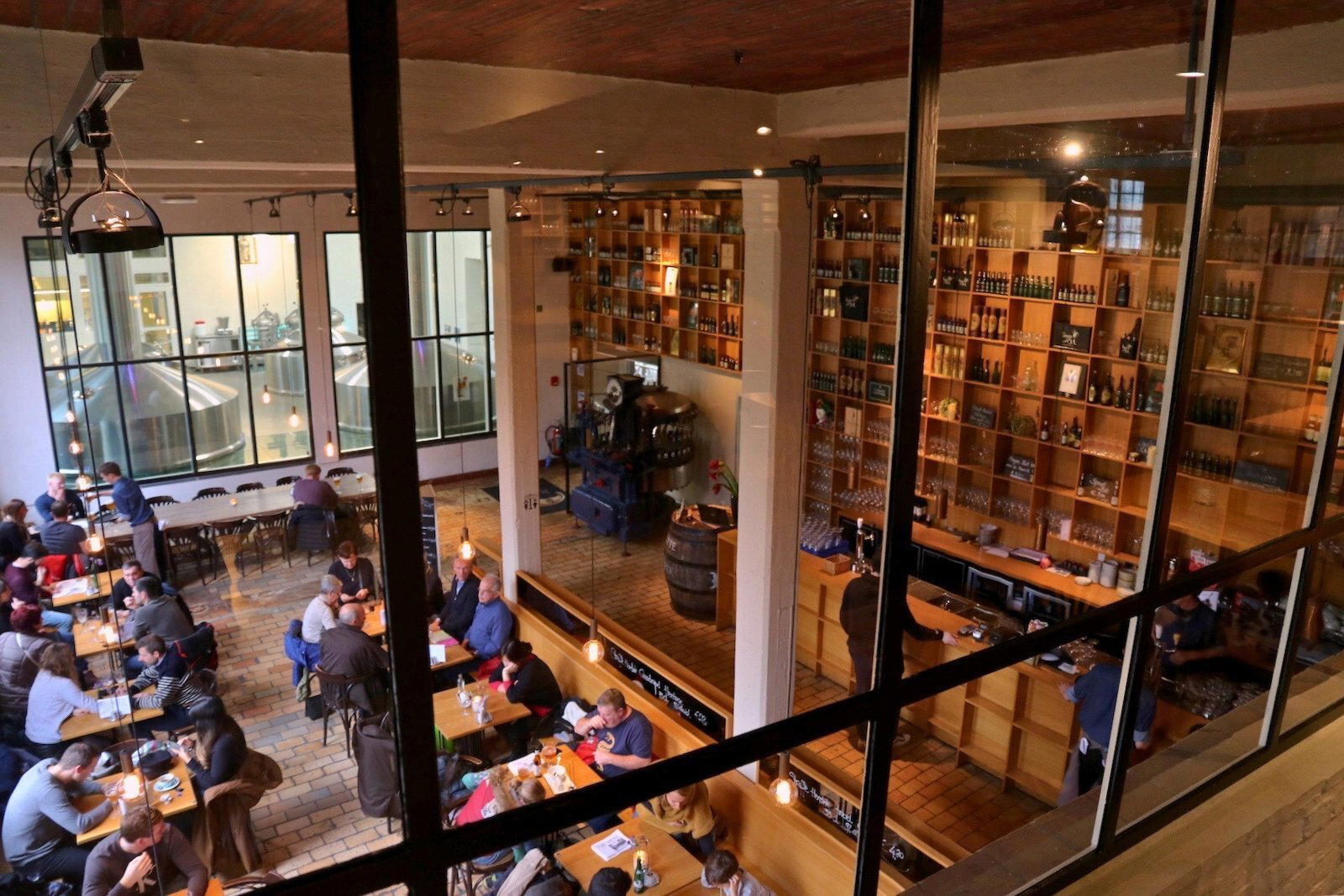
Bars in Ostend
Browse all →
Hotels in Ostend
Browse all →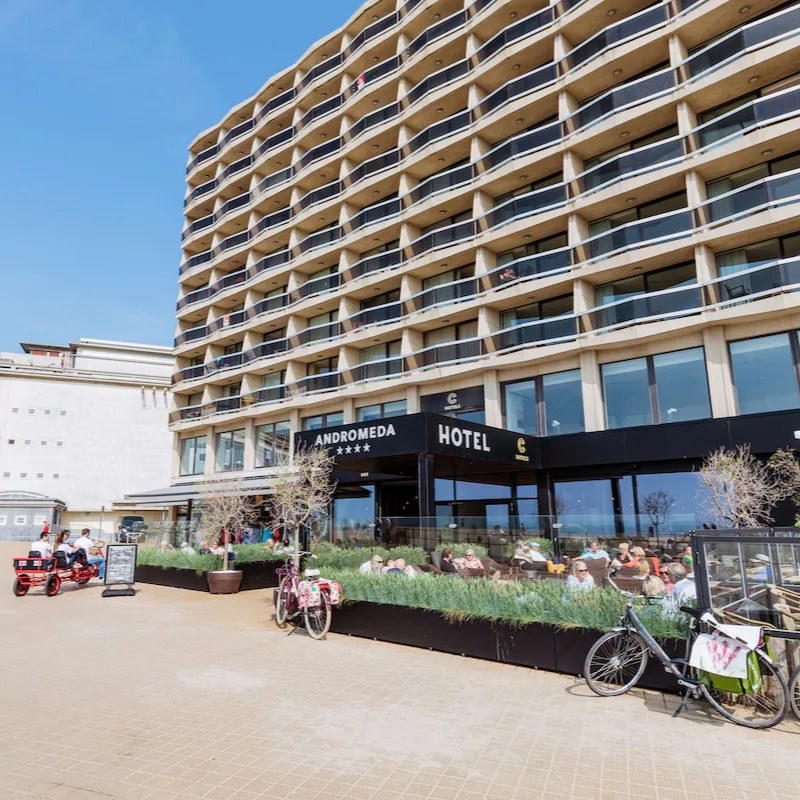
Wineries in Ostend
Browse all →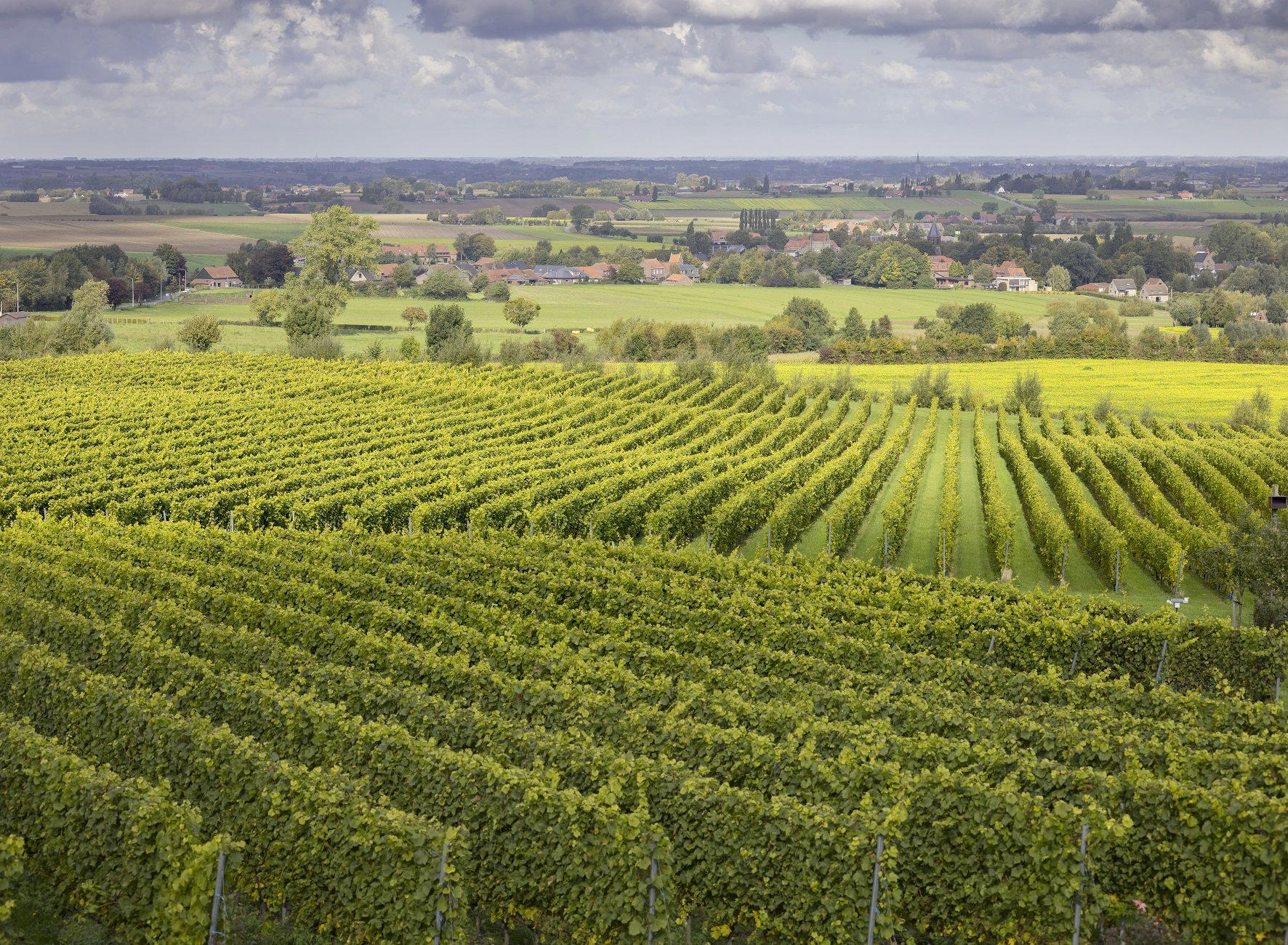
At a Glance
- Elegant
- Cozy
- Sophisticated
- Date Night
- Special Occasion
- Waterfront
- Extensive Wine List
- Local Sourcing
- Waterfront
Current opening hours
- Monday
- 12–1:30 PM
- Tuesday
- Closed
- Wednesday
- Closed
- Thursday
- 12–1:30 PM, 6:30–8:30 PM
- Friday
- 12–1:30 PM, 6:30–8:30 PM
- Saturday
- 12–1:30 PM, 6:30–8:30 PM
- Sunday
- 12–1:30 PM, 6:30–8:30 PM
Hours can change for holidays and private events. Last verified .
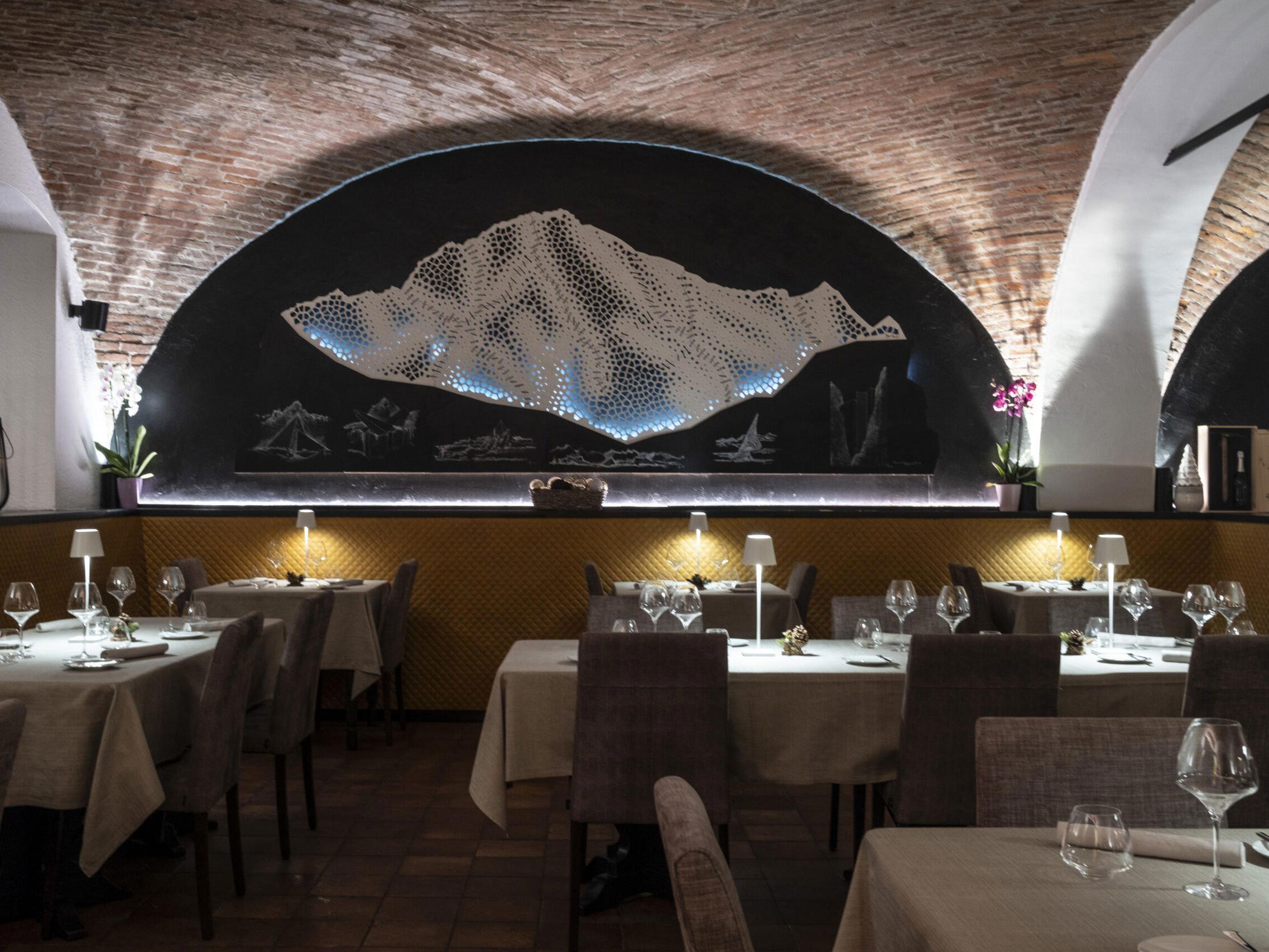
Bright veranda area with light and clarity, cozy darker rear section, lounge corner, and transparent wine room, enhanced by glamorous setting and sea views.
Know Before You Go
- Getting there
- Albert I-promenade 75, 8400 Oostende, Belgium