Our verdict
On Rue de Charonne in the 11th arrondissement, Le Petit Baiona occupies a corner of Paris where Basque culinary identity meets the neighbourhood bistro format. The address places it inside one of the city's most food-literate districts, where locals treat the dining room as an extension of the street. A focused menu and an interior shaped by the logic of the space make it a reference point for Basque cooking in the capital.

The menu
What to order
- Confit de Canard
- Trilogie de Mer
A Room That Sets Its Own Terms
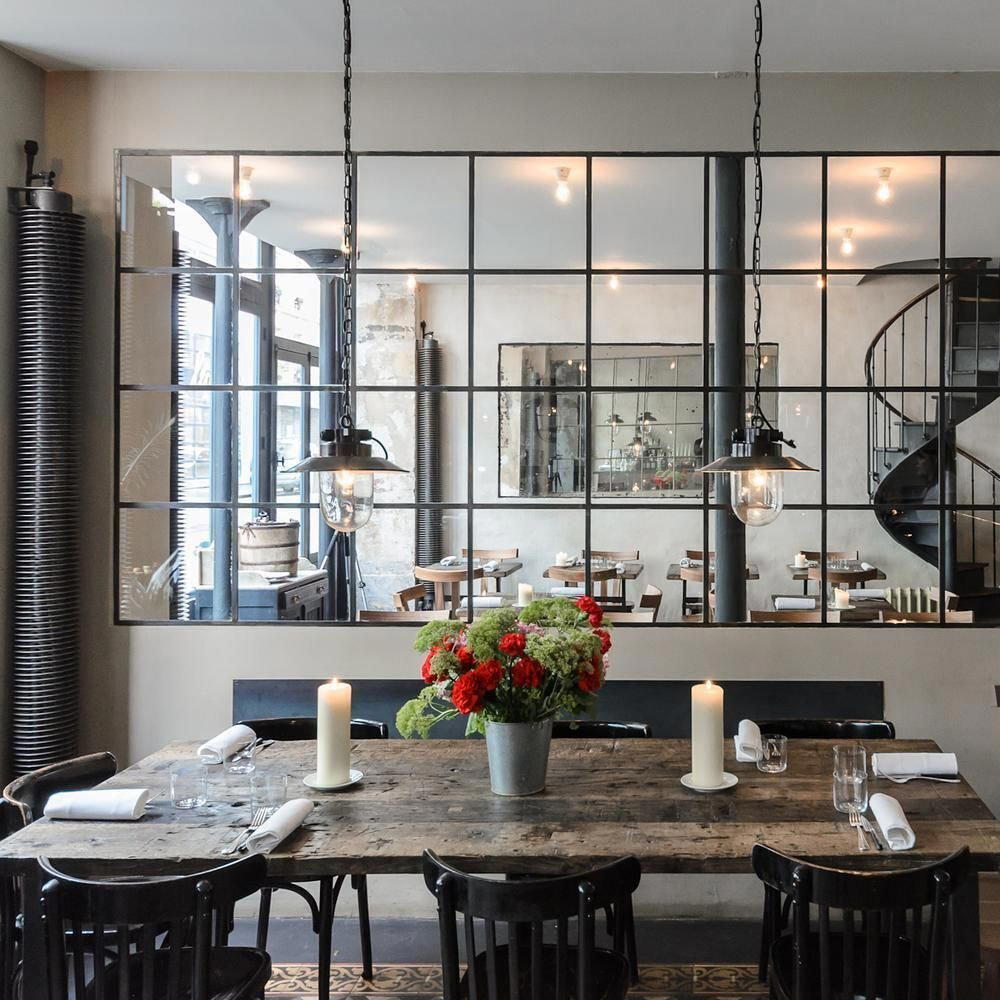
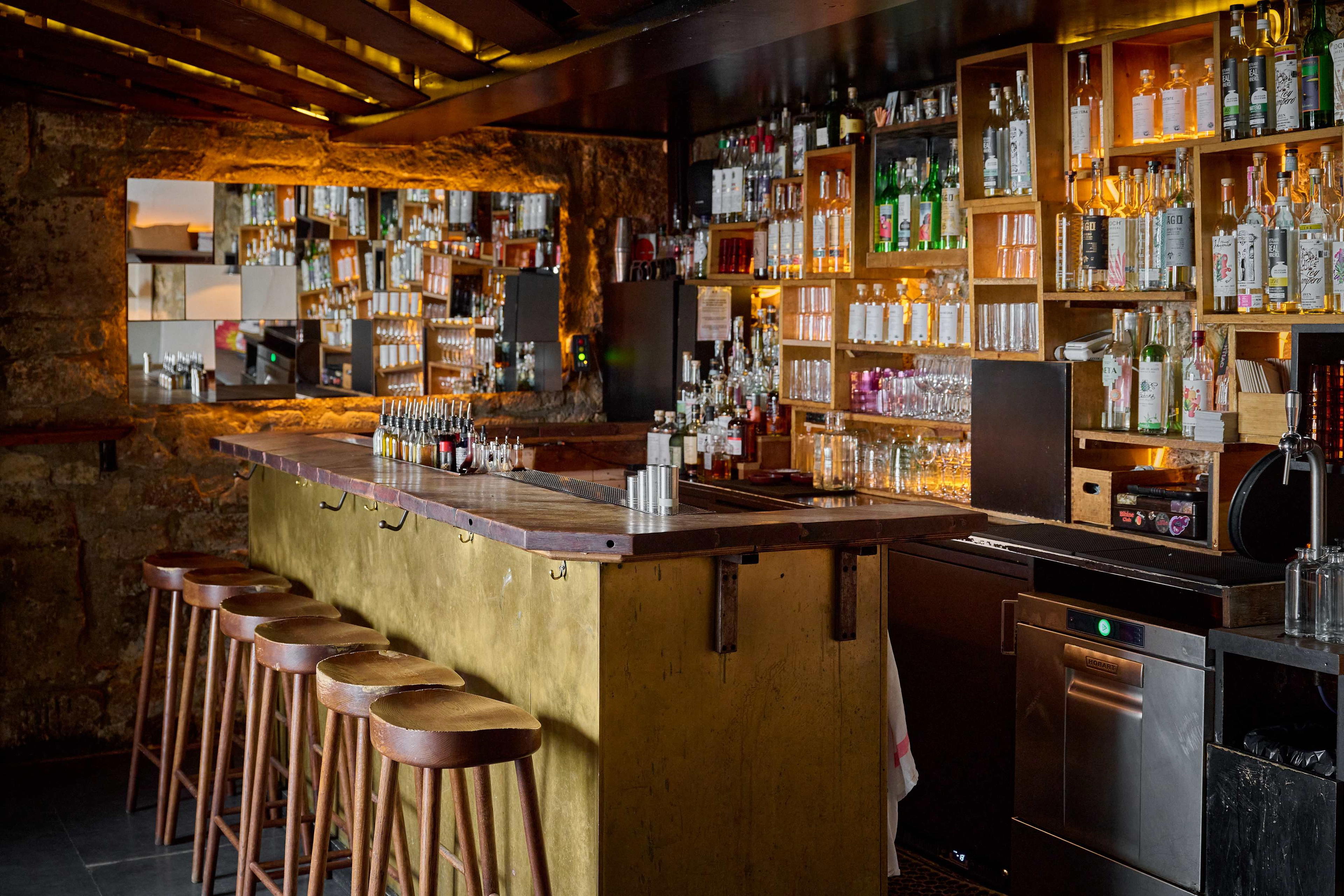
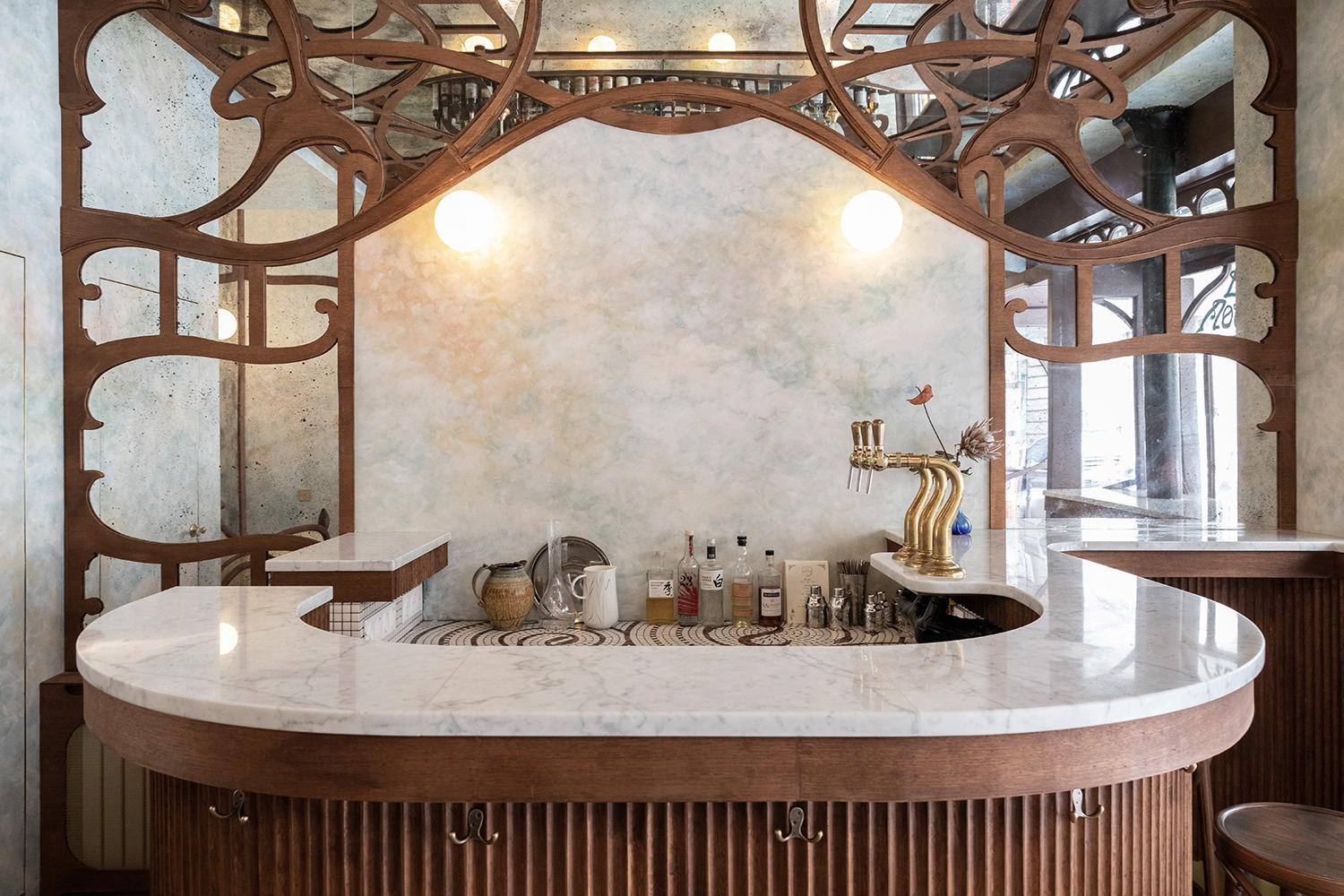
The 11th arrondissement has a particular relationship with its dining rooms. Unlike the grand dining floors of the 8th, where Le Cinq at the Four Seasons George V and Alléno Paris au Pavillon Ledoyen operate within monumental architecture that announces itself before the first course arrives, the 11th builds its dining identity around smaller, purpose-built rooms where the physical container is a statement of restraint rather than grandeur. Le Petit Baiona at 90 Rue de Charonne belongs to that tradition. The address is east of Bastille, in a stretch of the arrondissement where restaurant density is high and tolerance for performance-over-substance is low.
Rue de Charonne has been absorbing neighbourhood restaurants for decades. The street's character is defined less by any single address than by an accumulated density of places that take cooking seriously without making ceremony of it. In that context, Le Petit Baiona functions as a Basque outpost, a format that carries its own spatial logic. Basque restaurants in Paris tend toward compact dining rooms with close-set tables, where the emphasis on shared plates and counter-friendly service shapes the architecture of the space before a single design decision is made.
The Physical Logic of Basque Dining in Paris
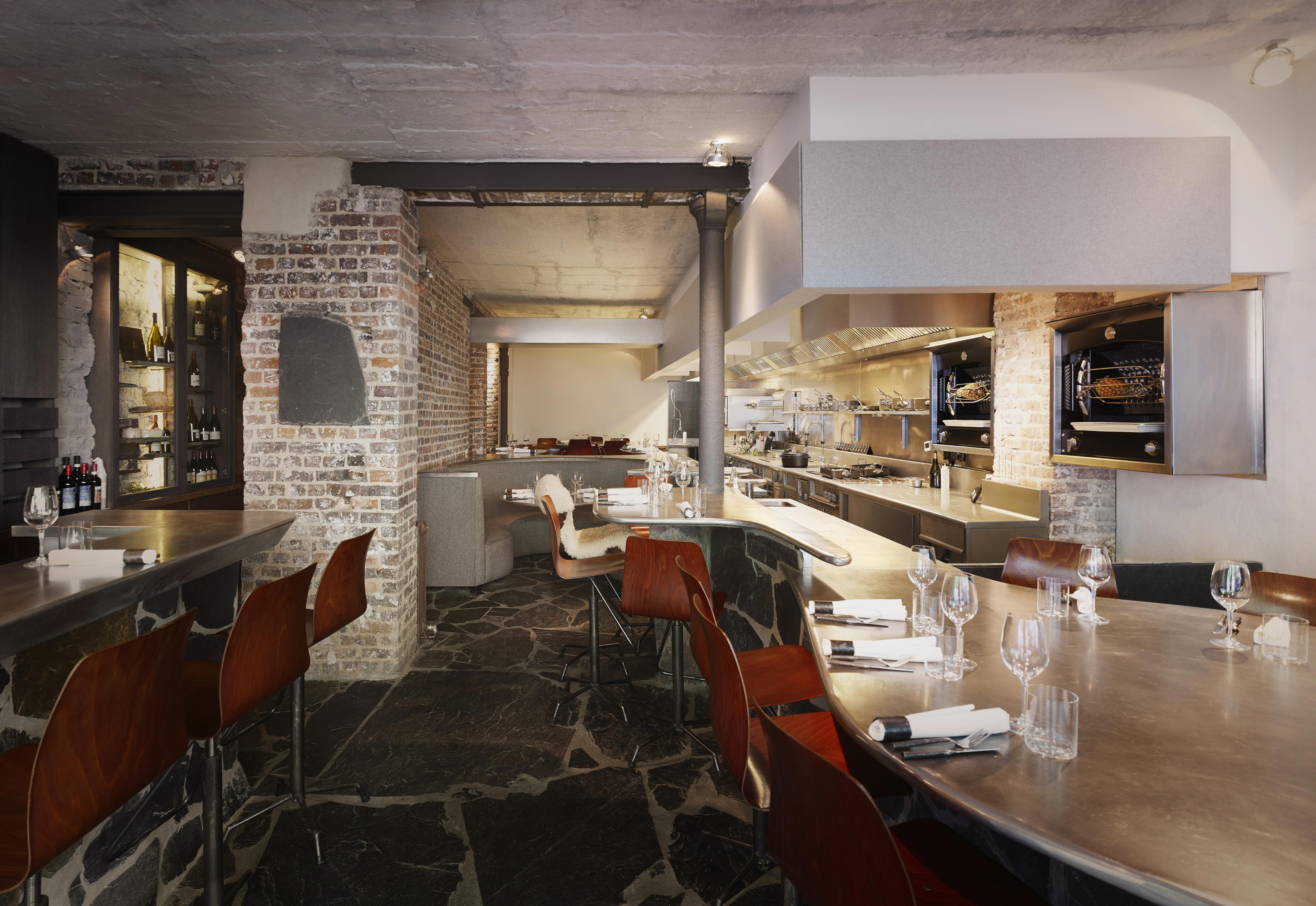
Basque cooking, when transplanted from the Pays Basque to the capital, faces a translation problem that is partly spatial. The pinxos bar and the shared-table txoko format both depend on a physical proximity between kitchen and guest that larger Parisian rooms struggle to replicate. The neighbourhood bistro in the 11th is a closer fit than most: a relatively narrow footprint, a kitchen that is felt rather than hidden, and a room where the distance between tables makes overhearing your neighbour's order a normal part of the experience.
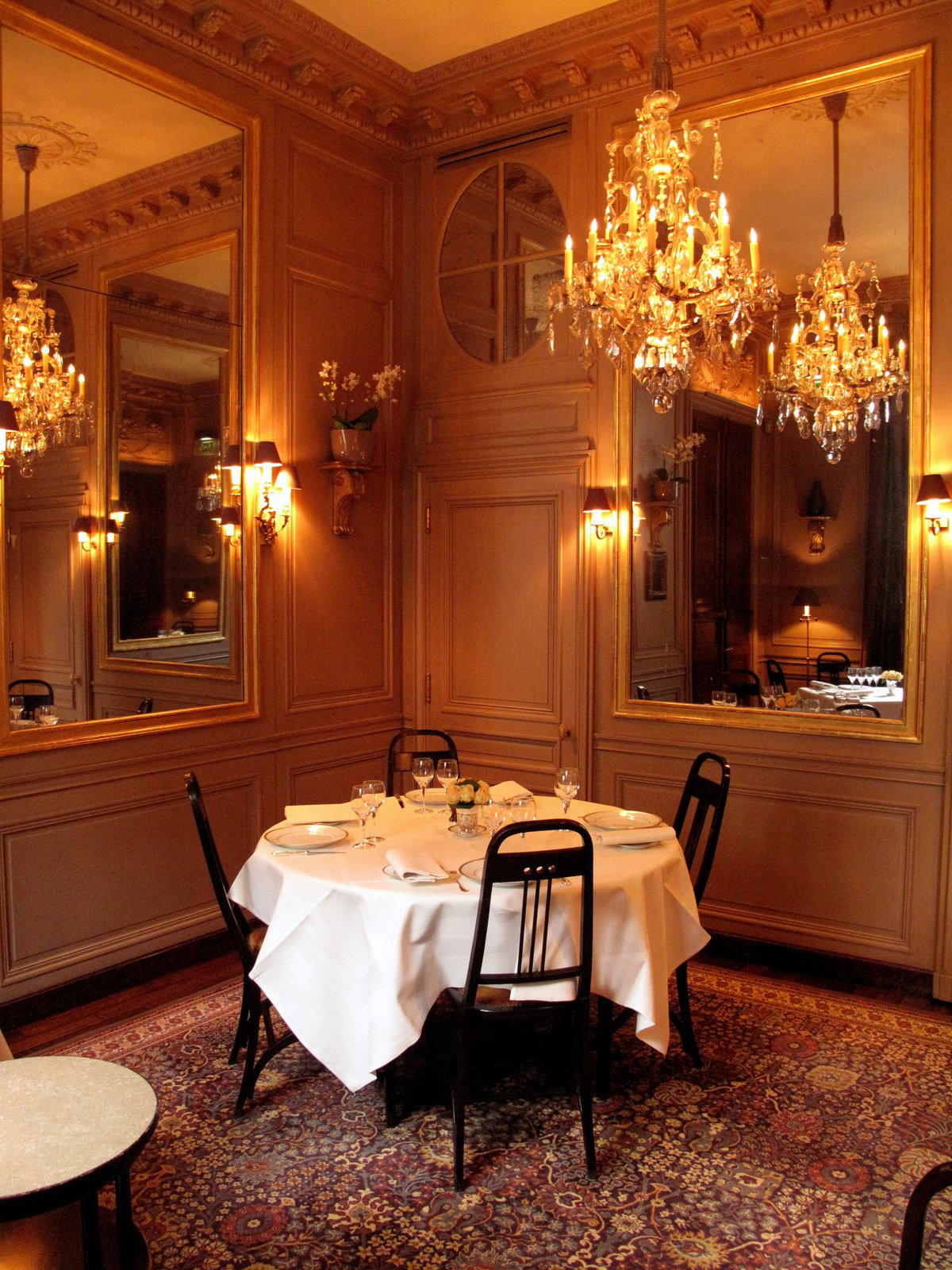
This stands in clear contrast to the formal architecture of high-end Paris dining. At L'Ambroisie on the Place des Vosges, the tapestried walls and salon-style layout encode a particular theory of the dining experience, one where separation and ceremony are load-bearing elements. Kei, operating in the 1st, takes a different approach with its contemporary Franco-Japanese precision, but the room still carries a formality that distances it from the neighbourhood register. Le Petit Baiona operates in neither of those modes. The spatial logic here is closer to what you find at regional French houses, the focused rooms of Auberge du Vieux Puits in Fontjoncouse or Auberge de l'Ill in Illhaeusern, where the room size is a function of culinary intention rather than commercial ambition.
Basque Identity as a Design Position
Across France's restaurant spectrum, regional identity functions as both a menu strategy and an interior language. In Megève, Flocons de Sel embeds Alpine material culture into its physical space. Bras in Laguiole uses the Aubrac plateau's visual grammar across every surface. Basque restaurants in Paris have their own version of this: terracotta tones, rough-textured surfaces, and an absence of the kind of soft luxury that signals aspirational fine dining. The effect is one of deliberate rootedness, a room that insists on where its food comes from.
That rootedness matters because Basque cuisine has a strong enough identity to carry a room without supplementary decoration. The cooking tradition that runs from the Basque Country through San Sebastián, and that has influenced two decades of European restaurant conversation, is built on product quality, technique applied with restraint, and a preference for letting primary flavours hold the plate. A Paris address importing those values does not need to over-explain itself through the dining room. The space at Le Petit Baiona, on the evidence of its address and arrondissement placement, seems to understand this.
Where This Address Fits in Paris
Paris's restaurant geography has become increasingly legible as a map of distinct operating philosophies. The grand institutions of the 1st, 6th, and 8th, Arpège, L'Ambroisie, Le Cinq, represent one axis: formal rooms, multi-hour formats, and price points that make them occasion destinations. The 11th sits on a different axis entirely, closer in spirit to the eating culture of Lyon's bouchons or the pintxos bars of San Sebastián than to the palatial rooms of the Seine's right bank.
This isn't a lesser position. The neighbourhood restaurant in Paris has produced some of the city's most enduring cooking. What the 11th arrondissement offers is a density of serious, focused restaurants where the room size is calibrated to the cooking rather than the reverse. Le Petit Baiona at 90 Rue de Charonne is a product of that environment, a Basque address in a French neighbourhood that has always known how to accommodate exactly this kind of focused, regional cooking without making it feel like an import.
For travellers already familiar with the French regional restaurant tradition, those who have eaten at Troisgros in Ouches, Assiette Champenoise in Reims, or AM par Alexandre Mazzia in Marseille, the grammar of Le Petit Baiona will read clearly. It is a smaller room, a more concentrated menu, and a direct address to the product rather than an elaboration around it. That is, in the Basque tradition, the whole point.
Planning Your Visit
Le Petit Baiona is located at 90 Rue de Charonne in the 11th arrondissement, within walking distance of the Charonne and Ledru-Rollin metro stations. The address places it in a dense dining corridor where reservations, even at neighbourhood bistro level, are advisable, particularly on weekends. Booking by phone or walk-in approach is standard practice for this tier of Paris restaurant. See our full Paris restaurants guide for broader context on dining in the city.
| Venue | Tier | Format | Price Range |
|---|---|---|---|
| Le Petit Baiona | Neighbourhood Bistro | Basque, compact room | Not confirmed |
| L'Ambroisie | Grand Institution | Classic French, salon format | €€€€ |
| Kei | Contemporary Fine Dining | Franco-Japanese, formal | €€€€ |
| Alléno Paris | Grand Institution | Creative, monumental room | €€€€ |
Frequently asked questions
What kind of setting is Le Petit Baiona?
Le Petit Baiona occupies a dining room on Rue de Charonne in the 11th arrondissement, a neighbourhood defined by independent, operator-driven restaurants rather than grand institutional dining. The room operates on its own terms: the spatial logic follows Basque hospitality rather than Parisian convention, with an informality that reflects the pinxos bar tradition rather than a formal table-service model.
Where is Le Petit Baiona in Paris?
Le Petit Baiona is located at 90 Rue de Charonne, 75011 Paris, France, Paris.
How does Le Petit Baiona compare to other Basque restaurants in Paris?
Its location in the 11th arrondissement, rather than the more tourist-facing arrondissements, suggests an audience of neighbourhood regulars and informed diners seeking regional French cooking outside the obvious circuits. For anyone cross-referencing options, the address at 90 Rue de Charonne places it within easy reach of the Charonne and Ledru-Rollin metro stations.
What do people recommend at Le Petit Baiona?
Le Petit Baiona draws its menu from Basque tradition, the cooking style rooted in the Pays Basque. Regulars tend to focus on the pinxos and shared plates that form the backbone of the format. Specific dishes are best confirmed directly at the address: 90 Rue de Charonne, Paris 75011.
Is Le Petit Baiona reservation-only?
Arriving without a booking on a Friday or Saturday carries risk; contacting the venue directly before your visit is the safer approach.
What's the signature at Le Petit Baiona?
The venue's defining position is Basque identity applied to a Paris dining room, a proposition the 11th arrondissement's restaurant scene rarely delivers with this degree of regional specificity. The pinxos format, central to Basque bar culture in cities like San Sebastián and Bayonne, provides the structural anchor for the menu.
Is Le Petit Baiona good for vegetarians?
Basque cooking leans heavily on seafood, cured meats, and pork-based preparations, which means vegetarian options are not the default focus of the format. Whether the kitchen accommodates vegetarians in meaningful depth is worth confirming directly at 90 Rue de Charonne before booking.
Style and Standing
Comparable venues nearby, for context on price, style, and recognition.
| Venue | Cuisine | Price | Notes |
|---|---|---|---|
| Le Petit BaionaThis venue (the venue you are viewing) | Basque Bistro | Not listed | Not listed |
| Pause Café | French Bistro | $20–30 | Bastille |
| Rambo | Modern French Bistro | $30–50 | 12th arrondissement |
| Robert et Louise | Traditional French Wood-Fire Grill | $30–50 | Le Marais |
| La French Guinguette | Traditional French Bistro | $30–50 | Sainte-Avoie |
| la Manufacture | French Bistro | $20–30 | 13e Arr. – Gobelins |