Les Gros Tontons de Paname serves Classic French Bistro cooking at 7 Rue Blondel in Paris, with casual dress and conversational pacing for lunch or dinner.
Pearl is the En Primeur Club membership app — saves, bookings, and concierge access live there. Same editors, same standards.
- Address
- 7 Rue Blondel, 75003 Paris, France
- Phone
- +33659501194
- Website
- opentable.com
- Directions
- Get directions
 Saves & bookings on Pearl
Rue Blondel and the Paris Bistro That Refuses to Perform
The 3rd arrondissement has spent the better part of two decades absorbing the overflow from Le Marais gentrification without fully surrendering its working-class grain. Rue Blondel, a short street that runs between the Sentier garment district and the northern edge of the 3rd, sits in that unresolved zone where fabric wholesalers still operate alongside natural wine bars. It is the kind of address where a restaurant's longevity is earned rather than marketed. Les Gros Tontons de Paname occupies number 7 on that street, and the name itself signals the register: "Les Gros Tontons" is old Parisian slang for figures of consequence, and "Paname" is the argot term for Paris that working-class Parisians have used for well over a century. Before a dish arrives at the table, the name tells you something about where the kitchen stands relative to the city's more self-conscious dining scene.
Where the Food Comes From: The Sourcing Logic Behind This Address
In Paris, the sourcing conversation now divides restaurants into two broad camps: those that use provenance as branding, and those for whom it functions as an operational commitment. The distinction is visible in the menu. Establishments that treat sourcing as genuine constraint tend to run shorter, more seasonal menus that shift with supply rather than with marketing cycles. They build supplier relationships that prioritise quality over consistency of format, meaning the cut, the variety, and the preparation method may change week to week depending on what the market offers.
The Paris bistro tradition has always been tied to this kind of market dependency. The original boucheries and bistros of the 19th century operated on what was available from the morning markets of Les Halles, adjusting the plat du jour accordingly. That connection between producer and plate has been romanticised repeatedly in French culinary history, but it remains structurally real for kitchens that choose to maintain it. For tables in the 3rd arrondissement operating at an accessible price tier, sourcing discipline is also a competitive differentiator against the volume-driven brasserie model that dominates much of central Paris.
This sourcing orientation places Les Gros Tontons de Paname in a different peer group from the multi-course tasting menu operations that define Paris's Michelin-tracked tier. Compare the operating logic here with three-star addresses like Arpège, where sourcing from a kitchen garden and named farms is the explicit editorial and culinary framework, or L'Ambroisie, where classical luxury product selection has been the defining standard for decades. At those addresses, provenance is communicated formally, priced into lengthy tasting menus, and supported by substantial kitchen brigades. The bistro model at this end of the 3rd works from different constraints and different ambitions: the sourcing commitment is present, but it expresses itself through daily specials and market-responsive menus rather than through a fixed narrative built around named farms.
The Neighbourhood Register
The 3rd arrondissement's restaurant character differs meaningfully from the more internationally-oriented dining addresses of the 8th or the 1st. At Le Cinq or Alléno Paris au Pavillon Ledoyen, the clientele and price architecture are calibrated for a global luxury audience. The 3rd, by contrast, retains a proportion of neighbourhood regulars alongside the design and arts crowd that has colonised the area around the Pompidou and the upper Marais. A restaurant named for Parisian argot is not orienting itself toward the tourist check-in. It is making a bet on locals who know the reference and appreciate what it signals.
This positioning is consistent with a broader pattern in French bistronomy, a term coined in the 1990s to describe technically serious cooking delivered in informal, affordable formats. That movement produced some of France's most discussed tables outside the tasting-menu circuit and has continued to shape the middle tier of Parisian dining. The restaurants that define this category in Paris, including addresses in the 11th and around République, tend to draw their credibility from kitchen discipline rather than room investment.
Paris in a Wider French Frame
It is worth situating this kind of Paris address within the broader geography of French restaurant ambition. Outside the capital, ingredient-driven kitchens have produced some of France's most discussed cooking over the past three decades. Bras in Laguiole built its reputation on the Aubrac plateau's wild plant vocabulary. Mirazur in Menton works from a kitchen garden with biodynamic discipline. Flocons de Sel in Megève frames Alpine terroir as a fine dining framework. Troisgros in Ouches has spent decades refining a sourcing philosophy tied to the Loire corridor. Even Auberge de l'Ill in Illhaeusern and Auberge du Vieux Puits in Fontjoncouse have long anchored their identity in regional product specificity.
Paris addresses operating at a bistro register are not competing with those destinations. But they do operate within a culinary culture that has absorbed that sourcing ethic and pushed it down into the mid-market tier, which is where it has structural impact: not as a signature cooking philosophy for a handful of tasting-menu clients, but as a baseline expectation for anyone eating in a serious Paris neighbourhood.
For context on the city's leading end, Kei and Paul Bocuse's Auberge du Pont de Collonges represent the formal register at which French technique gets exported and canonised internationally. At a distance, addresses like Le Bernardin in New York and Atomix in New York demonstrate how French culinary frameworks travel. The bistro tier in Paris sits at the opposite end of that axis: local, informal, daily, and dependent on what the market offers that morning rather than on a year-round fixed menu. See our full Paris restaurants guide for a wider map of where this address sits relative to the city's dining range.
Know Before You Go
- Address: 7 Rue Blondel, 75003 Paris, France
- Arrondissement: 3rd, near the Sentier district and upper Marais
- Nearest Metro: Réaumur-Sébastopol (lines 3 and 4) or Arts et Métiers (lines 3 and 11)
- Booking: Contact details not currently listed; walk-in or direct inquiry recommended
- Seasonal note: Bistros in this tier typically adjust menus through autumn and winter to reflect market availability; September through December is when French market produce shifts most visibly
How Les Gros Tontons de Paname Paris compares with similar nearby venues.
| Venue | Cuisine |
|---|---|
| Tanguy Crêperie | Creperie |
Continue exploring
More in Paris
Restaurants in Paris
Browse all →
Bars in Paris
Browse all →
Hotels in Paris
Browse all →



At a Glance
- Cozy
- Classic
- Lively
- Group Dining
- Casual Hangout
- Date Night
- Open Kitchen
- Street Scene
Current opening hours
- Monday
- Closed
- Tuesday
- 7–11 PM
- Wednesday
- 7–11 PM
- Thursday
- 7–11 PM
- Friday
- 7–11 PM
- Saturday
- 7–11 PM
- Sunday
- Closed
Hours can change for holidays and private events. Last verified .
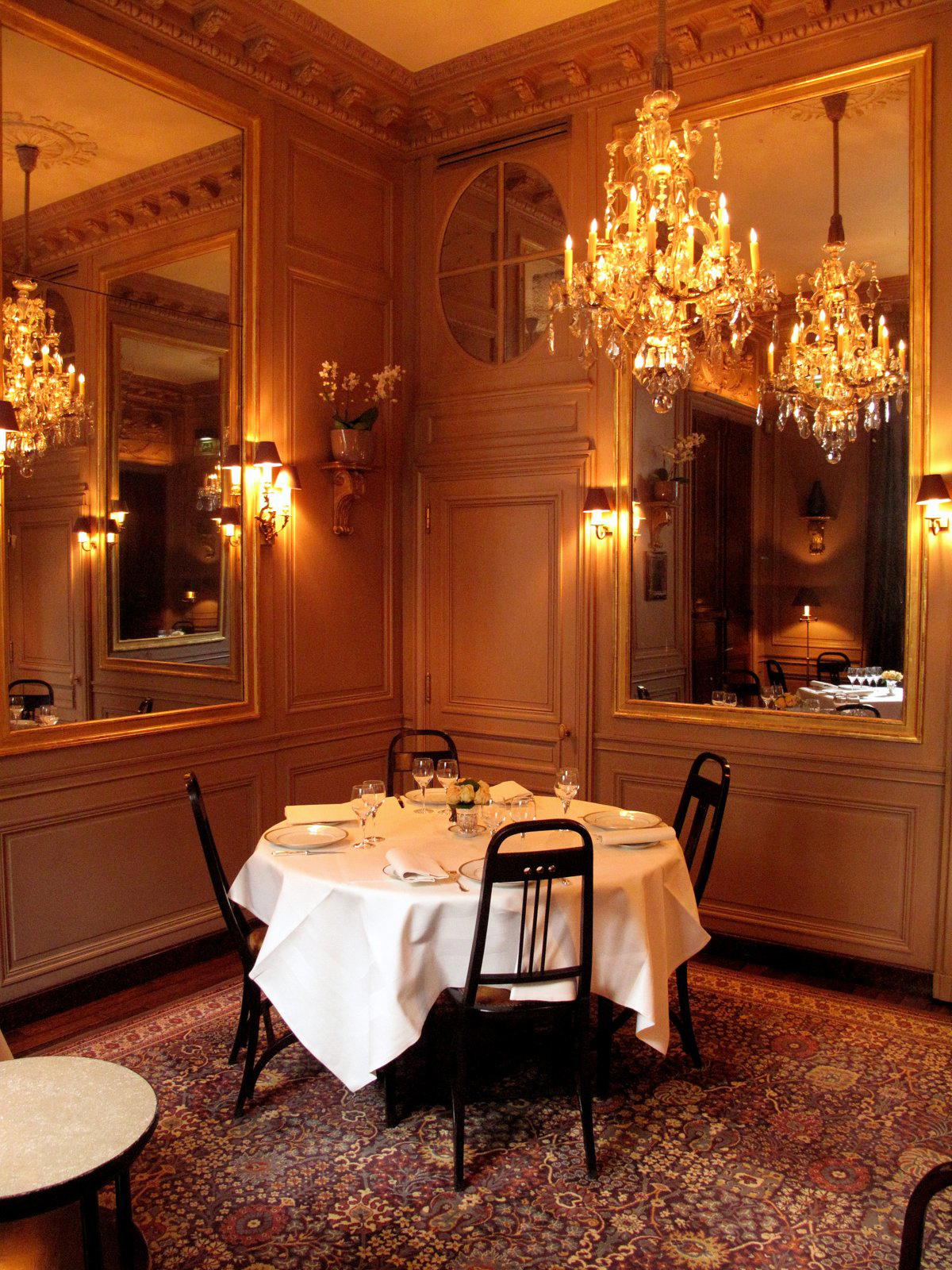
Warm and convivial atmosphere with traditional Parisian décor; open kitchen view adds theatrical energy to the dining experience.