
A Michelin Plate holder for two consecutive years, De la terre à l'assiette brings a farm-to-table sensibility to Arlon's modest but earnest dining scene. The Modern French kitchen works with regional produce and seasonal rhythms in a city that sits at Belgium's southern edge, close to the Luxembourg border. For the price point, the kitchen's recognised consistency makes it one of Arlon's more considered dining choices.
Pearl is the En Primeur Club membership app — saves, bookings, and concierge access live there. Same editors, same standards.
- Address
- Rue de la Poste 13, 6700 Arlon, Belgium
- Phone
- +32 455 12 40 89
- Website
- delaterre-a-lassiette.be
- Directions
- Get directions
 Saves & bookings on Pearl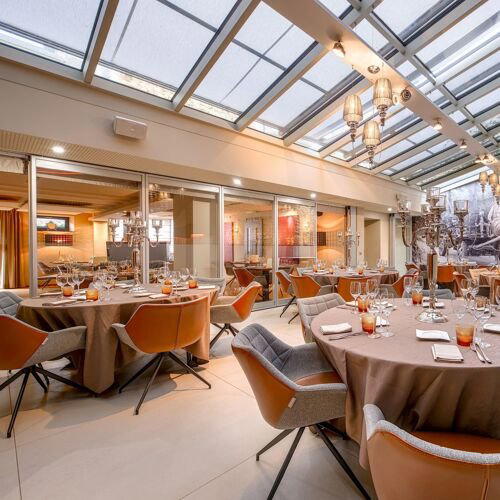
Where the Ardennes Meets the Plate
Arlon occupies an unusual position in Belgian dining. The country's oldest city, pressed against the Grand Duchy of Luxembourg in the far south, sits well outside the Flemish culinary corridor that runs from Ghent through Antwerp and into Bruges. The starred houses that define Belgium's international reputation, from the three-Michelin-star creative force of Boury in Roeselare to the two-star precision of Castor in Beveren and Cuchara in Lommel, are concentrated in the north and centre. Down here in the Gaume, the southern sub-region of the Belgian Ardennes, the culinary conversation is quieter but rooted in something different: proximity to farmland, forest, and a Franco-Belgian border culture that shapes both produce and palate.
De la terre à l'assiette, at Rue de la Poste 13, announces its philosophy in its name. From earth to plate is not a marketing phrase here; it is a positioning statement about where the kitchen's priorities lie. The name connects directly to the terroir-first approach that defines a particular current in Modern French cooking, one that takes seasonal and regional sourcing as its organising principle rather than as an accent on a classical menu.
A Recognised Kitchen in a Quiet Corner of Belgium
The Michelin Guide awarded the restaurant a Plate in both 2024 and 2025, a distinction that signals consistent quality of cooking without the additional criteria that accompany stars. In Michelin's framework, the Plate is reserved for restaurants where inspectors find good cooking worth the attention, placing De la terre à l'assiette in a credible tier within the Belgian provincial dining scene. For Arlon, which does not have a dense cluster of recognised kitchens, two consecutive years of Michelin attention carries weight. La Grappe d'Or represents the other end of Arlon's French Contemporary spectrum, and together the two addresses give the city a more coherent fine-dining reference point than its size might suggest.
The price range sits at €€, which in Belgian terms places it well below the four-bracket houses like De Jonkman in Sint-Kruis or the landmark Brussels address Bozar. That positioning matters: it means the kitchen is working within real constraints of margin and accessibility, and the Michelin recognition at this bracket is, if anything, a harder credential to hold than at the higher end where tasting-menu formats and premium pricing give kitchens more room to execute.
The Terroir Argument in Southern Belgium
Modern French cooking in Belgium has historically played second fiddle to its Flemish Creative variant. The restaurants that have gathered Belgium's greatest international recognition, including the coastal intensity of Willem Hiele in Oudenburg and the Antwerp elevation of Zilte, draw from North Sea produce, Flemish agricultural traditions, and a particular northern European sensibility toward fermentation and preservation. The Walloon south operates from different raw material. The Ardennes forest supplies game, mushroom, and herb. The Gaume's microclimate, warmer and more continental than the rest of Belgium, supports stone fruit, walnuts, and a longer growing season. These are the ingredients that appear on plates in this region not as provenance marketing but as practical proximity.
A kitchen that names itself after the farm-to-table connection is implicitly arguing that this southern terroir is worth attention on its own terms, not as a lesser reflection of Parisian haute cuisine or Flemish creative cooking. That argument gains credibility when Michelin inspectors, who move across the full Belgian and cross-border geography, return in consecutive years with the same recognition. For context on how Modern French operates at higher intensity in the cross-border region, Schanz in Piesport, across the border in Germany's Moselle wine country, and the London benchmark of Sketch's Lecture Room and Library represent what the broader Modern French category looks like at its most resource-intensive end.
Guest Signals and Context
It is the pattern associated with neighbourhood-level trust rather than destination-dining traffic, which fits the Arlon context. Visitors arriving specifically for the restaurant are likely a smaller share of covers than at a comparably recognised address in Brussels or Ghent.
Planning Your Visit
De la terre à l'assiette is at Rue de la Poste 13 in central Arlon, a walkable location within the compact historic centre. Arlon is approximately 180 kilometres southeast of Brussels by road and connects directly to Luxembourg City by rail in under 30 minutes, making it accessible as either a day trip from the capital or a stopover on the Brussels-Luxembourg corridor. The €€ price positioning makes it approachable for a lunch or dinner without the commitment of a full tasting-menu format, though booking ahead is advisable given the limited volume of recognised restaurants in the city. Phone and website details are not listed in current records; direct search or reservation platforms are one reliable route to confirm availability and current hours.
For a fuller picture of what Arlon offers beyond this address, our full Arlon restaurants guide covers the broader dining scene. Those building a longer stay can find accommodation options in our Arlon hotels guide, drinking options in the Arlon bars guide, and regional wine producers through our Arlon wineries guide. Cultural and activity programming is covered in the Arlon experiences guide. Those exploring Belgium's wider Michelin-recognised dining network can also reference Bartholomeus in Heist, Hof van Cleve in Kruishoutem, and d'Eugénie à Emilie in Baudour for the range of registers in which Belgium's kitchens currently operate.
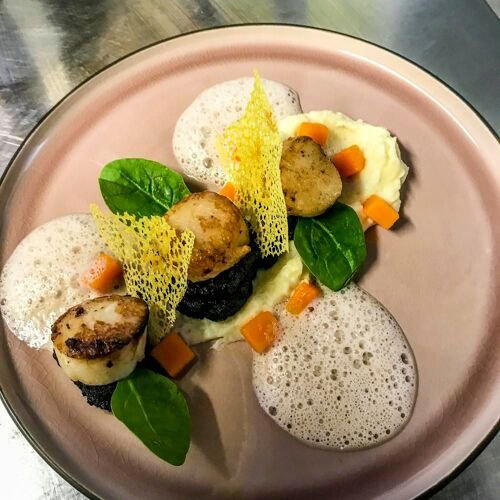
- Seared duck breast with cherry reduction
- Seasonal vegetable tart
- Burratina with tomato water and basil oil
- Hamachi crudo
- Acquerello risotto with mushrooms
- Pan-fried cod with bouillabaisse
A Quick Peer Check
| Venue | Cuisine | Price | Awards |
|---|---|---|---|
| De la terre à l'assietteThis venue — the venue you are viewing | Modern French | €€ | Michelin Plate (2025); Michelin Plate (2024) |
| Boury | Modern Frlemish, Creative French | €€€€ | Michelin 3 Star |
| Comme chez Soi | French - Belgian, Classic Cuisine | €€€€ | Michelin 1 Star |
| Hertog Jan at Botanic | Modern Flemish, Creative | €€€€ | Michelin 2 Star |
| L'Eau Vive | French, Modern French | €€€€ | Michelin 2 Star |
| La Durée | French-Belgian, Creative | €€€€ | Michelin 2 Star |
Recognition history
Dated appearances from independent guides and award organizations, with the underlying list record or original source where available.
Michelin Plate
Michelin
Michelin Plate
Michelin
Michelin Plate
Michelin
Continue exploring
More in Arlon
Restaurants in Arlon
Browse all →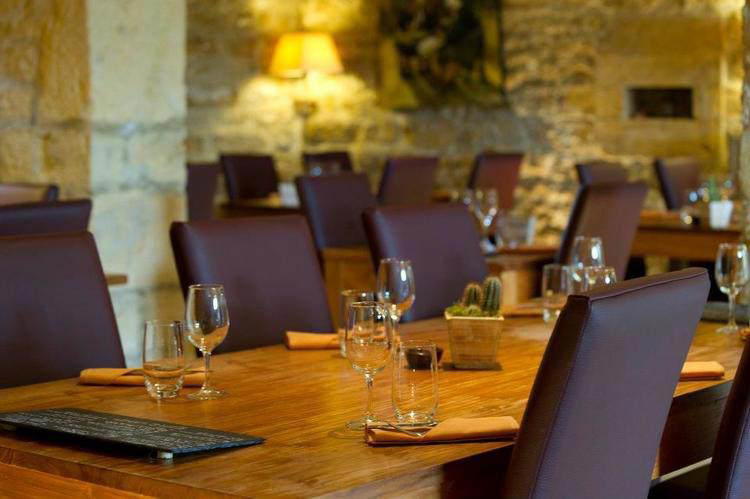
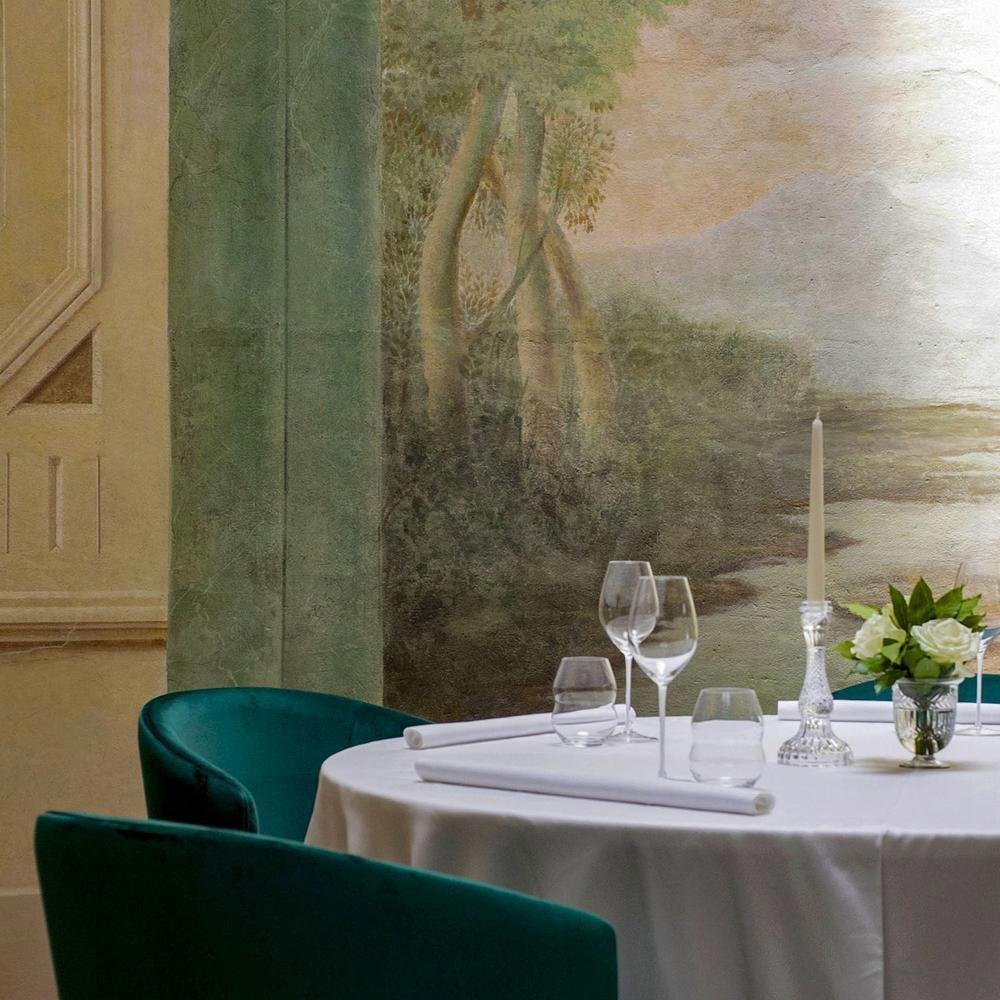
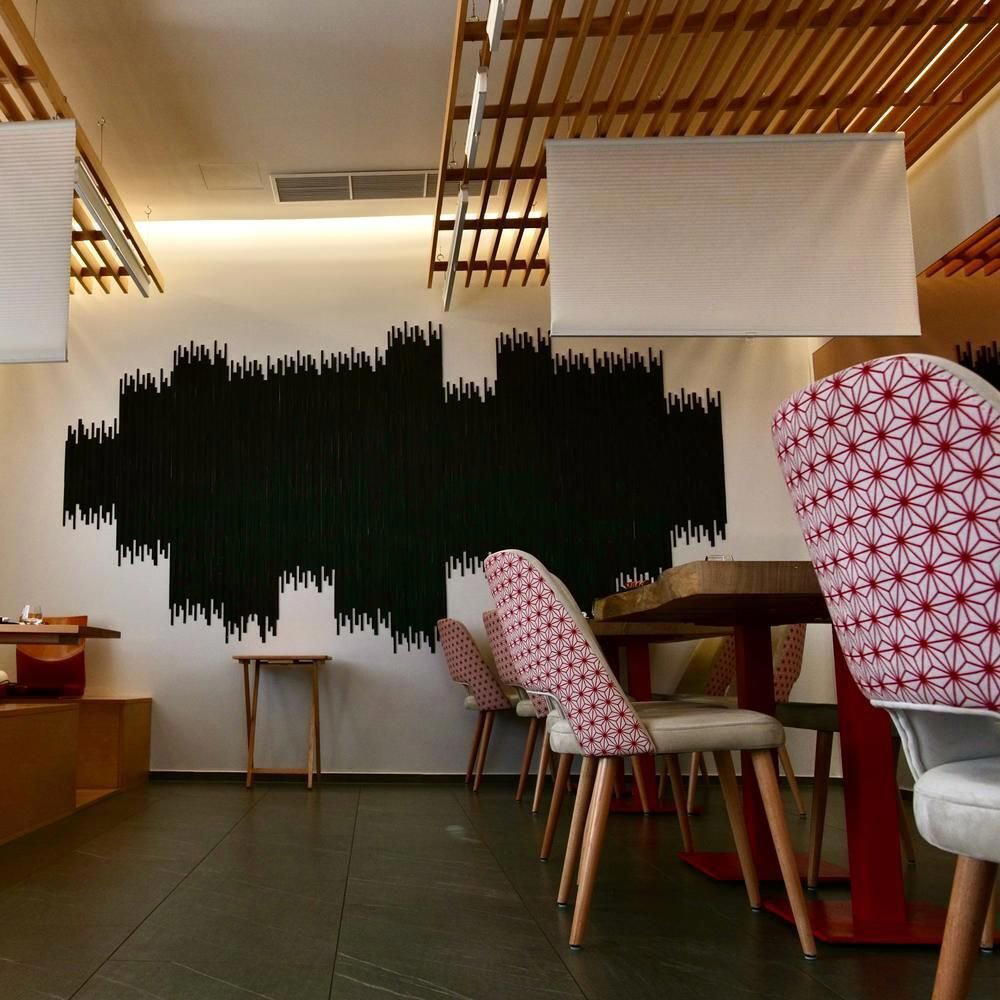
Bars in Arlon
Browse all →
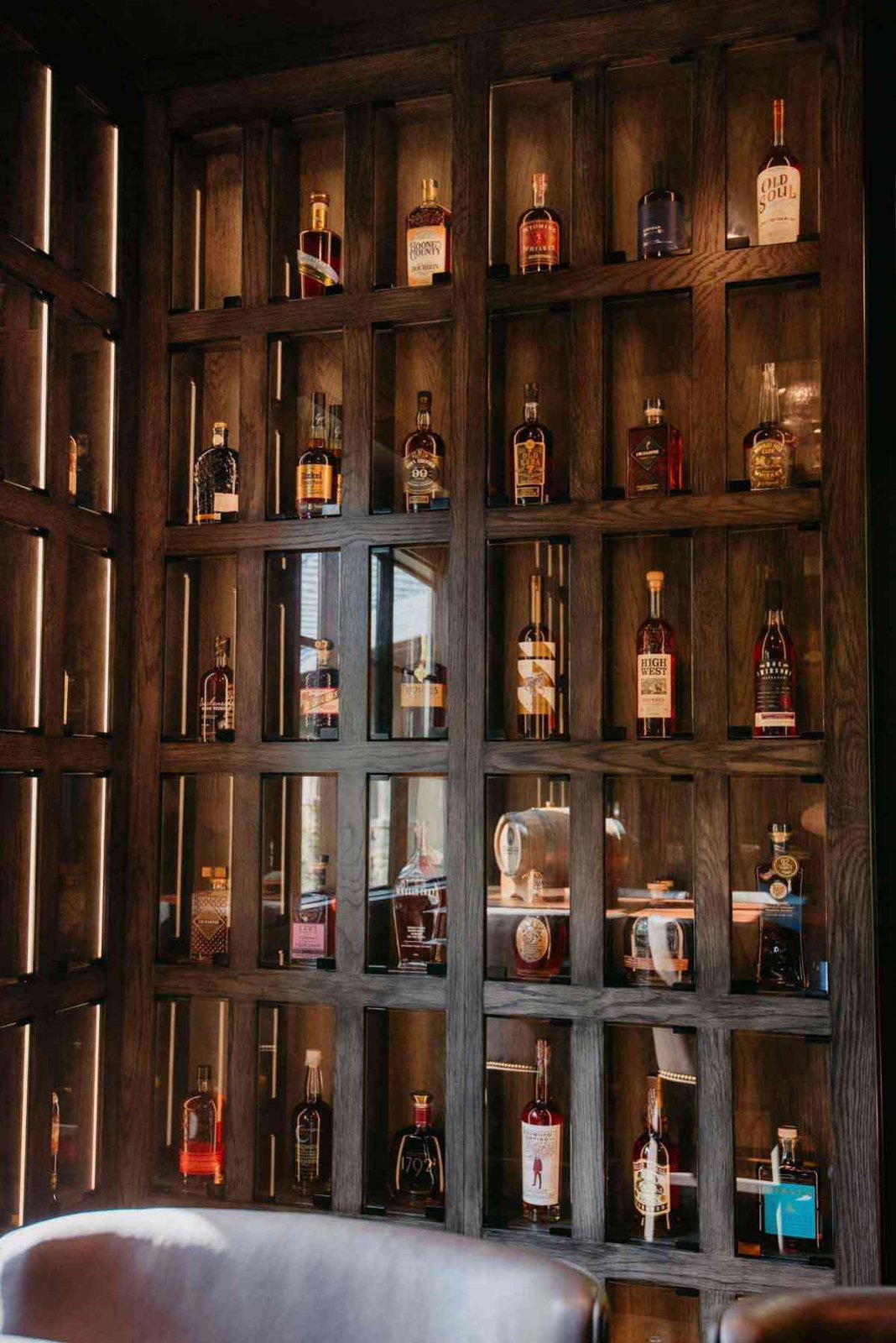
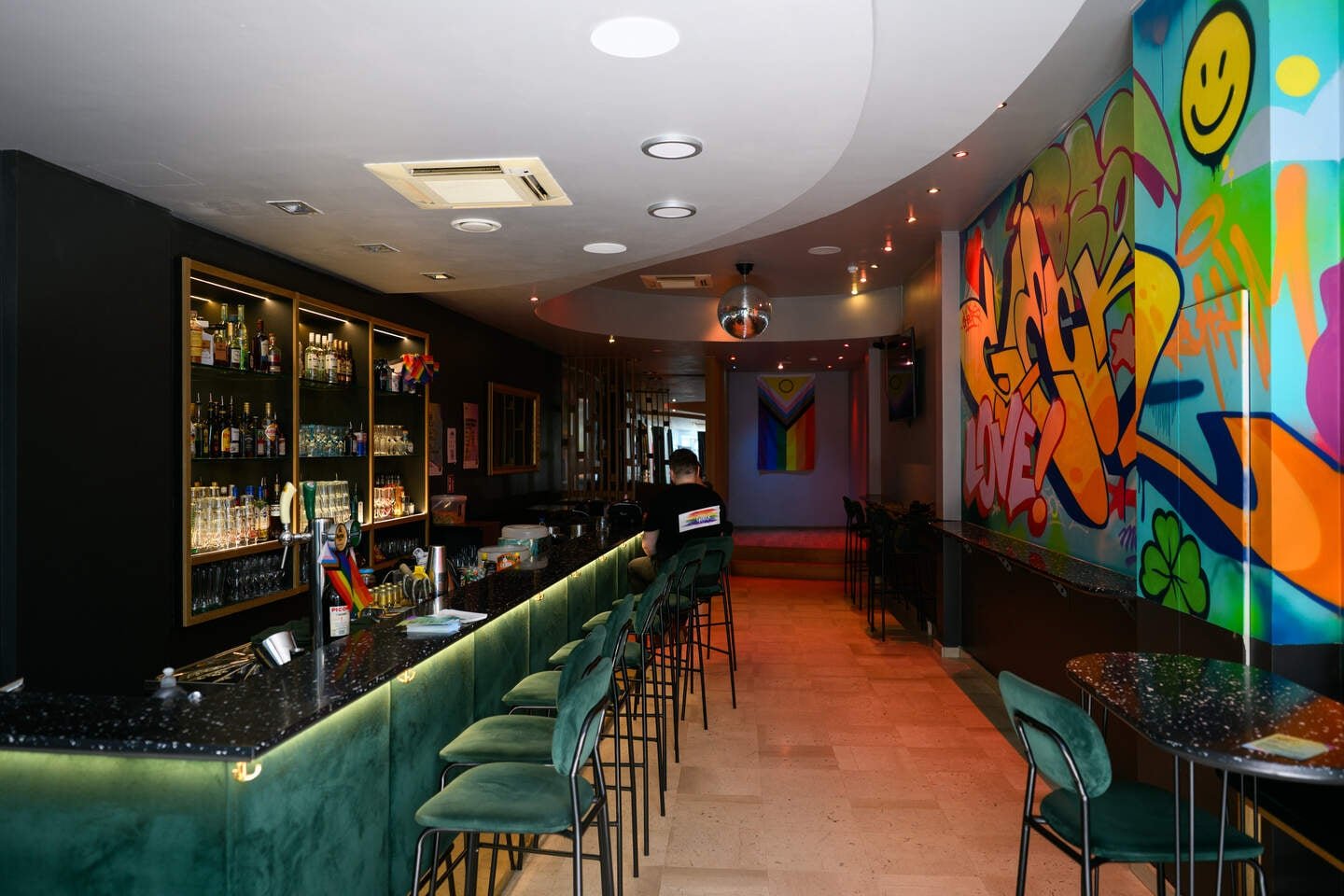
Hotels in Arlon
Browse all →
At a Glance
- Cozy
- Elegant
- Intimate
- Sophisticated
- Date Night
- Special Occasion
- Celebration
- Group Dining
- Open Kitchen
- Historic Building
- Beer Program
- Farm To Table
- Local Sourcing
Current opening hours
- Monday
- Closed
- Tuesday
- Closed
- Wednesday
- 12–2:30 PM, 7–10 PM
- Thursday
- 12–2:30 PM, 7–10 PM
- Friday
- 12–2:30 PM, 7–10 PM
- Saturday
- 7–10 PM
- Sunday
- 12–2:30 PM
Hours can change for holidays and private events. Last verified .
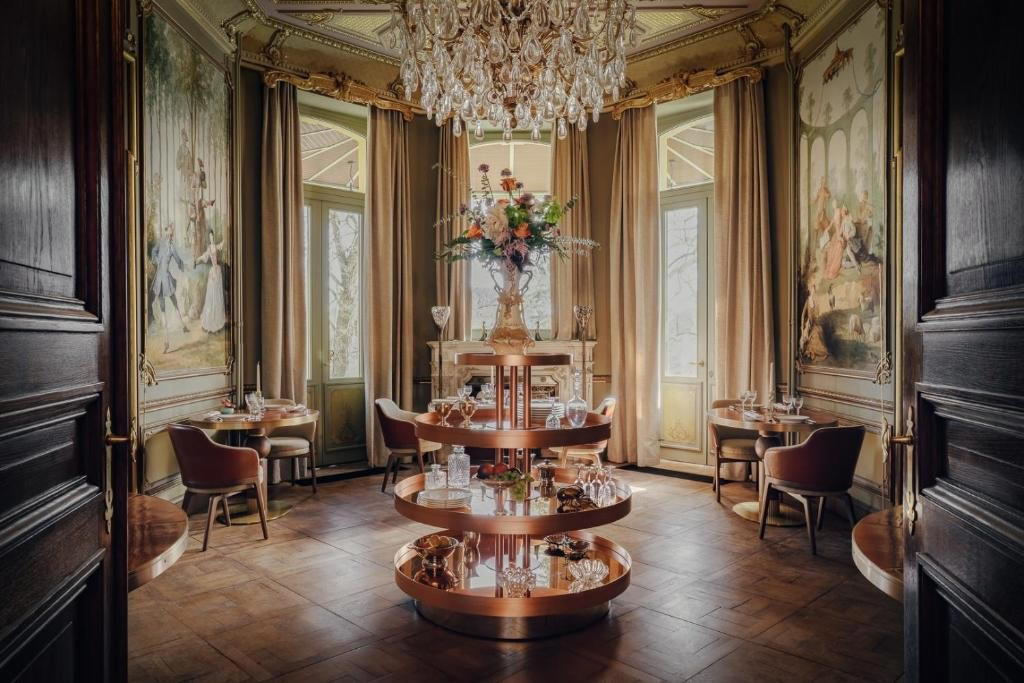
Warm, welcoming, and comfortable atmosphere with colorful décor that creates an immediately positive impression; intimate setting that encourages lingering.