
La Grappe d'Or holds a Michelin star for the second consecutive year (2024 and 2025), placing it among the small tier of destination restaurants in Belgium's southern Gaume province.
Pearl is the En Primeur Club membership app — saves, bookings, and concierge access live there. Same editors, same standards.
- Address
- Rte de Luxembourg 317, 6700 Arlon, Belgium
- Phone
- +32 63 57 70 56
- Website
- lagrappedor.com
- Directions
- Get directions
 Saves & bookings on Pearl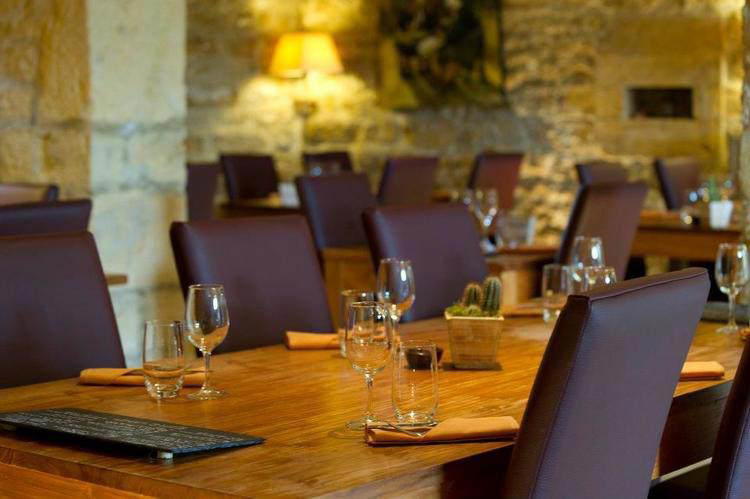
Arlon at the Table: Where the Gaume Meets the French Tradition
Belgium's dining conversation tends to start in Flanders. Restaurants like Boury in Roeselare, Zilte in Antwerp, and Hof van Cleve in Kruishoutem anchor the country's Michelin-starred tier in the north, while Brussels carries the weight of the capital through addresses like Bozar Restaurant. The Walloon south, and specifically the province of Luxembourg bordering the Grand Duchy, operates differently: fewer starred addresses, a deeper French cultural imprint, and a kitchen tradition that draws on the larder of the Gaume rather than the North Sea. Arlon sits at the end of that axis, closer in spirit to a French market town than to Ghent or Antwerp, and its restaurant culture reflects that geography.
It is in this context that La Grappe d'Or, a Michelin-starred restaurant in Arlon on Route de Luxembourg, holds its significance. The address has carried a Michelin star in both 2024 and 2025, confirming it as a sustained presence in a part of Belgium where starred kitchens remain scarce. Chef Alex Becker leads the kitchen under a French Contemporary classification, which here means working within the grammar of classical French cuisine while applying the lighter, produce-forward vocabulary that defines the post-nouvelle generation.
The French Bistro Tradition and What It Demands
The word bistro has been so widely applied across so many price tiers that it now covers everything from a €12 steak-frites counter to a room charging €120 for a tasting menu. The original French model was always more specific: a neighbourhood dining room, usually family-run, where the cooking was direct and seasonal, the wine list leaned local, and the atmosphere carried more weight than the table setting. That tradition survives most credibly not in Paris, where bistronomy has become its own marketing category, but in smaller French and French-adjacent cities where the format was never glamorised in the first place.
Southern Belgium, and the Gaume specifically, belongs to that second group. The culinary culture here developed in alignment with Lorraine and Luxembourg rather than with Brussels or the Flemish coast. The forests, game, and river produce of the region shaped a kitchen idiom built on slow-cooked preparations, rich stocks, and the kind of patience that comes from cooking for a community rather than for a critic. A contemporary kitchen operating in this context does not simply overlay technique onto local ingredients; it has to negotiate between that inherited tradition and the expectations of a dining public that now reads Michelin guides and follows international food media.
La Grappe d'Or operates within that negotiation. The French Contemporary classification signals a menu that honours classical structure while avoiding the decorative excess that sometimes accompanies fine dining at this price tier.6 across 381 reviews is a meaningful data point: it is high enough to indicate consistent quality, broad enough to suggest the room attracts a general dining public rather than only specialist food travellers, and stable enough across a substantial review base to reflect genuine operational reliability.
Where La Grappe d'Or Sits in Belgium's Starred Tier
Belgium has a dense Michelin constellation relative to its size, but the distribution is uneven. The country's two- and three-star addresses cluster in Flanders and the major cities. At the two-star level, addresses like Castor in Beveren, Cuchara in Lommel, and De Jonkman in Sint-Kruis operate at €€€€ price points, positioning themselves against an international comparable set. La Grappe d'Or runs at €€€, placing it at a lower price tier than those two-star counterparts, which matters both for the local dining audience it serves and for the kind of cooking it can credibly deliver.
The one-star, €€€ position is occupied by a different category of kitchen: technically accomplished, consistent, and serious about produce and craft, but without the structural formality of a full tasting-menu-only format. For visitors arriving from Luxembourg City, roughly 30 kilometres to the east, or from the French border towns to the south, the restaurant functions as the appropriate destination-level address in the region without requiring the full ritual of a three-hour multi-course evening. That positioning is not a compromise; it is a distinct format with its own discipline.
Among other contemporary French addresses in the Walloon south, De la terre à l'assiette represents the modern French approach in Arlon at a different price point, offering a reference for readers who want to map the range of serious cooking available in the city. For a broader overview of where to eat across the city,
French Contemporary in a Cross-Border Context
The French Contemporary classification carries different weight depending on geography. In Singapore, it frames a kitchen like Odette, where the French canon is a reference point imported and reinterpreted at a distance. In Hong Kong, it describes an address like Amber, where the technique is French but the sourcing and cultural context pull in multiple directions. In Arlon, the same classification describes something closer to its origin: a kitchen working in a region where the French culinary tradition was not imported but absorbed gradually through proximity, migration, and shared agricultural patterns with Lorraine and Luxembourg.
That distinction matters for understanding what French Contemporary cooking means at the restaurant. The reference points are not reinterpreted from a distance; they are part of the local inheritance. The challenge for any kitchen in this position is not to demonstrate familiarity with French technique but to apply it with enough precision and personal editorial voice to justify a starred classification in a guide that now spans hundreds of Belgian addresses.
The sustained two-year star record across 2024 and 2025 suggests the kitchen has found that balance. Michelin's one-star standard requires consistency above all: a single strong meal can earn attention, but retention across consecutive annual cycles indicates that the kitchen performs at that level across the full range of service weeks, not only during peak periods or the first months after a guide listing.
Visiting La Grappe d'Or
The restaurant is located at Route de Luxembourg 317, Arlon, in the southern reaches of Belgian Luxembourg close to the Grand Duchy border. The €€€ price tier places an evening here above a standard bistro outing but below the €€€€ bracket occupied by two-star addresses like Bartholomeus in Heist or Willem Hiele in Oudenburg.
The city is small but the cross-border position between Belgium, Luxembourg, and France gives it a cultural density that rewards a longer stay than a single dinner.
A Pricing-First Comparison
Comparable venues nearby, for context on price, style, and recognition.
| Venue | Cuisine | Price | Awards | Notes |
|---|---|---|---|---|
| La Grappe d'OrThis venue — the venue you are viewing | Arlon, Modern French Fine Dining | $$$ | Michelin 1 Star | Not listed |
| De la terre à l'assiette | Arlon, Bistronomic French | $$$$ | Michelin Plate | Not listed |
| La Régalade | Toernich, Modern French Farm-to-Table | $$$ | Not listed | Not listed |
| Héliport Brasserie | Not listed | $$$ | Michelin 1 Star | Colonster, French Brasserie with Belgian Influences |
| Hoeve De Bies | Not listed | $$$ | Michelin 1 Star | Sint-Martens-Voeren, Modern French-Belgian Farm-to-Table |
| Le Grand Verre | Durbuy, Modern French Fine Dining | $$$$ | Michelin 1 Star | Not listed |
Recognition history
Dated appearances from independent guides and award organizations, with the underlying list record or original source where available.
Michelin 1 Star
Michelin
Michelin 1 Star
Michelin
Michelin 1 Star
Michelin
Continue exploring
More in Arlon
Restaurants in Arlon
Browse all →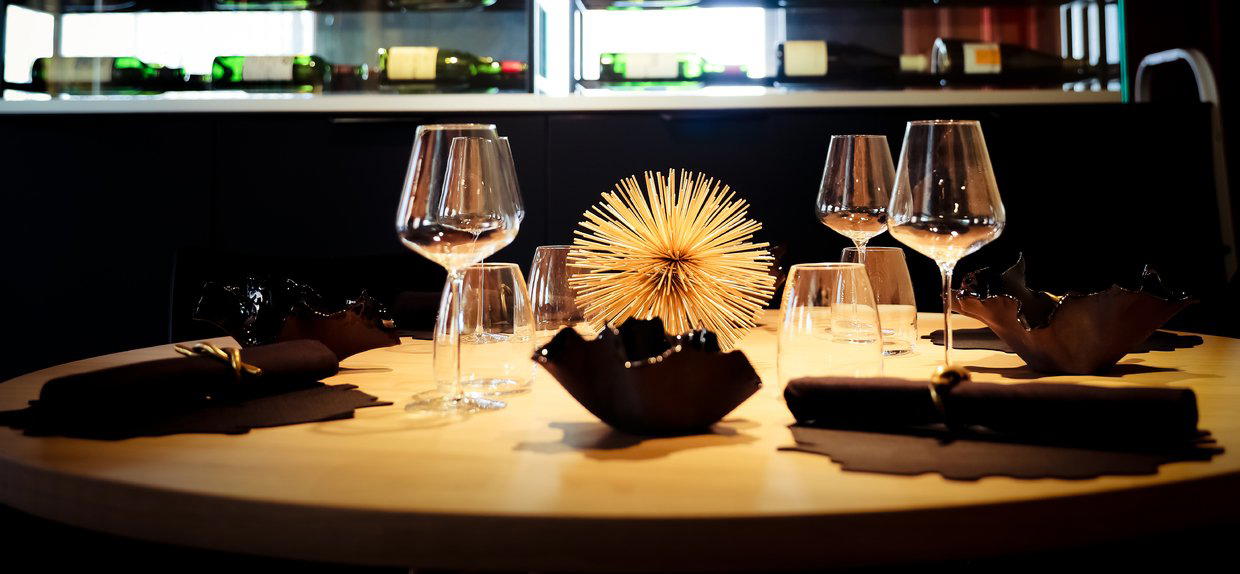
Bars in Arlon
Browse all →
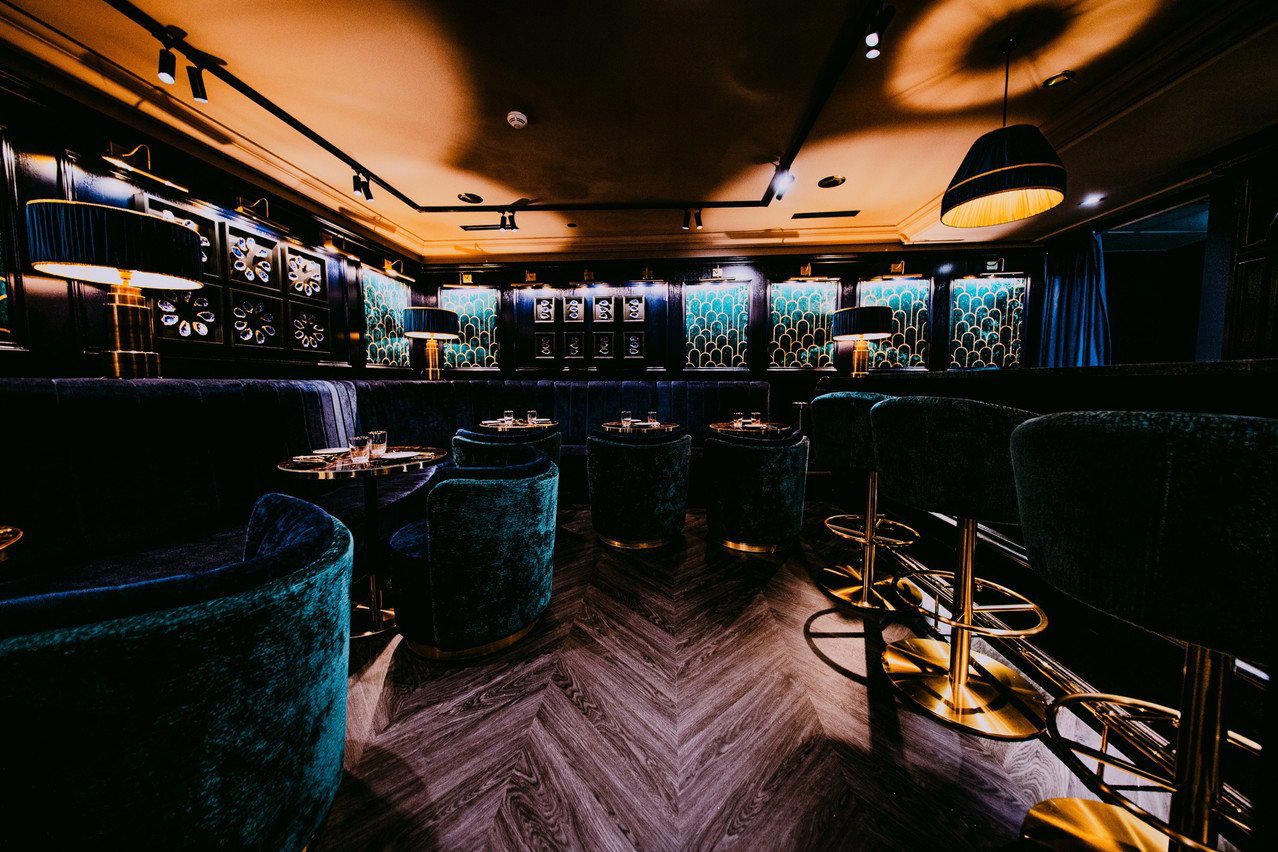
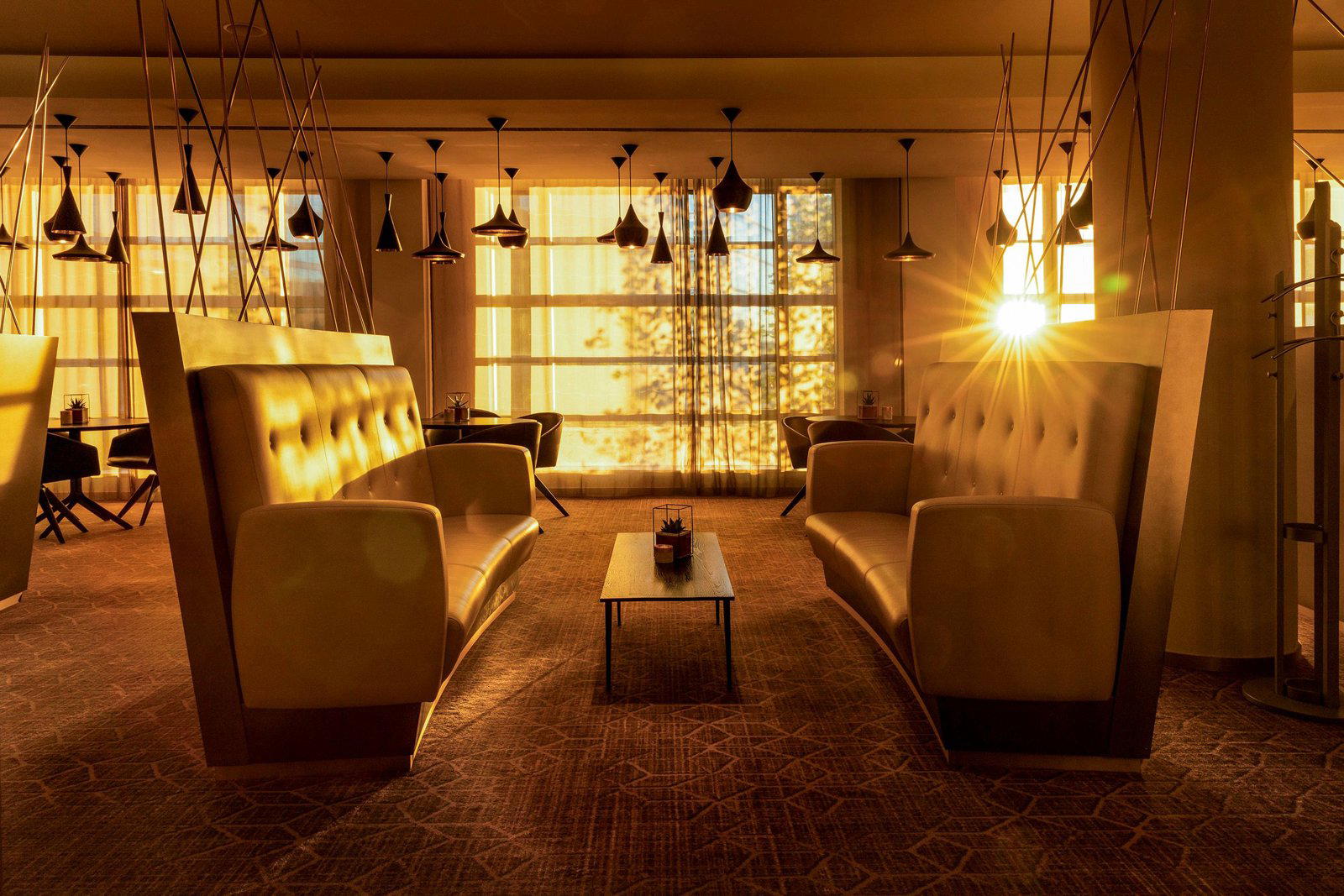
Hotels in Arlon
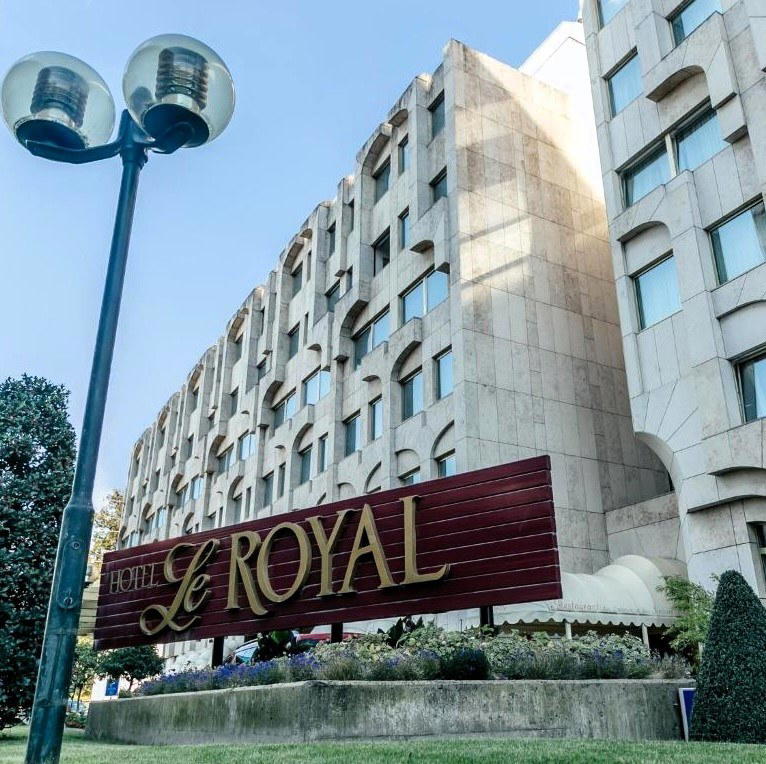
Browse all →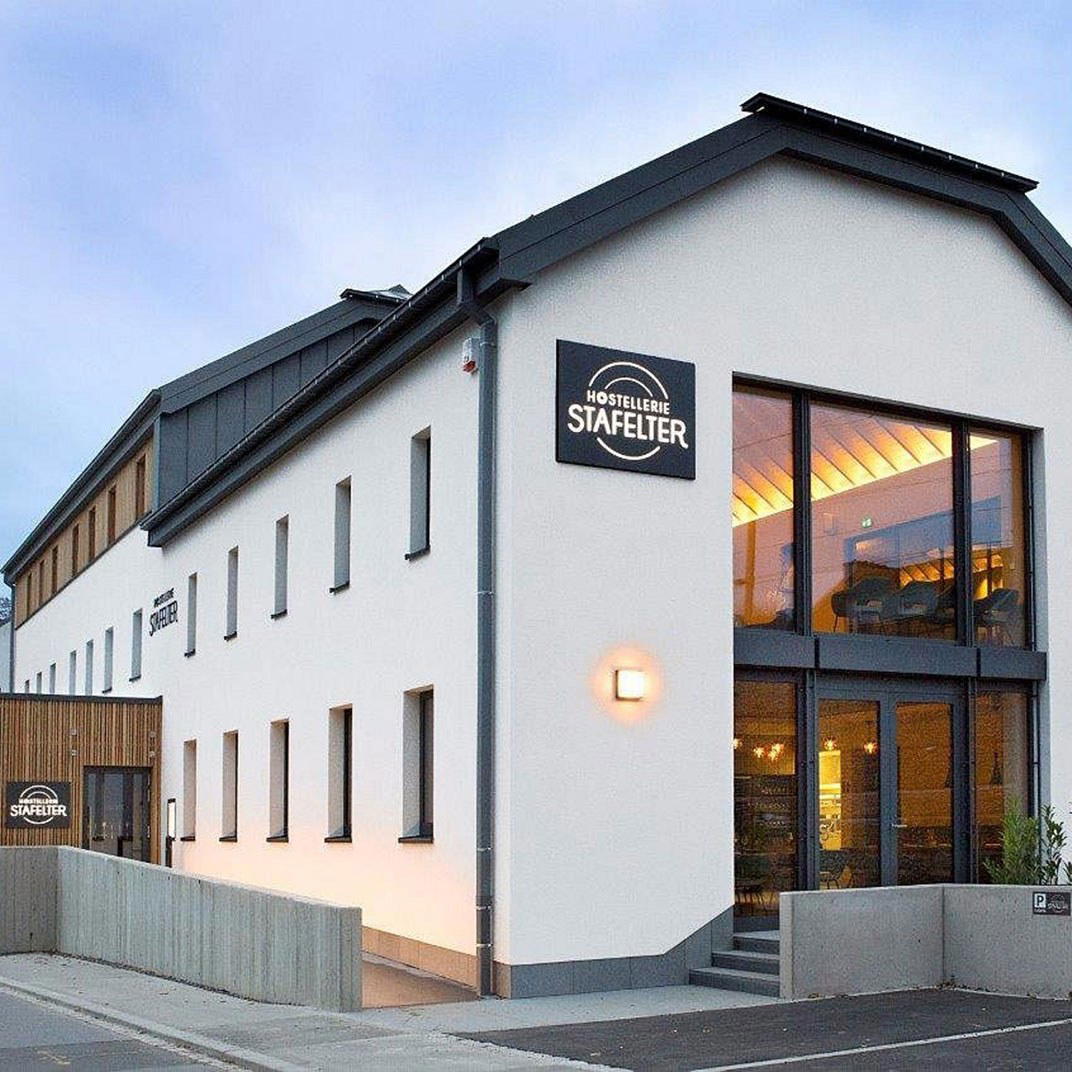
At a Glance
- Romantic
- Elegant
- Intimate
- Sophisticated
- Date Night
- Special Occasion
- Terrace
- Extensive Wine List
- Natural Wine
- Local Sourcing
Current opening hours
- Monday
- 7–11:30 PM
- Tuesday
- 12–2:30 PM, 7–11:30 PM
- Wednesday
- 12–2:30 PM, 7–11:30 PM
- Thursday
- 12–2:30 PM, 7–11:30 PM
- Friday
- 12–2:30 PM, 7–11:30 PM
- Saturday
- Closed
- Sunday
- Closed
Hours can change for holidays and private events. Last verified .
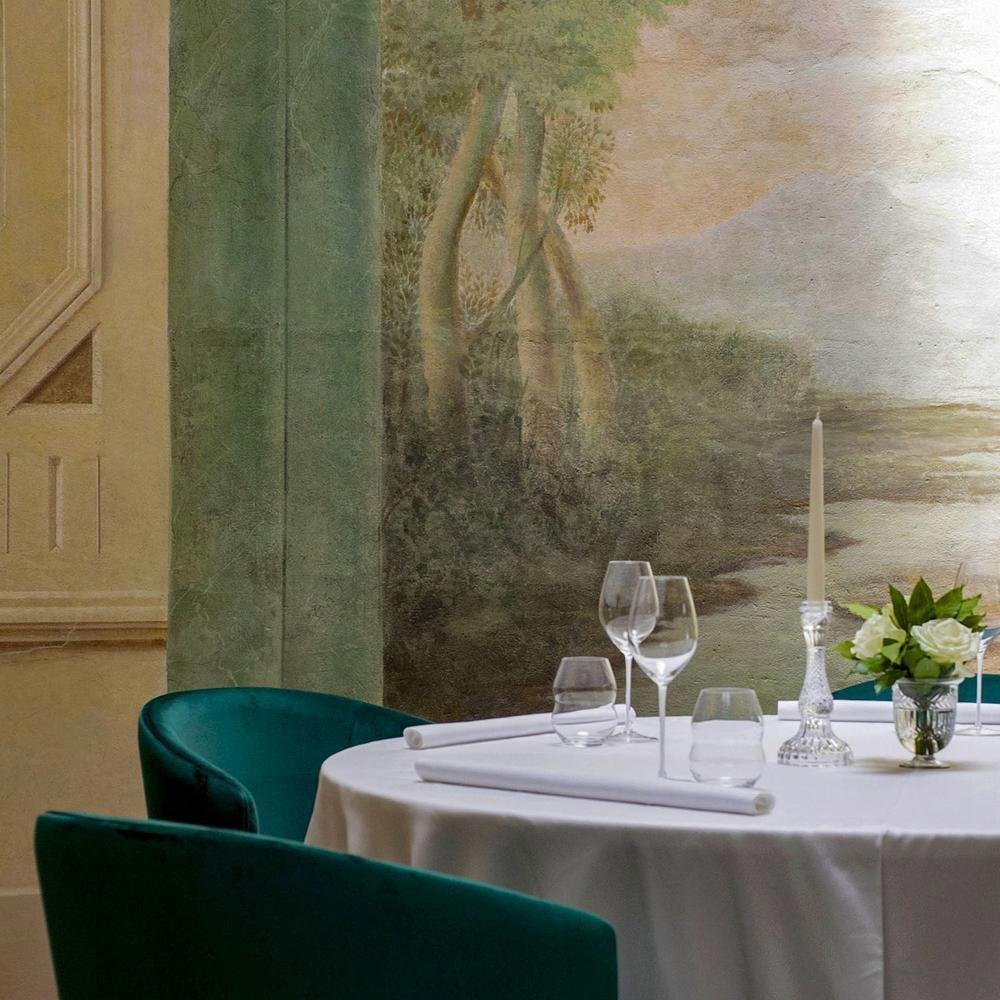
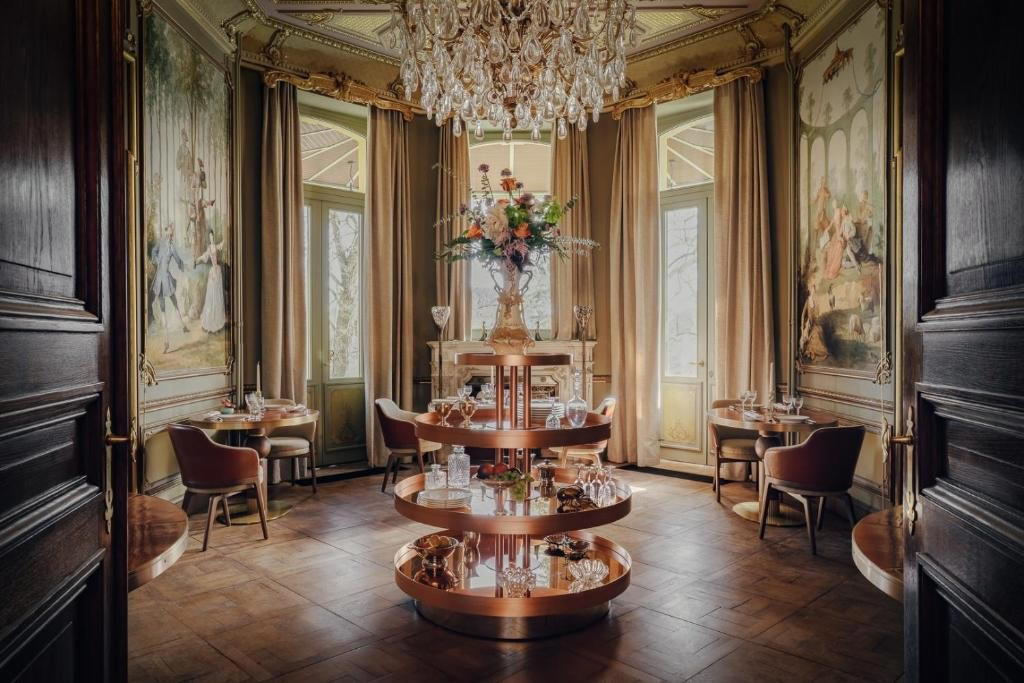
Refined and elegant setting with privacy-focused design, hushed welcome, and sophisticated atmosphere.