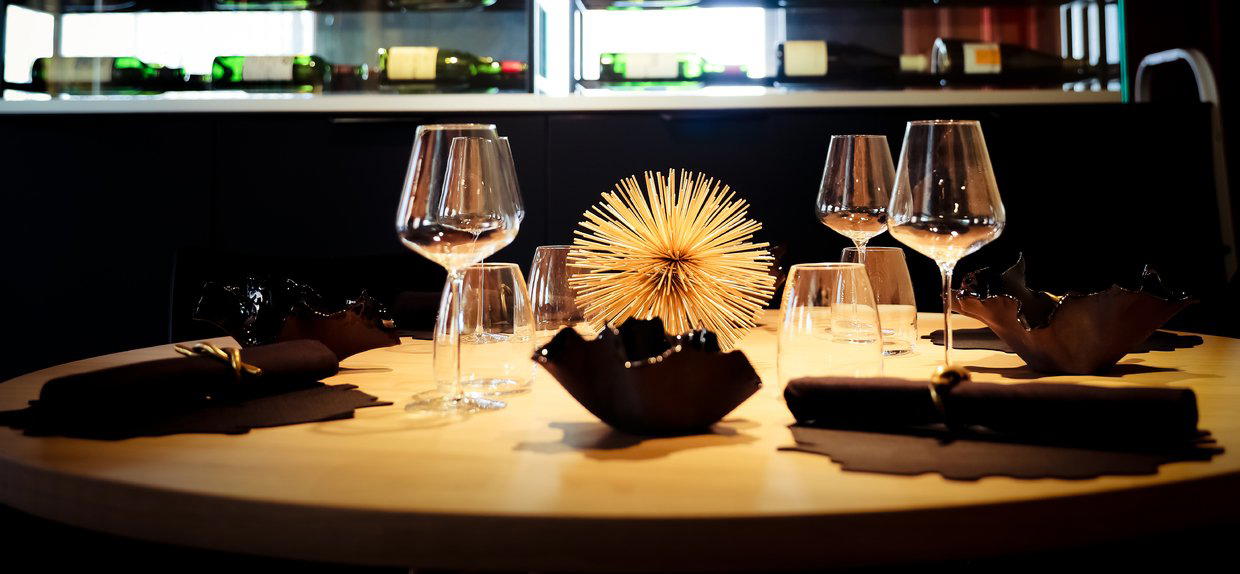
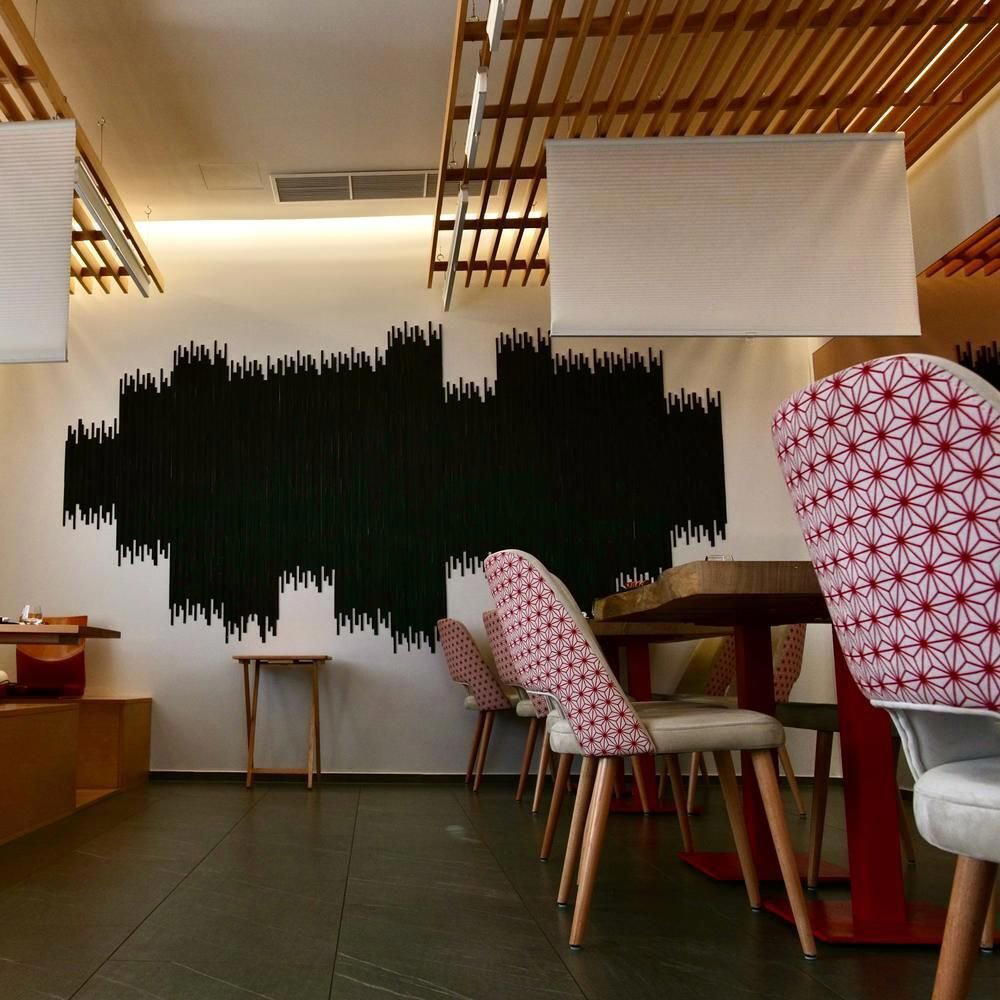
A warm, modern yet rustic vibe with creative plates
 Discover on Pearl
Pearl is the En Primeur Club membership app — saves, bookings, and concierge access live there. Same editors, same standards.
- Address
- Burewee 26, 6700 Arlon, Belgium
- Phone
- +3263226554
- Website
- laregalade.be
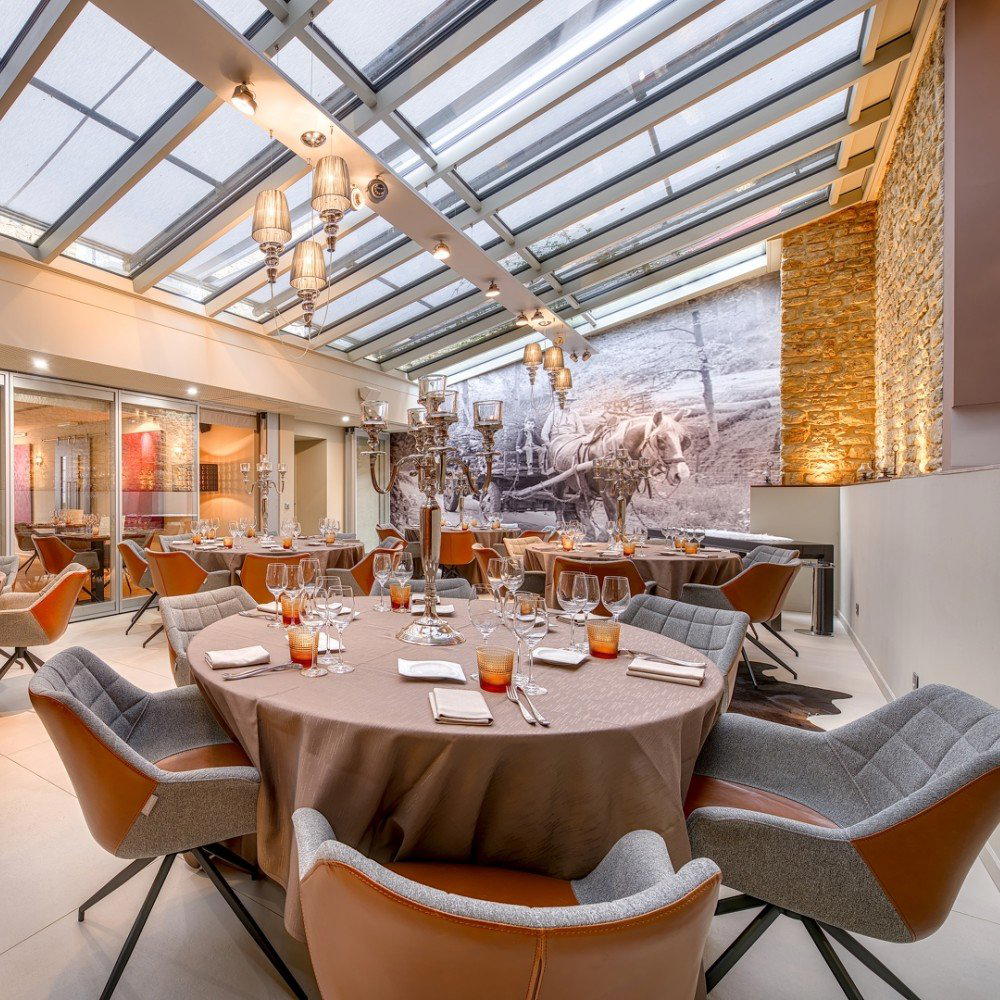
Where the Ardennes Meets the Table
Arlon sits at Belgium's southern heel, pressed against the Luxembourg border in a part of the country that most Belgian dining guides treat as an afterthought. The town is quiet by the standards of Liège or Brussels, but its proximity to the forests and farmland of the Ardennes gives its kitchens a material advantage that more celebrated addresses farther north can only approximate through supply chains. La Régalade, at Burewee 26 in Arlon, occupies an address that makes sense once you understand that proximity to primary producers is the point. In a region where foragers, small-scale farmers, and artisan cheesemakers operate within a short radius, a restaurant's address is itself an ingredient sourcing decision.
The Arlon Context: A Small City With Serious Table Culture
To place La Régalade accurately, it helps to understand how Arlon's dining scene is structured. The city punches modestly in national terms, it does not have the Michelin density of Ghent or the gastronomic profile of Bruges, but its leading tables draw on a terroir that is genuinely distinct. The Gaume region, sometimes called Belgium's little Provence for its comparatively mild microclimate, produces vegetables, herbs, and livestock under conditions that differ from the wetter, flatter provinces to the north. That specificity matters at the table.
Within Arlon's dining tier, the French Contemporary positioning held by La Grappe d'Or represents the upper bracket, while addresses like De la terre à l'assiette operate at a more accessible price point with a Modern French orientation. Brasserie de La Gaichel rounds out the offer at a different register. La Régalade sits within this small but earnest ecosystem, where the conversation at better tables tends to be about what arrived from the farm that week rather than what appeared in last season's press coverage.
Sourcing as Structure: Why Provenance Shapes Everything Here
The ingredient sourcing tradition that defines cooking in this corner of Wallonia is not a recent marketing posture. It reflects long-standing logistics: the Ardennes has always been more productive farmland than its tourist image as a woodland retreat suggests, and the cross-border influence of Luxembourg and France has historically oriented local cooks toward classical French technique applied to regional materials. Game from surrounding forests, river fish from tributaries feeding the Semois and the Sure, dairy from small producers in the Belgian and Luxembourg countryside, these are the building blocks that set the cooking vocabulary in this corner of Belgium apart from the mussel-and-frites reflex of the coastal provinces.
For comparison, addresses operating at the highest level of ingredient traceability in Belgium, such as Willem Hiele in Oudenburg, with its documented focus on coastal and fermented larder, or L'air du temps in Liernu, demonstrate that sourcing-led cooking is not confined to any single Belgian region. What differs is the specific terroir being drawn upon. In the south, the Ardennais pantry offers a different set of materials: cured and smoked meats with centuries of local tradition, fungi from beech forest floors, and a root vegetable culture shaped by harsher winters than those of maritime Flanders.
The Broader Belgian Fine Dining Picture
Belgium's most decorated tables are clustered elsewhere. Hof van Cleve in Kruishoutem, Boury in Roeselare, and Zilte in Antwerp represent the Michelin-starred tier that draws international attention. Addresses like Bartholomeus in Heist, Castor in Beveren, De Jonkman in Sint-Kruis, and La Durée in Izegem fill out the country's serious dining map at varying price points. For Wallonia specifically, d'Eugénie à Emilie in Baudour and La Table de Maxime in Our offer reference points for the region's ambition, the latter particularly relevant given its proximity to the Luxembourg borderlands that define Arlon's culinary geography.
Against this national frame, Arlon functions as a smaller node, not attempting to replicate the density of Flanders' starred corridor, but maintaining a table culture that rewards the traveller prepared to come looking rather than waiting for the restaurant to come to them. Bozar Restaurant in Brussels represents the capital's approach to serious dining; Arlon's version is quieter, less performative, and more tied to what the surrounding land produces in a given season.
Planning a Visit
La Régalade is located at Burewee 26 in Arlon, a ten-minute drive from the E25 motorway that connects Liège to Luxembourg City, making it reachable from both directions for travellers passing through rather than staying. Arlon's train station is served by connections from Brussels and Luxembourg, and the restaurant's address places it within reasonable distance of the centre on foot for those arriving without a car. The restaurant is recommended for reservations, and its opening pattern is Thursday and Friday from 12 to 4 PM and 7:15 to 11:30 PM, Saturday from 7:15 to 11:30 PM, and Sunday from 12 to 4 PM and 7:15 to 11:30 PM.
Those with an appetite for comparison beyond Belgium might look to how sourcing-driven cooking operates at an international level: Le Bernardin in New York City demonstrates what happens when produce provenance is treated as foundational rather than decorative at the highest price tier, while Atomix in New York City shows a different model where ingredient narrative is built into the structure of a tasting format.
At-a-Glance Comparison
Comparable venues nearby, for context on price, style, and recognition.
| Venue | Cuisine | Price | Awards |
|---|---|---|---|
| La RégaladeThis venue — the venue you are viewing | |||
| La Grappe d'Or | French Contemporary | €€€ | Michelin 1 Star |
| De la terre à l'assiette | Modern French | €€ | |
| Brasserie de La Gaichel |
Continue exploring
More in Arlon
Restaurants in Arlon
Browse all →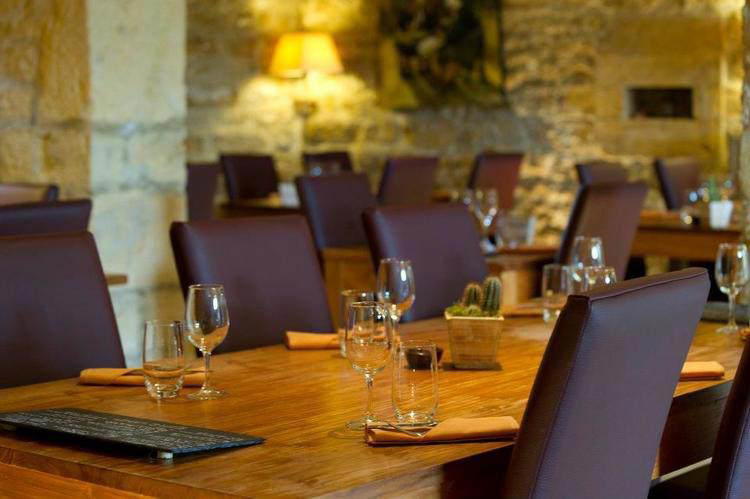
At a Glance
- Cozy
- Elegant
- Rustic
- Special Occasion
- Date Night
- Terrace
- Farm To Table
- Local Sourcing
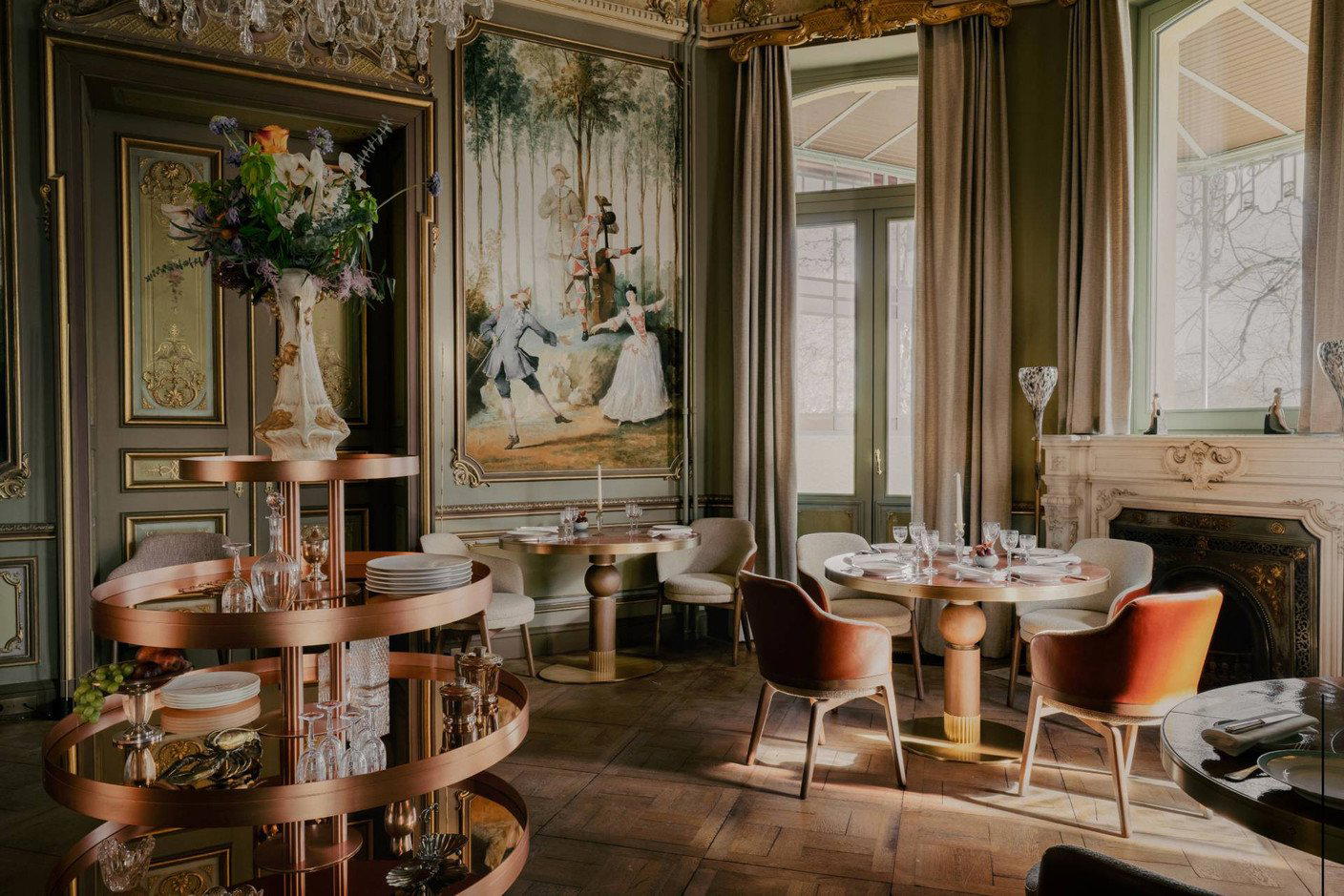
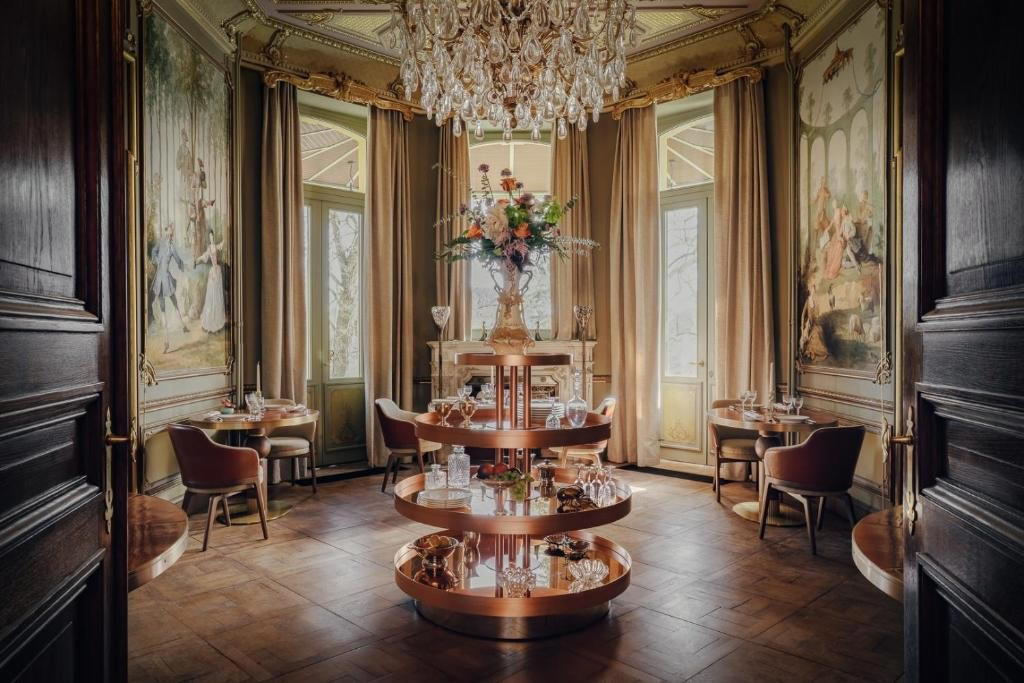
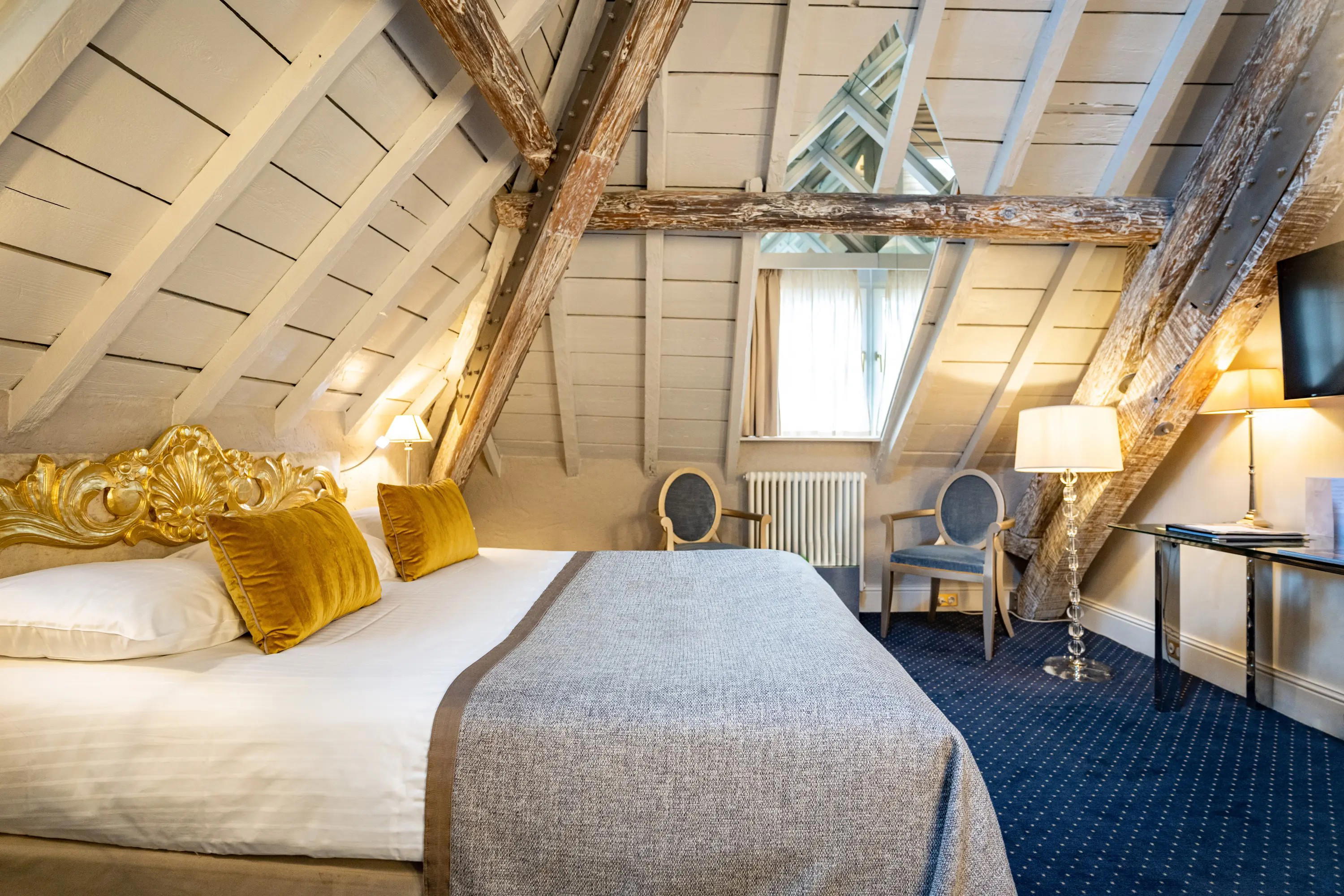
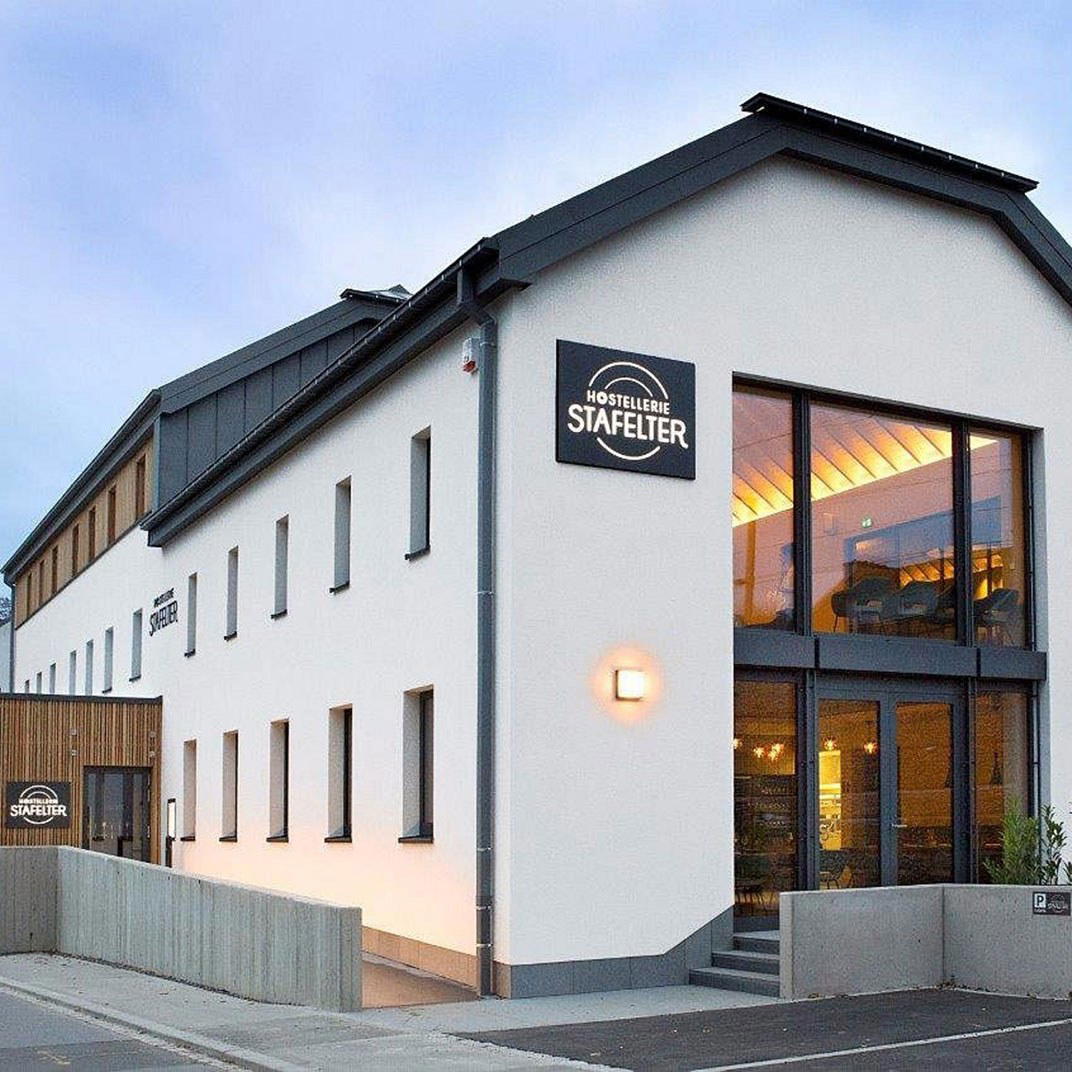
Warm, inviting, and bucolic atmosphere in a tastefully renovated farmhouse with a peaceful, relaxed setting and charming terrace.