
Brasserie Colette Tim Raue brings a French brasserie format to Munich's Glockenbachviertel, operating under the Tim Raue name with a Michelin Plate recognition in 2025. The address on Klenzestraße places it within a neighbourhood already dense with serious eating, where it occupies a more accessible price tier than Munich's multi-star French tables.
Pearl is the En Primeur Club membership app — saves, bookings, and concierge access live there. Same editors, same standards.
- Address
- Klenzestraße 72, 80469 München, Germany
- Phone
- +49 89 23002555
- Website
- brasseriecolette.de
- Directions
- Get directions
 Saves & bookings on Pearl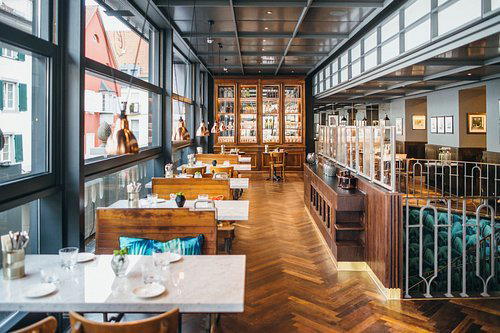
French Brasserie Culture in the Glockenbachviertel
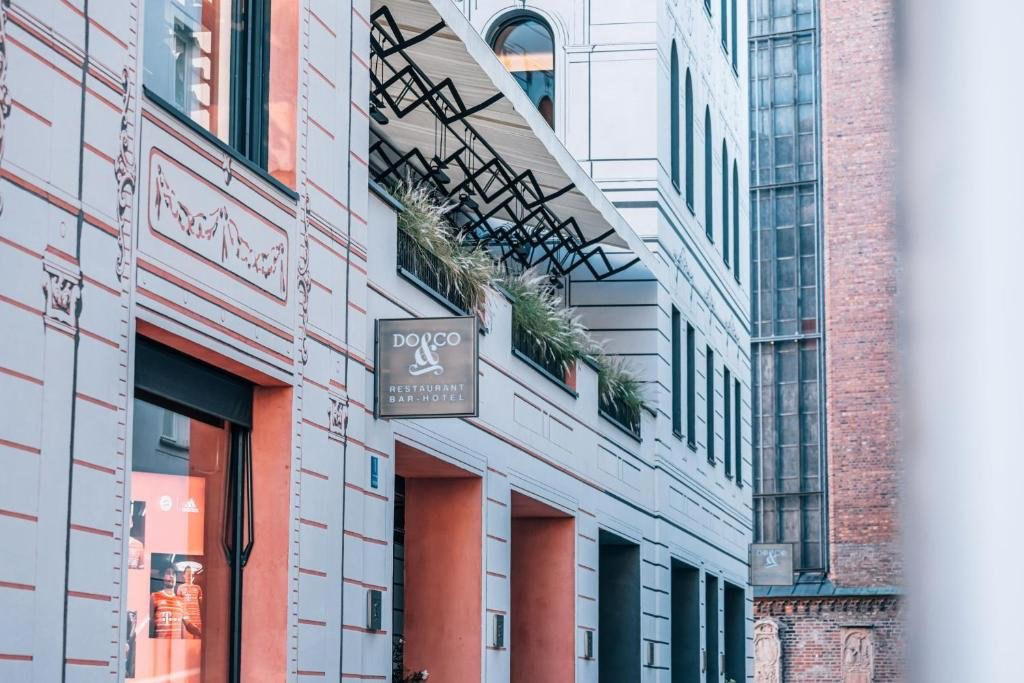
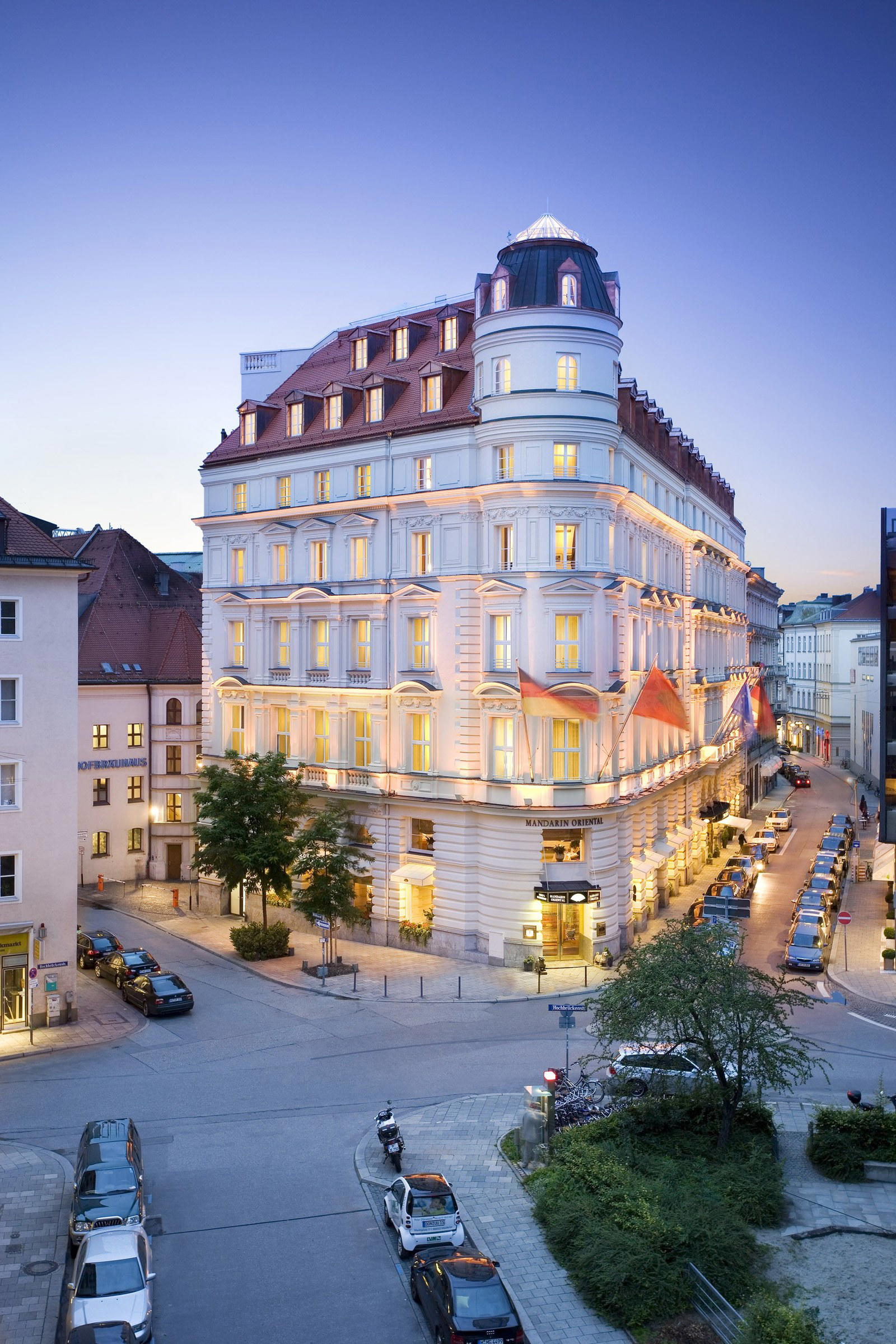
Klenzestraße runs through one of Munich's most densely restaurant-stocked neighbourhoods, the Glockenbachviertel, where the streetscape alternates between wine bars, independent bistros, and the occasional white-tablecloth room that punches above its postcode. Number 72 is where Brasserie Colette Tim Raue operates, and the setting matters more than it might first appear. The French brasserie format has a specific grammar, zinc-adjacent surfaces, warm ambient light, the low-level percussion of a room working at pace, and in Munich, that grammar sits in particular contrast to the city's own vernacular of dark wood and beer-hall scale.
The brasserie tradition that Colette draws on is one of Paris's great democratic exports: a format that refuses to choose between seriousness and informality. At its leading, the French brasserie achieves something that tasting-menu restaurants rarely do, it lets the room breathe. Conversations carry across the floor, glassware catches the light, and the sense of occasion is generated by the collective energy of the space rather than enforced by ritual. Munich has many formal French dining: Tantris holds two Michelin stars in the Modern French register, and Atelier operates at the same level with a Creative French approach. Brasserie Colette Tim Raue is explicitly not competing in that register. Its €€€ price positioning places it a tier below Munich's Michelin two-star French tables, functioning instead as the kind of room where the format itself is the attraction.
The Tim Raue Name and What It Signals
Tim Raue is among the more legible brand names in contemporary German fine dining, built primarily on his Berlin flagship's reputation for precision and Asian-inflected technique. The Colette brasseries operate as a separate strand of that identity, applying a French format rather than the Asian-influenced approach for which Raue is better known internationally. The distinction matters because it shapes expectations: guests arriving at Klenzestraße 72 are not getting a Berlin Raue experience relocated to Munich. They are getting a brasserie that uses the Raue name as a quality signal and organisational framework, but operates within the constraints and pleasures of the French casual-formal mode.
In Germany's broader fine dining context, the Raue brand sits alongside properties like Aqua in Wolfsburg and Vendôme in Bergisch Gladbach at the summit of the country's restaurant recognition, though Colette itself occupies a more accessible position within that ecosystem. Tohru in der Schreiberei's three-star operation or Alois - Dallmayr Fine Dining's two-star programme.
Atmosphere and Sensory Register
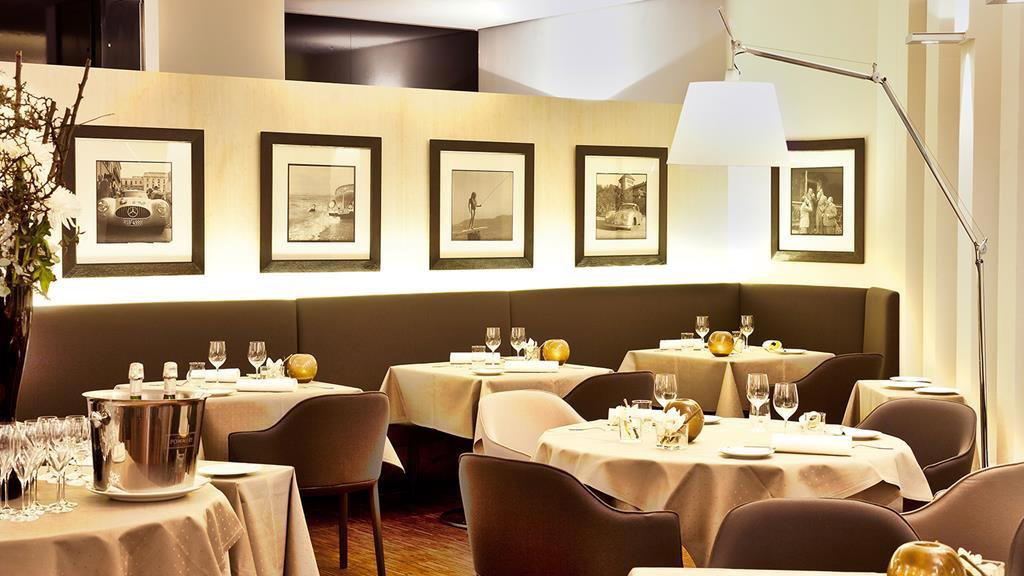
French brasserie interiors communicate through a set of consistent signals: the density of table settings, the sound design created by a hard-floored room in full service, the particular quality of light that falls on a properly dressed table at dinner. These are not accidental features. They are what separates a brasserie from a bistro on one end and a gastronomic room on the other. The smell of a working brasserie kitchen, butter, stock, the faint char of a grill plate, tends to arrive before the food does, and it is part of the atmosphere rather than incidental to it.
In Munich's Glockenbachviertel specifically, the sensory contrast with the surrounding neighbourhood reinforces the experience. The area skews younger and more informal in its general restaurant character, which means stepping into a French brasserie format involves a mild gear-change that makes the formality feel like a choice rather than a default. This is one reason brasserie formats travel well: the structure reads as deliberate precisely because it sits against less structured surroundings.
Google's 4.5-star average across 1051 reviews is a data point worth reading carefully. For a brasserie at this price tier, that volume of consistent positive response suggests the format is being executed with enough reliability to generate repeat engagement and word-of-mouth.
Positioning in Munich's French Dining Scene
Munich's French fine dining has historically been anchored at the leading by Tantris, which has held its position for decades and whose architecture alone makes it a reference point for the city's premium restaurant culture. Below that tier, the French-influenced rooms cluster into different formats: the creative-French tasting approach of Atelier, the experimental edge of JAN, and the German-Japanese fusion of Tohru in der Schreiberei. Brasserie Colette Tim Raue does not sit in any of those sub-categories. It occupies a distinct position as the city's most prominent named brasserie format, where the cuisine type is French but the frame is democratic rather than ceremonial.
For international comparison, the French brasserie format at this quality level has cognates in destinations as far apart as Tokyo (where L'Effervescence represents the more austere end of French cooking in Japan) and Switzerland (where Hotel de Ville Crissier in Crissier anchors traditional French high technique). Colette operates nowhere near those reference points in ambition, but the brasserie tradition it draws from is the same culinary lineage, just expressed in a more accessible register. Within Germany, Schwarzwaldstube in Baiersbronn and Restaurant Haerlin in Hamburg represent the formal end of French-influenced German cooking, making Colette's brasserie positioning look even more specific by contrast.
Planning Your Visit
The restaurant is at Klenzestraße 72, 80469 München, in the Glockenbachviertel, walkable from the Fraunhoferstraße U-Bahn stop on the U1/U2 lines. The €€€ price tier positions it as a mid-to-upper spend for Munich dining, accessible compared to the city's Michelin-starred rooms but above casual neighbourhood eating. Given the 956-review volume on Google, the room appears to operate at consistent occupancy; reservations in advance are advisable, particularly for weekend evenings.
Accolades, Compared
Comparable venues nearby, for context on price, style, and recognition.
| Venue | Cuisine | Price | Awards | Notes |
|---|---|---|---|---|
| Brasserie Colette Tim RaueThis venue — the venue you are viewing | Modern French Brasserie | $$$ | Michelin Plate | Not listed |
| Atelier Gourmet | Modern French Bistro | $$$ | Michelin Plate | Au |
| Makassar | Colonial French & Cajun Cuisine | $$$ | Not listed | Ludwigsvorstadt |
| Galleria | Authentic Italian | $$$ | Michelin Plate | Altstadt |
| Nymphenburger Hof | Classic German-Austrian with Mediterranean influences | $$$ | Michelin Plate | Neuhausen |
| La Bouche | Classic French Bistro | $$ | Not listed | Schwabing |
Recognition history
Dated appearances from independent guides and award organizations, with the underlying list record or original source where available.
Michelin Plate
Michelin · 2026 Michelin Plate
Michelin Plate
Michelin
Continue exploring
More in Munich
Restaurants in Munich
Browse all →
At a Glance
- Classic
- Elegant
- Cozy
- Sophisticated
- Date Night
- Business Dinner
- Special Occasion
- Hotel Restaurant
- Extensive Wine List
Current opening hours
- Monday
- 6–11 PM
- Tuesday
- 6–11 PM
- Wednesday
- 6–11 PM
- Thursday
- 6–11 PM
- Friday
- 6–11 PM
- Saturday
- 6–11 PM
- Sunday
- 6–11 PM
Hours can change for holidays and private events. Last verified .
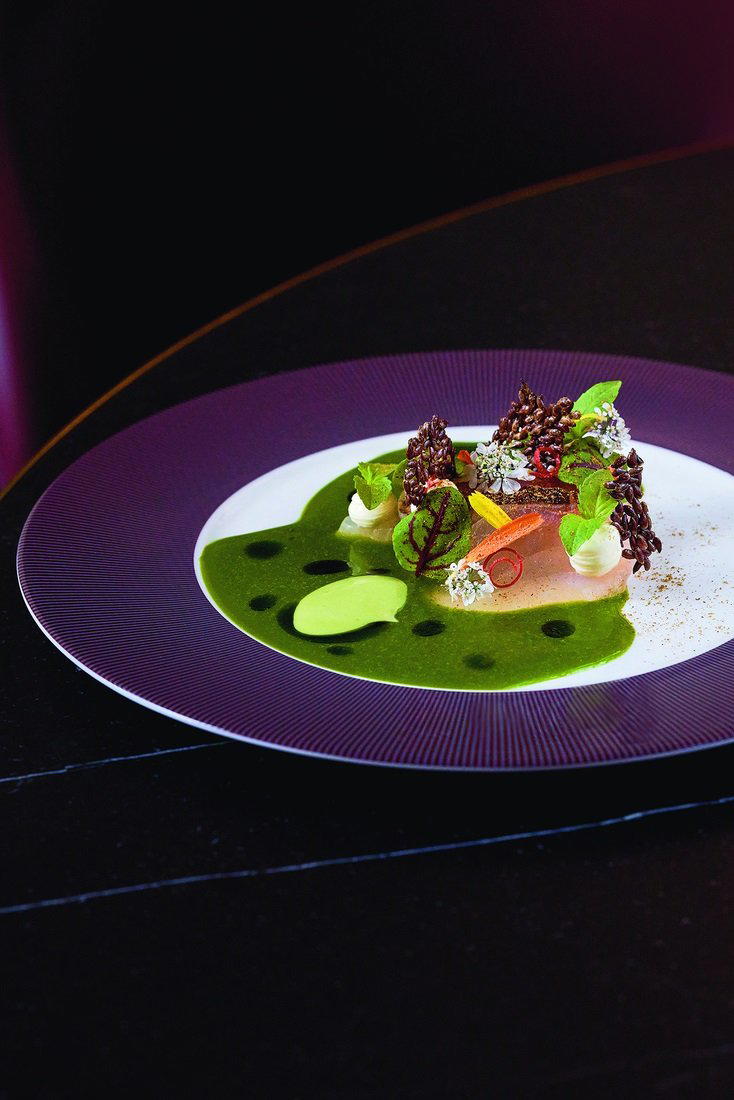
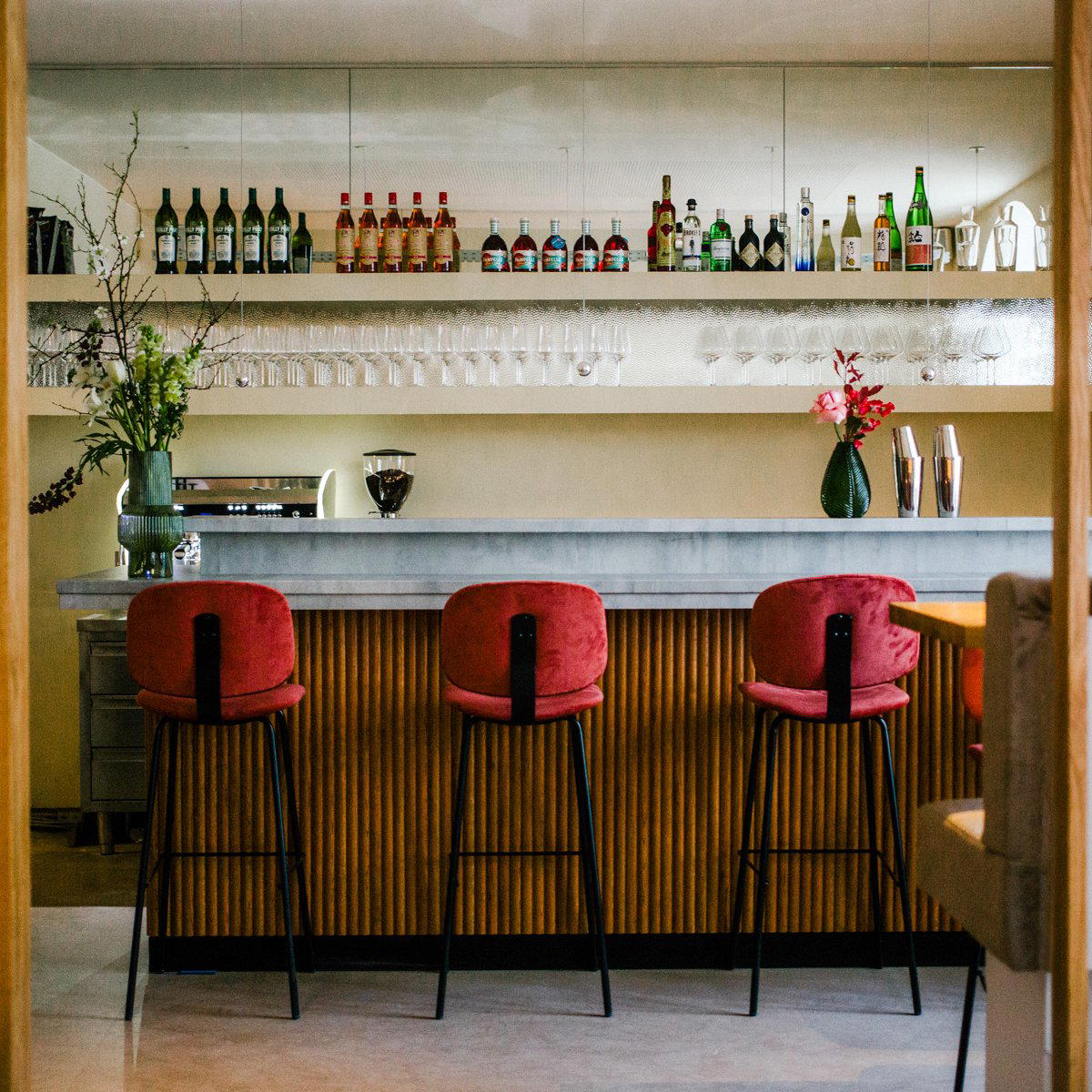
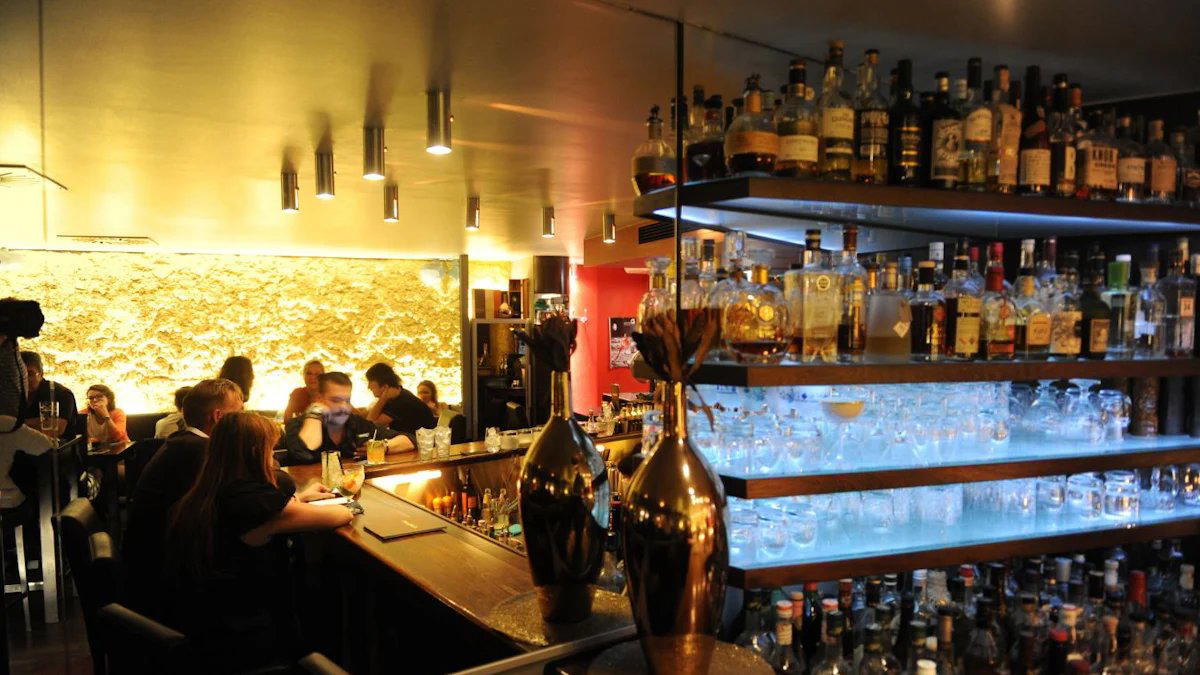
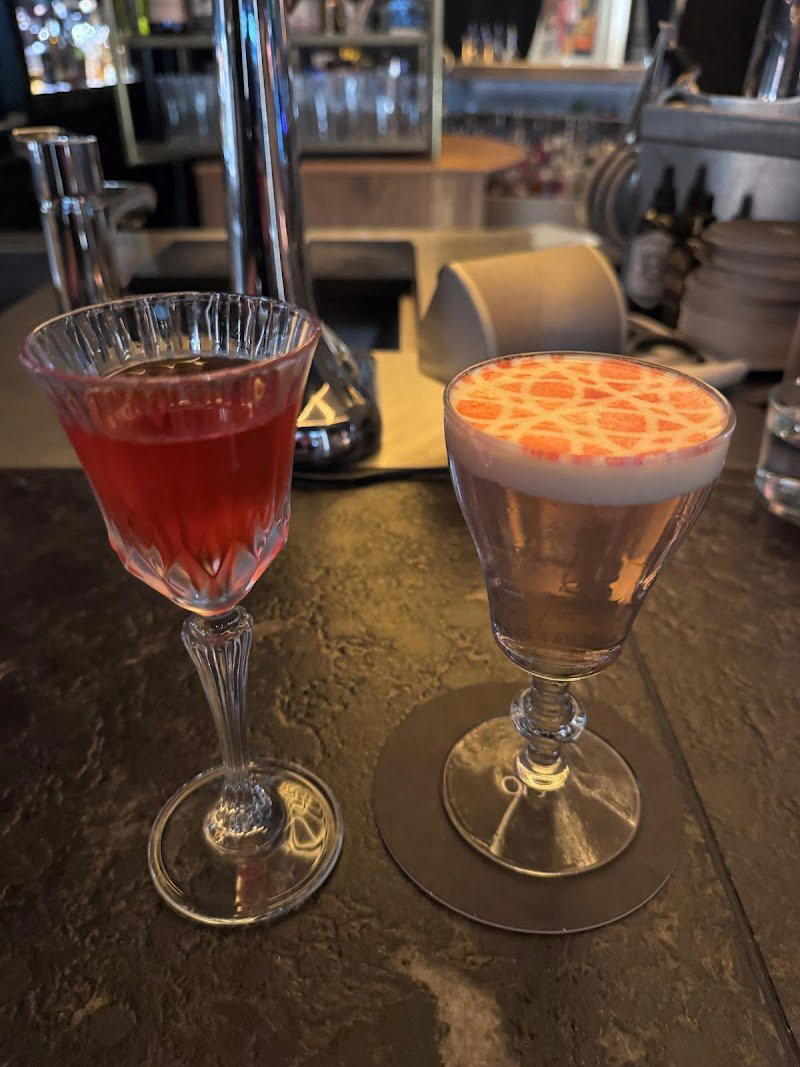
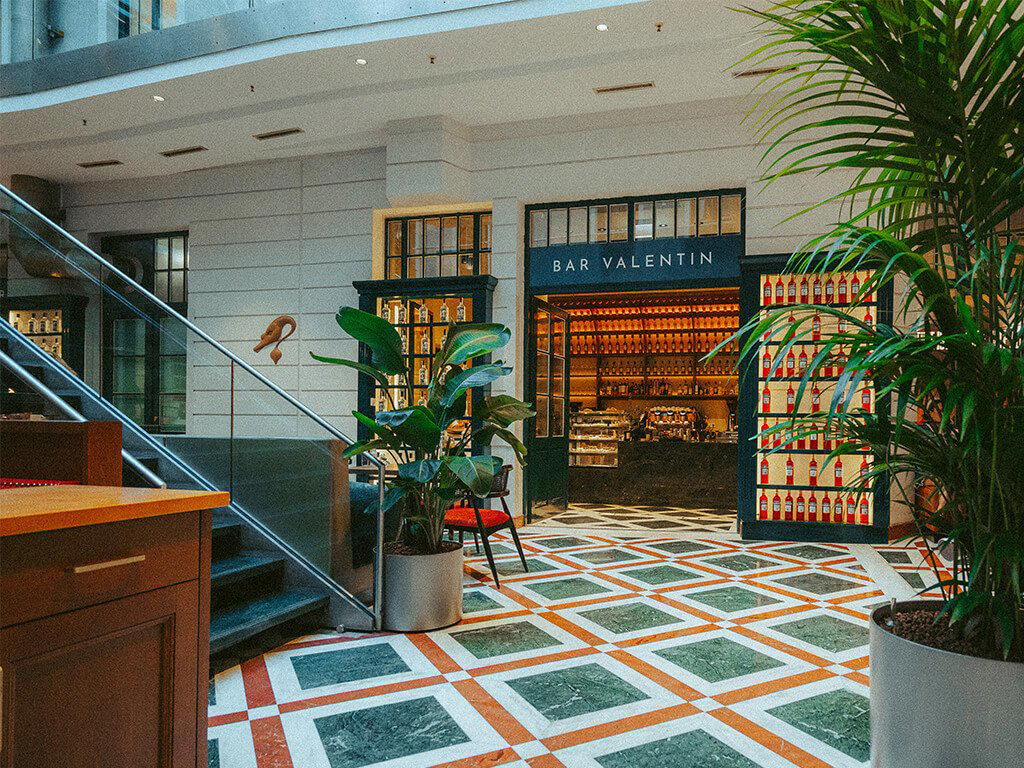
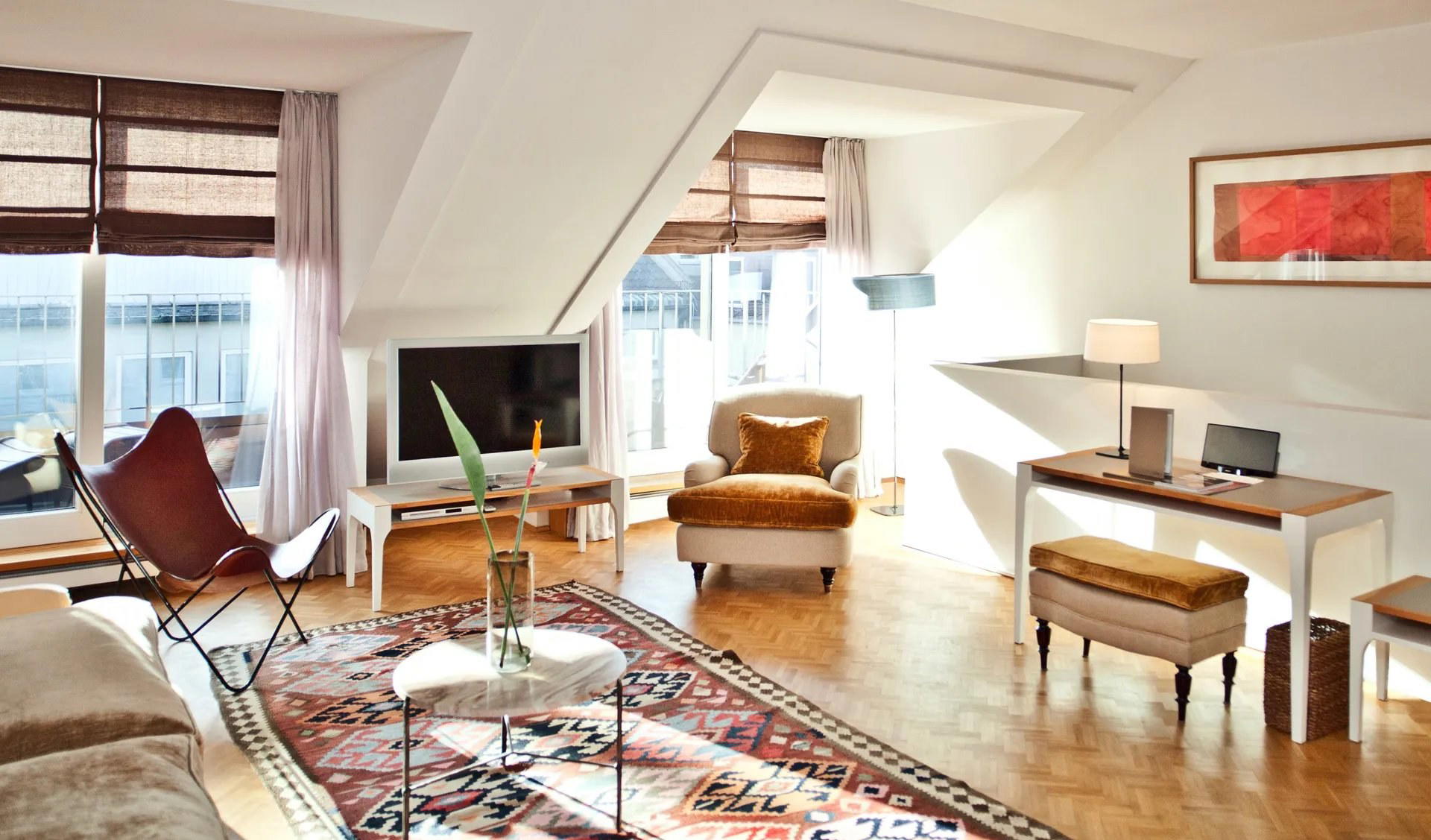
Stylish yet cozy French brasserie atmosphere with mosaic floors, vintage chairs, marble tables, warm lighting, and modern design elements creating a casual yet elegant mood.