
A Michelin Plate-recognised Classic French kitchen in Munich's Au district, Atelier Gourmet holds, a signal of consistency that few neighbourhood restaurants at this price point sustain. The cooking sits a tier below Munich's starred French houses in price and formality, but occupies a distinct space for those who want classical technique without the full fine-dining apparatus.
Pearl is the En Primeur Club membership app — saves, bookings, and concierge access live there. Same editors, same standards.
- Address
- Atelier gourmet, Rablstraße 37, 81669 München, Germany
- Phone
- +49 89 487220
- Website
- ateliergourmet.de
- Directions
- Get directions
 Saves & bookings on Pearl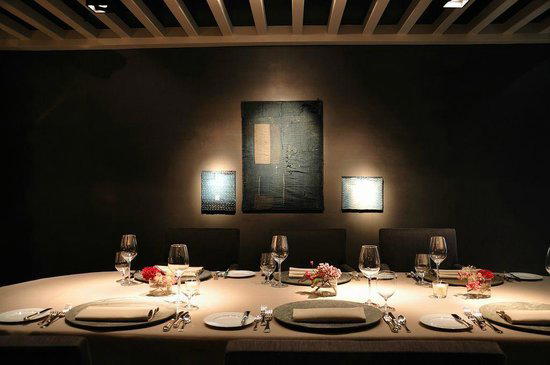
Classic French in a City That Does Both Ends Well
Munich's French dining offer has always split between two poles: the grand institutional houses, Tantris, with its two Michelin stars and decades of accumulated mythology, or Alois - Dallmayr Fine Dining, where creative cooking meets one of Germany's most storied food addresses, and the casual bistro tier that trades precision for atmosphere. What sits between those two poles is harder to find: a kitchen that treats classical French technique as an active practice rather than a marketing shorthand, without demanding the full commitment of a multi-course tasting menu at €€€ pricing.
Atelier Gourmet, at Rablstraße 37 in the Au neighbourhood southeast of the Isar, occupies that middle band. A Michelin Plate recognition in both 2024 and 2025 confirms a baseline of consistent kitchen quality, the Plate designation signals food good enough to warrant attention, without the starred tier's expectation of faultless formal execution.
The Au District and What It Means for a Dining Room Like This
The Au is not Munich's obvious restaurant quarter. The city's higher-visibility dining cluster runs through Maxvorstadt, the old town, and the hotel-anchored streets of the centre. Au sits further south, residential in character, with a local clientele that tends toward regulars rather than tourists. For a kitchen practising Classic French, a cuisine that rewards familiarity and repeat visits, that neighbourhood dynamic matters. The cooking here is likely shaped by who comes back, not just who visits once.
That neighbourhood positioning also affects sourcing patterns. Munich's proximity to Bavaria's farming belt, the Alpine foothills, and the broader southern German agricultural corridor gives kitchens in the city genuine seasonal range. Classic French technique, applied to produce arriving from that regional geography, tends to produce food that shifts with the market rather than running a fixed year-round menu. This is the editorial angle worth paying attention to at Atelier Gourmet: the tension between a codified French tradition and an ingredient supply that changes week by week.
What Classic French Actually Means Here
Classic French is one of the more abused labels in European dining. At its worst, it means frozen-in-time repertoire: overworked sauces, tired plating conventions, reverence for technique as its own justification. At its leading, it means a kitchen with genuine command of the fundamentals, stocks built over days, fat used deliberately, acidity balanced with precision, applied to whatever the season is offering. The Michelin Plate, awarded consecutively, suggests the latter rather than the former.
For context on where that tier sits in Germany's broader French dining picture: the country has a number of reference-point Classic French kitchens at the starred level, including Vendôme in Bergisch Gladbach and Schwarzwaldstube in Baiersbronn, both operating at the three-star tier. Atelier Gourmet operates well below that price and formality level, which makes the Michelin recognition more meaningful in context: it sits in a competitive Munich scene that includes Tohru in der Schreiberei at three Michelin stars and a range of creative kitchens like JAN. Holding Plate recognition in that context is not a given.
Beyond Munich, Germany's current restaurant scene includes strong format experiments, CODA Dessert Dining in Berlin remakes the dessert course into a full dining format, while Aqua in Wolfsburg and ES:SENZ in Grassau anchor the country's three-star tier. Against that backdrop, a Plate-level Classic French kitchen is a specific, deliberate choice rather than a default setting. The European Classic French comparison set runs further: Waterside Inn in Bray and Cheval Blanc by Peter Knogl in Basel both represent the tradition at its upper ceiling. Atelier Gourmet sits at a more accessible point on that same continuum.
Market Logic and Seasonal Sourcing
The case for Classic French as a seasonally responsive cuisine is better than the cuisine's reputation for rigidity might suggest. The foundational techniques, braising, roasting, sauce reduction, careful fat rendering, perform differently depending on the raw material. A kitchen sourcing from Bavarian markets in autumn, when game, root vegetables, and mushrooms dominate, is cooking a fundamentally different menu than it runs in early summer when asparagus and lighter produce shift the structure. Classic French accommodates both directions without requiring reinvention.
Munich's Viktualienmarkt and the network of regional suppliers feeding the city's kitchens give restaurants at every price point access to produce that moves with the calendar. At the €€€ tier, where the restaurant operates, that sourcing relationship often determines the menu's daily character more directly than at the starred tier, where multi-course tasting formats can buffer against supply variation. A shorter, market-driven menu at this price point is both a practical response to supply and a genuine commitment to cooking what is currently at its leading.
How It Fits Into Munich's Broader Restaurant Picture
For readers building a Munich dining itinerary, the city's French offer now covers a wider range than it did a decade ago. The two-star houses (Tantris, Alois - Dallmayr) require early booking and carry significant per-head commitments. The bistro tier is well populated but technically inconsistent. The restaurant fills a gap: Michelin-recognised execution, residential neighbourhood setting, and a price band that allows for wine without the full occasion-dining overhead. Visitors who have already experienced Munich's starred tier, or who are saving that commitment for one meal, can use this as a mid-week dining option without trading down significantly on kitchen quality.
Also worth considering in the wider Munich scene: Trichards, which represents a different culinary tradition in the city's dining mix. Restaurant Haerlin in Hamburg offers a northern German point of comparison for Classic French technique at the starred level. The full picture of what Munich's tables offer is covered in our full Munich restaurants guide, with supporting context in our Munich hotels guide, our Munich bars guide, our Munich wineries guide, and our Munich experiences guide.
Planning a Visit
The restaurant is located at Rablstraße 37, 81669 München, in the Au district. The €€€ pricing sits below Munich's starred French tier, making it one of the more accessible Michelin-recognised options in the city for Classic French cooking. Booking in advance is advisable for a kitchen running at this recognition level in a residential neighbourhood, local regulars tend to fill tables ahead of casual visitors.
Pricing, Compared
Comparable venues nearby, for context on price, style, and recognition.
| Venue | Cuisine | Price | Awards | Notes |
|---|---|---|---|---|
| Atelier GourmetThis venue — the venue you are viewing | Au, Modern French Bistro | $$$ | Michelin Plate | Not listed |
| Brasserie Colette Tim Raue | Ludwigsvorstadt, Modern French Brasserie | $$$ | Michelin Plate | Not listed |
| Trichards | Lehel, French Wine Bar | $$$ | Michelin Plate | Not listed |
| buffet Kull bar | Altstadt, French Brasserie | $$$ | Michelin Plate | Not listed |
| Le Stollberg | Not listed | $$$ | Michelin Plate | Altstadt, French-Mediterranean Fine Dining |
| Freisinger Hof | Oberföhring, Bavarian-Austrian Classics | $$$ | Michelin Plate | Not listed |
Recognition history
Dated appearances from independent guides and award organizations, with the underlying list record or original source where available.
Michelin Plate
Michelin · 2026 Michelin Plate
Michelin Plate
Michelin
Michelin Plate
Michelin
At a Glance
- Intimate
- Cozy
- Elegant
- Lively
- Date Night
- Special Occasion
- Business Dinner
- Open Kitchen
- Extensive Wine List
Current opening hours
- Monday
- 6–10:30 PM
- Tuesday
- 6–10:30 PM
- Wednesday
- 6–10:30 PM
- Thursday
- 6–10:30 PM
- Friday
- 6 PM–12 AM
- Saturday
- Closed
- Sunday
- Closed
Hours can change for holidays and private events. Last verified .
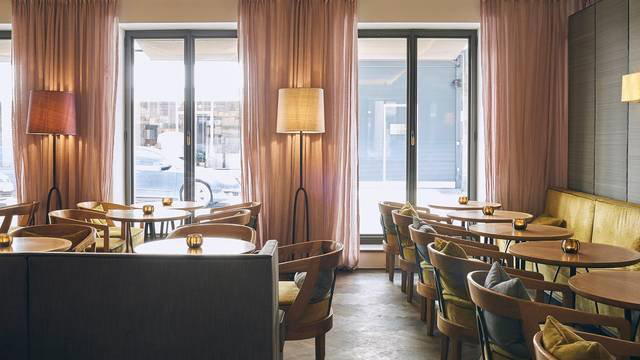
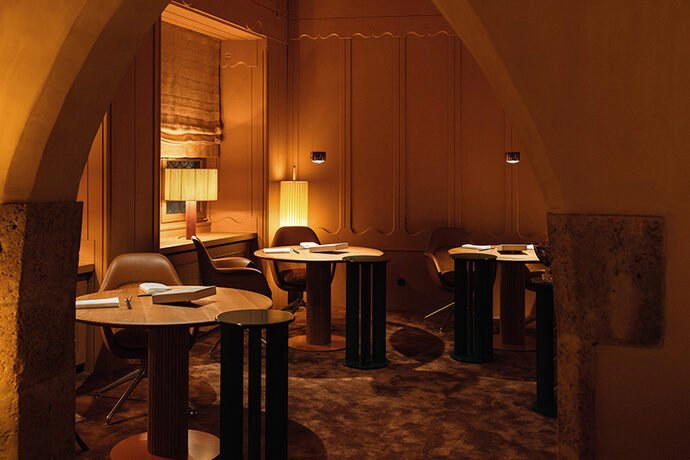
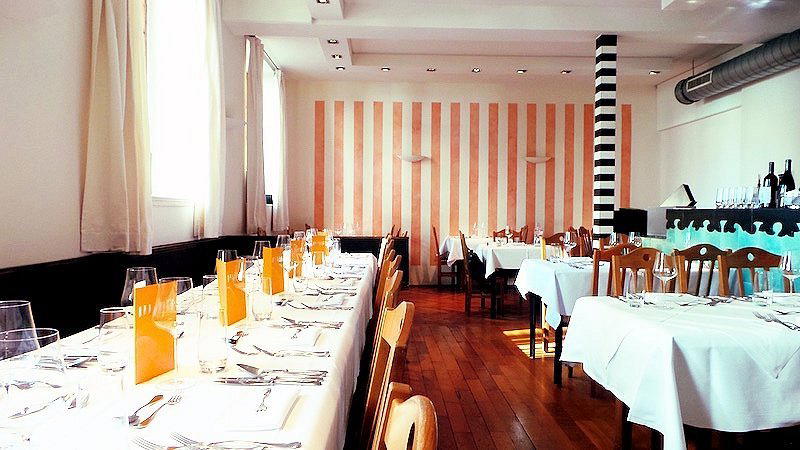
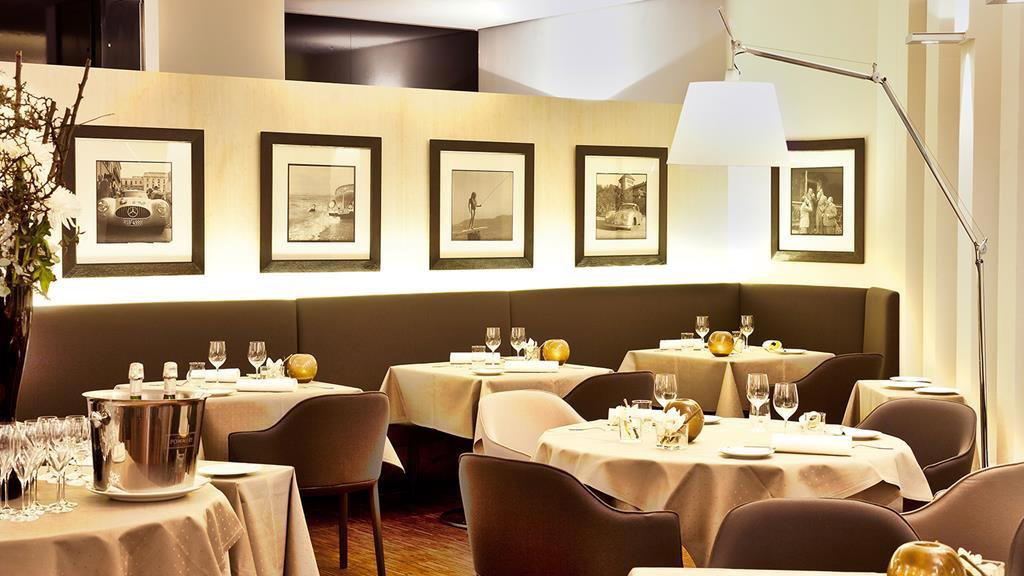
Cozy, intimate with French feel-good atmosphere, warm lighting implied by relaxing and chic descriptions, though cramped spaces can become somewhat noisy with larger groups.