Brasserie Bijgaarden

The kitchen works within a classic cuisine framework, where produce quality and technique carry the weight rather than theatrical presentation. For Groot-Bijgaarden, it represents a dependable address for serious, ingredient-led cooking.
Pearl is the En Primeur Club membership app — saves, bookings, and concierge access live there. Same editors, same standards.
- Address
- Isidoor van Beverenstraat 20, 1702 Dilbeek, Belgium
- Phone
- +32 2 464 20 90
- Website
- brasseriebijgaarden.be
- Directions
- Get directions
 Saves & bookings on Pearl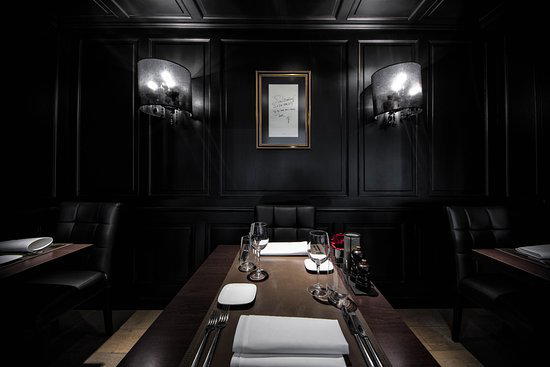
Classic Brasserie Cooking in the Brussels Periphery
The drive west from central Brussels along the N8 deposits you into a quieter register of Flemish life, where the density of the capital gives way to residential streets and the occasional well-kept restaurant facade. Groot-Bijgaarden sits in this transitional zone, close enough to Brussels to draw a professional dining crowd but far enough removed to retain the unhurried pace that suits a longer, considered meal. Brasserie Bijgaarden, at Isidoor van Beverenstraat 20 in the Dilbeek municipality, occupies exactly this social geography: a destination with a city-adjacent pull and a neighbourhood-scale atmosphere.
In Belgium, the classic brasserie format carries specific expectations. Cooking that leans on French technique, ingredients treated with restraint rather than reinvention, and a room where conversation does not compete with concept. That contract is well-understood by the country's dining public, and Brasserie Bijgaarden operates squarely within it. The 2024 Michelin Plate recognition signals cooking that meets the guide's threshold for quality without the price escalation that accompanies a star.
Where the Food Comes From
Classic Belgian cuisine at this level is inseparable from its sourcing logic. The tradition draws on the agricultural abundance of the Brabant and Flemish regions: river fish, game in autumn, white asparagus in spring, and a cattle-rearing culture that has long supplied the kitchens of serious Belgian tables. Restaurants in the classic cuisine bracket do not typically perform their sourcing through menu annotations or tableside provenance speeches. The evidence is in the product itself, the texture of a properly aged cut, the freshness of a sole that arrived that morning, the sweetness of asparagus pulled within the previous 24 hours.
Belgian white asparagus, harvested between late March and early June from the sandy soils of Mechelen and the Campine region, exemplifies how classic kitchens here treat seasonal produce. The asparagus is thick, pale, and faintly bitter in a way that disappears with precise blanching. It is not a garnish; it is a centrepiece, traditionally served with mousseline or a Flemish butter sauce that lets the vegetable carry the plate. This kind of produce-first logic, where the kitchen's job is to not get in the way, is the defining discipline of the classic cuisine category.
For comparison, the more creative end of Belgian fine dining, represented by addresses such as Boury in Roeselare or De Jonkman in Sint-Kruis, both holding multiple Michelin stars at the €€€€ tier, uses sourcing as a starting point for transformation. The classic brasserie tradition inverts that: transformation is minimal, and sourcing is the statement. It is a different ambition.
Placing Brasserie Bijgaarden in Its Competitive Tier
The €€€ price tier in Belgium sits between the accessible neighbourhood bistro and the full-ceremony tasting menu restaurants. At this level, the kitchen is expected to deliver technically sound cooking across a broad menu, not the focused ten-course expression of a starred address, but the range and consistency that serves a table where one guest wants sole meunière and another wants côte à l'os. Maintaining that breadth without declining into mediocrity is a genuine discipline, and it explains why many Belgian restaurants in this bracket hold Michelin Plate recognition rather than stars: the guide acknowledges the cooking is good without rewarding a format that was never designed for the star conversation.
Peer restaurants in this context include established Brussels-adjacent brasseries and the capital's classic French-Belgian institutions. Bozar Restaurant in Brussels operates in a comparable register, drawing on Belgian produce within a more urban, design-conscious setting. At the higher end of the Belgian Michelin hierarchy, addresses such as Hof van Cleve in Kruishoutem, Zilte in Antwerp, and Castor in Beveren represent what the category looks like when format ambition and price escalate together. The restaurant is not competing in that register.
The classic cuisine category also has meaningful international parallels. Maison Rostang in Paris and KOMU in Munich both operate within the classic framework in their respective cities, and readers familiar with those addresses will recognise the same underlying commitment: seasonal produce, refined technique, and a room that prioritises the guest's comfort over the kitchen's self-expression.
Beyond Groot-Bijgaarden
Readers building a broader Belgian itinerary will find the country's classic and creative dining traditions in productive proximity. Willem Hiele in Oudenburg, Bartholomeus in Heist, Cuchara in Lommel, and d'Eugénie à Emilie in Baudour each represent distinct regional expressions of Belgian fine dining, covering the coast, Flanders, and the south.
Planning Your Visit
The restaurant is located at Isidoor van Beverenstraat 20, 1702 Dilbeek, a short drive from central Brussels and accessible via the N8 corridor. The €€€ pricing positions it as a considered dinner or weekend lunch rather than a casual drop-in, though the brasserie format means the occasion does not require formal ceremony. Given the consistent volume of reviews, booking ahead is advisable, particularly for weekend service and the spring asparagus season when demand for classic Belgian produce cooking typically peaks.
Comparison Snapshot
Comparable venues nearby, for context on price, style, and recognition.
| Venue | Cuisine | Price | Awards | Notes |
|---|---|---|---|---|
| Brasserie BijgaardenThis venue — the venue you are viewing | Classic French Brasserie | $$$ | Michelin Plate | Not listed |
| Gastro Brisk | Belgian | $$$ | Michelin Plate | Groot-Bijgaarden |
| Flacon | Seasonal Bistronomy | $$$ | Michelin Plate | City Center |
| Le Grand Pré | Seasonal French Creative | $$$ | Michelin Plate | Hantes-Wihéries |
| Brugmann | Modern French Fine Dining | $$$ | Michelin Plate | Forest |
| Minerva | Classic French Cuisine | $$$ | Michelin Plate | Antwerp |
Recognition history
Dated appearances from independent guides and award organizations, with the underlying list record or original source where available.
Michelin Plate
Michelin
Continue exploring
More in Groot-Bijgaarden
Restaurants in Groot-Bijgaarden
Browse all →
Bars in Groot-Bijgaarden
Browse all →
At a Glance
- Classic
- Elegant
- Scenic
- Business Dinner
- Date Night
- Family
- Terrace
- Historic Building
- Garden
Current opening hours
- Monday
- 11:30 AM–11:30 PM
- Tuesday
- 11:30 AM–11:30 PM
- Wednesday
- 11:30 AM–11:30 PM
- Thursday
- 11:30 AM–11:30 PM
- Friday
- 11:30 AM–11:30 PM
- Saturday
- 6–11:30 PM
- Sunday
- Closed
Hours can change for holidays and private events. Last verified .
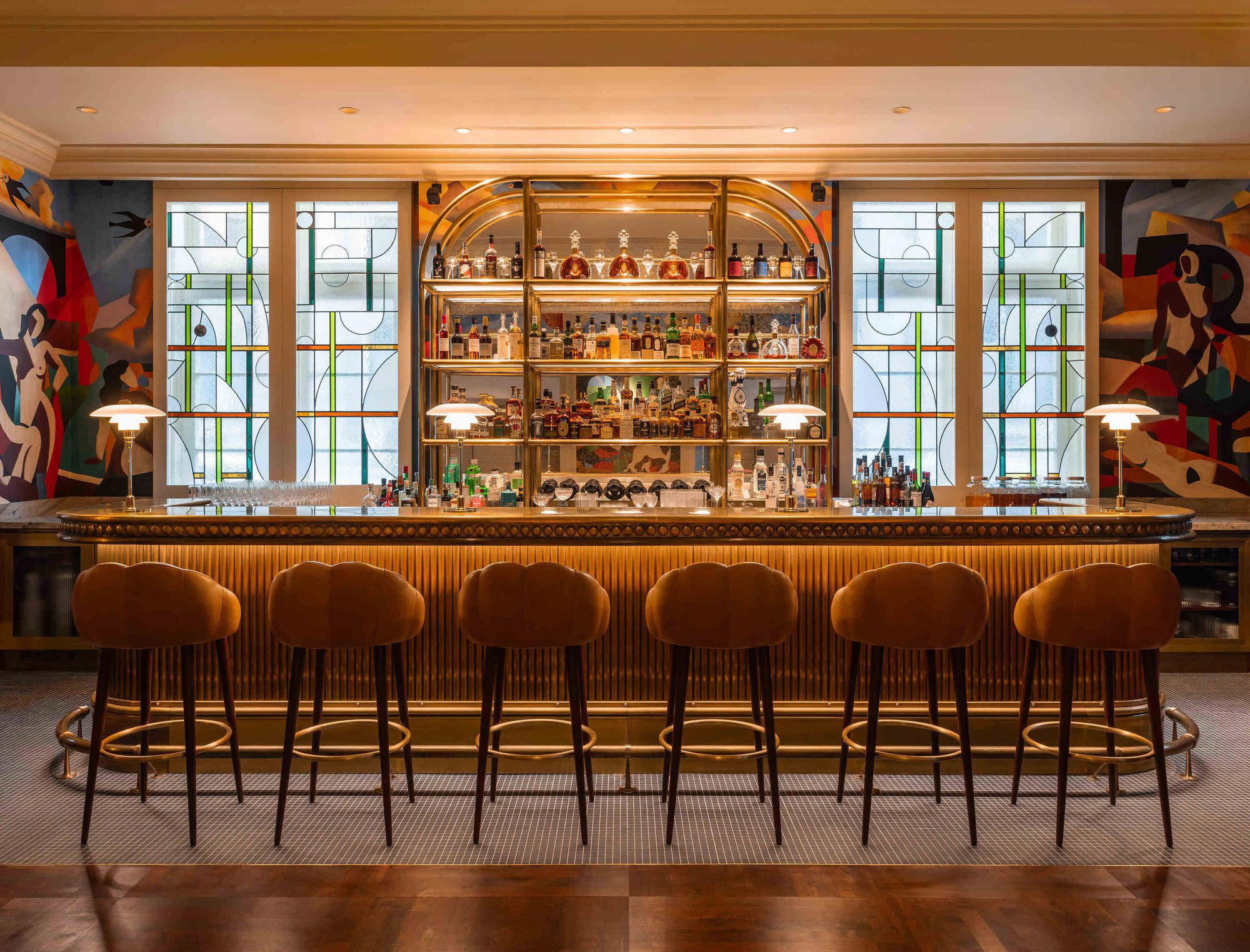
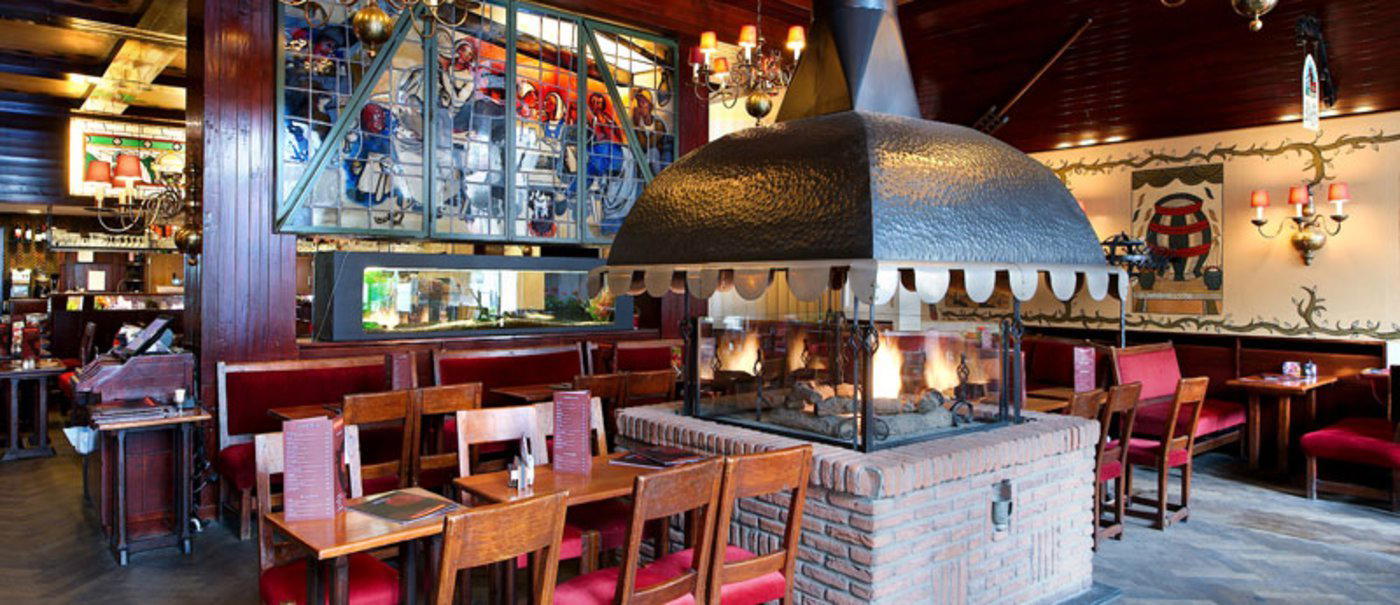
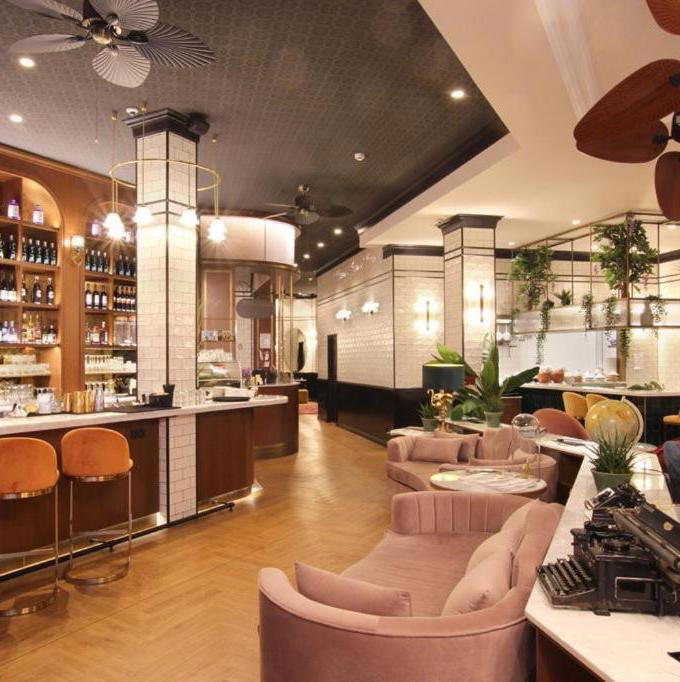
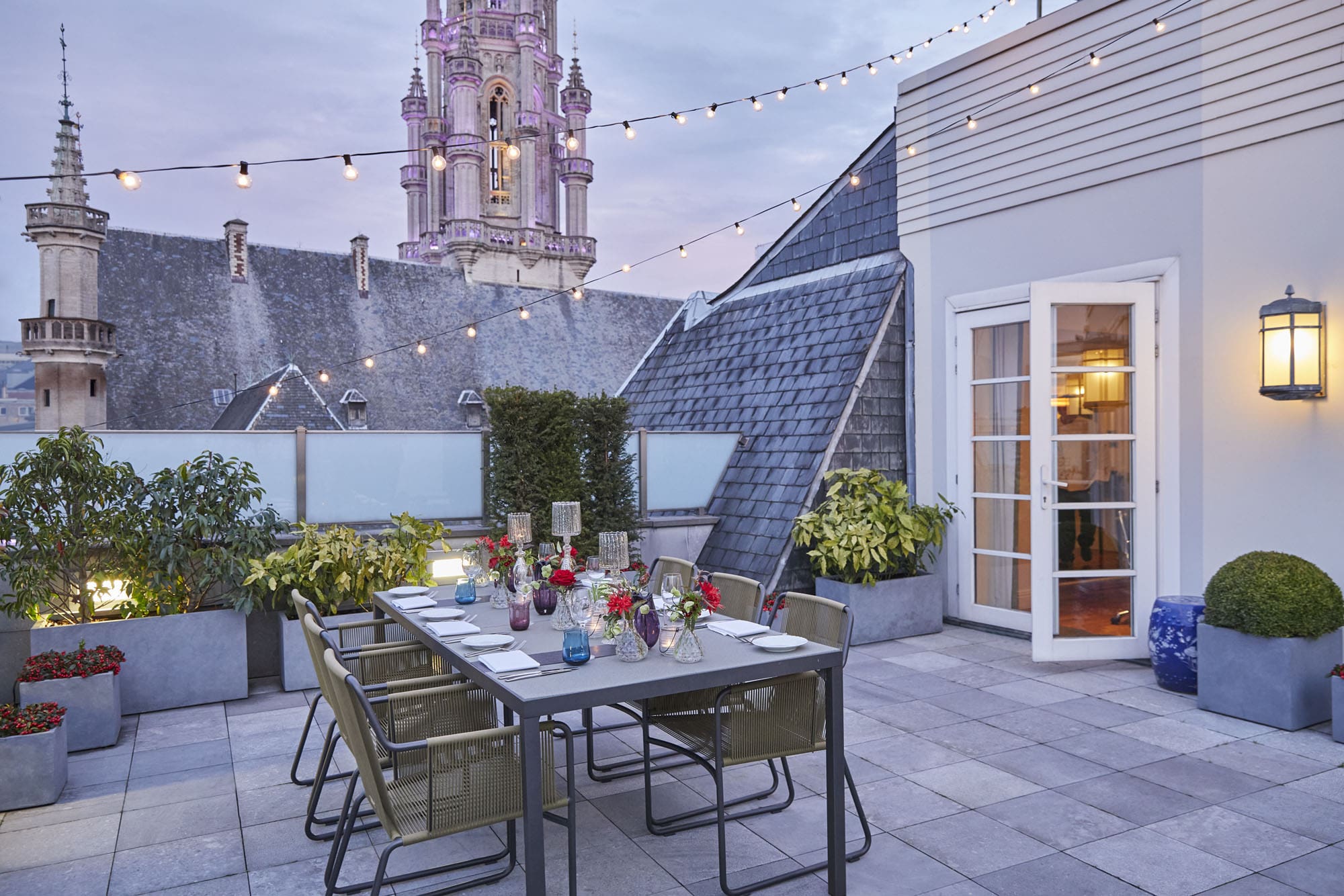
Tastefully decorated interior with comfortable spacing between tables and an idyllic terrace under trees evoking a forest atmosphere.