
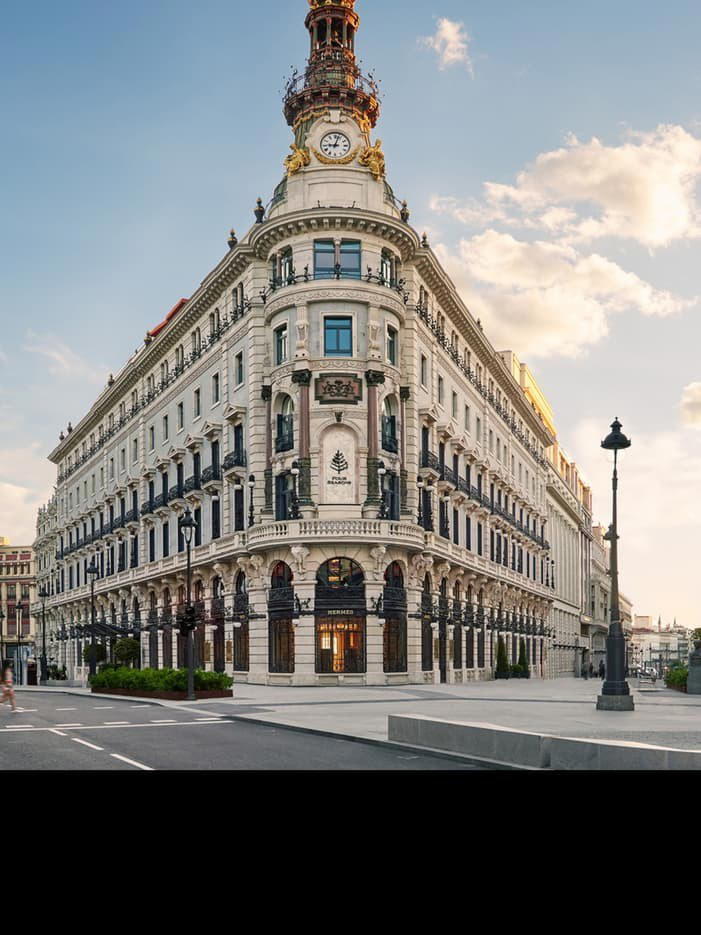
Located on Gran Vía, Madrid's most commercially charged boulevard, Brach Madrid operates as a restaurant and hotel hybrid carrying a White Star from Star Wine List, a recognition that signals serious wine programming. Positioned within a city where the top tier skews toward tasting-menu formality, Brach offers a distinct register, one where the dining room and the cellar speak equally loudly.
 Discover on Pearl
Pearl is the En Primeur Club membership app — saves, bookings, and concierge access live there. Same editors, same standards.
- Address
- Gran Vía, 20, Centro, 28013 Madrid, Spain
- Phone
- +34 915 46 36 39
- Website
- brachmadrid.com
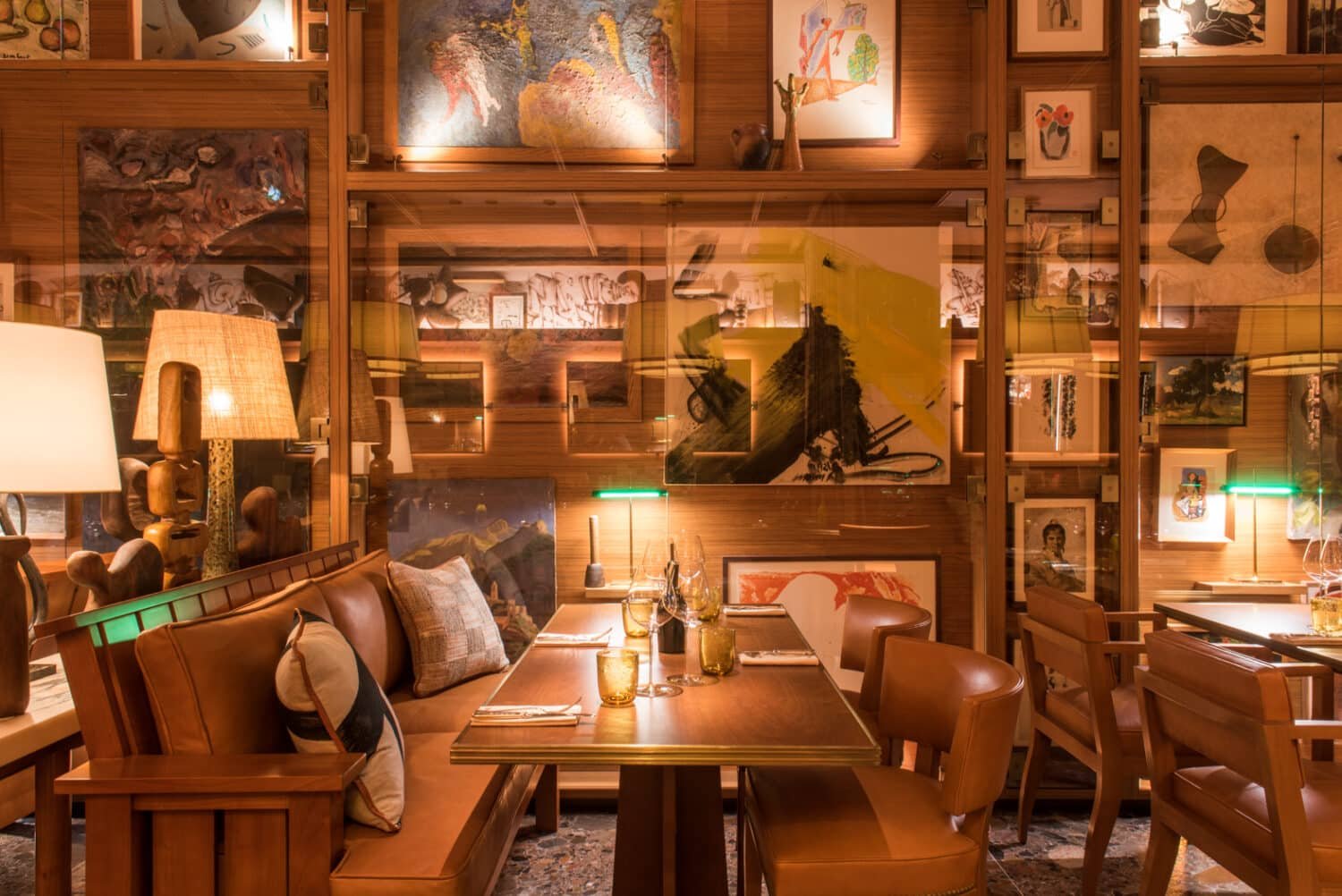
Gran Vía, After Hours: What Brach Madrid Tells You About the City's Dining Drift
Gran Vía is Madrid's most scrutinized street, and not always for the right reasons. Tourism-facing restaurants dominate stretches of it, their menus designed for a one-night audience rather than a returning one. What makes Brach Madrid's position at number 20 worth noting is precisely the contrast: a restaurant in Madrid's Centro district with a curated wine programme, rather than the kind of cursory wine list that Gran Vía neighbours typically offer. That recognition, published in January 2025, signals something different from the boulevard's prevailing register.
Madrid's dining conversation has been dominated, for the better part of a decade, by the tasting-menu format at the upper end. DiverXO, Coque, Deessa, DSTAgE, and Paco Roncero each operate within a formal, sequenced framework priced at €€€€. Brach operates as a counterpoint to that format, occupying a space where hotel dining and wine-led hospitality intersect rather than where procession tasting menus define the experience. These are different competitive sets, and conflating them misreads what Brach is doing.
The Wine Recognition and What It Actually Means
Star Wine List's White Star classification is assigned to venues where the wine programme demonstrates genuine curation rather than default distribution relationships. For a restaurant embedded within a hotel on Gran Vía, earning that recognition in early 2025 is a signal worth reading carefully. Hotel restaurants in major European cities frequently treat the wine list as secondary infrastructure, adequate, safe, profitable. A White Star suggests the opposite: deliberate selection, range across regions and formats, and the kind of list that rewards the guest who asks the sommelier what they're excited about.
Spain's wine geography runs wide and deep: Rioja and Ribera del Duero anchor the familiar tier, but Priorat, Bierzo, Jerez, Galicia's Rías Baixas, and the increasingly discussed wines of the Canary Islands and Extremadura all offer entirely different idioms. A wine programme worth a White Star in Madrid will typically give access to more than one of those conversations. Whether Brach's list extends toward those less obvious corners is best confirmed on the current card.
For broader context on Spanish fine dining where wine and ingredient sourcing intersect at the highest level, Ángel León's Aponiente in El Puerto de Santa María remains the clearest example of a restaurant built entirely around a single sourcing philosophy, while El Celler de Can Roca in Girona and Azurmendi in Larrabetzu demonstrate how Catalan and Basque kitchens use regional ingredient identity as structural logic. Arzak in San Sebastián, Martín Berasategui in Lasarte-Oria, and Cocina Hermanos Torres in Barcelona each tell a version of the same story: sourcing geography and kitchen philosophy are not separate decisions.
Ingredient Sourcing in Madrid's Context
Madrid is a landlocked capital, which has always shaped its relationship to produce. The city's culinary identity was historically built on Castilian roasting traditions, the cochinillo and cordero of Segovia's wood-fired ovens are the most cited examples, and on a market infrastructure (Mercado de San Miguel, Mercado de Maravillas, and the wholesale hubs feeding professional kitchens) that imports from every Spanish coast and region. Galician seafood arrives daily. Extremaduran ibérico produces anchor charcuterie programmes across price tiers. Vegetable sourcing from the Huerta of Valencia or the market gardens of Murcia supplies kitchens that have made ingredient quality a selling point rather than an assumption.
For a hotel restaurant at this address, the sourcing question matters precisely because it is easy to get wrong. The most efficient choice for a high-volume hotel kitchen is consistent, centrally sourced produce with predictable cost structure. The more interesting choice is a kitchen that uses Spanish regional geography as a menu-building tool, letting the Castilian season and the broader Iberian larder dictate what appears on the plate rather than the other way around.
That question of sourcing ambition is the one to bring to a first visit. Menu composition at any point in the year will tell you whether the kitchen treats Spanish regional ingredients as provenance story or as operational reality.
The Hotel-Restaurant Format on a Street Like Gran Vía
Internationally, the hotel restaurant has undergone significant repositioning over the past fifteen years. Properties in Paris, London, and New York that once maintained dining rooms primarily to serve guests who didn't want to leave the building have, in several cases, built food and beverage programmes that attract non-resident diners as the primary audience. In Madrid, this shift is still unevenly distributed. Several five-star properties on and near Gran Vía operate dining programmes that are competent without being compelling. The presence of a named wine credential at Brach places it in a smaller subset that is actively trying to be the latter.
Internationally, the comparison points are instructive: Le Bernardin in New York demonstrates how a singular sourcing philosophy, in that case, exceptional seafood from specific fisheries, can define an entire restaurant's identity across decades. Emeril's in New Orleans takes a different approach, using regional Southern Gulf ingredients as the core of a recognizable culinary identity. Both cases show that sourcing clarity produces identity clarity.
Planning a Visit
Brach Madrid sits at Gran Vía, 20, in the Centro district, within walking distance of the major Metro interchanges at Gran Vía station (lines 1 and 5) and Callao. The address makes it logistically direct to combine with broader Centro visits or with evenings that start elsewhere in the neighbourhood. Given its dual identity as hotel and restaurant, guests staying elsewhere in the city should approach it as a dining destination rather than assuming the restaurant exists primarily for hotel residents.
The wine programme is actively maintained, and guests may want to ask what is currently pouring by the glass.
For the fuller Madrid picture, our complete Madrid restaurants guide maps the city's dining tiers, and our guides to Madrid hotels, Madrid bars, Madrid wineries, and Madrid experiences cover the wider range of what the city offers across formats and price points.
At-a-Glance Comparison
Comparable venues nearby, for context on price, style, and recognition.
| Venue | Cuisine | Price | Awards | Notes |
|---|---|---|---|---|
| Brach MadridThis venue — the venue you are viewing | Modern Mediterranean with Middle Eastern Accents | $$$$ | 1 recognition | |
| Restaurante Papagena | Creative Mediterranean Fusion | $$$$ | , | Palacio |
| Pabblo | Mediterranean & International Classics with Live Entertainment | $$$$ | , | Cuatro Caminos |
| La Botillería | Modern Mediterranean Gastrobar | $$$ | , | Palacio |
| El Jardín de Orfila | Modern Mediterranean Fine Dining | $$$ | 1 recognition | Almagro |
| Restaurante Más de Santa | Mediterranean-Asian Fusion | $$$$ | , | Lista |
Continue exploring
More in Madrid
Restaurants in Madrid
Browse all →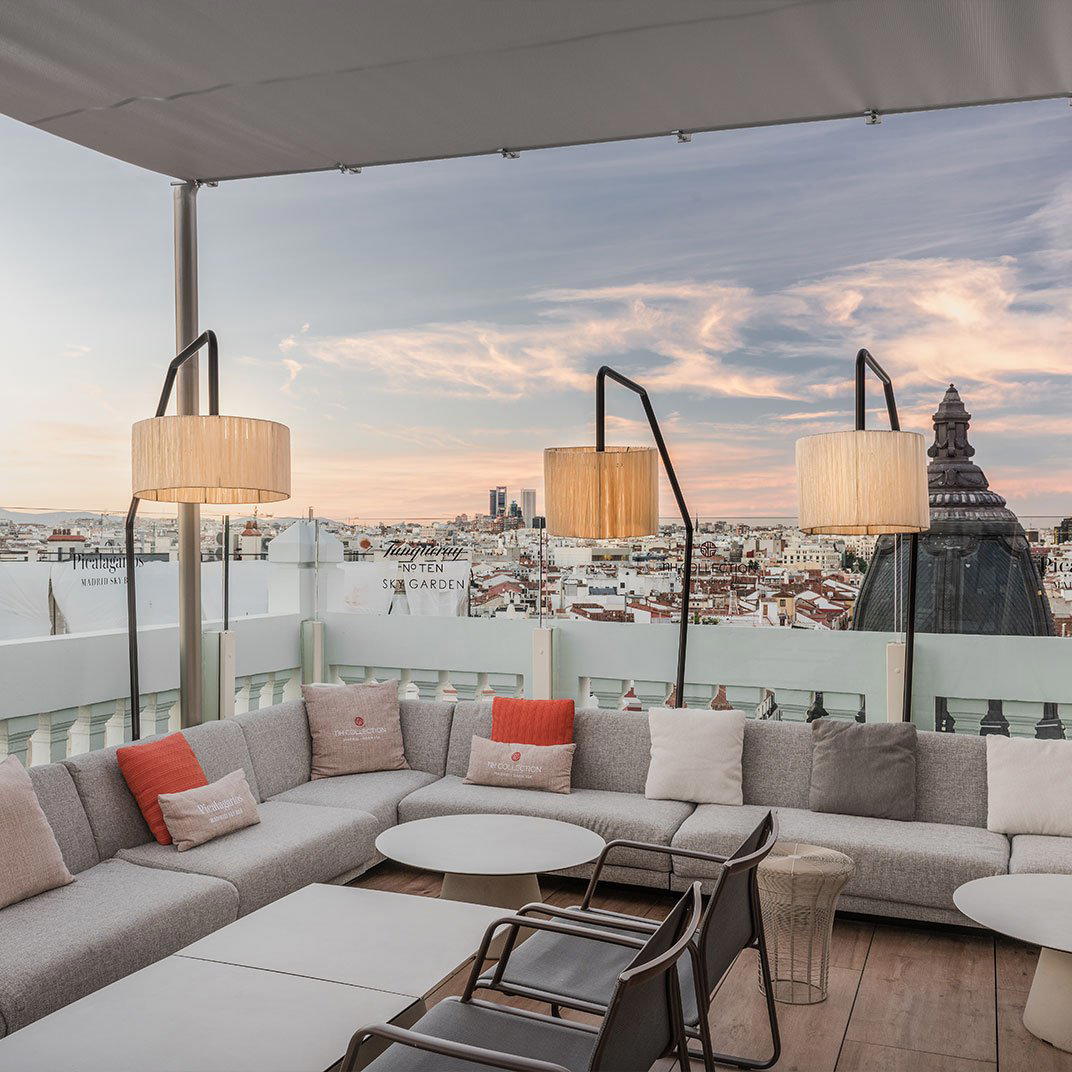
At a Glance
- Trendy
- Elegant
- Modern
- Lively
- Sophisticated
- Date Night
- Brunch
- Special Occasion
- Group Dining
- Open Kitchen
- Hotel Restaurant
- Design Destination
- Craft Cocktails
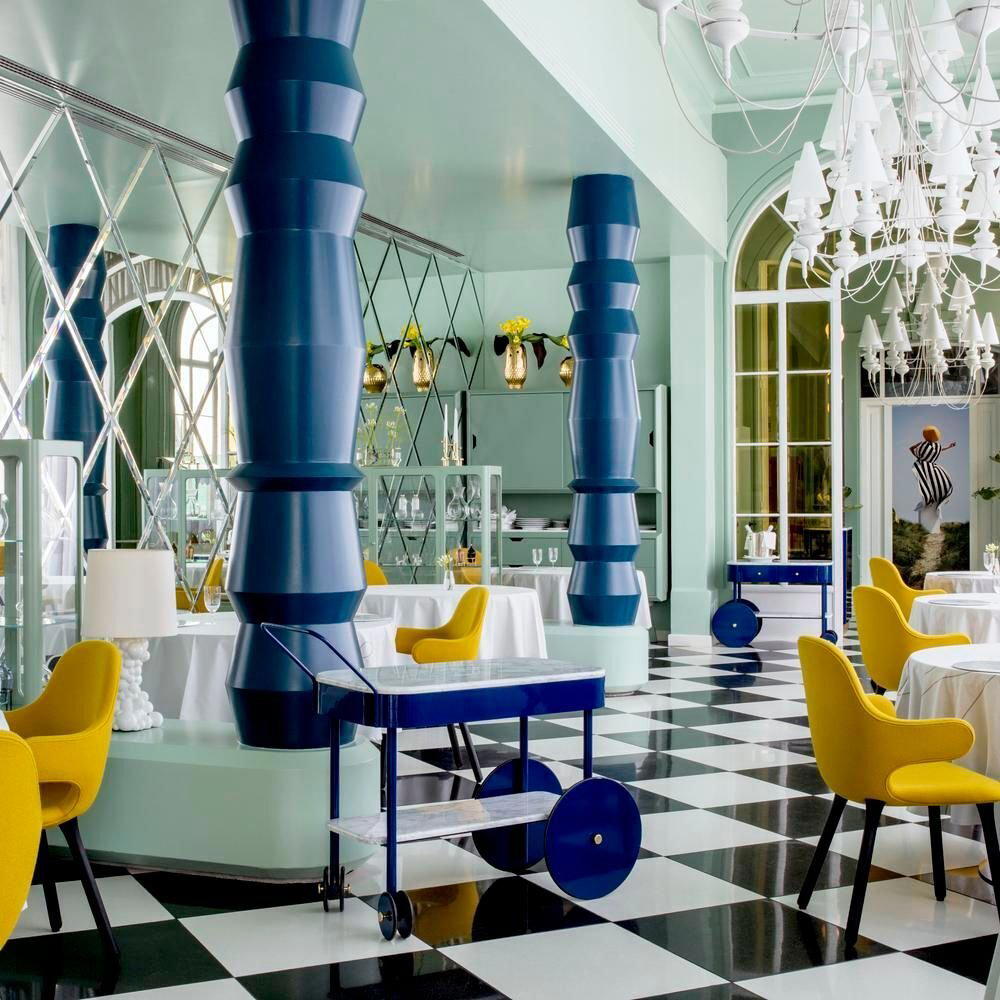
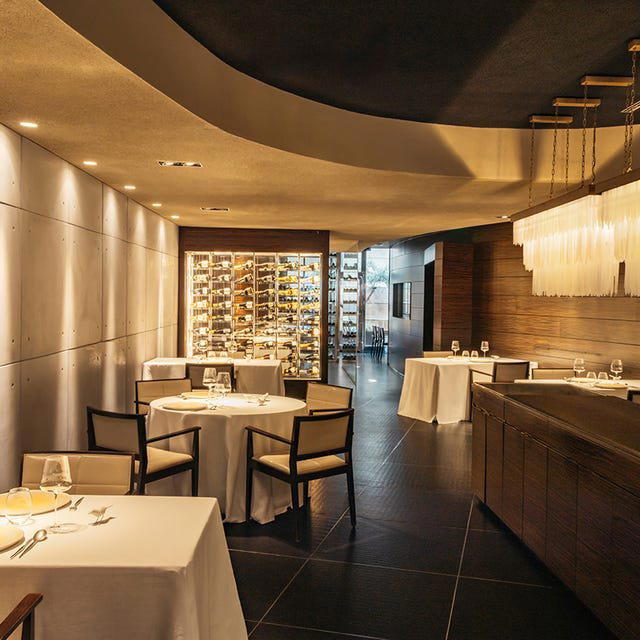
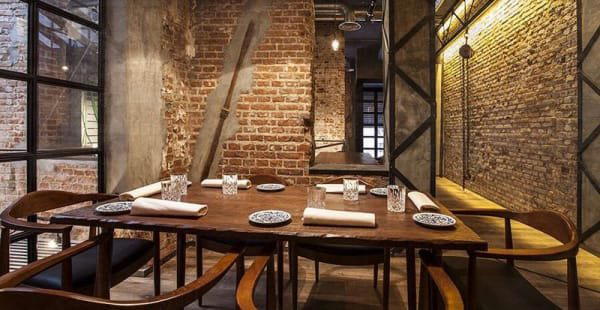
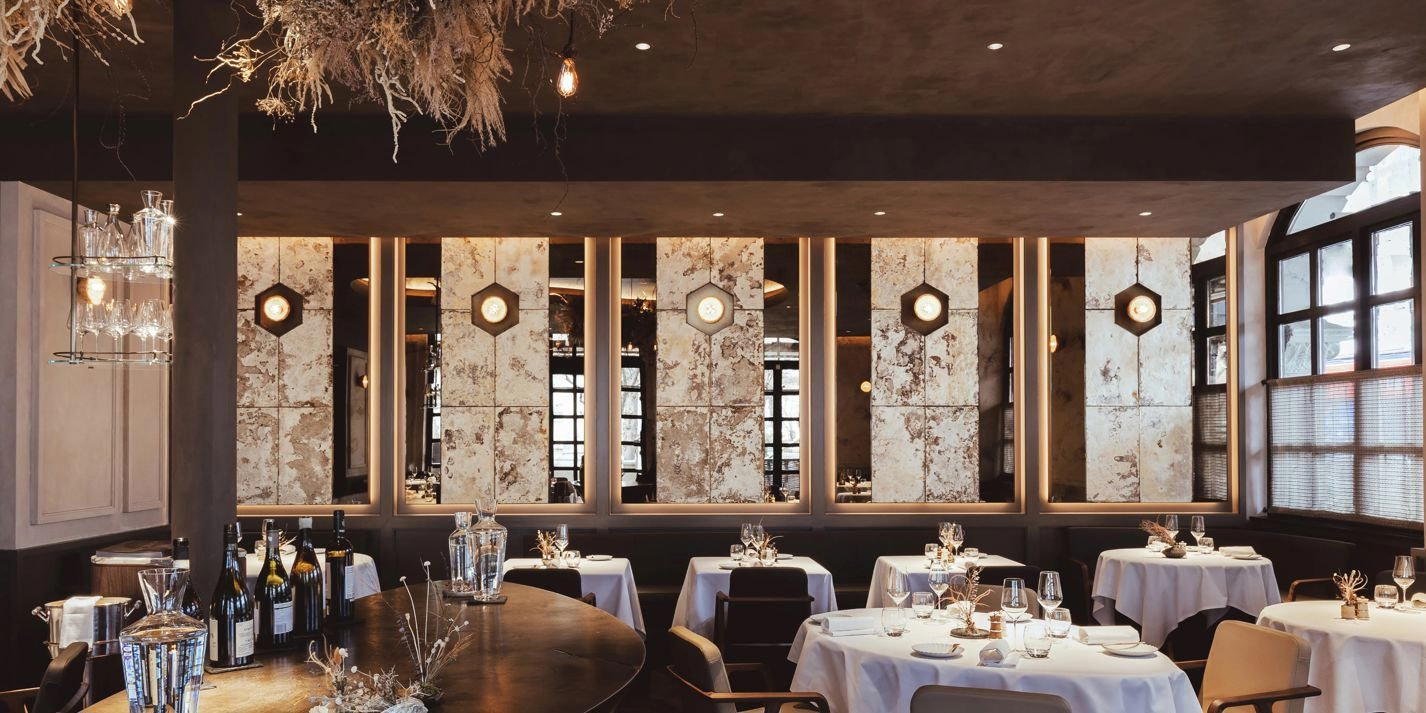
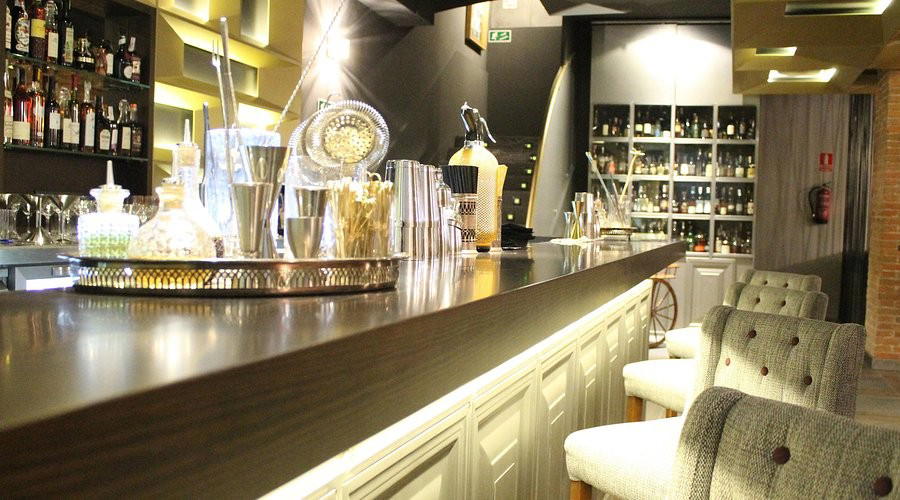
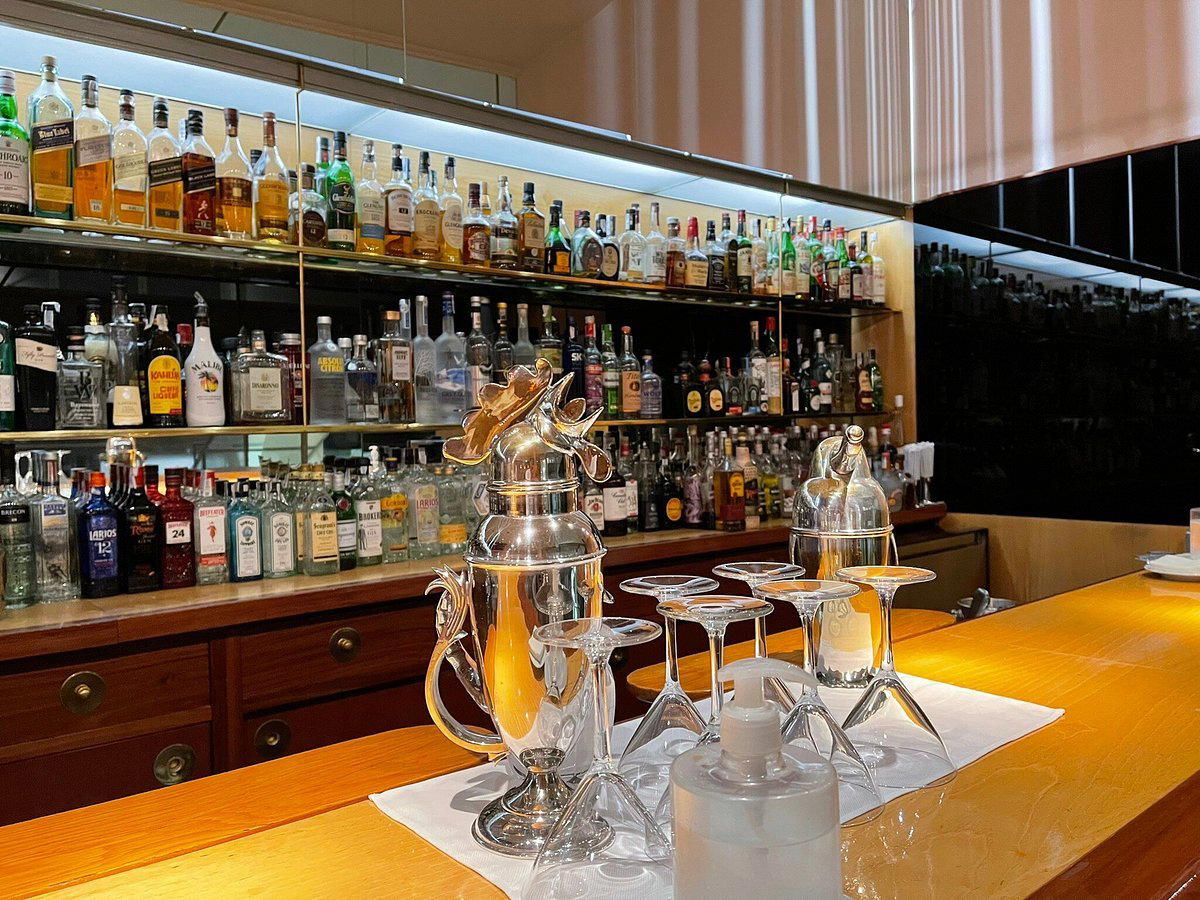
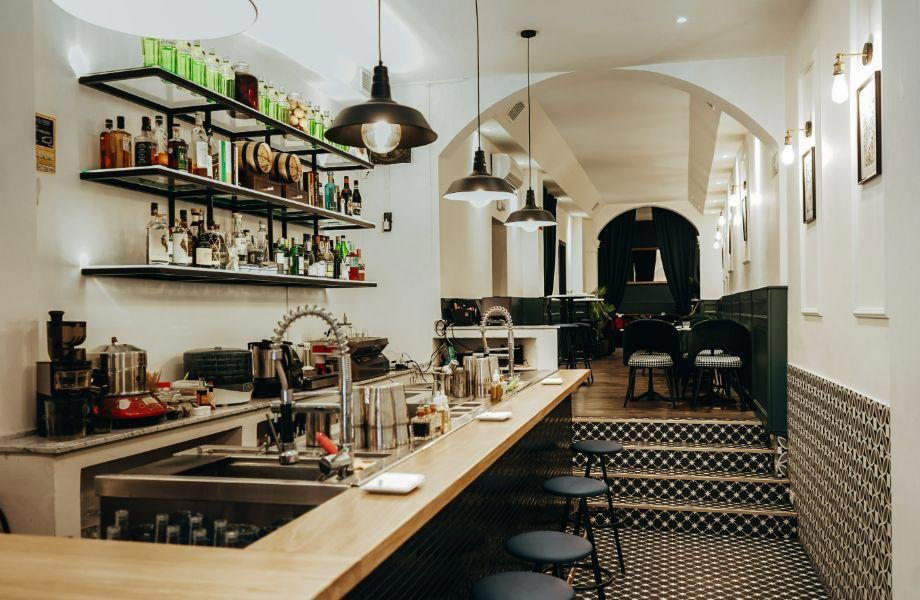
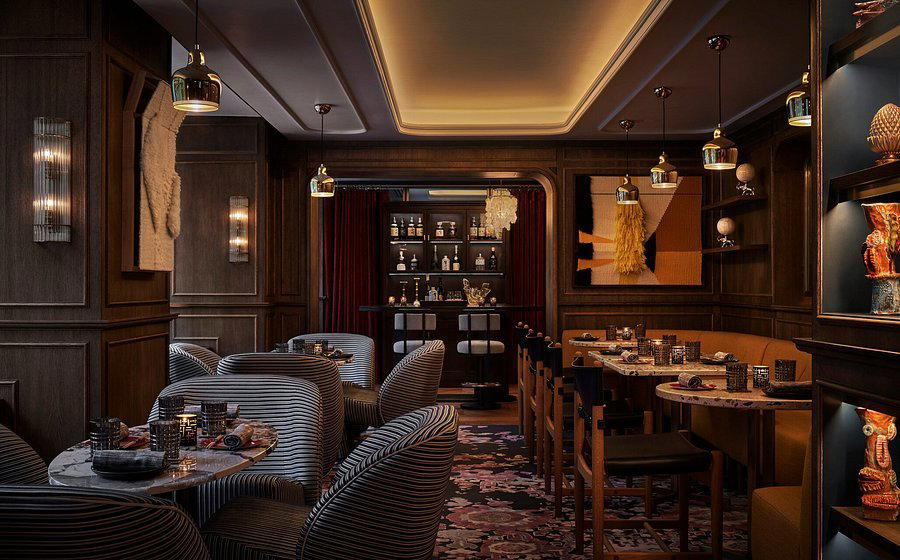
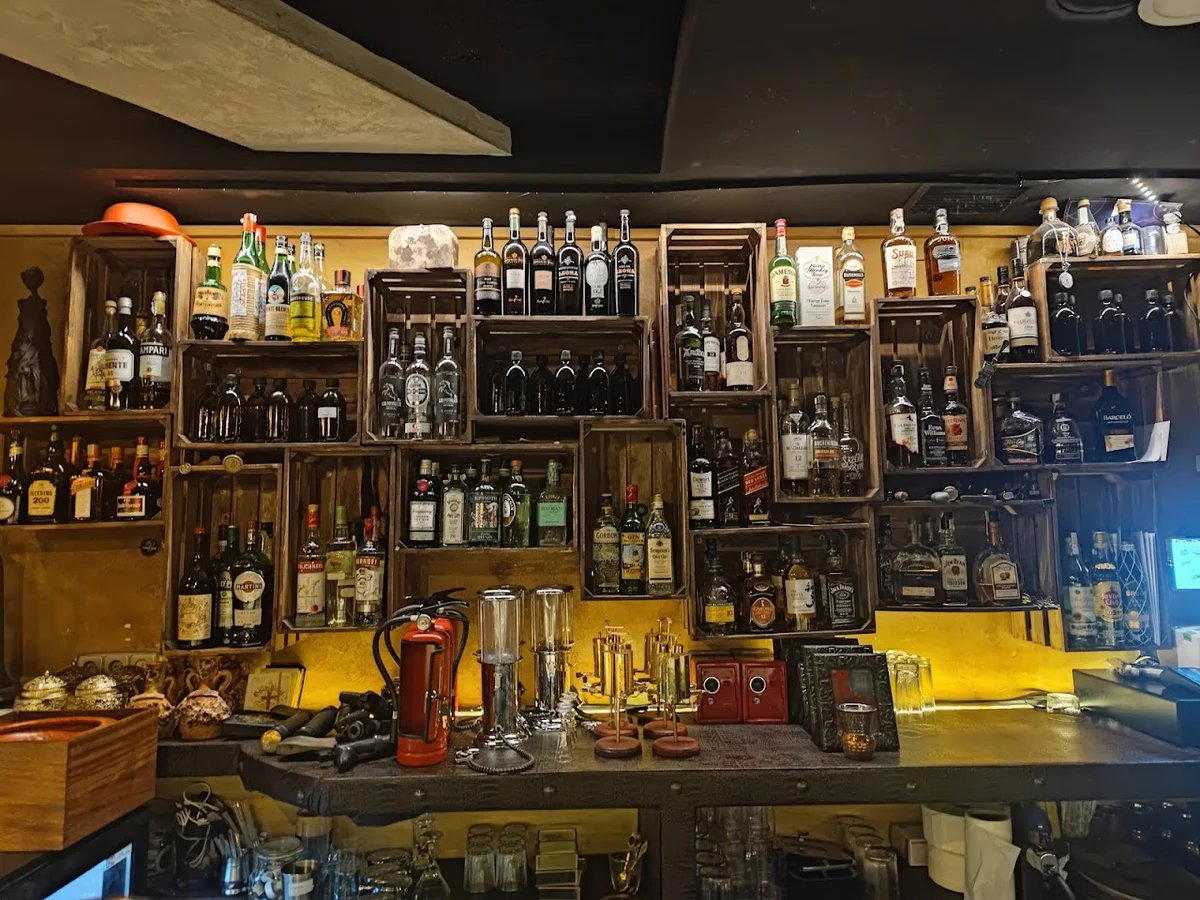
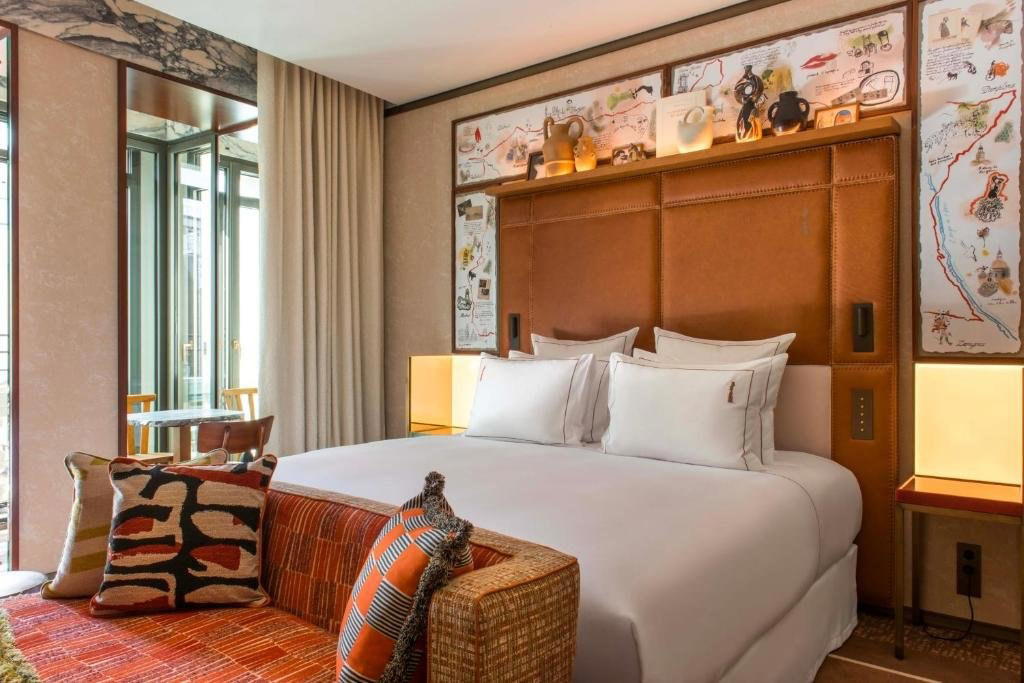
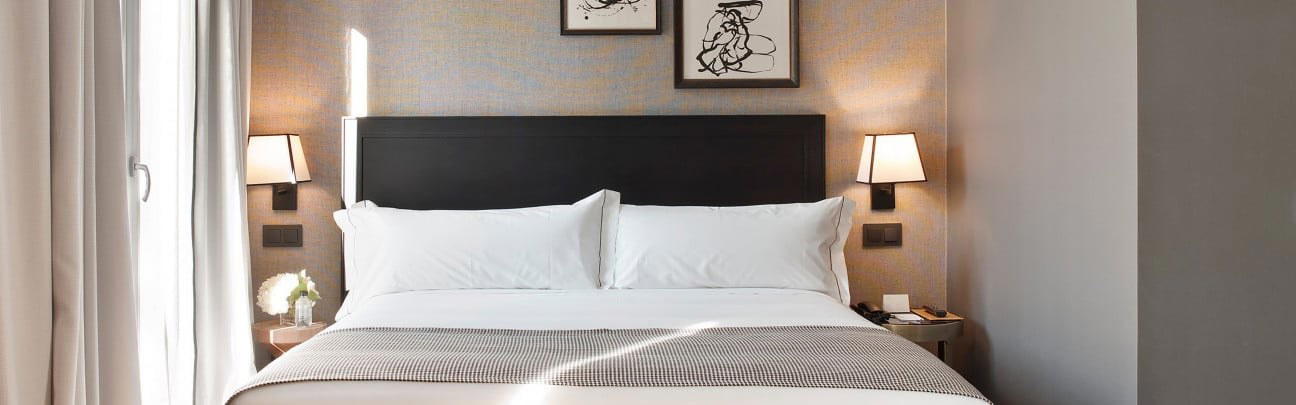
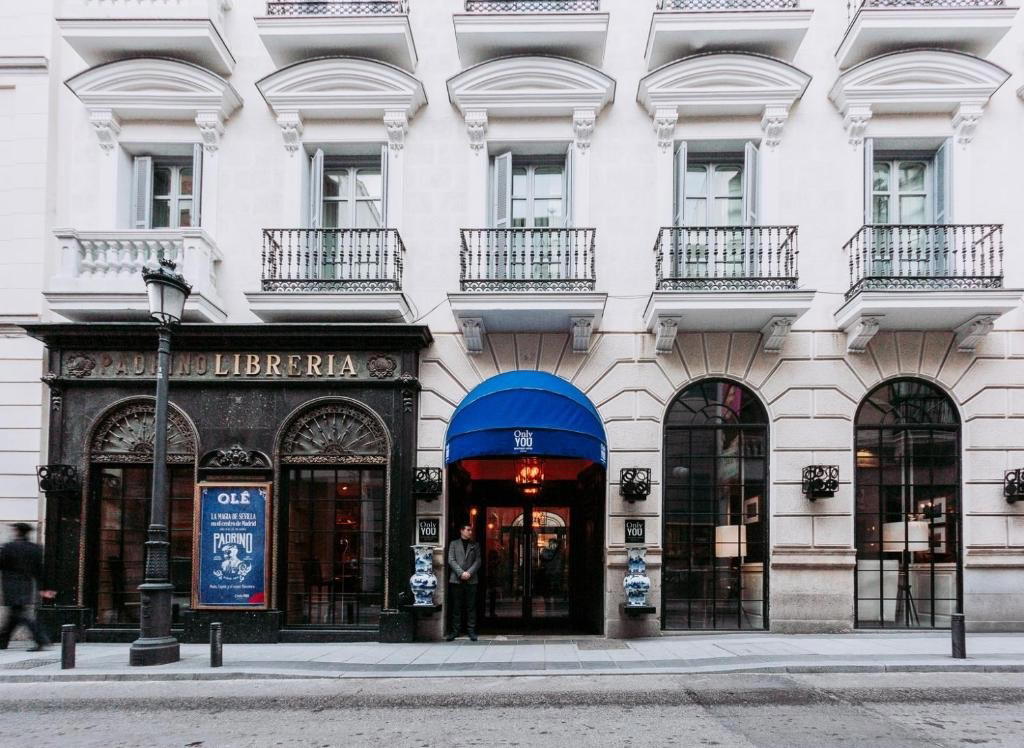
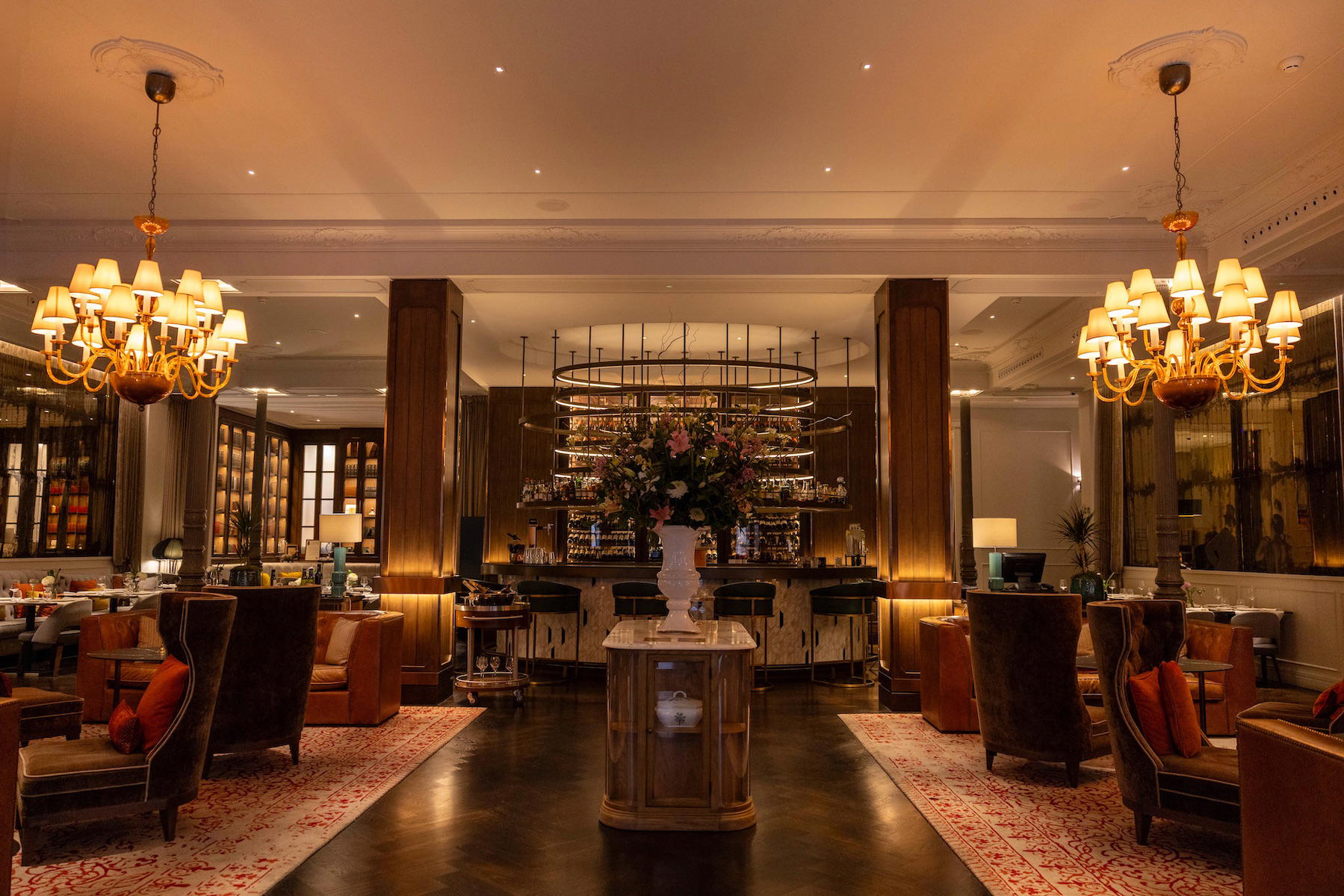
Warm and dynamic with eclectic art, bold Philippe Starck design evoking a prestigious café, vibrant open kitchen energy, though some guests note loud music.