Bouquet Garni sits in Fès, a city where restaurant cooking often has to answer to a powerful home-cooking tradition and ingredient markets that shape the daily table. The useful way to read it is through sourcing and setting: what a formal meal in Fès can offer beyond the medina’s snack stalls, hotel dining rooms, and riad kitchens.
Pearl is the En Primeur Club membership app — saves, bookings, and concierge access live there. Same editors, same standards.
- Address
- 8 Avenue Ahmed Chaouki, Fes 30000, Morocco
- Phone
- +212 5 35 94 72 50
- Website
- book.saturdayzapp.com
- Directions
- Get directions
 Saves & bookings on Pearl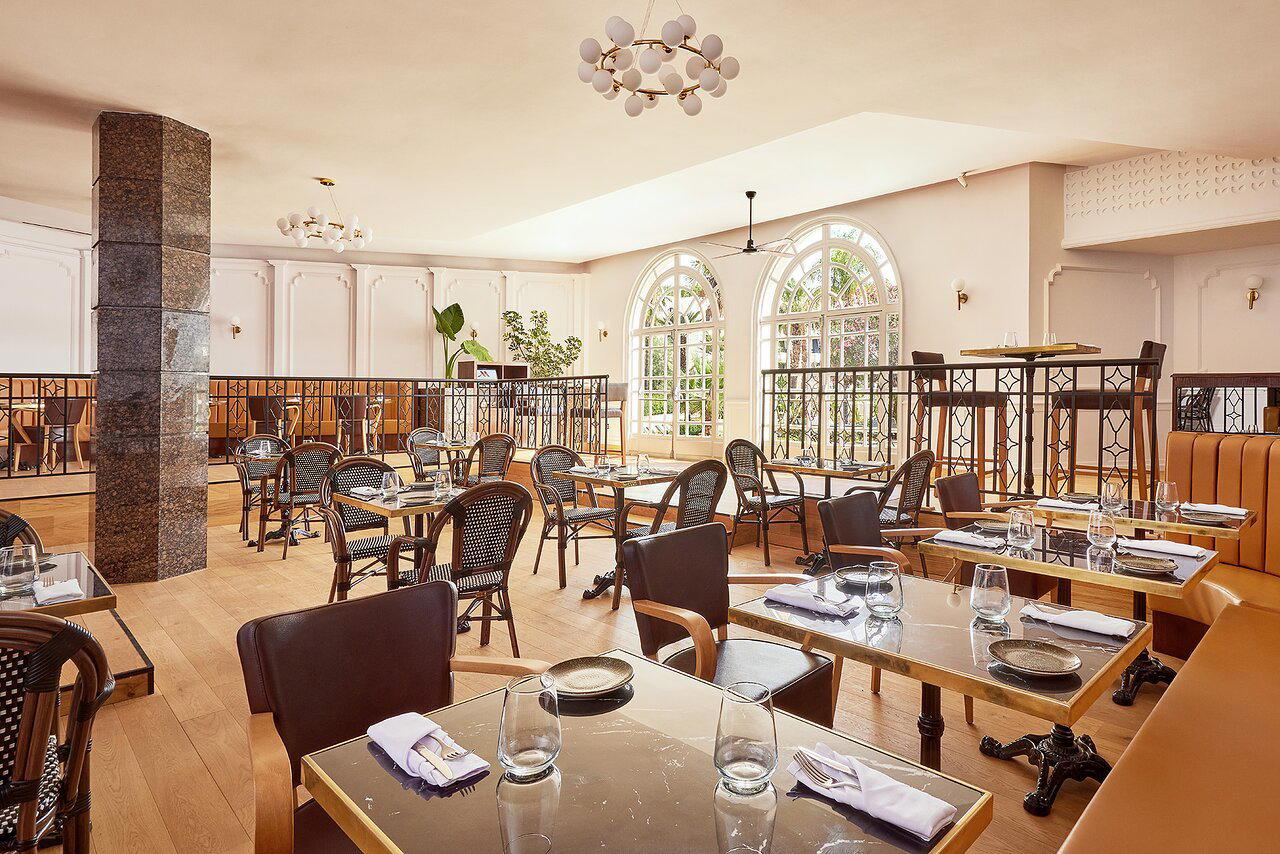
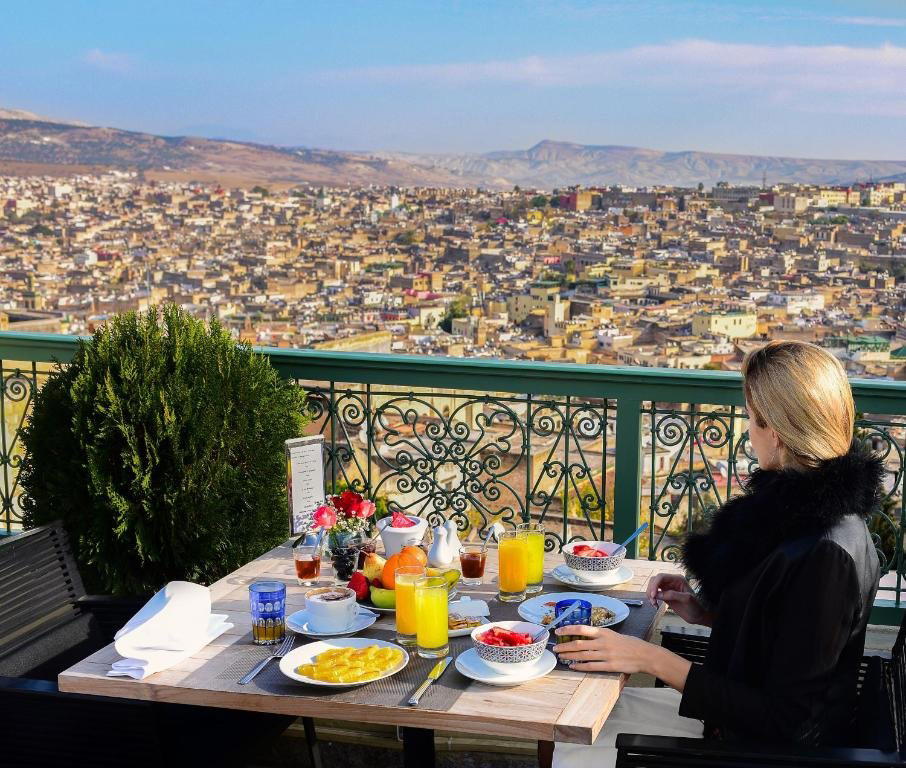
Approaching a restaurant in Fès is never just about the doorway. The city announces food before the table does: carts of herbs, citrus in season, pyramids of olives, the dry perfume of cumin and preserved lemon around the medina, then the calmer avenues of the modern city where dining rooms can stretch into a more measured tempo. Bouquet Garni belongs to that second Fès, away from the compressed theatre of the old lanes, and that matters. A meal here should be read against a city where ingredients, not chef performance, carry the argument.
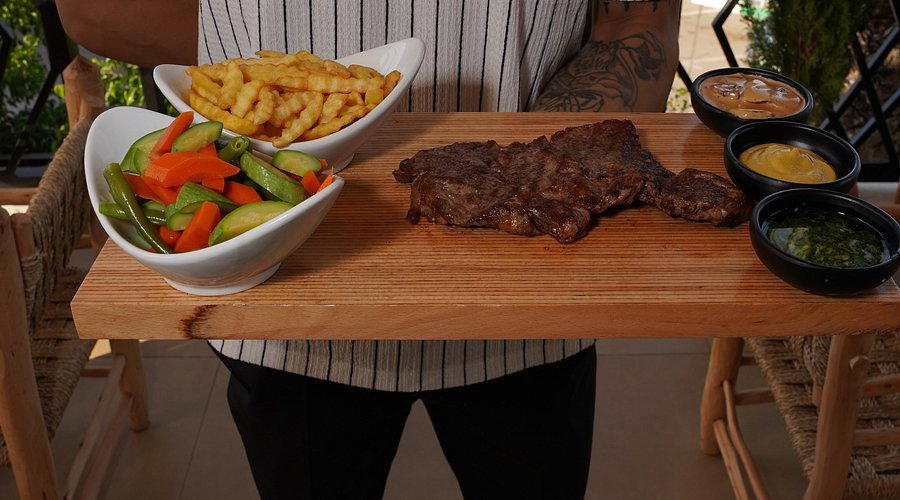
Fès has one of Morocco’s strongest culinary identities because the cooking is domestic before it is restaurant-led. The benchmark is not novelty; it is whether a kitchen understands balance: sweet with saline, spice with restraint, herbs used for lift rather than decoration, and slow cooking that does not collapse into heaviness. That makes ingredient sourcing more than a fashionable claim. In this city, the market sets the grammar. Seasonal vegetables, olives, pulses, herbs, citrus, dried fruit, and preserved products shape the way Moroccan dishes gain depth without needing excessive intervention.
Fès dining is strongest when the market leads the plate
The restaurant scene in Fès splits into several useful categories. Medina restaurants often sell atmosphere first, leaning on carved plaster, courtyard acoustics, and set-menu Moroccan classics. Riad dining can be polished but sometimes feels insulated from the street. Hotel restaurants offer consistency and international framing. The more interesting middle ground is the independent room that lets local ingredients and a less ceremonial rhythm define the meal. Bouquet Garni fits that conversation better than it fits a checklist of chef-led destinations.
That distinction is important for travellers comparing restaurants across the city. Amaraz, Berrada, Bistro Laaroussa, Cafe Clock, and Chiringuito Tapas & Fun each point to a different version of Fès dining, from riad polish to casual social eating and non-Moroccan formats. Bouquet Garni is more useful as a reference for the city’s quieter restaurant culture, where the question is less spectacle and more whether the kitchen gives local produce enough structure to justify sitting down rather than grazing through the day.
Ingredient-led dining in Fès also carries a practical rhythm. Lunch can feel tied to the market’s morning energy; dinner asks for more atmosphere and pacing. Moroccan cooking rewards patience, but restaurant meals in Fès can become heavy when every course leans sweet, sauced, and slow. The stronger rooms understand contrast: raw or cooked salads before tagine-style depth, acidity beside richness, and bread as a tool rather than filler. Without a published signature-dish canon or awards record attached to the restaurant, the editorial case rests on category fit: this is a Fès table to judge by fundamentals rather than by trophy signals.
The room belongs to modern Fès, not the medina performance circuit
Location changes expectation. In the medina, the dining experience often begins with navigation, threshold drama, and the sensory density of the old city. In the newer quarters, the experience is more direct. That suits travellers who want Fès cooking without turning every meal into a heritage set piece. It also creates a different competitive frame: less tourist choreography, more attention to whether the restaurant functions as a proper local dining room.
For a broader read on the city, Our full Fès restaurants guide is the right starting point, with companion context in Our full Fès hotels guide, Our full Fès bars guide, Our full Fès wineries guide, and Our full Fès experiences guide. The restaurant also sits inside a wider Moroccan shift: travellers are no longer treating Marrakech as the only contemporary dining reference point. +61 in Marrakech, Amaraz Restaurant in Fez, Anaw in Taghazout, Andalus in Tangier, Asayss Restaurant in Asni, and Azura in Fnideq show how regional context changes the meaning of a meal.
That national comparison is useful because Fès does not need to mimic coastal lightness, Marrakech gloss, or international small-plate culture to be compelling. Its advantage is depth: preserved ingredients, slow heat, layered spice, and produce that has passed through a food culture older than the restaurant economy around it. The restaurant is worth considering when the goal is to eat Fès in a composed setting rather than chase a heavily branded dining narrative.
How to place it in a Fès itinerary
Use this kind of room as a counterweight to the city’s more atmospheric meals. A riad dinner can supply architecture and ceremony; a street-food afternoon can supply immediacy; a modern dining room can show how Fès ingredients behave when given table service and a slower pace. That sequence gives a traveller a better reading of the city than repeating the same set-menu experience across several nights.
The absence of public awards attached to the restaurant should be read plainly, not negatively. Fès is not primarily an awards-driven dining city, and many worthwhile meals here operate outside the global guidebook economy. The trust signal is contextual rather than trophy-led: the restaurant’s Fès setting, its position outside the medina’s most theatrical dining circuit, and its usefulness for understanding Moroccan ingredients in a composed urban room. Travellers extending the comparison beyond Morocco can also see the contrast with specialist formats such as Jōdo Saké Bar in Los Angeles or Onigiri Time in Pasadena, where format precision, rather than market-to-table Moroccan depth, defines the experience.
Side-by-Side Snapshot
Comparable venues by cuisine and price in the same metro.
| Venue | Cuisine |
|---|---|
| Bouquet Garni | This venue |

At a Glance
- Elegant
- Modern
- Sophisticated
- Romantic
- Date Night
- Business Dinner
- Group Dining
- Celebration
- Hotel Restaurant
- Standalone
- Extensive Wine List
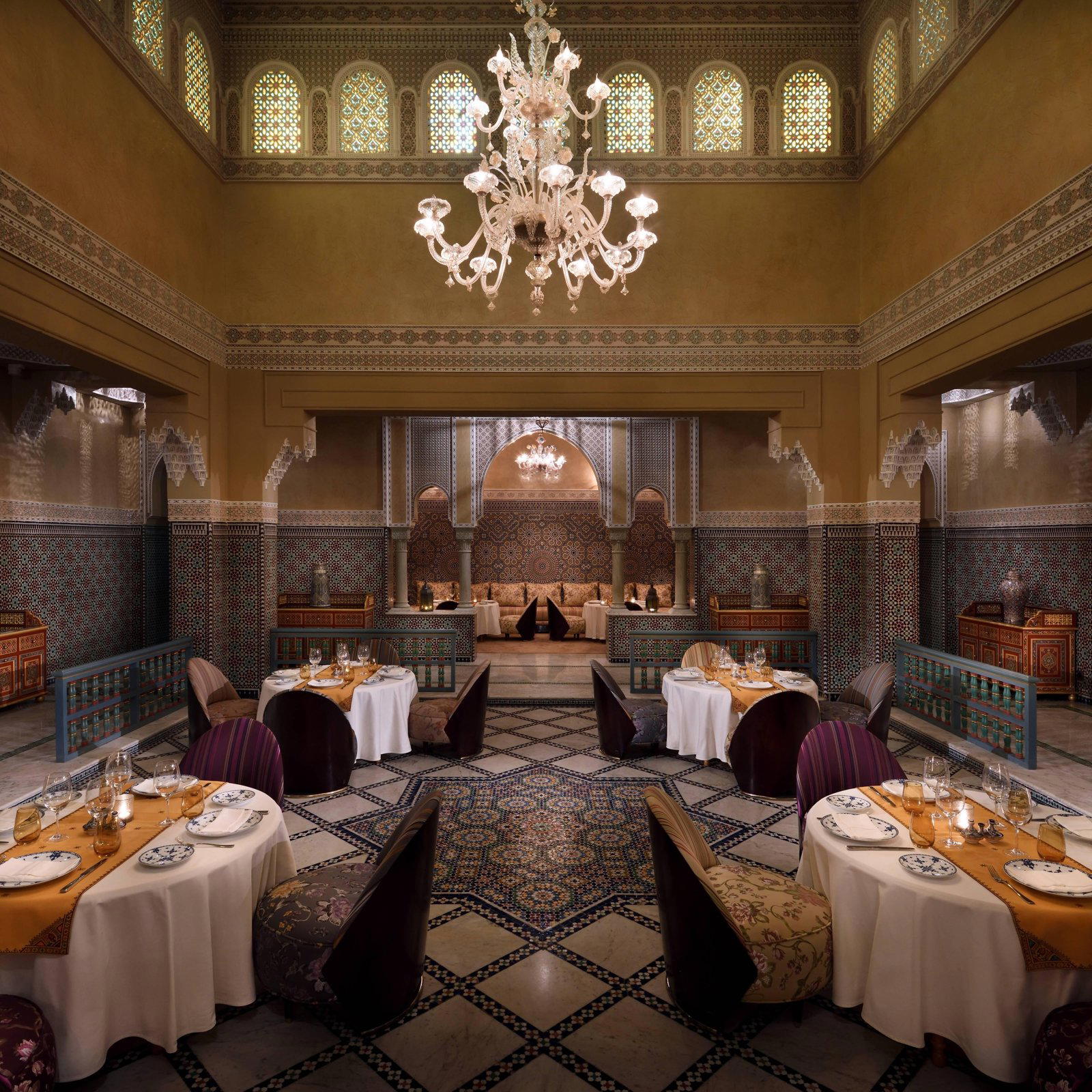
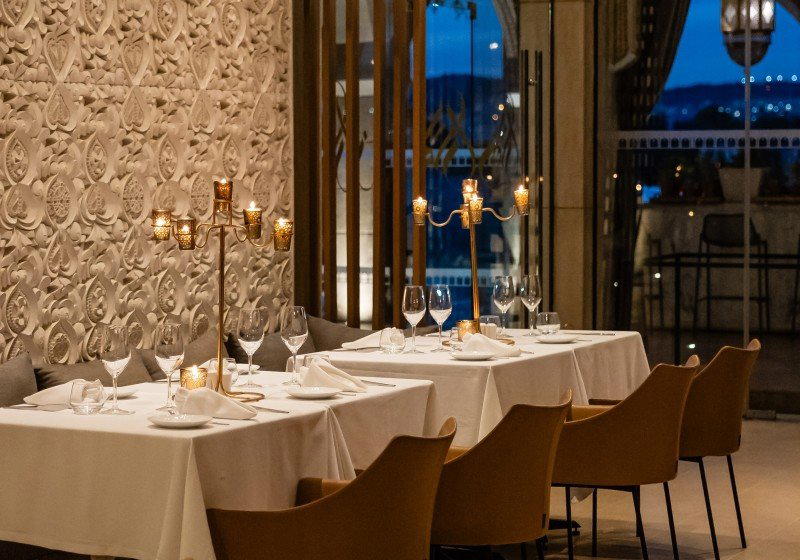
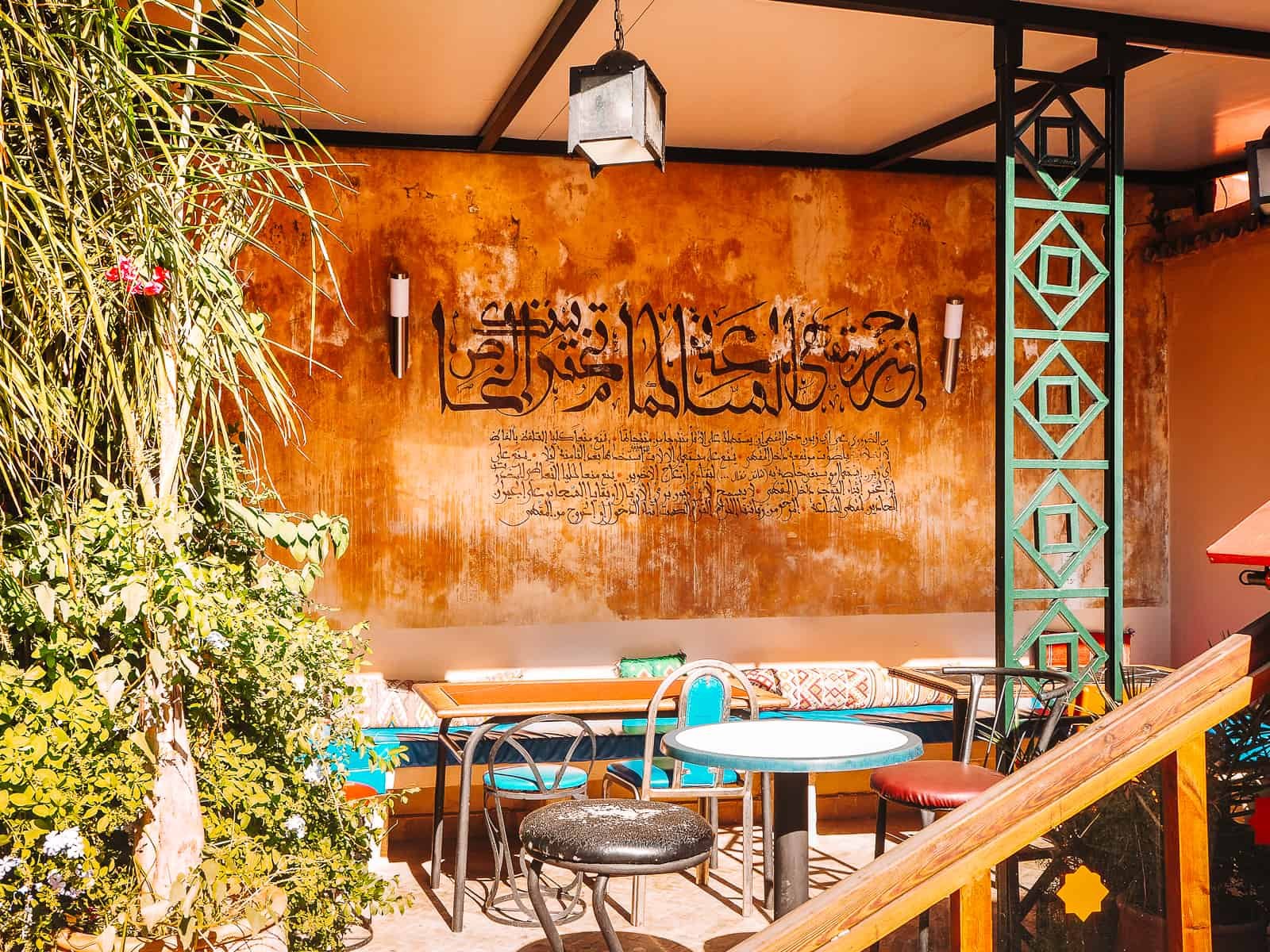
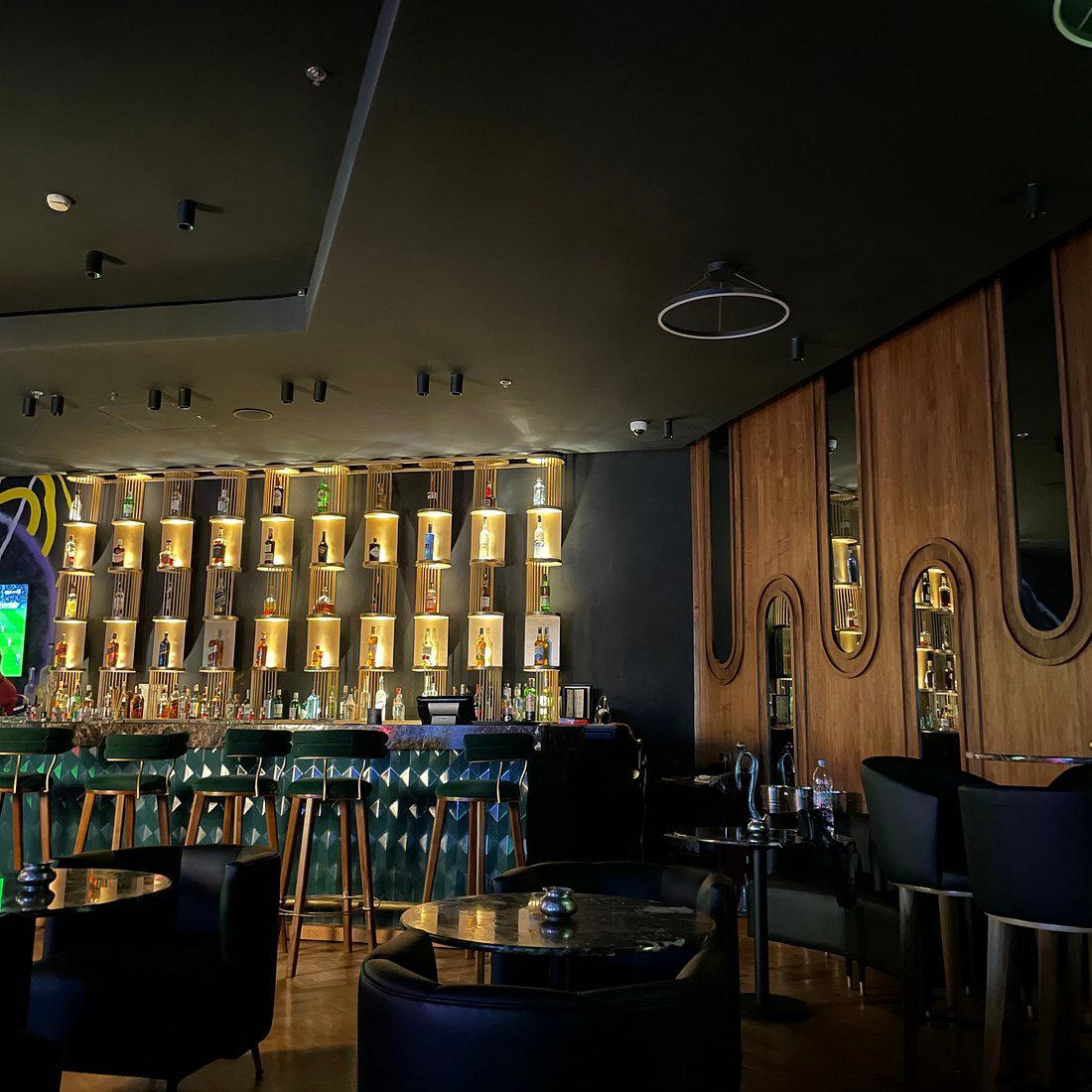
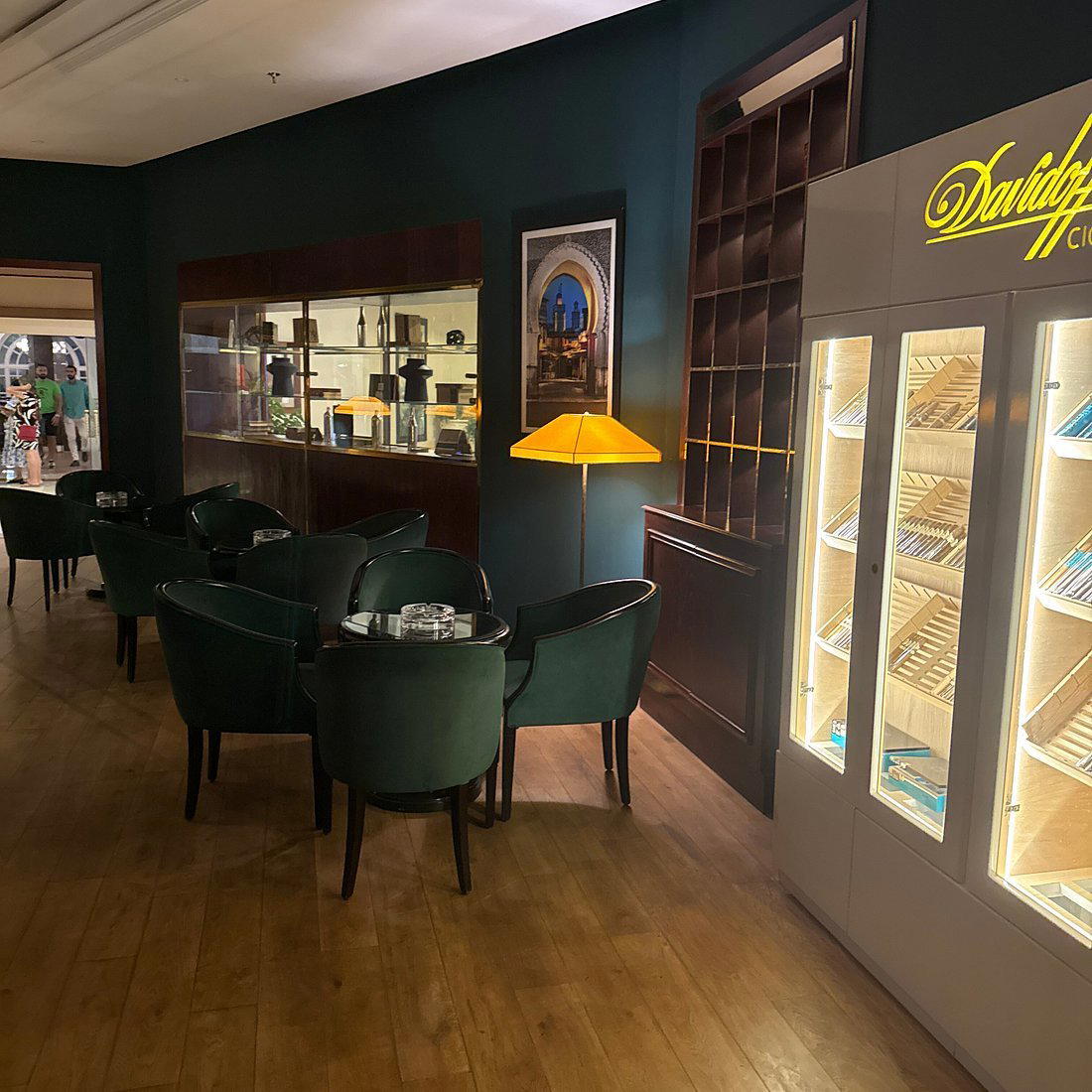
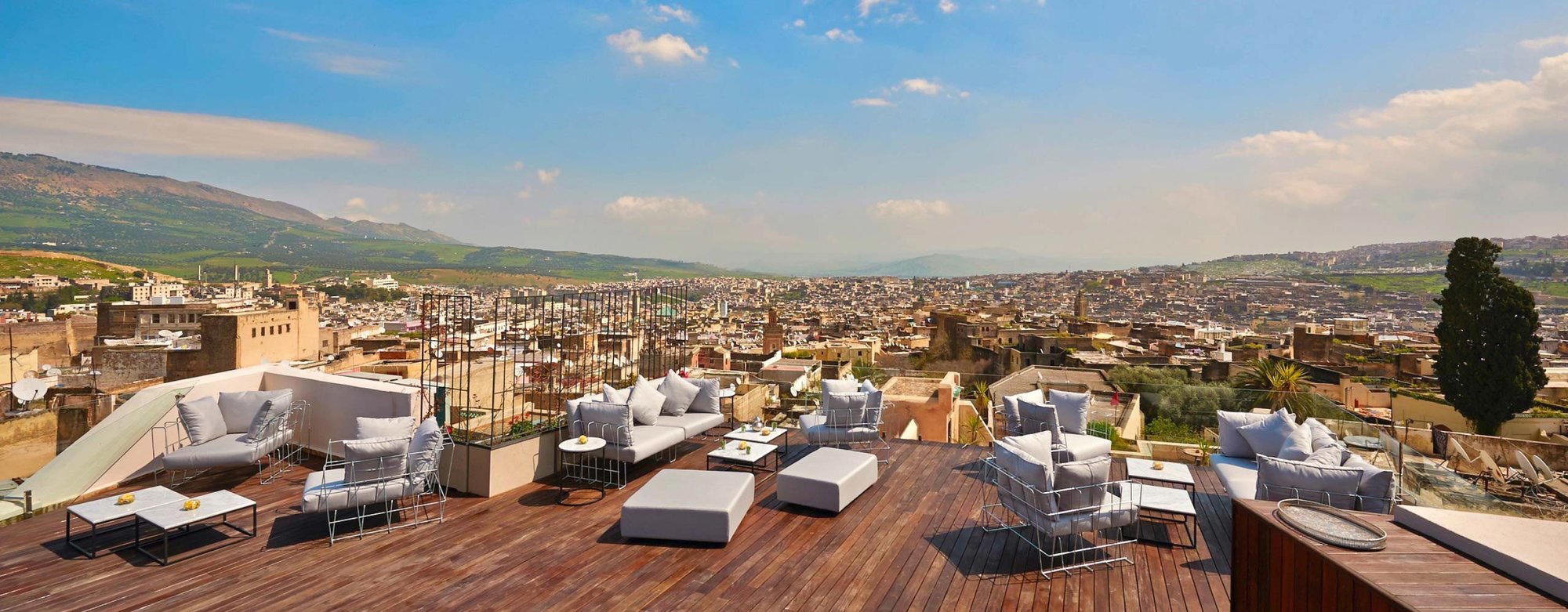
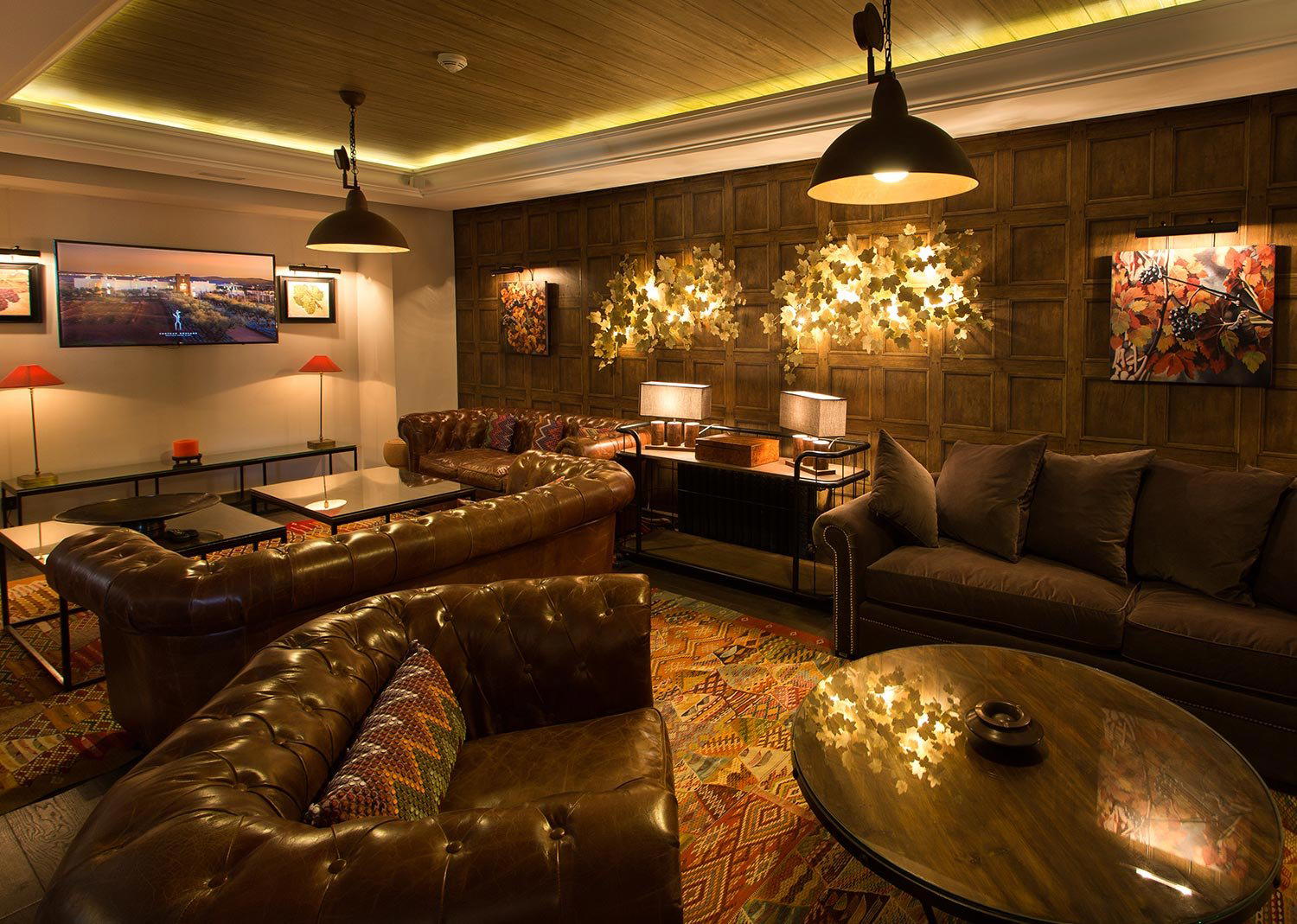
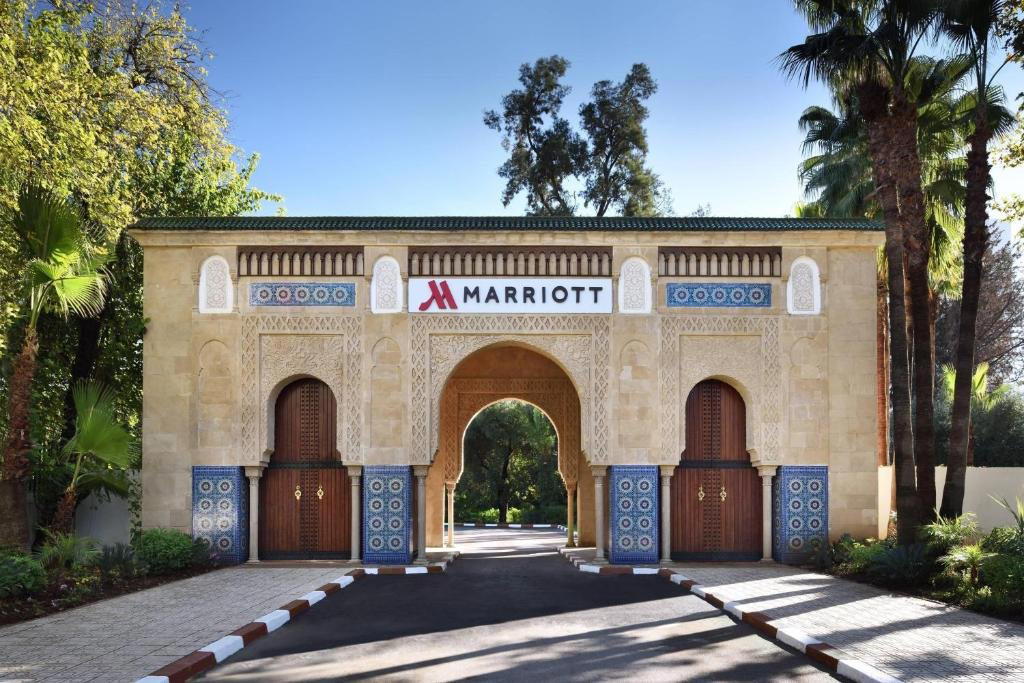
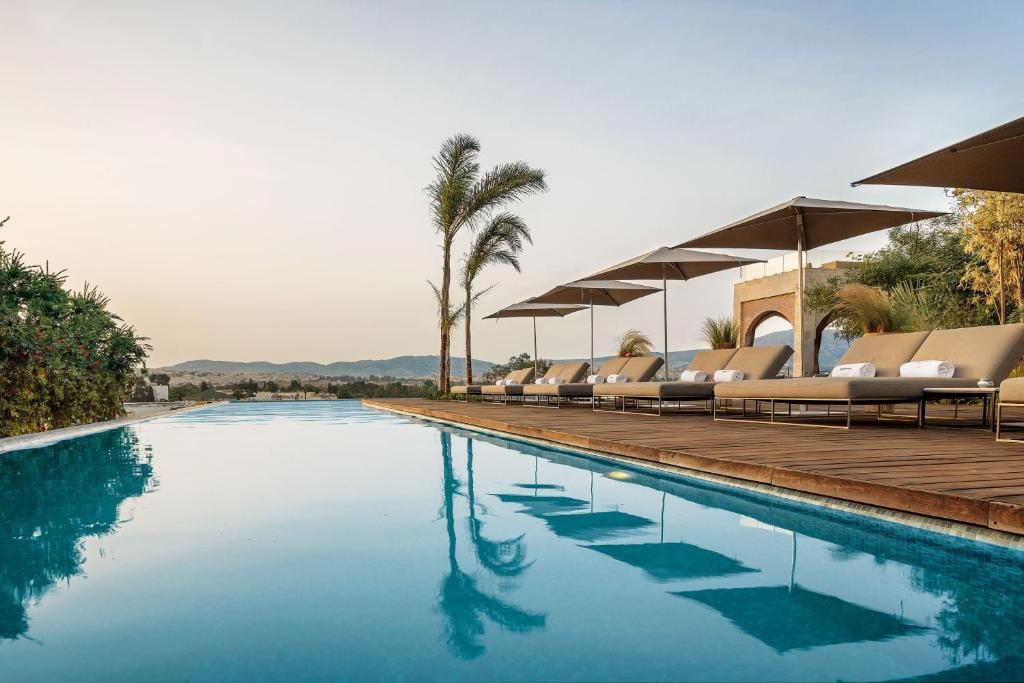
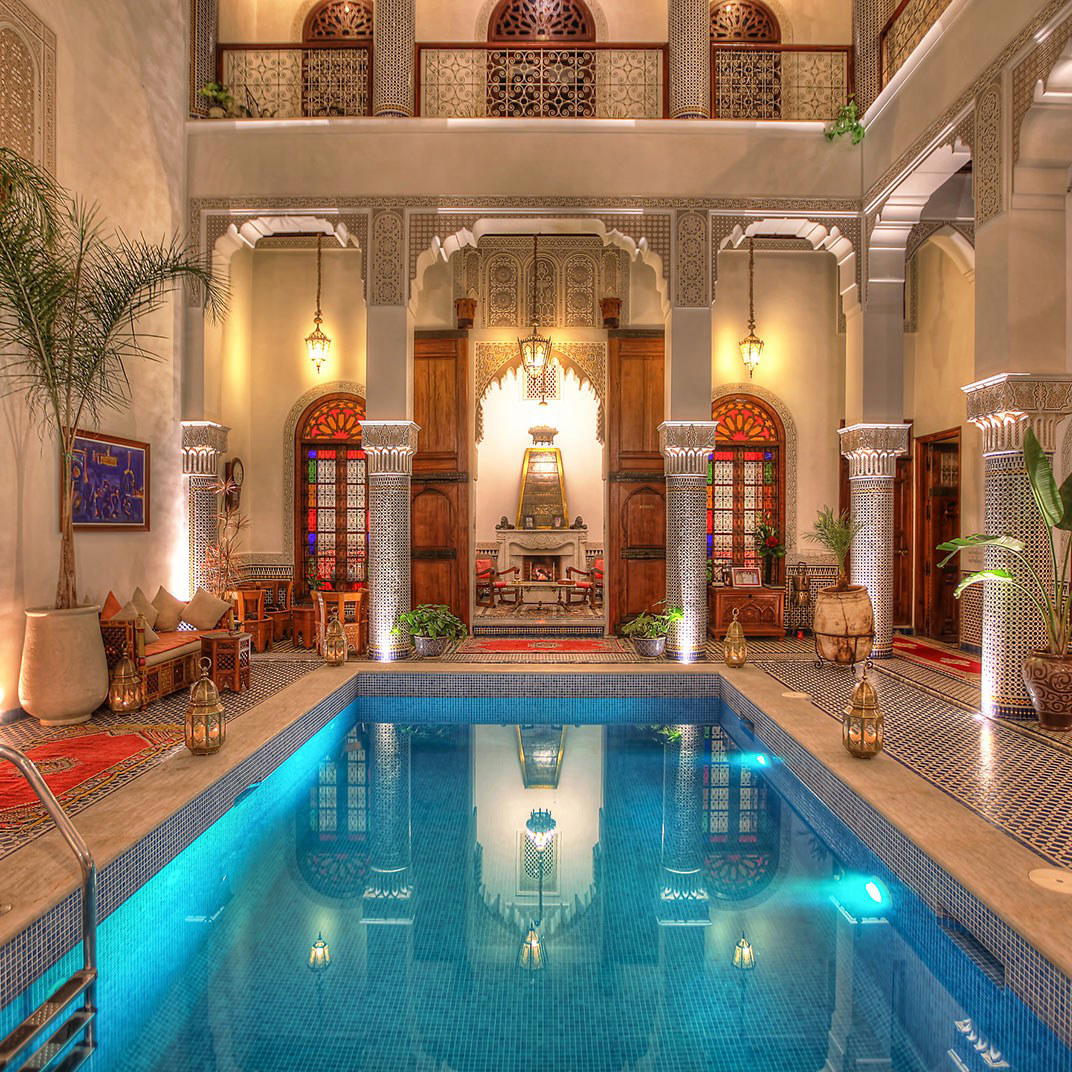
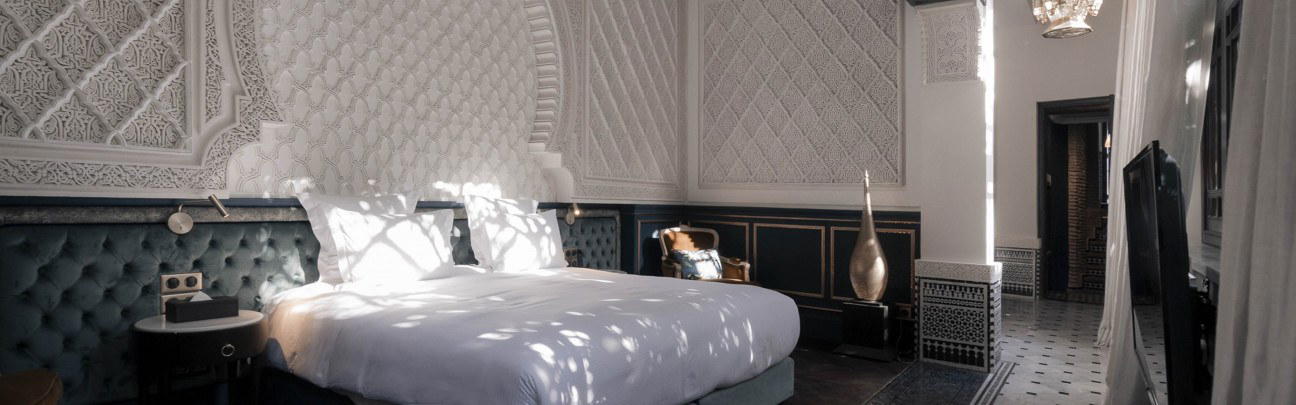
Urban and chic hotel-restaurant atmosphere with elegant contemporary design and a refined yet relaxed dining room suited to both business and leisure guests.